

Note: This article contains affiliate links. If you click on these links and make a purchase, I may earn a small commission at no extra cost to you. This helps support my research and content. Read my full affiliate disclosure here.
Window boxes are one of the easiest ways to add color and life to a home without taking up yard space. Choosing the right easy plants for window boxes matters because containers have limited soil, heat up quickly, and can dry out faster than ground beds. The right selections deliver long bloom times, predictable water needs, and a tidy habit that fits narrow spaces. This guide shortlists seven strong options that perform well in typical window-box conditions. We evaluate each on light tolerance, watering and feeding needs, size control, and seasonal interest so you can pick plants that match your sill, sun exposure, and how often you want to tend them.
Top Picks at a Glance
| Best Overall The best all-around choice for most situations | Sow Right Seeds Rainbow Coleus Seeds (800 Count) |  |
| Best Quality Built to a higher standard if you want something more solid | Sereniseed Certified Organic Herb Seeds 10-Pack |  |
| Best Value The sweet spot between price and what you get | SURVIVAL GARDEN SEEDS Tiny Tim Cherry Tomato Seeds (1 Pack) |  |
| Best Budget The cheapest option that still gets the job done reliably | Generic Geranium Flower Seeds, 10 Count, Heirloom Non-GMO |  |
| Highest Rated A top-rated pick with lots of positive feedback | BuggyBeds Pansy Seeds, 5000 Non-GMO Mixed-Color Violas |  |
| Most Popular A crowd favorite that many people choose with confidence | HOME GROWN Rainbow Mix Coleus Seeds (approx. 400) |  |
| Best Seller A high-volume bestseller chosen again and again | KVITER Rainbow Coleus Seeds — 1,600 Heirloom Coleus (Plectranthus scutellarioides) |  |
Sow Right Seeds Rainbow Coleus Seeds (800 Count)

| Unit Count | 800 Count |
|---|---|
| Plant or Animal Product Type | Plectranthus scutellarioides |
| Sunlight Exposure | Partial Sun |
| Expected Blooming Period | Spring to Summer |
| Material Features | GMO Free, Heirloom |
These Rainbow Coleus seeds come in a large packet (about 800 seeds) and are aimed at gardeners who want bright, foliage-focused plants for containers or shaded beds. Coleus is grown for its colorful leaves rather than flowers and this mix produces a wide range of yellow, pink, green, red and maroon patterns that show well in pots and hanging baskets. The packet lists a high germination rate and seedlings typically emerge in 10 to 14 days at soil temperatures around 70 to 75°F. Directions call for shallow planting and spacing appropriate for container culture; mature plants reach roughly 18 to 30 inches tall so they make a substantial potted specimen or companion plant. Because these are non-GMO heirloom seeds sold in a bulk packet, you get many plants for your investment which is useful when filling multiple containers. Limits to expect are typical for coleus: they prefer partial shade and warm conditions and are tender in cold weather, so they need protection or to be brought indoors in cool climates.
Best for: Gardeners who want an affordable way to mass-fill outside pots with colorful, shade-friendly foliage and who prefer growing many plants from seed rather than buying individual transplants.
Less Ideal for: Someone who needs uniform, predictable single-color plants from the start or who wants immediate mature plants without waiting for seed-grown development.
- Very large seed count (about 800) gives good value for filling multiple pots or containers
- Non-GMO heirloom seeds suitable for saving and replanting
- High germination rate and clear planting instructions for quick establishment
- Shade-tolerant foliage plant that performs well in partial sun pots and hanging baskets
- Tender to cold and not suitable for frost-prone outdoor locations without protection
- Packet contains a mix so you cannot predict exact colors or patterns for each plant
Verdict: A budget-friendly way to fill outside pots with vibrant, shade-tolerant coleus foliage by growing many plants from a single large packet of heirloom seeds.
Sereniseed Certified Organic Herb Seeds 10-Pack

| Indoor Outdoor Usage | Outdoor |
|---|---|
| Sunlight Exposure | Full Sun |
| USDA Hardiness Zone | 2 through 9 |
| Moisture Needs | Moderate Watering |
| Material Features | GMO Free, Heirloom, Organic |
This 10-pack from Sereniseed supplies a range of popular culinary herbs including basil, oregano, parsley, thyme, sage, cilantro, chives, dill, lavender, and Thai basil, packaged as certified organic, non-GMO heirloom seed. It is intended for outdoor planting and suits raised beds where full sun and well-drained, moist soil are available. The kit emphasizes germination reliability with climate-controlled storage and a germination guarantee, and it includes planting tips and access to step-by-step seed-starting videos that help both beginners and experienced growers get predictable results. Because the varieties are common culinary types, they provide quick, practical harvests and can be spaced in succession crops to maximize production in a raised bed. Limitations to note are conventional to seed kits: you must still manage timing, thinning, and transplanting for best yields, and some herbs such as lavender prefer drier spots while cilantro bolts quickly in heat, so microclimate management in a raised bed matters for peak performance.
Best for: Gardeners who want reliable, organically produced culinary herbs for a productive raised bed and prioritize predictable germination and easy guidance to maximize yields.
Less Ideal for: People seeking single-variety, large-scale seed quantities for commercial production or those who want fully mature plants rather than starting from seed.
- Certified organic and non-GMO heirloom seeds for culinary use
- Ten complementary herb varieties that support continuous harvesting
- Germination guarantee with temperature- and humidity-controlled storage
- Includes planting tips and video guides to improve seed-starting success
- Some included herbs have different watering and heat tolerances which require bed microclimate management
- Unit count is by seed packets not specified seed quantities per variety
Verdict: A performance-minded seed kit that delivers a diverse set of certified organic culinary herbs with strong germination support for productive raised bed gardening.
SURVIVAL GARDEN SEEDS Tiny Tim Cherry Tomato Seeds (1 Pack)

| Indoor Outdoor Usage | Indoor, Outdoor |
|---|---|
| Sunlight Exposure | Full Sun |
| USDA Hardiness Zone | 4-11 |
| Seed Treatment Method | Untreated |
| Material Features | GMO Free, Heirloom |
Tiny Tim cherry tomato seeds are a small-space variety designed for containers, patios, and windowsills. As an heirloom, non-GMO, untreated seed, it is intended to be started indoors 6 to 12 weeks before last frost, then hardened off and transplanted to loam-rich soil or a container with regular watering and full sun. Plants stay compact at roughly 12 to 18 inches and set heavy clusters of sweet red cherry tomatoes in about 50 to 65 days after transplanting, which makes them useful for quick, repeated harvests. The packet claims high germination, disease and pest resistance, and practical planting instructions for first-time growers and seed saving. Limitations are the small plant size and determinate habit, which means it will produce in a concentrated flush rather than continuously, and yields per plant are lower than larger indeterminate varieties; gardeners wanting long-season, high-volume harvests should plan multiple plants or different varieties. These seeds are untreated and open-pollinated, so expect the usual variability of heirloom seed stocks and follow good seed-starting practices for best results.
Best for: Ideal for budget-minded gardeners who want fresh cherry tomatoes from containers, balconies, or indoor setups and prefer seeds they can save and reuse.
Less Ideal for: Not the best choice for gardeners seeking continuous, high-volume production from each plant or those who need hybrid disease-resistant varieties backed by coatings or treatments.
- Compact determinate habit suits containers and tiny gardens
- Heirloom, non-GMO, and untreated seeds allow seed saving
- Short time to harvest (about 50–65 days after transplant)
- Brand packet includes clear planting and transplanting guidance
- Determinate growth produces a single main harvest rather than continuous fruiting
- Smaller plants yield less per plant compared with larger tomato varieties
Verdict: A compact, easy-to-grow heirloom cherry tomato seed that gives budget gardeners a quick, space-saving route to fresh tomatoes and reusable seed stock.
Generic Geranium Flower Seeds, 10 Count, Heirloom Non-GMO

| Indoor Outdoor Usage | Outdoor |
|---|---|
| Expected Blooming Period | Spring to Fall |
| Sunlight Exposure | Full Sun |
| USDA Hardiness Zone | 10,11 |
| Material Features | GMO Free, Heirloom |
These geranium seeds are a simple, low-cost way to add classic, long-blooming color to window boxes and containers. The packet contains 10 heirloom, non-GMO seeds that are best started indoors 8 to 10 weeks before the last frost or sown directly in well-drained soil once temperatures warm. Geraniums from these seeds prefer full sun but tolerate some light shade, and are noted for attracting pollinators. They reach about 20 inches tall and perform well in sandy, regularly watered soils; once established they show good drought tolerance, which reduces day-to-day maintenance. Important limitations are the small seed count and the variability that comes with seed-grown plants compared with seedlings or plugs, so not every seed will produce a vigorous plant and results depend on successful seed starting and care. For budget window-box projects this packet can supply a few color plants after germination, but expect to supplement with nursery-bought plants if you need a full display quickly.
Best for: Budget-minded gardeners who want to grow classic geraniums from seed for a few sunny window boxes and are willing to start seeds indoors and nurture seedlings.
Less Ideal for: Gardeners who need instant, guaranteed full displays or who prefer no-fuss planting should choose pre-grown transplants instead.
- Heirloom non-GMO seeds suitable for gardeners who prefer open pollinated varieties
- Attracts pollinators and provides continuous blooms from spring to fall
- Tolerates full sun and some light shade, versatile for different window-box exposures
- Once established shows drought tolerance and requires relatively low maintenance
- Only 10 seeds in the packet, which may not be enough to fill multiple window boxes
- Seed-grown plants have variable germination and vigor compared with established nursery plants
Verdict: An inexpensive seed option to grow classic, pollinator-friendly geraniums for sunny window boxes if you are willing to start and nurture seedlings.
BuggyBeds Pansy Seeds, 5000 Non-GMO Mixed-Color Violas
| Unit Count | 5000 Count |
|---|---|
| Indoor Outdoor Usage | Indoor, Outdoor |
| Expected Blooming Period | Spring to Fall |
| Sunlight Exposure | Full Sun |
| USDA Hardiness Zone | 2, 3, 4, 5, 6, 7, 8, 9, 10, 11 |
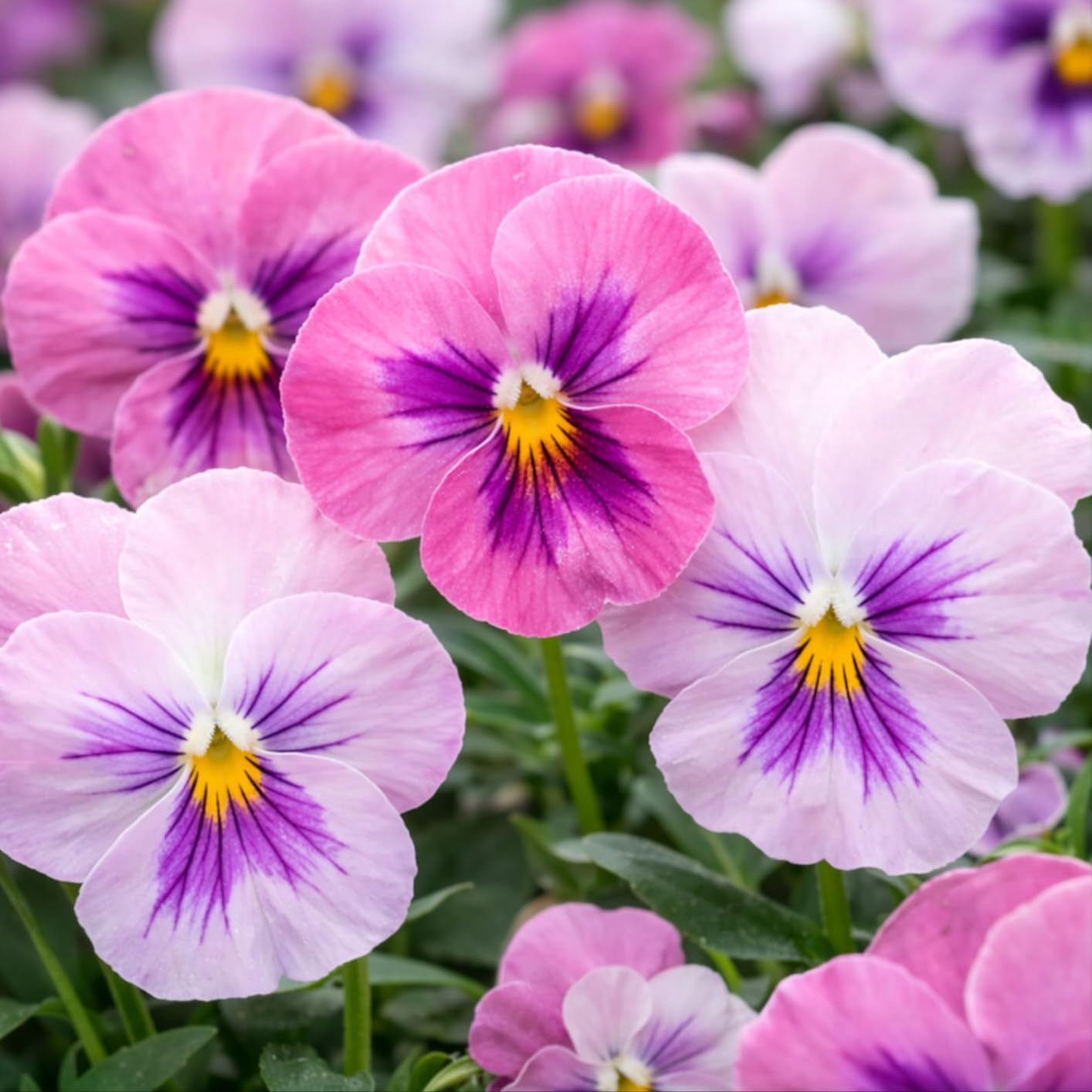
This large 5000-count pack of BuggyBeds pansy seeds supplies gardeners with a dependable source of mixed-color violas for window boxes, containers, and borders. The seeds are non-GMO and suited for indoor starting as well as direct outdoor sowing, producing low-growing, hardy flowers that bloom from spring through fall and attract pollinators. Practical benefits for window-box growers include abundant seed quantity to densely fill multiple boxes or replace plants seasonally and the ability to start indoors if you need earlier blooms. These pansies prefer full sun and loam soil with regular watering, and they perform across a very wide USDA hardiness range, so they are resilient in cool-season situations. Important limitations are that seeds require germination time and basic care to reach peak appearance, and you will need to manage thinning or transplanting if you want evenly spaced plants rather than a very dense carpet. Also colors are mixed rather than selectable, so exact palette control is limited.
Best for: Gardeners who want a reliable, high-volume seed source to densely populate window boxes or containers and prefer low-maintenance cool-season flowers that return color over months.
Less Ideal for: Growers who need precise control over bloom colors or those looking for instant, mature plants rather than starting from seed.
- Very large 5000-seed count suitable for filling multiple window boxes or replanting
- Non-GMO seeds for natural, true-to-type violas
- Versatile for indoor starting or outdoor sowing to extend bloom time
- Attracts pollinators which benefits nearby flowering plants
- Mixed-color mix does not allow selection of specific flower colors
- Requires germination and early care time before display-quality blooms appear
Verdict: If you need a dependable, high-volume seed pack to fill window boxes with long-blooming, pollinator-friendly pansies, this 5000-count non-GMO mix delivers consistent results.
HOME GROWN Rainbow Mix Coleus Seeds (approx. 400)
| Sunlight Exposure | Part Shade to Shade |
|---|---|
| USDA Hardiness Zone | 2-11 |
| Expected Blooming Period | Spring through Frost |
| Material Features | GMO Free, Heirloom |
| Unit Count | 1 Count |
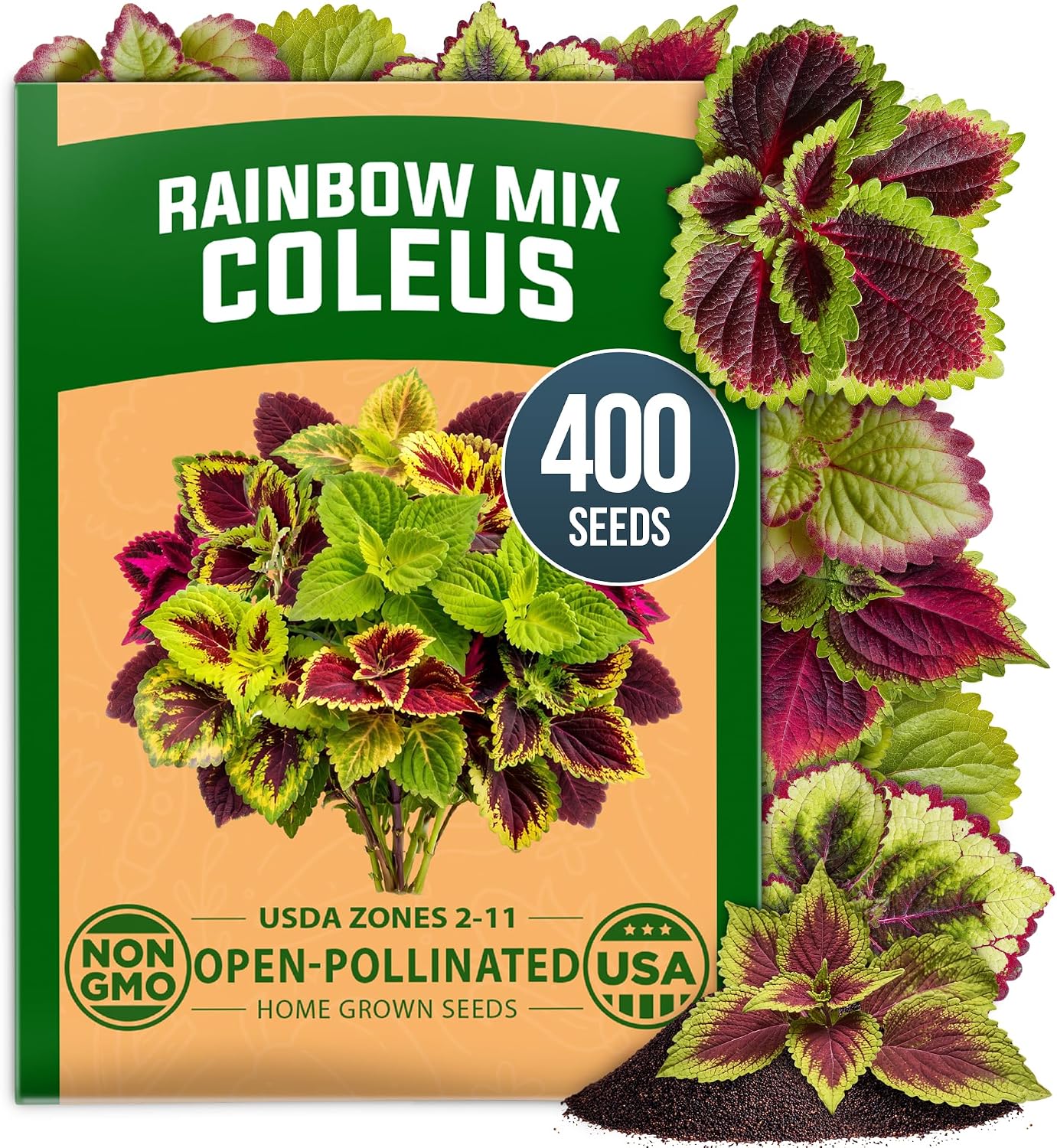
These Rainbow Mix coleus seeds produce compact, colorful foliage plants that are well suited to containers and shaded patio spots. Surface-sow the tiny seeds (do not cover), keep the medium warm and consistently moist, and seedlings typically appear in 10–14 days; pinch growing tips to encourage bushy, mounded plants. The mix is valued for season-long leaf color in shades of rose, green, bronze, cream, and scarlet, so you get visual impact without relying on flowers. Coleus grows indoors near bright north or east windows and outdoors in part shade to shade, making it a flexible choice for window boxes, mixed planters, and small pots. Important limitations are that coleus is a tender annual in most regions and needs protection from frost and prolonged drought, and it prefers warm temperatures for best germination and growth. For container gardeners who want low-maintenance, high-impact foliage, this seed mix is an easy way to produce many plants from one packet.
Best for: Gardeners who want easy-to-grow, high-impact foliage for containers and shaded patios and prefer predictable, low-fuss plants they can start from seed.
Less Ideal for: People seeking long-lived perennial landscaping or plants that tolerate full sun and drought without extra care.
- High seed count (about 400) gives many starts for containers or massing
- Open-pollinated non-GMO seeds from a mix that yields varied, colorful foliage
- Specifically suited to part shade and shade where many flowering plants struggle
- Compact, mounded habit that performs well in pots, window boxes, and mixed planters
- Tender annual in most zones and requires frost protection or indoor overwintering
- Requires consistent moisture and will suffer if soil dries out or remains waterlogged
Verdict: A high-count, non-GMO coleus seed mix that reliably produces compact, colorful foliage perfect for containers and shaded patios.
KVITER Rainbow Coleus Seeds — 1,600 Heirloom Coleus (Plectranthus scutellarioides)

| Unit Count | 1600 Count |
|---|---|
| USDA Hardiness Zone | 4-10 |
| Sunlight Exposure | Partial Shade |
| Material Features | GMO Free, Heirloom |
| Moisture Needs | Regular Watering |
These KVITER Rainbow Coleus seed packets deliver a high-count mix of heirloom, non-GMO coleus seeds designed for easy container and border planting. The seeds are billed for part-shade locations and come with a step-by-step growing guide on every packet, which helps take the guesswork out of starting indoors 6–8 weeks before the last frost or sowing directly into pots and trays. Coleus produces colorful foliage rather than showy flowers and reaches about a foot tall, making it well suited to outside pots, hanging baskets, and shaded patio corners. The seeds are labeled low-maintenance and shade resistant, so once established they respond well to regular watering and occasional pinching to encourage bushier growth. Because this is a bulk 1,600-count pack, it is best for gardeners who want to fill several containers or create repeated plantings through the season. Expect germination within 7–14 days under good light; results can vary with local soil and care. The package focuses on starter guidance rather than advanced cultivation details, so experienced growers may want more specific spacing or fertilization notes.
Best for: Gardeners who prefer low-risk, easy-to-follow planting and want colorful, shade-tolerant foliage for multiple outside pots or shaded patio containers.
Less Ideal for: Buyers who only need a few plants for a single small pot or who want edible or flowering plants rather than foliage-focused coleus.
- Very large 1600-seed count is suitable for filling many pots or repeating plantings
- Heirloom, non-GMO seeds with a step-by-step growing guide on each packet
- Shade-tolerant foliage plant that performs well in part-sun/part-shade container locations
- Low-maintenance habit and responds to pinching for bushier growth
- Bulk quantity may be more than needed for casual single-pot gardeners
- Limited cultivation details on fertilizing and advanced care provided
Verdict: A risk-averse choice for filling multiple shaded pots with colorful, low-maintenance coleus foliage thanks to a large heirloom seed pack and clear growing instructions.
Choosing the Right Easy Plants for Window Boxes: Key Factors to Consider
Light Exposure and Placement
Window boxes vary from bright midday sun to deep northern shade, and the amount of light is the single biggest driver of plant choice. Full-sun boxes need heat- and sun-tolerant plants that can withstand reflected heat from siding or pavement. Part-sun exposures suit plants that take morning or late-afternoon sun but need protection from the hottest hours.
Shady sills favor foliage interest and shade-tolerant bloomers. Before buying, observe the daily sun pattern for at least a day or two. Matching plants to actual light prevents leggy growth, poor flowering, and accelerated soil drying that often leads to repeated replanting.
Container Depth and Root Space
Window boxes are usually shallow, so root space is limited and influences plant choice heavily. Shallow-rooted annuals and many compact perennials are better suited than plants that develop deep taproots or bulky root balls. Choose plants with compact root systems and predictable mature size to avoid frequent repotting.
Soil in a shallow box dries faster and warms more quickly, which affects nutrient availability and watering rhythm. Use potting mix formulated for containers and plan for shorter intervals between feedings than you would for in-ground plantings.
Watering Needs and Drought Resilience
Because window boxes have less soil to hold moisture, look for plants with modest water demands or those that tolerate short dry spells. Some species need consistent moisture to keep flowers from dropping, while others bounce back after brief drying. Understanding the typical watering frequency for your chosen plants helps set expectations for maintenance.
Consider whether you can water daily during hot spells or prefer low-maintenance options that need watering only two to three times per week. Grouping plants with similar water needs in the same box prevents overwatering or underwatering problems.
Growth Habit and Maintenance
Compact, well-behaved growth habits are best in narrow boxes. Avoid vigorous spreaders, tall plants that require staking, or climbers that will tangle or hang over gutters. Look for varieties described as 'compact', 'mounding', or 'well-branched' to keep a neat profile.
Maintenance tasks like deadheading, light pruning, and occasional trimming will extend flowering and keep plants balanced. Choose plants whose maintenance needs match the time you plan to spend on care to avoid overgrown, messy window boxes.
Seasonal Interest and Longevity
Decide whether you want continuous flowering, strong foliage interest, or a mix of both across the season. Some plants bloom heavily for a few weeks then fade, while others offer steady color from spring through fall. Including a few foliage-focused plants can provide structure when blooms are sparse.
Perennials can be used in window boxes if you can provide winter protection, but many gardeners prefer annuals or tender perennials for predictable seasonal rotation. Think about the visual timeline you want and select plants that deliver at the times most important to you.
Soil, Feeding, and Fertility
Shallow containers need fertile, well-draining potting mix and regular feeding because nutrients wash out with frequent watering. Use balanced, container-appropriate fertilizers or slow-release granules at planting to maintain steady growth and flowering.
Monitor for signs of nutrient deficiency such as yellowing leaves or diminished blooms. Choosing plants with moderate feeding requirements reduces the risk of overfertilization and the extra maintenance that comes with high-demand gourmets.
Matching Plants to Sun and Shade
Not all easy plants share the same light requirements, so place selections based on actual exposure. For south- and west-facing boxes expect strong sun and heat; choose drought-tolerant, sun-loving species that keep foliage crisp in high light. East-facing boxes get gentle morning sun that suits many flowering annuals.
North-facing sills benefit from plants grown for foliage texture and variegation or for bloomers that tolerate low light. Mixing one structural foliage plant with a couple of modest-flowering companions keeps a shady box interesting without demanding constant attention.
- Full sun: choose heat- and drought-tolerant, compact bloomers
- Part sun: pick plants that take morning or filtered afternoon light
- Full shade: favor foliage interest and shade-tolerant perennials
Soil Mix and Drainage Tips
Use a lightweight, well-draining potting mix designed for containers rather than garden soil. Good drainage prevents waterlogging and crown rot, which are common issues in shallow boxes. Add a small amount of compost at planting for steady fertility but avoid heavy mixes that compact quickly.
Ensure the box has adequate drainage holes and consider a coarse layer at the bottom only if a drainage tray is not an option. Lining the box with breathable fabric can help retain moisture while allowing excess water to escape.
- Use container potting mix, not garden soil
- Check drainage holes and avoid standing water
- Add slow-release fertilizer or regular liquid feed during the season
Watering Strategies for Window Boxes
Develop a watering routine based on plant needs and local weather. In hot weather many window boxes need daily moisture, while cooler conditions allow watering every few days. Water slowly until it runs from the drainage holes so the entire root zone is hydrated.
Mulching the surface with fine bark or decorative gravel cuts evaporation and keeps topsoil cooler. For gardeners who travel frequently, self-watering inserts or capillary mats can reduce stress on plants between visits.
- Water deeply and consistently rather than shallow, frequent sprays
- Mulch or top-dress to reduce evaporation
- Consider self-watering options for long, hot spells
Design Tips for Small Spaces
Think vertically and in layers even within a narrow box. Use a combination of thriller, spiller, and filler elements: one upright focal plant, one or two trailing components that soften the edges, and compact fillers for color and texture. This approach creates a full look without crowding roots.
Keep spacing recommendations in mind to prevent competition in a limited soil volume. When in doubt, err on the side of fewer plants and denser-looking varieties rather than overplanting and constant replanting.
- Pair one upright plant with trailing spillers for visual balance
- Space conservatively to reduce root crowding
- Choose repeat-blooming fillers to maintain continuous color
Seasonal Care and Winter Considerations
Some window-box plantings are treated as annual displays that are replaced each season, while others use overwintered perennials or bulbs. For regions with freezing winters, remove tender annuals before hard frosts and consider moving durable boxes to sheltered locations.
Winterize by cutting back spent growth, removing debris that can harbor pests, and reducing watering. If keeping perennials in boxes, provide extra insulation around containers or move them to the ground or an unheated garage for cold months.
- Remove frost-tender plants before hard freezes
- Insulate or move boxes if attempting to overwinter perennials
- Clean out debris to prevent pest and disease carryover
How We Chose the Best Easy Plants for Window Boxes
We focused on plants that are genuinely easy to grow in shallow, constrained containers and that provide steady visual payoff with minimal fuss. Editorial filters prioritized species and varieties that tolerate container heat, resist common pests or diseases in urban settings, and keep a compact, predictable habit suitable for narrow window boxes. We also favored plants that offer extended bloom or foliage interest across a growing season so gardeners get value from a single planting. Concrete evaluation criteria included light tolerance for full sun through deep shade, watering frequency and drought resilience, mature size and growth habit for narrow boxes, and resistance to common container problems like root crowding and crown rot. Additional practical filters were availability from common nurseries and ease of propagation or replacement. We excluded plants that require frequent pruning, heavy staking, or deep soil, as well as aggressive spreaders that will quickly outgrow a shallow box.
FAQ
How often should I water window-box plants in summer?
It depends on exposure and container depth, but many shallow window boxes need daily watering during heat waves. Check soil moisture by hand and water when the top inch feels dry, increasing frequency in full sun.
Can perennials survive in window boxes over winter?
Some hardy perennials can survive if the rootzone is insulated or the boxes are moved to a protected spot. Many gardeners prefer to treat window-box displays as seasonal and replace plants for predictable spring color.
Are trailing plants necessary in a window box design?
Trailing plants are not required but they soften edges and create a finished look. Use one or two spillers with compact fillers and an upright focal plant for balanced visual interest.
What is the best soil for window boxes?
A lightweight, well-draining container potting mix is best because it retains moisture while allowing excess water to escape. Avoid heavy garden soil that compacts and suffocates roots in shallow containers.
How do I prevent root crowding in a small box?
Space plants conservatively, choose compact varieties, and repot or replace every season if roots become pot-bound. Regularly refreshing the potting mix also helps maintain root health.
Should I fertilize window-box plants, and how often?
Yes, container plants need regular feeding because nutrients leach with watering. Use a balanced liquid fertilizer every two to four weeks or a slow-release granule at planting, following package directions.
Final Verdict
Prioritize light compatibility, container depth, and watering rhythm when choosing easy plants for window boxes. Compact growth habit and drought resilience reduce maintenance needs, while steady seasonal interest keeps a narrow space attractive without constant replanting. Balance a focal upright, a couple of spillers, and compact fillers to create a full look that matches your exposure and care schedule. Pick plants whose routine maintenance fits the time you will spend tending them, and accept tradeoffs between the longest bloom period and lowest watering needs. With the right choices and simple care, window boxes deliver reliable color and curb appeal with minimal effort.
