

Note: This article contains affiliate links. If you click on these links and make a purchase, I may earn a small commission at no extra cost to you. This helps support my research and content. Read my full affiliate disclosure here.
If you want living color in a dim corner, the right colorful low light plants can transform a dark room, hallway, or covered patio without constant fuss. These selections focus on species and varieties known for retaining vibrant foliage or blooms in less-than-ideal sun, while still being forgiving of common indoor or shaded-outdoor conditions. This guide covers seven top picks shortlisted for their color performance, tolerance for low light, and practical maintenance needs. We explain how each option behaves in real garden and home situations and outline the decision factors used to evaluate them before the product list.
Top Picks at a Glance
| Best Overall The best all-around choice for most situations | Hirt's Gardens Tricolor Prayer Plant (Stromanthe triostar) – 4" Pot |  |
| Best Quality Built to a higher standard if you want something more solid | Costa Farms Aglaonema (Chinese Evergreen) Live Indoor Plant in 6" Planter |  |
| Best Value The sweet spot between price and what you get | Plants for Pets Easy-to-Grow Live Houseplants, Assorted 6-Pack (2" Pots) |  |
| Best Budget The cheapest option that still gets the job done reliably | Hands DIY Oxalis Triangularis Bulbs (10 Count) |  |
| Highest Rated A top-rated pick with lots of positive feedback | Thorsen's Greenhouse Live Red Prayer Plant (Maranta leuconeura) in 4" Pot |  |
| Most Popular A crowd favorite that many people choose with confidence | Costa Farms Chinese Evergreen (Aglaonema) Live Indoor Plant, Medium, in Grow Pot |  |
| Best Seller A high-volume bestseller chosen again and again | Plants for Pets Pothos 4-Pack (4" Assorted) |  |
Hirt's Gardens Tricolor Prayer Plant (Stromanthe triostar) – 4" Pot

| Sunlight Exposure | indirect light |
|---|---|
| Soil Type | Sandy Soil |
| Moisture Needs | Moderate Watering |
| Product Care Instructions | Keep Evenly Moist |
The Tricolor Prayer Plant (Stromanthe triostar) is a compact houseplant prized for its white-and-green variegated tops and vivid reddish-pink undersides. It is typically grown indoors in bright, indirect light and benefits from consistent moisture and higher humidity. Notable features include its striking variegation and a compact 4-inch potted size that fits well on shelves or tabletops. In practice this plant adds immediate visual interest to a room and responds well to regular, moderate watering and occasional trimming to remove older foliage. Important limitations are its humidity preference and need to avoid drying out or sitting in soggy soil, so a humid spot or a pebble tray helps and well-draining potting mix prevents root issues. This is an attractive, easy-to-manage option for someone who wants a colorful houseplant but is willing to keep an eye on moisture and humidity.
Best for: Buyers who want a visually striking, space-efficient houseplant and are comfortable providing regular watering and occasional humidity support.
Less Ideal for: People seeking ultra-low-maintenance plants that tolerate long periods of drought or very dry indoor air should consider hardier, less humidity-sensitive species.
- Striking variegated foliage with green, white tops and reddish-pink undersides
- Compact 4" potted size fits small indoor spaces
- Prefers bright indirect light, making it suitable for many indoor locations
- Clear care guidance: moderate watering and keeping soil evenly moist
- Requires higher humidity than average houseplants to look its best
- Needs consistent moisture management to avoid drying out or root rot
Verdict: Choose this tricolor prayer plant if you want a compact, colorful indoor specimen and can maintain steady moisture and increased humidity.
Costa Farms Aglaonema (Chinese Evergreen) Live Indoor Plant in 6" Planter

| Indoor Outdoor Usage | Indoor |
|---|---|
| Other Special Features of the Product | Includes Planters |
| Sunlight Exposure | Partial Sun |
| Moisture Needs | Moderate Watering |
| Style Name | Aglaonema |
This Costa Farms Aglaonema is a ready-to-display Chinese evergreen shipped in a 6-inch composite planter and intended as an easy-care indoor accent. It performs well in moderate to low light spots that receive a few hours of indirect sun, making it a good choice for tabletops, shelves, or near east-facing windows. Care directions recommend watering when the top two inches of soil feel dry and avoiding standing water since the shipping container does not have drainage holes. The plant arrives potted in grower soil with slow-release fertilizer and shows the broad, colorful leaves typical of Aglaonema cultivars. Practical benefits include low maintenance water needs, tolerance of indoor light variations, and an attractive compact form that fits small spaces. Important limitations are that the supplied planter lacks drainage so repotting or careful watering is needed to prevent root rot, and growth is moderate so it will remain a small-to-medium houseplant rather than a large statement tree. Overall this is a solid pick for someone who wants a low-effort, attractive low-light indoor plant.
Best for: Buyers who prioritize reliable, low-maintenance indoor plants that perform well in lower light and want an attractive, display-ready plant for small spaces.
Less Ideal for: People looking for fast-growing large indoor specimen plants or those who want a pot with built-in drainage and higher transplanting convenience.
- Tolerates low to moderate indirect light, suitable for indoor spots with limited sun
- Ships in a decorative 6-inch planter ready for display
- Arrives in grower soil with slow-release fertilizer for easy initial care
- Compact size fits small spaces such as desks, shelves, or tabletops
- Shipping planter does not have drainage holes, increasing risk of overwatering if not repotted
- Moderate growth rate means it will not quickly become a large focal plant
Verdict: A dependable, low-light houseplant that arrives ready to display and stays compact for easy placement in small indoor spaces.
Plants for Pets Easy-to-Grow Live Houseplants, Assorted 6-Pack (2" Pots)

| Indoor Outdoor Usage | Indoor |
|---|---|
| Other Special Features of the Product | Air Purification, Compact, Low Maintenance |
| Sunlight Exposure | Partial Sun |
| Moisture Needs | Regular Watering |
| Number of Pieces | 6 |
This 6-pack of mini houseplants delivers a practical way to add living greenery to small office spaces or desks. Each shipment contains six different 2" potted varieties selected from common indoor types such as pothos, peperomia, spider plant, croton, ficus and more, so you get visual variety without buying several full-size plants. They arrive rooted and ready for bright indirect light and light-duty care routines like weekly watering until repotted. The compact size makes them easy to group in shared planters, terrariums, or on a windowsill and they are marketed for air-purifying, low-maintenance performance. Limitations are their nursery pot size and small stature, which means frequent repotting and limited long-term presence on a desktop unless transplanted into larger containers. Because the assortment rotates, you cannot pick exact varieties ahead of time, which is good for variety but not for specific plant collections.
Best for: Ideal for office workers or renters who want low-effort greenery to brighten small desks, shelves, or windowsills and prefer a cost-effective way to try multiple indoor plant types.
Less Ideal for: Not a good fit for buyers who need mature, statement houseplants or who require specific plant varieties for allergy, pet-safety, or aesthetic reasons.
- Includes six different fully rooted plants so you can assemble grouped displays or fill multiple small spots
- Compact 2" pots are easy to fit on desks, shelves, and windowsills in offices with limited space
- Designed for low maintenance with recommendations for bright indirect light and weekly watering
- Rotating assortment introduces variety over repeat purchases
- Plants arrive in small grower pots and will need repotting sooner than larger nursery plants
- Assortment is randomized so you cannot guarantee specific varieties in a given order
Verdict: A budget-friendly grab-and-go solution for adding low-maintenance, small live plants to no-light or low-light office spots when grouped or transplanted into larger pots.
Hands DIY Oxalis Triangularis Bulbs (10 Count)

| Indoor Outdoor Usage | Indoor |
|---|---|
| Expected Blooming Period | Fall to Spring |
| Sunlight Exposure | Partial Sun |
| Unit Count | 10 Count |
These Oxalis triangularis bulbs produce the familiar purple shamrock foliage and seasonal flowers for brightening low‑to‑moderate light indoor spots. Plant the bulbs in well‑draining, sandy soil in fall and keep them watered when the topsoil starts to dry; the bulbs are active from fall through spring so you get several months of color. The small unit count is convenient for grouping in pots, window boxes, or under light canopy where partial sun reaches. Because they are sold as bulbs, you will need to supply pots, soil, and basic care rather than receiving mature plants. The variety prefers consistent but not waterlogged soil and may go dormant outside the expected season, so expect seasonal cycles rather than year‑round growth. Overall this is a simple way to add vivid purple foliage to indoor spaces that do not get full sun, provided you are prepared to plant and maintain bulbs on a modest budget.
Best for: Buyers on a tight budget who want colorful, low‑light indoor plants and are willing to plant and care for bulbs themselves.
Less Ideal for: Those who want instant, year‑round houseplants or who prefer fully grown specimens ready to display without planting and seasonal dormancy.
- Vibrant purple foliage and seasonal blooms that brighten low to moderate light areas
- Sold in a 10‑bulb pack suitable for multiple pots or small group plantings
- Designed for indoor use and partial sun situations common in apartments and shaded rooms
- Arrives as bulbs rather than established plants so buyers must pot and establish them themselves
- Active growth is seasonal, so plants may go dormant outside fall to spring bloom period
Verdict: An affordable way to add bold purple foliage to low‑light indoor spots for buyers willing to plant and care for bulbs.
Thorsen's Greenhouse Live Red Prayer Plant (Maranta leuconeura) in 4" Pot

| Indoor Outdoor Usage | Indoor |
|---|---|
| Other Special Features of the Product | Pet Friendly |
| Sunlight Exposure | Partial Sun |
| Moisture Needs | Moderate Watering |
| Soil Type | Peat Soil |
The Red Prayer Plant is a compact houseplant valued for its striking red-veined foliage and responsive leaf movement. Sold in a 4" plastic nursery pot, it is usually placed on a windowsill, shelf, or in a hanging position where it receives bright indirect to low light. The listing highlights practical care advice: keep the peat-based soil evenly moist with filtered water, provide higher humidity, and water less in winter. Notable features include ASPCA-approved non-toxicity for pets, suitability for low light, and straightforward propagation by division or stem cuttings. For a reliability-minded buyer this plant is appealing because it has modest, well-documented needs and the vendor provides clear acclimation and shipping guidance to reduce surprises on arrival. Important limitations are that it prefers consistent moisture and humidity, so it may need more attention in dry homes, and plants can vary from photos so you should allow an acclimation period after shipping. The plant is best for someone who wants a low to moderate care indoor plant with decorative foliage and predictable behavior under indoor conditions.
Best for: Buyers who want a reliable, decorative indoor houseplant that tolerates low light and comes with straightforward care instructions for steady, predictable growth.
Less Ideal for: People who prefer fully hands-off plants or who cannot provide regular watering and humidity; not suited to outdoor use except in very warm zones.
- ASPCA-approved non-toxic to pets, making it safe for homes with animals
- Tolerates low to bright indirect light, suitable for shaded rooms
- Small, space-saving 4" pot fits windowsills, shelves, and hanging spots
- Clear care guidance included for watering, light, humidity, and propagation
- Needs consistently moist soil and higher humidity which can require extra attention in dry indoor environments
Verdict: A compact, pet-safe Maranta that reliably performs in low to bright indirect light for buyers who prioritize predictable, easy-to-follow care.
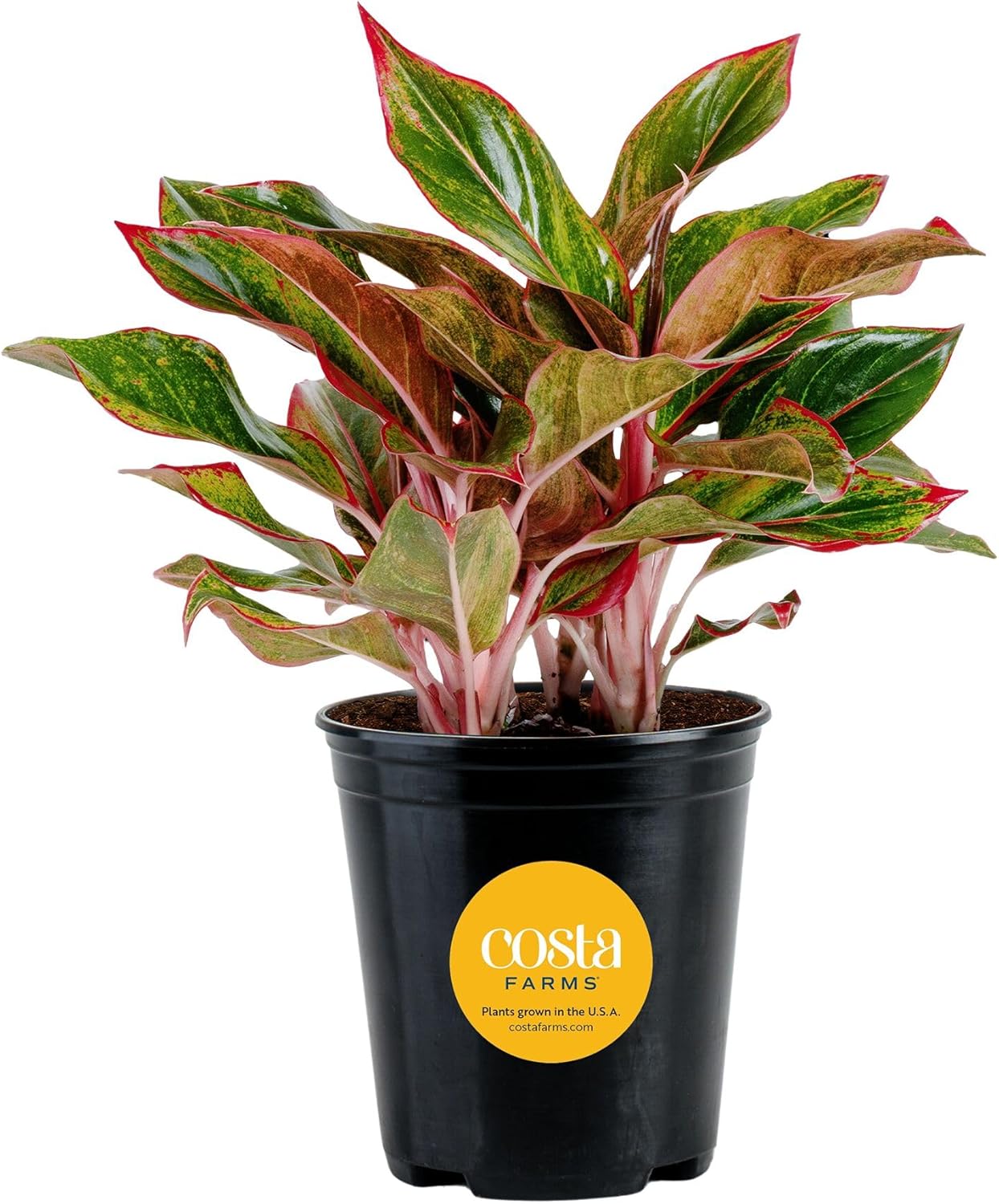
Costa Farms Chinese Evergreen (Aglaonema) Live Indoor Plant, Medium, in Grow Pot
| Indoor Outdoor Usage | Indoor |
|---|---|
| Other Special Features of the Product | Air Purification |
| Sunlight Exposure | Partial Sun |
| Moisture Needs | Regular Watering |
| USDA Hardiness Zone | 10-11 |
The Costa Farms Chinese Evergreen is a straightforward choice when you want a tall, low-light houseplant that does most of the work for you. It’s an Aglaonema sent in a plastic grow pot and described as reaching about three feet tall, with variegated leaves that provide a strong decorative focal point for a living room, office, or bedroom. Care needs are minimal: the plant tolerates a range of light levels (does well in partial to low light) and requires only regular watering—about a cup once a week as a starting guideline. The listing highlights air-purifying qualities and farm-fresh packaging, so you get a plant ready to display on arrival. Important limitations are that it is not frost-hardy and needs indoor temperatures consistent with USDA zones 10 to 11, and the grow pot is basic plastic so you may want to transplant to a decorative container for long-term display. For someone focused on performance in low-light spaces, this plant delivers attractive foliage and reliable vigor with modest maintenance.
Best for: Buyers who need a tall, low-light tolerant plant that performs reliably with minimal attention and makes an immediate decorative statement indoors.
Less Ideal for: People who want an outdoor-hardy specimen or who prefer flowering plants or compact desk plants; also not suited for unheated spaces exposed to cold.
- Tolerates low to medium light, suitable for dim rooms and offices
- Low watering needs with simple weekly guideline
- Variegated large leaves provide strong decorative presence
- Advertised air-purifying benefit for indoor environments
- Shipped in a basic plastic grow pot so transplanting may be desirable
- Not cold-hardy and requires indoor temperatures above cool-zone ranges
Verdict: A reliable, tall Aglaonema that delivers impressive foliage and low-light performance for buyers who prioritize dependable indoor plant performance with minimal upkeep.
Plants for Pets Pothos 4-Pack (4" Assorted)

| Indoor Outdoor Usage | Indoor |
|---|---|
| Other Special Features of the Product | Air Purification |
| Sunlight Exposure | Full Sun |
| Moisture Needs | Regular Watering |
| USDA Hardiness Zone | 3 |
This four-pack delivers beginner-friendly pothos varieties that suit low-light rooms and simple indoor care routines. Each plant comes rooted in a 4" nursery pot and the assortment rotates between familiar types such as Marble Queen, Golden, Neon, and Satin, so you get visual variety without extra effort. Pothos are typically grown in hanging planters, on shelves, or trained up a support; they prefer bright, indirect light but tolerate lower light levels that many apartments and offices have. The listing emphasizes air-purifying benefits and gives clear care guidance: allow the soil to dry between waterings and keep temperatures above about 60 F. Practical strengths are resilience, fast trailing growth for a lush look, and compatibility with common indoor spots like living rooms, kitchens, or bathrooms. Limitations are that you may receive different varieties than pictured and plants arrive in small 4" pots, so plan to repot sooner if you want bigger specimens or longer-term display without frequent watering.
Best for: Buyers who want low-maintenance greenery for indoor spaces and prefer reliable, easy-to-care-for plants that tolerate lower light and occasional neglect.
Less Ideal for: Growers seeking large, mature plants ready for instant statement displays or those who want guaranteed, specific rare varieties.
- Easy to grow and tolerant of low to bright indirect light
- Four different varieties provide visual variety in one purchase
- Ships in small nursery pots that establish quickly and are ready for hanging or shelving displays
- Listed care guidance is straightforward for first-time plant owners
- Arrives in 4" pots so plants may need repotting soon for faster growth or long-term display
- Specific varieties are not guaranteed and assortment can vary
Verdict: A simple, low-maintenance way to add trailing, low-light-friendly pothos to your home with minimal fuss.
Choosing the Right Colorful Low Light Plants: Key Factors to Consider
Actual Light Levels and Placement
Measure the real light in the intended spot before choosing a plant. Low-light does not mean no light. North-facing windows, deep interiors, or covered patios often provide bright indirect light for a few hours, while basements or corridors may only get reflected light. Understanding the difference helps you pick plants that will keep their hues instead of fading to plain green.
Place color-focused plants where they get the most consistent indirect light available. Rotating pots occasionally prevents one-sided growth and helps color develop evenly across foliage. If the location truly has near-zero light, consider supplemental grow lighting rated for foliage color retention.
Foliage Versus Flower Color
Decide whether you want permanent colorful foliage or periodic blooms. Many low-light winners produce striking leaf colors-variegation, chartreuse, burgundy-that persist through the season, while flowering species may only bloom sporadically in shade. Foliage color tends to be more reliable in dim sites because flowers often need more light to form.
If blooms are important, expect shorter flowering windows and choose varieties known to bloom under shade. Combining at least one foliage-focused plant with a seasonal bloomer increases visual interest over time.
Watering Rhythm and Soil Drainage
Low-light plants usually use less water than sun-loving species because they transpire more slowly. That means overwatering is the most common mistake. Select plants and containers that match your habit: heavier soils and large pots dry slower, while fast-draining mixes and terracotta help prevent root rot.
Assess how often you can realistically water. If you tend to forget, opt for plants with higher watering forgiveness and use well-draining potting mix. If you water frequently, choose species that tolerate consistently moist conditions without developing crown rot.
Humidity and Temperature Sensitivity
Some colorful foliage plants keep their best hues only with moderate to high humidity and stable indoor temperatures. Low humidity can brown leaf margins and dull vibrancy, while drafts or wide temperature swings can stress plants and cause color loss. Check the preferred humidity range for candidates and match it to your environment.
If home humidity is low, group plants together, use pebble trays, or place them in rooms with higher humidity like bathrooms with adequate light. Avoid placing sensitive plants near heating vents or air conditioners.
Growth Rate and Maintenance Needs
Consider how fast a plant grows and what upkeep it requires. Fast growers may need frequent pruning to maintain shape and color exposure, while slow growers are lower maintenance but may take longer to create impact. Variegated and colored-leaf plants often need occasional trimming to remove sunken, shaded leaves that reduce overall appearance.
Factor in repotting frequency and the space available. Some colorful low-light plants remain compact for years, while others can become sprawling and require supports or larger containers to stay healthy.
Pest Susceptibility and Routine Care
Shade-grown plants can be vulnerable to pests like fungus gnats, scale, or mealybugs when grown indoors. Good cultural care-proper drainage, avoiding overhead watering, and periodic inspection-reduces outbreaks. Choose plants with tougher defenses if you prefer minimal pest management.
Routine tasks such as wiping dusty leaves, removing dead foliage, and checking soil moisture are small investments that maintain color and detect problems early. Consider how much routine care you will commit to when selecting candidates.
Best Locations for Colorful Low Light Plants
Not all low-light spots are the same. A west-facing room shaded by trees still receives bright indirect light in the afternoon, while an interior hallway gets mostly reflected light. Use this distinction to place plants that rely on subtle color contrasts in the brighter shaded spots and reserve the darkest corners for plants that maintain tone with minimal light.
Windowsills with filtered light and covered porches with morning sun are ideal transitional spots. Keep plants near available light rather than tucked against walls, and remember that reflective surfaces such as pale walls can boost available illumination and help color hold up better.
- Bright indirect shade: best for variegated and burgundy-leaved varieties
- Deep shade or corridors: choose species known to stay colorful at very low light
- Covered patios: watch for drafts and night temperature swings that can affect color
Container Choices and Soil Mixes
Container material and pot size influence moisture levels and root health. Terra cotta breathes and helps prevent soggy conditions, which is useful for low-light plants that need good drainage. Plastic or glazed pots retain moisture longer and can suit plants that prefer consistent moisture.
A loose, well-draining potting mix with some organic content is usually the best compromise. Avoid heavy garden soil. Adding a small amount of perlite or orchid bark improves air space, which reduces the risk of root rot in dim spots where soils dry slowly.
- Use appropriately sized pots to match root volume and watering habits
- Choose mixes that balance moisture retention with drainage
- Ensure pots have drainage holes to avoid standing water
Lighting Boosts Without Overcomplication
If a spot is too dark for true color development, consider a simple, low-wattage grow lamp on a timer. You do not need intense horticultural lighting for many colorful low-light plants; a few hours of supplemental broad-spectrum light several times a week can substantially improve color retention and leaf health.
Place supplemental lighting to mimic morning or late-day indirect sun and avoid constant, intense light that can scorch delicate foliage. A basic LED panel or adjustable desk-style lamp used sensibly will extend the range of spots where color plants can thrive.
- Supplemental light for 2 to 6 hours can preserve foliage color
- Use broader-spectrum LEDs rather than narrow red or blue bulbs for natural-looking foliage
- Combine light boosts with rotation and pruning for even color
Seasonal Care and Dormancy
Many low-light plants slow growth during winter. Color intensity may reduce as the plant conserves energy. Reduce watering frequency and avoid heavy fertilizing in winter months to prevent soft, leggy growth that loses vibrancy. Resume a light feeding schedule in spring when growth resumes.
Watch for seasonal pests and fungal issues that show up more in cooler, damper conditions. Adjust watering and increase airflow during these periods to maintain leaf health and preserve color.
- Cut back on water in cooler months to prevent root problems
- Keep plants out of cold drafts and near stable temperatures
- Monitor for seasonal pest spikes and treat promptly
Combining Plants for Continuous Interest
Mix foliage types and textures to create layered interest in low-light displays. Pair a bold-leafed variety with a finer-textured companion to prevent monotony. Combining plants that peak at different times or under slightly different light levels extends visual interest.
Group plants with similar care needs together to simplify maintenance. A small cluster in matching pots can make a stronger color statement than several single plants scattered across a room.
- Use contrast in leaf shape and color to enhance visual impact
- Group by water and humidity needs for easier care
- Rotate groupings seasonally to refresh the display
How We Chose the Best Colorful Low Light Plants
We prioritized plants that reliably show color in environments with limited direct sunlight. Key evaluation criteria included documented low-light tolerance, color retention under shade, ease of cultural care, and resistance to common pests or pathogens in indoor or shaded settings. We also considered growth habit and size so plants suit small apartments, large rooms, or covered patios without overwhelming the space. Plants were excluded if they require bright, direct sun to maintain their color or if they have high humidity or temperature needs that make routine household care impractical. We filtered out varieties with known invasive tendencies for outdoor shaded beds. The final shortlist focuses on accessible, low-to-moderate maintenance plants that offer a visible color payoff even in dim light.
FAQ
Can colorful foliage plants survive in rooms with no windows?
Most colorful foliage plants need at least some indirect light to maintain their hues. Rooms with no windows typically require supplemental lighting to keep leaf pigments from fading. A low-output LED on a timer can often provide enough light for basic color retention.
How often should I water colorful low-light plants compared with sun-loving plants?
Watering is usually less frequent for low-light plants because they transpire more slowly. Check soil moisture before watering and allow the top inch to dry for many species. Overwatering is a more common problem than underwatering in shaded interiors.
Will variegated leaves revert to plain green in low light?
Variegation can fade in persistently low light because the plant produces more chlorophyll to capture light. Some varieties tolerate lower light better than others, but expect a shift toward greener leaves if light remains very weak.
Are there special soil mixes that help color plants in shade?
A well-draining potting mix with some organic matter is best. Avoid dense, moisture-retentive soils that encourage root rot in slow-drying shaded conditions. Adding perlite or bark improves aeration and helps roots stay healthy, which supports better foliage color.
How can I reduce pest problems on indoor colorful plants?
Inspect plants regularly and remove dusty or dead leaves. Avoid overwatering and improve airflow around pots. For infestations, use targeted non-systemic treatments and isolate affected plants to prevent spread.
Final Verdict
Choose colorful low light plants by matching their proven shade tolerance and color retention to the actual conditions you can provide. Prioritize plants that fit your available light, maintenance rhythm, and humidity environment to avoid compromise between vibrancy and plant health. Accept tradeoffs: foliage color is usually more reliable than repeated flowering in shade, and preventing overwatering is more important than frequent feeding. With realistic placement and modest care, you can maintain vivid, low-maintenance displays in dim rooms and shaded outdoor spaces.
