

Note: This article contains affiliate links. If you click on these links and make a purchase, I may earn a small commission at no extra cost to you. This helps support my research and content. Read my full affiliate disclosure here.
Fungal diseases can quickly curb yields and ruin tender cucumber foliage, so choosing the right fungicide for cucumber plants matters for healthy vines and steady harvests. You need products that stop common threats like powdery and downy mildew without scorching leaves or disrupting pollinators in the garden. This guide shortlists the top options for cucumber care and explains how each was evaluated. We focus on real garden outcomes-disease suppression, foliage safety, and ease of application-so you can pick the right treatment for your growing situation. Read on for practical guidance before the product list.
Top Picks at a Glance
| Best Overall The best all-around choice for most situations | Gardentech Daconil Fungicide Concentrate, 16 fl oz |  |
| Best Quality Built to a higher standard if you want something more solid | BioAdvanced Disease Control for Roses, Flowers & Shrubs Concentrate, 32 oz |  |
| Best Value The sweet spot between price and what you get | Garden Safe Fungicide 32 oz Ready-to-Use Trigger Spray |  |
| Best Budget The cheapest option that still gets the job done reliably | Bonide Fung-onil Multi-Purpose Fungicide, 32 oz Ready-to-Use Spray |  |
| Highest Rated A top-rated pick with lots of positive feedback | Monterey Fungi-Max Systemic Fungicide, 16 oz (with Measuring Spoon) |  |
| Most Popular A crowd favorite that many people choose with confidence | Bonide Captain Jack's Liquid Copper Fungicide Ready-to-Use, 32 oz |  |
| Best Seller A high-volume bestseller chosen again and again | Bonide Captain Jack's Neem Max Concentrate, 8 oz | 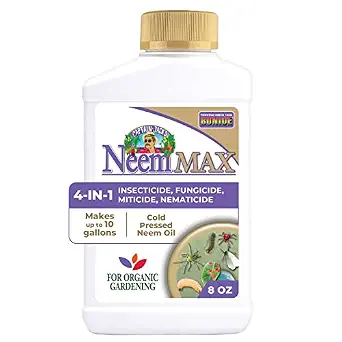 |
Gardentech Daconil Fungicide Concentrate, 16 fl oz

| Unit Count | 16 Fluid Ounces |
|---|---|
| Item Form | Liquid |
| Target Species | Insects |
| Active Ingredients | Chlorothalonil |
Daconil Fungicide Concentrate is a garden-focused broad-spectrum fungicide that treats and prevents many common foliar diseases including leaf spots, rusts, blights and powdery mildew when used as directed. You mix measured amounts into a hand-held, hose-end or tank sprayer and apply as a fine spray to thoroughly wet upper and lower leaf surfaces. The product’s active ingredient chlorothalonil offers rain-resistant protection and is labeled for use on vegetables, flowers, shrubs, fruit and shade trees, making it useful for both preventive programs and first-sign treatments. The built-in measuring cap simplifies dilution and the concentrate format lets you treat multiple plants or larger beds without frequent repurchasing. Important limitations are strict safety and site restrictions, the need for protective clothing during mixing and application, and specific pre-harvest intervals for edible plants, so follow the label carefully. Also avoid use on lawns and on plants under heat or water stress to prevent injury.
Best for: Gardeners focused on reliable, performance-oriented disease control who plan to run a preventive or curative spray program across vegetables, ornamentals and fruit trees and who are willing to follow label safety and timing requirements.
Less Ideal for: Casual gardeners who prefer pesticide-free or organic options, or those unwilling to use protective gear and follow pre-harvest intervals for edible crops.
- Broad-spectrum control covering more than 65 diseases including common powdery mildew and blights
- Concentrate format treats multiple plants and stretches a single purchase
- Rain-proof protection after application for dependable results in light weather
- Easy-to-use measuring cap and compatible with common sprayers
- Requires careful personal protective equipment and handling due to eye, skin and inhalation hazards
- Not labeled for use on lawns and has restrictions around certain public or high-traffic sites
Verdict: Choose this concentrate when you want a proven, rain-resistant broad-spectrum fungicide for preventive and corrective treatment of powdery mildew and other foliar diseases.
BioAdvanced Disease Control for Roses, Flowers & Shrubs Concentrate, 32 oz

| Unit Count | 32 Fluid Ounces |
|---|---|
| Item Form | Spray |
| Target Species | Fungus |
| Active Ingredients | Tebuconazole |
BioAdvanced Disease Control is a systemic concentrate that mixes with water to produce a coarse spray for treating and preventing listed fungal diseases. It is typically used outdoors on roses, shrubs, ornamental trees and can be applied to treated houseplants; when diluted it makes up to 42 gallons of spray and is dispensed through a pump-style tank or garden sprayer. The active ingredient tebuconazole works from the inside of the plant to control black spot, powdery mildew, rust and similar pathogens and provides rainproof protection once dry for up to two weeks. For growers managing cucumbers, its systemic action and two-week residual help reduce repeat applications against powdery mildew and foliar fungal infections common to cucurbits. Important limitations are that the label lists specific diseases and plant types so you must confirm cucumbers are included or allowed in your region, and it is a chemical fungicide that requires careful adherence to safety directions and pre-harvest intervals if used on edible crops. It is sold as a concentrate, so measuring and mixing are required before use.
Best for: Gardeners who prioritize reliable, performance-oriented disease control and want a concentrated, systemic product to reduce repeat treatments on susceptible plants such as cucumbers.
Less Ideal for: Small-space or organic-only gardeners who avoid synthetic fungicides or growers who need a ready-to-use spray without mixing and measuring.
- Systemic active ingredient (tebuconazole) that protects plants from the inside out
- Concentrate yields a large volume of spray (up to 42 gallons) for treating multiple plants
- Rainproof once dry and provides up to two weeks of residual protection
- Controls a broad list of common foliar fungal diseases such as powdery mildew and black spot
- Label restricts use to listed plants and diseases so not universally approved for all edible crops
- Requires proper measuring, mixing, and adherence to safety and pre-harvest directions
Verdict: Buy this if you want a concentrated, systemic fungicide that delivers multi-week, rainproof control of foliar fungal diseases to reduce reapplication on susceptible plants.
Garden Safe Fungicide 32 oz Ready-to-Use Trigger Spray

| Unit Count | 32 Fluid Ounces |
|---|---|
| Item Form | Spray |
| Target Species | Fungus |
| Active Ingredients | Clarified Hydrophobic Extract Of Neem Oil 0.9% |
Garden Safe Fungicide is a ready-to-use trigger spray formulated with clarified hydrophobic extract of neem oil to control common fungal diseases and some insect and mite pests. It is typically applied to foliage of roses, ornamentals, vegetables and houseplants at the first sign of disease or as a preventative, with directions to spray for complete coverage and to apply in early morning or late evening to reduce leaf burn risk. The product’s three-in-one action tackles powdery mildew, black spot and rust while also suppressing aphids, whiteflies and spider mites, which makes it useful for integrated pest and disease control on cucumber plants. Practical benefits include no mixing or measuring and broad application across plant types. Important limitations are that it is oil-based so it can cause leaf burn on stressed or tender tissue and requires careful timing and coverage for effectiveness; safety precautions for skin, eye and inhalation exposure must also be observed.
Best for: Gardeners who want a simple, no-mix spray to prevent and treat common foliar diseases and minor insect or mite infestations on cucumbers and other home garden plants.
Less Ideal for: Growers who need a systemic, long-lasting commercial-grade fungicide for severe, established infections or for large-scale production should consider professional alternatives.
- Ready-to-use trigger spray requires no dilution or mixing
- Combines fungicide, insecticide and miticide activity in one product
- Contains neem oil extract for organic-friendly formulation suitable for home gardens
- Clear label directions for timing applications to minimize leaf burn
- Oil-based formula can cause leaf burn on wilted, stressed or tender plants if applied in full sun
- Not a specialized systemic fungicide so may require repeated applications for severe infections
Verdict: A convenient, no-mix neem oil spray that lets home gardeners treat and prevent cucumber foliar disease and common pests with one product.
Bonide Fung-onil Multi-Purpose Fungicide, 32 oz Ready-to-Use Spray

| Unit Count | 32 Ounce |
|---|---|
| Item Form | Spray |
| Target Species | Fungicide |
| Active Ingredients | Chlorothalonil |
Bonide Fung-onil is a 32-ounce ready-to-use spray that uses chlorothalonil to control and prevent common fungal problems such as leaf spot, blight, rust, and mildew. It comes in a trigger-sprayer bottle so you can shake and apply directly to affected lawns and plants without mixing concentrates. Typical use is to spray both tops and bottoms of leaves or turf blades until wet and repeat every 7 to 14 days when disease pressure appears. The practical benefits are broad-spectrum activity across vegetables, ornamentals, shrubs, trees, and grass, convenient spray delivery for small areas and quick application, and a trusted active ingredient for preventative protection. Important limitations are that it is a chemical fungicide so users must follow label safety directions and reapply on a schedule rather than rely on a single treatment, and it is not an organic option. For someone managing recurring fungal issues on turf like St. Augustine grass, this product provides an easy, affordable way to reduce disease spread when used as part of routine care and proper cultural practices.
Best for: Gardeners on a tight budget who need a straightforward, ready-to-use fungicide to manage recurring fungal problems on lawns and landscape plants and who prioritize convenience and proven chemistry over organic options.
Less Ideal for: Homeowners seeking certified organic treatments, those who prefer systemic or single-application alternatives, or users who do not want to follow safety precautions for chemical fungicides.
- Ready-to-use trigger bottle requires no mixing for quick spot treatments
- Chlorothalonil offers broad-spectrum control of leaf spot, blight, rust, mildew and other common fungal diseases
- Suitable for use on a wide range of plants including turf, ornamentals, vegetables and fruit
- Convenient 32 oz size covers multiple small-to-medium applications
- Chemical active ingredient limits use for organic or low-chemical gardening approaches
- Requires repeated applications on a 7 to 14 day schedule while disease pressure persists
Verdict: A low-cost, ready-to-use broad-spectrum fungicide that makes routine disease control on St. Augustine grass and other garden plants quick and simple.
Monterey Fungi-Max Systemic Fungicide, 16 oz (with Measuring Spoon)

| Item Form | Liquid |
|---|---|
| Application Method | Spray |
| Coverage | Wide range of plants and plant types |
| Target Species | Flowers, Vegetables, Trees, Lawn Grass |
| Liquid Volume | 16 fluid ounces |
Monterey Fungi-Max is a concentrated liquid fungicide that you dilute and apply with a sprayer to prevent and control many common plant diseases. It is used outdoors on flowers, shrubs, trees, lawns and edible plants including vegetables and fruiting trees; for tomato growers it is intended to control leaf spots, blights and powdery mildew when applied at the first sign of disease. The product’s systemic action means it is absorbed and provides residual protection for up to two weeks, which reduces how often you need to spray during an outbreak. A measuring spoon is included to help with mixing and the spray application method works with standard pump or backpack sprayers. Important limitations are that it must be mixed and applied correctly according to the label and it is not listed as organic, so it may not suit organic-certified operations; also coverage on large plantings requires multiple bottles. For gardeners who want a reliable, easy-to-use fungicide to protect tomatoes and other outdoor plants, Fungi-Max delivers predictable, short-term disease control when applied promptly.
Best for: Gardeners who prioritize reliable, fast-acting disease control for outdoor tomato beds and mixed orchards and who want a product that gives measurable residual protection between applications.
Less Ideal for: Growers who require organic-certified products or those managing very large commercial tomato plantings where bulk coverage and cost per acre are primary concerns.
- Systemic action provides plant uptake and up to two weeks of protection per application.
- Broad labeled coverage for many plant types including vegetables and fruit trees.
- Liquid concentrate mixes for use with standard spray equipment for even coverage.
- Includes a measuring spoon to simplify accurate dilution amounts.
- Not listed as organic so unsuitable for certified organic production.
- One bottle may not cover large tomato plantings without repeated purchases.
Verdict: For home tomato growers seeking dependable, systemic disease control that reduces spray frequency, Monterey Fungi-Max is a practical, easy-to-use choice.
Bonide Captain Jack's Liquid Copper Fungicide Ready-to-Use, 32 oz

| Item Form | Spray |
|---|---|
| Unit Count | 32 Ounce |
| Active Ingredients | copper |
Bonide Captain Jack’s Liquid Copper Fungicide is a trigger-spray, ready-to-use copper treatment designed to control common fungal diseases such as black spot, powdery mildew, blight and peach leaf curl. It is applied by shaking and thoroughly spraying tops and undersides of leaves every 7 to 10 days or as needed, and the label allows application up to the day of harvest on listed edible plants. The product’s copper active ingredient makes it broadly effective against many foliar diseases and the convenient spray bottle removes the need to mix concentrates. Practical benefits include organic approval for many uses and clear directions for repeat treatments, which helps with consistent disease management. Important limitations are that it is a contact-style copper spray rather than a systemic cure, so thorough coverage and repeated applications are required for control, and care must be taken to follow label directions to avoid phytotoxicity on sensitive varieties.
Best for: Gardeners who prioritize established, proven solutions and want an organic-approved spray that controls common foliar diseases on roses and other plants with minimal setup.
Less Ideal for: Growers looking for a systemic fungicide or a single-application cure for long-term prevention should consider alternatives with systemic activity.
- Ready-to-use trigger spray for easy application without measuring or mixing
- Approved for organic gardening and label allows use up to day of harvest on listed edibles
- Effective copper active ingredient against a wide range of foliar fungal diseases including black spot
- Clear instructions for treatment interval make follow-up applications straightforward
- Contact-action copper requires thorough coverage and repeat sprays rather than a one-time systemic fix
- Potential for phytotoxicity on some sensitive plants if label directions are not followed
Verdict: A ready-to-use, organic-approved copper spray that provides reliable contact control of black spot and other foliar diseases when applied thoroughly and on schedule.
Bonide Captain Jack's Neem Max Concentrate, 8 oz

| Item Form | Concentrate |
|---|---|
| Target Species | Multi-Purpose |
| Liquid Volume | 8 fluid ounces |
| Unit Count | 8 Ounce |
Bonide Captain Jack's Neem Max is a concentrated cold-pressed neem oil designed to be mixed with water and applied as a spray or soil drench to protect vegetables and ornamentals. It combines fungicidal and insecticidal activity with miticide and nematicide action, so it targets common cucumber pests such as aphids and mites while also helping prevent fungal problems like powdery mildew. The concentrate format keeps storage space small and lets you mix only what you need for each treatment. Because it is plant-based and labeled for organic gardening, it is a good fit for gardeners who prefer less synthetic chemistry. Important limitations are that it must be diluted correctly and applied according to label directions to avoid plant damage, and results are generally best when used as part of an integrated program rather than as a one-time fix. Expect repeat applications at label intervals for disease control and careful timing to avoid spraying during heat or when pollinators are active.
Best for: Gardeners who prioritize low-toxicity, organic-compatible options and want a single product to manage both pests and fungal issues on cucumbers and other vegetables.
Less Ideal for: Those seeking an immediate knockdown chemical or a one-application cure for advanced infections should consider targeted synthetic controls instead.
- Multi-purpose action: fungicide, insecticide, miticide and nematicide in one concentrate
- Cold-pressed neem oil formulation approved for organic gardening
- Concentrate lets you mix custom volumes to treat only affected plants
- Targets multiple life stages of pests, including eggs and larvae
- Requires correct dilution and repeat applications for effective control
- Can cause phytotoxicity if applied improperly or in hot conditions
Verdict: A compact, organic-approved neem concentrate that lets cautious gardeners treat cucumber pests and powdery mildew with a single plant-based product.
Choosing the Right Fungicide for Cucumber Plants: Key Factors to Consider
Target Pathogens and Spectrum
Know which fungal diseases you commonly see in your cucumbers. Powdery mildew and downy mildew behave differently and sometimes require different active ingredients. A broad-spectrum product that lists both diseases on the label simplifies decisions for mixed infections and can reduce the need for multiple applications.
Choosing a product whose label explicitly names cucumbers or cucurbits avoids off-label risk and ensures application rates and intervals are appropriate for this crop. Also consider whether the product controls secondary issues like leaf blight or anthracnose if those are present in your region.
Mode of Action and Resistance Management
Fungal populations can develop resistance when the same mode of action is used repeatedly. Look for fungicides with different modes of action or those labeled for rotation use. Alternating products or using premixes with multiple modes of action helps preserve effectiveness across seasons.
Check label guidance for maximum number of sequential applications and required spray intervals. Products that clearly state resistance-management steps make it easier to build a season-long spray program without inadvertently selecting for resistant strains.
Phytotoxicity and Plant Safety
Cucumbers have tender foliage that can scorch under high temperatures or when sensitive chemistries are used. Follow label instructions for temperature restrictions, dilution rates, and tank-mix warnings to avoid leaf burn. Some contact fungicides are gentler but require more frequent coverage, while systemic options offer longer protection but may increase risk if misapplied.
Test applications on a few plants when trying a new product, especially in hot, sunny weather. Also pay attention to recommended preharvest intervals to avoid residues on fruit.
Application Method and Coverage
Effective disease control depends on thorough coverage of all leaf surfaces, including undersides where spores often concentrate. Choose formulations that spray evenly and produce fine, yet not drift-prone, droplets. Wettable powders, flowables, and liquid concentrates each behave differently on a sprayer and have different cleanup concerns.
Consider your equipment: hand-pump sprayers, backpack sprayers, or boom sprayers require different dilution and nozzle choices. Products that suspend well and do not clog nozzles reduce time in the garden and improve consistent coverage.
Timing, Interval, and Residual Activity
Preventative sprays often outperform reactive treatments, so timing relative to disease pressure matters. Some fungicides provide a short residual and need frequent reapplication after rain, while others give longer protection between sprays. Choose based on how often you can realistically apply treatments in your garden.
Also follow recommended intervals closely to avoid gap periods where disease can rebound, and use shorter intervals when weather favors fungal spread.
Safety for Bees, Beneficials, and Environment
Many fungicides differ in their toxicity to pollinators and beneficial insects. Apply treatments during low pollinator activity, such as evening, and avoid spraying open flowers whenever possible. Look for products with lower non-target toxicity and clear label directions to protect beneficial insects.
Consider runoff and nearby water sources when selecting a product. Read instructions about buffer zones and avoid use during heavy rain forecasts to minimize environmental impact.
When to Treat Cucumber Vines
Treat early when conditions first favor disease. High humidity, prolonged leaf wetness, and warm nights are classic triggers for downy and powdery mildews. Inspect leaves regularly for pale blotches, fuzzy growth, or angular lesions so you can act before the pathogen spreads.
Preventative programs work best in heavy pressure situations. If your garden has a history of mildew, begin treatments at the first sign of infection or when forecast conditions are favorable rather than waiting for widespread symptoms.
- Check undersides of leaves and lower canopy where spores accumulate.
- Start preventative sprays during extended wet weather or high humidity.
- Rotate modes of action during a season to limit resistance.
Combining Cultural Controls with Treatments
Fungicides work far better when combined with cultural practices that reduce disease pressure. Space plants for good airflow, avoid overhead irrigation late in the day, and remove infected debris promptly to reduce inoculum for the next crop cycle.
Mulching and drip irrigation keep foliage drier than overhead watering. Training vines on trellises raises leaves into air movement and sunlight, both of which slow fungal growth and improve spray penetration.
- Use drip irrigation and water at the base to limit leaf wetness.
- Prune lower leaves to improve air circulation in dense plantings.
- Sanitize tools and remove infected plants to lower local spore load.
Safe Tank Mixing and Spray Rotations
Tank mixing can combine contact and systemic activity, but compatibility varies. Always follow label instructions and conduct a jar test when mixing unfamiliar products to check for precipitation or separation. Some adjuvants improve coverage but can increase phytotoxicity risk on cucumbers, so use them cautiously.
Plan a seasonal rotation that alternates different modes of action. If a label limits consecutive uses of a particular active ingredient, build that guidance into your spray calendar to remain compliant and effective.
- Perform a small-scale compatibility test before full-plot mixing.
- Record which modes of action you use to avoid excessive repeats.
- Follow label restrictions on maximal seasonal applications.
Application Tips for Home Gardeners
Use a fine, even spray and aim to coat both upper and lower leaf surfaces. Avoid applying during the hottest part of the day to reduce risk of leaf burn. Wear appropriate protective gear and mix only the volume you need for a single application to avoid storage issues.
After spraying, note weather forecasts and avoid applying before heavy rain unless the product specifically lists rainfastness. Rinse sprayers thoroughly after use to prevent cross-contamination of different chemistries.
- Spray in the early morning or evening when temperatures are lower and pollinators are less active.
- Clean equipment after each use to prevent clogging and chemical buildup.
- Label and store remaining product per instructions; avoid long-term mixing of unused spray.
Protecting Harvest and Observing Intervals
Observe preharvest intervals and withholding periods on labels; these determine how soon you can harvest fruit after treatment. Shorter intervals can be useful during heavy disease pressure but must be balanced with residue considerations.
Keep records of application dates so you know when fruit is safe to pick. When in doubt, err on the side of the longer interval and remove any fruit that was exposed during a treatment if label instructions are ambiguous.
- Record application date, rate, and location in the garden log.
- Remove and destroy heavily diseased fruit to reduce local pathogen loads.
How We Chose the Best Fungicide for Cucumber Plants
We focused on treatments that gardeners actually use on cucurbit crops and judged each fungicide on concrete, measurable dimensions. Evaluation criteria included the fungicide's spectrum of control against common cucumber diseases, the mode of action and resistance-management profile, plant safety and phytotoxicity risk on cucumbers, and practical application factors such as mixing, spray coverage, and reentry intervals. We prioritized options with clear label directions for cucumbers or for cucurbits, documented efficacy against powdery and downy mildews, and demonstrated ability to be integrated with cultural controls. Products without a stated use for cucurbits, or with unclear resistance guidance, were excluded. We also considered environmental and pollinator precautions when assessing suitability for home gardens. The result is a list that balances disease control, safety, and real-world usability in vegetable plots and small farms. Our scoring labels reflect these same editorial priorities so you can compare options at a glance.
FAQ
Can I use the same fungicide for both powdery and downy mildew on cucumbers?
It depends on the product. Some fungicides list both diseases on the label and will work for mixed infections, while others target only one. Check the label for specific pathogens and follow recommended application intervals and resistance-management guidance.
How often should I spray when mildew pressure is high?
Spray intervals depend on the product's residual activity and label instructions. Contact fungicides often require more frequent applications, sometimes every 7 to 10 days, while systemic options may allow longer intervals. Shorten intervals during wet weather as directed on the label.
Will fungicides harm pollinators visiting cucumber flowers?
Some fungicides are low risk to pollinators, but others can be harmful if sprays hit open flowers. Apply treatments in the evening or early morning when pollinators are less active and avoid spraying blooms when possible to reduce risk.
Can I mix fungicides with insecticides in the same tank?
Tank mixing is sometimes acceptable but depends on compatibility and label directions. Perform a small compatibility test first and avoid mixes that increase phytotoxicity risk. Follow both product labels for any restrictions and safety recommendations.
What should I do if I see leaf burn after an application?
Leaf burn can result from high temperatures, incorrect dilution, or incompatible tank mixes. Stop further applications, flush plants with clean water if appropriate, and review recent mixes and weather conditions. Test any future combinations on a few leaves before treating the whole planting.
Are there organic options that work on cucumber fungal diseases?
There are contact and biological fungicides with organic approvals that can reduce disease pressure, though they may need more frequent application than synthetic systemic options. Their effectiveness varies, so integrate them with cultural controls and monitor results closely.
Final Verdict
Prioritize products that list cucumbers or cucurbits, offer a clear mode of action, and include label guidance for application timing and resistance management. Balance the need for broad disease coverage with concerns about leaf safety, pollinator exposure, and application frequency. A practical program mixes good cultural practices with a fungicide rotation suited to your garden's disease history. Focus on timing, coverage, and following label instructions to protect both yield and plant health.
