

Note: This article contains affiliate links. If you click on these links and make a purchase, I may earn a small commission at no extra cost to you. This helps support my research and content. Read my full affiliate disclosure here.
A compact, well-made hand shovel is one of the most useful tools for working small beds, raised planters, and containers. The right garden hand garden shovel makes planting, transplanting, and light edging faster and lets you be more precise in tight spaces. This guide shortlists seven top options suited to close-quarters garden work and evaluates them on practical factors gardeners care about, such as blade strength, corrosion resistance, handle comfort, and control. Below you'll find our top picks followed by clear buying guidance so you can choose the right shovel for the specific tasks you do in your yard, patio, or greenhouse.
Top Picks at a Glance
| Best Overall The best all-around choice for most situations | Fiskars 3-Piece Ergo Garden Hand Tool Set (Trowel, Transplanter, Cultivator) |  |
| Best Quality Built to a higher standard if you want something more solid | Kemaier Heavy-Duty Gardening Trowel (Carbon Steel) |  |
| Best Value The sweet spot between price and what you get | WORKPRO 11" Garden Hand Trowel, Polished Stainless Steel with Wood Handle |  |
| Best Budget The cheapest option that still gets the job done reliably | HortiHub Garden Hand Trowel with Ergonomic Wood Handle |  |
| Highest Rated A top-rated pick with lots of positive feedback | SWHSMLB Heavy-Duty Gardening Trowel with Ergonomic Grip |  |
| Most Popular A crowd favorite that many people choose with confidence | Fiskars Ergo Garden Trowel (Cast-Aluminum Head, Ergonomic Grip) |  |
| Best Seller A high-volume bestseller chosen again and again | Grenebo 9-Piece Stainless Steel Gardening Tool Set with Tote Bag | 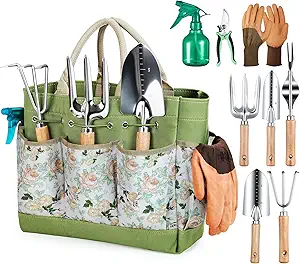 |
Fiskars 3-Piece Ergo Garden Hand Tool Set (Trowel, Transplanter, Cultivator)

| Material Type | Aluminum |
|---|---|
| Handle Material | Soft-grip material |
| Blade Material | Aluminum |
| Grip Type | SoftGrip |
This Fiskars three-piece garden set includes a trowel, transplanter, and cultivator built for regular home garden use. Cast-aluminum heads and forked tines give the tools strength to cut through compacted or turf-covered soil while resisting rust, and the polished finish helps with cleaning after use. SoftGrip ergonomic handles reduce hand and wrist fatigue, improve control for precise digging and transplanting in tight beds, and each tool has a hang hole for easy storage. In a small garden the set covers the essential tasks of planting, weeding, aerating, and loosening soil without needing larger tools. The limitations are that hand tools only reach a few inches, so they are not suitable for deep digging or larger landscaping jobs, and aluminum heads are strong but not as heavy-duty as forged steel for extreme leverage. For everyday small-plot and container gardening this set is durable, comfortable to use, and replaces cheap plastic-handled alternatives.
Best for: Gardeners who work in small beds, raised planters, or containers and want a reliable, ergonomic set that handles common planting, weeding, and cultivating chores with minimal strain.
Less Ideal for: People tackling large-scale landscaping, deep digging, or heavy root removal should choose larger or heavier-duty tools instead.
- Cast-aluminum heads resist rust and provide strength for digging in compacted soil
- Ergonomic SoftGrip handles reduce hand and wrist fatigue during prolonged use
- Three complementary tools (trowel, transplanter, cultivator) cover core small-garden tasks
- Polished finish and hang holes make cleaning and storage straightforward
- Hand-tool reach is limited to shallow work and not intended for deep or heavy excavation
- Aluminum heads are durable but less robust than forged steel for extreme leverage tasks
Verdict: A compact, ergonomic three-piece set that reliably handles the everyday digging, transplanting, and cultivating needs of small gardens.
Kemaier Heavy-Duty Gardening Trowel (Carbon Steel)

| Blade Material | Carbon Steel |
|---|---|
| Material Type | Alloy Steel |
| Handle Material | Carbon Steel |
| Grip Type | Ergonomic |
| Blade Length | 6.3 inches |
The Kemaier heavy-duty trowel is a purpose-built hand shovel for serious planting, digging, and precision weeding. Forged from carbon/alloy steel with a full-tang, welded construction, the blade is stiff and holds a sharp edge that cuts through roots, clay, and compacted soil more easily than thin hobby trowels. The V-shaped, serrated tip helps slice into turf and loosen plugs while the ergonomic grip improves control during extended use. Typical uses include transplanting, digging deep planting holes, cutting through root-bound soil, and pulling stubborn dandelions or weeds. Practical benefits are long-term durability, a blade that resharpens well, and a solid handle-to-blade connection that resists bending or breakage under heavy use. Limitations are that the tool is a single-purpose hand trowel so it does not replace larger spades for big jobs and its all-metal handle may feel colder or harder than cushioned designs for long sessions. For gardeners who demand reliable, long-lasting performance, this trowel focuses on toughness and cutting ability rather than lightweight comfort features.
Best for: Aimed at performance-minded gardeners and landscapers who prioritize a durable, cut-first trowel for frequent heavy digging, transplanting, and stubborn weed removal.
Less Ideal for: Casual gardeners who want a lightweight, cushioned-handle tool or anyone needing a larger spade for big digging tasks should consider other options.
- Forged carbon/alloy steel blade that stays sharp and resharpens easily
- Full-tang, welded construction for high durability and resistance to bending
- V-shaped serrated tip that cuts through roots and compacted soil effectively
- Ergonomic grip for improved control during precision digging
- All-metal handle lacks soft padding which can be less comfortable during very long sessions
Verdict: Buy this trowel if you want a rugged, professional-grade hand tool that cuts and digs through tough soil without bending.
WORKPRO 11" Garden Hand Trowel, Polished Stainless Steel with Wood Handle

| Material | Wood |
|---|---|
| Handle Material | Wood |
| Head Material | Stainless Steel |
| Item Weight | 8.8 ounces |
| Warranty Description | 2 Year |
This WORKPRO 11" hand trowel pairs a polished stainless steel blade with a comfortable wooden handle for a reliable all-purpose garden tool. The hardened stainless head resists rust and holds shape while digging into compact soil, removing weeds, mixing compost, and transplanting seedlings. The straight, narrow blade gives good penetration for pots and raised beds and the smooth hardwood grip reduces wrist strain during repeated use. A hanging hole on the handle makes storage simple and the tool is light enough for extended sessions without feeling fatiguing. Because it is a single, hand-sized trowel, it is best for small-plot jobs, container gardening, and spot weeding rather than heavy excavation or prying roots. Overall this is a durable, no-nonsense trowel that will suit routine garden chores and last with basic care.
Best for: Gardeners who prioritize durable, everyday tools for container beds, raised beds, and routine transplanting and weeding tasks and want a straightforward, long-lasting trowel.
Less Ideal for: People needing a heavy-duty digging tool for landscaping, large holes, or heavy root removal should choose a larger shovel or specialized pry tool.
- Polished high-hardness stainless steel blade resists rust and bending
- Comfortable hardwood handle that reduces wrist fatigue
- Lightweight and compact for extended use and easy storage
- Hanging hole on handle for convenient storage
- Hand-sized design is not suited for heavy digging or levering large roots
- No protective coating on handle or blade details for long-term finish preservation
Verdict: A compact, rust-resistant trowel built for everyday transplanting and weeding that balances durability with comfortable handling.
HortiHub Garden Hand Trowel with Ergonomic Wood Handle

| Handle Material | Wood |
|---|---|
| Blade Material | Iron |
| Grip Type | Ergonomic |
| Unit Count | 1 Count |
The HortiHub garden hand trowel is a simple, no-frills tool designed for everyday planting and potting tasks. Its iron blade handles light digging, soil loosening, and transplanting seedlings in containers, raised beds, and balcony planters, while the compact head gives good control for precise work around small plants. The wooden ergonomic handle is comfortable for short sessions and keeps the overall weight low so it is easy to carry while moving between pots. Because the construction is straightforward, it performs well for routine garden chores without unnecessary features. Expect the blade to require occasional cleaning and drying to avoid surface rust since it is iron rather than stainless steel, and the wooden handle will need basic care to stay in good condition over time. For gardeners who want a durable, budget-friendly trowel for everyday container and small-bed work, this is a practical pick.
Best for: Gardeners on a tight budget who need a reliable everyday trowel for container gardening, balcony planters, and small raised beds and prefer a simple, functional tool over premium materials.
Less Ideal for: Those who frequently work in heavy clay or rocky soil or who want a stainless steel, maintenance-free tool should consider a heavier-duty or rust-resistant alternative.
- Sturdy iron blade suitable for regular digging and transplanting
- Ergonomic wooden handle offers a comfortable grip for short tasks
- Compact head provides precise control in containers and tight spaces
- Lightweight design is easy to maneuver between pots and beds
- Iron blade can surface-rust if not cleaned and dried after use
- Wooden handle needs occasional maintenance to prevent wear
Verdict: A practical, low-cost trowel that delivers precise control for container and small-space gardening without unnecessary extras.
SWHSMLB Heavy-Duty Gardening Trowel with Ergonomic Grip

| Blade Material | Alloy Steel |
|---|---|
| Grip Type | Ergonomic |
| Style Name | Handheld |
| Number of Items | 1 |
This SWHSMLB trowel is a straightforward, no-frills hand tool built for routine digging, planting, and transplanting in beds and containers. The quenched alloy steel blade gives it good stiffness for cutting through soil and small roots, while the ergonomic grip and hang hole make it comfortable to use and easy to store on a hook between jobs. At roughly a foot long it provides decent reach for working in raised beds and borders without feeling cumbersome for close pot work. The blade looks rust-resistant which reduces the need for frequent maintenance, though heavy prying or levering against rocks could stress a small hand trowel like this. It is best used for everyday garden chores rather than heavy excavation. If you want a simple, durable replacement trowel that balances comfort and strength, this model performs reliably for common planting and weeding duties.
Best for: A gardener who prioritizes a dependable everyday hand tool for planting, transplanting, and routine bed work and wants something comfortable to use and store.
Less Ideal for: Not a good choice for landscapers or gardeners who need a tool for heavy excavation, rock removal, or intensive root cutting.
- Alloy steel blade offers good stiffness for digging and cutting soil
- Ergonomic grip improves comfort during extended use
- Rust-resistant finish reduces maintenance
- Compact length works well in beds and containers
- Not intended for heavy prying or breaking up large roots or compacted clay
- Single-piece handheld design limits leverage compared with long-handled tools
Verdict: A simple, sturdy trowel that gives reliable digging and planting performance for everyday garden tasks.
Fiskars Ergo Garden Trowel (Cast-Aluminum Head, Ergonomic Grip)

| Material Type | Aluminum |
|---|---|
| Grip Type | Ergonomic |
| Included Components | Trowel |
| Item Type Name | Ergo Garden Hand Trowel |
| Manufacturer | Fiskars Garden |
The Fiskars Ergo Garden Trowel is a straightforward, heavy-duty hand tool built for everyday gardening use. Its cast-aluminum head provides extra digging power and resists rust, so it cuts through compact or slightly rocky soil more easily than thinner steel trowels. The polished blade holds an edge through routine use, making tasks like planting, transplanting, and loosening soil faster. The molded ergonomic grip reduces hand fatigue during longer sessions and gives good control when scooping soil or working around roots. A convenient hang hole keeps the trowel accessible in a shed or on a pegboard. Limitations are few but notable: the all-aluminum construction is strong and corrosion resistant but less forgiving than tempered steel if used as a pry bar, so avoid levering heavy roots or rocks. For general garden beds, pots, and everyday planting chores this trowel is reliable, comfortable to hold, and designed to last.
Best for: Gardeners who want a dependable, comfortable all-purpose trowel for beds, containers, and routine planting tasks and value durability and ease of use.
Less Ideal for: People who frequently need a tool for heavy prying, splitting roots, or digging large stones should consider a heavier-duty digging tool or a tempered-steel trowel instead.
- Cast-aluminum head offers strong digging power and rust resistance
- Ergonomic non-slip grip reduces hand fatigue and improves control
- Polished blade holds up to regular use for planting and transplanting
- Hang hole for easy, space-saving storage
- Backed by a full lifetime warranty (manufacturer-stated)
- Not intended for heavy prying or levering large roots or rocks
- All-aluminum construction can bend under extreme leverage compared with tempered steel alternatives
Verdict: A comfortable, rust-resistant trowel built for dependable everyday digging and planting in garden beds and containers.
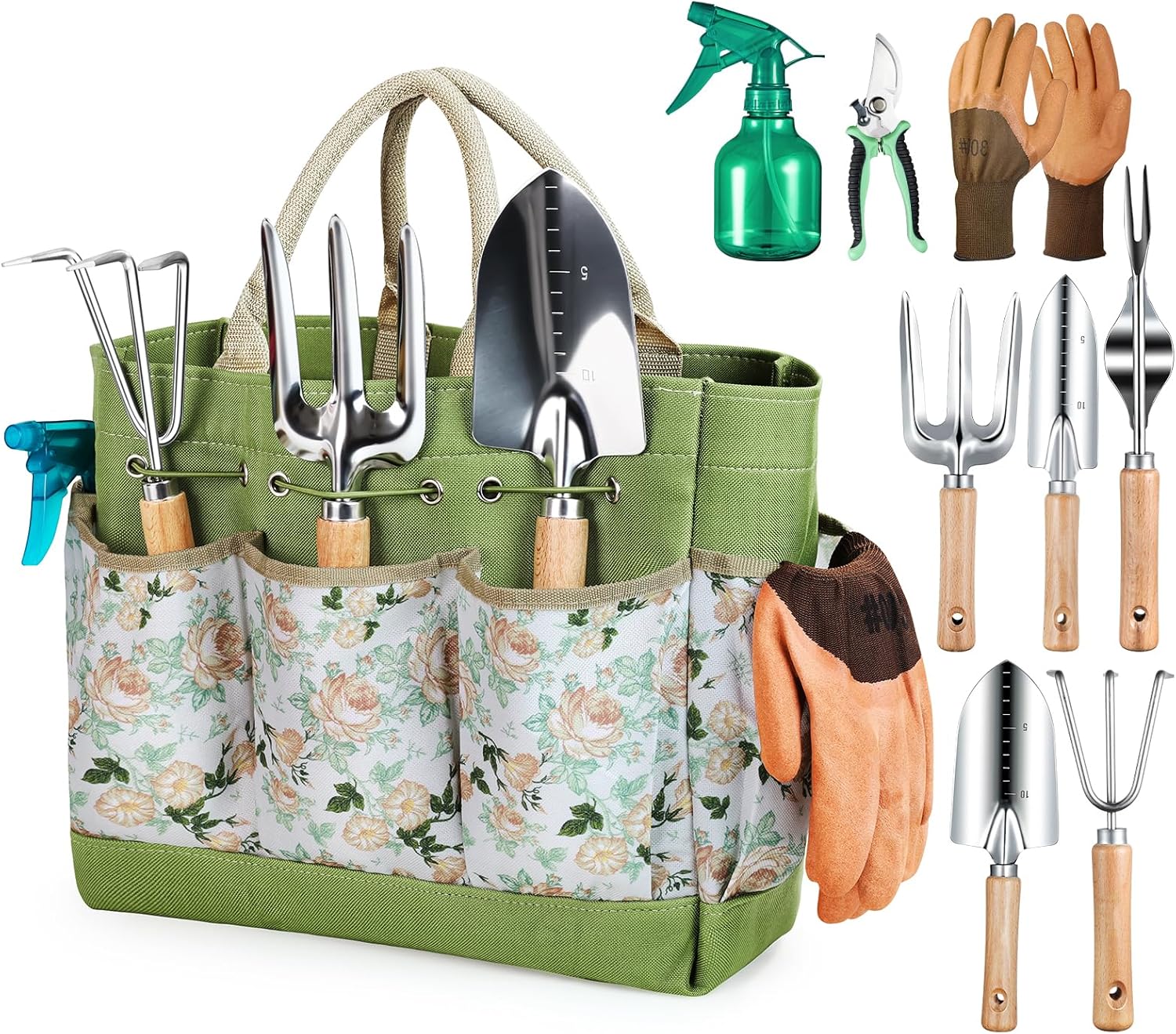
Grenebo 9-Piece Stainless Steel Gardening Tool Set with Tote Bag
| Number of Items | 9 |
|---|---|
| Material Type | Stainless Steel |
| Handle Material | Carbon Steel, Stainless Steel |
| Unit Count | 1 Count |
| Additional Features | Rust Resistant |
This Grenebo 9-piece set supplies the core hand tools needed for everyday weeding, transplanting and light pruning. The kit includes a transplanter, trowel, cultivator, weeder, pruning shears and other hand tools stored in a floral tote so everything stays together between jobs. Tools are made from stainless steel and marketed as rust resistant, which makes them suitable for regular outdoor use if cleaned and dried after each session. Wooden ergonomic handles help reduce wrist strain during repetitive tasks and the hanging holes on the handles make drying and storage easier. Practical benefits here are convenience and a complete starter selection for small beds, containers and borders. Limitations are that these are hand tools only so they are best for surface weeds and shallow roots rather than deep perennial roots or heavy digging, and handles are standard size so gardeners who need extra leverage or heavy-duty steel should look elsewhere.
Best for: Gardeners who want a ready-to-use, low-risk starter kit for regular bed and container maintenance and prefer tools that are easy to store and care for.
Less Ideal for: Those who need heavy-duty digging tools or long-handled weeders for large beds and deep-rooted perennial removal should consider more specialized equipment.
- Complete 9-piece set covers common weeding and planting tasks
- Stainless steel construction with rust-resistant finish for durability
- Ergonomic wooden handles reduce hand fatigue during use
- Included tote bag keeps tools organized and easy to carry
- Hanging holes on handles simplify drying and off-season storage
- Hand-tool design not intended for heavy digging or removing very deep perennial roots
- Handles are standard length and not designed for extra leverage on stubborn roots
Verdict: A complete, rust-resistant 9-piece hand tool set that reliably covers everyday weeding and light garden maintenance.
Choosing the Right Garden Hand Garden Shovel: Key Factors to Consider
Blade Material and Thickness
The blade material determines how well a hand shovel penetrates soil and how it stands up to rocks and roots. Carbon steel blades are common because they can be thin yet strong, which helps with precise digging and root cutting. Stainless steel resists rust better but can be softer unless the thickness is increased. Thicker blades add durability but can make the tool heavier and less nimble when working in containers.
Think about the soil you usually work in. For heavy, rocky soil you want a stiffer, thicker blade. For potting mix and loose loam a thinner, sharper blade gives better control. Also inspect how the blade is joined to the handle, because weak joins are a common failure point under repeated leverage.
Blade Shape and Scoop Capacity
Blade shape affects how the shovel slices roots, scoops soil, and works around plant stems. A narrow, pointed blade is great for penetrating compacted spots and making planting holes. A broader, rounded scoop moves more soil at once and speeds filling pots or planters. The depth of the blade matters when you need to lift root balls or dig deeper planting holes without switching tools.
Match the blade profile to your typical tasks. If you transplant a lot of small seedlings, a narrow scoop gives precision. If you repot houseplants frequently, a deeper bowl-like blade reduces trips to the soil bag. Consider edges that are slightly beveled for easier cutting through turf or fibrous roots.
Handle Material and Ergonomics
Handle material influences comfort, grip security, and durability. Wooden handles feel warm and absorb some shock, but they can split if not well finished and are vulnerable to rot if left wet. Fiberglass handles resist moisture and offer consistent flex, while metal handles deliver low maintenance but can be cold or hard on the hands. Grip shape and padding affect wrist position and fatigue during repetitive use.
Ergonomic contours and short cushioned grips help reduce hand strain when you use the shovel for extended planting or weeding sessions. For gardeners with joint concerns, look for handles that promote a neutral wrist angle and offer non-slip surfaces when working with wet hands.
Weight, Balance, and Control
A hand shovel must feel balanced between blade and handle so you can place it precisely without tipping the soil or jabbing roots. Heavier blades increase digging power but can make fine work tiring; lighter tools are better for long sessions and working overhead in hanging baskets. Balance also affects how easily you can pry out a stubborn root ball without losing control.
Test how the tool sits in your hand: the pivot point should let you scoop or slice smoothly. Consider the overall weight in the context of how long you will use the shovel in one session and whether you need to carry it between beds and planters frequently.
Corrosion Protection and Finish
Frequent contact with moist soil, fertilizer, and watering makes corrosion protection important for longevity. Coatings, stainless alloys, and painted finishes slow rusting but can wear off on cutting edges. Tools with through-hardened stainless steel or with replaceable finishes on high-wear zones tend to last longer in wet conditions.
Think beyond the initial finish: maintenance routines like drying the tool after use and occasional oiling extend life. For gardeners who store tools in damp sheds or use them in salty coastal environments, prioritize materials and finishes rated for higher corrosion resistance.
Maintenance and Repairability
A simple maintenance routine keeps a hand shovel working for many seasons. Blades that accept re-sharpening and handles that can be tightened or replaced make the tool more cost-effective over time. Check how the blade is attached: a full-tang construction or securely riveted joint is easier to maintain than glued assemblies.
Consider whether spare parts or common repairs are feasible for your skill level. If you prefer low-fuss tools, choose finishes and materials that require minimal care. If you like to refurbish tools, look for designs that support sharpening, treating wooden handles, or replacing worn grips.
Best Uses for a Hand Shovel
Hand shovels shine in tight or delicate planting situations where a full-size shovel is unwieldy. Use them for transplanting seedlings, digging small planting holes, edging around potted plants, and scooping soil into containers. Their compact size also makes them useful for root pruning and working in shallow beds.
Because they put cutting power close to the hand, hand shovels are excellent when accuracy matters. They are not meant for moving large volumes of soil but excel at tasks that require control and minimal disturbance to surrounding plants.
- Transplanting seedlings and small perennials
- Filling and repotting containers
- Weeding and root removal in tight beds
- Planting bulbs and small root divisions
Caring for Your Hand Shovel
Regular cleaning and basic maintenance prolong the tool's life. After each use, knock off excess soil and rinse if necessary, then dry the blade and apply a light coat of oil to metal surfaces to slow rust. Wooden handles benefit from occasional linseed oil or sanding and sealing to prevent splintering.
Sharpen the blade edge as needed with a file for cleaner cuts through roots and turf. Inspect the junction where blade meets handle periodically and tighten or repair any fasteners to avoid sudden failure.
- Wipe and dry after use
- Lightly oil metal surfaces
- Sand and treat wooden handles seasonally
- Sharpen blade edge for cleaner digging
Working Efficiently in Containers and Raised Beds
Choose a hand shovel with a narrow profile and moderate scoop depth to work between stems and avoid damaging roots in compact planters. For raised beds, a slightly longer handle or more pronounced rear grip can improve leverage without sacrificing control.
When repotting, use the shovel's edge to score the root ball before lifting, and use the scoop to transfer soil with minimal spillage. Keep a small secondary tool like a fork or trowel handy for loosening compacted soil before using the shovel for cleaner results.
- Prefer narrow blades for tight spacing
- Use scoops for transfer, edges for cutting
- Combine with a hand fork for compacted pots
When to Choose Durability Over Weight
If you regularly work in gritty or rocky soil or you frequently dig out tough root masses, prioritize stronger blades and reinforced joins even if the tool is heavier. Durability reduces failure risk and means fewer replacements over time. For occasional light work, a lighter, more maneuverable shovel is a better choice.
Consider the storage environment as well. Tools kept outdoors or in damp sheds should lean toward rust-resistant materials. If you plan to refurbish tools, easier-to-repair designs will give you more longevity for the initial investment.
- Heavy-duty blades for rocky or root-filled soils
- Lighter tools for repetitive, precision work
- Rust resistance matters in damp storage
Ergonomic Tips to Reduce Strain
Position your wrist so the shovel shaft aligns with your forearm when scooping to reduce torque on the wrist. Use your legs and core for any prying motion instead of relying purely on arm strength. Take short breaks during repetitive tasks to stretch hands and forearms.
If you have joint pain or limited grip strength, choose a shovel with a thicker cushioned handle and a softer non-slip surface. That reduces pressure points and lowers the chance of blisters during longer sessions.
- Align wrist with forearm for reduced torque
- Use body weight for prying motions
- Choose cushioned grips for joint concerns
How We Chose the Best Garden Hand Garden Shovel
We focused on everyday performance for small-scale garden work. Editorial selection prioritized blade materials that hold an edge and resist bending, handle designs that reduce wrist and hand fatigue during repeated digs, and overall balance that improves control when working around plants. We also considered corrosion resistance and finish, since frequent contact with wet soil and fertilizer speeds wear. We used concrete, product-specific filters: blade metal and thickness, blade shape and depth for scooping, handle material and grip ergonomics, and overall tool balance and weight. Tools that looked underspecified for digging in loamy or slightly compacted soils were excluded, as were designs intended only for decorative or novelty use. We also filtered out implements lacking clear corrosion protection or with handles that restrict mobility in narrow beds. The result is a list of seven well-rounded tools that meet the performance dimensions gardeners need for planting, weeding, and bed maintenance.
FAQ
What blade material is best for container gardening?
For containers, a thinner, sharp blade often performs best because it offers precision and cuts roots cleanly. Stainless steel gives good corrosion resistance for frequent watering, but a high-quality carbon steel blade that is kept dry and oiled will also last and maintain a sharper edge.
How do I prevent rust on a hand shovel?
Wipe the blade clean after use and dry it thoroughly. Apply a light coat of oil to the metal before storing, and avoid leaving the tool in damp conditions. For long-term protection, choose shovels with durable coatings or stainless alloys.
Is a wooden handle better than fiberglass?
It depends on your priorities. Wooden handles absorb shock and feel comfortable, but they need periodic treatment to avoid splitting and rot. Fiberglass handles resist moisture and require less maintenance, though they can transmit more vibration and may feel stiffer in hand.
Can a hand shovel replace a trowel?
A hand shovel complements a trowel but does not fully replace it. Shovels offer better scooping and prying power while trowels are better for very fine, precise work like delicate seedling planting. Many gardeners keep both for different tasks.
How often should I sharpen a hand shovel?
Sharpening frequency depends on use. For regular seasonal use, a light sharpening once or twice per season is usually sufficient. If you cut through roots or abrasive soil often, check the edge more frequently and file it when it starts to blunt.
What size shovel is best for raised beds?
For raised beds, a medium-length hand shovel with a slightly deeper scoop gives good leverage and reduces the need to lean in excessively. Choose a profile that lets you reach into corners and between plants without disturbing nearby roots.
Final Verdict
Choose a garden hand garden shovel by matching blade shape and material to the soil and tasks you do most. Prioritize blade strength and corrosion protection if you work in gritty soils or damp conditions, or favor lighter, narrower designs for frequent container work and transplanting. Balance handle comfort, tool weight, and maintenance needs to suit your gardening rhythm. The right tradeoff depends on how often you use the tool and the conditions you use it in. Focus on the dimensions that prevent strain and failure so you end up with a durable, comfortable tool that makes small-scale planting and bed care faster and more precise.
