

Note: This article contains affiliate links. If you click on these links and make a purchase, I may earn a small commission at no extra cost to you. This helps support my research and content. Read my full affiliate disclosure here.
If you spend time pruning roses, harvesting blackberries, or clearing brambles, the right thorn resistant gardening gloves make those chores safer and less fatiguing. You want gloves that stop punctures and cuts but still let you feel stems, tie knots, and use pruners without fighting thick material. This guide focuses on the top choices for thorn-prone tasks and explains the tradeoffs between protection, dexterity, and durability. Below are the shortlisted options and our evaluation approach. Each selection was vetted for protection, fit, and real-garden handling so you can pick the glove that matches how you work in beds, hedgerows, and wild patches.
Top Picks at a Glance
| Best Overall The best all-around choice for most situations | WOHEER Long Thorn-Proof Cowhide Leather Gardening Gloves |  |
| Best Quality Built to a higher standard if you want something more solid | HexArmor ThornArmor 3092 Puncture-Resistant Gardening Gloves |  |
| Best Value The sweet spot between price and what you get | Acdyion Thorn-Proof Cowhide Leather Gardening Gloves with Long Gauntlet |  |
| Best Budget The cheapest option that still gets the job done reliably | KLDOLLAR Women's Leather Gardening Gloves, Puncture-Resistant |  |
| Highest Rated A top-rated pick with lots of positive feedback | WZQH Leather Work Gloves — Reinforced Palm, Cotton Lining (Large) |  |
| Most Popular A crowd favorite that many people choose with confidence | KKOYING Leather Work Gloves (Cowhide) |  |
| Best Seller A high-volume bestseller chosen again and again | MAGID HandMaster Extra-Long Thornproof Pruning & Gardening Gloves |  |
WOHEER Long Thorn-Proof Cowhide Leather Gardening Gloves

| Material | Cowhide |
|---|---|
| Thorn Proof | Yes |
| Waterproof | No |
| Touchscreen | No |
These WOHEER long gardening gloves are built for thorny tasks like rose pruning, blackberry harvesting, and handling cacti. Constructed from thick cowhide leather with additional cowhide patches on the palm and fingertips, they provide puncture and abrasion resistance where you need it most. The gauntlet cuff extends toward the elbow to shield forearms from scratches and the elastic wrist helps keep the gloves in place during active work. The leather is described as soft and flexible, which makes gripping hand tools and twining stems easier than stiff protective gloves, and breathability on both sides helps reduce sweaty hands during warm-weather pruning. They are not waterproof and do not offer touchscreen capability, so wet conditions or device use will require removal. Because the protection relies on natural leather, heavy exposure to moisture or repeated abrasive work will eventually show wear. For gardeners who need dependable thorn protection with good dexterity, these gloves balance coverage and feel; those needing fully waterproof or heavy industrial puncture resistance should consider other specialized options.
Best for: Gardeners who want reliable thorn protection with good hand dexterity for regular pruning, rose care, and harvesting tasks and who value a balance of coverage and comfort.
Less Ideal for: People who need waterproof protection for muddy work or industrial-grade puncture resistance for heavy mechanical tasks should look at specialist waterproof or cut-resistant options.
- Thick cowhide leather construction for solid puncture and abrasion resistance
- Reinforced palm and fingertip patches improve durability in high-wear areas
- Elbow-length gauntlet cuff protects forearms from thorns and scratches
- Elastic wrist keeps gloves secure during pruning and harvesting
- Soft, flexible leather allows good dexterity for handling tools and small stems
- Not waterproof so they absorb moisture and require drying after wet use
- No touchscreen capability for on-the-go device use while wearing gloves
Verdict: Choose these gloves if you want comfortable, leather-based thorn protection that combines forearm coverage with good tool-handling dexterity.
HexArmor ThornArmor 3092 Puncture-Resistant Gardening Gloves

| Manufacturer | Hexarmor |
|---|---|
| Item model number | 309205 |
| Department | Unisex |
| Date First Available | September 4, 2024 |
These HexArmor ThornArmor 3092 gloves are built for gardeners who need serious puncture resistance when handling roses, brambles, and dense brush. The gloves use a SuperFabric-style protective overlay across the back of the hand and fingers, which deflects thorns and reduces penetration risk while still allowing reasonable dexterity for pruning, planting, and hauling cuttings. They fit like a work glove rather than a thin gardening glove, so they provide strong abrasion protection and last longer under repeated use. Expect reduced fingertip sensitivity compared with thin nitrile gloves, so very fine tasks like seed sowing may feel less precise. The gloves are best used for pruning, clearing thorny growth, and general landscaping where hand safety and durability matter more than delicate touch. They are a heavier, purpose-built option that trades some tactile feedback for confident protection against punctures and abrasions.
Best for: Gardeners and landscapers who prioritize hand protection and durability when pruning, removing thorny plants, or tackling heavy brush and want a glove that stands up to repeated rough use.
Less Ideal for: People who need maximum fingertip dexterity for seed starting, grafting, or delicate potting work should choose a thinner, more tactile glove instead.
- High puncture resistance from SuperFabric-style protective overlays for working with thorns and brambles
- Durable construction that holds up to repeated landscaping and pruning use
- Good abrasion protection across palms and fingers reduces wear during heavy tasks
- Thicker construction reduces fingertip sensitivity for very fine, delicate tasks
Verdict: Buy these gloves if you want confident puncture and abrasion protection when working with roses, brambles, and thorny landscaping tasks.
Acdyion Thorn-Proof Cowhide Leather Gardening Gloves with Long Gauntlet

| Material | Leather |
|---|---|
| Glove Or Mitt | Glove |
| Sleeve Length Description | Long Sleeve |
| Is Waterproof | True |
| Stitching Type | Reinforced Stitching |
These Acdyion gloves are built for heavy-duty thorn protection during pruning, bramble clearing, and cactus or rose work. Constructed from thick cowhide with reinforced palms and fingertips and an elbow-length gauntlet, they block thorns and scratches from reaching hands and forearms while still allowing a reasonable degree of dexterity for shears and small tools. Breathable leather and an anatomically shaped thumb improve grip and comfort for longer sessions, and reinforced stitching increases durability for repeated outdoor use. They are pull-on style with a loose fit that slips on quickly but may require sizing attention for a snug feel. New pairs can have a leather odor that fades with airing. These gloves trade some fingertip sensitivity and snugness for significantly better puncture resistance and forearm coverage, making them a durable option for gardeners who tackle thorny plants frequently.
Best for: Gardeners who prioritize maximum thorn and forearm protection during frequent pruning, bramble or cactus work and who accept a bit less fingertip finesse for durable safety.
Less Ideal for: People who need very fine fingertip sensitivity for tasks like delicate transplanting or frequent seed work or those who prefer a tight, form-fitting glove for precision handling.
- Elbow-length gauntlet protects forearms from thorns and scratches
- Thick cowhide leather with reinforced palms and fingertips for puncture resistance
- Breathable leather and anatomical thumb design for improved grip and reduced fatigue
- Reinforced stitching increases durability for repeated outdoor tasks
- Loose pull-on fit may feel bulky and reduce fingertip sensitivity for fine tasks
- New leather smell that requires airing before regular use
Verdict: If your priority is heavy-duty thorn and forearm protection during pruning and bramble work, these thick cowhide gauntlet gloves deliver durable, reliable defense.
KLDOLLAR Women's Leather Gardening Gloves, Puncture-Resistant
| Material | Leather |
|---|---|
| Reusability | Reusable |
| Hand Orientation | Ambidextrous |
| Is Waterproof | False |
| Closure Type | Elastic |
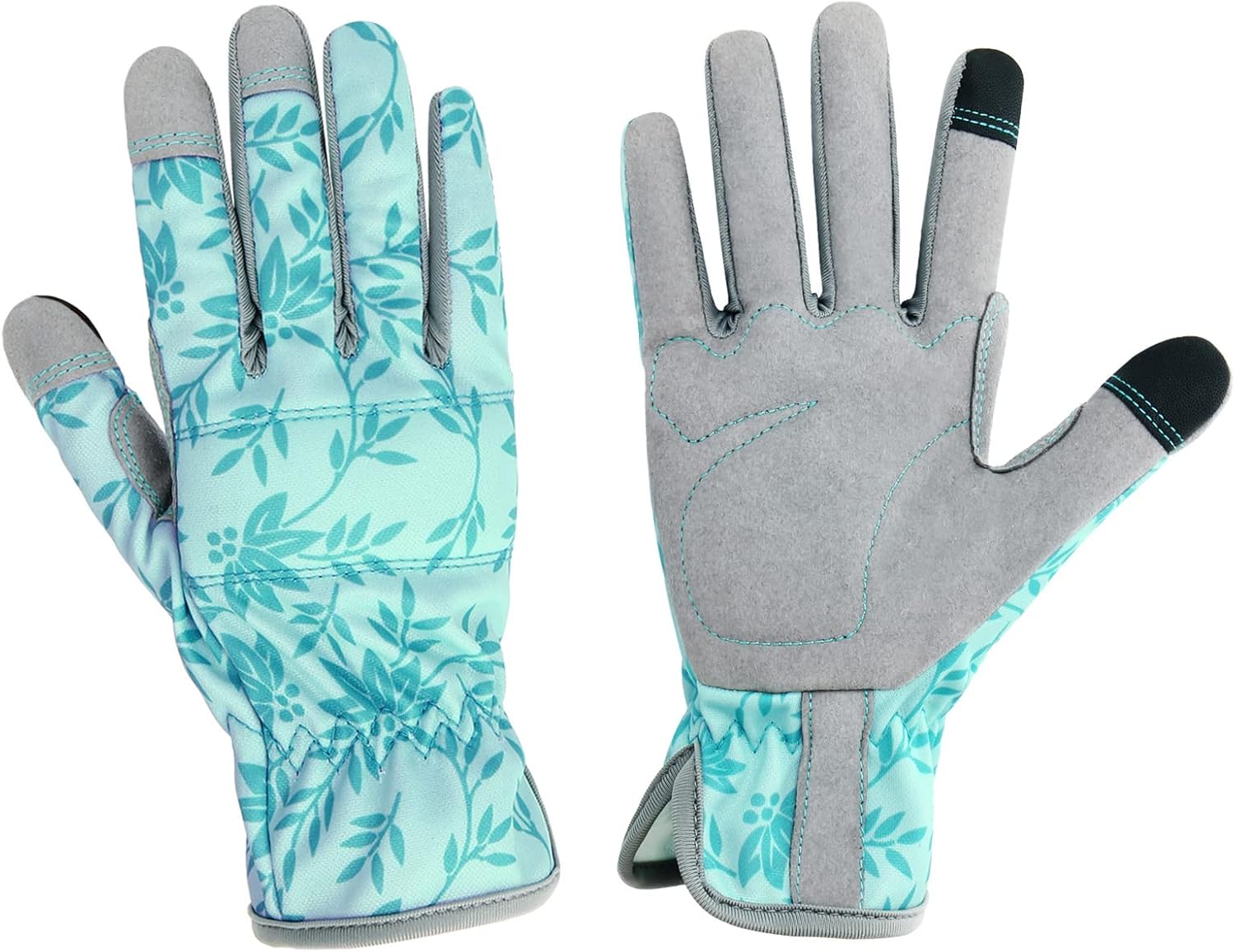
These KLDOLLAR gloves pair a leather palm with a breathable, elastic back to protect hands during pruning, digging, planting and weeding. The leather palm and reinforced stitching provide abrasion resistance and puncture protection from thorns and spikes while still giving a secure grip on hand tools. Elastic cuffs and medium stretch fabric make them easy to pull on and keep dirt out, and the touchscreen-capable fingertips let you check your phone without removing the gloves. They are reusable and intended for regular yard work rather than heavy industrial tasks. Limitations to expect are that they are not waterproof and need hand washing, and leather can stiffen if not cared for properly. Fit is described as regular and may run neutral, so check sizing if you need a very snug or very loose fit.
Best for: Buyers who want reliable thorn protection for everyday gardening tasks and value a durable, reusable glove without spending a lot. Good for home gardeners who need protection for pruning, weeding, planting and general yard work.
Less Ideal for: Not the best choice for tasks that require waterproofing or for heavy industrial use where cut-rated or impact-protective gloves are required.
- Leather palm and reinforced stitching for strong abrasion and puncture resistance
- Breathable, elastic back and medium stretch fabric for comfort and dexterity
- Touchscreen-capable fingertips let you use a phone without removing gloves
- Elastic cuff keeps dirt out and makes on/off quicker
- Not water resistant so hands can get wet during damp tasks
- Requires hand washing and leather care to maintain flexibility
Verdict: A budget-friendly leather glove that delivers dependable thorn and abrasion protection for routine garden work.
WZQH Leather Work Gloves — Reinforced Palm, Cotton Lining (Large)

| Material | Leather |
|---|---|
| Glove Liner Material | Cotton |
| Protective Glove Temperature Rating | 350°F |
| Closure Type | Adjustable |
| Reusability | Reusable |
These WZQH leather work gloves are built for tough outdoor tasks where hand protection matters. Made from split cowhide with a reinforced palm and keystone thumb, they deliver abrasion, puncture, thorn, cut, oil, flame, and heat resistance up to 350°F while a soft cotton lining improves comfort and reduces sweat. The adjustable wrist drawstring keeps debris out during digging, pruning, and brush clearing, and the ergonomic cuff helps with dexterity for tasks like planting, using a weed wacker, or handling thorny shrubs. They are reusable and machine washable, so maintenance is straightforward after muddy jobs. Limits to note are the lack of water resistance and no stretch in the fabric, so wet gardening or tasks requiring a snug, glove-like fit for fine handwork may feel bulky. Also sizing advice in the listing suggests sizing up for broad hands, so pick accordingly if you have narrow hands. For gardeners who prioritize durable protection over a thin tactile fit, these gloves offer dependable coverage in heavy-duty outdoor use.
Best for: Gardeners who do heavy-duty outdoor work and want robust hand protection from thorns, abrasion, heat, and punctures while still retaining reasonable comfort for prolonged use.
Less Ideal for: People who need thin, highly tactile gloves for delicate seed starting, transplanting, or frequent wet-weather gardening should consider thinner waterproof or touchscreen-capable alternatives.
- Durable split cowhide construction with reinforced palm for strong abrasion and puncture resistance
- Cotton inner lining that improves comfort and reduces sweat during extended wear
- Adjustable wrist drawstring and ergonomic cuff that keep debris out and allow reasonable wrist movement
- Rated for high temperatures (350°F) and flame resistant for grilling, fireplace or light welding tasks
- Not water resistant, so hands can get wet during watering or wet weather
- No fabric stretch which can reduce fine dexterity for delicate planting or seed work
Verdict: Choose these gloves if you need tough, heat- and puncture-resistant hand protection for heavy gardening and outdoor chores.
KKOYING Leather Work Gloves (Cowhide)

| Item model number | A1005 |
|---|---|
| Department | unisex-adult |
| Date First Available | September 12, 2023 |
These KKOYING cowhide leather work gloves are built for abrasive tasks in the garden and on the job. Constructed from thick leather, they protect palms and fingers from thorns, rough bark, and scrapes while allowing enough dexterity for hand tools and planting. Typical use includes pruning, handling rough lumber, moving brush, and other repetitive yard work where puncture and abrasion resistance matter. Notable features visible in the product imagery and listing include full-leather coverage and reinforced stitching that extend service life compared with thin fabric gloves. Practical benefits are reliable protection, a durable feel that stands up to repeated use, and suitability for both men and women. Limitations are that thicker leather reduces fingertip sensitivity and can feel stiff until broken in, and they are not specialized for waterproofing or touch-screen use. These gloves are a straightforward, hard-wearing choice if you prioritize protection and longevity over fine tactile work.
Best for: Buyers who prioritize durable hand protection for heavy gardening and outdoor maintenance tasks and want gloves that last through frequent abrasive work.
Less Ideal for: Not a good fit for people who need fine finger dexterity for seed sowing, grafting, or tasks that require touchscreen use or wet-weather performance.
- Thick cowhide leather offers strong abrasion and puncture resistance
- Full-leather construction provides durable coverage for heavy garden tasks
- Reinforced stitching improves longevity under repeated use
- Thicker leather reduces fingertip sensitivity and requires a break-in period
- No features for waterproofing or touchscreen operation
Verdict: If you want thick, hard-wearing leather gloves for heavy garden and yard work, these deliver solid protection and durability.
MAGID HandMaster Extra-Long Thornproof Pruning & Gardening Gloves

| Manufacturer | MAGID |
|---|---|
| Date First Available | August 5, 2022 |
| ASIN (parent) | B0B8RNSWLH |
| Customer Reviews | 4.6 out of 5 stars (7,683) |
These MAGID HandMaster thornproof gloves are built for pruning roses and heavy-duty garden work where thorn and puncture protection matters. The extra-long gauntlet cuff shields forearms as well as hands, and the synthetic suede palm improves grip and abrasion resistance when handling stems, tools, and pots. Reinforced leather tips and a knuckle strap add durability at high-wear points, while a stretch back and elastic wrist aim to keep debris out and deliver a snug fit. In practice they work best for repetitive pruning, landscaping, and general maintenance where protection is the priority rather than fine fingertip dexterity. Expect some reduction in finger sensitivity compared with thin garden gloves, and the heavier construction may feel warm in high heat. For gardeners who prioritize reliable puncture resistance and long-lasting wear, these gloves offer practical protection and durable materials that hold up to tough jobs.
Best for: Gardeners who want confident, low-risk protection when pruning roses or doing thorny landscaping and who prioritize safety and durability over fingertip feel.
Less Ideal for: People who need maximum tactile sensitivity for delicate tasks like seed sowing or transplanting small seedlings, or those who prefer very lightweight gloves for hot climates.
- Extra-long gauntlet cuff provides extended forearm protection from thorns and scratches.
- Synthetic suede palm gives improved grip and abrasion resistance for handling tools and plants.
- Leather-reinforced fingertips and knuckle strap increase durability at high-wear areas.
- Stretch back and elastic wrist help seal out debris and improve fit.
- Thicker, protective construction reduces fingertip sensitivity and fine dexterity.
- May feel warm during prolonged use in hot weather.
Verdict: Buy these if you want reliable, extra-long thorn and puncture protection for pruning and rough garden work.
Choosing the Right Thorn Resistant Gardening Gloves: Key Factors to Consider
Material and Layering
The base materials and how layers are combined determine how well gloves resist thorns. Leather variants and engineered synthetic fibers often provide good puncture resistance, while multi-layer constructions place a tough outer layer over a cut-resistant liner for added defense. Denser materials or multiple layers usually increase protection but can reduce sensitivity.
Consider whether the material tolerates moisture and dirt. Some layered gloves maintain their protective qualities when damp, while others become stiff or lose shape. The right balance depends on whether you prioritize maximum thorn resistance or need finer control for pruning and tying.
Fingertip Sensitivity and Control
Fingertip design affects how well you can manipulate small tools and plant material. Thicker protective layers at the palm and back of the hand can be paired with thinner or touchscreen-capable fingertips to preserve dexterity. Glove patterns that add reinforcement without covering the entire fingertip often offer a workable compromise.
If you do a lot of precise pruning, transplanting, or seed sowing, fingertip sensitivity matters. Bulkier gloves are fine for heavy clearing, but if you need to handle twine, clips, or small stems, choose gloves with targeted protection that preserves tactile feedback.
Fit and Cuff Design
A proper fit keeps protective panels aligned with fingers and reduces material bunching that exposes vulnerable spots. Gloves should fit snugly without restricting circulation; oversized gloves create dead space that reduces control and can snag on thorny branches. Elastic or adjustable cuffs help keep debris out and secure the glove during vigorous movement.
Longer cuffs offer wrist and lower forearm protection when reaching into hedges or bramble patches. However, extended cuffs can trap moisture or make quick removal harder, so match cuff length to your common tasks and climate.
Grip and Surface Coatings
How a glove grips pruners, stems, and tools influences safety and task speed. Coatings such as nitrile or textured rubber on the palm provide secure contact with tools and slippery stems, especially when wet. Smooth leather palms can be durable but may slide on certain surfaces unless treated or patterned.
Grip also affects how you control pruners and hold thorny branches while cutting. Consider coatings that balance tackiness with wear resistance so the glove remains effective after repeated use.
Durability and Maintenance
Frequent work with thorns is abrasive, so stitch quality, reinforced seams, and edge binding matter. Reinforced thumb and palm areas extend glove life where wear is concentrated. Some materials resist fraying and keep protective fibers intact, while others break down faster under repeated snagging.
Maintenance needs vary. Machine-washable gloves are convenient, but laundering may degrade protection in some constructions. Check if gloves tolerate hand washing and air drying, and whether protective liners shift after cleaning. Durability expectations should match how often you will replace gloves versus repair them.
Weather and Seasonal Considerations
Climate affects glove choice because cold, wet, or hot conditions change material behavior. In cold weather, thicker gloves retain warmth but can reduce dexterity. Moisture-wicking liners and quick-dry outer layers help prevent chafing in damp conditions. Some protective materials stiffen when wet, reducing fingertip control.
For summer pruning, look for breathable constructions that still offer protection. In winter, prioritize insulation and wind resistance while balancing the need to operate pruning tools safely.
Best Glove Styles for Rose and Bramble Work
Certain glove styles suit thorny tasks better than others. Split leather and gauntlet-style gloves cover more of the forearm and resist punctures from inward-facing thorns, while reinforced synthetic gloves tend to combine cut-resistant liners with flexible outer shells. Think about common tasks: long cuff gauntlets are useful for hedge and bramble clearing, while shorter, more dexterous styles are better for pruning and tying.
For gardeners who switch between heavy clearing and delicate pruning, consider keeping two pairs: one heavy-duty pair for cutting back and one lighter, protective pair for detailed work.
- Gauntlet cuffs protect wrists and lower forearms when working in dense patches
- Split leather can resist repeated punctures but may reduce fingertip feel
- Synthetic layered gloves often offer a better balance of protection and dexterity
Maintaining Thorn Resistant Gloves
Proper care extends glove life and keeps protection reliable. Remove debris and shake out soil after each use. Brush off burrs and let gloves dry naturally to prevent mildew or material degradation. For leather gloves, apply conditioner sparingly to prevent stiffening, and avoid machine drying which can warp leather and liners.
For synthetic gloves, follow manufacturer cleaning instructions where possible. Hand washing and air drying usually preserves coating and seam integrity. Inspect gloves regularly for thinning areas and seam separation and retire or repair gloves before protection fails.
- Shake and brush debris out after use
- Air dry; avoid high heat
- Inspect thumbs and palms for wear
Matching Gloves to Tasks and Frequency
Match glove choice to both the type of thorny work and how often you do it. If you clear brambles occasionally, a midweight glove that offers decent protection and comfort may be enough. For weekly or daily thorn handling, invest in gloves built for sustained abrasion resistance and replaceable features.
Consider keeping multiple pairs in rotation so one pair can fully dry and recover while you use another. This reduces wear from trapped moisture and extends overall glove life.
- Occasional use: midweight protective gloves
- Frequent use: heavy-duty or reinforced options
- Rotate pairs to let liners dry and rest
Sizing Tips for Secure Protection
Measure your hand across the knuckles with fingers together and consult sizing guides to avoid a loose fit. A snug fit keeps reinforcements aligned with fingers and prevents material from bunching where a thorn can penetrate. If you are between sizes, choose the smaller size for better control or the larger size for extra layering underneath in cold weather.
Remember that some materials will stretch and conform after a few uses while others hold shape. Consider break-in behavior when deciding on fit.
- Measure knuckle width for sizing
- Prefer snug fits for dexterity
- Account for material stretch and lining thickness
When to Repair or Replace Gloves
Small holes, separated seams, and thinning palm panels are signs protection is compromised. Patch repairs can extend life for light tasks, but once the protective liner is exposed or large holes appear, replacement is safer. Keep a basic repair kit for reinforcing seams and patching leather, and retire gloves used for heavy bramble clearing sooner than those used for light pruning.
Regular inspection after intense sessions will help you spot wear early and avoid accidental punctures during the next job.
- Patch small tears promptly for light use
- Replace gloves when liners are visible or holes appear
- Inspect after heavy clearing jobs
How We Chose the Best Thorn Resistant Gardening Gloves
We prioritized protection performance, hand control, durability, and comfort because those dimensions directly affect safety and usability when working with roses, brambles, or other thorny plants. Protection performance examined the glove material and layered construction for puncture and cut resistance suited to common thorn types. Hand control looked at fingertip sensitivity, grip coating, and cuff design so tasks like pruning, tying, and seedling work remain practical. Durability assessed abrasion resistance and seam construction to estimate how long gloves hold up under repeated snagging and washing. Comfort considered fit range, breathability, and flexibility to reduce hand fatigue during extended use. We also checked ease of cleaning and whether gloves tolerate routine washing without losing protection. We excluded gloves designed solely for heavy industrial or metalworking tasks where features reduce garden dexterity or include materials not suitable for plant contact. We did not include single-use disposable gloves or gloves intended only for light weeding. Final picks met minimum standards across the listed criteria and represent practical options for gardeners dealing with thorns and briars.
FAQ
Are thorn resistant gloves also cut-resistant?
Often they offer both puncture and cut resistance, but levels vary by construction. Some gloves prioritize puncture-resistant outer layers while others include specific cut-resistant liners. Check the construction notes for both properties.
Can I wash thorn resistant gloves in a machine?
It depends on the material. Many synthetic gloves tolerate gentle machine cycles, but leather and layered gloves usually do better with hand washing and air drying to preserve shape and protection.
Do longer gauntlet cuffs make gloves safer?
Longer cuffs protect wrists and lower forearms when reaching into dense patches, but they can trap moisture and reduce mobility. Choose cuff length based on whether you need extra forearm coverage regularly.
How often should I replace gloves used on brambles?
Replacement frequency depends on wear and use intensity. Inspect gloves after heavy clearing and replace them when protective liners thin or holes appear. Frequent users will often replace gloves seasonally.
Can I still feel stems and thorns through thick protective gloves?
Thicker gloves reduce fingertip sensitivity. Some designs use targeted thin tips or flexible panels to preserve feel while protecting the rest of the hand. Decide based on whether precision tasks are common.
Is leather better than synthetic for thorn protection?
Leather can be very durable against repeated scraping and some punctures, while engineered synthetics can offer consistent cut resistance and lighter weight. The best choice depends on the balance you want between durability and dexterity.
Final Verdict
Prioritize how you work with thorny plants when choosing thorn resistant gardening gloves. If you do heavy clearing, favor reinforced materials and longer cuffs; if you prune and tie often, seek gloves that protect without sacrificing fingertip dexterity. Inspect gloves regularly and maintain them to keep protection reliable. With the right balance of protection, fit, and grip you can work more confidently and safely in thorn-prone areas.
