

Note: This article contains affiliate links. If you click on these links and make a purchase, I may earn a small commission at no extra cost to you. This helps support my research and content. Read my full affiliate disclosure here.
If you want garden beds that stay tidy and largely weed-free, choosing the right mulch matters more than you might think. The wrong material can break down quickly, invite weeds, or blow away in wind, while the right mulch suppresses seedlings, conserves moisture, and reduces time spent pulling or spot-treating weeds. This guide covers six shortlisted mulches selected for strong weed suppression and garden durability. We explain how each type behaves in real beds and outline the practical criteria used to evaluate them so you can pick the best option for your planting style and maintenance routine.
Top Picks at a Glance
| Best Overall The best all-around choice for most situations | Rio Hamza Trading Pine Bark Mulch Nuggets, 8 Quarts (All Natural) |  |
| Best Quality Built to a higher standard if you want something more solid | USA PINESTRAW Long Needle Pine Straw Mulch – 100 sq ft Coverage |  |
| Best Value The sweet spot between price and what you get | PlantBest Coco Mulch Compressed Block (expands to 2.5 cu ft) |  |
| Best Budget The cheapest option that still gets the job done reliably | Kela Tipi Natural Wheat Straw Bale Garden Mulch |  |
| Highest Rated A top-rated pick with lots of positive feedback | Hazel Shell Mulch 1.5 cu ft — Natural Hazelnut Shell Mulch |  |
| Most Popular A crowd favorite that many people choose with confidence | HealthiStraw GardenStraw Premium Garden Mulch, 3 cu ft |  |
Rio Hamza Trading Pine Bark Mulch Nuggets, 8 Quarts (All Natural)

| Brand Name | Rio Hamza Trading |
|---|---|
| Unit Count | 256 Square Feet |
| Item Type Name | Potting Soil |
| Volume | 8 quarts |
| Ingredients | All natural pine shavings |
These 100% natural pine bark nuggets are small half-inch pieces intended as a top dressing or soil amendment for containers, bonsai, terrariums, and beds. You can sprinkle them as a decorative layer over potting mix to reduce surface evaporation and discourage pests, or blend a portion into heavy soil to increase aeration and reduce waterlogging around roots. The product emphasizes chemical-free bark with a red-brown look that tidies planters and complements evergreen plantings like arborvitae. An 8-quart bag covers modest container projects and provides enough to refresh a single large pot. Because the nuggets are coarse, they persist on the surface and do not compact quickly, which helps long-term drainage but means they will not break down fast to enrich soil. Also the bag size is small for landscape-scale mulching, so this is best for focused use around specimens rather than blanket beds. For someone managing moisture around ornamental evergreens, these nuggets work as an attractive, low-maintenance surface mulch.
Best for: A buyer who prioritizes plant safety and wants visible social validation will appreciate a chemical-free, attractive mulch for protecting root zones of specimen shrubs or container arborvitae and for tidying planters.
Less Ideal for: Not a good fit for someone needing bulk mulch for wide beds or wanting a fast-breaking organic amendment to quickly enrich soil.
- Made from 100% natural pine bark with no added chemicals
- Half-inch nuggets improve soil aeration and reduce surface compaction
- Durable, coarse texture provides long-lasting decorative top dressing
- Versatile for indoor pots, bonsai, terrariums, and small outdoor containers
- Small 8-quart bag is insufficient for mulching large landscape areas
- Coarse nuggets decompose slowly and provide limited short-term nutrient addition
Verdict: Choose these pine bark nuggets when you want a chemical-free, long-lasting decorative mulch to improve drainage and keep arborvitae planters looking tidy.
USA PINESTRAW Long Needle Pine Straw Mulch – 100 sq ft Coverage
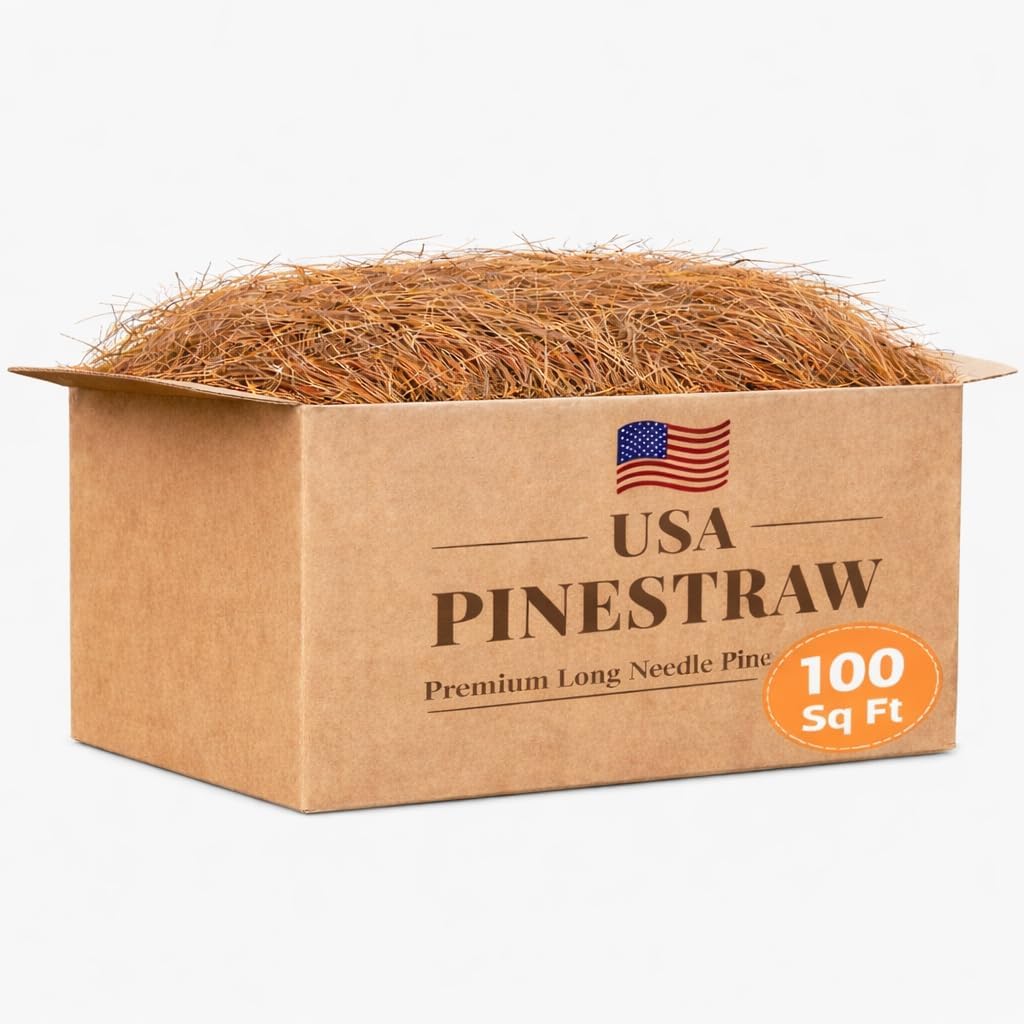
| Coverage | 100 Sqft |
|---|---|
| Material | 100% Pine Straw |
| Origin | USA harvested |
This pine straw mulch is a simple, natural option for suppressing weeds and conserving soil moisture in flower beds, around shrubs, and under trees. Sold as a compressed bale that covers roughly 100 square feet, the long needles form a breathable, interlocking layer that helps block sunlight to weed seeds while still allowing water to reach roots. It is lightweight to spread and stays in place better than loose fines, making it suitable for slopes and pathways where erosion control matters. Because it is 100% organic and USA harvested, it also adds organic matter as it slowly breaks down and helps improve soil structure over time. Limitations to expect are seasonal settling and gradual decomposition, so periodic topping up is needed to keep coverage and depth effective, and it may not form as compact a barrier as rubber or inorganic mulches for long-term weed exclusion in very high-weed-pressure areas.
Best for: Home gardeners who want a low-maintenance, natural mulch that improves soil health while controlling weeds and conserving moisture in beds and around shrubs.
Less Ideal for: People seeking a permanent, zero-maintenance weed barrier or those who prefer inorganic mulches that never decompose.
- Effective natural weed suppression by forming a dense, light-blocking layer
- Helps retain soil moisture and reduce watering frequency
- Breathable structure allows water and air to reach roots while reducing erosion
- Sustainably sourced 100% organic pine straw from the USA
- Breaks down over time and requires periodic replenishing to maintain depth
- May shift or thin out in very windy conditions without edging or staples
Verdict: Choose this pine straw bale if you want an eco-friendly mulch that suppresses weeds, retains moisture, and improves soil with regular replenishment.
PlantBest Coco Mulch Compressed Block (expands to 2.5 cu ft)

| Item Form | Block |
|---|---|
| Coverage | 2.5 cubic feet |
| Specific Uses For Product | gardening and landscaping |
| Mixing Ratio | 6 fold in 5 minutes |
| Target Species | plants |
This compressed coco mulch block is designed to expand quickly with water into a lightweight, easy-to-spread mulch for flower beds and borders. One 9.1 lb block soaks up water and expands to roughly 2.5 cubic feet, making it simple to store and handle compared with bulky bags. The coconut fibers form a cohesive layer that helps retain soil moisture, reduce watering frequency, and suppress weed growth while resisting mild washout on slopes. It is peat-free and made from renewable coconut coir, so it avoids dyes and chemicals and can last through up to two seasons in typical garden use. Mixing and expansion are fast using the provided water ratio, and the material is useful around plants, trees, and walkways. Limitations are that coverage claims assume a 1.5-inch depth so you may need more than one block for larger beds, and it will gradually decompose over time so expect to top up after a season or two.
Best for: Gardeners who want an easy-to-store, peat-free mulch for flower beds and borders that conserves water and reduces weed pressure without heavy bags.
Less Ideal for: People needing permanent, decorative bark that lasts many years or those covering very large beds where buying in bulk loose mulch is more economical.
- Expands with water to a usable mulch, reducing storage bulk and handling weight
- Made from renewable coconut coir with no dyes or chemicals
- Helps retain soil moisture and can reduce how often you need to water
- Fibrous structure suppresses weeds and resists minor erosion on slopes
- Coverage is calculated at a 1.5-inch depth so larger beds may require multiple blocks
- Will break down over time and typically needs replenishing after one to two seasons
Verdict: A compact, peat-free coco mulch that expands with water to give flower beds moisture-retaining, weed-suppressing coverage with easy storage and handling.
Kela Tipi Natural Wheat Straw Bale Garden Mulch

| Manufacturer | Natural Wheat Straw |
|---|---|
| Item Weight | 15.8 ounces |
| Product Dimensions | 14 x 10 x 1.2 inches |
| ASIN | B0F6LQTRNX |
This wheat-straw bale is a simple, no-frills mulch made from dried wheat straw that has been cleaned to reduce weed seeds and avoid germination. Gardeners typically spread it thinly over newly seeded lawns to protect seed from birds, reduce surface drying, and hold moisture for germination. It is also used around vegetables, strawberries, roses, and seedlings to suppress weeds and add organic matter as it breaks down. Notable features are its 100 percent natural composition with no additives and its suitability for animal bedding and landscape decoration. The straw is lightweight and easy to pull apart by hand for spot application or to make a light, even layer over seed. Limitations are that straw can blow away unless anchored or lightly raked in, and it will decompose over time requiring reapplication; it also does not provide the same weed-suppressing permanence as heavier mulches. For grass-seeding tasks this product gives breathable coverage that balances moisture retention and airflow without introducing chemicals.
Best for: Buyers looking for an inexpensive, natural cover to protect freshly seeded lawns and garden beds who prefer an eco-friendly, easy-to-apply material.
Less Ideal for: Those who want a long-lasting, heavy-duty weed barrier or a permanent decorative mulch should consider heavier or more durable alternatives.
- 100% natural straw with no additives or dyes
- Dried and cleaned to minimize weed seeds and germination risk
- Lightweight and easy to pull apart for even coverage
- Versatile uses including grass seed cover, garden mulch, and small-animal bedding
- Lightweight material can blow away if not secured
- Decomposes relatively quickly so requires periodic replenishing
Verdict: A budget-friendly, natural straw mulch that provides breathable, protective cover for grass seed while being easy to apply and eco-friendly.
Hazel Shell Mulch 1.5 cu ft — Natural Hazelnut Shell Mulch

| Item Type | Mulch |
|---|---|
| Volume | 1.5 cubic feet |
| Ingredients | Hazelnut Shells |
This hazelnut-shell mulch is a 100% natural, recycled option that serves as a decorative ground cover for garden beds, raised beds, containers, and pathways. It lays down like conventional mulch to suppress weed growth and reduce moisture loss while offering a distinctive texture and rich natural color. Because hazelnut shells break down more slowly than many wood mulches, a single application will maintain appearance and coverage for longer, which reduces how often you need to refresh beds. It is lightweight to move in small bags and works well around ornamental plants and vegetable containers, but the shell texture can be a bit coarse for direct seedbeds or very fine root zones. Note the product is a by-product of tree nuts and may contain hazelnut residue, so it is not appropriate where nut allergens are a concern. For gardeners prioritizing a tidy, longer-lasting organic top layer in raised vegetable beds and pots, this mulch is an attractive, low-maintenance choice.
Best for: Gardeners who want a low-maintenance, natural top dressing for raised beds and containers that holds moisture and stays looking good longer between refreshes.
Less Ideal for: Do not choose this if you need a mulch for direct seed germination beds or if you must avoid any material with tree-nut residues.
- Slow decomposition compared with many wood mulches, so it needs less frequent replacement
- Helps retain soil moisture and suppress weeds when applied as a top layer
- 100% natural recycled hazelnut shells without artificial dyes
- Attractive, unique texture and rich natural color for decorative beds and containers
- Coarse shell texture may be less suitable for direct seeding or very fine-rooted transplants
- May contain hazelnut residue so it is unsuitable where nut allergens are a concern
Verdict: Choose this hazelnut-shell mulch when you want a natural, longer-lasting decorative mulch that reduces watering and weeding effort in raised beds and containers.
HealthiStraw GardenStraw Premium Garden Mulch, 3 cu ft

| Net volume | 3 cu ft |
|---|---|
| Intended use | Garden mulch, lawn seeding, compost-friendly |
| Material | 100% wheat straw |
| Source | Sustainably sourced, non-GMO |
HealthiStraw GardenStraw is a 3 cubic foot compressed bale of cleaned wheat straw formulated for use as garden mulch and seed protection. It is designed for vegetable, herb, flower and shrub beds where you want a lightweight, compostable mulch that retains soil moisture and suppresses weeds. The straw is processed to reduce dust and stray seeds and the short, specially cut fibers interlock when watered so the mulch stays in place without chemical tackifiers. For bushes you can apply a 2 to 3 inch layer around the drip line to cut evaporation, reduce compaction and gradually add organic matter as it breaks down. Practical benefits include easy spreading from a compressed bale, fast composting into the soil, and reduced watering needs. Limitations are that straw is less decorative than bark or wood chips and will decompose faster, so it requires periodic replenishing; it also provides less long-term weed barrier than heavier mulches. For gardeners focused on soil health and moisture conservation, it is a straightforward, low-risk choice.
Best for: Gardeners who prioritize soil health and want an easy-to-apply, compostable mulch for shrubs and mixed beds that reduces watering and improves organic matter over time.
Less Ideal for: People seeking a long-lasting, decorative mulch or a heavy-duty weed barrier for high-traffic beds should consider wood chips or stone instead.
- Cleaned, non-GMO wheat straw with reduced dust and seeds
- Fibers interlock when wetted so the mulch stays in place without binders
- Helps retain soil moisture and can reduce watering needs substantially
- Composts quickly and adds organic carbon to improve soil structure
- Decomposes faster than wood mulches so it needs topping up more often
- Less decorative and provides a lighter-duty weed barrier compared with heavier bark or rock mulches
Verdict: A clean, fast-composting straw mulch that conserves moisture and improves soil health, making it a safe, practical choice for mulching bushes.
Choosing the Right Mulch for No Weeds: Key Factors to Consider
Weed Suppression Effectiveness
How well a mulch physically blocks light and prevents weed seeds from germinating is the primary function for gardeners seeking no weeds. Dense, coarse materials or those applied thickly create a barrier that reduces surface germination. Finer-textured mulches may allow seedlings to push through sooner unless applied in greater depth.
Think about the weed pressure in the beds you manage. High-weed areas benefit from denser, longer-lasting mulches or a combination of landscape fabric under a mulch layer. Also consider perennial weed roots that resprout; mulches suppress seedlings but do not eradicate established roots, so integrate other control methods where needed.
Decomposition Rate and Maintenance Interval
How quickly mulch breaks down determines how often you need to add fresh material. Fast-decomposing mulches feed the soil but require more frequent top-ups to maintain a weed-blocking layer. Slow-decomposing options last multiple seasons but may tie up nitrogen temporarily or create compacted layers if not managed.
Balance your willingness to refresh beds against the benefit of longer coverage. In annual vegetable beds you might prefer quicker breakdown to return organic matter, while perennial ornamentals often benefit from mulches that remain effective for longer stretches between maintenance.
Water and Air Movement
Mulch should retain moisture to reduce watering frequency while still allowing rain and irrigation to reach plant roots. Some dense mulches repel water initially or crust over, diverting surface flow. Others absorb and hold water but can become soggy and slow drying, which may harm shallow-rooted plants.
Consider your soil type and climate. In heavy clay, choose mulches that encourage infiltration and reduce surface runoff. In hot, dry climates, pick materials that retain moisture without staying waterlogged. The balance affects both plant health and how weeds establish beneath the mulch.
Impact on Soil Biology and pH
Mulches influence soil life and chemistry over time. Organic mulches feed microbes and improve structure as they decompose, but some materials can temporarily sequester nitrogen or alter pH during breakdown. Inorganic mulches do not add organic matter but also do not change soil chemistry.
If building long-term soil health matters, look for mulches that break down into beneficial organic matter without causing strong short-term nutrient competition. For containers or acid-loving plants, consider whether a mulch will shift pH and choose accordingly.
Installation and Upkeep Practicality
Some mulches are easy to spread and maintain by hand, while others require mechanical delivery or frequent raking to keep an even layer. Lightweight materials can blow away in exposed sites unless secured. Heavy mulches resist displacement but are harder to reposition or remove.
Factor in the size of the area you will cover and how often you can realistically top up or refresh the mulch. Ease of installation influences whether you choose a thicker initial layer or plan for regular thin replenishments.
Aesthetics and Plant Compatibility
The look of a mulch affects planting design and how visible weeds appear when they do surface. Some materials create a neat, formal look and pair well with edging, while others offer a natural, rustic appearance. Particle size and color also influence how much seedbank is visible on the surface.
Also consider compatibility with the plants in the bed. Mulches that hold moisture well are great around shrubs and perennials, while very coarse or alkaline materials may be less suited to acid-loving species or delicate seedlings.
Preparing Beds for Long-Term Weed Control
Proper preparation multiplies the effectiveness of any mulch. Start by removing existing weeds, including roots for perennial species, and rake the surface level. A thin layer of organic matter or a light cultivation can help settle the soil before mulching.
Edge beds to limit grass invasion and consider a short-term weed control step such as smothering or targeted spot treatments for heavy infestations. Installing a defined edge and keeping a clean border cut back helps prevent lateral weed encroachment that undermines mulched areas.
- Remove large weed roots and invasive runners before mulching
- Rake the soil level so mulch lays evenly
- Install edging to block grass and running weeds
How Depth and Application Affect Performance
Thickness matters. Most materials need a minimum depth to suppress weeds effectively. Organic sheet mulches and bark chips typically require a deeper layer, while heavier inorganic covers may be effective at thinner depths.
Apply mulch away from plant stems and tree trunks to prevent moisture-related rot. Maintain a consistent depth by checking several spots across the bed and replenish thin areas each season. Avoid piling mulch against stems or crowns.
- Check multiple locations to ensure even coverage
- Keep mulch pulled back from stems and trunks
- Top up thin patches annually or after heavy weather
Combining Mulch Types for Better Results
A layered approach can deliver both quick suppression and long-term soil benefits. For example, a base layer of a dense, slow-breaking material under a decorative organic top layer can block weeds while maintaining a pleasing look.
Mixing a small amount of coarser material with fine mulch reduces compaction and improves water penetration. Use combinations thoughtfully to avoid creating zones that stay too wet or that inhibit root growth.
- Use a dense base to stop seedlings and a decorative top for appearance
- Avoid thick, compact layers that hold excessive moisture
- Refresh only the top layer if the base still suppresses weeds
Seasonal Care and When to Reapply
Inspect mulched beds each season for signs of thinning, weed emergence, or compaction. Spring is usually the best time to refresh organic mulches after winter settling, while fall top-ups help protect beds from winter weed germination in milder climates.
Remove any visible weed seedlings promptly before they set seed. Regular light raking loosens compacted material and restores an even barrier against germination.
- Check beds seasonally and top up as needed
- Remove seedlings before they seed
- Rake to break compaction and improve water infiltration
Environmental and Wildlife Considerations
Think about how mulch choices affect local wildlife. Organic mulches provide habitat for beneficial insects and help soil organisms, but they can also attract slug or vole activity in some gardens. Inorganic options are less hospitable to wildlife but do not build soil structure.
Choose materials that fit your ecosystem goals. If pollinator support and long-term soil building are priorities, select organic mulches and plan for periodic replenishment. For low-wildlife, low-maintenance beds, denser inorganic covers may be preferable.
- Organic mulches feed soil life and insects
- Consider slug and rodent risks with thick organic layers
- Inorganic mulches limit habitat but reduce decomposition concerns
How We Chose the Best Mulch for No Weeds
We focused on attributes that directly affect how well a mulch prevents weed pressure in real garden situations. Key evaluation dimensions were weed suppression, decomposition rate, installation and maintenance effort, moisture retention, and environmental impact for each mulch type. We looked at how long a material physically blocks light and seed germination, whether it compacts or allows water to infiltrate, and how quickly it breaks down into the soil. We excluded materials that require heavy equipment to install or that are known to harm soil life in typical residential use. Materials that create persistent drainage or pH issues were also filtered out. The resulting picks favor mulches that provide multi-season weed control, are practical to install by hand, and that balance longevity with soil health. Where relevant we also considered aesthetics and how easily a mulch tolerates edging, foot traffic, and seasonal top-ups.
FAQ
How deep should mulch be to prevent weeds?
Depth depends on the material but generally 2 to 4 inches of organic mulch provides effective suppression for many weeds. Heavier or coarser materials may allow shallower application, while fine-textured mulches often need thicker layers to stop seedlings.
Will mulch stop established perennial weeds?
Mulch is best at preventing new seedlings. Established perennial weeds with deep roots or rhizomes usually require eradication or repeated control before mulching, because mulch alone rarely kills well-established root systems.
Can mulch cause problems for plant roots?
Mulch piled against stems can trap moisture and cause rot, and very thick layers may reduce oxygen around shallow roots. Keep mulch pulled back from trunks and crowns and maintain an appropriate depth to protect roots without smothering them.
Is it better to use organic or inorganic mulch for weed control?
Both types can suppress weeds. Organic mulches improve soil over time but decompose and need topping up. Inorganic mulches last longer without adding organic matter but do not benefit soil biology. The best choice depends on whether you prioritize longevity or soil building.
How often should I refresh mulch to maintain weed suppression?
Refresh frequency depends on decomposition rate: many organic mulches need partial replenishment annually or every couple of years, while longer-lasting materials may only need attention every few seasons. Inspect beds each season to decide when to top up.
Can landscape fabric replace mulch to stop weeds?
Landscape fabric can block weeds when installed correctly and covered with a top mulch, but fabric alone has drawbacks such as trapping water or hindering organic matter incorporation. Combining fabric with an appropriate top layer often gives better long-term results.
Final Verdict
Choosing mulch for no weeds means weighing suppression power against maintenance, soil health, and aesthetics. Prioritize materials that create a durable light barrier and suit your climate and planting style, and plan a maintenance rhythm for top-ups and inspections. For long-term tidy beds, focus first on bed preparation and weed removal, then select a mulch that matches how often you will refresh it and how much soil improvement you want. That approach will deliver the biggest reduction in weeds with the least hassle.
