

Note: This article contains affiliate links. If you click on these links and make a purchase, I may earn a small commission at no extra cost to you. This helps support my research and content. Read my full affiliate disclosure here.
Potted planting transforms a small balcony, front step, or patio into a lush, useable space, but containers demand different habits than in-ground beds. Choosing easy plants for patio pots reduces water stress, lowers maintenance chores, and keeps pots looking good throughout the season. This guide covers seven carefully shortlisted options that perform well in containers and in common patio conditions. We evaluated selections for sun tolerance, water needs, compact habit, and how they behave in a pot over weeks and months. Read on to see which kinds of easy container plants match your light, watering routine, and aesthetic goals.
Top Picks at a Glance
| Best Overall The best all-around choice for most situations | Altman Plants 2" Live Succulent 6-Pack (Assorted) |  |
| Best Quality Built to a higher standard if you want something more solid | Costa Farms Money Tree (Pachira aquatica) Live Indoor Plant in Decorative Pot |  |
| Best Value The sweet spot between price and what you get | Altman Plants Snake Plant (Laurentii) in 4 in Grower Pot |  |
| Best Budget The cheapest option that still gets the job done reliably | SUCCULENTS BOX Peperomia ferreyrae (Happy Bean) Live Succulent in 2" Plastic Pot |  |
| Highest Rated A top-rated pick with lots of positive feedback | United Nursery Ponytail Palm Live Plant (4-inch Pot) |  |
| Most Popular A crowd favorite that many people choose with confidence | Plants for Pets Easy-to-Grow Houseplants 6-Pack (2" Grower Pots) |  |
| Best Seller A high-volume bestseller chosen again and again | THE NEXT GARDENER Ruby Necklace (Othonna capensis) Live Succulent, 4-inch |  |
Altman Plants 2" Live Succulent 6-Pack (Assorted)

| Indoor Outdoor Usage | Indoor, Outdoor |
|---|---|
| Other Special Features of the Product | Compact, Drought Tolerant, Low Maintenance |
| Sunlight Exposure | Full Sun |
| USDA Hardiness Zone | 10, 9 |
| Moisture Needs | Little To No Watering |
This 6-pack from Altman Plants provides six different fully rooted 2-inch succulents ready for pots, terrariums, or small container gardens. Plants arrive dry to avoid shipping rot and only need a light drink and bright sun to establish, making them a low-effort choice for busy owners. The assortment spans common genera such as Kalanchoe, Crassula, Sedum, and Graptosedum, so you get visual variety for a mixed pot or grouped tabletop display. Because each plant is shipped in a small nursery pot, it is easy to replant into decorative containers or use directly in DIY projects like wedding favors. These succulents are drought tolerant and recommended for full sun and sandy soil, which suits simple pot setups and minimal watering schedules. Limitations are the small initial pot size and seasonal variety changes, so you may need to repot into larger containers as they grow and you cannot guarantee specific cultivars in every pack.
Best for: Buyers who want a low-maintenance, ready-to-display assortment for small pots, beginner-friendly container gardens, or quick décor projects and prefer plants that require little daily care.
Less Ideal for: Gardeners seeking specific named cultivars, mature specimen plants, or large, long-term landscape plantings should look for larger, single-variety specimens instead.
- Six distinct, fully rooted succulents for immediate planting or display
- Arrives dry to reduce shipping damage and requires minimal initial watering
- Assorted varieties provide color and texture contrast in a single purchase
- Small nursery pots make it easy to replant into decorative containers or use in DIY projects
- Plants come in 2-inch nursery pots and will need repotting for long-term growth
- Assortment varies by season so exact varieties are not guaranteed
Verdict: A convenient, low-maintenance six-pack that gives quick, varied color and texture for small pots and simple container displays.
Costa Farms Money Tree (Pachira aquatica) Live Indoor Plant in Decorative Pot

| Indoor Outdoor Usage | Indoor |
|---|---|
| Other Special Features of the Product | Air Purification, Low Maintenance, Pet Friendly |
| Sunlight Exposure | Partial Shade |
| Moisture Needs | Moderate Watering |
| Product Care Instructions | Bright, Indirect Light, Water Weekly |
The Costa Farms Money Tree is a beginner-friendly indoor tree grown and shipped ready to display in a decorative pot. It is typically used as a tabletop or small floor accent where bright, indirect light is available. Notable features include the signature braided trunk, pet-safe foliage, and packaging designed to protect the plant during transit. Practically, it offers easy care: water when the top 2 inches of soil feel dry and keep it in bright, filtered light, which makes it forgiving if you miss an occasional watering. The pre-potted presentation removes the immediate need to repot and gives an instant finished look for desks, entryways, or living rooms. Limitations to expect are that it prefers consistent indirect light and moderate moisture, so darker rooms or chronic overwatering will hamper growth, and the medium size is a tabletop rather than a large floor specimen. For buyers focused on easy success and decorative impact, this Money Tree balances aesthetics and low effort, though long-term growers may eventually want to repot for fuller development.
Best for: Buyers who want an attractive, low-effort houseplant that looks finished out of the box and is safe around pets, especially those who value straightforward care and reliable arrival. Ideal for people adding easy greenery to desks, shelves, or small living spaces.
Less Ideal for: Experienced collectors seeking a large specimen tree or anyone needing a plant that thrives in dim light should consider other options.
- Arrives pre-potted in a decorative planter for immediate display
- Pet-safe, non-toxic foliage suitable for households with cats and dogs
- Forgiving care needs that tolerate occasional missed waterings
- Distinctive braided trunk adds architectural, designer appeal
- Not ideal for low-light rooms since it prefers bright, indirect light
- Medium/tabletop size may be too small for buyers seeking a large floor statement plant
Verdict: A stylish, pet-safe Money Tree that delivers easy, low-stress greenery already potted and ready to display.
Altman Plants Snake Plant (Laurentii) in 4 in Grower Pot

| Indoor Outdoor Usage | Indoor, Outdoor |
|---|---|
| Other Special Features of the Product | Low Maintenance |
| Sunlight Exposure | Full Sun |
| USDA Hardiness Zone | 10, 11, 12 |
| Soil Type | Sandy Soil |
The Altman Plants Laurentii is a classic variegated snake plant that provides tall, architectural foliage with minimal fuss. Sold fully rooted in a 4-inch grower pot, it is grown to handle typical indoor conditions and is frequently used as a low-light office or home plant to add vertical structure and color. Notable features are its tolerance for a wide range of light levels, drought resilience, and simple watering needs — water only when the top few inches of soil dry out. Because it is hardy and low maintenance it works well on shelves, in corners, or near windows with indirect light and helps improve indoor air quality. Limitations are inherent to the small nursery pot size on arrival, which means you may want to repot within a few months for fuller growth, and it is listed for warm USDA zones if placed outdoors. Overall care is straightforward, making it a reliable pick for someone who wants a durable, low-effort plant.
Best for: Buyers who want a no-fuss, durable houseplant to brighten low-light rooms or busy environments without frequent care. Ideal for people seeking a reliable, easy-care plant that can be left to dry between waterings.
Less Ideal for: Gardeners wanting instant, large statement plants or those who need outdoor-hardy specimens for cooler climates should look elsewhere.
- Very low maintenance and drought tolerant, suitable for irregular watering
- Tolerates low, medium, and bright indirect light, versatile placement indoors
- Variegated leaves add height and visual interest to small spaces
- Arrives fully rooted in a grower pot so it can be displayed immediately
- Ships in a small grower pot which may require repotting for faster growth
- Not cold-hardy outside except in warm USDA zones listed
Verdict: A tough, variegated snake plant that delivers low-light tolerance and minimal care, perfect for practical buyers who want a dependable, low-effort indoor plant.
SUCCULENTS BOX Peperomia ferreyrae (Happy Bean) Live Succulent in 2" Plastic Pot

| Indoor Outdoor Usage | Indoor, Outdoor |
|---|---|
| Sunlight Exposure | Partial Shade |
| USDA Hardiness Zone | 9 |
| Soil Type | Sandy Soil |
| Moisture Needs | Little To No Watering |
This compact Peperomia ferreyrae, often called Happy Bean, is a low-maintenance succulent well suited to patio pots and small containers. It forms tidy rosettes and thrives on infrequent watering—follow a 2–3 week schedule and let the soil dry between waterings—so it fits a busy routine or a beginner gardener. Grow it in a well-draining cactus/succulent mix and place it where it receives bright indirect to some direct sun; it will tolerate partial shade and performs best in mild climates (USDA zone 9 and up) or on protected patios. Notable features include pet-safe, drought-tolerant behavior and very small mature size, which makes it ideal for grouping in mixed pots or for windowsill displays. Limitations are its small size in a 2" plastic nursery pot and modest cold tolerance, so it is not a standalone focal plant for large outdoor beds and will need protection in cooler zones. Expect an easy, low-effort accent plant rather than a showy centerpiece.
Best for: Buyers who want an inexpensive, fuss-free accent for patio pots or small container arrangements and who prefer low-care, pet-safe plants.
Less Ideal for: Gardeners seeking a large, dramatic patio specimen or plants that tolerate freezing temperatures should look elsewhere.
- Very low watering needs suitable for forgetful owners
- Pet safe and non-toxic for homes with cats or dogs
- Compact size fits small patio pots and mixed containers
- Requires bright indirect light so it works on shaded patios or bright windowsills
- Sold in a very small 2" plastic pot that will need repotting for long-term growth
- Only hardy to about USDA zone 9 so it needs protection or indoor placement in cooler climates
Verdict: A tiny, budget-friendly, pet-safe succulent that reliably adds low-maintenance greenery to patio pots and small containers.
United Nursery Ponytail Palm Live Plant (4-inch Pot)

| Indoor Outdoor Usage | Indoor |
|---|---|
| Other Special Features of the Product | Drought Tolerant |
| Sunlight Exposure | Full Shade |
| USDA Hardiness Zone | 9b-11 |
| Moisture Needs | Moderate Watering |
The United Nursery Ponytail Palm is a small, low-maintenance live plant that arrives potted and ready to display in tight spots like patios, balconies, desks, or entryway tables. It stores water in a thick trunk so it tolerates infrequent watering and bright, indirect light, which makes it forgiving if you miss an occasional watering. Typical use is as an accent or container plant; it arrives compact and slow-growing so you can keep it in a small pot for months or years before repotting. Notable features include its sculptural, bonsai-like form and drought resistance, plus care instructions that recommend bright indirect light and watering when the top inch or two of soil dries. Practical benefits are ease of care, decorative appeal, and suitability for beginners or busy homeowners who want reliable greenery. Limitations are that it prefers warm indoor temperatures and shaded light rather than full sun, and it will not tolerate cold outdoor conditions in cooler climates so it is best for sheltered patios in warm zones or strictly indoor use.
Best for: Buyers who want a reliable, low-effort patio or indoor accent plant that survives occasional neglect and adds decorative structure with minimal fuss.
Less Ideal for: People seeking fast-growing flowering plants, gardeners who need a frost-hardy outdoor specimen, or those wanting dramatic immediate canopy cover.
- Drought tolerant trunk design makes infrequent watering easy
- Compact, slow-growing habit fits small pots and tight patio spots
- Sculptural appearance adds modern decorative interest
- Arrives ready in a grower pot suitable for immediate display
- Not cold-hardy so it is unsuitable for unprotected outdoor use in cool climates
Verdict: A dependable, low-maintenance accent plant that brings sculptural interest to small patio pots and indoor corners with minimal care.
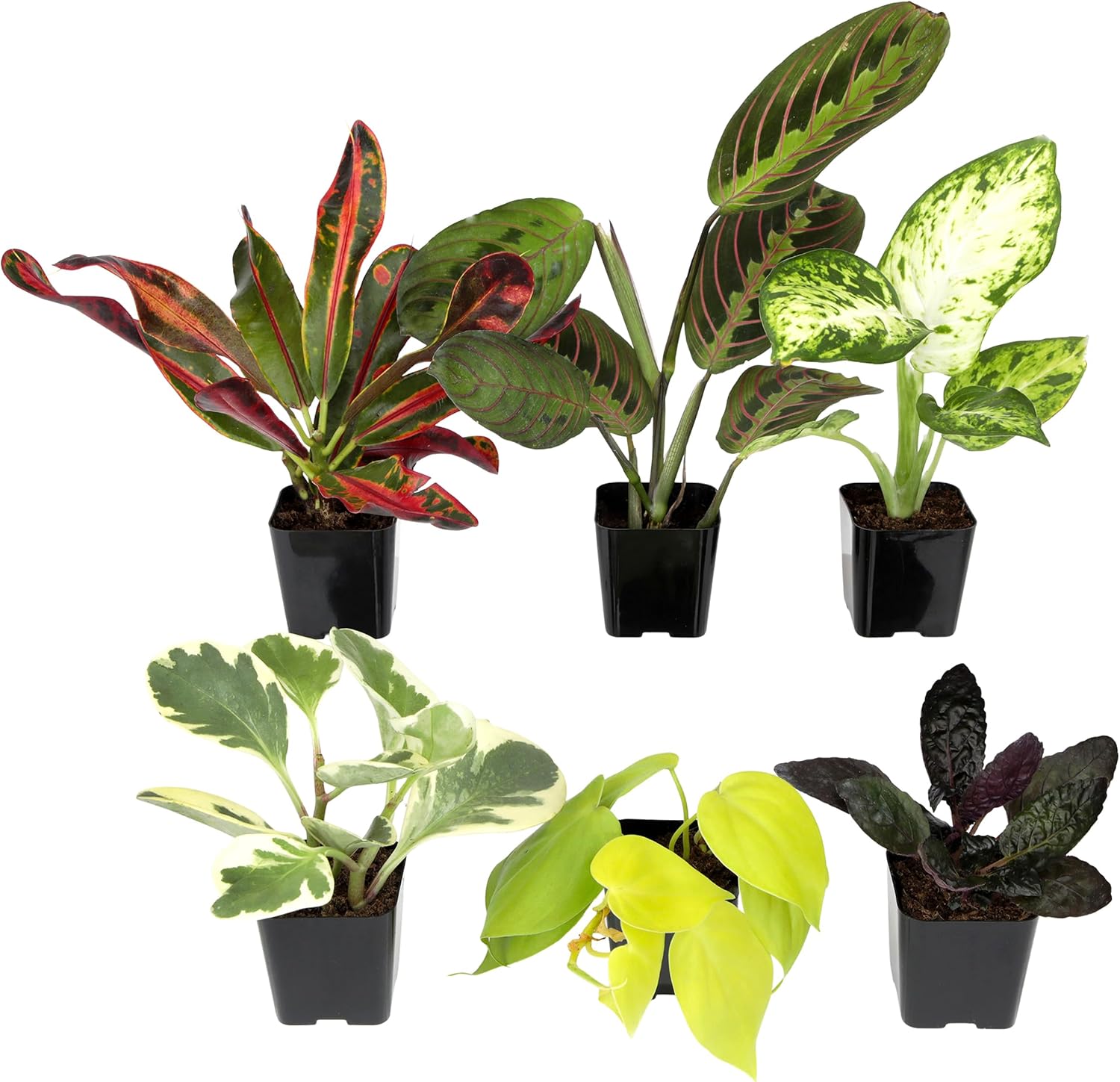
Plants for Pets Easy-to-Grow Houseplants 6-Pack (2" Grower Pots)
| Indoor Outdoor Usage | Indoor |
|---|---|
| Other Special Features of the Product | Air Purification, Low Maintenance |
| Sunlight Exposure | Partial Sun |
| Moisture Needs | Regular Watering |
| Unit Count | 6 Count |
This six-pack from Plants for Pets delivers a rotating assortment of popular, beginner-friendly houseplants—think peperomia, pothos, spider plant and similar foliage types—each shipped in a 2-inch grower pot with soil. The plants are aimed at bright indirect light and tolerate lower light for short periods, making them suitable for desks, shelves, and small containers. Care guidance is simple: water when the top inch of soil is dry and fertilize every couple of months to encourage steady growth. The set is convenient for someone building a small indoor collection or filling multiple small pots and trays without sourcing individual plants. Because the mix rotates, you get variety but not guaranteed specific species; expect small starter sizes that will need repotting into larger pots as they grow. The packaging and 2-inch pot size make these best for quick desktop displays or as starter plants rather than long-term container specimens without an early potting-up step.
Best for: Buyers who want a low-effort way to start a modest indoor plant collection for small containers, desks, or shelves and prefer straightforward, forgiving houseplants.
Less Ideal for: Gardeners seeking large, mature specimens ready to display without repotting or those who need guaranteed specific varieties for a themed planting.
- Includes six hand-selected, easy-care varieties suited to indoor containers
- Clear, simple care instructions for beginners (bright indirect light, water when top inch is dry)
- Small 2" grower pots make it easy to arrange multiples on desks and shelves
- Rotating assortment offers variety so you can start a diverse collection
- Plants arrive in very small starter pots and will need repotting within weeks for best long-term health
- Assortment is not guaranteed so you may not receive specific varieties pictured
- Not all mixes include pet-safe species so buyers with pets should verify individual plants
Verdict: An affordable, low-maintenance six-pack of starter houseplants that makes it easy to begin an indoor container collection.
THE NEXT GARDENER Ruby Necklace (Othonna capensis) Live Succulent, 4-inch

| Indoor Outdoor Usage | Indoor |
|---|---|
| Other Special Features of the Product | Drought Tolerant |
| Sunlight Exposure | Partial Sun |
| USDA Hardiness Zone | 3 |
| Soil Type | Sandy Soil |
The Ruby Necklace (Othonna capensis) is a trailing succulent sold in a 4-inch grower pot that brings cascading foliage to small balconies, shelves, or sunny windows. It arrives fully rooted in well-draining soil so it adapts quickly into a new pot or hanging planter. The plant is drought tolerant and follows a simple soak-and-dry watering routine, making it easy to care for if you prefer low-maintenance greenery. In bright light the leaves take on a reddish tint that adds seasonal color to a compact balcony display. Practical limits to expect are its modest size and preference for partial sun and sandy, well-draining media, so it will need protection from prolonged cold or heavy rain if your balcony is exposed. Also, because it is sold as a live plant, appearance and fullness can vary slightly by season. For someone looking for a reliable, easy trailing succulent to fill a small planter or hanger, this is a straightforward choice.
Best for: Buyers who want a low-effort, attractive trailing succulent for a small balcony planter or hanging display and prefer plants that establish quickly with minimal care.
Less Ideal for: Not the best pick for gardeners who need large statement plants for wide outdoor terraces or for locations that stay cold and wet for extended periods.
- Arrives fully rooted in a 4-inch grower pot ready for transplant or display
- Drought tolerant and low maintenance with simple soak-and-dry watering
- Trailing habit works well in hanging planters, shelves, or small balcony containers
- Leaves develop red tones in bright light for seasonal visual interest
- Modest mature size limits impact in large planters or expansive balcony arrangements
- Prefers partial sun and well-draining sandy soil so exposed, wet balconies may require extra protection
Verdict: A fuss-free, fully rooted trailing succulent that adds color and easy-care greenery to small balcony planters or hanging displays.
Choosing the Right Easy Plants for Patio Pots: Key Factors to Consider
Light Requirements
Light strongly dictates which plants will thrive in patio pots. Some easy container plants tolerate full sun and will bloom profusely with at least six hours of direct sunlight, while others prefer bright, indirect light or partial shade. Match a plant's natural light preference to the brightest location you have on the patio to avoid stretched growth or sparse flowering.
Light also affects watering and soil choice. Sun-loving plants in small pots dry out faster and often need a fast-draining mix. Shade-tolerant selections can suffer if placed in hot afternoon sun, so observe light patterns across the day before choosing plants.
Watering Needs and Drought Tolerance
Container soil holds less moisture than garden beds, so consider how often you can realistically water. Some easy plants for patio pots are drought tolerant and survive on weekly deep soakings, while others need consistent mild moisture. Choose drought-tolerant options if you travel frequently or have limited watering time.
Mulching the surface of a pot, grouping containers with similar water needs, and using soil mixes that retain moisture without staying waterlogged are practical ways to reduce watering stress. Also factor in the pot material: terracotta dries faster than glazed ceramic or plastic.
Growth Habit and Size at Maturity
Containers limit root volume, so you want plants with compact or controllable habits. Many easy container choices are naturally compact, mounding, or trailing, which suits different design goals. Know the mature size and plan container diameter and depth accordingly to avoid frequent repotting.
Plants that are fast-growing or become leggy may require regular pinchbacks or light pruning to keep an attractive silhouette. Selecting varieties known to remain compact reduces maintenance and keeps multiple pots looking balanced.
Soil and Fertility Needs
Potting mixes for patio plants should balance drainage and nutrient retention. Lightweight, well-draining mixes reduce the risk of root rot while providing enough structure for roots to anchor. Easy plants often tolerate average fertility but will benefit from periodic feeding during the growing season to sustain bloom and foliage quality.
Slow-release fertilizers or a regular liquid feed schedule can keep potted plants vigorous without complicated regimes. Overfertilizing in a small pot can cause salt buildup, so follow product directions and occasionally flush the soil when necessary.
Cold Hardiness and Seasonal Management
Patio pots are exposed to temperature swings more than in-ground plants. Know whether a chosen plant is tender or cold-hardy and plan winter strategies accordingly. Some easy container plants are annuals and provide a season of color, while others are perennials that can overwinter in protected spots.
If winter protection is impractical, choose hardy species or plan to swap containers each season. Lightweight containers are easier to move indoors for frost events, while heavy stone pots may provide insulation but are harder to relocate.
Pest Susceptibility and Maintenance
Containers can concentrate pests and disease issues because of the limited root volume and repeated watering cycles. Pick plants with reasonable resistance to common pests such as aphids, whiteflies, and spider mites, or be prepared to inspect and treat regularly.
Good airflow, clean deadheading, removing yellowing leaves, and avoiding overhead irrigation are simple cultural controls that reduce problems. Routine observation and quick removal of affected foliage often prevent small issues from becoming severe in a container environment.
Matching Plants to Patio Conditions
Start by mapping sunlight and microclimates on the patio. Note spots that receive morning sun but are shaded in the afternoon, areas that bake in full sun, and corners sheltered from wind. This quick survey tells you which habit and light tolerance to prioritize when picking plants for each container.
Also consider how often you can water and whether pots sit on heat-reflective surfaces. A plant that performs well on a shaded porch may fail on a southern-facing balcony where reflected heat dries pots quickly. Group containers with similar needs to simplify care.
- Morning sun locations suit many flowering perennials and herbs.
- Afternoon shade areas are ideal for foliage-focused plants and ferns.
- Windy spots favor low, sturdy, or trailing plants that do not dry out rapidly.
Designing with Containers and Plant Combinations
Think of each pot as a mini-ecosystem. Combine a focal plant with a filler and a spiller to create visual interest: a taller form, a medium mound, and a trailing element over the rim. Keep all components matched for light and water needs to avoid conflicts.
Container color, size, and surface finish affect both plant performance and appearance. Darker pots can warm the root zone faster in spring, while light-colored pots reflect heat. Use pot depth to accommodate root systems: shallow mixes for small herbs, deeper pots for shrubs or taller perennials.
- Use a mix of textures and leaf colors for year-round interest.
- Group pots on stands or trays to create a cohesive display.
- Consider seasonal swaps if you want constant flowering across the year.
Practical Potting and Replanting Tips
Choose a high-quality potting mix and add drainage at the bottom only if the container lacks holes. Avoid garden soil, which compacts and holds too much moisture. When planting, position plants at the same soil level they had previously to reduce transplant shock.
Expect to refresh potting mix every one to two seasons for most containers. Repot into slightly larger containers only when roots are crowded; otherwise, top-dress with fresh mix and fertilizer to rejuvenate plants. Regular deadheading of spent flowers promotes more blooms in many container-friendly species.
- Ensure containers have drainage holes and use saucers to protect surfaces.
- Sterilize pruners and clean up fallen debris to limit disease spread.
- Label pots with light and water instructions if you manage many containers.
Watering Strategies for Busy Gardeners
Use consistent routines rather than guessing. Early morning watering reduces evaporation and fungal pressure. For those who travel, self-watering inserts, watering globes, or capillary mats can bridge short absences, but match the device to the plant's moisture needs.
Check moisture with a finger test or a moisture meter rather than relying on a schedule alone. Pots in sun usually need more frequent checks than shaded ones. Mulching the surface with bark or grit helps moderate soil moisture and reduces surface evaporation.
- Water thoroughly until excess drains, then allow top soil to dry according to the plant's preference.
- Group plants with similar water needs together to simplify irrigation.
- Avoid overhead watering for plants susceptible to leaf diseases.
Seasonal Care and Refreshing Displays
Plan seasonal refreshes to keep patio pots looking their best. Replace tired annuals after they fade, trim back overgrown perennials, and move tender plants indoors before the first hard frost. Regular maintenance keeps containers compact and visually appealing.
Fertilize on a modest schedule during the growing season to support continuous bloom. In late season, reduce feeding and cut back foliage for many perennials so they enter dormancy in a predictable state.
- Rotate container positions to prevent uneven sun exposure and leggy growth.
- Store breakable pots safely over winter and insulate others with bubble wrap or mulch if moving is impractical.
- Use seasonal color swaps-spring bulbs, summer annuals, fall foliage-to extend interest.
How We Chose the Best Easy Plants for Patio Pots
We focused on real-world container performance and ease of care. Editorial filters prioritized plants that show consistent growth in pots, tolerate common patio microclimates, and require only basic maintenance such as light pruning or occasional fertilizing. We favored species with compact or controllable habits so they do not outgrow typical patio containers quickly. Evaluation criteria included sun and shade tolerance, drought resilience and watering frequency, growth habit and size control, and susceptibility to common container pests or diseases. We also considered how quickly a plant establishes in a pot and whether it blooms or provides foliage interest for extended periods. Plants were excluded if they routinely need specialized greenhouse care, aggressive pruning, or large soil volumes that exceed normal patio container capacities. Plants that are invasive in container settings or require complicated propagation steps were also omitted. The resulting shortlist reflects durable, low-effort choices that perform predictably for most container gardeners.
FAQ
How often should I water patio pots during hot weather?
It depends on plant type and pot size, but many small to medium pots need daily checks in heat. Water thoroughly when the top inch of mix is dry, and increase frequency during heat waves or if pots sit in full sun.
Can I use the same potting mix every year?
Potting mix breaks down and loses nutrients over time. Top-dressing and occasional refreshes every one to two seasons keeps soil structure and fertility healthy. Fully replacing mix is best if you notice poor drainage or root crowding.
Are there easy plants that tolerate both sun and partial shade?
Some tolerant varieties handle a range of light conditions, but most plants have a clear preference. Choose species known for adaptability if you have variable light, and place them in the brightest spot they handle without stress.
How do I prevent root rot in patio containers?
Use a well-draining potting mix, ensure containers have drainage holes, and avoid constant soggy conditions. Watering thoroughly and then allowing some drying between waterings helps roots breathe and reduces rot risk.
What size pot is best for long-lasting container plants?
Bigger pots hold more moisture and support larger root systems, which often reduces watering frequency and stress. For long-lived specimens, choose the largest practical container that fits your space to promote stability and slower drying.
Final Verdict
Choose easy patio plants by matching light and water needs to the conditions on your porch or balcony. Prioritize compact habits or manageable pruning, and pick soil and containers that support steady moisture without waterlogging. Consider how much time you can commit to routine tasks like watering and deadheading and select plants that fit that rhythm. When you align sun exposure, pot size, and maintenance expectations, container gardening becomes low-effort and rewarding. Focus on a few dependable species that suit your patio microclimate and rotate seasonal color as needed to keep pots attractive year after year.
