

Note: This article contains affiliate links. If you click on these links and make a purchase, I may earn a small commission at no extra cost to you. This helps support my research and content. Read my full affiliate disclosure here.
Shallow window boxes limit how deep roots can grow, so selecting the right plants matters for both health and display. You want plants that establish quickly, resist drought between waterings, and stay visually balanced without tipping or sprawling over the sill. This guide shortlists five top options suited to narrow soil depths and explains the practical tradeoffs gardeners face when planting at a limited rooting depth. We evaluate picks by root depth needs, drought tolerance, habit, and seasonal interest to help you choose the best combinations for sun, shade, or mixed exposures.
Top Picks at a Glance
| Best Overall The best all-around choice for most situations | Seed Needs Thumbelina Zinnia Seeds (Heirloom Mix) |  |
| Best Budget The cheapest option that still gets the job done reliably | Carpet Creeping Striped Coleus Seeds (150 count) |  |
| Highest Rated A top-rated pick with lots of positive feedback | SUCCULENTS BOX Sempervivum 'Pompeon' Live Succulent, 2" Plastic Pot |  |
| Most Popular A crowd favorite that many people choose with confidence | HOME GROWN Rainbow Mix Coleus Seeds (approx. 400) |  |
| Best Seller A high-volume bestseller chosen again and again | KVITER Heirloom 2,000 Mix Dwarf Petunia (Nana Compacta) Seeds |  |
Seed Needs Thumbelina Zinnia Seeds (Heirloom Mix)

| Other Special Features of the Product | Attracts Pollinators, Cut Flower, Easy to Grow, Heirloom, Open Pollinated |
|---|---|
| Expected Blooming Period | Summer to Fall |
| Sunlight Exposure | Full Sun |
| Expected Planting Period | Spring |
| Moisture Needs | Moderate Watering |
These Thumbelina zinnia seeds produce compact, dwarf plants that make a strong showing in shallow containers and window boxes where space is limited. Sow directly or start indoors and transplant when frost risk has passed; seedlings typically emerge within a week and begin flowering in early summer. The variety yields many small, button-like blooms in mixed colors that keep coming through fall when deadheaded, which makes them useful as a low-growing edging or foreground plant. As heirloom, open-pollinated seed, the packet promises untreated, non-GMO seed stored for freshness and a high seed count so you can sow multiple boxes or save extras. They prefer full sun and well-drained fertile soil and tolerate heat and dry periods better than many other annuals. Limitations are the need for consistent sunlight and regular deadheading to prolong blooms, and like most zinnias they are annuals so you will need to replant each year for the display.
Best for: Gardeners who want a reliable, compact annual for sunny shallow window boxes or containers and value continuous summer-to-fall color with minimal fuss.
Less Ideal for: People with consistently shady window boxes or those wanting perennial, no-replant solutions should choose different plants.
- Dwarf habit suited to shallow containers and window boxes
- Rapid germination and early, prolonged flowering when deadheaded
- Open-pollinated heirloom seed with high seed count for multiple plantings
- Attracts pollinators and produces good-sized blooms for cut flowers
- Requires full sun to perform well in window boxes
- Annual habit means plants must be replanted each year
Verdict: A compact, pollinator-friendly zinnia mix that delivers quick germination and a long season of colorful blooms ideal for shallow window boxes.
Carpet Creeping Striped Coleus Seeds (150 count)

| Indoor Outdoor Usage | Indoor, Outdoor |
|---|---|
| Other Special Features of the Product | Low Maintenance, Shade Resistant |
| Expected Blooming Period | Summer |
| Sunlight Exposure | Full Shade |
| Unit Count | 150 Count |
These Striped Coleus seeds produce colorful, variegated foliage plants grown primarily for dramatic leaves rather than flowers. You start seeds indoors 8–10 weeks before the last frost, sow them on the surface (do not cover) and keep them at 70–75°F for germination in about 10–14 days, then transplant into containers or shaded borders after frost. Plants form tidy mounds roughly 8–12 inches tall and fill pots quickly, making them useful for window boxes, patio containers, and mixed shade plantings. The variety is described as low maintenance and shade resistant, needing moderate watering and organically rich, well-drained loam soil; pinch tips to promote bushier growth and remove flower spikes to keep foliage looking its best. As seeds, success depends on basic seed-starting care and timing, so buyers should expect some variability in germination and a short season in colder climates where coleus is grown as an annual rather than a perennial.
Best for: Budget-focused gardeners who want an easy-to-grow, high-impact foliage annual for shaded containers and patios and are comfortable with basic seed-starting steps.
Less Ideal for: Gardeners seeking permanent, cold-hardy perennials or those who prefer instant mature plants rather than starting from seed.
- Large 150-count packet provides enough seed to fill multiple containers or beds
- Non-GMO seeds with clear sowing and germination instructions for beginners
- Shade-tolerant variety that adds bold foliage color to areas where flowering plants struggle
- Fast-growing habit that quickly fills containers when started and transplanted properly
- Hardy only in zones 10–11 so plants are annual in colder regions and must be replanted each year
Verdict: If you want an inexpensive, fast-growing shade annual to add bold foliage to containers, this 150-count striped coleus seed pack delivers high impact for a low cost.
SUCCULENTS BOX Sempervivum 'Pompeon' Live Succulent, 2" Plastic Pot

| Indoor Outdoor Usage | Indoor, Outdoor |
|---|---|
| Sunlight Exposure | Full Sun |
| USDA Hardiness Zone | 9 |
| Soil Type | Sandy Soil |
| Moisture Needs | Little To No Watering |
The Sempervivum 'Pompeon' is a compact, drought-tolerant succulent sold ready in a 2 inch plastic pot that fits easily into shallow window boxes. It thrives in full sun or bright indirect light and requires watering only every 2 to 3 weeks, which makes it easy to care for in a sunny windowsill. The plant is described as pet safe and non-toxic, so it is suitable for households with cats or dogs, and it ships hand-selected and quality-checked. Practical benefits include its small stature that suits shallow containers, low water needs that reduce maintenance, and suitability for both indoor and outdoor placement in mild climates. Limitations are that it is recommended for USDA zone 9 and above if left outdoors year-round, so in colder regions it will need to be kept indoors or protected in winter. Also, the plant comes in a small plastic container, so you may want to repot it into a shallow well-draining mix for longer-term growth.
Best for: Ideal for buyers who want a dependable, low-maintenance succulent for sunny shallow window boxes and prefer plants that need minimal watering and attention.
Less Ideal for: Not a good choice for gardeners in cold climates who need a frost-hardy outdoor specimen or for those wanting a large, fast-growing houseplant.
- Very low watering needs, suitable for infrequent care
- Compact size designed to fit shallow containers and window boxes
- Tolerates full sun to bright indirect light, adaptable to indoor sunlit spots
- Pet safe and non-toxic for homes with cats and dogs
- Recommended for outdoor hardiness only in USDA zone 9, so not frost-hardy
- Supplied in a small plastic pot which may require repotting for longer-term growth
Verdict: A compact, reliably low-maintenance succulent that fits shallow window boxes and thrives with minimal watering and bright light.
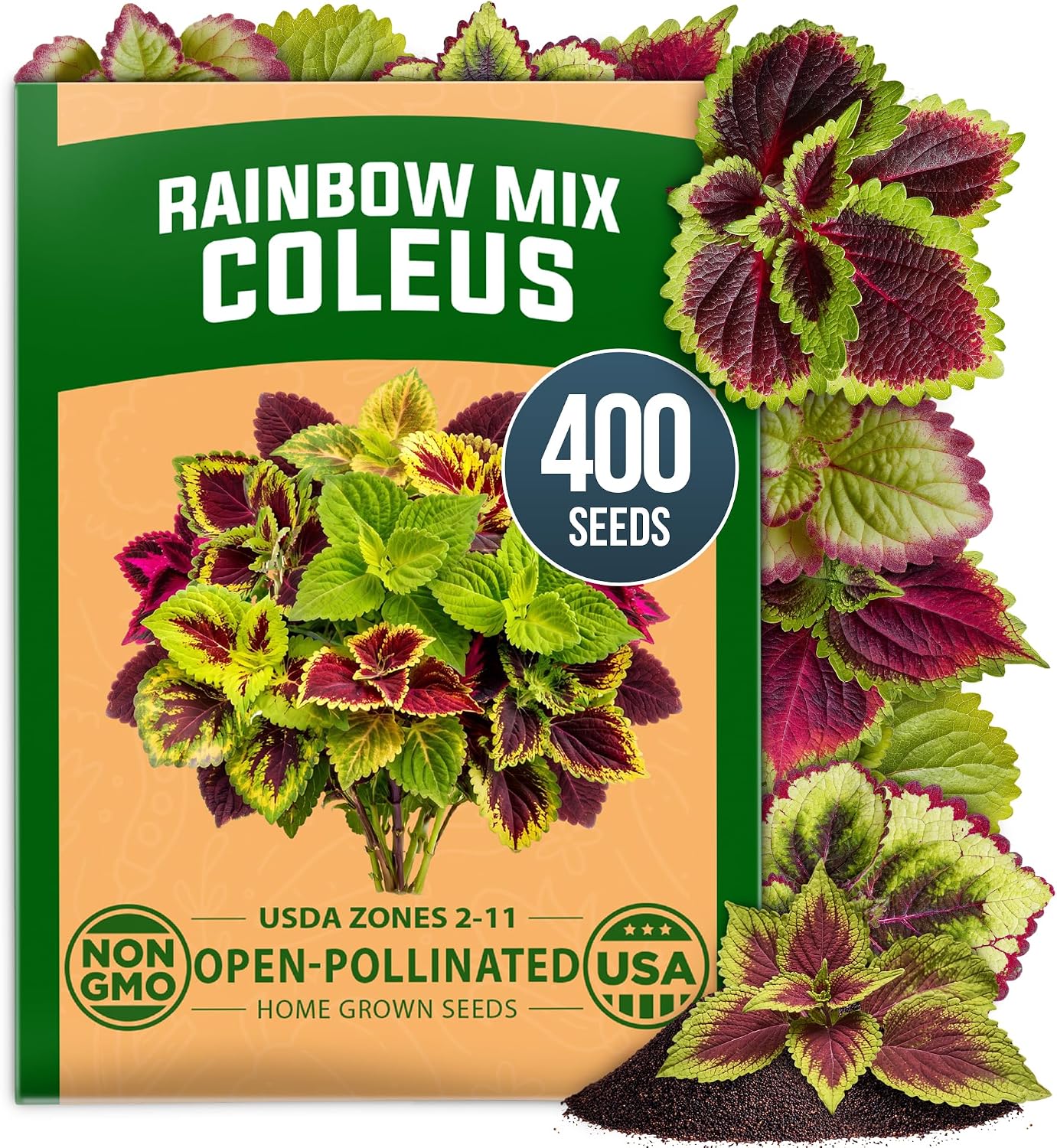
HOME GROWN Rainbow Mix Coleus Seeds (approx. 400)
| Sunlight Exposure | Part Shade to Shade |
|---|---|
| USDA Hardiness Zone | 2-11 |
| Expected Blooming Period | Spring through Frost |
| Material Features | GMO Free, Heirloom |
| Unit Count | 1 Count |
These Rainbow Mix coleus seeds produce compact, colorful foliage plants that are well suited to containers and shaded patio spots. Surface-sow the tiny seeds (do not cover), keep the medium warm and consistently moist, and seedlings typically appear in 10–14 days; pinch growing tips to encourage bushy, mounded plants. The mix is valued for season-long leaf color in shades of rose, green, bronze, cream, and scarlet, so you get visual impact without relying on flowers. Coleus grows indoors near bright north or east windows and outdoors in part shade to shade, making it a flexible choice for window boxes, mixed planters, and small pots. Important limitations are that coleus is a tender annual in most regions and needs protection from frost and prolonged drought, and it prefers warm temperatures for best germination and growth. For container gardeners who want low-maintenance, high-impact foliage, this seed mix is an easy way to produce many plants from one packet.
Best for: Gardeners who want easy-to-grow, high-impact foliage for containers and shaded patios and prefer predictable, low-fuss plants they can start from seed.
Less Ideal for: People seeking long-lived perennial landscaping or plants that tolerate full sun and drought without extra care.
- High seed count (about 400) gives many starts for containers or massing
- Open-pollinated non-GMO seeds from a mix that yields varied, colorful foliage
- Specifically suited to part shade and shade where many flowering plants struggle
- Compact, mounded habit that performs well in pots, window boxes, and mixed planters
- Tender annual in most zones and requires frost protection or indoor overwintering
- Requires consistent moisture and will suffer if soil dries out or remains waterlogged
Verdict: A high-count, non-GMO coleus seed mix that reliably produces compact, colorful foliage perfect for containers and shaded patios.
KVITER Heirloom 2,000 Mix Dwarf Petunia (Nana Compacta) Seeds

| Indoor Outdoor Usage | Outdoor |
|---|---|
| Other Special Features of the Product | Attracts Pollinators, Drought Tolerant, Extended Bloom Time, Growing Guide Included, Made in the USA |
| Expected Blooming Period | Summer |
| Sunlight Exposure | Full Sun |
| Unit Count | 2000 Count |
These KVITER dwarf petunia seeds produce compact, 10‑inch mounded plants that suit small pots, hanging baskets and window boxes in full sun. The mix includes red, pink, purple and white blooms and is sold as 2,000 untreated heirloom seeds with a growing guide included on each packet. Seeds are surface‑sown or very shallowly planted and typically germinate in 7–14 days when kept moist and warm, which makes them straightforward for home gardeners. The plants are described as drought tolerant once established and attractive to hummingbirds and butterflies, so they add continuous color and pollinator activity to sunny hanging baskets. Because these are open‑pollinated, non‑GMO seeds offered in very large quantity, you get many chances to fill multiple baskets or replace plants midseason. Expect some variability in vigor and bloom timing since this is a mixed heirloom lot rather than a uniform hybrid cultivar, so gardeners seeking perfectly consistent size or exact colors may see uneven results. The included planting guide and broad USDA zone range make them an easy choice for risk‑averse gardeners wanting reliable summer color in full sun containers.
Best for: Gardeners who prefer low‑risk, straightforward planting for continuous summer color in full‑sun hanging baskets and small containers and who value heirloom, non‑GMO seed stock.
Less Ideal for: Growers who need uniform, hybrid plug‑quality plants with predictable bloom size and exact color matching should consider cultivar‑specific transplants instead.
- Large seed count (2000) covers many baskets and containers
- Heirloom non‑GMO seeds with growing guide on each packet for beginner confidence
- Compact nana compacta habit suits hanging baskets and small pots without overcrowding
- Attracts pollinators and tolerates light drought once established
- Mixed heirloom seed lots can produce variable flower colors and plant vigor
- Seeds are untreated and may require more careful starting and disease vigilance than treated commercial plugs
Verdict: A high‑count packet of compact heirloom dwarf petunia seeds that delivers easy, pollinator‑friendly summer color for full‑sun hanging baskets and small containers.
Choosing the Right Plants for Shallow Window Boxes: Key Factors to Consider
Root Depth and Soil Volume
Shallow window boxes restrict how far roots can spread and how much soil moisture the plants can access. Choose species with naturally compact root systems or those adapted to thin soils. A plant that needs 8 to 12 inches of soil will struggle where you only have 3 to 4 inches, so match expected root depth to the box depth before planting.
Soil volume also affects feeding and watering frequency. Limited soil holds less water and nutrients, so shallow-rooted plants should tolerate more frequent dry cycles or perform well with lighter, steady feeding. Consider using a high-quality potting mix that drains well yet retains some moisture to stretch time between waterings.
Watering Rhythm and Drought Resilience
Shallow containers dry out faster than deeper pots, especially in sun and wind. Plants that can handle periodic drying without dropping leaves or losing bloom will be more reliable. Look for species noted for drought resilience or those with fleshy leaves that store water. Avoid high-maintenance plants that demand constant moisture, unless you plan to install a drip or automated watering system.
Also think about the daily microclimate of the window. Southern exposures heat up quickly, increasing evaporation; north-facing boxes stay cooler. Match water needs to exposure to reduce stress and maintenance time.
Growth Habit and Size Control
Plant habit determines how the arrangement reads from street level. Upright, mounding, and trailing habits can be combined for interest, but each must fit the box depth so plants do not tip or hide the window. Compact and well-branched plants that maintain a tidy silhouette are preferable for very shallow boxes. Fast-spreading or deep-rooting varieties risk root binding and instability.
Consider spacing and expected mature width as well as height. Pruning and pinching can keep many plants in check, but choose species that respond well to light maintenance rather than aggressive, frequent shearing.
Sunlight Exposure and Temperature
Window boxes experience a range of light conditions from full sun to deep shade. Some shallow-rooted species bloom best in full sun and need heat to set flowers, while others prefer part shade and cooler root zones. Temperature swings near windows, especially on windy sills, can stress plants. Choose plants known to tolerate the specific exposure and the local climate extremes.
Reflective heat from walls and glass can also increase thermal stress. In hot exposures, favor heat- and sun-tolerant plants and use mulches or lighter-colored soil mixes to reduce soil temperature spikes.
Maintenance Needs and Fertility
Shallow soil means nutrients are used up faster. Opt for plants that perform well on modest feeding schedules or that respond predictably to a monthly dilute fertilizer. High-maintenance bloomers that demand weekly feeding are less practical unless you want a hands-on container program.
Deadheading, light pruning, and seasonal refreshes are typical chores for window boxes. Choose plants that tolerate these maintenance tasks without collapsing or developing bare patches.
Winter Survivability and Seasonal Interest
If you want year-round curb appeal, select plants that either remain attractive in winter or can be easily swapped seasonally. Some shallow-rooted evergreens or semi-evergreens provide structure through colder months, while other choices offer long bloom seasons in spring and summer. Consider whether you will lift plants into protected storage in winter or leave them in place and rely on cold-hardy choices.
Also account for freeze-thaw cycles which can heave shallow-rooted plants and disrupt root contact. Heavier container mixes and anchoring plants with adequate root mass at planting help reduce winter damage.
Best Practices for Planting in Thin Soil
Start with a lightweight, well-draining potting mix formulated for containers. Avoid garden soil, which compacts and restricts root movement in shallow boxes. A good mix balances moisture retention with drainage to keep roots oxygenated.
Place a root barrier or mesh over drainage holes to prevent soil loss while keeping drainage free. Add a shallow layer of slow-release fertilizer at planting, but avoid heavy doses that can burn small root systems. Firm plants gently to ensure good soil-to-root contact because shallow roots need immediate access to moisture.
- Use smaller potting mix particles to increase available volume.
- Group plants with similar water needs to simplify irrigation.
- Position trailing varieties near the box edge and upright ones toward the back for a balanced look.
Irrigation Strategies for Shallow Boxes
Because shallow boxes dry quickly, adopt a consistent watering routine based on observation rather than a fixed schedule. Stick your finger into the soil to check for moisture a couple inches down, or lift the box to feel its weight. Early morning watering reduces midday heat stress.
Use water-conserving techniques such as a thin layer of mulch or a moisture-retentive soil amendment to extend time between waterings. In very exposed sites consider a small reservoir tray or a drip line with a low-flow emitter to keep soil evenly moist without overwatering.
- Water thoroughly until runoff to encourage root penetration across available soil.
- Avoid frequent shallow misting that wets foliage but not roots.
- Adjust frequency seasonally as evapotranspiration changes.
Designing Attractive Shallow-Box Combinations
Aim for a thriller, filler, spiller approach adapted to shallow depth. Choose a compact upright plant as the focal point, a tidy filler to add density, and a trailing spiller to soften edges. Keep all selections shallow-rooted so the combination stays healthy.
Pay attention to contrast in texture and foliage color because shallow boxes show plants up close. Use repetition of one or two shapes to create cohesion and avoid overcrowding which can lead to rapid drying and root competition.
- Limit total root mass by choosing one larger focal plant and smaller companions.
- Rotate seasonal elements each year to refresh vigor and color.
- Use lightweight decorative rocks on top of soil to reduce splash and slow evaporation.
Troubleshooting Common Issues
Yellowing leaves and stunted growth often indicate inconsistent moisture or nutrient depletion in shallow boxes. Check for compacted soil, poor drainage, or root-bound conditions and refresh the soil if necessary.
If plants keep tipping or the box becomes unstable, reduce plant height or choose lower-growing varieties. In exposed locations, add an anchor point or secure the planter to the sill to prevent tipping and root disturbance.
- Refresh the top few inches of soil annually to replenish nutrients.
- Pinch back leggy growth to encourage branching rather than replacing plants frequently.
- Watch for salt buildup from fertilizers and flush the soil occasionally with thorough watering.
How We Chose the Best Plants for Shallow Window Boxes
We focused on species and cultivars that reliably perform in narrow soil profiles and in typical window-box microclimates. Primary evaluation criteria were realistic root depth requirements, drought tolerance between waterings, growth habit and maintenance needs, and seasonal ornamental impact. We prioritized plants with predictable mature sizes so they do not overwhelm a shallow container and with resilient root systems that resist pot-bound stress in thin soil. Salt and wind tolerance were considered where relevant for exposed windows, along with bloom longevity or evergreen foliage for winter interest. Plants with extreme fertilizer or moisture demands were excluded, as were species that require deep winter protection or very deep rooting to thrive. The final selection favors low-maintenance, visually consistent options suited to common urban and suburban window-box conditions.
FAQ
How deep should a window box be for most shallow-rooted plants?
Many suitable plants will do well in 3 to 6 inches of soil, though some prefer 6 to 8 inches for better stability. Match species to the actual depth and err on the side of slightly deeper if possible.
Can I mix annuals and perennials in a shallow window box?
Yes, but choose perennials that remain compact and have shallow roots. Annuals are useful for seasonal color while perennials provide structure, though perennials may need more winter protection in very shallow boxes.
How often should I fertilize plants in shallow window boxes?
A light monthly feeding with a balanced, water-soluble fertilizer during the growing season is usually enough. Slow-release granules mixed into the soil at planting can also reduce the need for frequent feeding.
What is the best way to prevent shallow-box plants from drying out too fast?
Use a well-draining yet moisture-retentive potting mix, add a thin mulch layer, group plants with similar water needs, and water deeply rather than frequently. In very exposed spots, consider a low-flow drip emitter or a reservoir tray.
Are there winter care tips specific to shallow window boxes?
Yes. Insulate the box with bubble wrap or a frost blanket if retaining plants over winter, or swap in cold-hardy choices. Reduce watering in cold months and avoid saturating soil before a freeze to minimize root heaving.
Final Verdict
For shallow window boxes prioritize plants with compact root systems, drought resilience, and predictable growth habits. Match choices to your exposure and maintenance willingness, and plan combinations that balance upright, filler, and trailing roles while keeping root mass modest. With the right soil, irrigation routine, and plant selection, you can achieve long-lasting color and structure without deep soil. Focus on root-depth fit and habit control to make confident planting decisions.
