

Note: This article contains affiliate links. If you click on these links and make a purchase, I may earn a small commission at no extra cost to you. This helps support my research and content. Read my full affiliate disclosure here.
Picking the right plants for trailing hanging baskets makes the difference between a drab container and a dramatic vertical display. Trailing varieties behave differently than upright plants: they need the right root volume, consistent watering, and a habit that produces long, flowing stems instead of stiff upright growth. This guide covers seven shortlisted plants suited to hanging baskets, chosen for their trailing habit, visual impact, and ease of care in typical patio, porch, and balcony situations. We'll discuss light and water requirements, soil and feeding, and how to keep a basket looking full and healthy through the season.
Top Picks at a Glance
| Best Overall The best all-around choice for most situations | Shop Succulents Kimberly Queen Fern — 6" Hanging Nursery Pot |  |
| Best Quality Built to a higher standard if you want something more solid | American Plant Exchange Golden Pothos 8-Inch Hanging Basket |  |
| Best Value The sweet spot between price and what you get | Wily Fox Petunia Seeds — Grandiflora Mixed Colors, 10,000+ Count |  |
| Best Budget The cheapest option that still gets the job done reliably | Lobelia Erinus Trailing Mix Seeds (300 Count) |  |
| Highest Rated A top-rated pick with lots of positive feedback | Altman Plants String of Bananas (Senecio radicans) Trailing Succulent |  |
| Most Popular A crowd favorite that many people choose with confidence | American Plant Exchange English Ivy — Live 4" Potted Trailing Vine |  |
| Best Seller A high-volume bestseller chosen again and again | THE NEXT GARDENER.COM String of Pearls Live Succulent, 4-inch, Fully Rooted |  |
Shop Succulents Kimberly Queen Fern — 6" Hanging Nursery Pot

| Indoor Outdoor Usage | Indoor |
|---|---|
| Sunlight Exposure | Partial Sun |
| Unit Count | 1 Count |
The Kimberly Queen Fern arrives in a 6" hanging nursery pot and is built for use as a trailing indoor houseplant that softens a room with cascading fronds. It prefers partial sun and consistently moist soil, so it is typically used in hanging baskets or elevated planters near a bright window out of direct midday sun. Notable features are its dense, arching fronds that create a full trailing effect and its reputation for being resilient and air-purifying. In practice it adds instant green impact with relatively simple upkeep: regular watering to keep the rootball evenly moist, occasional trimming of dead fronds, and moderate indirect light. Limitations include its need for steady moisture compared with drought-tolerant succulents and the fact that the 6" nursery pot will require repotting as the plant fills out. Buyers should expect a decorative, easy-to-maintain trailing fern that rewards consistent watering and placement out of harsh direct sun.
Best for: Gardeners who want an easy-to-display trailing houseplant that brings lush foliage to hanging baskets and are willing to keep soil evenly moist and place it in bright indirect light.
Less Ideal for: People seeking a drought-tolerant or low-attention plant for bright, sunny spots or for those who do not want to repot as the plant grows.
- Attractive cascading fronds that create a full trailing effect in hanging baskets
- Delivered in a 6" nursery pot ready for immediate display
- Tolerant of indoor conditions and helps improve air quality
- Prefers indirect light which suits many indoor locations
- Requires consistently moist soil so it is less forgiving of infrequent watering
- Will outgrow the 6" nursery pot and need repotting as it matures
Verdict: A decorative, easy-care trailing fern for hanging baskets that delivers lush cascading foliage when kept in bright indirect light with regular watering.
American Plant Exchange Golden Pothos 8-Inch Hanging Basket

| Indoor Outdoor Usage | Indoor, Outdoor |
|---|---|
| Other Special Features of the Product | Air Purification, Disease Resistant, Drought Tolerant, Low Maintenance, Shade Resistant |
| Sunlight Exposure | Partial Shade |
| Soil Type | Loam Soil |
| Moisture Needs | Little To No Watering |
The Golden Pothos hanging basket is a classic trailing vine sold ready to hang and designed to add cascading greenery to indoor spaces. It arrives in a nursery pot with potting soil and a plant hanger, and it is typically placed near a window with bright, indirect light or in a shady corner where it will still grow. Notable features are the golden-variegated heart-shaped leaves, rapid trailing growth for hanging displays, and the plant's reputation as an easy-care, air-purifying houseplant. In practice this means minimal weekly attention: water when the top inch of soil is dry, allow good drainage, trim stems to control length, and rotate the basket occasionally for even growth. The plant is resilient to occasional neglect and adapts to a range of indoor conditions, making it suitable for beginners. Important limitations are that it is toxic to pets and children and that outdoor use is limited to warm USDA zones only; buyers should also expect natural variation in variegation and growth rate between individual plants.
Best for: Buyers who want a low-effort hanging plant that provides fast visual impact and air-purifying benefits, and who prefer proven, easy-care houseplants with plenty of user feedback.
Less Ideal for: Those who need an edible or pet-safe indoor plant or who require a plant guaranteed to tolerate prolonged direct sun or freezing outdoor conditions.
- Fast-growing trailing habit creates an attractive hanging display with minimal effort
- Tolerant of low to bright indirect light, making placement flexible in many rooms
- Low maintenance care: water only when the top inch of soil is dry and use well-draining soil
- Includes nursery pot, potting soil, and a plant hanger for immediate hanging installation
- Toxic to pets and children so it must be placed out of reach
- Outdoor use is practical only in warm USDA zones, limiting versatility for colder climates
Verdict: This Golden Pothos hanging basket is the easy, reliable choice for anyone who wants fast, low-maintenance greenery in a hanging pot that quickly fills a room with trailing foliage.
Wily Fox Petunia Seeds — Grandiflora Mixed Colors, 10,000+ Count

| Sunlight Exposure | Full Sun |
|---|---|
| Other Special Features of the Product | High Germination Rate |
| Unit Count | 10000 Count |
| Style Name | Petunia |
This 10,000+ seed pack of grandiflora petunias is aimed at gardeners who want quick, high-impact color in full-sun sites and containers. The mix is described as producing large, double and single showy blooms with a trailing or mounding habit that suits hanging baskets, window boxes, and patio planters. The seeds are non-GMO and sold as an open-pollinated lot with a claimed high germination rate, which makes it practical for starting many transplants or direct sowing for mass displays. Because the packet supplies a very large quantity, it is cost-effective for filling multiple baskets or creating dense beds without repeat purchases. Limitations to note are that seed packets require seed-starting work and time before horticultural performance is visible, and color mix uniformity can vary since this is an open-pollinated blend rather than selected hybrids. For gardeners focused on fast, showy hanging-basket performance in sunny locations, these seeds provide the raw material to create vibrant seasonal displays.
Best for: Gardeners who prioritize bold, high-output floral displays in full sun and are willing to start seeds to produce many hanging baskets or beds from a single purchase.
Less Ideal for: Buyers who want instant container fills or predictable, uniform cultivar traits should choose plug plants or named hybrid varieties instead.
- Very high seed count suitable for mass planting and multiple hanging baskets
- Grandiflora type produces large, showy blooms that create strong visual impact
- Trailing/mounding habit works well in hanging baskets, containers, and window boxes
- Non-GMO, open-pollinated seed lot with a stated high germination rate
- Requires seed starting and several weeks of growth before baskets look full
- Open-pollinated mix can yield variable color and bloom uniformity compared with hybrids
Verdict: If you want to produce many full-sun hanging baskets and bold seasonal color from seed, this large-count grandiflora petunia mix delivers the volume and bloom size to do it.
Lobelia Erinus Trailing Mix Seeds (300 Count)

| Unit Count | 300 Count |
|---|---|
| USDA Hardiness Zone | 3 |
| Bloom Season | Summer |
| Sunlight Exposure | Full Sun, Partial Shade |
| Average Germ Time | 14 – 21 days |
These Lobelia Erinus Riviera-series seeds are aimed at gardeners who want a low-cost way to fill hanging baskets, window boxes, and edges with continuous summer color. The mix produces compact, trailing plants that bloom reliably after starting from seed; germination typically takes 14 to 21 days and flowering appears about two months after sowing if started outdoors. The packet is sized for multiple containers or a modest groundcover planting and the plants perform best in full sun to partial shade with consistent moisture. Practical benefits include early-season blooms relative to some lobelia varieties and good adaptability to containers and hanging baskets. Limitations are that the seeds are very small so they require surface sowing and careful handling, and plants prefer cooler summers so they may need afternoon shade in hot climates. For speedy results you will likely want to start indoors 10 to 12 weeks before the last frost rather than direct sowing late in the season.
Best for: Budget-minded gardeners who want to fill hanging baskets or window boxes with continuous summer blooms and are willing to start seeds or transplant seedlings.
Less Ideal for: Gardeners seeking instant, mature plants for immediate display or those unwilling to handle delicate, fine-seeded sowing techniques.
- Large 300-seed count provides many plants for multiple baskets or beds
- Riviera series blooms earlier than many lobelias for quicker color
- Compact, trailing habit is well suited to hanging baskets and window boxes
- Performs in full sun to partial shade, giving flexibility in placement
- Very small seeds require surface sowing and careful handling
- Prefers cooler summers and may need afternoon shade in hot climates
Verdict: A cost-effective seed packet to produce many compact, trailing lobelia plants that deliver summer color in hanging baskets when started carefully from seed.
Altman Plants String of Bananas (Senecio radicans) Trailing Succulent

| Indoor Outdoor Usage | Indoor |
|---|---|
| Other Special Features of the Product | Low Maintenance |
| Sunlight Exposure | Full Sun |
| Moisture Needs | Regular Watering |
| Material Features | Compostable |
The Altman Plants String of Bananas (Senecio radicans) is a playful trailing succulent grown for its curved, banana-shaped leaves and vigorous vines that spill attractively from hanging baskets. It is typically displayed in a hanging planter or on a high shelf where the long stems can cascade; it performs best in bright light while being drought tolerant so watering needs are minimal — water only when the top inch or two of soil is dry. Notable features include rapid trailing growth that creates a lush waterfall effect and simple care requirements that suit busy or cautious plant owners. Practical benefits are strong visual impact in a small footprint and forgiving behavior when you forget a watering. Important limitations are sensitivity to intense direct sun and the need for bright conditions to keep foliage healthy, so it may require occasional repositioning to avoid scorched leaves. Expect a lively, easy-to-care-for hanging specimen rather than a slow-growing structural centerpiece.
Best for: Buyers who want a reliable, low-effort hanging succulent that fills a basket quickly and tolerates occasional missed waterings.
Less Ideal for: Those seeking a shade-loving plant or a specimen that tolerates prolonged low-light indoor spots should consider alternatives.
- Fast-growing trailing habit creates a full hanging display quickly
- Low maintenance and drought tolerant when allowed to dry between waterings
- Distinctive banana-shaped leaves add decorative, sculptural interest
- Performs well in bright indoor locations and elevated planters
- Can suffer if exposed to harsh direct sun which may scorch foliage
- Requires bright light to maintain compact, healthy growth
Verdict: Choose this plant if you want an easy, fast-filling hanging succulent that reliably delivers a lush cascading display with minimal care.
American Plant Exchange English Ivy — Live 4" Potted Trailing Vine

| Indoor Outdoor Usage | Indoor, Outdoor |
|---|---|
| Other Special Features of the Product | Air Purification, Compact, Low Maintenance, Pet Friendly, Shade Resistant |
| Sunlight Exposure | Partial Shade |
| Moisture Needs | Moderate Watering |
| Material Features | Live Plant, Nursery Pot, Potting Soil |
This 4-inch English ivy is a versatile trailing vine that works well in planters, hanging baskets, or trained up a small trellis. It prefers bright, indirect to low light and evenly moist, well-draining soil, so it fits shaded balconies, patios, and indoor windowsills where direct sun is limited. Notable features include fast growth, dense evergreen foliage, and documented air-purifying qualities, which make it useful as a decorative cascade or quick green privacy layer in a planter. Practical benefits are its cold hardiness and low maintenance needs: occasional pruning keeps vines tidy and encourages fuller growth. Important limitations are that the plant is mildly toxic if ingested, so it requires caution around children and pets, and the 4-inch nursery pot means immediate transplanting or frequent watering and feeding if you want more vigorous long-term growth in large planters. For risk-averse gardeners this plant is straightforward to care for but does need routine attention to soil moisture and pruning to avoid legginess or overgrowth in containers.
Best for: Buyers who want an easy, reliable climber to add quick greenery to planters or hanging baskets and prefer low-effort care and predictable results.
Less Ideal for: Those seeking an instant large-screen privacy plant or pet owners who cannot keep plants out of reach should consider sturdier or non-toxic alternatives.
- Fast-growing trailing habit suitable for hanging baskets and planter-mounted trellises
- Tolerates low to bright indirect light so it works in shaded planters and indoors
- Described as low-maintenance and cold-hardy for year-round greenery
- Air-purifying foliage that adds visual and indoor-air benefits
- Mildly toxic if ingested, so not safe to leave where children or pets can nibble
- Ships in a small 4-inch nursery pot which may require repotting for larger planters
Verdict: A straightforward, fast-growing ivy that reliably adds cascading green to planters and hanging baskets with minimal fuss.
THE NEXT GARDENER.COM String of Pearls Live Succulent, 4-inch, Fully Rooted
| Indoor Outdoor Usage | Indoor |
|---|---|
| Other Special Features of the Product | Drought Tolerant |
| Sunlight Exposure | Partial Sun |
| Soil Type | Sandy Soil |
| Moisture Needs | Moderate Watering |
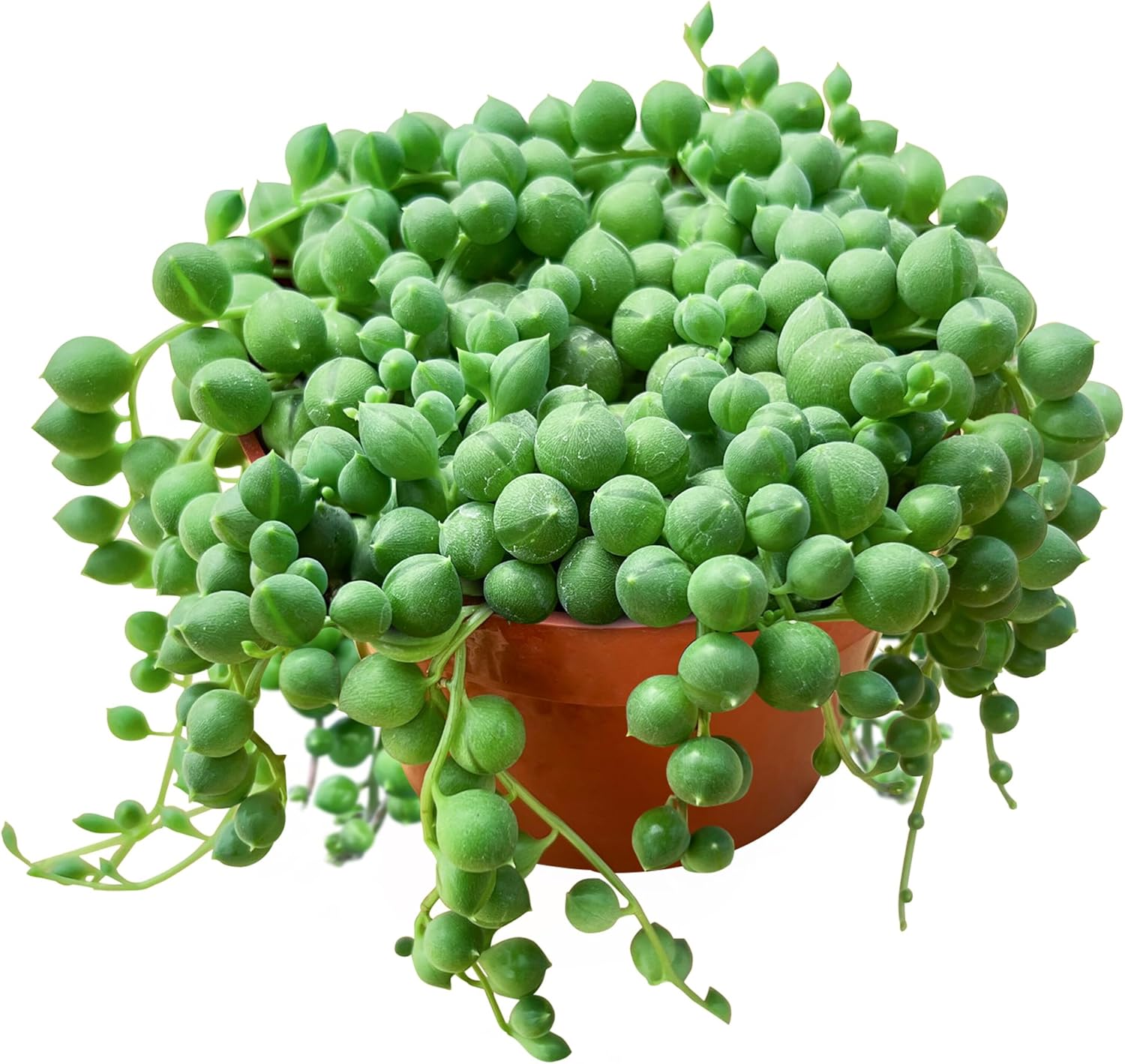
This String of Pearls arrives in a 4-inch grower pot already fully rooted, so it is ready to move into a hanging basket or bright windowsill with minimal fuss. The plant is a trailing succulent with round, bead-like leaves that create an attractive drape when placed in a hanging planter. It is marketed as low maintenance and drought tolerant, so the recommended soak-and-dry watering method makes it well suited to owners who prefer infrequent watering. Best placement is partial sun or bright indirect light; the listing notes 4 to 6 hours of light and sandy, well-draining soil for healthiest growth. Practical benefits include easy seasonal recovery tips and guidance on rescuing frozen or dried plants, which helps less experienced caretakers troubleshoot problems. Limitations are that sunlight needs and seasonal fullness will cause visual changes through the year, and it may require attention after transit if leaves are bruised. For a cautious buyer wanting a reliable trailing plant for a hanging basket, the pre-rooted pot and straightforward care make this an accessible choice.
Best for: Buyers who want a low-fuss trailing plant for hanging baskets or shelves and prefer a ready-to-use, pre-rooted specimen with straightforward care instructions.
Less Ideal for: Growers seeking a consistently full or fast-growing showpiece year-round or those who want outdoor-hardy plants for unprotected exterior baskets.
- Arrives fully rooted in a 4-inch nursery pot for easy transplanting into hanging baskets
- Drought-tolerant and low-maintenance suited to infrequent watering schedules
- Trailing habit with bead-like leaves provides strong visual impact in hanging planters
- Manufacturer guidance included for recovery from common issues like freezing or overdrying
- Appearance and fullness vary with season and light so it may look sparse at times
- Susceptible to damage during transit and may need pruning or recovery after arrival
Verdict: A pre-rooted, low-maintenance trailing succulent that makes a safe, easy choice for hanging baskets when you want an attractive draping plant without complex care.
Choosing the Right Plants for Trailing Hanging Baskets: Key Factors to Consider
Trailing Habit and Growth Form
How a plant trails determines the visual effect and how long stems will drape over the basket edge. Some plants produce long, flexible runners that cascade several feet, while others form shorter, layered trailing stems that create a dense mound. Knowing the growth form helps you choose spacing and companion plants so the basket fills evenly without gaps.
Growth rate affects how quickly a newly planted basket looks full. Fast trailers can provide instant impact but may need more regular shaping. Slower trailers are lower-maintenance but require more time or a larger number of starts to achieve the same fullness.
Light Requirements and Placement
Different trailing plants have specific sunlight needs, from full sun to deep shade. Hanging baskets on south- or west-facing porches will favor sun-loving species, while shaded patios require plants adapted to lower light. Matching the plant to the actual light at the hanging location prevents stretched, sparse growth or burned foliage.
Consider daily light hours and reflected heat. Baskets over paved areas or near walls can experience higher temperatures that increase water use and stress sun-sensitive trailers. Choose plants rated for those microclimates to reduce wilting and leaf scorch.
Container Moisture and Soil Needs
Baskets dry out faster than in-ground beds because of exposed sides and shallow soil. Plants for hanging baskets should tolerate periodic drying or accept more frequent watering routines. Well-draining but moisture-retentive mixes help balance oxygen to roots while holding enough water between waterings.
Also consider whether a plant prefers consistently moist substrate or drier cycles. Matching a basket mix and watering schedule to plant needs avoids root rot for moisture lovers and chronic stress for drought-tolerant types.
Nutrient Needs and Feeding Frequency
Limited soil volume means nutrients are used up quickly in hanging baskets. Trailing plants with heavy flowering often need regular feeding to sustain blooms. Choose plants with feeding requirements you are willing to meet, or use slow-release or liquid fertilizers tailored to container use.
Overfeeding can push soft, leggy growth on some trailing species, so understanding a plant's response to fertility helps keep stems strong and attractive without excessive pruning.
Temperature Tolerance and Seasonal Longevity
Temperature extremes affect trailing basket plants differently. Some are tender and perform only in warm months, while others tolerate cool nights and extend the season. Know whether you want a single-season display or plants that overwinter in a protected spot.
Nighttime temperatures and sudden heat waves influence flowering and foliage retention. Selecting plants suited to your local climate window helps ensure consistent performance through spring, summer, and into fall where possible.
Scale and Basket Size Compatibility
The size of the basket should match the eventual spread and root volume of the plant. Large, vigorous trailers need deeper, wider baskets to avoid rootbound stress, while compact trailers work well in smaller baskets that highlight their cascading stems.
Also think about companion planting: mixing plants with similar root and water needs ensures one type does not dominate or suffer. Proper scale prevents frequent replanting and keeps maintenance manageable.
Best Locations and Light Strategies for Hanging Baskets
Placement is one of the simplest decisions that determines success. Observe the chosen hanging spot over a typical day to note direct sun hours and strong reflection. For sunny exposures, plan for plants that can handle full sun and higher root-zone temperatures. For shaded porches, pick species with proven low-light flowering or striking foliage interest.
- Measure direct sun in hours to match plant labels
- Avoid spots with extreme afternoon heat if using shade-tolerant plants
- Consider rotating baskets periodically so all sides receive light evenly
Soil Mixes and Watering Routines That Keep Trailers Happy
Use a container mix that drains well yet holds moisture. Incorporate components like peat alternatives, compost, and coarse perlite or bark to balance water retention and aeration. Watering frequency depends on basket size, potting mix, and weather; smaller baskets need daily checks in summer while larger ones can go longer between waterings.
Proper watering technique helps roots access moisture without becoming waterlogged. Water until it runs from drainage holes and allow a short drying window rather than keeping the mix constantly soaked. During very hot or windy spells, increase checks and consider a moisture-retentive layer or gel crystals for extra buffer.
- Top quality container mix with good drainage
- Water deeply until runoff, then allow a slight dry-back
- Use saucers only on covered balconies to prevent waterlogging
Design Tips for Eye-catching Trailing Baskets
Build baskets with a combination of thriller, filler, and spiller elements when appropriate. The spiller is your trailing plant, so place it near the edge to establish flow. Balance color and texture so trailing stems are visible rather than lost behind taller center plants.
Rotate color and foliage contrast to maintain visual depth as stems lengthen. Keep spacing that allows the spiller room to trail without tangling around hooks or nearby structures.
- Position trailing plants at the rim for immediate cascade
- Combine foliage contrasts with flowering trailers for continuous interest
- Thin or pinch to maintain shape without removing too much trailing length
Seasonal Care and Pruning for Continuous Displays
Light pruning and deadheading extend bloom and maintain shape. Remove spent flowers and trim excessively long or damaged stems to encourage branching and a fuller look. For fast-growing trailers, light shaping every few weeks keeps baskets from becoming leggy.
Adjust feeding and water during peak bloom to support continuous flowering. In late season, reduce feeding as plants wind down and prepare for cooler temperatures or overwintering if applicable.
- Deadhead spent blooms to encourage more flowers
- Trim long stems back to promote side shoots
- Reduce fertilizer as plants naturally slow in autumn
Troubleshooting Common Hanging-basket Problems
Yellowing leaves often indicate nutrient deficiency, overwatering, or too little light. Check moisture first, then consider feed regime and light exposure. Sparse growth can follow underplanting or too much shade; adding compatible companions or relocating the basket can restore vigor.
Pests and diseases are usually localized in baskets. Regular inspection and prompt removal of affected foliage control outbreaks. Improve air circulation and avoid constant wet foliage to reduce fungal issues.
- Inspect baskets weekly for pests and water stress
- Adjust watering before changing feeding rates
- Relocate or replace plants that fail to trail as expected
How We Chose the Best Plants for Trailing Hanging Baskets
We focused on plants that reliably produce long, graceful stems and maintain a full look in limited root volume. Selection criteria emphasized growth habit, tolerance of container conditions, flowering or foliage interest while trailing, seasonal longevity, and ease of maintenance for home gardeners. We prioritized species and cultivars known to handle common hanging-basket challenges such as variable light, periodic drying, and nutrient depletion. Excluded from the list were plants that require large root systems, aggressive spreaders that outgrow a basket quickly, and species that need specialized greenhouse conditions. We also filtered out choices that demand frequent pruning or complicated care routines that most casual gardeners would find impractical. Final picks were evaluated against practical, measurable dimensions gardeners care about: trailing vigor in baskets, tolerance to container moisture cycles, light adaptability, and season-long visual impact. These evaluation points guided the scoring criteria used across the shortlist.
FAQ
How often should I water trailing hanging baskets?
It depends on basket size, potting mix, and weather. Small baskets often need daily checks in hot weather, while larger baskets may be watered every two to three days. Water deeply until runoff and allow the top inch of the mix to dry before the next deep watering.
Can I use the same plant for both sun and shade baskets?
Most plants have specific light preferences and perform best in conditions they are adapted to. Some versatile species tolerate a wide range, but often you will get better flowering and stronger trailing habit by matching plant choices to each location's light.
When should I deadhead or prune trailing plants?
Deadhead spent flowers regularly during the peak season to encourage rebloom. Light pruning to shape and remove damaged stems every few weeks keeps baskets tidy and promotes fuller growth. Avoid heavy pruning during heat stress periods.
What size basket works best for trailers?
Choose a basket that suits the expected spread and root needs of the plant. Vigorous trailers do better in deeper, larger baskets that hold more moisture and nutrients. Compact trailers can be used in smaller baskets without becoming rootbound quickly.
How do I keep a hanging basket from becoming rootbound?
Start with a suitably sized basket and use a quality container mix. Refresh the top few inches of soil yearly and repot into a larger basket when roots begin to circle densely. Regular feeding and appropriate watering also reduce stress that accelerates root crowding.
Final Verdict
Focus first on matching a plant's trailing habit and light needs to your actual hanging location. Prioritize container moisture tolerance and appropriate basket size so trailing stems remain vigorous and the display stays full. Tradeoffs exist between fast-growing showy trailers that need more maintenance and slower, low-effort species; choose according to how much time you want to spend deadheading, feeding, and pruning. With the right pairing of plant and placement, hanging baskets will provide reliable, cascading color and texture all season long.
