

Note: This article contains affiliate links. If you click on these links and make a purchase, I may earn a small commission at no extra cost to you. This helps support my research and content. Read my full affiliate disclosure here.
If you have a shady apartment, windowless office, or a room that gets only reflected daylight, picking the right plants matters. Plants for very low light indoor environments must tolerate minimal natural light, slow growth, and infrequent watering without collapsing or becoming leggy. This guide focuses on proven, low-light tolerant houseplants that stay attractive in dim conditions and require simple care routines. Below are our top shortlisted options that performed well for low-light durability, ease of care, and pest resistance. We also explain the practical tradeoffs-growth rate, size control, and watering-so you can match a plant to your exact space and schedule.
Top Picks at a Glance
| Best Overall The best all-around choice for most situations | Costa Farms Chinese Evergreen (Aglaonema) Live Indoor Plant, Medium, in Grow Pot |  |
| Best Value The sweet spot between price and what you get | Plants for Pets Essential Houseplant Collection, 4‑Pack (4.25" Nursery Pots) | 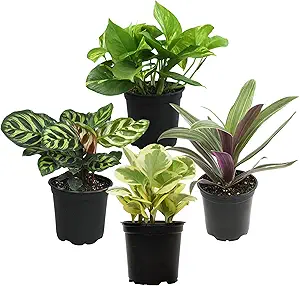 |
| Best Budget The cheapest option that still gets the job done reliably | Neon Pothos (Epipremnum aureum) live houseplant, 3.5-inch pot |  |
| Highest Rated A top-rated pick with lots of positive feedback | Thorsen's Greenhouse Live Golden Pothos, 4" Pot |  |
| Most Popular A crowd favorite that many people choose with confidence | Costa Farms Snake Plant 3-Pack (Live Indoor Plants, 8–12 in, in Grower Pots) |  |
| Best Seller A high-volume bestseller chosen again and again | Plants for Pets Pothos 4-Pack (4" Assorted) |  |
Costa Farms Chinese Evergreen (Aglaonema) Live Indoor Plant, Medium, in Grow Pot

| Indoor Outdoor Usage | Indoor |
|---|---|
| Other Special Features of the Product | Air Purification |
| Sunlight Exposure | Partial Sun |
| Moisture Needs | Regular Watering |
| USDA Hardiness Zone | 10-11 |
The Costa Farms Chinese Evergreen is a straightforward choice when you want a tall, low-light houseplant that does most of the work for you. It’s an Aglaonema sent in a plastic grow pot and described as reaching about three feet tall, with variegated leaves that provide a strong decorative focal point for a living room, office, or bedroom. Care needs are minimal: the plant tolerates a range of light levels (does well in partial to low light) and requires only regular watering—about a cup once a week as a starting guideline. The listing highlights air-purifying qualities and farm-fresh packaging, so you get a plant ready to display on arrival. Important limitations are that it is not frost-hardy and needs indoor temperatures consistent with USDA zones 10 to 11, and the grow pot is basic plastic so you may want to transplant to a decorative container for long-term display. For someone focused on performance in low-light spaces, this plant delivers attractive foliage and reliable vigor with modest maintenance.
Best for: Buyers who need a tall, low-light tolerant plant that performs reliably with minimal attention and makes an immediate decorative statement indoors.
Less Ideal for: People who want an outdoor-hardy specimen or who prefer flowering plants or compact desk plants; also not suited for unheated spaces exposed to cold.
- Tolerates low to medium light, suitable for dim rooms and offices
- Low watering needs with simple weekly guideline
- Variegated large leaves provide strong decorative presence
- Advertised air-purifying benefit for indoor environments
- Shipped in a basic plastic grow pot so transplanting may be desirable
- Not cold-hardy and requires indoor temperatures above cool-zone ranges
Verdict: A reliable, tall Aglaonema that delivers impressive foliage and low-light performance for buyers who prioritize dependable indoor plant performance with minimal upkeep.
Plants for Pets Essential Houseplant Collection, 4‑Pack (4.25" Nursery Pots)

| Indoor Outdoor Usage | Indoor, Outdoor |
|---|---|
| Other Special Features of the Product | Air Purification, Compact, Low Maintenance |
| Sunlight Exposure | Partial Sun |
| Moisture Needs | Regular Watering |
This four-pack of assorted houseplants delivers a convenient starter set for low-light indoor spaces by shipping four healthy greenhouse-grown plants in 4.25" nursery pots. The assortment includes popular, easy-care genera such as Pothos, Philodendron, Peperomia, Calathea and similar foliage plants that tolerate indirect or lower light. Typical use is to place these on shelves, desks, or bathrooms with limited sunlight and follow simple care guidance: bright indirect to partial sun and water when the soil begins to dry. Notable features are the hand-selected stock from climate-controlled greenhouses, small nursery pots for easy placement, and emphasis on low maintenance and air purification. Practical benefits include variety in foliage types for quick visual impact, minimal initial upkeep for new plant owners, and plant choices that broadly tolerate lower light. Important limitations are the small pot size which means more frequent watering and earlier repotting for long-term growth, and the exact varieties are randomized so you cannot guarantee a specific species in each pack.
Best for: Buyers who want a practical, low-effort way to add greenery to dim rooms and prefer a ready-to-place assortment that requires minimal initial care.
Less Ideal for: Collectors who need specific species or mature specimens and gardeners who want plants already planted in decorative or larger containers.
- Includes four different, easy-care houseplants that tolerate indirect and lower light
- Shipped in small 4.25" nursery pots that are easy to place around the home
- Plants are greenhouse-grown and hand-selected for health and vibrant foliage
- Promoted as low-maintenance with general air purification benefits
- Small nursery pots limit long-term growth and require repotting sooner
- Assortment is randomized so you may not receive a specific desired variety
Verdict: A convenient, low-maintenance four-pack of small houseplants that makes it easy to add tolerant foliage to low-light indoor spaces.
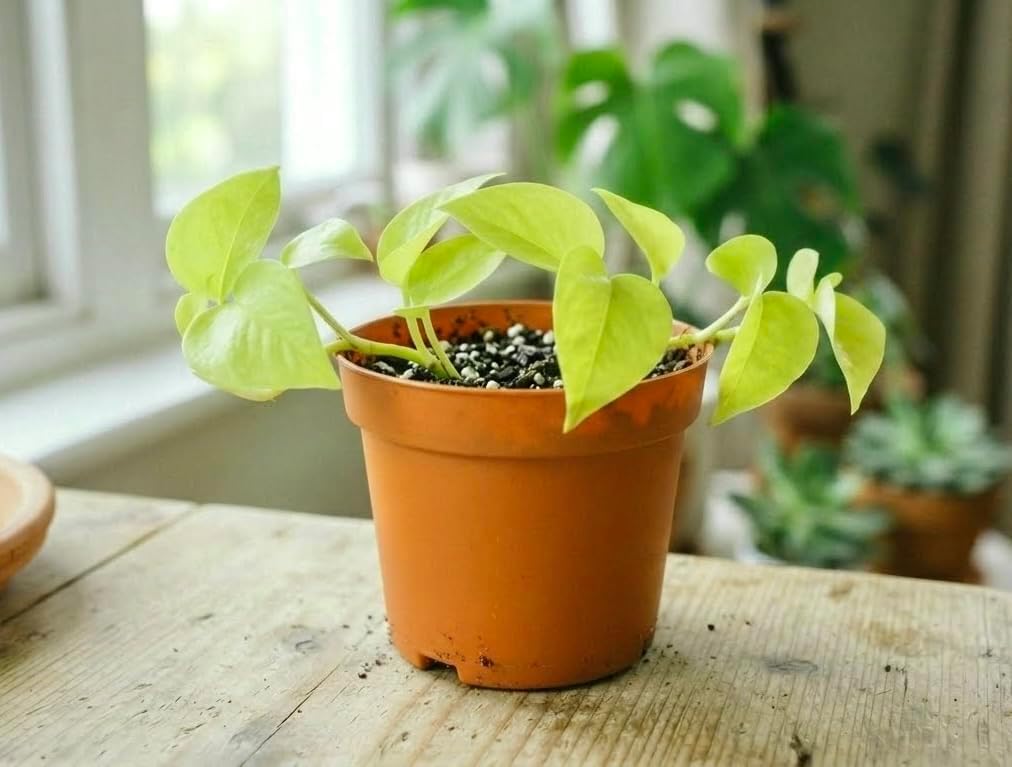
Neon Pothos (Epipremnum aureum) live houseplant, 3.5-inch pot
| Indoor Outdoor Usage | Indoor |
|---|---|
| Sunlight Exposure | Low Light |
| Moisture Needs | Moderate, Keep Soil Slightly Moist |
| USDA Hardiness Zone | 10-12 |
This Neon Pothos is a compact, low-maintenance trailing vine sold ready in a 3.5-inch plastic nursery pot. It is typically used as a shelf or hanging plant where its chartreuse heart-shaped leaves add contrast to darker corners. The plant tolerates low to moderate indirect light and prefers soil kept slightly moist, so it fits into routines where watering is occasional rather than daily. Its shade resistance and adaptable growth habit let you let vines trail or train them up a small support. Practical benefits include vibrant foliage that brightens low-light rooms and an easygoing nature that forgives irregular watering. Important limitations are its small initial size, so you may need to repot within a few months for fuller growth, and the plastic nursery container can be basic compared with decorative pots. For very low-light indoor spaces this plant performs well, but expect to invest a little time in pruning or repotting to encourage longer vines and denser growth.
Best for: Buyers who want an affordable, low-effort indoor plant to brighten very low-light rooms and who prefer a plant that tolerates casual care.
Less Ideal for: Not the best choice for buyers seeking a mature, showy specimen right away or those who need a large, trailing display without repotting and grooming.
- Tolerates low to moderate indirect light so it works in dim rooms
- Vibrant neon-chartreuse leaves add visible color in low-light settings
- Low-maintenance watering: prefers soil slightly moist and tolerates irregular schedules
- Versatile trailing habit suitable for shelves, hanging baskets, or small supports
- Comes in a small 3.5-inch nursery pot so repotting is often needed for faster growth
- Supplied plastic container is utilitarian and may need a decorative outer pot
Verdict: An inexpensive, easy-care neon pothos that reliably brightens very low-light indoor spots with minimal fuss.
Thorsen's Greenhouse Live Golden Pothos, 4" Pot

| Indoor Outdoor Usage | Indoor |
|---|---|
| Other Special Features of the Product | Air Purification, Low Maintenance |
| Sunlight Exposure | Partial Sun |
| Soil Type | Peat Soil |
| Moisture Needs | Moderate Watering |
This Golden Pothos is a straightforward, reliable houseplant for people who want a low-maintenance trailing vine that tolerates low light. It arrives in a 4-inch grower pot placed inside a white plastic cache pot and typically ships 5 to 8 inches tall. Golden Pothos thrives in partial to lower light and needs only moderate watering, so it is well suited to hanging baskets, shelves, or trailing down bookcases. The plant is noted for air-purifying qualities and the yellow-green variegation becomes more pronounced with brighter light. Practical benefits include easy care, adaptable light tolerance, and an attractive trailing habit that adds greenery with minimal fuss. Limitations are that the decorative cache pot has no drainage holes so you must be careful not to overwater or transplant into a drained container for long-term growth, and the small 4-inch starter pot means frequent repotting if you want larger vines quickly.
Best for: Buyers who want a dependable, low-effort indoor plant that looks good in dim rooms and requires minimal daily care.
Less Ideal for: People seeking a mature, large specimen or a pot with built-in drainage should consider larger nursery plants or a planter with drainage instead.
- Very low maintenance and tolerant of low light conditions
- Trailing habit works well in hanging baskets or on shelves
- Ships in a grower pot inside a decorative cache pot for immediate display
- Recognized for air-purifying properties
- Cache pot has no drainage holes which increases risk of overwatering
- Comes in a small 4-inch pot so repotting may be needed soon for bigger growth
Verdict: A reliable, low-care pothos that delivers easy greenery and air-purifying benefits for very low-light indoor spaces.
Costa Farms Snake Plant 3-Pack (Live Indoor Plants, 8–12 in, in Grower Pots)

| Indoor Outdoor Usage | Indoor |
|---|---|
| Other Special Features of the Product | Air Purification, Drought Tolerant, Low Maintenance |
| Sunlight Exposure | Partial Sun |
| Moisture Needs | Little To No Watering |
| Product Care Instructions | Bright, Indirect Sunlight; Water 2-3 cups once a week |
These Costa Farms snake plants are a practical choice when you want low-maintenance greenery that still makes a visual impact. The 3-pack arrives in grower pots with plants sized about 8 to 12 inches tall, ready to place on shelves, desks, or narrow corners. Snake plants tolerate a wide range of light and require very little water, so they work well in dim bedrooms, windowless offices, or busy homes where regular care is unlikely. Notable features include drought tolerance, air-purifying qualities, and packaging designed to protect upright leaves during transit. The main benefits are instant decor with architectural vertical foliage, ease of care for beginner plant owners, and the flexibility to split the trio across rooms or give individual plants as gifts. Limitations are inherent to small potted plants: they are starter-size rather than mature floor specimens and come in plain grower pots so you may want to repot into decorative containers for long-term display.
Best for: Buyers who want reliable, low-effort houseplants to brighten low-light rooms or busy spaces and who value proven, widely purchased varieties with straightforward care.
Less Ideal for: People seeking large, mature statement floor plants or those who want decorative pots included out of the box.
- Very low water needs and tolerant of neglected watering
- Performs well in low to partial sun, suitable for dim indoor spots
- Arrives in a coordinated 3-pack for consistent styling across multiple areas
- Small, vertical growth habit fits narrow shelves and desks
- Advertised air-purifying benefit for healthier indoor air
- Ships in basic grower pots, so repotting or decorative containers are needed for long-term display
- Plants are starter-size (8–12 inches) rather than fully mature floor specimens
Verdict: Choose this 3-pack if you want dependable, nearly indestructible plants that add vertical greenery to low-light rooms with minimal care required.
Plants for Pets Pothos 4-Pack (4" Assorted)

| Indoor Outdoor Usage | Indoor |
|---|---|
| Other Special Features of the Product | Air Purification |
| Sunlight Exposure | Full Sun |
| Moisture Needs | Regular Watering |
| USDA Hardiness Zone | 3 |
This four-pack delivers beginner-friendly pothos varieties that suit low-light rooms and simple indoor care routines. Each plant comes rooted in a 4" nursery pot and the assortment rotates between familiar types such as Marble Queen, Golden, Neon, and Satin, so you get visual variety without extra effort. Pothos are typically grown in hanging planters, on shelves, or trained up a support; they prefer bright, indirect light but tolerate lower light levels that many apartments and offices have. The listing emphasizes air-purifying benefits and gives clear care guidance: allow the soil to dry between waterings and keep temperatures above about 60 F. Practical strengths are resilience, fast trailing growth for a lush look, and compatibility with common indoor spots like living rooms, kitchens, or bathrooms. Limitations are that you may receive different varieties than pictured and plants arrive in small 4" pots, so plan to repot sooner if you want bigger specimens or longer-term display without frequent watering.
Best for: Buyers who want low-maintenance greenery for indoor spaces and prefer reliable, easy-to-care-for plants that tolerate lower light and occasional neglect.
Less Ideal for: Growers seeking large, mature plants ready for instant statement displays or those who want guaranteed, specific rare varieties.
- Easy to grow and tolerant of low to bright indirect light
- Four different varieties provide visual variety in one purchase
- Ships in small nursery pots that establish quickly and are ready for hanging or shelving displays
- Listed care guidance is straightforward for first-time plant owners
- Arrives in 4" pots so plants may need repotting soon for faster growth or long-term display
- Specific varieties are not guaranteed and assortment can vary
Verdict: A simple, low-maintenance way to add trailing, low-light-friendly pothos to your home with minimal fuss.
Choosing the Right Plants for Very Low Light Indoor: Key Factors to Consider
True Light Requirements
Not all shade-tolerant plants are the same. Some species survive in very low light but grow slowly and remain compact, while others may stretch, lose leaf color, or drop leaves when light is too weak.
Understand whether a plant needs only ambient room light, bright indirect light, or a few hours of morning sun. For truly dim rooms, favor species documented to tolerate minimal light levels and that maintain foliage density rather than becoming leggy.
Growth Rate and Final Size
Plants that tolerate low light frequently grow more slowly, which is an advantage in tight indoor spaces. However, some low-light species can still become large over years. Consider mature size and how often you want to prune or repot.
Slow growers reduce maintenance and fit shallow shelves or small planters. If you prefer occasional topiary or want a living focal point, choose a species that responds predictably to pruning so you can control height and shape.
Watering Needs and Drought Tolerance
Dim indoor conditions slow soil drying, so overwatering is a common cause of failure. Pick plants that tolerate irregular watering and handle brief dry spells without root rot.
Look for species that can be checked by finger-test moisture rather than strict schedules. Plants with thicker leaves or tougher roots are often more forgiving when you miss a watering by a week or two.
Leaf Durability and Cleanliness
In low light, leaf health determines how attractive a plant will look. Dust, pet hair, and dry air reduce photosynthesis and make foliage look dull. Choose plants with leaves that resist browning, drop fewer leaves, and wipe clean easily.
Regular gentle cleaning helps any plant, but species with tougher, waxy, or leathery leaves stay showier in low-light rooms and require less frequent attention.
Pest and Disease Resistance
Stressed plants in low light can be more vulnerable to pests like spider mites and mealybugs, or to fungal root problems from overwatering. Favor species known for resilience and that do not need high humidity to thrive.
When scouting plants, inspect for signs of pests and pick stock with healthy roots and firm leaves. A robust species will recover more readily from occasional issues without needing specialized treatments.
Compatibility with Artificial Light
Many dim interiors benefit from supplemental lighting. Choose plants that respond well to common indoor LED grow lights or standard cool-white fixtures without needing specialized horticultural setups.
Plants that accept a few hours of low-intensity artificial light will keep fuller foliage and better color. Consider whether you will use a lamp on a timer and select species that show measurable improvement with modest supplemental light.
Where Very Low Light Happens Indoors
Very low light indoors is common in rooms with north-facing windows, interior corridors, bathrooms with no natural light, and windowless offices. Light in these spaces often comes from small windows, skylights far from the plant, or indirect reflections from neighboring buildings.
Measure light qualitatively by observing whether you can comfortably read a book during the day without artificial light. If reading is difficult, choose plants rated for very low light. Consider small, frequent supplemental lighting rather than relying solely on weak daylight.
- North-facing rooms get cooler, indirect light throughout the day.
- Deep rooms with one small window can have usable light only along the window ledge.
- Artificial office lighting can sustain some low-light plants but usually at reduced growth rates.
Placement Tips to Maximize Survival
Group low-light plants near doorways or open hallways where they receive interrupted light. Rotating plants periodically helps even out growth and avoids one-sided stretching.
Avoid placing plants right under vents or radiators. Cold or hot drafts stress foliage and increase water loss, which low-light species are not suited to handle frequently.
- Rotate pots 90 degrees every few weeks for even growth.
- Wipe leaves monthly to remove dust that blocks light absorption.
- Use pebble trays or a room humidifier sparingly if air is very dry.
Pruning and Training in Dim Conditions
In low light, new growth can be sparse and stems may elongate. Light, regular pruning keeps shapes compact and prevents wasted energy on weak shoots. Remove yellowing or leggy stems to encourage the plant to focus resources on healthy foliage.
Support vining low-light species with small stakes or training wires so they do not sprawl into dark corners. Prune conservatively because each removed leaf reduces the plant's ability to capture scarce light.
- Trim no more than 10 to 20 percent of foliage at a time.
- Use clean, sharp shears to avoid tearing soft stems.
- Delay heavy pruning until the plant shows stable leaf production.
When to Use Supplemental Lighting
Supplemental lighting is worthwhile when you want fuller growth, better leaf color, or to expand your plant choices beyond the hardiest low-light species. A small LED grow lamp on a timer can supply a few hours of targeted light and makes a notable difference.
Run supplemental light for two to six hours during the darker part of the day rather than attempting long durations. Too intense light close to foliage can cause heat stress, so position lamps several feet away or use diffusers.
- Choose cool-white or full-spectrum LEDs for balanced growth.
- Set timers to mimic morning or late-afternoon light periods.
- Monitor leaves after adding light for signs of improvement or stress.
Potting, Soil, and Drainage Basics
Well-draining soil is essential in low-light situations because slower evaporation increases the risk of root rot. Use potting mixes that combine aeration components like perlite or coarse sand with peat or coco coir for moisture balance.
Ensure pots have drainage holes and consider using clay or terracotta containers for faster moisture release. Avoid overly large pots that hold excessive wet soil relative to root mass.
- Check soil moisture by inserting a finger an inch or two into the mix.
- Repot only when roots are crowded; otherwise, low-light plants prefer stability.
- Top-dress with fresh soil rather than large pot increases when possible.
How We Chose the Best Plants for Very Low Light Indoor
We selected plants based on traits that matter for indoor spaces with very little natural light. Primary evaluation criteria included true low-light tolerance, ability to survive with indirect or artificial light, and maintenance demands such as watering frequency and pruning needs. We also considered foliage resilience against common indoor stressors like dust, dry air, and occasional neglect. Size and growth habit were assessed to make sure each plant fits small rooms or office corners without becoming unmanageable. We excluded plants that only survive in bright, indirect light or those that require frequent direct sun to flower or keep compact form. Also left out species known for high pest sensitivity or complicated humidity requirements. The picks emphasize hardy, slow-growing species and cultivars that stay attractive under dim conditions and respond well to moderate supplemental light if needed.
FAQ
Can any houseplant survive with almost no natural light?
Only a subset of houseplants tolerate very low light for extended periods. These species typically grow slowly and have adapted to understory conditions. Even hardier plants usually benefit from occasional supplemental light to maintain fullness and color.
How often should I water plants kept in very low light?
Watering frequency is much lower than for bright conditions. Check soil moisture before watering and allow the top inch or more to dry. Most low-light plants need water every two to four weeks, depending on pot size, temperature, and indoor humidity.
Will low light cause pest problems?
Low light itself does not cause pests, but weakened or stressed plants are more likely to attract issues like spider mites and mealybugs. Good hygiene, occasional leaf cleaning, and monitoring will catch problems early before they spread.
Is it better to use a bigger pot or smaller pot for low-light plants?
Smaller pots are usually safer because they dry out faster and reduce the risk of root rot. Choose a pot that fits the plant's root ball with only a small amount of extra room for growth and repot when roots become crowded.
Can I keep flowering plants in very low light?
Most flowering houseplants need brighter light to produce blooms. In very low light, flowering is rare and plants will prioritize foliage. If blooms are important, use supplemental light or place the plant in a brighter spot periodically.
How can I improve leaf color in a dim room?
Increase indirect or artificial light modestly and ensure proper fertilization during the growing season. Regularly dust leaves, avoid overwatering, and rotate the plant so all sides receive available light.
Final Verdict
For very low light indoor spaces, prioritize species that are documented to tolerate dim conditions, tolerate irregular watering, and resist common indoor pests. Emphasize slow-growing, compact habits and choose pots and soils that minimize the risk of overwatering. Decide whether you want minimal-maintenance greenery or a fuller look that may need supplemental lighting. Use the evaluation criteria above to match a plant to your space and routine so you get an attractive, resilient indoor plant without extra fuss.
