

Note: This article contains affiliate links. If you click on these links and make a purchase, I may earn a small commission at no extra cost to you. This helps support my research and content. Read my full affiliate disclosure here.
Picking the right plants for large outdoor pots changes how a patio, terrace, or entryway looks and performs across the season. Big containers let you use bold foliage, larger root systems, and dramatic flowering specimens that smaller pots cannot support, but they also bring different watering, soil, and spacing needs. This guide shortlists seven top options that suit large containers and explains the traits that matter, from drought tolerance and root vigor to seasonal interest and maintenance. Below you will find practical notes on how each plant behaves in a real garden and the criteria used to choose them, so you can match a plant to your site and time available.
Top Picks at a Glance
| Best Overall The best all-around choice for most situations | Tropical Plants of Florida Majesty Palm (3 gal grower pot) |  |
| Best Quality Built to a higher standard if you want something more solid | Nature's Way Farms Macho Fern (pre-potted) |  |
| Best Value The sweet spot between price and what you get | Plants for Pets Hesperaloe parviflora (Red Yucca) 1‑Gallon Live Plant |  |
| Best Budget The cheapest option that still gets the job done reliably | Urban Meadow Nursery White Lantana Live Plant |  |
| Highest Rated A top-rated pick with lots of positive feedback | White Bird of Paradise (Strelitzia nicolai) Live Plants, Pack of 2 in 4" Pots |  |
| Most Popular A crowd favorite that many people choose with confidence | Perfect Plants Confederate Jasmine (2-Pack), Star Vine, 1 Gal |  |
| Best Seller A high-volume bestseller chosen again and again | PERFECT PLANTS Frostproof Gardenia Live Plant, 1 Gallon |  |
Tropical Plants of Florida Majesty Palm (3 gal grower pot)

| Indoor Outdoor Usage | Indoor, Outdoor |
|---|---|
| Other Special Features | Air Purification, Pet Friendly |
| Sunlight Exposure | Partial Sun |
| Moisture Needs | Moderate Watering |
The Majesty Palm is a slow-growing, easy-care tropical palm supplied in a 3 gallon grower pot that brings arching, feathery fronds to large pots, corners, or patios. It performs best in bright, indirect light or partial sun and prefers consistently moist but well-drained soil, so plan to water when the top inch or two feels dry rather than letting the pot go bone-dry. Notable features include pet-friendly foliage and modest fertilizer needs, with feeding only every couple of months in active growth. Because it likes humidity and steady temperatures in the 65 to 85 F range, it is most comfortable in sheltered outdoor locations in warm climates or indoors near a sunny window. Practical benefits include instant tropical impact without fast, uncontrollable growth and improved indoor ambiance thanks to its full fronds. Limitations are that it is not drought-tolerant, can be sensitive to cold drafts or direct harsh sun on leaves, and will require humidity or occasional misting in dry indoor environments.
Best for: Buyers who want a low-maintenance tropical look in large outdoor pots or indoor corners and who can provide consistent moisture and a warm, humid environment.
Less Ideal for: Gardeners in cool or very dry climates or anyone seeking a drought-tolerant, low-humidity container plant should choose a different species.
- Provides lush, tropical foliage that fills large pots or corners
- Suitable for indoor or sheltered outdoor placement in warm climates
- Pet friendly and low to moderate feeding needs
- Supplied in a 3 gallon grower pot for easy transfer into decorative containers
- Requires consistently moist soil and higher humidity than many houseplants
- Sensitive to cold drafts and direct, intense sun which can scorch fronds
Verdict: A slow-growing, pet-friendly palm that delivers an immediate tropical look for large pots when kept consistently moist and sheltered from cold or harsh sun.
Nature's Way Farms Macho Fern (pre-potted)

| Indoor Outdoor Usage | Outdoor |
|---|---|
| Sunlight Exposure | Medium Light / Bright Indirect Light |
| USDA Hardiness Zone | 9-13 |
| Moisture Needs | When Soil Is Dry |
| Material Features | Live Plant, Organic Foliage, Soil, Plastic Nursery Pot |
The Macho Fern is a statement tropical fern intended for shaded patios, porches and large outdoor containers where its oversized arching fronds can fill space quickly. It ships prepotted in a plastic nursery pot and prefers bright indirect light to partial shade with consistently moist, well-drained soil. In practice this plant is used as a focal specimen in large pots or as a massed planting for a lush tropical look; the vigorous growth habit helps it develop a full canopy within a single season. Notable features include large, textured fronds that add movement and instant scale and a USDA hardiness range that makes it suitable for warm-climate outdoor planting. Expect to keep soil evenly moist and protect it from hot afternoon sun and frost. Trade-offs are routine maintenance for moisture and sheltered placement in climates cooler than zone 9, plus the prepotted nursery container will likely need repotting into a larger decorative planter for long-term display.
Best for: Gardeners who need a fast-growing, high-impact specimen for large outdoor pots or shaded patio corners and who are prepared to maintain regular watering and sheltered placement.
Less Ideal for: People in cool climates or those who prefer low-maintenance, drought-tolerant container plants should consider hardier alternatives.
- Striking, oversized fronds provide immediate visual impact in large pots
- Vigorous growth habit fills containers quickly for fast landscaping results
- Pre-potted for easier placement and immediate display
- Tolerates bright indirect light to partial shade common on covered patios
- Adapted for outdoor use in warm climates (USDA zones 9–13)
- Requires consistently moist, well-drained soil so needs regular watering and attention
- Not cold-hardy below zone 9 and needs protection from frost
Verdict: Choose this pre-potted Macho Fern when you want a fast-growing, high-impact tropical specimen to dominate a large outdoor pot in warm, shaded locations.
Plants for Pets Hesperaloe parviflora (Red Yucca) 1‑Gallon Live Plant

| Indoor Outdoor Usage | Outdoor |
|---|---|
| Expected Blooming Period | Summer |
| Sunlight Exposure | Full Sun |
| USDA Hardiness Zone | 7 |
| Moisture Needs | Moderate Watering |
This offering is a live Hesperaloe parviflora (red yucca) shipped in a 1‑gallon nursery pot intended for outdoor use in sunny, dry landscapes or large containers. It produces arching blue‑green leaves and red flowering stalks in summer that rise well above the foliage, making it an effective vertical accent for a patio pot or mixed perennial bed. The plant is heat and drought tolerant once established and performs in poor, sandy soils; occasional summer irrigation will encourage more blooms. It is hardy to USDA zone 7a and tolerates cold to around 0°F when mature. Practical details included in the listing note how to re‑settle soil after transit and recommend cutting back in spring after hard frost. Limitations are that the purchase is one small, 1‑gallon specimen so substantial container or landscape presence requires either time for growth or multiple plants, and flowering is seasonal rather than year‑round. Shipping a live plant can also mean some leaf blemishes on arrival that need simple cleanup and acclimation.
Best for: Buyers wanting a low‑maintenance, eye‑catching perennial for large sunny pots or dry garden beds who prioritize drought resilience and seasonal floral display.
Less Ideal for: People seeking immediate, full container coverage or evergreen flowering year‑round should consider larger specimens or companion plantings instead.
- Drought tolerant and heat loving once established, good for low‑water gardens
- Produces tall, showy red flower stalks that add vertical interest in pots
- Adaptable to poor and sandy soils so minimal soil amendments needed
- Hardy to USDA zone 7a so can survive light regional freezes when established
- Sold as a single 1‑gallon plant so fuller container displays require time or multiple purchases
- Arriving as a live plant can show cosmetic transit stress that needs minor care
Verdict: A resilient, low‑water perennial that brings tall, colorful summer blooms and strong architectural foliage to large sunny pots.
Urban Meadow Nursery White Lantana Live Plant

| Sunlight Exposure | Full Sun |
|---|---|
| Blooming Season | Spring to fall |
| USDA Zones | 8 to 11 |
| Soil and Water | Prefers well-draining soil; water when top 1–2 inches dry |
This White Lantana from Urban Meadow Nursery is a compact perennial that blooms from spring through fall and performs best in full sun. Sold as a single live plant about 4 to 6 inches tall, it is typically used as a flowering filler in large outdoor pots, mixed containers, or as a sunny border plant. The plant prefers well-draining soil and moderate watering when the top 1–2 inches of soil dries out, and it tolerates warm temperatures common to USDA zones 8 to 11. In practice you get a low-maintenance, heat-tolerant bloomer that adds continuous white flowers and fragrance without daily fuss. Limitations are that it needs consistent sun to flower well and is only suitable for warmer climates; in cooler zones it will need protection or seasonal replacement. Because it is sold as a single small plant, expect several specimens for fuller coverage in a large pot rather than instant, dense impact.
Best for: Buyers who want an inexpensive, low-maintenance flowering plant to add season-long white blooms to large sunlit pots or mixed containers in warm climates.
Less Ideal for: Gardeners in cool or mostly shaded yards or those seeking an instant, densely planted container without buying multiple specimens.
- Long bloom season from spring to fall for extended color
- Performs well in full sun and tolerates heat common to zones 8–11
- Low-maintenance watering: water when top 1–2 inches of soil are dry
- Sold as a single small plant so larger pots will need multiple plants for full coverage
- Not suited for shady or cool-climate locations
Verdict: A budget-friendly, heat-tolerant perennial that delivers long-lasting white blooms for large sunlit pots when planted in multiples.
White Bird of Paradise (Strelitzia nicolai) Live Plants, Pack of 2 in 4" Pots

| Indoor Outdoor Usage | Indoor, Outdoor |
|---|---|
| Sunlight Exposure | Partial Sun |
| USDA Hardiness Zone | 9–11 (grown as annual/container plant in colder zones) |
| Moisture Needs | watering when the soil dries |
| Material Features | Organic |
These two White Bird of Paradise starter plants bring bold tropical foliage to large containers or patios and are intended to establish quickly with basic care. Each plant arrives in a 4 inch pot at about 5–7 inches tall and is used as a container specimen that will grow into a tall, architectural accent in bright, warm locations. Notable features include drought tolerance once established, air-purifying foliage, and low maintenance requirements that suit busy gardeners. Practical benefits include fast foliage growth in bright light and the ability to move plants indoors in cooler seasons, making them versatile for seasonal container display. For outdoor pot culture they respond well to monthly feeding and need well-draining soil and protection from frost. Limitations are that these are small starter plants that need time and space to reach the dramatic 8 foot potential and they require warm temperatures and good light to thrive, so they are not a quick solution for instant height or shade plantings.
Best for: Gardeners who want a dependable, low-maintenance tropical specimen for large pots or patios and who prioritize plants that establish reliably with straightforward care.
Less Ideal for: Buyers who need immediate tall screening or who cannot provide bright light and protection from cold should consider faster-covering or hardier species instead.
- Fast-growing foliage that develops into a strong architectural statement in large pots
- Drought tolerant once established, reducing watering frequency
- Low maintenance care suitable for container culture and seasonal moving indoors
- Suitable for both indoor and outdoor use in warm climates
- Ships as small 5–7 inch starters that require time and space to reach full height
- Needs bright light and warm temperatures to perform well outdoors
Verdict: A reliable choice for gardeners seeking a low-maintenance tropical plant that will become a dramatic container specimen with time and bright light.
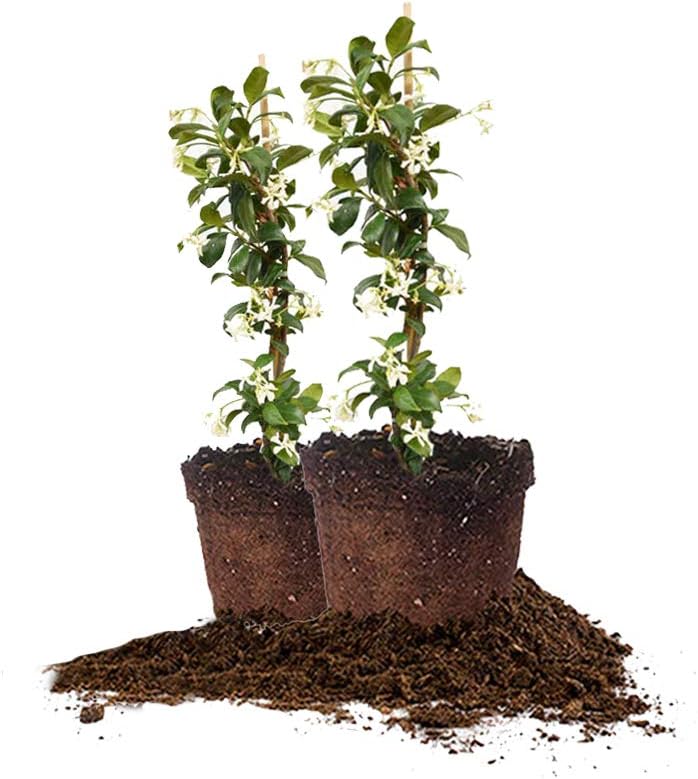
Perfect Plants Confederate Jasmine (2-Pack), Star Vine, 1 Gal
| Indoor Outdoor Usage | Outdoor |
|---|---|
| Expected Blooming Period | Spring |
| Sunlight Exposure | Full Sun, Partial Shade |
| Moisture Needs | Moderate Watering |
| Unit Count | 1 Count |
These two Confederate jasmine vines arrive in individual 1‑gallon nursery pots and are meant to be trained on fences, trellises, railings or other supports to form a fragrant, evergreen screen. They perform best in full sun to part shade and are rated for USDA zones 7–11, so on a shaded porch they will tolerate lower light but bloom most reliably where they get some sun. The plants are described as easy to establish; new arrivals need deep watering every day or two for the first two weeks and can drop some leaves while roots settle. Notable features are the glossy evergreen foliage, sweet white pinwheel flowers in spring and early summer, and organic plant material. Limitations include that each order contains small 1‑gallon pots so expect a period of growth before reaching the listed mature height, and some variability between the two plants. Buyers should plan to provide a structure and basic training to get a neat coverage and to monitor moisture while the plants establish.
Best for: Gardners who want a fragrant, evergreen climbing vine to train on a porch trellis or railing and who prefer a low‑maintenance plant that establishes quickly with basic watering.
Less Ideal for: Those seeking instant privacy or mature coverage right away or gardeners unwilling to train or support vines as they grow.
- Two evergreen vines per order for quicker coverage when planted together
- Fragrant white spring blooms that add scent to a porch area
- Tolerates full sun to partial shade, making it adaptable to sheltered porches
- Ships in 1‑gallon nursery pots so plants are ready to plant immediately
- Described as easy to establish with straightforward watering guidance
- Plants are small 1‑gallon specimens so visual impact takes time as they grow to mature height
- Some leaf drop and minor shipping damage to stems is possible during establishment
Verdict: A practical choice for porch gardeners who want a fragrant, adaptable evergreen vine they can train for seasonal blooms and long‑term screening.
PERFECT PLANTS Frostproof Gardenia Live Plant, 1 Gallon

| Indoor Outdoor Usage | Outdoor |
|---|---|
| Other Special Features of the Product | Deer Resistant, Fragrant |
| Expected Blooming Period | Summer |
| Sunlight Exposure | Full Sun, Partial Shade |
| Expected Planting Period | Spring |
This 1-gallon Frostproof gardenia is a compact, fragrant shrub intended for outdoor landscape use. It arrives as a live plant with a recommended mature height around 5 feet and is typically planted in mulch beds, as a low hedge, or as an accent near entries where its scent can be enjoyed. Notable features include deer resistance, a history of reliable spring and summer blooms, and included easy-to-use plant food for a simpler start. The plant prefers full sun to partial shade, so it will tolerate some shaded locations but performs best where it receives several hours of direct light. Practical benefits for a cautious buyer are straightforward care, minimal pruning to maintain shape, and an aromatic presence that enhances small gardens or patios. Limitations are that it is sold as a 1-gallon specimen so it will need time to reach mature size, and the product text notes shipping exclusions to a few states which affects availability for some buyers.
Best for: Buyers who want an easy-care, scented shrub for a small garden or patio and prefer reliable, low-maintenance plants that establish steadily rather than instant large specimens.
Less Ideal for: Gardeners seeking an immediate tall screening hedge or a plant for deep, full shade should consider alternative species better suited to dense shade or instant privacy needs.
- Fragrant white blooms that enhance outdoor seating areas during spring and summer
- Deer resistant variety reduces need for protective measures in deer-prone yards
- Includes plant food to simplify initial establishment
- Tolerates partial shade, allowing placement in spots without full sun all day
- Sold as a small 1-gallon plant so it requires time to reach mature size
- Per product notes it does not ship to certain states which limits access for some buyers
Verdict: Choose this gardenia if you want a low-maintenance, fragrant shrub that tolerates some shade and adds seasonal white blooms to small outdoor spaces.
Choosing the Right Plants for Large Outdoor Pots: Key Factors to Consider
Container Size and Root Space
Large pots available to you determine how much root volume a plant can develop. Plants adapted to deep, wide containers will produce fuller canopies and flower more reliably because their roots have room to store water and nutrients.
If you pick a specimen that needs more root space than the pot provides, growth will stall and the plant will demand frequent watering and feeding. For long-term success, match plants with containers that allow a generous root ball plus a couple of inches of free soil around the root mass.
Watering Needs and Drought Behavior
Different plants have different watering profiles in pots, where soil dries faster than in-ground beds. Drought-tolerant species let you stretch intervals between waterings, while water-loving choices require consistent moisture and more monitoring.
Consider how often you can water and whether you need plants that tolerate periodic drying. Large pots hold more water than small ones, but wind and sun still speed evaporation. Select plants whose water needs match your routine to avoid root stress or root rot from overwatering.
Growth Habit and Seasonal Structure
A plant's natural shape-mounding, upright, trailing, or architectural-affects how it fills a large pot and interacts with companion plants. Choose plants whose habit complements the container: architectural species give vertical interest, spillers soften edges, and fillers build midheight volume.
Also evaluate how the plant performs seasonally. Some offer months of blooms, others shine with foliage color or texture through summer and fall. For year-round impact, combine plants with staggered peak times or include evergreens that provide winter structure.
Sun Exposure and Microclimate
Pots heat up and cool down more than garden beds, so a plant's sun and temperature tolerance must fit the specific spot. Full-sun locations on patios can be hotter at container level, favoring sun-loving and heat-tolerant plants, while shaded patios need species adapted to lower light.
Also account for reflected heat from walls, wind exposure, and the shelter level on balconies. Microclimate differences influence water loss, bloom duration, and pest pressure, so select plants suited to the exact conditions where the pot will sit.
Soil Mix and Fertility Management
Plants in pots rely entirely on the container soil for nutrients and drainage. A well-draining, moisture-retentive mix helps balance water availability and oxygen for roots. Some plants prefer leaner soils and do better with slower-release fertilizers, while heavy feeders need regular feeding during the growing season.
Plan a soil-and-feeding routine that matches the chosen plants. Large pots allow deeper mixes and more buffering capacity, but they still need periodic root pruning or repotting after several seasons to refresh the medium.
Pest and Disease Considerations
Container plants are not immune to pests and diseases, and issues can spread quickly within a cluster of pots. Choose species with known resilience to the common problems in your region or that show fewer signs of stress when grown in containers.
Regular inspection, good airflow around pots, and sane watering practices reduce most issues. Avoid plants highly susceptible to fungal root diseases unless you can guarantee excellent drainage and careful moisture control.
Designing a Dramatic Container Grouping
Start by planning the visual role of a large pot: a single statement plant, a layered trio, or a mixed tapestry of textures. Use a tall or architectural specimen at the back or center, midsize fillers for volume, and a trailing plant to spill over the rim and soften edges.
Think about scale. Large pots take up visual and physical room, so balance bold foliage with open space around the container and choose companion plants with compatible growth rates to avoid overcrowding within a season.
- Place taller specimens toward the back in grouped arrangements for sightlines on patios.
- Combine contrasting leaf textures for more interest than many flower heads alone.
- Leave a planting buffer at the pot rim for root growth over time.
Seasonal Care and Feeding Schedule
Establish a regular feeding and deadheading schedule to keep container plants vigorous. Large pots need less frequent fertilizing than small ones, but they still benefit from monthly balanced feeds during active growth and higher-phosphorus solutions to boost flowering when needed.
Adjust water and feeding in heat waves and cool periods. Reduce fertilizer in late season as plants slow down and hold back on heavy nitrogen late in the year for specimens you plan to overwinter outdoors.
- Use slow-release or liquid feeds consistent with plant water habits.
- Flush salts from container soil occasionally by heavy watering when recommended.
- Prune spent blooms to encourage further flowering in many container species.
Overwintering Strategies for Large Pots
How you overwinter potted plants depends on their hardiness and your climate. Tender species may need relocation to a protected porch or a cool, frost-free spot. For hardy plants in cold climates, insulate pots with burlap or bubble wrap and group containers to reduce freeze-thaw cycles that can damage roots.
If you cannot move heavy pots, consider planting hardier alternatives or using raised rings and mulch to protect the root zone. Drain soil slightly for plants that are cold-hardy but intolerant of winter waterlogging.
- Elevate pots off frozen surfaces to reduce freeze-thaw damage.
- Mulch the top of the soil to moderate temperature swings.
- Move tropical or subtropical specimens indoors before the first hard frost.
Mixing Plants for Continuous Interest
Plan combinations to extend color and texture from spring to fall. Pair early-season bloomers with long-lasting foliage plants and late-season perennials to avoid gaps. Large containers allow stronger root competition, so place compatible plants together rather than forcing aggressive rooters alongside slow growers.
Use seasonal swaps if you want dramatic changes: replace annuals for summer displays and swap in bulbs or small shrubs for spring and fall structure.
- Choose at least one plant that provides structure outside of bloom season.
- Use edible herbs or compact vegetables as companions if you want multifunctional containers.
- Avoid mixing heavy feeders with low-nutrient lovers in the same pot.
Common Problems and Quick Fixes
Yellowing leaves in containers are usually a sign of water stress or nutrient imbalance. Start by checking soil moisture and drainage, then adjust feeding if the soil is healthy. Stunted growth often means the plant is root bound or lacking sufficient root volume for its top growth.
Pest outbreaks in pots often begin on a single plant and spread. Isolate affected containers, prune away damaged tissue, and use targeted cultural controls such as improved airflow and appropriate watering before moving to chemical options.
- If plants become root bound, repot into a larger container or root prune and refresh soil.
- Check drainage holes regularly to prevent standing water.
- Inspect foliage beneath leaves for early pest detection.
How We Chose the Best Plants for Large Outdoor Pots
We prioritized traits that directly affect success in large containers and everyday garden life. Our evaluation focused on container root vigor and growth habit, drought tolerance and water needs, seasonal interest including bloom length or foliage longevity, resistance to common pests and diseases in outdoor pots, and maintenance demands such as pruning and repotting frequency. We also considered winter hardiness or overwintering options where relevant for climates that experience freezes, and how well a plant adapts to varied soil mixes used in pots. Products were excluded if they require specialized greenhouse care, are known to become invasive from container escape, or have highly variable outcomes in ordinary outdoor conditions. The shortlisted plants are those that reliably develop strong root systems in large pots, provide predictable visual impact, and match a range of gardener skill levels. These criteria map to the visible behavior in the garden: vigor and form, water profile, seasonal performance, pest resilience, and upkeep workload.
FAQ
How often should I water plants in large outdoor pots?
Watering frequency depends on the plant and weather, but large pots typically need watering less often than small ones. Check soil moisture with your finger several inches down; water when the top layer feels dry but the lower soil still holds moisture. Increase frequency during heat waves and reduce it in cool or rainy periods.
Can I use the same potting mix year after year in a large container?
Potting mix breaks down over time and loses structure and nutrients. Refresh the top few inches annually with compost or replace the mix every two to three years for best root health. If plants are root bound, repotting with fresh mix is a better long-term solution.
What size of pot is right for big, architectural plants?
Choose a container that gives at least several inches of soil around the established root ball and has ample depth for the root system. Wider and deeper pots provide more stability, water buffer, and room for roots, which supports larger foliage and longer bloom periods.
How do I prevent pots from drying out too quickly in hot sun?
Use a well-structured mix that retains moisture while draining, apply mulch on the soil surface to slow evaporation, and consider moving pots into partial shade during the hottest part of the day. Self-watering inserts or grouping pots together can also reduce overall water loss.
Are there plants that are unsafe to grow in large pots because they become invasive?
Some vigorous species can escape containers and spread into surrounding planting beds. Avoid known invasive plants for your region or contain them by planting in lined pots and removing any flowering stems before seed set. Check local invasive species lists when planning.
Should I fertilize container plants differently than in the ground?
Yes, containers rely entirely on the potting mix, so they need more regular feeding than in-ground plants. Use a balanced slow-release fertilizer or routine liquid feeds during the growing season, adjusting frequency to the plant's growth rate and bloom performance.
Final Verdict
Large outdoor pots give gardeners the chance to use bigger plants and bolder combinations, but success comes down to matching plant traits to container conditions. Prioritize root space, water needs, and growth habit when choosing specimens, and set up a feeding and watering routine that suits your site. Focus on tradeoffs: low-maintenance, drought-tolerant plants reduce chores but limit lush, water-loving displays; high-impact bloomers need more feeding and attention. Choose based on how much time you want to spend caring for pots and the type of seasonal interest you want to see, and you will end up with containers that perform reliably year after year.
