

Note: This article contains affiliate links. If you click on these links and make a purchase, I may earn a small commission at no extra cost to you. This helps support my research and content. Read my full affiliate disclosure here.
Picking the right fertilizer for Emerald Zoysia changes how the lawn looks and performs across seasons. You want a mix that encourages deep green color, supports wear tolerance, and matches your maintenance rhythm whether you overseed, spot-treat, or feed the whole yard. This guide shortlists seven top options suitable for Emerald Zoysia lawns and explains the practical differences gardeners need to consider. We evaluated nutrient formulas, release type, and application practicality so you can choose a product that fits your soil, mowing frequency, and seasonal goals. Read on to see the evaluation criteria and quick notes that lead into the detailed product choices.
Top Picks at a Glance
| Best Overall The best all-around choice for most situations | Lawn Synergy Emerald 10-0-20 Lawn Fertilizer, 25 lb |  |
| Best Quality Built to a higher standard if you want something more solid | The Andersons PGF Balanced 10-10-10 Granular Fertilizer with Micronutrients and 2% Iron (18 lb, 5,000 sq ft) | 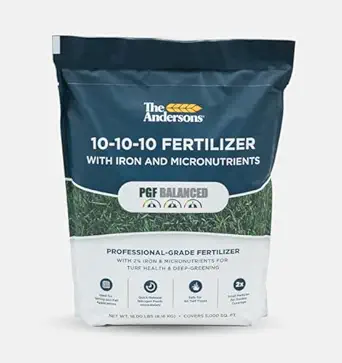 |
| Best Value The sweet spot between price and what you get | Milorganite 6-4-0 Slow-Release Fertilizer, 32 lb (with Feeding Tips Brochure) |  |
| Best Budget The cheapest option that still gets the job done reliably | Medina Growin Green Organic Granular Fertilizer (5 lb, 3-2-3) |  |
| Highest Rated A top-rated pick with lots of positive feedback | AgChimp 24-0-11 Professional Lawn Maintenance Fertilizer, 16 lb |  |
| Most Popular A crowd favorite that many people choose with confidence | Scotts Green Max Lawn Food (16.67 lb) |  |
| Best Seller A high-volume bestseller chosen again and again | Scotts Turf Builder WinterGuard Fall Lawn Food, 10 lb. |  |
Lawn Synergy Emerald 10-0-20 Lawn Fertilizer, 25 lb

| Item Form | Granules |
|---|---|
| Specific Uses For Product | Tall Fescue, Zoysia, St. Augustine, Centipede Lawns |
| Coverage | 5,000-7,000 sqft. |
| Mixing Ratio | 10:0:20 |
Lawn Synergy Emerald 10-0-20 is a granular, slow-release fertilizer designed to improve turf strength and color by combining controlled-release nitrogen with a high potassium ratio and micronutrients. You apply it with a broadcast or rotary spreader at the recommended rate and water in to activate the granules; a single bag covers roughly 5,000 to 7,000 square feet depending on rate. Notable features include an XCU polymer-coated urea for gradual feeding up to about 8 to 10 weeks, a potassium-heavy 10-0-20 NPK mix for stress tolerance, and added iron and trace elements to promote dark green color without excessive top growth. For centipede lawns used in this guide, the label suggests alternating applications with a 0-0-4 product and following the specified seasonal timing to avoid overfeeding. The product gives reliable, steady results for lawn managers who want durable, stress-resistant turf, though it requires correct spreader settings and periodic reapplication rather than delivering instant green-up.
Best for: Homeowners or lawn stewards focused on building resilient, low-maintenance turf who prioritize steady nutrition and stress resistance over fast green-up.
Less Ideal for: People who need instant, rapid greening for events or who prefer liquid feeds and quick-release products that act immediately.
- High potassium (10-0-20) supports drought and stress tolerance for stronger turf
- XCU slow-release nitrogen provides steady feeding for up to 8–10 weeks to reduce surge growth
- Includes iron and micronutrients to deepen turf color without excessive top growth
- Bag includes spreader settings and covers 5,000–7,000 sq ft for straightforward application
- Not a starter fertilizer so it should be alternated with low-N or potassium-free products for certain schedules
- Requires accurate spreader calibration and watering to activate the coated granules
Verdict: If you want a potassium-rich, slow-release fertilizer to strengthen centipede turf and improve stress tolerance with steady color, this product is a practical choice.
The Andersons PGF Balanced 10-10-10 Granular Fertilizer with Micronutrients and 2% Iron (18 lb, 5,000 sq ft)

| Item Form | Granules |
|---|---|
| Application Method | spreader |
| Coverage | 5000 square feet |
| Mixing Ratio | 10-10-10 |
| Target Species | Lawns and Gardens |
The Andersons PGF Balanced 10-10-10 is a fine-particle granular fertilizer designed for broad, even coverage across lawns and garden beds. It is typically applied with a broadcast spreader and then watered in to activate the quick-release nutrients. The unusually small particle size means a single 18 lb bag claims coverage up to 5,000 sq ft and helps reduce patchy feeding compared with coarse granules. The formula is balanced for nitrogen, phosphorus and potassium and includes micronutrients plus 2% iron for enhanced greening. It works well for spring and fall applications, for establishing new turf or boosting established lawns, and can be worked into soil for vegetable or flower beds. Users should sweep or blow product off paved surfaces to avoid iron staining and store any leftover in a dry area. Because the fertilizer is quick-release, expect faster visible response but shorter duration between applications than slow-release products.
Best for: Homeowners who prioritize consistent, dependable feeding and want a straightforward granular option that gives quick visible results across lawns and planting beds.
Less Ideal for: Gardeners seeking a long-duration, slow-release feeding program or those who need a no-iron product to avoid any risk of surface staining.
- Very fine particle size for more even coverage and less patchy feeding
- Balanced 10-10-10 formula with added micronutrients and 2% iron for deeper greening
- Suitable for lawns, gardens, trees and shrubs and can be applied at planting or during the season
- Covers up to 5,000 sq ft from a single 18 lb bag when applied as directed
- Quick-release nutrients mean results appear sooner but may require more frequent reapplication versus slow-release formulas
- Contains iron that can stain sidewalks and driveways if not cleaned off immediately
Verdict: Choose this fine-particle 10-10-10 if you want a reliable, fast-acting granular fertilizer that delivers even coverage and deeper greening for summer lawn care.
Milorganite 6-4-0 Slow-Release Fertilizer, 32 lb (with Feeding Tips Brochure)

| Item Form | Pelletized |
|---|---|
| Application Method | Broadcast, Rotary or Manual |
| Coverage | 2,500 Square Feet |
| Specific Uses For Product | Lawns, Flowers and Gardens, Education |
Milorganite 6-4-0 is an organic, pelletized slow-release fertilizer intended for routine lawn and garden feeding. It is typically broadcast with a rotary or manual spreader and provides nitrogen slowly over 8 to 10 weeks, which reduces the need for frequent applications and lowers burn risk. The product contains organically complex iron for greening without the strong staining associated with iron salts and is low in soluble salts, so it performs well in warm or drier conditions. The 32 lb bag covers roughly 2,500 square feet and comes with a printed feeding and spreader tips brochure to simplify seasonal timing and application rates. Because it is made from heat-dried microbes, it also adds organic matter to improve soil structure in heavy clay or sandy soils. Limitations are that nutrient release is gradual so it is not suited to quick color fixes or rapid turf recovery, and users seeking tightly controlled N-P-K ratios or fast-acting synthetic performance may prefer a different product.
Best for: Buyers who want a low-maintenance, environmentally minded fertilizer that steadily feeds established lawns and mixed garden beds with minimal risk of burn and fewer repeat applications.
Less Ideal for: If you need rapid turf recovery, immediate color correction, or precise synthetic nutrient control for athletic fields or newly sodded lawns, choose a fast-release or specialty fertilizer instead.
- Slow-release nitrogen feeds lawns and plants for 8–10 weeks, reducing application frequency
- Low-salt formulation minimizes fertilizer burn and streaking in hot or dry conditions
- Organically complex iron promotes deep greening without heavy staining of concrete
- Pelletized form works with broadcast, rotary, or manual spreaders for easy application
- Adds organic matter that can improve drainage and soil structure in clay or sandy soils
- Not fast-acting, so it will not deliver an immediate green-up after application
- Contains biosolids which some buyers may prefer to avoid for personal or local reasons
Verdict: Pick this if you want a reliable, low-salt slow-release fertilizer that feeds lawns and gardens for weeks with minimal maintenance.
Medina Growin Green Organic Granular Fertilizer (5 lb, 3-2-3)

| Item Form | Granules |
|---|---|
| Mixing Ratio | 3:2:3 |
| Unit Count | 80 Ounce |
| Coverage | 40 |
Medina Growin Green is an organic granular fertilizer formulated to feed lawns and a wide range of garden plants with a balanced 3-2-3 N-P-K mix. It is typically applied by broadcasting over turf or mixing into topsoil for beds and containers, then watered in; the 5 lb bag covers roughly 375 sq. ft. and the manufacturer provides specific rates for lawns, trees, roses, vegetables, and potted plants. The product’s organic ingredients and slow-release granules support soil microbial activity and reduce the need for synthetic inputs, which is helpful for gardeners wanting a gentler, long‑term soil improvement. Practical benefits include clear dosing guidance for different plant types and the OMRI listing for organic use. Important limitations are the modest bag size for larger lawns and the inclusion of phosphorus, which is restricted in some localities and may require checking local rules before use. The granules have a natural earthy odor that fades as they break down, and regular reapplication every two months is recommended during the growing season.
Best for: Gardeners who want an organic, easy-to-apply fertilizer for small to medium lawns, vegetable beds, and container plants while keeping costs and synthetic inputs low.
Less Ideal for: Owners with large acres of turf who need bulk fertilizer or homebuyers in jurisdictions that restrict phosphorus application should consider higher‑volume or phosphorus-free alternatives.
- OMRI-listed organic formula that supports soil microbes
- Balanced 3-2-3 slow-release N-P-K suitable for lawns and edibles
- Clear application rates for lawns, vegetables, roses, trees, and containers
- Granular form allows even broadcasting or mixing into potting mix
- 5 lb bag covers a relatively small area for lawn use so larger lawns need multiple bags
- Contains phosphorus which may be restricted in some regions
Verdict: A dependable OMRI-listed granular fertilizer that delivers balanced, slow-release nutrition for small to medium lawns and mixed garden plantings.
AgChimp 24-0-11 Professional Lawn Maintenance Fertilizer, 16 lb

| N-P-K | 24-0-11 |
|---|---|
| Unit Count | 256 Ounce |
| Application Method | broadcast spreader |
| Item Form | Granules |
| Coverage | Covers 5,000 sq ft |
AgChimp 24-0-11 is a granular lawn fertilizer formulated to deliver both immediate green-up and longer-term feeding for thicker turf. You apply it with a broadcast spreader during active growth periods to cover up to 5,000 sq ft per 16 lb bag. The blend pairs about 24% quick-release nitrogen for fast color and shoot growth with roughly 30% slow-release, polymer-coated nitrogen for steady feeding that reduces spikes and burn risk. Potassium and iron in the formula help with stress tolerance and deeper color, which supports a denser, more resilient lawn over repeated applications. Practical benefits include fewer applications needed compared with straight quick-release products and lower chance of fertilizer burn when used as directed. Limitations are that it is a general maintenance fertilizer rather than a starter or corrective product for severe nutrient imbalances, and results depend on following label rates and proper spreader calibration for even coverage.
Best for: Homeowners who prioritize consistent, reliable lawn maintenance and want a single product that gives immediate color plus controlled long-term feeding to thicken turf over time.
Less Ideal for: Gardeners establishing new seed or sod, or those needing a fertilizer targeted at correcting specific soil nutrient deficiencies should choose a specialized starter or corrective product instead.
- Dual-phase nitrogen (quick + polymer-coated slow release) for fast green-up and sustained feeding
- Includes potassium and iron to improve stress tolerance and deeper greening
- Designed for broadcast spreader application for even coverage up to 5,000 sq ft per bag
- Polymer-coated nitrogen reduces risk of burn and delivers predictable, extended feeding
- Not formulated as a starter fertilizer for new seed or to correct specific nutrient deficiencies
Verdict: Choose this if you want a dependable maintenance fertilizer that gives quick green-up and steady, low-risk feeding to thicken and improve lawn color.
Scotts Green Max Lawn Food (16.67 lb)

| Item Form | Granules |
|---|---|
| Coverage | 5000 square feet |
| Specific Uses For Product | Lawn |
| Target Species | lawn grass |
Scotts Green Max Lawn Food is a granular, all-purpose lawn fertilizer formulated to deliver fast greening with a 2-in-1 feed plus 5% iron supplement. It is applied with a broadcast or drop spreader to any grass type and is recommended for routine spring, summer, or fall applications. Notable features include a guaranteed nonstaining formula when used as directed and settings provided for Scotts spreaders to help get an even application across the advertised 5,000 sq ft coverage. The iron content speeds visible greening in as little as three days and the granules are ready to water in for faster uptake. For a risk-averse homeowner growing fescue in spring, the product is straightforward to use and safe to re-enter the lawn immediately after application. Limitations are that proper spreader settings and sweeping up excess product are important to avoid runoff and that it is a general lawn food rather than a specialized product for nutrient-deficient soils, so a soil test is still useful for targeted corrections.
Best for: Homeowners who want a low-risk, easy-to-apply lawn food that produces quick green results on fescue lawns in spring and prefer established brand guidance for application.
Less Ideal for: Gardeners seeking a product to correct a specific nutrient imbalance or those who prefer liquid or organic-only fertilizing approaches.
- Includes 5% iron for faster, deeper greening visible in about three days
- Premeasured granular form covers up to 5,000 sq ft from one bag
- Manufacturer provides spreader settings to simplify even application
- Formulated not to stain concrete or driveways when used as directed
- Not a tailored corrective fertilizer for specific soil deficiencies
- Requires correct spreader settings and cleanup to prevent runoff
Verdict: A simple, fast-acting granular lawn food with added iron that reliably greens fescue lawns when applied with a spreader.
Scotts Turf Builder WinterGuard Fall Lawn Food, 10 lb.

| Item Form | Granules |
|---|---|
| Specific Uses For Product | Lawn Fertilizer |
| Application Method | spread |
| Coverage | 4000 |
| Target Species | lawn grasses |
Scotts Turf Builder WinterGuard is a granular fall lawn food designed to build strong, deep roots and help turf recover from summer heat, drought, and regular wear. It is applied with a broadcast or drop spreader over a lawn in autumn and can be used on any grass type. The bag covers about 4,000 sq. ft., and the package directions include recommended spreader settings and note that watering-in is optional for fast results. In practice this product provides a straightforward, DIY-friendly way to add nutrients before winter; the granules are easy to spread and work with standard spreaders. Notable features are its all-grass compatibility and clear application guidance. Limitations are that it is a single-season bag sized for small to medium yards and it does not include weed or insect control functions found in some other Scotts formulas, so you may need additional products if those issues are a concern. For homeowners wanting a simple autumn boost to root strength, this is an effective, no-frills option.
Best for: Homeowners who want a simple, reliable fall fertilizer to strengthen roots and help lawns recover from summer stress without complicated application steps.
Less Ideal for: People managing large lawns who need wide-coverage bulk fertilizer or those who want combined weed or insect control in the same product.
- Formulated specifically for fall to build deep, winter-ready roots
- Works on all grass types so it fits mixed lawns
- Clear application instructions and spreader settings for easy DIY use
- Covers 4,000 sq. ft. from a single 10 lb. bag for small to medium yards
- No built-in weed or insect control so additional products may be needed
- Single 10 lb. bag may be small for larger properties
Verdict: Choose this bag if you want an easy-to-apply fall fertilizer that strengthens roots and helps your lawn recover before winter.
Choosing the Right Emerald Zoysia Fertilizer: Key Factors to Consider
Nitrogen Source and Release Type
Emerald Zoysia responds to nitrogen differently depending on temperature and growth stage. A quick-release nitrogen gives a fast color boost but can also spike growth, requiring more frequent mowing and higher water use. A controlled-release nitrogen supplies steady nutrition over weeks, reducing mowing frequency and lowering flush growth that can stress turf.
Think about your seasonal feeding plan. During active summer growth, a blend of immediate and slow-release nitrogen often provides both greening and sustained health. For late-season applications, favor lower quick-release proportions to avoid late growth that could be damaged by cooler temperatures.
N-P-K Ratio and Micronutrient Content
The primary N-P-K numbers tell you what the fertilizer emphasizes. Emerald Zoysia typically benefits from higher nitrogen relative to phosphorus and potassium when soil tests show adequate P and K. However, micronutrients like iron and magnesium are important to maintain the characteristic dark green color without excessive leaf production.
If your soil is deficient in phosphorus or potassium, choose a formula that corrects the specific shortage based on a soil test. Otherwise, lean toward a balanced feed or a nitrogen-focused product that includes chelated iron for color enhancement.
Application Method and Timing
Different fertilizers are designed for broadcast spreaders, drop spreaders, or hand application. Uniform distribution is critical on Emerald Zoysia to avoid patchy color or growth. Granular products require calibration of your spreader; liquid options provide faster uptake but may need more frequent applications.
Timing matters: apply during active growth windows in spring and summer, and avoid high-nitrogen feeds late in the growing season. Follow label guidance for irrigation after application to move nutrients into the root zone while minimizing runoff.
Soil Compatibility and pH Considerations
Emerald Zoysia performs best in slightly acidic to neutral soils. Soil pH affects nutrient availability, particularly iron and manganese, which influence turf color. If pH is outside the optimal range, some nutrients in a fertilizer may not be accessible to the grass.
A soil test helps determine whether you need pH amendments or a fertilizer formulated to include micronutrients in more available forms. Consider products that pair well with common soil amendments used in your region.
Stress Tolerance and Wear Recovery
Home lawns face traffic from kids, pets, and maintenance. Fertilizers that support root strength and tillering help Emerald Zoysia recover from wear. Look for nutrient mixes that encourage dense growth habit without creating overly soft turf that is prone to trampling.
Balanced feeding combined with correct mowing height and adequate irrigation produces a turf better able to tolerate stress. Products that provide steady nutrition typically improve recovery rates compared with feeds that produce a short burst of growth followed by nutrient dips.
Environmental Impact and Runoff Risk
Fertilizer choice affects runoff potential and environmental safety. Slow-release formulations reduce the chance of nutrient wash-off after heavy rain, and labeling often indicates best practices to minimize environmental impact. Applying fertilizers at recommended rates and avoiding application before heavy storms reduces runoff risk.
Consider local regulations or guidelines around fertilizer timing and phosphorus use. Choosing a product with a lower soluble nutrient fraction can be a responsible option for homeowners near water bodies or with compacted soils.
When to Feed Emerald Zoysia
Emerald Zoysia is a warm-season grass that responds to feeding during active growth. Plan primary applications in late spring once soil temperatures consistently reach the active range, and continue with maintenance feeds through summer. Avoid high-nitrogen applications in early fall when the turf begins shifting toward dormancy.
Weather and mowing schedule should guide timing. Apply during a period without heatwaves or heavy rain, and time irrigation so nutrients move into the root zone without creating surface runoff.
- Spring green-up application when growth resumes
- Light maintenance feeds every 6 to 10 weeks for long-release formulas
- Avoid late fall high-nitrogen applications
Calibrating Your Spreader for Even Coverage
Proper spreader calibration prevents streaking and uneven growth. Check the fertilizer bag for recommended spreader settings and do a test pass over a small area to confirm coverage. Walk at a consistent pace and overlap passes slightly to ensure even distribution.
For small yards, handheld or rotary spreaders are often sufficient. Larger lawns benefit from wider-profile push spreaders. Liquid applications require different calibration-measure output per area and apply in even swaths.
- Follow bag settings but test in a controlled area
- Keep walking speed and overlap consistent
- Clean spreader after use to avoid corrosion or cross-contamination
Interpreting a Soil Test Before Fertilizing
A soil test gives a map of nutrient availability and pH so you can target fertilizer selection. Tests typically recommend specific amounts of N, P, and K and flag micronutrient deficiencies. Use that information to choose a formula that corrects deficits rather than applying a generic feed.
Testing every two to three years is sufficient for most home lawns. Amendments like lime or sulfur to adjust pH should be done based on test results, because pH changes alter how turf uses supplied nutrients.
- Test every 2-3 years or if turf shows persistent discoloration
- Match fertilizer to actual soil needs rather than defaulting to high-N mixes
- Address pH issues before expecting micronutrient fixes to work
Safe Practices Around Plants and Water Features
Keep granular and liquid fertilizers away from ornamental beds and water features to prevent plant damage or contamination. Use barriers or hand-apply near sensitive areas to control placement. Prompt irrigation after application helps move nutrients into the turf root zone and reduces surface residue that could harm nearby plantings.
Follow local disposal rules for unused fertilizer and clean equipment carefully to avoid accidental spreading in garden beds.
- Use careful hand application near beds and ponds
- Irrigate lightly after application unless product instructions advise otherwise
- Store fertilizers dry and sealed away from children and pets
Adjusting Feeding for High-Use Lawns
Lawns subject to heavy foot traffic benefit from steady, moderate feeding rather than infrequent high-nitrogen spikes. Controlled-release formulations help maintain root health and the dense growth pattern Emerald Zoysia is valued for, supporting recovery between wear events.
Combine a consistent feeding regimen with cultural practices like correct mowing height and aeration to reduce compaction and improve recovery.
- Prefer slow-release nutrition for sustained recovery
- Aerate compacted areas before heavy-use seasons
- Expect more frequent touch-ups on intensely used patches
How We Chose the Best Emerald Zoysia Fertilizer
We focused on attributes that affect Emerald Zoysia performance in real lawns. Primary evaluation criteria included nitrogen source and release profile, because Emerald Zoysia responds differently to quick-release versus slow-release nitrogen depending on the season and traffic. We checked N-P-K balance and secondary nutrients to ensure products provided iron, magnesium, or other microelements that help maintain deep green color without overstimulating lush growth that invites disease. Application method and spreader compatibility were assessed so the fertilizer can be applied evenly by common handheld or push spreaders. We considered how easy products are to apply safely around landscape beds and irrigation equipment. Longevity of effect was reviewed based on stated release technology and typical feeding intervals for warm-season grasses. Tolerance for high-traffic lawns, disease risk management, and compatibility with common lawn care practices (mowing height, irrigation, and dethatching) were additional filters. We excluded products lacking clear nutrient analysis or manufacturer guidance for warm-season turf, and any mixes intended only for cool-season grasses. The final list balances color enhancement, durability, and practical application for Emerald Zoysia homeowners.
FAQ
How often should I fertilize Emerald Zoysia?
It depends on the product. Controlled-release granular fertilizers are commonly applied every 6 to 10 weeks during active growth, while quick-release or liquid feeds may be applied more frequently. Base timing on product directions and your lawn's response.
Can I use a general lawn fertilizer on Emerald Zoysia?
Often you can, but the best results come from a formula suited to warm-season grasses and your soil test results. General fertilizers may lack the micronutrients or release profile that Emerald Zoysia needs for optimal color and wear tolerance.
Will too much nitrogen harm my Emerald Zoysia?
Yes. Excessive nitrogen can create soft, fast-growing turf that is prone to disease and requires more water and mowing. Follow recommended rates and avoid late-season high-nitrogen applications to reduce stress risk.
When is the best time to apply iron supplements?
Iron supplements are most effective during active growth for correcting color issues. Use them when soil pH and overall nutrition are adequate, since iron availability declines in high-pH soils. Apply according to label instructions to avoid leaf burn.
How does irrigation affect fertilizer uptake?
Irrigation moves nutrients into the root zone and reduces surface burn risk. Light watering after application is usually recommended unless the product specifies otherwise. Avoid heavy watering immediately after application to limit runoff.
Should I change feeding after aeration or overseeding?
After aeration, a light, balanced feed helps recovery by supplying nutrients to regenerating roots. Wait to apply most fertilizers until new seedlings from overseeding are established, and follow specific product guidance for seeded lawns.
Final Verdict
Choose a fertilizer for Emerald Zoysia based on your soil test, traffic levels, and how much maintenance you want to commit to. Prioritize a suitable nitrogen release profile and micronutrient content to sustain the dense, dark-green habit Emerald Zoysia is prized for. For high-use lawns, favor steady-release options that support recovery; for fast color correction, add a measured quick-release boost early in the season. Balance application frequency, spreader calibration, and irrigation to get even coverage and avoid stress. With the right combination of product and cultural practices, you can maintain a resilient, attractive Emerald Zoysia lawn without unnecessary inputs.
