

Note: This article contains affiliate links. If you click on these links and make a purchase, I may earn a small commission at no extra cost to you. This helps support my research and content. Read my full affiliate disclosure here.
Choosing the right planter flowers for full sun matters because containers heat up faster and soil dries out more quickly than in beds. When you pick varieties suited to bright, hot exposure you get longer bloom times, fewer transplant losses, and plants that need less daily fuss. This guide focuses on top-performing planter flowers for full sun, shortlisted for their heat tolerance, water needs, and ability to thrive in confined soil. Below you will find compact profiles of six strong options, plus clear buying factors and practical care tips that explain why each choice works in containers. Use the evaluation criteria to match a selection to your patio conditions and maintenance style.
Top Picks at a Glance
| Best Overall The best all-around choice for most situations | SunHaven Seeds Drought-Tolerant Wildflower Mix, 1 oz |  |
| Best Value The sweet spot between price and what you get | SPROUTARAQ Morning Glory Seeds (Dark Red/Dark Purple) |  |
| Best Budget The cheapest option that still gets the job done reliably | BuggyBeds Double Dwarf Petunia Seeds (300+), Mixed Colors |  |
| Highest Rated A top-rated pick with lots of positive feedback | BuggyBeds Cosmos Flower Seeds, 1000 Count (Long Bloom Season) |  |
| Most Popular A crowd favorite that many people choose with confidence | SWEET YARDS Drought Tolerant Wildflower Mix — 1 oz (7,500+ Seeds) |  |
| Best Seller A high-volume bestseller chosen again and again | KVITER Mix Moss Rose (Portulaca grandiflora) Heirloom Flower Seeds — Double Moss Rose Mix |  |
SunHaven Seeds Drought-Tolerant Wildflower Mix, 1 oz

| Indoor Outdoor Usage | Outdoor |
|---|---|
| Other Special Features of the Product | Drought Tolerant |
| Expected Blooming Period | Spring to Fall |
| Sunlight Exposure | Full Sun |
| Moisture Needs | Low |
This SunHaven mix is designed for sunny, water-wise planting where low maintenance and long bloom periods are important. The packet contains a blend of proven heat- and drought-tolerant species such as coreopsis, coneflower, California poppy, and Indian blanket that establish in well-draining soil and then require minimal watering. It is typically broadcast-sown across beds, slopes, or planters with good drainage and full sun exposure; the resealable 1 oz pouch covers roughly 100 square feet for straightforward planning. Practical benefits include continuous color from spring through fall, strong attractiveness to bees and butterflies, and suitability for xeriscaping or difficult, dry sites. Limitations are that germination and density depend on good seed-soil contact and site preparation, some species are annuals so not all plants will return each year, and a single ounce may be less convenient for small container plantings where exact spacing is desired. Expect lower water needs once plants establish but plan for initial watering and weed control during establishment.
Best for: Buyers who want a low-maintenance, water-wise planting that delivers long seasonal color in full-sun beds, slopes, or large planters and who value pollinator-friendly plantings.
Less Ideal for: Gardeners seeking precise single-species plantings or exact spacing for small decorative containers should consider individual seeds or plugs instead.
- Formulated for low-water, full-sun conditions so it performs well in hot, dry sites
- Contains a mix of proven wildflower species that extend bloom from spring through fall
- Non-GMO seed in a resealable 1 oz pouch that covers about 100 sq ft for easy planning
- Attracts pollinators, increasing biodiversity in sunny beds and meadows
- Contains both annuals and perennials so the floral composition will change year-to-year
- Requires good seedbed preparation and initial watering for reliable germination
Verdict: Choose this mix if you want an easy, pollinator-friendly wildflower solution that reliably provides multicolored blooms in full sun with minimal ongoing watering.
SPROUTARAQ Morning Glory Seeds (Dark Red/Dark Purple)

| Indoor Outdoor Usage | Outdoor |
|---|---|
| Expected Blooming Period | Summer to Fall |
| Sunlight Exposure | Full Sun |
| Expected Planting Period | Spring |
| Moisture Needs | Regular Watering |
These morning glory seeds grow vigorous climbing annuals that suit a whiskey barrel planter where you want fast vertical coverage and bold summer to fall blooms. Sow in spring in a sunny spot and provide a trellis or stake; the plants reach up to about 6–10 feet and quickly fill vertical space while flowering through warm months. The listing highlights full sun preference, regular watering, and sandy, well draining soil which matches typical morning glory needs, and the pack contains multiple seeds for repeated sowing or filling several barrels. Because they are annuals, expect a season of heavy flowering rather than permanent structure, and you will need to manage self-seeding and thinning if you prefer tidier growth. These seeds are presented in a small-count packet, so you may need multiple packets to densely cover larger planters or multiple barrels. For gardeners seeking an inexpensive, fast, flowering climber for container displays, these deliver strong visual impact with straightforward care.
Best for: Buyers who want an inexpensive, fast-blooming climber to quickly add vertical color to a whiskey barrel planter and who prefer easy, low-effort annuals.
Less Ideal for: Gardeners seeking permanent perennial structure or exact control over self-seeding and spread should choose more long-lived or clump-forming plants instead.
- Fast-growing climber ideal for vertical coverage in containers
- Produces abundant summer to fall flowers for strong seasonal impact
- Suitable for full sun locations common for barrel planters
- Annual habit means plants need replanting each year
- Packet unit count is small so multiple packets may be required for larger displays
Verdict: An affordable, fast-growing annual vine that quickly provides bold seasonal color and vertical coverage for whiskey barrel planters.
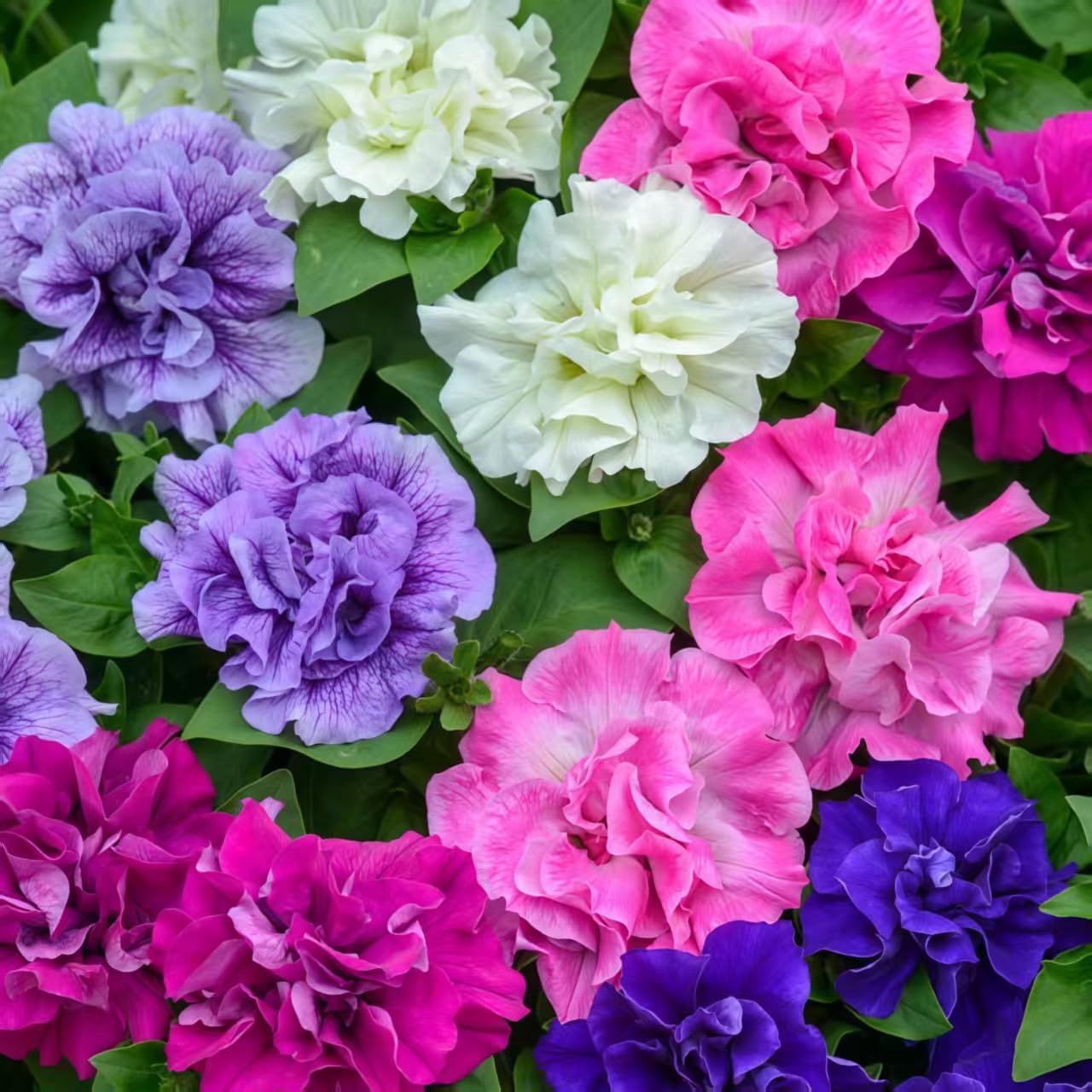
BuggyBeds Double Dwarf Petunia Seeds (300+), Mixed Colors
| Indoor Outdoor Usage | Indoor, Outdoor |
|---|---|
| Expected Blooming Period | Summer |
| Sunlight Exposure | Full Sun |
| Moisture Needs | Moderate Watering |
These BuggyBeds double dwarf petunia seeds produce a profusion of compact, colorful blooms well suited to hanging baskets, window boxes, and small container gardens in full sun. They are typically sown indoors or directly in containers, then transplanted or thinned so each plant has room to spill and fill a basket. The mix includes reds, pinks, purples, and whites and is described as heat and sun tolerant, which helps maintain steady flowering through spring and summer with moderate watering and routine feeding. The plants have a compact habit that keeps baskets full without overwhelming small spaces, and their flowers attract pollinators so they add both color and garden life. Limitations are that germination and color distribution can vary seed to seed and that these are a seasonal annual choice that needs replanting each year; performance also depends on good drainage and regular deadheading or trimming for the longest bloom period.
Best for: Gardeners who want an easy, colorful hanging-basket solution for full-sun locations and prefer starting many plants from seed to fill multiple containers affordably.
Less Ideal for: People seeking instant, uniform mature plants or a no-maintenance perennial solution should consider nursery-grown transplants or perennial alternatives instead.
- Large seed count (300+), enough to populate multiple hangers or containers
- Compact double-dwarf habit ideal for filling hanging baskets and small planters
- Heat and full-sun tolerance supports reliable summer flowering in sunny spots
- Attracts pollinators such as bees and butterflies
- Seed-grown variability means colors and bloom timing are not uniform
- As annuals, plants must be replanted each year to maintain displays
Verdict: A high-count packet of compact, sun- and heat-tolerant petunia seeds that fills hanging baskets with continuous summer color when started and cared for properly.
BuggyBeds Cosmos Flower Seeds, 1000 Count (Long Bloom Season)

| Indoor Outdoor Usage | Outdoor |
|---|---|
| Other Special Features of the Product | Non-GMO |
| Unit Count | 1000 Count |
| Style Name | Long Bloom Season |
These BuggyBeds cosmos seeds provide 1000 non-GMO seeds intended for easy, low-maintenance planting in full sun containers or beds. Cosmos are annuals known for producing abundant, daisy-like flowers from summer into fall, and this packet is aimed at repeat or wide coverage plantings and succession sowing. The seeds are sold in a high-count, long-bloom-season style which makes them useful for filling multiple containers or creating continuous color without frequent replanting. Practical benefits include strong attractiveness to pollinators, simple sow-and-go culture, and versatility for cutting flower use or informal meadows. Limitations are inherent to cosmos as annuals: plants will not overwinter and may need thinning or staking in windy exposed container locations; bloom timing still depends on planting date and local climate. For container growers wanting reliable summer-through-fall color with minimal fuss, these seeds deliver a cost-effective supply to plan out several plantings or larger displays.
Best for: Gardeners who prioritize dependable, low-effort summer and fall color in full-sun containers and prefer buying seed in bulk to plan multiple plantings or larger displays.
Less Ideal for: People wanting winter‑persistent or perennial container plants or those who prefer single large specimen plants rather than masses of annual blooms.
- Very large 1000-count supply suitable for multiple containers or successive sowings
- Non-GMO seed stock for straightforward sow-and-grow culture
- Described long-bloom selection extends flowering from summer into fall
- Attractive to pollinators which helps container displays feel lively and productive
- As annuals, cosmos do not persist past the season and require replanting next year
- Plants can become leggy or flop in windy or exposed container sites without support
Verdict: A reliable, high-count pack of non-GMO cosmos seed for steady, low-maintenance full-sun container color across the season.
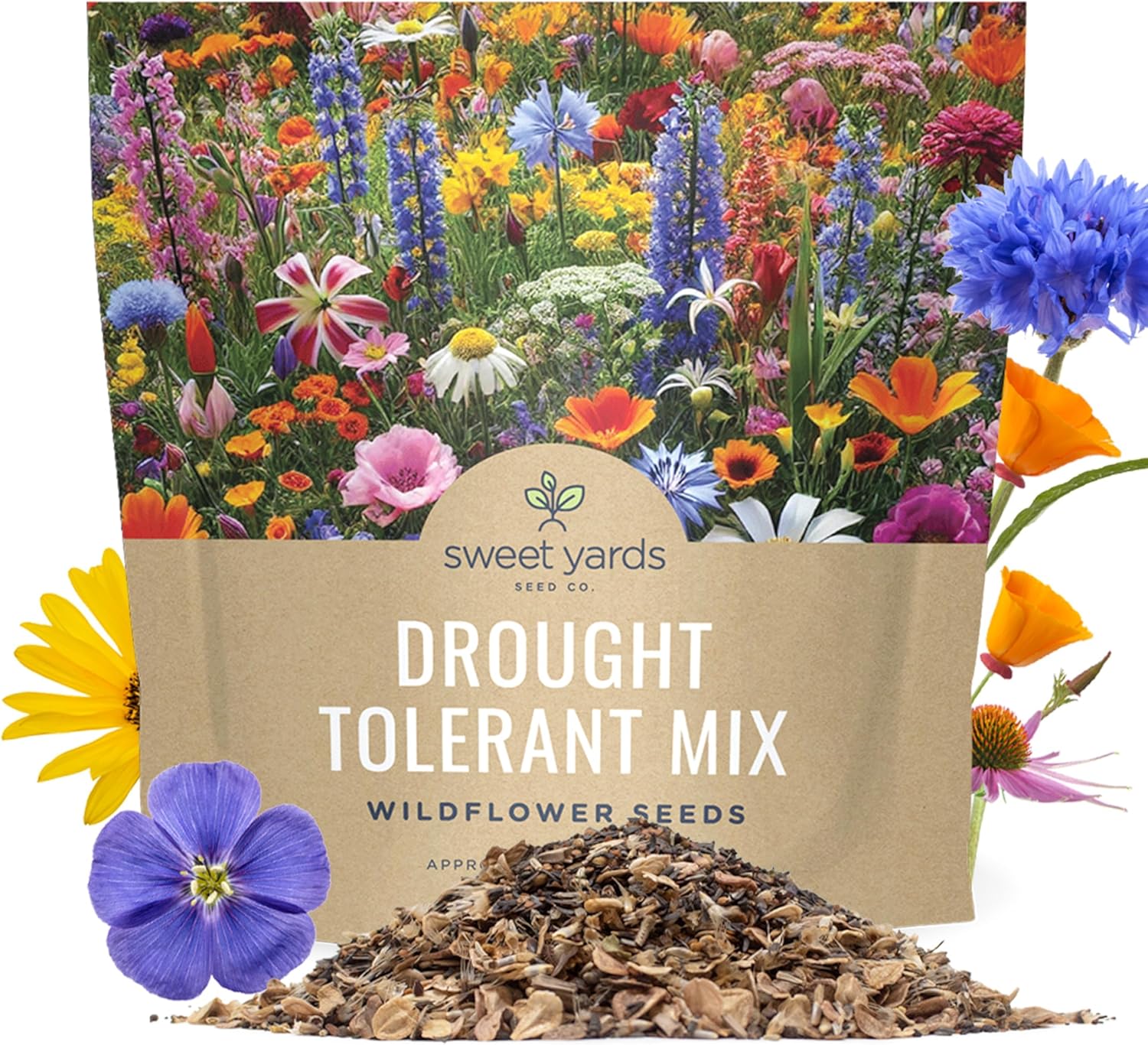
SWEET YARDS Drought Tolerant Wildflower Mix — 1 oz (7,500+ Seeds)
| Unit Count | 1 Ounce |
|---|---|
| Number of Pieces | 7500 |
| Sunlight Exposure | Full Sun |
| Moisture Needs | Moderate Watering |
| Expected Blooming Period | Spring to Fall |
This drought-tolerant wildflower mix is a performance-focused seed blend intended to establish a low-maintenance, pollinator-friendly display in sunny spots. The packet contains over 7,500 open-pollinated seeds across 21 dryland species, combining annuals and perennials so you get an early flush of color and plants that return in subsequent seasons. It is packaged in resealable premium packaging with planting instructions, which helps preserve seed viability between seasons. Recommended for full-sun sites and adaptable to most soils, the mix is formulated for moderate watering and is especially suited to areas where water is limited. In a raised bed the variety of bloom times and heights creates layered interest without intensive care, but expect some variability in germination and bloom density because mixes include both robust and slower-establishing species. If you want a fast, uniform carpet of a single flower type this is not that product, but for a resilient, pollinator-attracting meadow effect in a sunny raised bed it delivers strong, lasting value.
Best for: Gardeners who prioritize resilient, low-water flowerings and want an easy-to-establish pollinator mix for sunny raised beds that performs across seasons.
Less Ideal for: People who need a uniform carpet of a single flower species, exact color schemes, or rapid, perfectly even coverage in a small ornamental bed.
- Large seed count (over 7,500 seeds) suitable to cover about 100 sq. ft.
- Mix of 21 drought-tolerant species offering staggered bloom times and pollinator value
- Open-pollinated non-GMO seeds with premium resealable packaging and planting instructions
- Adaptable to most soils and formulated for full sun with moderate watering needs
- Mix composition leads to uneven germination and variable bloom density across the bed
- Not optimized for a uniform single-species display or precise color control
Verdict: Use this mix when you want a drought-tolerant, pollinator-friendly wildflower display that fills a sunny raised bed with seasonal color and minimal fuss.
KVITER Mix Moss Rose (Portulaca grandiflora) Heirloom Flower Seeds — Double Moss Rose Mix

| Indoor Outdoor Usage | Outdoor |
|---|---|
| Other Special Features of the Product | Drought Tolerant, Growing Guide Included, High Germination Rate, Made in the USA |
| Expected Blooming Period | Late Spring to Fall |
| Sunlight Exposure | Full Sun |
| USDA Hardiness Zone | 2-12 |
KVITER Mix Moss Rose seeds provide a straightforward way to establish a low, flowering ground cover that blooms from late spring through fall. The packet contains heirloom, non-GMO seeds of Portulaca grandiflora selected for double, ruffled blooms in pinks, reds, yellows and oranges; the included growing guide and high germination rate make direct sowing into warm, well-drained soil simple. These plants thrive in full sun and minimal water, so they are ideal for hot, dry spots, rocky borders, edging and shallow containers where you want continuous pink and mixed-color flowers without much care. Expect compact succulent foliage that spreads to form a colorful mat and attracts pollinators. Limitations are that moss rose prefers sandy or loamy, very well-drained soils and will not do well in shade or waterlogged conditions, and the low height means it is decorative rather than structural. Seed mix variability means color distribution is not uniform, so the result is a blended, natural look rather than a single solid block of pink.
Best for: Gardeners who want an easy, low-maintenance flowering ground cover for sunny, dry areas and who prioritize continuous seasonal color with minimal watering.
Less Ideal for: People seeking tall or structural plants, dense single-color lawns of pink flowers, or gardeners with shady, poorly drained sites should look elsewhere.
- Heirloom non-GMO seeds with high stated germination for reliable sprouting
- Drought tolerant and thrives in full sun, suited to hot, dry sites
- Large unit count suitable for covering substantial ground or many containers
- Includes step-by-step growing guide to simplify direct sowing for beginners
- Performs poorly in shade or wet soils so site selection is important
- Seed mix produces a varied color blend rather than uniform pink-only coverage
Verdict: A simple, low-water choice to create a long-blooming, low pink-and-mix ground cover in hot sunny spots.
Choosing the Right Planter Flowers for Full Sun: Key Factors to Consider
Heat and Drought Tolerance
Planters in full sun warm up quickly and lose moisture through soil and pot walls. Choose flowers with physiological tolerance to high daytime temperatures and the ability to withstand intermittent dry spells. Such plants often have adaptations like thicker leaves, deeper root systems, or a naturally compact form that reduces transpiration.
Heat-tolerant varieties reduce the need for hourly watering in summer and are less likely to suffer flower drop, leaf scorch, or root stress. When evaluating options, look for notes about sun exposure and drought rating rather than assuming full-sun claims mean equal resilience in containers.
Bloom Longevity and Seasonality
The goal with planter flowers is sustained visual impact. Some species produce large flushes of blooms for a few weeks while others rebloom steadily across months. Consider whether you want a short dramatic display or steady color throughout the season.
Long-blooming plants reduce the need for frequent replacement and keep containers attractive longer. Also factor in whether the plant requires deadheading or other tasks to maintain continuous flowering, since maintenance time affects what is practical for many gardeners.
Growth Habit and Mature Size
Container dimensions limit root space and affect how a plant develops. Choose flowers whose mature height and spread fit the planter depth and diameter. Upright varieties suit deep narrow pots, while trailing or mounded types are ideal for wide, shallow containers or hanging baskets.
Overly vigorous plants can become rootbound sooner and may need larger pots or frequent division. Predictable, compact habits simplify design and reduce the chance of shading companion plants in mixed arrangements.
Root Behavior and Container Adaptability
Some flowers form tight, fibrous rootballs that transplant well into pots while others have taproots or aggressively spreading roots that struggle in confined soil. Plants with roots that adapt to containers establish faster and remain healthier through heat stress.
Consider root depth and tolerance for restricted soil volume. Choose varieties known to perform in pots rather than assuming in-ground success translates directly to containers.
Watering and Feeding Requirements
Full-sun planters need more frequent watering than shaded containers, but individual species vary in water and nutrient demand. Select plants with watering schedules that match how often you can tend containers. Low-need plants will survive typical summer cycles, while higher-demand types need daily checks and regular fertilizing.
Fertilizer frequency affects bloom performance in many flowers, so factor in whether you prefer a set-and-forget approach or are willing to feed regularly for heavy flowering.
Resistance to Pests and Disease
High heat and close planting in containers can stress plants and invite pests or fungal issues. Prefer flowers that resist common container problems like sap-sucking insects, powdery mildew, or root rot when irrigation is managed properly.
Selecting robust varieties lowers the chance of losing a display midseason and reduces the need for chemical interventions, which is especially important for edible-adjacent containers or pollinator-friendly plantings.
Designing a Sunny Planter
Start by matching plant habits to container form. Place taller, upright flowers at the back or center, then add mounded varieties and finally trailing plants at the edges to create cascading color. This layered approach helps each plant get light and reduces shading in full-sun exposures.
Choose potting mix with good drainage and a light organic component to retain some moisture without staying soggy. Using a light top dressing of mulch or decorative gravel can slow evaporation and protect roots from extreme surface heat.
- Group plants with similar water needs to avoid over- or under-watering companions.
- Use light-colored pots to reflect heat if you have tree-free southern exposure.
- Consider adding a water-retentive gel or moisture crystals for very small pots.
Watering Strategies for Hot Containers
Watering frequency in full sun depends on pot size, substrate, and weather. Small pots can dry out within a day of a hot afternoon, while larger tubs have more buffer. Check moisture by finger or a probe rather than relying solely on a schedule.
Water deeply until water drains from the bottom to encourage roots to explore the whole rootball. In extreme heat, morning and late-afternoon checks help prevent stress but avoid wet foliage during the hottest part of the day to reduce foliar damage.
- Use self-watering insert systems for planters in very hot, windy spots.
- Top up with a liquid fertilizer on a mild schedule for heavy bloomers.
Plant Care That Extends Blooms
Light deadheading encourages repeat flowering in many container flowers. Remove spent blooms promptly to divert energy into more flowers rather than seed production. Trim back leggy growth to maintain shape and light penetration.
Feed with a balanced liquid fertilizer at recommended intervals for container plants. Containers deplete nutrients faster than in-ground beds, and adequate feeding maintains color and vigor throughout intense sun exposure.
- Pinch new shoots on some species early in the season to promote bushier growth.
- Monitor for signs of stress such as wilting or leaf scorch and adjust shading or watering accordingly.
Companion Plants and Pollinator Value
Combine flowers with overlapping bloom times and similar care needs to keep a planter attractive and ecologically supportive. Many sun-loving flowers also attract pollinators if they provide open, nectar-rich blooms.
Avoid pairing thirsty annuals with drought-tolerant species in the same pot. Instead, use separate containers or choose companions known to match your primary selection's water profile.
- Include a small herb or pollinator-friendly filler if you want both fragrance and function.
- Stagger planting times so pots always have a few plants coming into bloom.
Seasonal Rotation and Overwintering
Planter flowers for full sun often peak in summer. Consider seasonal rotation to keep containers looking fresh: swap out tired annuals for late-season perennials or fall-hardy choices as temperatures decline.
In climates with cold winters, lift tender container plants indoors or move pots to sheltered microclimates. For evergreen or hardy choices, protect rootballs with insulation or group pots to reduce freeze-thaw stress.
- Save seeds or cuttings from long-blooming plants for next season if practical.
- Store empty pots upside down in a shed to prevent water accumulation and cracking over winter.
How We Chose the Best Planter Flowers for Full Sun
We selected planter flowers for full sun using practical garden criteria that matter in real containers. Primary evaluation focused on heat and drought tolerance, since planters on sunny patios experience rapid soil warming and moisture loss. Bloom longevity and repeat flowering were weighted strongly because long-lasting color is the main reason gardeners choose flowering containers. Growth habit and size were considered so plants fit typical planter dimensions and do not outgrow pots quickly. Root behavior and container adaptability were assessed to ensure healthy establishment and ease of repotting. Maintenance needs such as deadheading frequency and feeding schedule were compared to favor low- to moderate-care options. We excluded plants that require shade, consistently moist soil, or unusually large containers that contradict typical planter use. Plants included here are broadly available to home gardeners and show consistent performance in bright, hot exposure.
FAQ
How often should I water planter flowers in full sun?
It depends on pot size and weather, but many small to medium containers need daily or every-other-day checks in hot weather. Water deeply until runoff and adjust frequency based on soil moisture rather than a fixed schedule.
Can I mix drought-tolerant and thirsty plants in the same pot?
Mixing is usually problematic because different water needs increase care complexity. Group plants with similar watering and feeding requirements or place them in separate containers to simplify maintenance.
What soil mix works best for sunny planters?
Use a high-quality potting mix with good drainage and some organic matter to retain moisture without becoming waterlogged. Avoid garden soil alone because it compacts and reduces aeration in containers.
Do I need to fertilize planter flowers more often than garden beds?
Yes. Containers leach nutrients faster, so regular feeding with a balanced liquid fertilizer or slow-release granules supports continuous blooms, especially for heavy-flowering species.
How can I protect container plants from extreme midday heat?
Move pots to a spot with afternoon relief if possible, use light-reflective pot finishes, add temporary shade cloth during heat waves, and increase watering frequency to reduce heat stress.
When should I deadhead flowers in a planter?
Deadhead spent blooms as soon as they fade to encourage reblooming in many species. For some self-cleaning varieties this is unnecessary, but manual removal often extends display and prevents seed set.
Final Verdict
Focus first on plants that reliably handle high temperatures and intermittent moisture if you are planting in full sun. Prioritize bloom longevity and a growth habit that suits your pot dimensions to avoid frequent repotting or crowding. Balance watering needs with the maintenance time you can commit, and choose companions that share similar care requirements. With the right tradeoffs in heat tolerance, size, and feeding needs, you can create sunny planters that deliver sustained color with manageable upkeep.
