

Note: This article contains affiliate links. If you click on these links and make a purchase, I may earn a small commission at no extra cost to you. This helps support my research and content. Read my full affiliate disclosure here.
Potted plantings are one of the easiest ways to keep a patio, balcony, or doorstep attractive once warm-season flowers fade. Choosing the right plants for pots in autumn and winter matters because container roots are more exposed to cold and moisture swings than in-ground plantings. You want species that hold foliage or interest, tolerate lower light and cooler temperatures, and survive wet or freeze-thaw cycles in a confined root zone. This guide shortlists five top options suited to containers for the colder months and evaluates them on cold hardiness, light tolerance, seasonal interest, and care needs. Read on to see the practical strengths and tradeoffs of each option and how to use them to create reliable seasonal displays.
Top Picks at a Glance
| Best Overall The best all-around choice for most situations | Daylily Nursery Hellebore (3-pack) in 2.5-inch Pots |  |
| Best Quality Built to a higher standard if you want something more solid | The Three Company Waxed Amaryllis Bulb (Red) |  |
| Best Value The sweet spot between price and what you get | Southern Living Obsession Nandina Shrub (2 Gal) |  |
| Best Budget The cheapest option that still gets the job done reliably | SVI Kings Seeds Pansy Winter Flowering Mixed — 100 Seeds |  |
| Highest Rated A top-rated pick with lots of positive feedback | Daylily Nursery 5-Pack Hellebore (Lenten Rose) in 4" Pots |  |
Daylily Nursery Hellebore (3-pack) in 2.5-inch Pots

| Expected Blooming Period | Winter |
|---|---|
| Sunlight Exposure | Full Shade, Partial Shade |
| Expected Planting Period | Fall |
| USDA Hardiness Zone | 4 |
| Moisture Needs | Moderate Watering |
These three Helleborus plants arrive in 2.5-inch pots and are intended to add early-season color to shady containers or border edges. Hellebores are evergreen perennials that set nodding, long-lasting blooms as early as midwinter and keep glossy foliage year-round, making them good for winter interest in pots placed in full to partial shade. They are marketed as tolerant of a wide range of conditions and resistant to many pests and diseases, so they work well for gardeners who want low-maintenance, reliable shade flowers. Practical benefits include showy blooms for cutting, evergreen structure through winter, and a reputation for hardiness down to USDA zone 4. Limitations are that plants shipped small in 2.5-inch pots will need time to establish before reaching full size and may require careful handling after transit; the seller recommends waiting about a week before repotting. For potted use expect to replant into larger containers and provide regular moisture until roots fill the new pot.
Best for: Gardeners who want low-maintenance, winter-flowering plants for shady containers and value proven performance and community reviews when choosing plants.
Less Ideal for: Those seeking instant, full-size container specimens or gardeners who do not want to repot young plants and nurse them through establishment.
- Winter-blooming evergreen provides color and foliage interest in shade when few other plants flower
- Described as disease and pest resistant, reducing routine maintenance needs
- Three-plant bundle gives immediate visual impact for containers or grouping
- Suitable for full to partial shade and hardy to USDA zone 4
- Plants ship in small 2.5-inch pots and will need repotting and time to establish
- Sensitive to extreme shipping temperatures and may arrive stressed in heat or cold
Verdict: Choose this three-pack of hellebores when you want dependable, low-maintenance winter blooms for shady pots that will establish into attractive evergreen specimens.
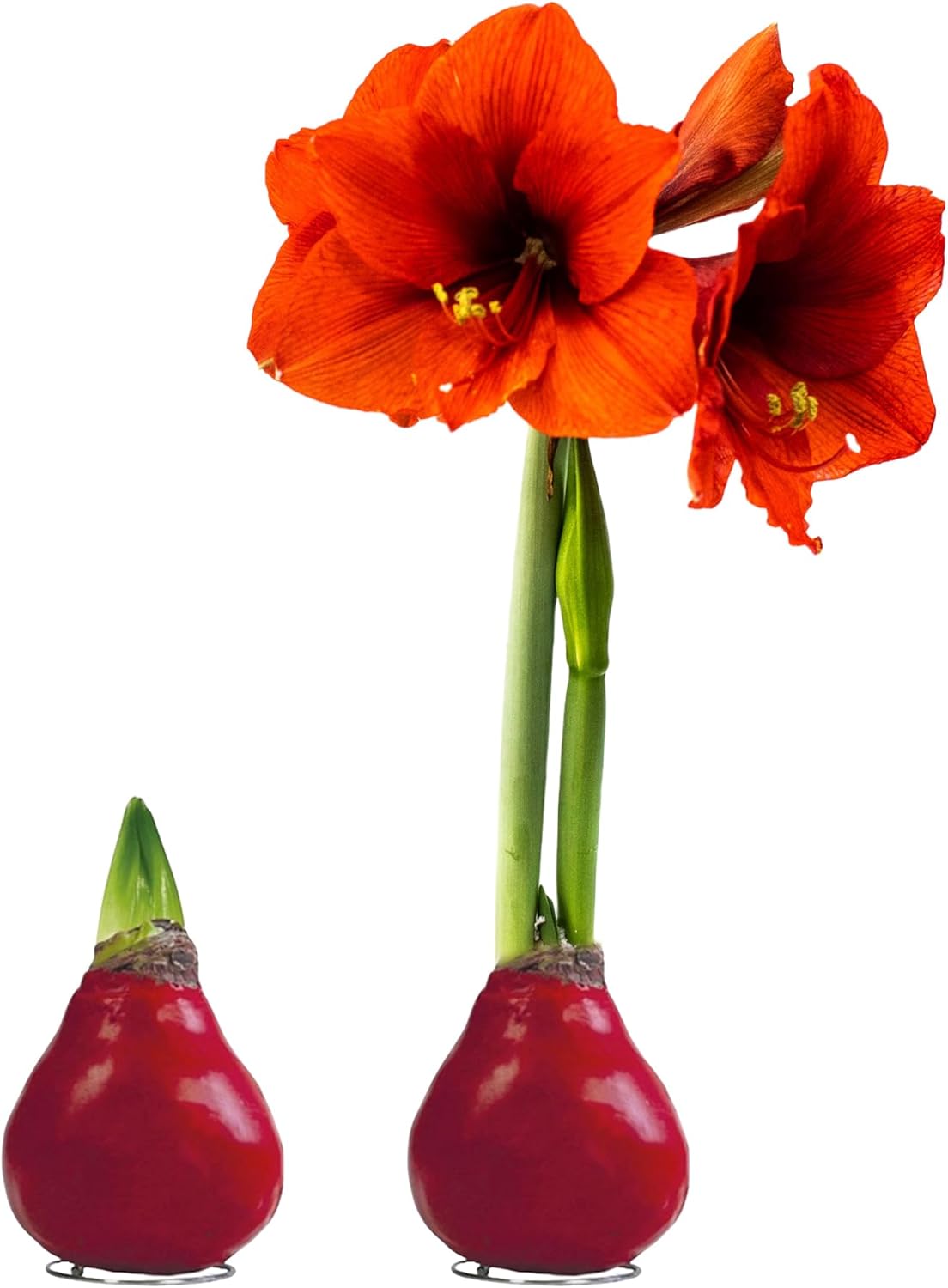
The Three Company Waxed Amaryllis Bulb (Red)
| Indoor Outdoor Usage | Indoor |
|---|---|
| Expected Blooming Period | Spring, Winter |
| Sunlight Exposure | Little Indirect Sun |
| USDA Hardiness Zone | 5+ |
This waxed amaryllis bulb is designed as a ready-to-display winter houseplant that blooms without soil or watering. The bulb arrives encased in nutrient-infused wax so you simply set it on a flat surface in bright indirect light and expect flowers in roughly 4 to 6 weeks that last about three weeks. For container-focused autumn and winter planting, it is useful because it requires no potting, no soil, and no regular watering, making it nearly maintenance-free in small indoor spaces. The blooms can reach about 16 inches tall, providing a strong vertical accent in a pot grouping or on a tabletop. Limitations to note are that the plant is a seasonal, single-flush performer and the waxed presentation means you cannot easily replant the bulb into soil for long-term growth; it is intended for short-term decorative use. For buyers who want a low-effort, high-impact holiday or winter container display, this simplifies staging and cleanup compared with traditional potted bulbs.
Best for: Buyers who want a fuss-free, high-impact winter container accent for small indoor spaces and prefer a ready-to-display bulb over traditional potting.
Less Ideal for: Gardeners seeking a reusable, long-term potted bulb to overwinter or propagate should consider live bulbs meant for planting instead.
- No soil or watering required so it is truly low maintenance for indoor seasonal displays
- Produces large, showy red trumpet blooms that add strong vertical impact
- Ready to display out of the box which saves time staging pots or tabletops
- Extended bloom period for several weeks after flowering begins
- Designed for a single-season decorative display and not intended for long-term replanting
- Performance depends on providing bright indirect light; very low light will delay or reduce flowering
Verdict: Pick this waxed amaryllis when you need a no-fuss, ready-to-display winter bloom that delivers big color with almost no care.
Southern Living Obsession Nandina Shrub (2 Gal)

| Sunlight Exposure | Full Sun to Part Shade |
|---|---|
| USDA Hardiness Zone | 6, 7, 8, 9, 10 |
| Moisture Needs | Moderate Watering |
| Expected Planting Period | Year Round |
The Southern Living Obsession Nandina is a 2-gallon evergreen shrub prized for intense red foliage that holds color through much of the year. It is marketed for outdoor beds and containers, and performs in full sun to part shade across USDA zones 6 to 10. Typical use is as an accent in mixed borders, a colorful container specimen on a patio, or a low hedge where a 3- to 4-foot mature height is acceptable. Practical benefits include low maintenance, deer resistance, and moderate water needs once established; the plant is described as organic and suited to loam soils with well-drained conditions. Limitations to consider are that it does not produce notable blossoms and requires routine watering while establishing; it will also reach about 48 inches, so plan placement or pruning accordingly. For container use, choose a generous pot and monitor soil moisture to keep foliage vibrant in hot, sunny sites.
Best for: Gardeners who want a low-maintenance, colorful evergreen for patio containers or small landscape accents and value year-round foliage interest.
Less Ideal for: People seeking a showy flowering shrub or those who need a very small dwarf variety for tight spaces should consider other options.
- Bright red evergreen foliage provides season-long color
- Suitable for containers or landscape beds thanks to compact mature size
- Tolerates full sun to part shade across USDA zones 6–10
- Low maintenance and described as deer resistant
- Does not produce significant blossoms for floral interest
- Requires consistent watering until established
Verdict: Choose this nandina when you want an easy-care, brightly colored evergreen that performs well in pots and small garden settings.
SVI Kings Seeds Pansy Winter Flowering Mixed — 100 Seeds

| Plant or Animal Product Type | Pansy |
|---|---|
| Unit Count | 100 Count |
| Expected Blooming Period | spring,winter |
| Sunlight Exposure | Full Sun |
| USDA Hardiness Zone | 3 |
These mixed pansy seeds are aimed at gardeners wanting seasonal color through late autumn into winter and early spring. Sow in the recommended planting window for cool-season flowering and you can expect low-growing blooms that brighten pots and containers. The packet lists a high germination rate and includes 100 seeds, which makes it easy to fill several small pots or a few larger containers for continuous color. Pansies prefer full sun and moderate watering and the seeds are marketed as GMO free, which may matter to some buyers. They are hardy to USDA zone 3 and suited to sandy soils, so they tolerate cool conditions common in fall and winter container gardening. Limitations are that germination and performance still depend on local conditions and care, and the packet does not specify exact sowing depth or advanced variety traits like disease resistance. For a budget-conscious gardener wanting quick color in pots during colder months, these seeds offer a straightforward, economical option.
Best for: Gardeners on a tight budget who want affordable, seasonal color in pots over autumn and winter and who are comfortable sowing and tending seeds themselves.
Less Ideal for: Buyers who need instant, mature plants for immediate display or those who want certified cultivars with detailed disease and growth trait information.
- Contains 100 seeds, enough to populate multiple pots or containers
- Labeled high germination rate for better seed-to-plant conversion
- Suitable for winter and spring blooms to extend container color
- Hardy to USDA zone 3 so can tolerate cold-season container gardening
- Packet lacks detailed sowing depth and specific variety care notes
- No information on disease resistance or cultivar uniformity
Verdict: An economical packet of winter-spring pansy seeds that lets budget gardeners fill pots with cold-season color affordably.
Daylily Nursery 5-Pack Hellebore (Lenten Rose) in 4" Pots

| Sunlight Exposure | Full Sun |
|---|---|
| Plant or Animal Product Type | Flower |
| Unit Count | 5 Count |
| Item Weight | 16 ounces |
This five-pack of Lenten rose (hellebore) arrives as assorted cultivars in 4-inch pots ready for fall planting. Hellebores are evergreen perennials valued for early winter to midwinter blooms and glossy foliage that persists year-round in mild climates; these are suited to zones 4–9 and do best in full to partial shade despite the listing note of full sun. Buyers typically pot these for container displays or transplant them into shaded garden beds to provide flowers when most other plants are dormant. Practical strengths are the mixed colors for varied winter interest and the compact 18–24 inch mature height that fits well in pots or small borders. Limitations are the uncertainty of exact colors since this is a surprise mix and the small nursery pot size means plants will need repotting or careful hardening on arrival to establish quickly. Also take care to avoid ordering in extreme temperatures for shipping. With sensible planting and winter care, these hellebores give reliable early-season blooms and attractive evergreen foliage for autumn and winter containers.
Best for: Buyers who prioritize dependable winter interest and low-maintenance perennial performance in containers or shaded beds and want plants that bloom when other ornamentals are inactive.
Less Ideal for: Gardeners seeking specific named cultivars or exact flower colors, or those who prefer mature, ready-to-display specimens without additional potting or establishment work.
- Provides winter to early-spring blooms when most plants are dormant
- Evergreen glossy foliage that adds year-round container interest
- Sold as a convenient five-count pack for multiple pots or a mixed display
- Suitable for USDA zones 4–9, adaptable to fall planting and cool-season growth
- Assorted mix so exact flower colors are unpredictable
- Plants ship in small 4-inch nursery pots and will need repotting to reach mature size
Verdict: Choose this five-pack of hellebores when you want compact, evergreen perennials that reliably provide winter blooms and container interest.
Choosing the Right Plants for Pots in Autumn and Winter: Key Factors to Consider
Cold Hardiness in Containers
Pots expose roots to colder temperatures than in-ground planting, so a plant rated hardy in the landscape may still suffer in a small container. Choose plants with proven tolerance to freeze-thaw cycles when grown in pots, or plan to move containers to sheltered spots during hard freezes.
The pot material and size also affect root temperature; larger, insulated containers moderate temperature swings better than small, thin-walled pots. When sizing pots, give balance between root volume for cold buffering and the practical weight you can move for winter protection.
Light Availability Through Winter
Shorter days and low sun angle reduce photosynthetic energy for plants grown outside. Species with good low-light performance keep foliage and color longer and require less frequent watering because growth slows. If your planting site is shaded by buildings or evergreens, prioritize plants known for shade tolerance in cool seasons.
Consider leaf color and texture when light is limited. Variegated or pale-leaved varieties may need brighter exposures to avoid chlorosis, while darker, evergreen leaves often fare better on dim winter days.
Moisture Management and Wet-Root Resistance
Cold, wet soil in a pot can quickly lead to root rot because water drains slowly when temperatures are low. Select plants that tolerate or prefer moist conditions without rotting, or ensure containers have excellent drainage and a free-draining potting mix.
During autumn and winter, reduce watering frequency and avoid waterlogged saucers. If your site stays soggy from roof runoff or compacted soil under pots, opt for species that resist fungal root issues or raise pots slightly to improve drainage.
Seasonal Visual Interest
Since many flowers fade in cool weather, prioritize plants that provide other types of interest: persistent foliage color, attractive branching, seed heads, aromatic leaves, or berries. Combining different forms-an architectural evergreen, a colorful foliage plant, and a berried shrub-keeps a container compelling through gray months.
Think beyond blooms. Textural contrast and long-lasting elements often create a stronger winter display than ephemeral flowers. Also plan for how elements age from autumn into deep winter so the container does not look neglected.
Maintenance and Overwintering Effort
Some container plants need little attention beyond occasional watering and debris removal, while others require bringing pots indoors, wrapping, or root insulation. Be realistic about how much time you will spend protecting pots in hard weather and choose species that match that effort level.
Factor in pruning, deadheading of spent flowers, and how often you will need to refresh potting mix. Low-maintenance choices reduce winter chores and lower the risk of loss if you travel or forget routine care.
Designing a Winter Container
Start with a focal element that provides structure and height, such as an evergreen or architectural foliage plant, then layer complementary textures and colors. Use at least three different plant forms to create depth: a tall structural piece, a mid-height foliage or flowering element, and a trailing or edge plant to soften the rim.
Balance plays an important role in winter arrangements. Choose a pot color and material that complements the plants and the surrounding outdoor setting. Remember that large pots give roots better insulation and allow more varied plant combinations, while small pots are easier to move and swap seasonally.
- Use a quality free-draining potting mix with added grit for winter drainage
- Raise pots slightly off cold surfaces to improve air circulation
- Group containers to create microclimates and reduce individual exposure
Pot Preparation and Soil Choices
Good potting mix and container prep reduce winter failures. Choose a mix formulated for containers that holds some moisture but drains freely. Add coarse grit or perlite to improve porosity, especially for winter plantings where slow drainage can cause rot.
Check drainage holes and avoid saucers that hold standing water. If you expect heavy rains, consider a liner that sheds excess water or elevating pots on feet. Adding a layer of slow-release organic matter will help plants access nutrients without frequent feeding in cool weather.
- Use insulated or thicker-walled pots in very cold climates
- Avoid overly fine, peat-heavy mixes that stay saturated
- Top-dress with mulch or decorative bark to protect surface roots
Placement and Microclimates
Where you position containers affects survival. Sheltered walls, south-facing steps, and corners protected by buildings offer warmer microclimates and reduce wind desiccation. Even a small windbreak can mean the difference between loss and survival for sensitive species.
Consider sun exposure through the winter months. A spot that receives midday sun can warm pots significantly and extend the range of plants that will thrive. If you must place pots in exposed locations, select the hardiest options and avoid thin or small containers that offer little insulation.
- Cluster pots near each other to create shared warmth
- Move containers under eaves during severe storms
- Use temporary covers or burlap wraps for short cold snaps
Seasonal Care Routine
Adjust care as temperatures drop. Water less frequently but monitor for drought stress on windy days when evaporation remains high. Remove dead foliage and spent blooms to prevent disease and keep the planting tidy.
Fertilize sparingly in autumn and stop heavy feeding once nights consistently reach cool temperatures. Plan to refresh potting mix or divide crowded containers in early spring rather than late autumn to minimize root disturbance before winter.
- Check soil moisture weekly rather than daily in cold months
- Prune back leggy growth to reduce wind damage
- Replace or refresh plants as seasonal interest declines
Creative Combinations for Extended Interest
Combining plants with berries, colorful foliage, and architectural form keeps containers interesting. Think evergreen foliage as a foundation, then add a plant that develops autumn color or seed heads, and finish with a trailing element to soften the rim and add movement.
Use contrast in leaf color and texture to maintain visual appeal when flowers are scarce. Persistent elements such as dried seedheads can also be left in place for winter interest and then cut back in spring.
- Pair evergreen structure with seasonal color and a trailing groundcover
- Include at least one element that holds well after frosts, like berries or seedheads
- Rotate plants between pots seasonally to refresh displays
How We Chose the Best Plants for Pots in Autumn and Winter
We selected plants that perform reliably in containers through cool autumn conditions and into winter, focusing on traits that matter for potted culture. Primary evaluation criteria included cold hardiness in confined root spaces, tolerance of low winter light, and resistance to wet-root issues common in pots. We also weighed seasonal interest, looking for sustained foliage color, berries, structure, or persistent blooms that keep containers attractive when most garden plants are dormant. Practical care needs such as watering frequency, winter protection requirements, and ease of sourcing were considered so recommendations fit typical garden routines. Plants with very high maintenance demands or that require specialized greenhouse conditions were excluded. We also filtered out choices that only thrive in-ground and do poorly in small pots. The final list balances visual impact with realistic winter survival and straightforward container care. Scoring emphasized measurable, gardener-relevant dimensions: hardiness, light tolerance, root-zone wetness resistance, seasonal interest, and maintenance load.
FAQ
Can I grow tender plants in pots through the winter?
Tender plants can survive milder winters in pots if moved to sheltered, frost-free spots or brought indoors. In colder regions, tender species usually need winter protection or to be treated as annuals.
How often should I water container plants in autumn and winter?
Watering frequency drops as temperatures fall. Check pots weekly and water only when the top inch of mix is dry, avoiding waterlogged conditions that promote root rot.
Do pot size and material matter for winter survival?
Yes. Larger pots buffer temperature swings better and retain heat, while insulating materials like thick ceramic or fiberglass are preferable to thin plastic in cold climates. Small pots freeze faster and put roots at greater risk.
Should I move pots off the ground in winter?
Raising pots slightly improves drainage and air circulation, reducing rot risk. In areas with deep freezes, elevating pots can also reduce cold transfer from frozen ground, but you may need to add insulation or move pots to sheltered spots.
Is it better to group containers together for winter?
Grouping containers creates a shared microclimate that reduces wind exposure and retains warmth. It also simplifies winter protection tasks since coverings and shelter arrangements can protect multiple pots at once.
Final Verdict
Choose plants for winter pots by prioritizing cold tolerance in confined root zones, good low-light performance, and resistance to waterlogged soil. Balance visual interest with realistic maintenance: an evergreen backbone, seasonal color, and a low-growing edge plant often make the most reliable combinations. Accept tradeoffs between spectacle and effort. If you want long-lasting displays with minimal intervention, pick hardy, low-maintenance species and give them suitably large, well-drained containers. If you enjoy swapping seasonal elements, smaller, more changeable plantings let you experiment while still providing attractive autumn and winter interest.
