

Note: This article contains affiliate links. If you click on these links and make a purchase, I may earn a small commission at no extra cost to you. This helps support my research and content. Read my full affiliate disclosure here.
If your balcony, porch, or shaded patio gets little direct sun, choosing plants that thrive in low light is the difference between lush containers and struggling pots. Shade-loving plants for planters need the right root space, watering rhythm, and foliage type to perform in confined soil. This guide shortlists the top choices for shady containers and explains the traits that matter in real garden use. We evaluated each option for light tolerance, container adaptability, and maintenance needs to help you pick planter-friendly species. Read on for practical advice that prepares your pots to succeed in shade.
Top Picks at a Glance
| Best Overall The best all-around choice for most situations | American Plant Exchange Cast Iron Plant (10-inch potted) |  |
| Best Quality Built to a higher standard if you want something more solid | Blooming & Beautiful Sawtoothed Japanese Aucuba Live Evergreen Shrub (3 Gallon) |  |
| Best Value The sweet spot between price and what you get | Plants for Pets Autumn Fern (Dryopteris erythrosora) 1-Gallon Live Outdoor Plant |  |
| Best Budget The cheapest option that still gets the job done reliably | BuggyBeds Hosta Seeds (100 pcs) |  |
| Highest Rated A top-rated pick with lots of positive feedback | Plants for Pets Holly Fern (Cyrtomium falcatum) in 1‑Gallon Nursery Pot |  |
| Most Popular A crowd favorite that many people choose with confidence | Touch Of ECO Hosta Bare Roots 6-Pack (Mixed Heart-Shaped) |  |
| Best Seller A high-volume bestseller chosen again and again | KVITER Rainbow Coleus Flower Seeds (1600 count) |  |
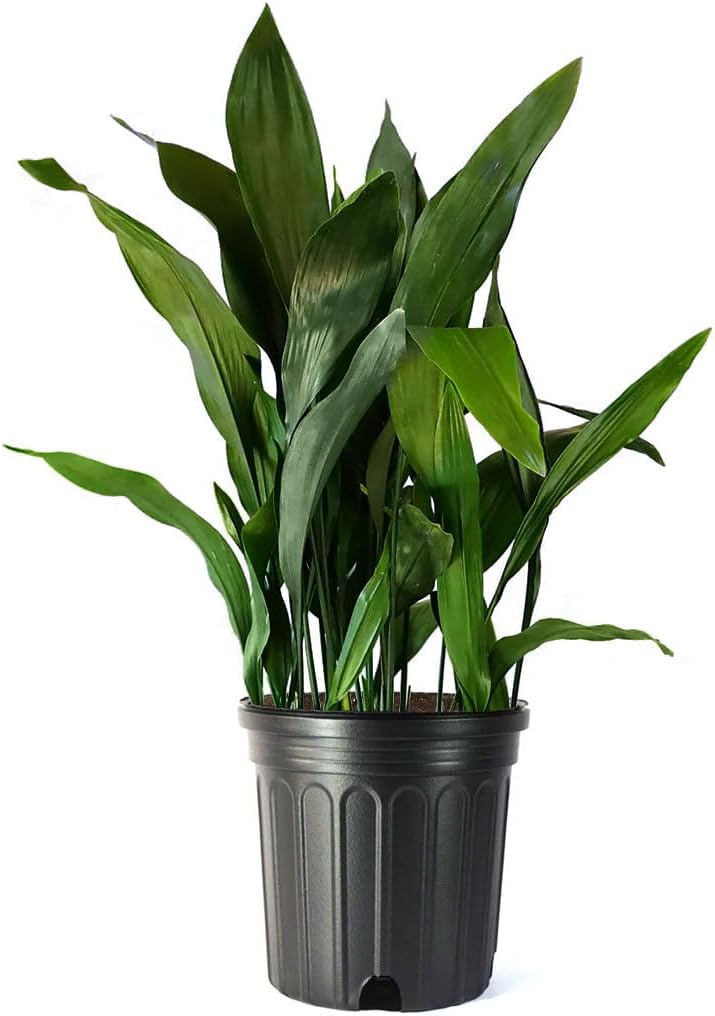
American Plant Exchange Cast Iron Plant (10-inch potted)
| Indoor Outdoor Usage | Indoor, Outdoor |
|---|---|
| Other Special Features of the Product | Air Purification, Drought Tolerant, Low Maintenance, Pet Friendly, Shade Resistant |
| Sunlight Exposure | Partial Shade |
| Soil Type | Peat Soil |
| Moisture Needs | Moderate Watering |
The Cast Iron Plant is a classic shade-tolerant houseplant that brings dense, deep‑green foliage to low‑light corners, hallways, and shaded planters. Supplied in a 10‑inch nursery pot with potting soil, it is used as a floor or patio specimen where bright sun is limited. Notable features include broad upright leaves that form an architectural clump, drought tolerance, and reported air‑purifying benefits. Practical benefits are simple care and versatility: water only when the topsoil starts to dry, avoid prolonged direct sun, and it will fill a planter or corner with lasting greenery without frequent attention. It is described as pet friendly and suitable for beginners or busy households. Important limitations are that it is primarily a foliage plant so it will not produce showy flowers, and its aesthetic is evergreen green rather than variegated color. Also, while tolerant of low light, very dark interiors may still limit growth and slow new leaf emergence.
Best for: Buyers who want a reliable, low‑fuss shade plant to fill planters or large indoor corners and prefer durable foliage over seasonal blooms.
Less Ideal for: Gardeners seeking colorful, flowering, or fast‑growing decorative plants for bright sunlit planters should consider other species.
- Very low maintenance and drought tolerant for infrequent watering schedules.
- Performs well in low light or partial shade where many houseplants struggle.
- Supplied in a 10‑inch nursery pot ready to use as a floor or planter specimen.
- Broad, upright foliage creates a full, architectural look for shaded planters.
- Generally considered non-toxic to cats and dogs, suitable for pet households.
- Does not produce showy flowers or variegated foliage so visual interest is primarily texture and form.
- Growth in very low light will be slow and may produce fewer new leaves.
Verdict: Choose this Cast Iron Plant when you need a tough, low‑maintenance shade plant that reliably fills planters with lasting green foliage.
Blooming & Beautiful Sawtoothed Japanese Aucuba Live Evergreen Shrub (3 Gallon)

| Sunlight Exposure | Partial Shade |
|---|---|
| Moisture Needs | Moderate Watering |
| Soil Type | Sandy Soil |
| Expected Blooming Period | Fall, Winter |
The Sawtoothed Japanese Aucuba is a tough, shade-loving evergreen shrub intended for outdoor planting in partial or full shade. It is typically planted as a specimen, small hedge, or under tree canopies where other plants struggle. Notable features include long glossy dark green leaves with sharply serrated edges and the potential to set red berries in fall and winter when a compatible male plant is nearby. It thrives in moderately moist, sandy soil and is rated for USDA zones 6 to 10, so it handles a range of climates once established. Practical benefits are its year-round foliage, rounded tropical habit that provides privacy and texture, and very low maintenance needs. Important limitations are that it dislikes direct sun, which can yellow or scorch foliage, and it reaches a mature size that may be large for small planters or confined spots. For containers, expect to manage root space and pruning to keep a planter-friendly size.
Best for: Gardeners who need a dependable, low-maintenance evergreen that will thrive in deep shade and provide year-round texture or screening in planters or landscape beds.
Less Ideal for: People seeking a compact, sun-loving flowering plant or those who want a small no-prune container specimen without willingness to manage size over time.
- Performs reliably in full shade or partial shade where many other plants fail
- Year-round glossy evergreen foliage adds structure and privacy
- Low maintenance and tolerant of varied climates once established
- Can produce ornamental red berries in fall and winter with a nearby male plant
- Poor tolerance for direct sun which can cause leaf yellowing and burn
- Mature height and spread (6–8 ft tall, 4–6 ft wide) may be too large for small planters without regular pruning
Verdict: Choose this aucuba when you need a hardy, low-maintenance evergreen that reliably thrives in deep shade and adds year-round structure to planters or shady spots.
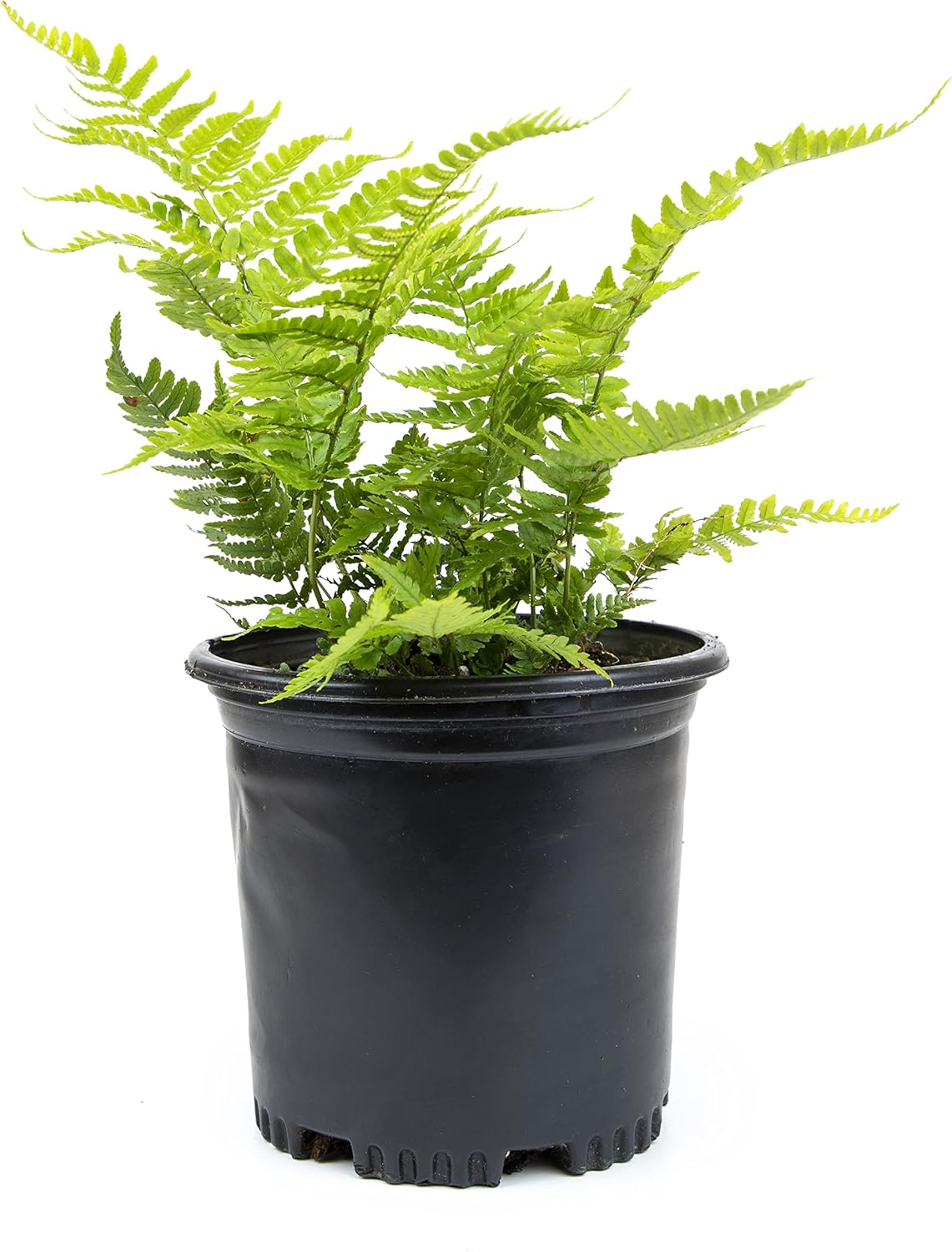
Plants for Pets Autumn Fern (Dryopteris erythrosora) 1-Gallon Live Outdoor Plant
| Indoor Outdoor Usage | Outdoor |
|---|---|
| Sunlight Exposure | Partial Shade |
| USDA Hardiness Zone | 7 |
| Moisture Needs | Moderate Watering |
| Soil Type | Sandy Soil |
This autumn fern is a shade-tolerant perennial sold in a 1-gallon nursery pot and intended for outdoor planting. It is used as ground cover, a border or understory specimen where filtered light prevails; new fronds emerge copper-red in spring and mature to deep green for seasonal interest. The plant spreads slowly by rhizomes, so you can expect gradual filling-in rather than rapid crowding. It prefers evenly moist, well-drained soil and regular watering but is reported to tolerate short dry periods once established. Notable features include deer and rabbit resistance, suitability for heavy shade, and hardiness to Zone 7. Practical benefits for planter use include attractive, low-profile foliage that adds texture and color contrast to shady containers and paired plantings. Limitations are that it is sized for outdoor beds and planters rather than indoor display, and it will need consistent moisture and appropriate shade to keep fronds healthy; it is not a fast spreader for quick coverage if you need instant fill in a large planter group.
Best for: Buyers who want a low-profile, reliable shade plant for planters or shady borders and prioritize attractive foliage and low pest pressure over rapid spread.
Less Ideal for: Gardeners who need fast ground cover or immediate dense screening, or those planning bright sun containers or indoor plantings.
- Shade-tolerant with attractive seasonal color from copper-red new fronds to deep green mature fronds
- Hardy to Zone 7 and resistant to deer and rabbits for low-loss outdoor planting
- Sold fully rooted in a 1-gallon nursery pot ready for transplanting into planters or beds
- Slow, rhizome-driven spread gives controlled ground-cover without aggressive invasion
- Requires consistently moist, well-drained soil and regular watering for best foliage condition
- Not intended as an indoor houseplant and may decline in bright sun or dry indoor conditions
Verdict: Choose this autumn fern when you need a hardy, shade-loving planter plant that delivers year-round foliage interest with minimal pest problems.
BuggyBeds Hosta Seeds (100 pcs)

| Indoor Outdoor Usage | Outdoor |
|---|---|
| Other Special Features of the Product | Low Maintenance |
| Sunlight Exposure | Full Shade |
| Moisture Needs | Moderate Watering |
| Material Features | GMO Free |
These BuggyBeds hosta seeds are sold as a bulk 100-count packet for gardeners who want to grow shade-tolerant perennial foliage for planters, borders, or ground cover. Hostas from these seeds are described as low-maintenance and adaptable to partial or full shade, making them useful for adding textured, colorful leaves to shaded planters and layered container displays. Typical use is sowing in starter pots or directly into potting mix placed in a shaded spot, keeping soil moderately moist while seedlings establish. The listing highlights year-round ornamental foliage, pollinator-attracting flowers, and tolerance of varied soils, which suggests useful versatility for mixed planter designs. Important limitations are that these are seed packet offerings, so germination, variety uniformity, and time to mature foliage will vary and require patience and basic seed-starting care; buyers should not expect mature, immediate plants. Packaging and labeling appear minimal so confirm seed provenance and germination guidance before sowing.
Best for: Buyers on a tight budget who want to grow many shade-tolerant plants for containers or shaded planters and are comfortable starting plants from seed.
Less Ideal for: Gardeners who need instant, mature plants for immediate display or those who prefer guaranteed cultivar traits and uniform color should choose nursery-grown hostas instead.
- Large 100-seed count gives many starts for planters or to share
- Marketed for full to partial shade, suited to shaded planter locations
- Low-maintenance perennial habit once established reduces long-term care
- Versatile use as ground cover, in borders, or in containers
- Seed packets require successful germination and time to reach mature, decorative foliage
- Variety and color uniformity are not specified so results may vary
Verdict: A very economical way to establish shade-loving hosta foliage in planters when you are prepared to start plants from seed.
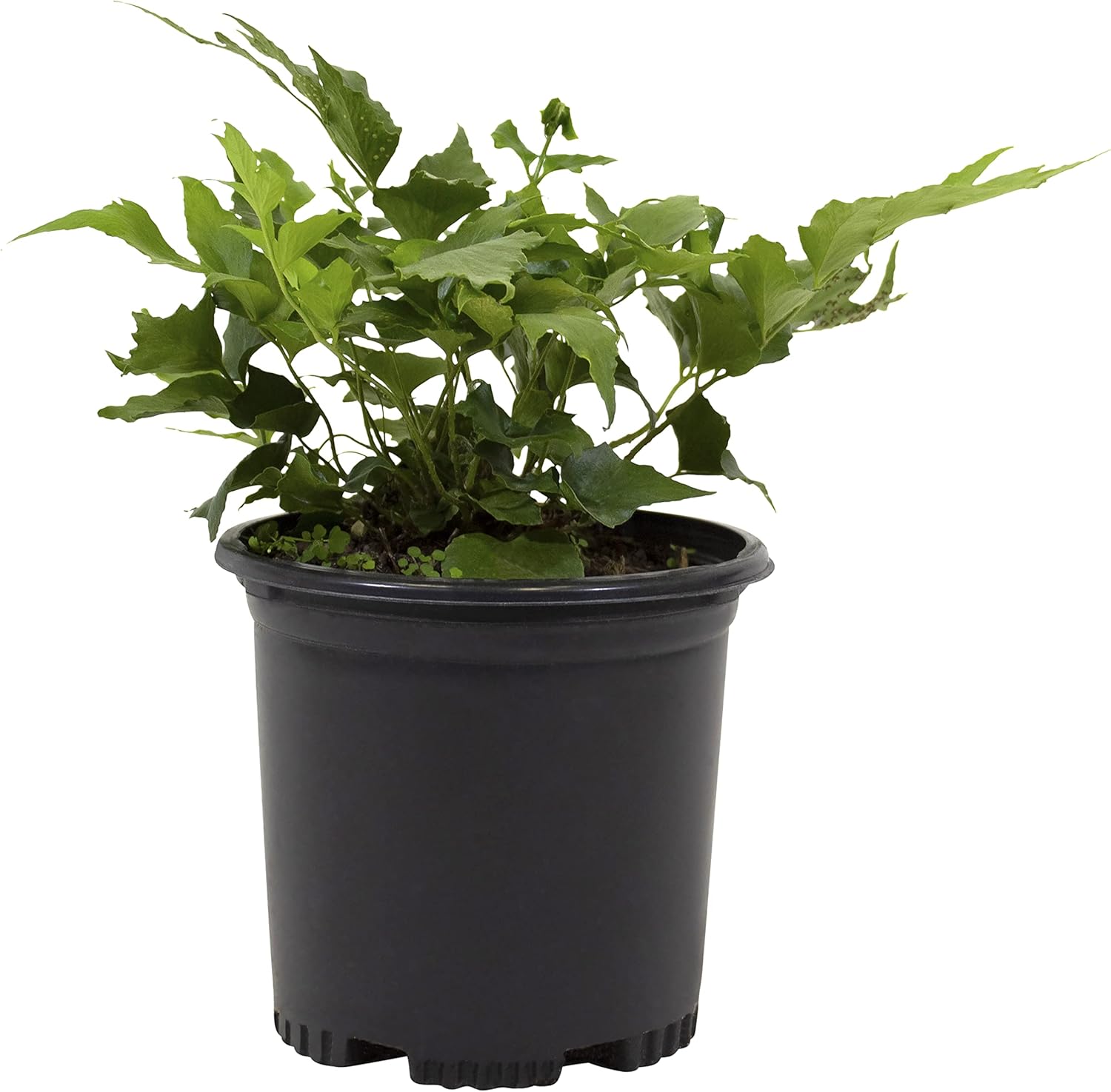
Plants for Pets Holly Fern (Cyrtomium falcatum) in 1‑Gallon Nursery Pot
| Indoor Outdoor Usage | Indoor, Outdoor |
|---|---|
| Sunlight Exposure | Partial Shade |
| USDA Hardiness Zone | 7 |
| Soil Type | Sandy Soil |
The Plants for Pets Holly Fern (Cyrtomium falcatum) is a versatile shade plant that arrives potted and ready to place in a planter or shaded border. It produces leathery, arching dark‑green fronds that hold their shape, making the plant useful as patio container decor or as an understory groundcover beneath trees. This fern prefers filtered light and regular watering in rich, well‑drained soil, and the listing notes it is resistant to deer, salt, and heavy shade and is hardy to USDA Zone 7. Practical benefits include low visual maintenance thanks to its durable fronds, predictable mature size for planning around planters, and suitability for mixing with hostas and other shade perennials. Limitations are that it needs consistent moisture and richer soil to look its best, so it is not suited to drought‑prone spots, and the plant ships in a 1‑gallon nursery pot so larger planted displays will require repotting or planting out to reach full spread.
Best for: Buyers who prioritize a dependable, low‑fuss shade plant for planters or shady borders and want a specimen that maintains good foliage through the season.
Less Ideal for: Gardeners seeking drought‑tolerant or very fast‑growing cover for dry sunny sites should consider other species.
- Clear shade tolerance and resistance to deer and salt for reliable outdoor performance
- Arrives in a 1‑gallon nursery pot ready to place in containers or the garden
- Distinctive leathery fronds provide low‑maintenance, year‑round foliage interest
- Works well as an understory plant or in mixed shade containers with hostas and other perennials
- Requires regular watering and rich, well‑drained soil to thrive
- Ships in a 1‑gallon pot so larger landscape uses need repotting or planting out
Verdict: Choose this holly fern when you need a reliable, shade‑tolerant plant that provides year‑round, low‑maintenance foliage for planters or shady garden spots.
Touch Of ECO Hosta Bare Roots 6-Pack (Mixed Heart-Shaped)

| Indoor Outdoor Usage | Outdoor |
|---|---|
| Expected Blooming Period | Spring to Fall |
| Sunlight Exposure | Full or Partial Shade |
| USDA Hardiness Zone | 3-9 |
| Unit Count | 6 Count |
These are six hand-selected Hosta bare roots offered as dormant crowns for planting in fall or early spring. They are intended for shady spots, planters, or under trees and arrive without leaves, which is normal for bare-root stock; you plant the crown at soil level, water, and new shoots emerge as temperatures warm. Notable features include pollinator-attracting, deer-resistant foliage and low maintenance perennial growth that returns year after year. For container use, these varieties form attractive heart-shaped clumps and produce fragrant white or purple flowers on tall scapes through summer into fall. Practical benefits are easy establishment when timed correctly, suitability across a wide hardiness range, and minimal ongoing care once established. Limitations to expect are that bare roots require correct planting timing and initial watering to avoid drying out, and individual sizes and vigor can vary since plants are mixed varieties and ship dormant. If you want instant, fully-grown foliage at delivery you will need to buy established potted plants instead.
Best for: Buyers who want an affordable way to establish shade-loving foliage in planters or beds and who prefer to plant and grow perennials from dormant stock rather than buy mature potted plants.
Less Ideal for: Those seeking immediate, fully grown plants for instant visual impact or buyers unwilling to plant and monitor bare-root stock during the first season.
- Includes six hand-selected bare-root hosta crowns suitable for planting in fall or spring
- Hardy across USDA zones 3–9 so reliable in a wide range of climates
- Attracts pollinators and is described as deer resistant
- Low maintenance perennial habit that returns and fills out beds or containers over time
- Arrives dormant so buyers must correctly plant and care for roots until they establish
- Mixed varieties mean individual plants may vary in size and appearance
Verdict: A budget-friendly six-pack of hardy shade hostas that establish well in planters or beds for gardeners comfortable planting dormant bare roots.
KVITER Rainbow Coleus Flower Seeds (1600 count)

| Unit Count | 1600 Count |
|---|---|
| Indoor Outdoor Usage | Indoor, Outdoor |
| Sunlight Exposure | Partial Shade |
| USDA Hardiness Zone | 4-10 |
| Material Features | GMO Free, Heirloom |
These KVITER Rainbow Coleus seeds are a high-volume option for filling shady planters and mixed containers with colorful foliage. The packet contains 1,600 heirloom, non-GMO seeds and includes a step-by-step growing guide, which makes starting indoors or direct-sowing straightforward. Coleus thrives in partial shade and is described as low-maintenance: seeds germinate in about 7–14 days under full light and young plants respond well to pinching for bushier growth. For planter use you can start trays 6–8 weeks before last frost then transplant into pots or window boxes where they will provide continuous color from spring through fall. Key practical advantages are the sheer quantity for mass planting and the clear planting instructions that reduce guesswork for cautious gardeners. Limitations are that results depend on proper shading and regular watering, and bulk seed mixes can include some variability in color and germination rates compared with single-variety plugs or larger transplants.
Best for: Buyers who want an easy, low-risk way to flood shade planters with colorful foliage without relying on expensive transplants and who prefer clear, guided instructions.
Less Ideal for: Gardeners seeking perfectly uniform, single-variety plants or those who prefer instant results from mature nursery-grown specimens.
- Very large seed count suitable for filling multiple planters or beds
- Heirloom non-GMO seeds with a step-by-step growing guide included
- Shade-tolerant variety that performs well in partial shade planters
- Fast germination window (7–14 days) when started under adequate light
- Bulk seed mix may show variability in color uniformity and germination
- Requires regular watering and some attention to light to establish well
Verdict: If you want an affordable, low-effort way to fill shady planters with vibrant, shade-tolerant foliage, this large pack of heirloom coleus seeds delivers quantity plus clear growing guidance.
Choosing the Right Shade Loving Plants for Planters: Key Factors to Consider
Light Level and Placement
Shade means different things in different gardens. A north-facing balcony typically receives only indirect ambient light, while an area shaded by a tree gets dappled sun for parts of the day. Match plant choices to the actual light pattern at the planter location rather than the general word "shade."
Plants that tolerate deep shade usually have larger, thinner leaves to capture scarce light, but they also differ in how much morning or evening sun they can accept. Consider whether your planters might get a few hours of low-angle sun or occasional bright reflected light, and choose species labeled for that range. Placement also affects airflow and humidity around pots, which influences disease risk and watering needs.
Pot Size and Root Space
Shade-loving species vary from compact clump-formers to trailing plants that need room to spread. In containers, restricted root volume limits available moisture and nutrients, so choose pot size to match root habit. A plant that normally forms a large crown in the ground will become rootbound and stressed in a small pot unless regularly repotted.
Deeper pots help plants that prefer steady moisture because they hold more soil and reduce rapid drying. Wide, shallow containers suit low-growing or trailing plants used for edging. Always plan for at least one growing season of uninterrupted root growth before moving to a larger container or dividing the plant.
Soil Mix and Drainage
Container soil controls oxygen, moisture retention, and nutrient availability more than garden beds do. Many shade plants prefer soil that stays evenly moist but not waterlogged. Use a potting mix that balances drainage with water-holding ability and includes organic matter to feed slow-growing foliage.
Ensure pots have adequate drainage holes and consider a layer of coarse material at the bottom only if it improves drainage for your specific pot type. Poor drainage in shaded, humid spots quickly leads to root rot and fungal problems, so soil mix and pot choice must work together to keep roots healthy.
Watering Rhythm and Moisture Management
Shade can reduce evaporation, so containers in low light often need less frequent watering than those in sun. However, cooler, damp microclimates can encourage fungal diseases if soils stay saturated. Learn the specific moisture preference of each plant and check the top few inches of soil before watering.
Self-watering containers or soaker-style wicks can help maintain steady moisture for moisture-loving shade plants, while saucers and poorly draining pots increase disease risk. Mulching the soil surface with bark or coarse compost can moderate moisture swings and reduce splash-borne pathogens.
Foliage and Seasonal Interest
In shade, foliage often becomes the primary source of seasonal interest because blooms are less reliable. Choose plants with contrasting leaf shapes, colors, variegation, or texture to keep planters attractive through the season. Some shade plants also produce delicate flowers or long-lasting bracts that complement foliage.
Think beyond spring bloom. Plants that offer multi-season structure, such as evergreen leaves, rich autumn tones, or persistent seedheads, keep containers lively when flowering fades. Grouping different leaf forms in a single planter provides depth and reduces the need for frequent replanting.
Maintenance and Longevity
Container-grown shade plants typically need periodic feeding, pruning, and occasional repotting to remain vigorous. Low-maintenance species reduce time spent on deadheading and division, but all containers benefit from seasonal removal of spent growth and a light fertilizer regimen.
Consider how long you expect the plants to stay in the same pot. Perennials that expand rapidly will need dividing after a couple of seasons, while slower growers can occupy the same container longer. Choose plants that match your willingness to perform routine care.
Designing Shade Planters That Read As Intentional
Compose containers using the classic thriller-filler-spiller framework adapted for shade. Choose a taller thriller with interesting foliage as the vertical anchor, add one or two medium-texture fillers, and finish with trailing spillers to soften edges. Focus on leaf contrast rather than relying on large showy flowers that may never open in deep shade.
Think about scale and repetition. Using a repeated foliage color or texture across several planters on a porch creates cohesion and makes small shaded spaces feel curated. Consider container finishes and heights that lift plants into any available light band.
- Use at least one plant with variegation or bright leaf color to prevent monotony
- Group different leaf textures-glossy, matte, and frilly-for visual interest
- Place trailing plants to hide pot rims and create softer silhouettes
Common Shade Stressors and How to Mitigate Them
Shade is seldom only about light. Poor air circulation, excess moisture, and low daytime temperatures can combine to weaken plants. Improve airflow around pots by leaving space between containers and avoid crowding against walls where humidity traps develop.
To reduce disease risk, water early in the day so foliage dries faster, and use well-draining mixes. Inspect leaves regularly for signs of fungal spots or slugs, which are more active in cool, damp shade.
- Avoid very dense mulches that retain too much moisture near stems
- Elevate pots slightly to allow drainage and air movement under the pot
- Clean up fallen leaves promptly to prevent overwintering pests and disease
Seasonal Care Schedule for Shady Containers
Spring is the time to refresh potting mix, divide overgrown clumps, and apply a balanced slow-release fertilizer as plants begin active growth. Repotting into a slightly larger container or top-dressing with compost restores vigor for the season ahead.
During summer, keep an eye on soil moisture and pinch back leggy growth to maintain compact form. In autumn, cut back spent foliage, reduce feeding as growth slows, and move frost-tender planters to protected spots or indoors if needed.
- Early spring: repot, divide, and inspect for pests
- Summer: monitor moisture; pinch for shape
- Autumn: reduce watering and prepare tender pots for colder weather
Pairing Shade Plants with Containers and Accessories
Container material affects soil temperature and moisture. Terracotta breathes but dries faster, while glazed ceramic holds moisture longer. Choose pot material that complements the watering needs of your chosen shade plants. Use liners or saucers to protect surfaces and help manage drainage.
Consider adding a low-wattage grow light for extremely dark spots, placed so it supplements rather than replaces natural patterns. Decorative stakes, moss mats, and coordinating gravel can tidy the soil surface and improve aesthetics without altering plant health.
- Match pot depth to root habit: deep pots for clumpers, shallow wide pots for spreading varieties
- Use saucers with care to avoid prolonged standing water
- Supplement light only when natural light is insufficient for plant survival
Troubleshooting Poor Performance
If plants in shade become leggy and pale, they are likely stretching for available light. Move planters to a brighter shaded spot, trim back elongated stems, and increase foliage contrast with companion plants. Persistent paleness can also indicate nutrient deficiency; a light feed can help.
If plants show yellowing or wilting but the soil is wet, check for root rot and compacted soil. Repot into fresh mix and reduce watering frequency. For pest outbreaks, isolate affected pots and use horticultural soaps or manual removal as first responses.
- Legginess: increase available light and prune
- Yellowing with wet soil: inspect roots and improve drainage
- Slugs and snails: hand-pick and remove hiding places
How We Chose the Best Shade Loving Plants for Planters
We selected plants that consistently perform in containers under low to dappled light based on traits gardeners can verify before buying. Primary evaluation criteria were light tolerance in shaded conditions, container adaptability including root growth habit and pot size needs, maintenance level covering watering frequency and pruning, and seasonal interest for foliage or bloom. We favored species that resist common shade issues such as legginess, fungal disease in poorly drained pots, and poor color retention. Plants requiring specialized greenhouse care or full-sun exposure were excluded. Guest or novelty plants with unproven container performance were also filtered out. The final list reflects options that balance dependable low-light growth, ease of care for busy gardeners, and clear guidance for potting and routine maintenance.
FAQ
Can shade-loving plants still flower in planters?
Often they can, but blooms are usually smaller or less frequent than in brighter sites. Many shade plants offer strong foliage interest that compensates for reduced flowering.
How often should I water shady containers?
It depends on pot size and material, but shady containers generally need less frequent watering than sunny ones. Check the top inch or two of soil and water when it feels dry rather than on a fixed schedule.
Do shade plants need special fertilizer?
Most do well with a balanced, slow-release fertilizer applied in spring and a light feed during the growing season. Avoid high-nitrogen feeds that can encourage weak, leggy growth in low light.
Can I overwinter shade plants in planters outdoors?
Some hardy shade perennials can stay in containers outdoors if the pot is insulated or sunk into the ground. Tender species should be moved to a protected spot or indoors to avoid freeze damage.
Are there common pests specific to shady planters?
Slugs, snails, and fungal diseases are more common in cool, damp shade. Good airflow, dry-top watering, and prompt cleanup of debris reduce these problems.
Final Verdict
Choose shade-loving plants for planters by balancing light tolerance, root habit, and maintenance time. Prioritize species that match your actual light conditions and pair them with appropriate pot sizes and soil mixes to control moisture and airflow. Expect tradeoffs: plants that need almost no care may offer less seasonal bloom, while showier foliage often requires slightly more attention. With the right combinations and seasonal upkeep, shaded containers can be as lively and reliable as those in sun.
