

Note: This article contains affiliate links. If you click on these links and make a purchase, I may earn a small commission at no extra cost to you. This helps support my research and content. Read my full affiliate disclosure here.
If mosquitoes are turning your yard or patio into a nuisance, planting the right species can reduce bites while enhancing garden aesthetics. Choosing plants for mosquitoes matters because some species produce volatile compounds mosquitoes dislike, while others attract pollinators or beneficial insects that alter local pest pressure. This guide shortlists seven top plants for mosquito control in outdoor living spaces and explains how each fits into different garden situations. We evaluate candidates on scent potency, seasonal reliability, ease of care, and suitability for containers or beds. Read on to find options that match your climate, maintenance time, and design goals before the product list.
Top Picks at a Glance
| Best Overall The best all-around choice for most situations | CitronellaKing Citronella Mosquito Plant (Pelargonium 'Citrosum') — 2 plants in 4" pots |  |
| Best Quality Built to a higher standard if you want something more solid | Clovers Garden Mosquito Trio — Nine Mosquito-Repellent Plants (Citronella Geranium, Lemongrass, Lantana) |  |
| Best Value The sweet spot between price and what you get | Lemongrass Plants — Pack of 2 Live Starter Plants (6–8" Tall) |  |
| Best Budget The cheapest option that still gets the job done reliably | TomorrowSeeds West Indian Lemongrass Seeds — 1500 Count |  |
| Highest Rated A top-rated pick with lots of positive feedback | BuggyBeds French Marigold Seeds (9999 Count) |  |
| Most Popular A crowd favorite that many people choose with confidence | Clovers Garden Citronella (Citrosa) Geranium — Two Live Plants |  |
| Best Seller A high-volume bestseller chosen again and again | HOME GROWN Lemon Balm Seeds (Melissa officinalis) — 403 Heirloom Non-GMO Seeds |  |
CitronellaKing Citronella Mosquito Plant (Pelargonium 'Citrosum') — 2 plants in 4" pots

| Indoor Outdoor Usage | Indoor, Outdoor |
|---|---|
| Other Special Features | Air Purification, Attracts Pollinators, Deer Resistant, Fragrant |
| Expected Blooming Period | Spring to Summer |
| Sunlight Exposure | Full Sun, Partial Sun, Partia Shade |
| Moisture Needs | Moderate Watering |
These two citronella mosquito plants arrive in 4" nursery pots and are ready to plant into patio containers or the landscape. The cultivar is grown for dense, lemony-scented foliage that releases fragrance when brushed, making it useful around seating areas to help reduce mosquito nuisance while also attracting pollinators with small pink spring flowers. Typical care is straightforward: plant in fertile, well-drained soil, give full to partial sun, and water moderately until established. The plants are evergreen in warm climates and tolerate heat and some drought once established, and they respond well to light pruning to keep a compact shape. Expect plants to reach 2 to 4 feet over the season in suitable zones. Limitations to note are climate sensitivity outside USDA Zones 9 to 11 and modest size at purchase requiring repotting or transplanting for best effect; these arrive as nursery pots that need planting rather than finished display plants. For someone seeking a fragrant, low-maintenance companion for patios and borders, these offer practical mosquito-deterring fragrance plus ornamental value.
Best for: Gardeners who want a practical, aromatic plant for patios or container displays that reduces mosquito presence while adding pollinator-friendly blooms and easy upkeep.
Less Ideal for: People seeking an instant, full-size privacy screen or a cold-hardy outdoor shrub should look for larger specimens or hardier species suited to cooler zones.
- Strong lemon-citronella fragrance that releases when foliage is brushed, helping deter mosquitoes
- Arrives well-rooted and ready to plant in 4" nursery pots as a two-plant set
- Attractive, pollinator-friendly pink spring flowers and bushy habit add ornamental value
- Easy-care: thrives in full to partial sun, tolerates heat and moderate drought once established
- Suitable mainly for USDA Zones 9–11 and will not survive outdoors in colder climates
- Plants are small at delivery and require repotting or transplanting to reach full effect
Verdict: These ready-to-plant citronella plants are a simple, fragrant way to reduce mosquitoes around patios while adding low-maintenance ornamental value.
Clovers Garden Mosquito Trio — Nine Mosquito-Repellent Plants (Citronella Geranium, Lemongrass, Lantana)

| Indoor Outdoor Usage | Outdoor |
|---|---|
| Expected Blooming Period | Spring/Sumer to Fall |
| Sunlight Exposure | Full Sun |
| USDA Hardiness Zone | 4 |
| Unit Count | 9 Count |
This Mosquito Trio collection bundles nine live plants—three citronella geraniums, three lemongrass, and three lantana—so you can quickly establish a plant-based perimeter against mosquitoes. The plants are supplied in individual small pots and are intended for full sun, moderate watering, and sandy or well-drained soils. In practice you plant them in containers, patio borders, or around high-use areas to release a lemony citronella scent when leaves are bruised or brushed, which helps deter biting insects and attracts pollinators like butterflies. The set is marketed as hardy and drought tolerant, so once established the trio performs well in hot conditions and pairs easily with other annuals. Important limitations are that these are annuals in most zones and not a substitute for repellents in high mosquito-pressure situations, and you will need to maintain spacing and routine watering until roots establish. The collection is best for gardeners who want a natural, low-chemical strategy to reduce mosquitoes while also adding blooms and foliage to outdoor living areas.
Best for: A gardener who prioritizes practical, plant-based mosquito reduction around patios, decks, and play areas and wants plants that establish quickly and tolerate heat.
Less Ideal for: Those needing complete yardwide mosquito control or a long-term perennial solution should consider additional control methods or perennial alternatives.
- Includes three complementary species that work together to emit a lemony scent when disturbed
- Sold as nine individual potted plants ready to transplant into containers or borders
- Plants are described as heat and drought tolerant so they establish well in sunny sites
- Attracts pollinators while providing mosquito-repellent aroma
- Plants are annuals in most zones so they will not provide multi-year cover without replanting
- Effectiveness is localized and depends on placement and plant maturity; not a guaranteed replacement for topical repellents or traps
Verdict: Buy this nine-plant trio when you want a ready-to-plant, natural perimeter of heat-tolerant plants that visibly reduce mosquitoes near patios and seating areas.
Lemongrass Plants — Pack of 2 Live Starter Plants (6–8" Tall)
| Indoor Outdoor Usage | Indoor, Outdoor |
|---|---|
| Sunlight Exposure | Partial Sun |
| USDA Hardiness Zone | 8-11 |
| Moisture Needs | Moderate Watering |
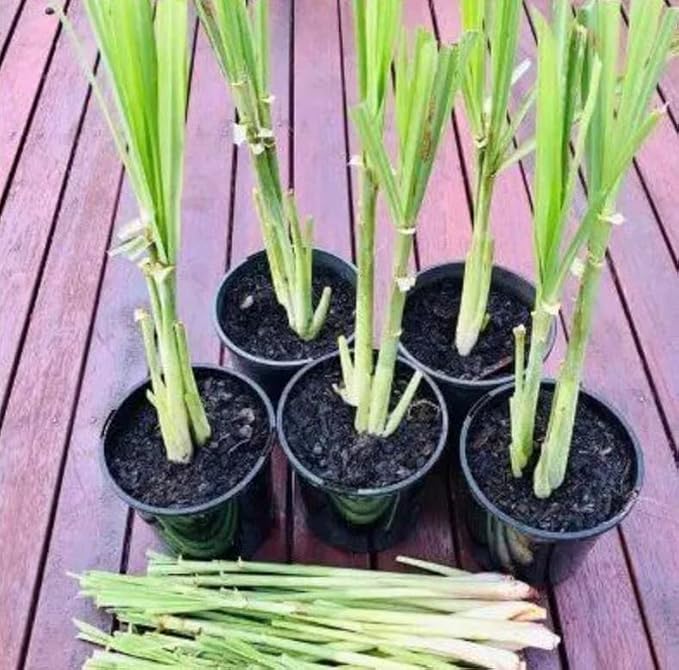
These two live lemongrass starters arrive 6–8 inches tall and are intended for quick establishment in pots, kitchen herb beds, or borders. They are typically planted in well-draining soil, given moderate watering until established, and placed where they receive bright light or partial sun. Notable features include a strong citrus fragrance that releases when leaves are crushed and natural mosquito-repellent properties useful on patios and entryways. The plants are described as drought tolerant once established and easy to trim or harvest for cooking and tea. Practical benefits for an outdoor seating area include fragrance, low maintenance care, and the ability to overwinter in containers indoors in cooler climates. Limitations to expect are hardiness only to about USDA zones 8 to 11 outdoors, so those in colder regions must pot and bring them inside before frost, and the 6–8 inch starter size means you will need patience for them to reach mature clump height. For buyers wanting a simple, multiuse herb that also helps deter mosquitoes, these make a convenient starter pair.
Best for: Practical gardeners who want a multifunctional, easy-care herb to add fragrance and mosquito deterrence to patios or containers while also providing usable stalks for cooking.
Less Ideal for: Gardeners in cold climates who cannot move containers indoors at first frost or those who need immediate tall screening without waiting for growth.
- Fragrant citrus-scented foliage that helps repel mosquitoes when planted near seating areas
- Sold as live starter plants suitable for containers or garden beds
- Low-maintenance and drought tolerant once established
- Useful harvestable stalks for cooking and herbal tea
- Hardy outdoors only in warmer zones (listed as USDA zones 8–11)
- Arrives as small 6–8 inch starters so it takes time to reach full ornamental height
Verdict: A low-maintenance, dual-purpose herb that adds citrus fragrance and natural mosquito-repellent value to patios and containers while also supplying edible stalks.
TomorrowSeeds West Indian Lemongrass Seeds — 1500 Count

| Sunlight Exposure | Full Sun, Partial Shade |
|---|---|
| Soil Type | Loam Soil |
| Moisture Needs | Moderate Watering |
| Material Features | GMO Free, Heirloom |
| Unit Count | 1500 Count |
These TomorrowSeeds West Indian lemongrass seeds give you a high-count packet suitable for planting a mosquito-repellent border, containers, or a small home patch. The seeds are heirloom and GMO-free and are described as easy to grow in full sun to partial shade with moderate watering; germination is expected in roughly 10 to 28 days and harvests start around 100 days. In practice you can seed directly or start indoors and transplant to create dense clumps that release a citrusy aroma attractive in cooking and useful as a natural insect-deterrent along patios and walkways. The packet size means good value for larger lawns, community gardens, or for gardeners who want many starter plants without rebuying seed. Limitations: it is best for USDA zones 8 to 11 so colder-climate gardeners will need containers and winter protection, and results depend on proper warm-season care since the plant performs best in heat. Useful for culinary, aromatic, and landscape uses, the seeds are a cost-effective way to add fragrant, fast-growing grass that helps discourage mosquitoes when planted strategically.
Best for: Budget-minded gardeners who want to establish a large stand of mosquito-deterring, culinary lemongrass without buying multiple packets and who can grow in warm-season conditions or provide container care.
Less Ideal for: Gardeners in cold climates who cannot overwinter tropical plants or those who need instant mature plants rather than growing from seed.
- Very large 1500-count packet provides strong value for seeding borders or multiple containers
- Heirloom, GMO-free seeds suitable for culinary and aromatic uses
- Germinates in 10–28 days and reaches harvestable size around 100 days
- Tolerates full sun to partial shade and needs only moderate watering
- Best suited to USDA zones 8–11, so gardeners in colder zones need container culture or winter protection
- Seed packet does not include treated protection against pests or diseases
Verdict: If you want an affordable way to plant a large area with mosquito-repelling, culinary lemongrass, this 1500-count heirloom seed packet delivers strong value.
BuggyBeds French Marigold Seeds (9999 Count)

| Expected Blooming Period | Summer to Fall |
|---|---|
| Sunlight Exposure | Full Sun |
| USDA Hardiness Zone | 3-9 |
| Moisture Needs | Medium Moisture, Drought Tolerant Once Established |
| Unit Count | 9999 Count |
These BuggyBeds French marigold seeds deliver a high-volume supply for establishing borders, mass plantings, or container displays. Tagetes patula is a compact, bushy annual that produces abundant orange and yellow double blooms from summer into fall and is known to be heat and drought tolerant once established. Typical use is direct sowing in spring or early fall in full sun into well-draining soil with regular water until seedlings are established; space plants about 12 inches apart and prune to control growth. The packet emphasizes fast germination and low maintenance, which makes it suitable for planting large areas or sharing seed. Practical benefits include strong bloom production that attracts pollinators while contributing to a mosquito-repellent planting scheme, and the very large seed count means you can reseed or replace plants without buying more seed. Important limitations are that marigolds are annuals so they need replanting each year and the packet gives no germination rate percentage or exact planting depth, so results may vary with seed handling and local conditions.
Best for: Home gardeners who want a reliable, low-maintenance annual to fill beds or containers and prioritize easy, repeatable plantings for mosquito-repellent garden borders.
Less Ideal for: Gardeners seeking perennial solutions or those who prefer seeds with documented germination guarantees and detailed sowing instructions.
- Very large seed count good for multiple beds or sharing
- Heat and drought tolerant once established, suited to summer climates
- Compact, bushy habit works well in borders and containers
- Attractive blooms that draw pollinators and support a mosquito-deterring planting strategy
- No stated germination rate or planting depth included on the packet
- Plants are annuals so beds need replanting each year
Verdict: If you want a simple, low-maintenance annual to create pollinator-friendly, mosquito-deterring borders at scale, this large packet of French marigold seeds is a practical choice.
Clovers Garden Citronella (Citrosa) Geranium — Two Live Plants

| Indoor Outdoor Usage | Outdoor |
|---|---|
| Sunlight Exposure | Full Sun, Partial Shade |
| Soil Type | Sandy Soil |
| Moisture Needs | Moderate Watering |
| Unit Count | 2 Count |
These Clovers Garden citronella geraniums arrive as two live plants in 4" pots ready to put into containers or border beds. The plants produce lemony-scented foliage that releases more scent when leaves are bruised, which makes them useful planted near patios, play areas, or seating to help reduce mosquito nuisance while also attracting pollinators. They tolerate full sun to partial shade and prefer sandy, well-draining soil with moderate watering, traits that make them low-maintenance for most warm-season gardens. Expect them to fill out into bushy specimens over the season and to add occasional pink-purple blooms. Limitations to note are that citronella geraniums provide localized, natural deterrence rather than insect-free guarantees and their effect depends on placement and density around high-use areas. Buyers who want a simple, attractive plant-based layer of protection and floral interest will appreciate these; gardeners needing broad mosquito control should combine them with other measures.
Best for: Gardeners who want an attractive, low-maintenance plant that adds a natural, localized layer of mosquito deterrence around patios, decks, and seating areas.
Less Ideal for: People who need yard-wide mosquito control or a guaranteed reduction in biting should consider additional control methods rather than relying on these plants alone.
- Lemony-scented foliage releases citronella-like aroma when leaves are bruised, helping deter mosquitoes near the plant
- Sold as two live, ready-to-plant specimens that establish quickly in warm-season outdoor settings
- Tolerates full sun to partial shade and needs only moderate watering, making it low-maintenance
- Attracts pollinators while also providing ornamental foliage and occasional pink-purple blooms
- Repellent effect is localized and depends on placement and plant density rather than providing whole-yard protection
- Plants are delivered in small pots and will need potting up or space to grow into full-sized shrubs
Verdict: A simple, attractive way to add localized mosquito deterrence and pollinator-friendly foliage around outdoor living spaces.
HOME GROWN Lemon Balm Seeds (Melissa officinalis) — 403 Heirloom Non-GMO Seeds

| Indoor Outdoor Usage | Indoor, Outdoor |
|---|---|
| Sunlight Exposure | Full Sun |
| USDA Hardiness Zone | 7, 8, 9, 10 |
| Moisture Needs | Moderate Watering |
| Material Features | GMO Free, Heirloom |
These lemon balm seeds are a straightforward option for gardeners who want an easy, fragrant herb that also helps deter mosquitoes. The packet contains 403 heirloom, non‑GMO seeds with an advertised 85–90% germination rate and an online grow guide, which makes getting started simple for beginners and cautious gardeners. Lemon balm prefers full sun, loam soil, and moderate watering and typically grows to around 2 feet, so it works in beds, larger pots, or borders. Practical benefits include strong initial sprouts, multiple culinary and tea uses, and a citronellal-rich scent useful for repelling mosquitoes when plants are grown near seating areas or crushed for topical use. Limitations are typical for small-seed herbs: seeds need to be surface sown under light and kept evenly moist to germinate, and the plants can spread if not regularly trimmed. This pack is designed for low‑maintenance growing but still requires basic care and space management to prevent overcrowding.
Best for: Buyers who want a low‑risk, easy‑to‑grow herb that provides fragrant leaves for tea and cooking and offers natural mosquito‑repellent benefits when planted around outdoor seating areas.
Less Ideal for: Gardeners seeking instant ornamental impact or those with only a few square feet of planting space who need strictly compact varieties.
- High reported germination rate (85–90%) for reliable starts
- Heirloom non‑GMO seeds sourced and packaged with planting guidance
- Generous seed count (403) suitable for multiple pots or beds
- Fragrant leaves with citronellal that can help repel mosquitoes when planted near patios
- Seeds are very small and require surface sowing and consistent moisture to germinate
- Plants can spread if not regularly trimmed or contained
Verdict: A safe, beginner‑friendly herb seed pack that reliably produces fragrant lemon balm plants you can use for tea, cooking, and natural mosquito deterrence.
Choosing the Right Plants for Mosquitoes: Key Factors to Consider
Scent Profile and Emission
The chemical compounds a plant emits are the primary reason it might repel mosquitoes. Plants that produce strong volatile oils such as citronellal, geraniol, or limonene tend to have a more noticeable deterrent effect when their foliage is disturbed or warmed by sun. Consider whether the plant releases scent continuously or only when crushed, because continuous low-level emission helps in living spaces while crush-release works better in high-traffic paths where leaves get brushed.
Scent strength also affects human enjoyment of the garden. Some strongly scented plants can be overpowering in small patios, while others offer a pleasant aroma that complements seating areas. Match scent profile to how you use the space so the deterrent benefit does not become a nuisance.
Climate Hardiness and Microclimate
Match plants to your USDA hardiness zone or equivalent local climate. Warm-season aromatic herbs and tender ornamentals may thrive and release more oils in hot, humid summers but will need protection or replacement in cold zones. Conversely, hardy perennials deliver multi-year presence in temperate climates, reducing replanting chores.
Also account for garden microclimates. Sunny, south-facing terraces amplify scent emission and are ideal for sun-loving deterrent plants. Shaded, damp corners favor mosquitos but reduce volatility, so choose shade-tolerant species or position potted deterrents where they receive midday sun to increase oil release.
Growth Habit and Planting Location
Consider whether you want low-growing border plants, tall screen-forming species, or container specimens for portability. Low, dense plants are useful for edging pathways and seating areas, creating a scented barrier at breathing height. Taller shrubs or grasses can be positioned to form a windbreak-lined buffer where people gather, pushing insects away from the center of activity.
Also plan for companion planting. Some plants pair well with pollinator-friendly species so you do not trade mosquito control for a drop in beneficial insect visits. Avoid species that self-seed aggressively in small gardens unless you can manage volunteers.
Ease of Culture and Maintenance
Maintenance affects whether the deterrent function is sustained. Plants that need frequent deadheading, heavy pruning, or strict watering schedules are less likely to be effective over time in low-care yards. Choose plants whose trimming stimulates scent release if you are willing to perform regular light maintenance.
Consider disease and pest resistance too. A plant that declines under local pests or fungal pressure will lose its deterrent effect and may require replacement, which undermines long-term planning.
Container Performance and Mobility
Containers let you move deterrent plants to where people gather, maximizing repellent benefit at critical times. Evaluate rootbound tolerance, watering frequency, and pot size needs. Some aromatic species handle restricted root space well and bloom reliably in containers; others quickly decline unless placed in large, well-draining pots.
Mobility also supports seasonal storage. If species are tender, pots can be moved indoors or into a protected spot for winter, preserving plants for another season without replanting from seed.
Non-target Effects and Safety
Think about pets, children, and pollinators when selecting deterrent plants. Some aromatic plants may be toxic if ingested by dogs or cats, so placement and signage matter. Also avoid plants that repel beneficial insects broadly; the ideal choices repel biting flies and mosquitoes while still attracting or tolerating pollinators such as bees.
If you rely on the plants for a social space, choose species with low pollen mess and limited leaf drop to keep seating areas comfortable.
Where to Place Mosquito-Deterring Plants
Positioning is as important as species selection. Place pots or plant beds near seating areas, doorways, and mosquito breeding hotspots like shady edges or near water features to create scented barriers where people spend time. A ring of aromatic pots around a patio concentrates volatile oils at face level during gatherings.
In larger landscapes, use deterrent plants as part of layered planting: low borders to affect the immediate breathing zone, and taller plantings downwind to disrupt mosquito approach paths. Remember that wind can dilute scent quickly, so sheltered corners amplify effect.
- Near seating and entry points for maximum protection.
- In portable pots for seasonal repositioning.
- Paired with pollinator plants to avoid reducing beneficial insect visits.
Container Gardening Tips for Scent Release
Containers concentrate root and soil conditions, which can influence essential oil production. Use well-draining potting mix and situate containers in full to part sun to maximize volatile emission. Regular light pruning or harvesting of foliage often increases scent release and refreshes plant vigor.
Monitor watering carefully. Overwatered containers produce lush, but less aromatic growth, while mild water stress in some species can intensify scent. Rotate pots occasionally so all sides receive light and avoid one-sided growth that reduces overall emission.
- Choose pots with good drainage and adequate volume for the species.
- Prune or harvest foliage to stimulate oil release.
- Avoid overwatering to preserve scent intensity.
Complementary Approaches to Reduce Mosquitoes
Plants are only one part of an integrated approach. Eliminating standing water, improving airflow with selective pruning, and using physical barriers like screens dramatically reduce mosquito pressure. Combine deterrent plants with habitat management for the best results.
In entertaining spaces, temporary measures such as fan placement can be paired with nearby aromatic pots to increase comfort without adding chemical controls. Think of plants as a continual, low-impact layer rather than a standalone cure.
- Remove or regularly refresh water sources such as birdbaths and saucers.
- Use fans and airflow to reduce mosquito landings in seating areas.
- Plant deterrents alongside habitat management for more effective control.
Seasonal Care and Renewing Effectiveness
Scent production is seasonal for many species. In cooler seasons or after frost, tender plants lose foliage and scent. Schedule pruning, potting up, or replacement plantings to maintain scent through the months you most need protection.
For winter protection, use containers that can be moved to sheltered locations, or maintain fresh seedlings to replace annuals. Also plan for staggered bloom or foliage peaks to ensure something is releasing scent across the mosquito season.
- Stagger plantings for extended seasonal coverage.
- Use containers to protect tender specimens in cold months.
- Replace or refresh annuals before peak mosquito months.
Designing with Deterrent Plants in Mind
Aesthetic integration keeps the yard inviting. Use repetition of foliage color, texture, and height to create pleasing groupings that perform as mosquito barriers without looking like a utilitarian hedge. Combine aromatic foliage with nectar-rich flowers to maintain pollinator interest.
Consider scent intensity when arranging seating. Put stronger-scented plants slightly downwind so aromas reach people without overwhelming them. Cluster pots at table corners or along pathway edges for a subtle, continuous effect.
- Repeat plant groups for visual cohesion and stronger scent zones.
- Balance aromatic foliage with nectar plants for a garden-friendly mix.
- Place strong scents slightly downwind of seating to avoid overpowering guests.
How We Chose the Best Plants for Mosquitoes
We focused on species that are commonly recommended for repelling biting insects based on the volatile oils they produce and on how they perform in typical home garden settings. Selection criteria emphasized measurable, gardener-relevant traits: scent potency under real outdoor conditions, adaptability to containers and landscape beds, seasonal longevity of deterrent effects, and ease of culture for home gardeners. We also considered native-versus-exotic suitability to favor plants that support local beneficial insects and reduce invasive risk. Excluded items included plants with poisonous foliage to children or pets unless widely used safely with known precautions, species that require specialized greenhouse conditions, and plants that are primarily indoor houseplants with no proven outdoor deterrent effect. The shortlist balances low-maintenance choices and plants that provide multi-season interest so that repelling mosquitoes does not come at the cost of an unattractive yard. Evaluation focused on scent emission and persistence, hardiness and climate range, growth habit and space needs, and maintenance intensity. These dimensions align with the scoring metrics we used to compare each candidate.
FAQ
Do mosquito-deterring plants actually keep mosquitoes away?
They can reduce mosquito activity locally because many release volatile compounds mosquitoes avoid. Effects are usually modest and site-dependent, so plants work best as part of broader habitat management rather than as a sole control method.
Are these plants safe around pets and children?
Safety varies by species. Some aromatic plants are safe, while others can be toxic if ingested. Check plant-specific safety guidelines and place suspect species out of reach or use containers to control access.
Can I rely on potted deterrent plants for a small balcony?
Yes. Containers let you concentrate scent at seating height and move plants to catch sunlight. Choose species that perform well in pots and follow container care tips to keep them healthy and aromatic.
How long before I notice a difference after planting?
That depends on plant size, scent potency, and placement. Potted herbs and established shrubs with strong oils may provide noticeable effect within weeks, while annuals or small transplants may take longer as they develop foliage and oils.
Will planting these species repel beneficial insects too?
Some deterrent plants still attract pollinators or beneficial predators, while others may be less appealing. Choose species that offer flowers or nectar if you want to maintain pollinator visits alongside mosquito reduction.
Final Verdict
Prioritize plants that match your climate, garden scale, and maintenance capacity. Strong-scented, sun-loving species work well in seating areas and containers, while hardier perennials provide longer-term presence in landscape beds. Expect modest local reduction rather than total elimination and combine plantings with habitat management to get the best results. Choose species with the right scent profile and growth habit for your space, plan placement to concentrate effect where people gather, and maintain plants so they continue to emit the deterrent compounds through the season.
