

Note: This article contains affiliate links. If you click on these links and make a purchase, I may earn a small commission at no extra cost to you. This helps support my research and content. Read my full affiliate disclosure here.
If you have a shady patio, porch, or balcony, picking the right outdoor plants for pots in shade makes the difference between a drab container and a vibrant focal point. In low light you need specimens that set buds, hold foliage color, and stay compact so they do well in limited soil volumes. This guide shortlists seven top container-ready shade plants suited to common outdoor situations. We evaluated vigor in low light, container feeding and watering needs, and seasonal interest so you can pick plants that behave predictably in pots. Read on for practical notes to match a plant to your shady spot.
Top Picks at a Glance
| Best Overall The best all-around choice for most situations | Plant Nook Red Coat Coleus 2-Pack (7 in, 2.5 in pots) |  |
| Best Quality Built to a higher standard if you want something more solid | The Three Company Creeping Jenny (Lysimachia nummularia) 2-Pack Live Trailing Groundcover |  |
| Best Value The sweet spot between price and what you get | Plants for Pets Autumn Fern (Dryopteris erythrosora) 1-Gallon Live Outdoor Plant |  |
| Best Budget The cheapest option that still gets the job done reliably | BuggyBeds Hosta Seeds (99-Pack) — Perennial Shade Garden Plants |  |
| Highest Rated A top-rated pick with lots of positive feedback | The Three Company Hosta 'Patriot' 4-Pack (Live Perennial in 1 Qt Pots) |  |
| Most Popular A crowd favorite that many people choose with confidence | HOME GROWN Rainbow Mix Coleus Seeds (approx. 400) |  |
| Best Seller A high-volume bestseller chosen again and again | KVITER Rainbow Coleus Seeds — 1,600 Heirloom Coleus (Plectranthus scutellarioides) |  |
Plant Nook Red Coat Coleus 2-Pack (7 in, 2.5 in pots)

| Indoor Outdoor Usage | Outdoor |
|---|---|
| Sunlight Exposure | Partial Shade |
| USDA Hardiness Zone | 10 to 11 |
| Moisture Needs | Moderate Watering |
| Unit Count | 2 Count |
These Red Coat coleus arrive as two fully rooted 2.5 inch potted plants intended for part to full shade locations. They are grown to be mounding and bushy and will reach roughly 12 to 18 inches when established, making them an easy, colorful choice for shaded containers, borders, or mixed shade beds. Care is straightforward: keep soil evenly moist by watering when the top inch dries and pinch or trim regularly to encourage fresh foliage and prevent legginess. The bold red centers with chartreuse edges deliver strong contrast in low-light spots where many flowering plants fade. They are perennial only in warm zones 10 to 11 but work well as annuals elsewhere or can be moved indoors before frost. Practical limitations are their sensitivity to direct sun, which can bleach the leaf color, and that they are toxic if ingested so should be placed away from pets and children. Packaged as a two-plant set, they suit gardeners who want instant color in shade without complicated maintenance.
Best for: Gardeners who want an easy, low-maintenance way to add bold color to shady containers or borders and prefer ready-to-plant live specimens over seeds or cuttings.
Less Ideal for: People seeking frost-tolerant perennial foliage in temperate climates or those who need non-toxic plants safe for unsupervised pets and children.
- Striking foliage color contrast ideal for shaded containers and beds
- Arrives fully rooted and ready to plant in 2.5 inch pots
- Simple care: moderate watering and regular pinching keeps plants compact
- Mounding habit fills space well without complicated pruning
- Not hardy beyond USDA zones 10 to 11, so must be treated as an annual or moved indoors in cooler climates
- Leaf color fades with too much direct sun and requires a shady site to stay vibrant
Verdict: Buy this two-plant set if you want an instant, low-effort pop of dramatic foliage color for shaded pots or beds.
The Three Company Creeping Jenny (Lysimachia nummularia) 2-Pack Live Trailing Groundcover

| USDA Hardiness Zone | 4-9 |
|---|---|
| Sunlight Exposure | Full Sun |
| Expected Blooming Period | Summer |
| Soil Type | Well-draining Soil |
| Moisture Needs | Regular Watering |
Creeping Jenny (Lysimachia nummularia) is a vigorous trailing perennial valued for rapid coverage and bright chartreuse leaves. It is typically used in containers, hanging baskets, as an edging plant, or to form a low mat in shady containers where quick visual impact is wanted. The plants arrive live and establish quickly in well‑draining soil with regular watering and tolerate full sun to partial shade, making them flexible for many shade container spots. Notable features include fast spreading habit for erosion control or weed suppression and suitability for USDA zones 4–9 so it returns in many temperate climates. Practical benefits are immediate color, low long‑term maintenance once established, and usefulness in mixed shade containers to contrast darker foliage. Important limitations are that it can become aggressive in favorable conditions and will need periodic pruning or containment to prevent it overtaking small pots or nearby plants, and it prefers consistent moisture so may need more frequent watering in shallower containers.
Best for: Gardeners who want a fast‑establishing, colorful trailing plant for shaded or partially shaded containers and hanging baskets and who prioritize quick visual impact and easy seasonal color.
Less Ideal for: People who prefer strictly non‑invasive, slow‑growing plants for tightly packed mixed containers or who want truly drought‑tolerant species for infrequently watered pots.
- Fast spreading habit provides quick coverage in containers and hanging baskets
- Bright chartreuse foliage adds season‑long color in shade or partial shade
- Hardy across USDA zones 4–9 for reliable perennial return in many climates
- Low maintenance once established, tolerates a range of soils with regular watering
- Can be invasive in favorable conditions and requires trimming or barriers in small containers
- Needs consistent moisture so shallow pots may require frequent watering
Verdict: Choose this fast‑spreading Creeping Jenny 2‑pack when you need an easy, high‑impact trailing groundcover for shaded containers and hanging baskets.
Plants for Pets Autumn Fern (Dryopteris erythrosora) 1-Gallon Live Outdoor Plant

| Indoor Outdoor Usage | Outdoor |
|---|---|
| Sunlight Exposure | Partial Shade |
| USDA Hardiness Zone | 7 |
| Moisture Needs | Moderate Watering |
| Soil Type | Sandy Soil |
This autumn fern is a shade-tolerant perennial sold in a 1-gallon nursery pot and intended for outdoor planting. It is used as ground cover, a border or understory specimen where filtered light prevails; new fronds emerge copper-red in spring and mature to deep green for seasonal interest. The plant spreads slowly by rhizomes, so you can expect gradual filling-in rather than rapid crowding. It prefers evenly moist, well-drained soil and regular watering but is reported to tolerate short dry periods once established. Notable features include deer and rabbit resistance, suitability for heavy shade, and hardiness to Zone 7. Practical benefits for planter use include attractive, low-profile foliage that adds texture and color contrast to shady containers and paired plantings. Limitations are that it is sized for outdoor beds and planters rather than indoor display, and it will need consistent moisture and appropriate shade to keep fronds healthy; it is not a fast spreader for quick coverage if you need instant fill in a large planter group.
Best for: Buyers who want a low-profile, reliable shade plant for planters or shady borders and prioritize attractive foliage and low pest pressure over rapid spread.
Less Ideal for: Gardeners who need fast ground cover or immediate dense screening, or those planning bright sun containers or indoor plantings.
- Shade-tolerant with attractive seasonal color from copper-red new fronds to deep green mature fronds
- Hardy to Zone 7 and resistant to deer and rabbits for low-loss outdoor planting
- Sold fully rooted in a 1-gallon nursery pot ready for transplanting into planters or beds
- Slow, rhizome-driven spread gives controlled ground-cover without aggressive invasion
- Requires consistently moist, well-drained soil and regular watering for best foliage condition
- Not intended as an indoor houseplant and may decline in bright sun or dry indoor conditions
Verdict: Choose this autumn fern when you need a hardy, shade-loving planter plant that delivers year-round foliage interest with minimal pest problems.
BuggyBeds Hosta Seeds (99-Pack) — Perennial Shade Garden Plants

| Unit Count | 99 Count |
|---|---|
| USDA Hardiness Zone | 3-9 |
| Expected Blooming Period | Summer to Fall |
| Sunlight Exposure | Full Sun |
| Moisture Needs | Medium Moisture, Drought Tolerant Once Established |
This 99-seed packet from BuggyBeds supplies enough Hosta seed to establish a substantial shade planting or refresh multiple containers. Hostas are grown for their foliage and are typically planted in partial to full shade; the packet is intended for spring or early fall sowing and thrives in USDA zones 3 to 9. The listing emphasizes easy care: the plants are described as fast-growing, drought tolerant once established, and adaptable to most well-draining soils, making them a practical choice for low-effort beds. Expect summer to fall blooms that attract pollinators, while spacing recommendations and pruning notes help manage spread as they form groundcover. Limitations are that seed-grown Hostas vary in appearance and establishment takes longer than buying transplants, so results are less predictable and patience is required. For small urban patios, starting in pots will need careful watering until roots set. For the budget-conscious gardener wanting to fill shady areas with foliage without frequent maintenance, this seed pack offers an economical way to add classic shade plants, but be prepared for variability and a slower timeline compared with established plants.
Best for: Gardeners on a budget who want to fill shady patios or beds with traditional foliage plants and are willing to start from seed and wait for establishment.
Less Ideal for: Buyers who need immediate, uniform plants for instant curb appeal or those who prefer plug-grown transplants with predictable size and form.
- Large 99-count packet supplies seed for multiple beds or containers
- Adaptable to USDA zones 3 to 9, suitable across many climates
- Low maintenance once established and drought tolerant
- Shade-tolerant species that attracts pollinators when in bloom
- Seed-grown Hostas establish more slowly and produce variable results compared with nursery transplants
- Product details list indoor usage but practicality is primarily for shaded outdoor planting
Verdict: If you want an economical way to populate shady patios and beds with classic, low-maintenance foliage, this 99-pack of Hosta seed delivers the most plants per dollar.
The Three Company Hosta 'Patriot' 4-Pack (Live Perennial in 1 Qt Pots)

| Sunlight Exposure | Partial Shade |
|---|---|
| USDA Hardiness Zone | 3-9 |
| Expected Blooming Period | Spring, Summer |
| Soil Type | Well draining soil |
| Moisture Needs | Regular Watering |
These Patriot hostas arrive as four live 1-quart plants sized for pot culture or edging in a shady garden. They form medium upright mounds of deep green leaves with bold white margins that provide strong contrast in partial shade. Because they are hardy to USDA zones 3–9 and ship from a greenhouse, they are suited to long-term planting in containers where regular watering and well-draining potting mix are maintained. Typical use is grouping one or more plants in 10-inch or larger containers, placing them where they get morning sun or dappled light, and removing faded foliage in fall. Practical benefits include instant seasonal impact without needing to wait years for size, and reliable, low-maintenance growth for shady patios or porches. Limitations are that they require consistent moisture and partial shade to avoid leaf scorch, and potted hostas will need periodic division or repotting as they mature to prevent crowding.
Best for: Buyers who want a reliable, low-effort shade plant for pots or shady borders that delivers immediate visual impact and dependable perennial return each year.
Less Ideal for: Gardeners seeking drought-tolerant or full-sun container plants or those who want instant flowering specimens rather than foliage-focused perennials.
- Distinctive variegated foliage provides strong visual contrast in shade
- Sold as a four-pack ready for planting in pots or beds
- Hardy across USDA zones 3–9 for dependable outdoor performance
- Suitable for container planting and immediate landscape impact
- Needs regular watering and well-draining soil to perform well in containers
- Requires partial shade and can suffer leaf scorch in full sun
Verdict: A dependable, variegated shade perennial sold as a four-pack that gives quick, low-maintenance visual impact in pots and shady spots.
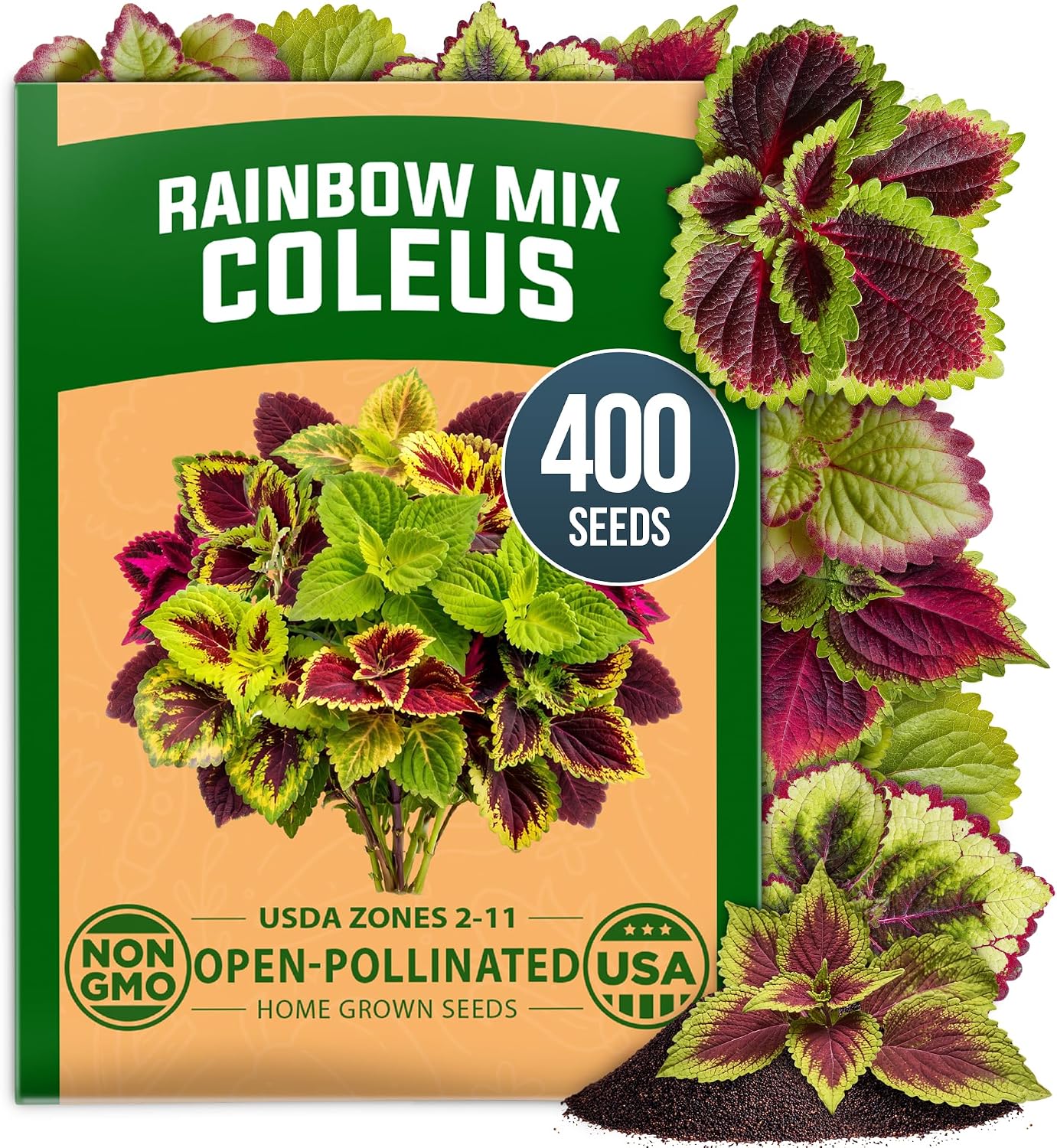
HOME GROWN Rainbow Mix Coleus Seeds (approx. 400)
| Sunlight Exposure | Part Shade to Shade |
|---|---|
| USDA Hardiness Zone | 2-11 |
| Expected Blooming Period | Spring through Frost |
| Material Features | GMO Free, Heirloom |
| Unit Count | 1 Count |
These Rainbow Mix coleus seeds produce compact, colorful foliage plants that are well suited to containers and shaded patio spots. Surface-sow the tiny seeds (do not cover), keep the medium warm and consistently moist, and seedlings typically appear in 10–14 days; pinch growing tips to encourage bushy, mounded plants. The mix is valued for season-long leaf color in shades of rose, green, bronze, cream, and scarlet, so you get visual impact without relying on flowers. Coleus grows indoors near bright north or east windows and outdoors in part shade to shade, making it a flexible choice for window boxes, mixed planters, and small pots. Important limitations are that coleus is a tender annual in most regions and needs protection from frost and prolonged drought, and it prefers warm temperatures for best germination and growth. For container gardeners who want low-maintenance, high-impact foliage, this seed mix is an easy way to produce many plants from one packet.
Best for: Gardeners who want easy-to-grow, high-impact foliage for containers and shaded patios and prefer predictable, low-fuss plants they can start from seed.
Less Ideal for: People seeking long-lived perennial landscaping or plants that tolerate full sun and drought without extra care.
- High seed count (about 400) gives many starts for containers or massing
- Open-pollinated non-GMO seeds from a mix that yields varied, colorful foliage
- Specifically suited to part shade and shade where many flowering plants struggle
- Compact, mounded habit that performs well in pots, window boxes, and mixed planters
- Tender annual in most zones and requires frost protection or indoor overwintering
- Requires consistent moisture and will suffer if soil dries out or remains waterlogged
Verdict: A high-count, non-GMO coleus seed mix that reliably produces compact, colorful foliage perfect for containers and shaded patios.
KVITER Rainbow Coleus Seeds — 1,600 Heirloom Coleus (Plectranthus scutellarioides)

| Unit Count | 1600 Count |
|---|---|
| USDA Hardiness Zone | 4-10 |
| Sunlight Exposure | Partial Shade |
| Material Features | GMO Free, Heirloom |
| Moisture Needs | Regular Watering |
These KVITER Rainbow Coleus seed packets deliver a high-count mix of heirloom, non-GMO coleus seeds designed for easy container and border planting. The seeds are billed for part-shade locations and come with a step-by-step growing guide on every packet, which helps take the guesswork out of starting indoors 6–8 weeks before the last frost or sowing directly into pots and trays. Coleus produces colorful foliage rather than showy flowers and reaches about a foot tall, making it well suited to outside pots, hanging baskets, and shaded patio corners. The seeds are labeled low-maintenance and shade resistant, so once established they respond well to regular watering and occasional pinching to encourage bushier growth. Because this is a bulk 1,600-count pack, it is best for gardeners who want to fill several containers or create repeated plantings through the season. Expect germination within 7–14 days under good light; results can vary with local soil and care. The package focuses on starter guidance rather than advanced cultivation details, so experienced growers may want more specific spacing or fertilization notes.
Best for: Gardeners who prefer low-risk, easy-to-follow planting and want colorful, shade-tolerant foliage for multiple outside pots or shaded patio containers.
Less Ideal for: Buyers who only need a few plants for a single small pot or who want edible or flowering plants rather than foliage-focused coleus.
- Very large 1600-seed count is suitable for filling many pots or repeating plantings
- Heirloom, non-GMO seeds with a step-by-step growing guide on each packet
- Shade-tolerant foliage plant that performs well in part-sun/part-shade container locations
- Low-maintenance habit and responds to pinching for bushier growth
- Bulk quantity may be more than needed for casual single-pot gardeners
- Limited cultivation details on fertilizing and advanced care provided
Verdict: A risk-averse choice for filling multiple shaded pots with colorful, low-maintenance coleus foliage thanks to a large heirloom seed pack and clear growing instructions.
Choosing the Right Outdoor Plants for Pots in Shade: Key Factors to Consider
Amount and Type of Shade
Shade varies from bright, indirect dappled light to deep, north-facing shadow. Plants that tolerate dappled shade often need a few hours of indirect sun to bloom, while those rated for deep shade focus more on foliage than flowers. Match the plant to the actual light at the pot placement and monitor seasonal changes as tree leaf cover and sun angle alter light levels.
Understanding the type of shade helps you pick species that will reliably set leaves or flowers. For example, a plant that tolerates 'partial shade' may languish in deep shade and show leggy growth in a pot, which is harder to correct than selecting a naturally low-light tolerant species from the start.
Pot Size and Root Volume
Potted plants have limited soil and root space, which restricts growth and moisture buffering. Choose plants whose mature root systems stay proportionate to the container you can provide. Larger pots hold more moisture and allow bigger specimens, but they also require more potting mix and are heavier to move.
Consider whether you want a long-term container specimen or seasonal rotation. Long-term container plants benefit from a pot that gives at least one to two years of root room before repotting. If you plan to keep plants in small decorative pots, prioritize species known for compact, slow, or clumping growth habits.
Watering and Drainage Needs
Containers dry and rewet much faster than garden beds. In shade, evaporation is lower but pots still experience frequent moisture swings. Select plants that tolerate occasional surface drying if you cannot water every day, and avoid species that demand consistently saturated soil unless you have an automatic irrigation plan.
Good drainage is essential. Use potting mixes designed for containers and make sure the pot has drainage holes. Consider saucers and raised pot feet to prevent waterlogging at the base in heavy rains, because soggy roots in shaded conditions can invite rot.
Fertilizer and Nutrient Requirements
Plants in pots use up nutrients faster than those in the ground due to limited soil volume and regular watering leaching minerals. Shade-loving species often need moderate feeding to maintain healthy foliage and promote bloom if they flower. Slow-release granular fertilizers can provide steady nutrition, while liquid feeds let you adjust quickly based on plant response.
Balance your fertilizing plan with growth goals. Heavy feeding can push leggy growth in low light, so a gentler schedule that maintains color and occasional flowering without excessive size is usually best for shaded containers.
Cold Hardiness and Seasonal Behavior
Outdoor containers face the full effect of seasonal temperature swings. Some shade plants are hardy and can overwinter in a protected pot with insulation or moved into a sheltered area. Others are tender and intended as annuals in cooler climates. Consider expected winter lows and whether you can move containers or provide frost protection.
Also factor in seasonal interest. Evergreen or semi-evergreen species give winter structure, while deciduous shade plants may offer spring bloom or fall leaf color. Choosing based on seasonal behavior helps you plan displays throughout the year.
Pest and Disease Resistance in Containers
Pots create concentrated planting sites that can amplify pest or disease problems if conditions favor them. Shade often raises humidity around foliage, which can increase susceptibility to fungal diseases. Select plants with a reputation for resilience in humid, low-light conditions or that tolerate light pruning to improve airflow.
Routine inspection, good cultural practices, and avoiding overcrowding in pots reduce the likelihood of outbreaks. Choosing species known for tolerance in container culture minimizes maintenance headaches over the season.
Designing a Shaded Container Display
Start with the container as a design element: its scale, color, and finish influence how the plants read in low light. Dark glossy pots can make foliage appear more vivid, while pale containers brighten a shady corner.
Think in layers of texture and height. Use a taller focal plant or support for a trailing vine, then add mid-height foliage and a groundcover or trailing plant at the rim. In shade, texture and leaf color matter more than relying solely on flowers.
- Combine different leaf shapes to create contrast.
- Place taller elements toward the back for balcony railings.
- Include at least one trailing plant to soften pot edges.
Container Mix and Drainage Tips for Shade Pots
Use a well-draining potting mix that still holds some moisture. Amendments such as coconut coir or compost can improve water retention without making the mix heavy. Avoid using garden soil which compacts and reduces aeration.
Ensure the pot has adequate drainage and consider a layer of coarse material at the bottom only if it improves outflow. Elevate pots slightly to help excess water escape after rains.
- Top-dress with fresh compost in spring to refresh nutrients.
- Replace potting mix every 2 to 3 years for long-term container plants.
Watering Strategies for Low-Light Containers
Water more by feel than by schedule in shaded pots. Check the top inch of soil before watering; shaded containers often need less frequent irrigation than sunny ones. When you do water, water thoroughly so the entire root ball is moist.
Consider self-watering containers or adding a moisture meter if you manage many pots. Inconsistent watering causes stress more than slightly reduced light levels.
- Water in the morning to let foliage dry during the day.
- Avoid keeping saucers filled which can lead to root rot.
Seasonal Care and Overwintering Potted Shade Plants
Adjust watering and feeding as growth slows in autumn. Reduce fertilizer to prevent tender new growth that cannot harden before frost. For marginally hardy plants, consider moving pots to a protected area or insulating them with bubble wrap or straw.
Cut back spent growth in early spring to encourage fresh, compact shoots. Repot or divide overcrowded specimens during active growth to maintain vigor.
- Group pots together in winter for microclimate benefits.
- Use mulch on the soil surface to moderate temperature swings.
Styling Tips to Maximize Color Without Full Sun
In shade, rely on varied foliage color and textures to make containers pop. Use plants with silver, variegated, or glossy leaves to create contrast. Small-flowered or seasonal bloomers can be added sparingly for spots of color.
Consider seasonal accents like ornamental grasses or foliage changes rather than depending on prolonged heavy flowering since many shade plants bloom less frequently.
- Pair a dark-leaved plant with a silver or variegated companion for contrast.
- Rotate a flowering annual into the mix for short-lived seasonal color.
How We Chose the Best Outdoor Plants for Pots in Shade
We focused on real-world container performance in maintained outdoor shade rather than greenhouse or indoor specimens. Our selection criteria emphasize traits that matter for potted plants: shade tolerance across dappled to deep shade, compact growth habit that suits limited root volume, tolerance of container moisture cycles, and the ability to hold foliage or bloom through the season. We also considered seasonal interest and maintenance demands so plants are manageable for typical gardeners. Specifically, we filtered for plants documented to perform reliably in partial to full shade, those that remain compact or respond well to pruning for pot culture, and types that do not require specialized greenhouse conditions. We excluded species known to need full sun, very deep root zones, or prolonged drought tolerance only found in established in-ground specimens. Final picks balanced visual impact, ease of care, and predictable container behavior.
FAQ
Can I grow flowering plants in pots placed in full shade?
Some flowering shade plants will bloom in full shade, but many require at least a few hours of bright indirect light to set flowers. If blooms are a priority, choose species known for deep-shade flowering or place pots in locations that get morning sun or dappled light.
How often should I repot shade plants in containers?
Repotting frequency depends on growth rate and pot size. Generally, every two to three years is sufficient for slow- to moderate-growing shade plants. If roots start circling the pot or the plant becomes root-bound, move to the next pot size or divide the rootball.
Do shade pots need less fertilizer than sunny pots?
Shade pots often need gentler feeding because lower light reduces plant energy and strong fertilization can produce weak, leggy growth. Use a balanced, moderate feed schedule and adjust based on foliage health rather than a fixed calendar.
What are common problems for shaded container plants?
Common issues include leggy, stretched growth from inadequate light, slow drying that encourages fungal leaf spots, and uneven watering stress. Proper spacing, good airflow, and careful watering reduce these problems.
Can I move pots between sun and shade during the season?
You can move pots, but do so gradually to avoid sunscald or stress. Plants acclimated to deep shade may scorch if suddenly exposed to full sun. Introduce increased light over several weeks if you plan to reposition containers.
Final Verdict
For shaded patios and porches, prioritize plants that naturally tolerate low light, stay compact, and handle the moisture cycles of containers. Balancing shade tolerance, appropriate pot size, and sensible watering will give you reliable, attractive displays without excessive maintenance. Focus on seasonal interest and resilience over chasing high bloom counts in deep shade. With the right plant choices and container care, your shaded spots can become rich, low-effort focal points that perform year after year.
