

Note: This article contains affiliate links. If you click on these links and make a purchase, I may earn a small commission at no extra cost to you. This helps support my research and content. Read my full affiliate disclosure here.
Potted trees that thrive in full sun let you add vertical structure, shade, and seasonal interest to patios, balconies, and small yards where ground planting is limited. Choosing the right container tree matters because sun exposure, root restriction, and watering patterns change how a tree grows and performs in a pot. This guide shortlists five top choices for trees grown in containers exposed to full sun. We test each pick against practical gardener concerns like drought tolerance, root management, and seasonal performance so you can pick a specimen that fits your outdoor space and maintenance rhythm.
Top Picks at a Glance
| Best Overall The best all-around choice for most situations | Little Miss Figgy Fig Tree (Ficus carica) — Dwarf Patio Fig, 2.5" Starter Pot |  |
| Best Value The sweet spot between price and what you get | Dwarf Alberta Spruce (1 Gallon) — Conical Evergreen Shrub |  |
| Highest Rated A top-rated pick with lots of positive feedback | Saucer Magnolia Live Plant in 2.5" Pot |  |
| Most Popular A crowd favorite that many people choose with confidence | American Plant Exchange Arbequina Olive Tree (potted live plant, 5" pot) |  |
| Best Seller A high-volume bestseller chosen again and again | PERFECT PLANTS Chicago Hardy Fig Tree, 3 Gallon, Live Plant |  |
Little Miss Figgy Fig Tree (Ficus carica) — Dwarf Patio Fig, 2.5" Starter Pot

| Indoor Outdoor Usage | Outdoor |
|---|---|
| Sunlight Exposure | Full Sun |
| USDA Hardiness Zone | 7, 8, 9, 10 |
| Expected Plant Height | 4 feet |
| Moisture Needs | Moderate Watering |
The Little Miss Figgy is a dwarf Ficus carica selected for patios and small-space containers. Supplied as a starter plant in a 2.5-inch pot, it is grown to develop into a tidy, roughly four-foot specimen that fruits reliably without needing cross-pollination. Typical use is in a sunny spot on a terrace or balcony where it receives well-draining soil and regular water while establishing, then moderate watering once mature. Notable features include its compact habit that makes pruning and container management straightforward, a hardy nature suited to USDA zones 7 through 10, and sweet, dark purple figs that ripen in the fall. Practical benefits are easy container culture, predictable size for small gardens, and suitability for beginners who want edible landscaping. Important limitations are that you receive a very small starter plant that needs time and winter protection in cooler zones near the lower end of its hardiness range, and it will require routine pruning and repotting over the years to stay healthy in a container.
Best for: Buyers who want an easy-to-manage edible tree for a sunny patio or balcony and prefer a compact variety that fits containers and small outdoor spaces.
Less Ideal for: Gardeners seeking instant larger specimens or those who want a completely maintenance-free plant in cold climates outside its hardiness range.
- Compact dwarf habit suited to containers and small patios
- Produces sweet, purple-skinned figs without needing pollination
- Rated hardy for USDA zones 7 to 10 so reliable in many temperate climates
- Supplied as a nursery-grown, non-GMO starter plant ready for potting
- Arrives as a very small 2.5-inch starter that requires time and care to fruit well
- Needs winter protection or microclimate management near zone 7 limits
Verdict: A compact, container-friendly fig that gives beginners and small-space gardeners an easy route to growing sweet, patio-ready fruit.
Dwarf Alberta Spruce (1 Gallon) — Conical Evergreen Shrub

| Sunlight Exposure | Full sun to partial shade |
|---|---|
| USDA Hardiness Zone | 2, 3, 4, 5, 6, 7, 8 |
| Moisture Needs | Moderate Watering |
| Indoor Outdoor Usage | Outdoor |
The Dwarf Alberta Spruce is a slow-growing, conical evergreen commonly used as a container specimen or small landscape accent. In practice it is planted in pots or garden beds where its dense, soft needles form a tidy, formal shape without frequent pruning. It prefers full sun to partial shade and tolerates a wide range of USDA zones, giving reliable year-round interest. Notable features are its dwarf habit that keeps mature height manageable and its suitability for containers or topiary work. Care is straightforward: water moderately, plant slightly above pot soil level with mulch, and fertilize in early spring. Expect 4 to 8 feet of height at maturity over several years, so plan pot size and placement accordingly. Limitations are its slow growth if you need immediate screening and the need to monitor watering in containers because moderate moisture needs can mean more frequent watering than permanent in-ground plantings. For gardeners wanting a low-maintenance evergreen focal point in a pot, it performs well; those needing rapid privacy hedging should look elsewhere.
Best for: Practical gardeners who want a low-maintenance evergreen focal point for pots or small landscapes and value year-round structure over fast growth.
Less Ideal for: People who need fast privacy hedging or instant tall screening or those unwilling to water containers regularly during dry periods.
- Compact conical form that works well as a container specimen or topiary
- Evergreen year-round interest suitable for seasonal décor
- Wide USDA zone tolerance (zones 2–8) for many climates
- Low maintenance once established with simple watering and spring fertilizing
- Slow to reach mature size, so it does not provide quick screening
- Container plantings require frequent monitoring of soil moisture
Verdict: A compact, low-maintenance evergreen that delivers year-round container interest and formal shape for gardeners who prioritize reliable structure over rapid growth.
Saucer Magnolia Live Plant in 2.5" Pot

| Indoor Outdoor Usage | Outdoor |
|---|---|
| Sunlight Exposure | Full Sun |
| USDA Hardiness Zone | 5-9 |
| Moisture Needs | Moderate Watering |
This saucer magnolia arrives as a well-rooted starter in a 2.5-inch nursery pot and is intended for transplanting to a garden bed or a larger container. It produces showy, fragrant white blooms and bold foliage and is suitable for USDA zones 5 through 9. Typical use is planting into a larger pot or the ground in a sunny spot with well-drained soil and moderate watering while the roots establish. The plant's compact juvenile size makes it convenient for patio or container setups and for gradually hardening into a permanent location. Practical benefits include easy care requirements and wide hardiness for temperate climates, plus the ornamental value of early-season blooms. Important limitations are that the small pot means you will need to repot or plant out soon after purchase and that mature magnolias can become substantially larger than container spaces allow, so planning for long-term placement is necessary.
Best for: Buyers who want a reliable, easy-care ornamental tree for a sunny patio or container and prefer a ready-to-plant starter that adapts to temperate climates.
Less Ideal for: People seeking an instant mature specimen for a small balcony or those unwilling to repot or allocate permanent garden space as the tree grows.
- Suitable for full sun and USDA zones 5–9, offering broad regional compatibility
- Well-rooted starter plant that is ready to transplant into a larger pot or garden
- Produces fragrant, showy white blooms that add strong ornamental value
- Low maintenance once established, requiring only moderate watering
- Comes in a very small 2.5-inch pot so repotting or planting out is needed soon
- Will eventually outgrow small containers and requires long-term space planning
Verdict: A dependable, easy-care saucer magnolia starter that fits full-sun patios or containers and established gardens across USDA zones 5 to 9.
American Plant Exchange Arbequina Olive Tree (potted live plant, 5" pot)

| Indoor Outdoor Usage | Indoor, Outdoor |
|---|---|
| Sunlight Exposure | Full Sun |
| USDA Hardiness Zone | 7b, 8, 9, 10, 11 |
| Moisture Needs | Moderate Watering |
| Material Features | Fruit-producing, Live Plant, Potted in nursery pot |
This Arbequina olive arrives as a small, potted live plant intended for indoor or outdoor placement in full sun and well-draining soil. It is typically used as a patio or balcony specimen in a 5" nursery pot before being moved into a larger container or planted in the ground; buyers should expect to repot it as it grows. Notable features include drought tolerance once established, moderate watering needs (about every 1–2 weeks with soil allowed to dry slightly), and a compact, fruit-producing habit that makes it practical for edible container gardening. Practical benefits are straightforward: attractive evergreen foliage, air-purifying presence, and potential olive harvests from a cultivar known for small, flavorful fruit. Important limitations are that it requires consistent full sun and seasonal care such as occasional pruning to maintain shape and encourage fruiting, and the small 5" pot means it will need repotting sooner rather than later to reach its productive potential in a container setting.
Best for: Buyers looking to grow an edible, low-maintenance tree on a balcony, patio, or small yard who prioritize practical, space-efficient plants that can be moved or repotted as they grow.
Less Ideal for: People who cannot provide consistent full sun or who want a fully mature, maintenance-free tree immediately instead of a young plant that needs ongoing care and pot upgrades.
- Suitable for container growing in sunny spots and can fruit in pots once established
- Low to moderate watering needs and good drought tolerance after establishment
- Compact, attractive evergreen foliage adds year-round interest
- Arrives potted and ready to repot or place on a patio
- Ships in a small 5" nursery pot so repotting is required to reach long-term size and productivity
- Requires full sun exposure to thrive and set fruit
Verdict: An efficient choice for practical gardeners who want a compact, fruiting olive tree they can grow successfully in a sunny pot with routine repotting and basic care.
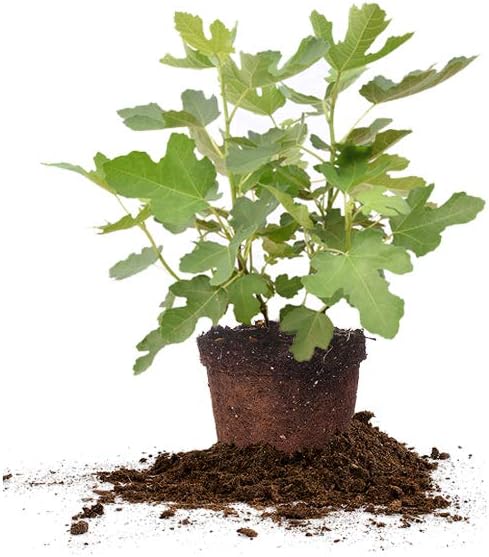
PERFECT PLANTS Chicago Hardy Fig Tree, 3 Gallon, Live Plant
| Sunlight Exposure | Full Sun |
|---|---|
| Moisture Needs | Moderate Watering |
| Other Special Features of the Product | Easy To Use |
| Item Type Name | Live Plant |
The Chicago Hardy Fig in a 3-gallon container is a live fruit tree meant for buyers who want a productive, low-fuss fig they can keep on a patio or plant in the landscape. It arrives as a young tree with upright, leggy branches and large green leaves and is described as self-pollinating and cold-hardy, so it will set fruit without another tree and tolerate below-freezing temperatures. Typical use is planting in full sun either directly in the ground or in a large pot; the included fig food and care guide simplify first-season establishment. Practical benefits include strong fruiting potential, suitability for container culture when pruned and managed, and resilience to cold snaps that extend its geographic usability. Important limitations are its eventual mature size, which can be large if planted in ground, and the need for regular watering and pruning when grown in pots to control vigor and keep fruiting within reach. Buyers should expect to invest time in seasonal pruning and container maintenance to get reliable harvests.
Best for: Gardeners who prioritize fruit production and want a dependable, cold-tolerant fig they can grow on a sunny patio or in a container with attentive pruning and watering.
Less Ideal for: People with very small balconies or those unwilling to perform seasonal pruning and container care should consider smaller dwarf varieties instead.
- Self-pollinating so it sets fruit without another fig tree nearby
- Cold-hardy variety that tolerates below-freezing temperatures
- Comes in a ready-to-plant 3-gallon container with a care guide
- Suitable for full-sun locations and can fruit reliably when established
- Matures into a large tree if planted in ground, requiring significant space or regular pruning
- Needs consistent watering and container maintenance when grown in pots
Verdict: Choose this cold-hardy, self-pollinating fig when you want a productive fruit tree that can be grown in a large pot or planted in sunny landscapes for dependable annual harvests.
Choosing the Right Trees for Pots in Full Sun: Key Factors to Consider
Sun and Heat Tolerance
Trees in full sun are exposed to intense light and higher temperatures that can stress foliage and increase water demand. Select species that naturally evolved in bright, open environments or that are known to hold foliage without scorching. Strong sun tolerance reduces leaf burn, limits stunt growth during summer, and helps sustain flowering or fruit set.
Sun-loving trees also often have tougher, waxier leaves or a dense canopy that shades trunk and roots when planted in a pot. When assessing tolerance, consider both peak afternoon exposure and reflected heat from walls or paving. Full-sun trees may still need afternoon shade or regular watering in extreme heat, so plan placement accordingly.
Root Growth Habit and Control
Root behavior is the single biggest constraint for trees in containers. Some species develop vigorous, circling roots that become root-bound quickly and destabilize the tree or reduce vigor. Others form a more compact root ball that is easier to maintain in a pot.
Prioritize trees with slower or non-invasive root systems for long-term container culture. Consider container size, root-pruning practices, and whether the tree responds well to periodic repotting or root reduction. Good root control extends time between repots and limits issues like poor drainage, salt buildup, and sudden decline from pot-bound stress.
Water Use and Drought Resistance
Pots dry out faster than ground soil because they have limited volume and are exposed on all sides. A full-sun container tree should either be drought tolerant or be paired with a watering plan that matches its needs. Plants that tolerate intermittent dry periods reduce maintenance and are safer if you travel often.
Evaluate species for both short-term drought survival and long-term water-use efficiency. Mulching the pot surface, using high-quality container mixes that retain moisture, and choosing appropriately sized pots all interact with a tree's drought performance. Even drought-tolerant trees may need consistent moisture during establishment and in extreme heat.
Size at Maturity and Prunability
Container trees must have a predictable mature size and respond well to pruning and shaping. A tree that can be kept compact by regular pruning or trained as a standard, espalier, or topiary is more practical for patios and small spaces.
Check the typical height and canopy spread and how quickly the species reaches that size. Trees that are slow-growing or that readily back-bud after pruning make better candidates for long-term container gardening. Also consider whether the tree tolerates root pruning and canopy reductions without long recovery periods.
Seasonal Interest and Maintenance Cycle
Part of the appeal of container trees is their ability to provide seasonal flowers, fruit, fall color, or evergreen structure. Think about what seasonal features you want and the maintenance they require, such as deadheading spent flowers, collecting fruit, or extra watering during fruit set.
Flowering and fruiting trees often need more nutrients and water, so plan for feeding and possible pest management. Evergreen or semi-evergreen options reduce leaf drop but may still need occasional pruning to maintain form. Understanding these seasonal cycles helps match a tree to your desired level of hands-on care.
Choosing the Right Container and Soil
A proper pot and potting mix are as important as the tree species. Choose a container with enough root volume for multiple seasons, sturdy material that resists heat stress, and adequate drainage holes to prevent waterlogging. Porous pots warm and dry faster, while resin or glazed pots retain moisture longer; match the material to your climate and watering routine.
- Select a container at least one size larger than the tree's current root ball to delay repotting.
- Use a well-draining potting mix with organic matter and good structural components such as bark or coarse perlite.
- Place a layer of coarse material or a screen over drainage holes to reduce soil loss while keeping drainage effective.
Watering and Fertilizing Strategies for Full Sun
Full sun increases evapotranspiration, so expect more frequent watering during warm months. Water deeply to encourage roots to reach the pot's full depth, then allow the surface to dry slightly before the next irrigation. Frequent light watering promotes shallow roots and greater stress risk in heat.
- Use a moisture meter or finger-test to avoid both chronic dryness and waterlogging.
- Apply a balanced, slow-release fertilizer during the growing season and supplement with water-soluble feed for heavy bloomers or fruiting trees.
- Top-dress with compost or slow-release granules annually to replenish nutrients in container media.
Winter Care and Protection for Container Trees
Pots expose roots to colder air than in-ground plantings, so winter protection can be necessary even for species rated marginally hardy. Move containers to a sheltered location, group pots together for mutual insulation, or wrap pots with insulating material if freezing is a concern. In severe climates, consider temporarily moving trees into an unheated garage or cold frame for the coldest months.
- Elevate pots off the ground with pot feet to prevent waterlogging and reduce frost heaving.
- Reduce watering over winter but do not let roots desiccate if the soil is frozen and air is dry.
- Avoid drastic pruning in late fall; do major structural pruning in late winter or early spring before new growth begins.
Training, Pruning, and Long-Term Management
Regular pruning helps keep a container tree in scale with its setting and maintains a pleasing form. Young trees benefit from formative pruning to establish a clear trunk and balanced scaffold. For standards and topiary, prune lightly and frequently rather than heavy reductions infrequently to avoid shock.
- Plan for periodic root pruning and repotting every few years depending on growth rate.
- Remove crossing or crowded branches to improve air flow and reduce pest pressure.
- Thin heavy fruit loads early if you want the tree to prioritize canopy health over maximum crop.
How We Chose the Best Trees for Pots in Full Sun
We focused on container-adapted trees that perform reliably in unshaded situations and that suit patios, terraces, and small urban gardens. Selection criteria prioritized traits that matter for potted culture: sun tolerance, root behavior and grafting compatibility, water-use efficiency, and suitability for pruning or espalier. We also weighed cold hardiness where relevant so a specimen will survive local winters if you keep it outdoors. Excluded were large landscape trees that will quickly outgrow containers, cultivars that demand specialized grafting or constant greenhouse care, and varieties with invasive root habits unsuited to pots. We favored trees with documented success in container trials or widespread use by urban gardeners, and we looked for manageable mature sizes and predictable seasonal interest. Final picks were chosen for a balance of low-to-moderate maintenance, reliable flowering or foliage interest in full sun, and realistic longevity when kept in appropriately sized containers.
FAQ
How large a pot do trees need when grown in full sun?
Pot size depends on the species and expected growth rate. Choose a container that provides several years of root space beyond the current root ball; typically start with a pot at least 18 to 24 inches in diameter for small trees and adjust larger for faster growers. Larger containers buffer temperature swings and reduce watering frequency.
Can I grow fruiting trees in pots in full sun?
Yes. Many fruiting trees perform well in containers if they receive full sun, proper water, and regular feeding. Expect smaller harvests than in-ground trees, and plan to thin fruit or support branches to prevent breakage from heavy crops.
How often should I repot a tree grown in a container?
Repotting frequency depends on growth rate and pot size. Slow-growing trees may need repotting every 3 to 5 years, while faster growers may require attention every 2 to 3 years. Watch for signs like roots circling the drainage holes, reduced vigor, or very rapid drying of the potting mix.
Will a tree in a pot survive extreme heat in full sun?
Many container trees survive hot conditions if they are heat-tolerant species, receive deep, regular watering, and are planted in an appropriate soil mix. In extreme heat waves, provide temporary shade in the hottest afternoon hours or increase irrigation to prevent leaf scorch and decline.
How can I prevent my potted tree from becoming root-bound?
Use a larger container when planting, choose species with compact root habits, and plan scheduled root pruning when repotting. Gently tease or reduce circling roots and replace a portion of the potting mix to encourage fresh, fibrous root growth.
Final Verdict
Container trees for full sun are practical ways to add vertical interest and shade where in-ground planting is not possible. Prioritize species with good sun tolerance, manageable root habits, and a size you can maintain through pruning and pot selection. Weigh tradeoffs between flowering or fruiting specimens that need extra water and nutrients and evergreen or low-maintenance options that tolerate drought. With the right container, soil, and a seasonal care plan you can keep a healthy, attractive tree in full sun for many seasons.
