

Note: This article contains affiliate links. If you click on these links and make a purchase, I may earn a small commission at no extra cost to you. This helps support my research and content. Read my full affiliate disclosure here.
Choosing the right fertilizer for peppers changes how plants set fruit, resist stress, and finish the season. Peppers respond to nutrient timing and form more than many other vegetable crops, so a fertilizer that matches soil fertility and growth stage will make the biggest difference in yield and fruit quality. This guide shortlists seven top options gardeners commonly rely on for pepper beds, patio pots, and containers. We evaluate each on garden-relevant factors like nutrient balance, application method, and salt safety so you can select the best fit for your growing situation. Read on for practical guidance and the criteria we used to pick these fertilizers.
Top Picks at a Glance
| Best Overall The best all-around choice for most situations | Greenway Biotech Pepper & Herb Fertilizer 11-11-40 Powder, 1 lb | 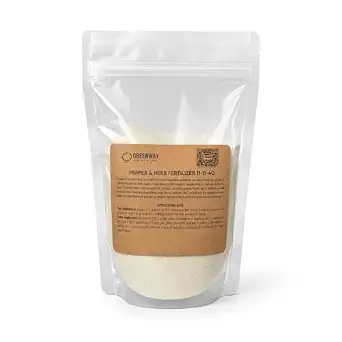 |
| Best Quality Built to a higher standard if you want something more solid | Dr. Earth Organic Tomato, Vegetable & Herb Fertilizer (64 oz) |  |
| Best Value The sweet spot between price and what you get | Jack's Classic 20-20-20 All Purpose Water-Soluble Fertilizer (1.5 lb) | 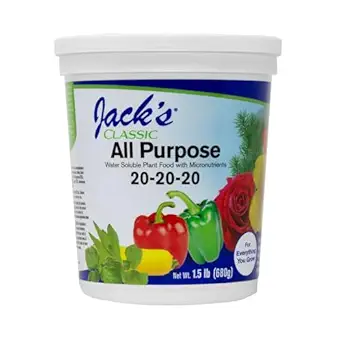 |
| Best Budget The cheapest option that still gets the job done reliably | Miracle-Gro Water Soluble Tomato Plant Food (1.5 lb) |  |
| Highest Rated A top-rated pick with lots of positive feedback | Coast of Maine Organic Fertilizer for Tomatoes, Vegetables & Herbs, 4 lb |  |
| Most Popular A crowd favorite that many people choose with confidence | Miracle-Gro Water Soluble All Purpose Plant Food, 3 lb |  |
| Best Seller A high-volume bestseller chosen again and again | Miracle-Gro Shake 'N Feed Tomato, Fruit & Vegetable Plant Food (1 lb) |  |
Greenway Biotech Pepper & Herb Fertilizer 11-11-40 Powder, 1 lb

| Item Form | Powder |
|---|---|
| Specific Uses For Product | Hydroponic |
| Coverage | peppers and herbs |
| Liquid Volume | 200 gallons |
| Mixing Ratio | 0.5 Pounds per 100 Gallons of Water |
This Greenway Biotech Pepper & Herb 11-11-40 powder is a concentrated, water-soluble fertilizer designed to boost flowering and fruit set in peppers while enhancing essential oil production in herbs. It dissolves fully in room-temperature water, making it suitable for soil drenches, foliar sprays, drip irrigation and common hydroponic methods such as DWC and NFT. The formula pairs a balanced nitrogen and phosphorus blend with a high potassium level to support bloom and capsaicin development, and includes EDTA-chelated iron, manganese, zinc and copper plus boron and molybdenum to reduce the risk of nutrient lockout across a wide pH range. Practical benefits include a small per-use quantity thanks to the concentration, clear mixing guidance for foliar, reservoir and side-dress applications, and independent testing for heavy metals with CDFA registration. Limitations are that measurement relies on small gram-level doses so an accurate scale is recommended and the single N-P-K ratio may require supplementation if your soil test shows different nutrient needs.
Best for: Gardeners who want a concentrated, multi-use fertilizer to promote pepper flowering and flavorful herbs and who are comfortable following gram-level mixing directions.
Less Ideal for: Growers who need a complete crop program tailored to varying soil test results or those who prefer granular slow-release blends rather than soluble concentrates.
- High potassium (40%) formula supports flowering, fruit development, and capsaicin production
- EDTA-chelated micronutrients reduce nutrient lockout across pH 4–9
- Fully water-soluble powder suitable for soil, foliar, drip irrigation and hydroponic systems
- Concentrated formula yields a lot of feed per pound with clear mixing instructions
- Independently tested for heavy metals and registered with CDFA
- Requires precise small-dose measuring for best results, so a scale is recommended
- Single fixed N-P-K ratio may not match every soil test or stage without additional feeds
Verdict: If you want a concentrated, water-soluble feed that boosts pepper blooms and intensifies herb flavors across soil and hydroponic systems, this 11-11-40 formula is a practical choice.
Dr. Earth Organic Tomato, Vegetable & Herb Fertilizer (64 oz)

| Item Form | Granules |
|---|---|
| Specific Uses For Product | Organic |
| Coverage | Medium |
| Target Species | Herb |
| Unit Count | 64 Ounce |
This granular Dr. Earth formula is designed to boost fruiting crops by providing balanced, organic nutrition suited to peppers and other vegetables. It contains a blend of quick-release natural nutrients plus eight strains of mycorrhizae and beneficial microbes to improve nutrient uptake, drought tolerance and root performance. Use at planting, transplanting or mid-season and reapply roughly every six weeks for containers or as directed for beds; it also works well as a compost-tea ingredient. Practical benefits include steady feeding for several months, non-GMO and chicken-manure-free ingredients, and explicit guidance for vegetable and container use. Limitations to expect are that it is a granular, non-liquid feed so it needs soil contact and watering to activate, and it contains phosphorus so local restrictions may apply near water bodies. For growers focused on measurable yield and fruit quality, this product emphasizes biological soil support rather than synthetic spike feeding, so results depend on good soil preparation and follow-up applications.
Best for: Gardeners and small-scale growers who prioritize crop performance and want an organic fertilizer that supports stronger root systems and steady fruit production for peppers and other vegetables.
Less Ideal for: People who want immediate foliar feeding or liquid feeds for quick correction of acute nutrient deficiencies or those gardening where phosphorus fertilizers are banned.
- Designed for fruiting vegetables so nutrient balance supports pepper set and development
- Includes multiple strains of mycorrhizae and beneficial microbes to aid root health and nutrient uptake
- Feeds for several months, reducing the need for very frequent reapplication
- Suitable for beds, raised beds and containers and can be used to make compost tea
- Granular form requires soil incorporation and watering to activate nutrients
- Contains phosphorus which may be restricted in some areas and can pose runoff concerns
Verdict: If you want an organic, microbe-rich fertilizer that improves root health and encourages bigger, tastier pepper harvests, this formula is a strong performance-focused choice.
Jack's Classic 20-20-20 All Purpose Water-Soluble Fertilizer (1.5 lb)

| Item Form | Powder |
|---|---|
| Specific Uses For Product | Plant Growth |
| Coverage | All |
| Mixing Ratio | 0.22 |
| Unit Count | 24 Ounce |
Jack's Classic 20-20-20 is a powdered, water-soluble fertilizer intended as a general-purpose feed for indoor and outdoor plants. You dissolve the measured powder in water and apply it as a root drench, foliar spray, or through continuous-feed systems; the package includes a measuring spoon and mixing directions. The balanced 20-20-20 NPK plus micronutrients promotes quick green-up and steady leaf expansion, which is useful during the vegetative phase of peppers when healthy foliage supports fruit development. As a concentrate, it stretches farther than ready-to-use liquids and lets you control feeding strength for seedlings, mature plants, or foliar applications. Limitations to note are that it is a general formula rather than a bloom booster, so you may want a higher-phosphorus feed during heavy fruiting, and careful measurement is needed to avoid overfeeding. Overall it is a reliable, flexible base fertilizer for growers who want consistent, professional-grade nutrition across a pepper bed or container setup.
Best for: Gardeners who prioritize consistent, controllable nutrition for pepper plants and want a single, flexible fertilizer to use across seedlings, foliage growth, and mature plants.
Less Ideal for: Growers specifically seeking a high-phosphorus bloom booster or a fertilizer tailored only to flowering and fruiting stages should consider a targeted supplement instead.
- Balanced 20-20-20 NPK for steady vegetative growth and green-up
- Water-soluble powder concentrates more nutrient per ounce than many liquids
- Suitable for foliar and root feeding and compatible with continuous-feed systems
- Includes measuring spoon and clear mixing instructions for repeatable doses
- General-purpose formula not optimized for heavy flowering or fruit ripening phases
- Requires accurate mixing and dosing to avoid nutrient burn
Verdict: A versatile, professional-grade water-soluble concentrate that gives pepper growers consistent, controllable nutrition for strong vegetative growth.
Miracle-Gro Water Soluble Tomato Plant Food (1.5 lb)

| Item Form | Liquid |
|---|---|
| Application Method | Water Soluble |
| Specific Uses For Product | Plant Food |
| Mixing Ratio | 18-18-21 |
| Target Species | Great for tomatoes and vegetables |
Miracle‑Gro Water Soluble Tomato Plant Food is a water‑soluble fertilizer intended to feed tomatoes and other vegetables quickly when mixed into a watering can or used with the Miracle‑Gro Garden Feeder. The packet mixes at the label ratio (listed as 18‑18‑21) and is designed for routine feeding every one to two weeks during the growing season to encourage bigger, more bountiful fruit compared with unfed plants. Practical advantages include fast availability to plant roots, easy dilution for both outdoor containers and in‑ground beds, and compatibility with hose‑feeders for quicker application over larger areas. Because it is a concentrated soluble formula, it lets you control strength and frequency but requires careful measuring to avoid overfeeding. The product is focused on feeding and does not replace soil amendment or pest management, and repeated use without testing soil nutrients can mask underlying deficiencies. It is best used as a regular supplemental feed for actively fruiting pepper plants rather than a one‑time soil treatment.
Best for: Gardeners who want an affordable, easy‑to‑use liquid feed to increase pepper yield and are willing to feed every one to two weeks during the growing season.
Less Ideal for: Gardeners who prefer low‑maintenance or single‑application fertilizers or those seeking to rebuild soil health without frequent liquid feeding.
- Water‑soluble formula provides fast nutrient delivery to roots
- Works with watering cans or Miracle‑Gro Garden Feeder for flexible application
- Designed for frequent feeding to support heavier fruit set
- Concentrated mix lets you adjust strength for containers or beds
- Requires regular measuring and mixing which adds repeat effort compared with slow‑release options
- Not a soil amendment so it will not improve soil structure or long‑term fertility
Verdict: A practical, budget‑friendly water‑soluble feed for gardeners who want an easy way to boost pepper production with regular applications.
Coast of Maine Organic Fertilizer for Tomatoes, Vegetables & Herbs, 4 lb

| Item Form | Granules |
|---|---|
| Specific Uses For Product | Plant Growth, Root Development, Soil Conditioning |
| Target Species | Vegetables |
| NPK Ratio | 4-5-4 |
| Item Weight | 4 pounds |
This 4 lb Coast of Maine organic fertilizer is a slow-release granular formula designed to feed tomatoes, peppers, cucumbers and herbs through the season. It combines land and ocean-sourced inputs such as fish bone meal, kelp, lobster and crab shell meal, feather meal and worm castings to supply nitrogen, phosphorus, potassium and calcium while building soil biology. Typical use is as a planting amendment, top-dressing, or transplant boost following the package rates and working the granules into the top few inches of soil then watering. The NPK of about 4-5-4 and added calcium make it well suited to reduce blossom end rot risk in fruiting crops. Because it is organic and slow-release, it delivers steady nutrition and improves soil structure but will act more slowly than soluble synthetic feeds and requires correct application amounts to avoid nutrient imbalance. For gardeners who prefer regenerative, OMRI-listed inputs, it supports both plant performance and long-term soil health.
Best for: Gardeners who prioritize dependable, organic nutrition and soil health for fruiting vegetables and want a steady, low-maintenance feed for pepper beds and other vegetables.
Less Ideal for: Growers who need rapid correction of nutrient deficiencies or fast growth response should choose a soluble fertilizer instead; large-scale growers needing bulk quantities may prefer larger commercial bags.
- OMRI-listed organic ingredients that build soil biology
- Slow-release 4-5-4 formula provides steady season-long nutrition
- Includes calcium-rich amendments helpful for fruit set and reducing blossom end rot
- Versatile uses: planting amendment, top-dressing, and transplanting directions provided
- Provides nutrients slowly so effects are not immediate compared with soluble fertilizers
- Small 4 lb bag may require frequent repurchasing for larger beds
Verdict: A reliable OMRI-listed, slow-release organic fertilizer that steadily feeds peppers and other vegetables while improving soil health.
Miracle-Gro Water Soluble All Purpose Plant Food, 3 lb

| Item Form | Powder |
|---|---|
| Application Method | Mix with water in a watering can |
| Fertilizer Analysis | 24-8-16 |
| Unit Count | 48 Ounce |
Miracle-Gro Water Soluble All Purpose Plant Food is a powder you mix with water to give plants a quick nutrient boost. It is typically applied with a watering can or the Miracle-Gro Garden Feeder and is intended for routine feeding every 7 to 14 days for outdoor peppers and every 14 days for container or indoor plants. The formula supplies a relatively high nitrogen ratio along with phosphorus and potassium (24-8-16), which promotes leafy growth and overall vigor that can help pepper plants establish and produce. Practical benefits include fast availability to roots, simple mixing instructions and an included scoop for accurate dosing. Important limitations are the high nitrogen proportion, which can favor foliage over fruit if overused, and the need for regular reapplication compared with slow-release granular options. Users should follow the label rates and reduce frequency once flowers appear to avoid excessive vegetative growth.
Best for: Gardeners who want a dependable, easy-to-use feed for pepper plants and value quick-visible results and widespread user acceptance as evidence it works.
Less Ideal for: Growers who prefer low-maintenance, slow-release nutrition or who want a fertilizer specifically tailored for maximum fruit set should consider specialty or lower-nitrogen formulas.
- Water-soluble powder delivers nutrients quickly to roots when mixed and applied
- All-purpose formula labeled safe for use on vegetables including peppers when used as directed
- Clear mixing instructions and included scoop make dosing straightforward
- Feeds a large area from one container with stated coverage up to about 1,200 sq. ft.
- High nitrogen ratio can encourage excessive leaf growth and reduce fruiting if not adjusted
- Requires frequent applications (every 1–2 weeks) compared with slow-release fertilizers
Verdict: A reliable, fast-acting water-soluble feed that gardeners trust to quickly boost pepper plant growth when used carefully to avoid excessive foliage.
Miracle-Gro Shake 'N Feed Tomato, Fruit & Vegetable Plant Food (1 lb)

| Item Form | Granules |
|---|---|
| Target Species | Tomato, Fruit & Vegetable Plant Food |
| Unit Count | 16 Ounce |
| Item Type Name | Continuous Release Plant Food Plus Calcium |
Miracle-Gro Shake 'N Feed Tomato, Fruit & Vegetable is a granular, slow-release plant food designed to nourish vegetables and fruiting plants both in-ground and in containers. You apply it dry by shaking or working it into the top inch or two of soil, then watering to activate the feed; a single application is intended to feed plants for about three months. The formula includes natural ingredients to support soil microbes and added calcium to strengthen cell walls and reduce common calcium-related disorders in edible crops. For pepper growers this means easier fruit set and firmer, longer-lasting peppers when used as part of regular care. It is straightforward to use and removes the need for frequent liquid feeding, but the fixed N-P-K release schedule and granular form mean you cannot fine-tune nutrition on a week-to-week basis and must follow label rates to avoid overapplication. Best results come when combined with good soil preparation and regular watering.
Best for: Home gardeners who want a low-maintenance fertilizer to support healthy pepper plants with less frequent feeding and straightforward application.
Less Ideal for: Growers who need precise, fast-acting nutrient control or who prefer weekly liquid feed schedules should consider water-soluble fertilizers or targeted supplements.
- Long-lasting feed that reduces the need for frequent applications
- Includes calcium to help prevent blossom end rot and improve fruit quality
- Granular format is easy to apply to beds and containers
- Contains natural ingredients aimed at supporting soil microbes
- Fixed continuous-release formulation limits short-term nutrient adjustments
- Not a water-soluble feed for immediate foliar or quick corrective feeding
Verdict: A convenient, three-month granular feed that simplifies fertilizing peppers while providing calcium to support better fruit quality.
Choosing the Right Fertilizer for Peppers: Key Factors to Consider
Nutrient Ratio and Secondary Elements
Peppers need different nutrient profiles as they move from vegetative growth into flowering and fruit set. Early season plants benefit from balanced or slightly higher nitrogen to build foliage and strong stems, while flowering and fruiting stages require more phosphorus and potassium to support bloom development and fruit filling. Calcium is especially important for pepper fruit quality and reducing blossom end problems. Magnesium and micronutrients like iron, manganese, and zinc can affect leaf color and overall vigor, particularly in container-grown plants where the root zone is limited.
Understanding the fertilizer label and matching the NPK and secondary elements to your soil test and the crop stage helps avoid common issues such as excessive vegetative growth with poor fruiting or blossom drop from nutrient imbalance.
Application Method and Timing
How a fertilizer is applied influences uptake and risk. Slow-release granules provide steady feeding over weeks and suit in-ground beds and larger pots where repeated tasks are inconvenient. Water-soluble fertilizers and liquid feeds let you correct deficiencies quickly and are useful during bloom and early fruit set. Foliar feeds can be a fast-response tool for trace element deficiencies but should not replace a balanced root-feeding plan.
Timing matters: a starter feed at transplanting helps root establishment, while side-dressing or periodic liquid feeds during flowering supports fruit set. Overfeeding at the wrong time can lead to lush foliage at the expense of fruit production, so follow stage-specific schedules that match the fertilizer form.
Salt Index and Risk of Fertilizer Burn
High-solubility fertilizers or concentrated feeds can raise the soluble salts in the root zone and cause tip burn, reduced uptake, and plant stress. This is especially true in containers and for seedlings where salt accumulation happens faster. Lower salt-index formulations or controlled-release products reduce that risk. When using soluble feeds, diluting to recommended strengths and flushing container media occasionally helps prevent buildup.
Consider irrigation quality and frequency. If you have hard water or restricted drainage, choose fertilizers with lower salt potential and monitor plants for leaf scorch or stunted growth that may indicate salt damage.
Release Pattern and Predictability
Predictable nutrient release helps you plan feed intervals and avoid spikes or lulls in availability. Granular slow-release formulas usually state an effective feeding period, which is helpful for planning during busy seasons. Water-soluble feeds act fast but require more frequent application. Organic amendments release nutrients more slowly and depend on microbial activity, which varies with temperature and moisture.
Choose a release pattern that fits how often you want to feed and how closely you can monitor plants. For long vacations or unattended containers, a longer-release option reduces risk of underfeeding or overfeeding while you are away.
Compatibility with Growing Systems
Peppers are grown in a range of systems from in-ground beds to raised rows, large planters, and small patio pots. Fertilizer choices should reflect the system. Soluble fertilizers and fertigation are convenient in drip-irrigated raised beds and greenhouse setups. Granular or slow-release is often better for large in-ground patches and big planters where mixing liquids frequently is impractical. Soil-less mixes and commercial potting media may lack buffering capacity, so they need gentler, more frequent feeding.
Also consider companion plants and crop rotations. A fertilizer low in certain elements might be fine for peppers but could leave the following crop deficient, so plan amendments with the growing sequence in mind.
Label Clarity and Application Instructions
Clear instructions on dilution rates, application frequency, and safety precautions are crucial. Vague labels that list only organic content or general plant benefits without explicit NPK numbers make precise feeding difficult. Good labels tell you how much to apply per square foot or per gallon of potting mix and how to adjust rates for seedlings versus mature plants.
Reliable instructions reduce the chance of mistakes that lead to nutrient burn or underfeeding. Look for guidance on side-dressing, foliar feeding, and how to combine with other soil amendments to avoid over-application.
Soil Testing and Adjusting Before Planting
A soil test is the single most useful step before choosing a fertilizer for peppers. Test results identify existing nutrient levels and pH, which determine whether you need a corrective application of phosphorus, potassium, or lime before planting. Correcting major deficiencies before setting transplants prevents chronic problems during the season.
If you grow peppers in containers, test the potting mix or use a conservative feeding plan because many commercial mixes are low in nutrients to start. Adjust based on a small plant trial to avoid shock from sudden high-dose fertilizer applications.
- Collect multiple soil samples from different garden areas to get an average reading.
- Adjust pH if needed; peppers prefer slightly acidic to neutral soil.
- Pre-plant phosphorus helps early root development especially in cool soils.
Feeding Schedules for Different Growth Stages
Match your feeding schedule to pepper development. At transplant and early growth, use a balanced, moderate nitrogen feed to build structure. Once flowering begins, shift to a program that boosts phosphorus and potassium to support bloom-set and fruit development. Many gardeners use a soluble feed every 10 to 14 days during peak production or apply a controlled-release product at planting with supplemental liquid feeds as needed.
For containers, increase feeding frequency with lighter strengths. Container media drains more quickly and contains fewer reserves, so peppers in pots typically need gentler, more frequent doses than those in-ground.
- Starter feed at transplant to encourage root growth.
- Switch to bloom/fruit feeding as pepper plants flower.
- Reduce or stop high-nitrogen applications late in the season to encourage ripening.
Organic Vs Synthetic Options
Organic fertilizers release nutrients as microbes break them down, which can improve long-term soil health and microbial life. They tend to release slower and are less likely to cause immediate burn, but their nutrient availability depends on temperature and moisture. Synthetic fertilizers provide predictable, immediate nutrient availability and precise NPK control, which is useful when you need quick correction or are following a tight feeding schedule.
Many gardeners blend approaches: amend beds with organic matter and a base organic fertilizer, then use targeted synthetic or soluble feeds during bloom and fruit set for predictable results.
- Organic feeds support soil biology and improve structure over time.
- Synthetic feeds offer accuracy and rapid correction of deficiencies.
- Consider mixing strategies to gain the benefits of both approaches.
Managing Common Nutrient Problems in Peppers
Yellowing between leaf veins, stunted growth, blossom drop, and poor fruit set are common symptoms tied to nutrient issues. Interpreting symptoms alongside soil or media tests helps identify whether the cause is a true deficiency, pH lockout, or environmental stress. Calcium-related blossom problems often show as localized fruit damage rather than uniform leaf discoloration, and correcting soil calcium or watering practices can mitigate it.
Always rule out water stress and temperature extremes when diagnosing problems. Peppers are sensitive to both, and nutrient uptake can be limited by cold soil or heat stress even when nutrients are present.
- Use tissue tests when soil tests are inconclusive for diagnosing leaf symptoms.
- Adjust watering and mulching to maintain even soil moisture.
- Address pH issues to ensure nutrients are available to roots.
Practical Tips for Container-Grown Peppers
Containers require a feeding approach tailored to limited media volume and faster nutrient depletion. Use lower-strength soluble feeds more frequently, and consider a slow-release granule mixed into the potting medium at planting to provide a baseline. Monitor plants for salt buildup and occasionally flush pots with clear water to prevent accumulation.
Choose potting mixes with good drainage and organic matter to help buffer nutrients. Repot or refresh media every season to restore nutrient reserves and avoid compaction that limits root growth.
- Apply liquid feeds at half the label strength for young plants in small pots.
- Top-dress large planters with a slow-release product at the start of the season.
- Flush containers monthly if you feed frequently to prevent salt buildup.
How We Chose the Best Fertilizer for Peppers
We focused on attributes that directly affect pepper growth and gardener use in real planting situations. Evaluation prioritized NPK balance and secondary nutrient content because peppers need the right ratio of nitrogen, phosphorus, and potassium at different stages. Application method and frequency were examined to reflect common garden setups: broadcast, side-dress, granular starter, and soluble foliar or drench options matter for beds and containers. Salt index and risk of fertilizer burn were measured because peppers are sensitive to high soluble salts, especially in pots. Ingredient clarity and predictable nutrient release were considered to avoid ambiguous "plant food" labels that leave gardeners guessing. Ease of application and instructions rounded out the criteria since accurate dosing reduces crop stress and losses. We excluded fertilizers that are clearly formulated only for lawns, long-term woody shrubs, or specialty crops that do not provide clear guidance for vegetable pepper culture. We also excluded products without transparent NPK and secondary nutrient information. The list therefore favors fertilizers that present usable nutrient data, suit common pepper-growing systems, and minimize burn or imbalance risk.
FAQ
How often should I feed pepper plants?
Frequency depends on the fertilizer form and growing system. Slow-release granules often provide weeks to months of nutrients with a single application. Water-soluble feeds are usually applied every one to two weeks during active growth. Containers typically need lighter, more frequent feeding than in-ground plants.
What NPK ratio is best for peppers?
A balanced fertilizer is useful early on, while a slightly higher phosphorus and potassium ratio supports flowering and fruiting. Exact ratios vary by stage and soil test, but avoid consistently high nitrogen during the fruiting phase to prevent excessive foliage growth.
Can I use compost or manure alone for peppers?
Compost and well-aged manure improve soil structure and supply nutrients slowly, which benefits peppers long term. However, they may not supply predictable amounts of phosphorus or potassium when plants need them, so combining compost with targeted fertilizer feeds during bloom and fruit set often gives better results.
How do I avoid fertilizer burn on pepper seedlings?
Use diluted solutions at transplant and seedling stages, follow application instructions carefully, and choose low-salt-index products for young plants. If burn occurs, flush the root zone with water to leach excess salts and reduce concentration in the media.
Is foliar feeding useful for peppers?
Foliar feeding can correct certain micronutrient deficiencies quickly and is useful as a supplement. It should not replace a solid root-feeding program because foliar uptake is limited for macronutrients and effects are often temporary.
Do peppers need extra calcium to prevent blossom problems?
Calcium is important for fruit quality, and localized deficiencies can cause blossom-end issues. Regular, even watering and a balanced nutrient program usually supply sufficient calcium. If soil tests show low calcium, address the soil or use targeted calcium amendments.
Final Verdict
Pick a fertilizer that matches how and where you grow peppers. Prioritize a nutrient profile that changes with plant stage, a release pattern you can manage, and a low salt risk for containers. Plan feeding around transplanting, flowering, and fruit set rather than applying high nitrogen continuously. Balancing those tradeoffs will help you choose a fertilizer that supports healthy plants and consistent yields. Use soil testing and conservative application rates to fine-tune feeding and avoid common problems like burn or poor fruit set.
