

Note: This article contains affiliate links. If you click on these links and make a purchase, I may earn a small commission at no extra cost to you. This helps support my research and content. Read my full affiliate disclosure here.
If you want fewer weeds, healthier plant roots, and less frequent bed maintenance, choosing the right bark mulch matters. Bark mulch for weed control not only blocks light and smothers seedlings but also moderates soil temperature and moisture-important benefits for perennials, shrubs, and young trees. This guide shortlists six top options that perform well in garden beds and around landscape plantings. We evaluated each option on practical garden concerns like how well it suppresses weeds, how long it lasts before needing refreshment, and how it affects soil and drainage. Read on to see which types fit your gardening style and maintenance plan.
Top Picks at a Glance
| Best Overall The best all-around choice for most situations | BRUT Worm Farms Organic Aspen Mulch, 10 Quart |  |
| Best Quality Built to a higher standard if you want something more solid | Fresh Natural Douglas Fir Bark Mulch (1 Cubic Foot, Large Nuggets) |  |
| Best Value The sweet spot between price and what you get | Soil Sunrise Pine Bark Mulch Nuggets (12 Quarts) |  |
| Best Budget The cheapest option that still gets the job done reliably | GARDENWISE Pine Bark Nuggets Mulch, 5 Quart |  |
| Most Popular A crowd favorite that many people choose with confidence | Rio Hamza Trading Pine Bark Mulch Nuggets, 8 Quarts (All Natural) |  |
| Best Seller A high-volume bestseller chosen again and again | OLDCASTLE Pine Spruce Mulch, 2 cu. ft. |  |
BRUT Worm Farms Organic Aspen Mulch, 10 Quart

| Unit Count | 192 Ounce |
|---|---|
| Volume | 10 quarts |
| Style Name | Moisture-retaining |
| Certified Organic | OMRI-listed |
BRUT Organic Aspen Mulch is a fine-texture aspen bark mulch formulated to hold moisture, reduce weed pressure, and slowly add organic carbon to soil. It is applied as a top dressing around garden beds, pathways, or potted plants where you spread a thin layer to protect soil and conserve water. The product is OMRI-listed and described as odor-free and lightweight, which makes it convenient for indoor containers as well as outdoor borders. Its 30% carbon content supports beneficial microbes without drawing down nitrogen, so it helps long-term soil structure while decomposing slowly. Practical benefits include reduced watering frequency, a neater bed appearance, and gentle nutrient contribution that complements regular fertilizing. Important limitations are the small 10 quart volume per bag, which means multiple bags are needed for larger beds, and that it is primarily a surface mulch so it does not replace nutrient-rich soil amendments for heavy feeding tasks.
Best for: Gardeners who want a low-maintenance, organic mulch to conserve water, tidy beds, and slowly improve soil structure in small to medium beds or containers.
Less Ideal for: Large-scale landscapers or gardeners needing bulk mulch coverage or immediate high-nutrient soil amendments should consider larger-volume or nutrient-dense products.
- Odor-free fine aspen bark suitable for indoor and outdoor use
- High moisture retention reduces watering frequency
- OMRI-listed organic material that adds carbon to soil
- Lightweight and easy to spread for quick top-dressing
- Small 10 quart unit is insufficient for large beds without buying multiple bags
- Provides mainly carbon-rich mulch rather than concentrated nutrients
Verdict: A tidy, odor-free organic aspen mulch that conserves water and improves soil health best for small to medium garden beds and containers.
Fresh Natural Douglas Fir Bark Mulch (1 Cubic Foot, Large Nuggets)

| Type of Bark | Douglas Fir |
|---|---|
| Bark Size | Typically 2–4 inches |
| Order Size | 34 Quarts (≈1 cubic foot) |
| Uses | Landscaping, beds, pots, walkways |
This Douglas fir bark mulch is a straightforward, no-frills option for gardeners who want larger bark pieces to suppress weeds and retain soil moisture. Sold as a roughly 1 cubic foot bag of 2–4 inch nuggets, it is intended for top-dressing flower beds, around shrubs, in potted plants, and on decorative walkways. The large pieces break down slowly, so they maintain a protective layer longer than fine shredded mulches and reduce the need for frequent replenishing. Because the product contains no dyes, it will not leach color into soil or water and is safe around plants and pets. Expect natural color variation between batches. The coarse texture makes it less effective at sealing the soil surface completely against tiny weed seedlings compared with a finer mulch, so combining it with a pre-emergent or a thin layer of finer mulch can improve weed control. For routine use, the bag size is convenient for small projects but means larger areas will require many bags and some handling effort.
Best for: Gardeners focused on low-maintenance, performance-driven weed suppression who want a long-lasting, natural bark top layer for beds, containers, and walkways.
Less Ideal for: Those who need an inexpensive solution for large lawns or want an immediately compacted, fine-textured mulch to completely block small weed seeds.
- Large 2–4 inch nuggets break down slowly for longer-lasting coverage
- Untreated natural bark with no dyes, safe for plants and pets
- Good moisture retention to reduce watering frequency
- Convenient 1 cubic foot bag suitable for small beds and container projects
- Coarse pieces do not form a dense layer so tiny weed seedlings may still emerge
- Bag size means many bags are needed for larger areas, increasing handling
Verdict: Choose this natural Douglas fir bark if you want a slow‑breaking, dye‑free mulch that provides durable moisture retention and long-lasting weed suppression for beds and containers.
Soil Sunrise Pine Bark Mulch Nuggets (12 Quarts)

| Unit Count | 1 Count |
|---|---|
| Item Type Name | Mulch |
| Style Name | Pine Bark |
| Volume | 12 quarts |
Soil Sunrise Pine Bark Mulch is a bagged, all-natural pine bark nugget product intended for use as a soil amendment and decorative top layer in pots, terrariums, and small garden containers. The half-inch nuggets are sized to improve airflow and drainage when mixed into potting mixes and to form a water-retaining top layer that reduces surface evaporation. It is especially suited to acid-loving plants and ornamentals where a coarse, long-lasting mulch is preferred. Practical benefits include improved root insulation, slower decomposition that contributes organic matter over time, and a tidy reddish-brown finish that masks bare soil. Because the product is coarse bark, it will not compact like fine mulches and can help prevent root rot in poorly draining mixes. Limitations are the small package volume for larger beds and the need to mix or top-dress thoughtfully around shallow-rooted shrubs to avoid creating a thick barrier to water penetration if applied too heavily.
Best for: Buyers who prioritize plant performance and root health for container-grown ornamentals and acid-loving shrubs and want a coarse mulch that improves drainage and retains moisture.
Less Ideal for: Not a great choice for gardeners planning to mulch large landscape beds or those who need a fine-textured mulch for immediate soil coverage across wide areas.
- 100% natural pine bark suitable for organic gardening
- Half-inch nuggets improve drainage and increase aeration in potting mixes
- Good moisture retention as a top layer to reduce surface evaporation
- Slow decomposition provides long-term soil health benefits
- Attractive reddish-brown finish that tidies pots and containers
- Small 12-quart volume limits usefulness for full-size landscape beds
- Coarse nuggets can form a surface layer that may divert water if applied too thickly
Verdict: A performance-focused pine bark nugget mulch that improves drainage and root health in containers and small plantings.
GARDENWISE Pine Bark Nuggets Mulch, 5 Quart
| Brand | GARDENWISE |
|---|---|
| Item Type | Mulch |
| Included Components | Pine Bark Nuggets |
| Volume | 5 quarts |
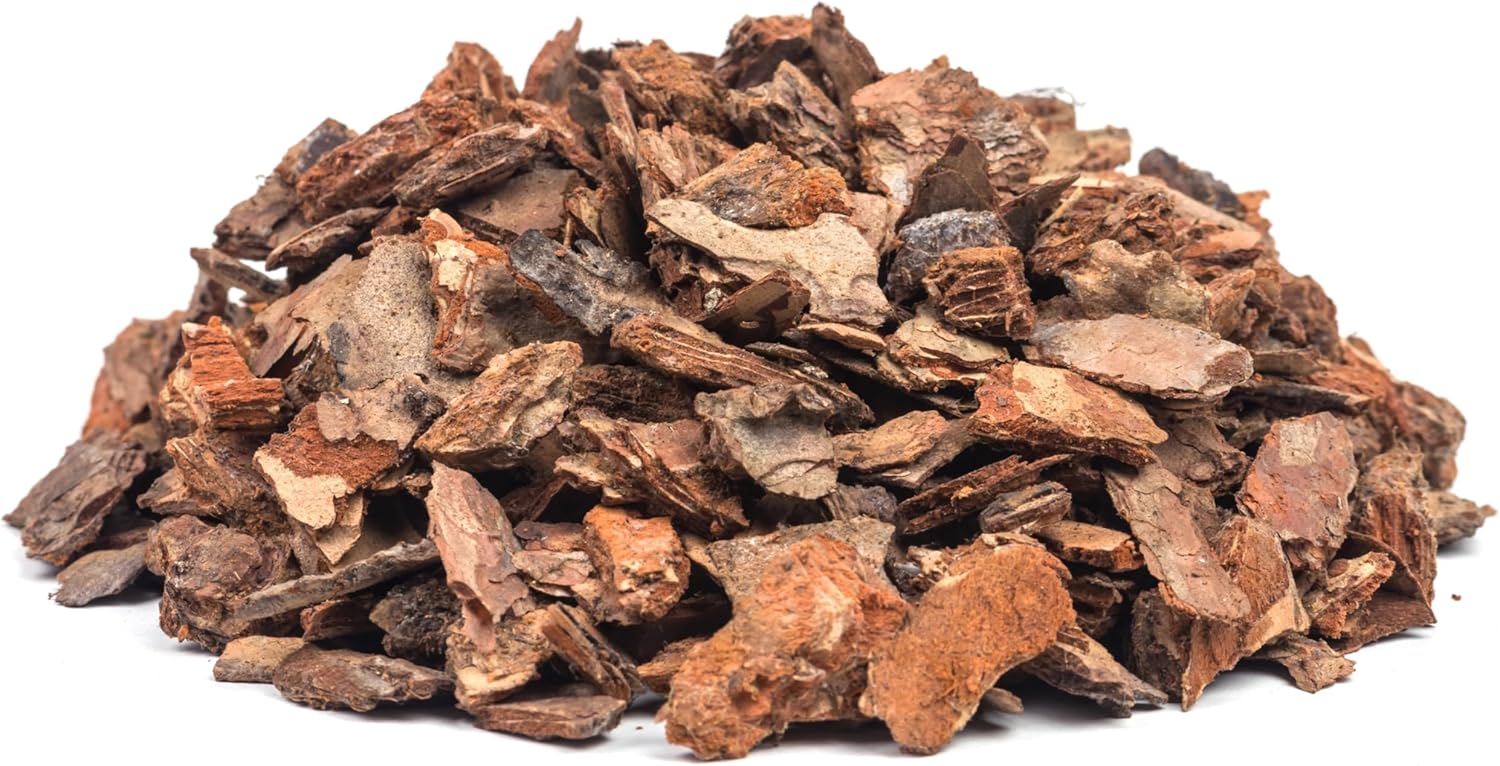
GARDENWISE Pine Bark Nuggets are a 5 quart bag of 100% pine bark designed for use as a decorative mulch in garden beds, around shrubs and trees, and on potted plants. The large nuggets create a chunky, natural look while forming a physical barrier that reduces weed emergence and helps hold soil moisture, which can cut down on watering frequency. Because pine bark breaks down slowly it provides longer lasting coverage than fine mulches and contributes organic matter over time. The product is sold in a small volume that makes it easy to try on a small bed or refresh a container topdressing, but you will need multiple bags for larger areas which affects cost-effectiveness. Safety notes advise avoiding inhalation and keeping the product away from children and pets during handling. If you want a simple, low-maintenance mulch for targeted weed control and moisture retention in small garden areas, these nuggets do the job; they are less practical as the sole solution for large landscapes because of the limited bag size.
Best for: Buyers who want an inexpensive way to try a natural, chunky bark mulch on small beds, containers, or around accent plants and prioritize moisture retention and weed suppression in targeted spots.
Less Ideal for: Homeowners planning to mulch large landscapes or commercial properties who need bulk quantities or a product specifically treated for fire or pest resistance.
- Made from 100% pine bark for a natural, decorative finish
- Large nuggets form an effective physical barrier to help reduce weed growth
- Helps retain soil moisture to reduce watering frequency
- Slow decomposition provides longer lasting coverage and soil enrichment
- Small 5 quart bag means multiple bags are required for larger areas
- Not formulated or treated for fire resistance or pest control
Verdict: A convenient small-bag natural pine bark mulch that provides effective weed suppression and moisture retention for small beds and containers.
Rio Hamza Trading Pine Bark Mulch Nuggets, 8 Quarts (All Natural)

| Brand Name | Rio Hamza Trading |
|---|---|
| Unit Count | 256 Square Feet |
| Item Type Name | Potting Soil |
| Volume | 8 quarts |
| Ingredients | All natural pine shavings |
These 100% natural pine bark nuggets are small half-inch pieces intended as a top dressing or soil amendment for containers, bonsai, terrariums, and beds. You can sprinkle them as a decorative layer over potting mix to reduce surface evaporation and discourage pests, or blend a portion into heavy soil to increase aeration and reduce waterlogging around roots. The product emphasizes chemical-free bark with a red-brown look that tidies planters and complements evergreen plantings like arborvitae. An 8-quart bag covers modest container projects and provides enough to refresh a single large pot. Because the nuggets are coarse, they persist on the surface and do not compact quickly, which helps long-term drainage but means they will not break down fast to enrich soil. Also the bag size is small for landscape-scale mulching, so this is best for focused use around specimens rather than blanket beds. For someone managing moisture around ornamental evergreens, these nuggets work as an attractive, low-maintenance surface mulch.
Best for: A buyer who prioritizes plant safety and wants visible social validation will appreciate a chemical-free, attractive mulch for protecting root zones of specimen shrubs or container arborvitae and for tidying planters.
Less Ideal for: Not a good fit for someone needing bulk mulch for wide beds or wanting a fast-breaking organic amendment to quickly enrich soil.
- Made from 100% natural pine bark with no added chemicals
- Half-inch nuggets improve soil aeration and reduce surface compaction
- Durable, coarse texture provides long-lasting decorative top dressing
- Versatile for indoor pots, bonsai, terrariums, and small outdoor containers
- Small 8-quart bag is insufficient for mulching large landscape areas
- Coarse nuggets decompose slowly and provide limited short-term nutrient addition
Verdict: Choose these pine bark nuggets when you want a chemical-free, long-lasting decorative mulch to improve drainage and keep arborvitae planters looking tidy.
OLDCASTLE Pine Spruce Mulch, 2 cu. ft.

| Capacity | 2 cu. ft. |
|---|---|
| Material | Pine and spruce bark |
| Intended use | Landscape mulch |
| Manufacturer | OLDCASTLE LAWN & GARDEN |
This OLDCASTLE Pine Spruce Mulch is a coarse bark blend made from northern pine and spruce, intended for use as a landscape mulch layer around beds and pathways. It is typically spread 2 to 3 inches deep to suppress weeds, conserve soil moisture, and give beds a uniform brown appearance; the aromatic pine scent is noticeable at installation. The product is sold in 2 cu ft bags that are easy to handle for small to medium areas and the coarse texture resists quick decomposition compared with finer mulches. On the downside the bagged volume means larger jobs require many bags and frequent replenishment over seasons. Also, as with any organic bark mulch, it will slowly break down and may need annual topping to maintain thickness and weed control. For a gardener who wants a natural look and moisture retention with straightforward application, this is a solid, low-risk option.
Best for: Gardeners who prioritize low-risk, familiar organic mulch for routine bed maintenance and want an easy-to-install product for small to medium planting areas.
Less Ideal for: Large properties or commercial jobs where bulk delivery or longer-lasting inorganic mulch would be more efficient.
- Aromatic pine and spruce blend that improves bed appearance and gives a natural scent at installation
- Coarse bark texture that helps slow decomposition and maintain a stable mulch layer
- Designed to retain soil moisture which supports plant health during dry periods
- Two cubic foot bag size is small for large landscapes so multiple bags are needed
- Organic material will decompose over time and requires periodic replenishment
Verdict: A dependable, aromatic pine-spruce bark mulch that provides moisture retention and straightforward weed-suppressing coverage for small to medium garden beds.
Choosing the Right Bark Mulch for Weed Control: Key Factors to Consider
Particle Size and Texture
Particle size determines how tightly the mulch layers together. Finer bark chips and shredded bark form a denser mat that blocks light and reduces seed contact with soil, which helps prevent weed germination. Coarser chunks look more rustic but leave gaps where windblown seeds can lodge.
Texture also affects compaction and surface crusting. Very fine materials can compact and form a crust that impedes water infiltration, while very coarse pieces may not suppress small-seeded weeds as effectively. Choose a particle size that balances suppression with good water movement for your planting type.
Decay Rate and Maintenance Frequency
How quickly bark breaks down affects how often you need to top up beds. Slow-decaying hardwood bark can maintain effective coverage for a full season or more, reducing labor and material usage over time. Softer or shredded bark decomposes faster, which can be beneficial if you want to build organic matter quickly but will require more frequent replenishment.
Consider your maintenance schedule and whether you prefer an annual refresh or a longer-lasting surface. Faster decomposition also temporarily ties up nitrogen in the soil as microbes break down woody material, which may matter around young plantings.
pH and Soil Chemistry Effects
Different bark types influence soil pH and nutrient availability as they decompose. Some coniferous barks are mildly acidic and, over time, can lower surface soil pH, which could affect acid-sensitive plants. Hardwood barks tend to have a more neutral effect.
If you grow ericaceous plants that prefer acid soils, that influence can be beneficial. For mixed beds, aim for a bark that has a neutral to mild impact, and monitor soil tests if you use large volumes over multiple seasons.
Water Management and Drainage
Mulch should reduce surface evaporation while letting water reach roots. Bark that forms an even, non-crusting layer will permit rain and irrigation to infiltrate. If mulch compacts or floats when watered, it can create dry pockets or uneven moisture distribution, which stresses plants and can encourage opportunistic weeds.
Consider how your irrigation works, slope, and climate. In heavy rain climates, choose mulch that resists displacement. In dry climates, a deeper, coarser layer may help conserve moisture without impeding infiltration.
Sourcing and Contaminants
Where mulch comes from matters because contaminated materials can introduce weed seeds, charcoal, or chemically treated wood. Bark sourced from freshly processed, clean wood typically has fewer viable weed seeds than older stockpiled mulch. Also watch for bark mixed with soil or construction debris that can carry invasive seeds or pathogens.
Buy mulch described as clean bark suitable for horticultural use, and inspect deliveries for foreign material. For high-value beds, a screened, higher-grade bark reduces the chance of introducing unwanted weeds.
Appearance and Landscape Compatibility
Color and particle shape affect how well mulch complements plants and architecture. Darker, shredded bark gives a formal, uniform look, while larger bark nuggets provide a natural, textured appearance. Appearance may influence how often you refresh beds because fading and break-down change the visual effect over seasons.
Think about sightlines and the garden style. Choose a bark that fits the design so you are comfortable with the maintenance cadence required to keep beds looking intentional.
How Bark Mulch Controls Weeds in Real Gardens
Bark mulch creates a physical barrier that reduces light and limits seed-to-soil contact, two key needs for germination. A well-applied layer prevents many annual seeds from sprouting and makes it harder for existing shallow-rooted seedlings to establish.
Beyond blocking light, mulch alters microclimates at the soil surface. Cooler, moister conditions under a thick bark layer favor perennial roots and slow the germination of temperature-sensitive weed species. For best results, apply a uniform depth and avoid thin patches around plant stems.
- A consistent 2 to 3 inch layer is usually sufficient for annual weed suppression in most beds
- Avoid piling mulch against trunks or stems to prevent rot and pest shelter
- Refresh high-traffic or thin areas each season rather than leaving gaps
Application Tips for Effective Weed Suppression
Prepare beds by removing existing weeds and watering the soil. Laying a layer of bark on top of a weed-free surface is far more effective than covering a patchy bed. For persistent perennial weeds, treat or remove roots before mulching to prevent regrowth through the layer.
Spread bark evenly and rake to maintain a smooth surface. In sloped areas secure thicker coverage or use edging to keep material in place. If you use landscape fabric underneath, expect faster mulch compaction; evaluate whether fabric fits your maintenance style because fabric can complicate later planting changes.
- Remove large weeds and roots before applying mulch
- Rake to even depth and avoid thin spots
- Consider temporary fabric underlay only for long pathways or very persistent weed beds
Matching Bark Type to Planting Situations
Shredded bark works well around low perennials and in formal beds because it forms a tight mat and blends into the planting area. Larger nuggets are suited to foundation plantings and around trees where erosion control and a natural aesthetic are priorities.
When planting near acid-loving shrubs, choose bark with compatible pH effects. For vegetable plots where frequent digging occurs, consider a faster-decomposing bark if you plan to incorporate it into the soil within a season or two.
- Shredded bark: good for tight coverage in flower beds
- Nugget bark: better for erosion control and around trees
- Faster-decomposing bark: useful when you want to build organic matter quickly
Seasonal Care and When to Top Up
Inspect beds each spring and fall to identify areas needing replenishment. Look for thinning, exposed soil, or new weed seedling patches. The timing of top-ups depends on decay rate and local climate; in wetter regions you may need to refresh more often than in dry climates.
When adding new bark over old material, avoid piling too deep. Lightly fluff existing mulch and add a modest layer to restore coverage. Excessive depth can suffocate roots and create problems with water penetration.
- Check beds twice a year for thinning
- Add modest layers rather than deep piles
- Address perennial weeds before topping up
Environmental Considerations and Best Practices
Using bark that is a byproduct of local milling reduces transport impacts and often provides fresher material with fewer weed seeds. Avoid mulches containing dyed or treated wood if you want minimal chemical inputs in ornamental or edible landscapes.
Composting small amounts of woody mulch on-site before use can lower the chance of introducing pests but slows application. Always maintain a buffer from lawn and mulch to prevent grass from encroaching and to limit rodent habitat near structures.
- Prefer clean, minimally processed bark for vegetable-adjacent beds
- Keep mulch 6 inches away from structural foundations and trunks
- Source locally where possible to reduce environmental footprint
How We Chose the Best Bark Mulch for Weed Control
We prioritized attributes that determine real-world weed control and landscape performance rather than marketing claims. First, weed suppression effectiveness: we looked for mulches with particle size and coverage characteristics that limit light and prevent seed-to-soil contact. Second, longevity and breakdown rate: slower-decaying bark reduces reapplication frequency and maintains a weed barrier longer. Third, decomposition impact on soil: we weighed how different bark types influence soil acidity and nutrient dynamics over time, important near acid-sensitive plants. Fourth, drainage and aeration: mulches should allow water infiltration while preventing surface crusting that helps weeds establish. Fifth, application and handling: ease of spreading, dust levels, and how well the material compacts were considered because they affect installation time and finished appearance. We excluded products that are primarily compost or non-woody fiber blends, plus materials with very coarse construction that do not form a tight surface layer. The shortlist includes only bark-based mulches suitable for garden beds and foundation plantings. Those selection filters align with the scorecard metrics and reflect what matters for long-term weed control in planted landscapes.
FAQ
How deep should bark mulch be to prevent weeds?
A uniform 2 to 3 inch layer typically suppresses most annual weeds while allowing water to reach roots. In areas with heavy weed pressure or coarse nuggets increase depth slightly, but avoid more than 4 inches near stems to prevent moisture-related problems.
Will bark mulch keep perennial weeds from returning?
Bark mulch helps prevent new seed germination but is less effective against established perennial roots and rhizomes. For persistent perennials, remove or treat roots before mulching and consider a thicker initial layer or mechanical barriers for best control.
Does bark mulch change soil pH over time?
Some bark types, particularly coniferous sources, can mildly acidify the surface soil as they break down. Hardwood barks tend to have a more neutral effect. The change is usually gradual and mostly limited to the top few inches.
Can I put bark mulch around young plants?
Yes, but keep mulch a few inches away from stems and trunks to prevent rot and pest hiding spots. Use a shallower initial layer for newly planted seedlings to ensure adequate air and moisture reach their crowns.
How often should I replace or top up bark mulch?
Frequency depends on bark type and climate. Slow-decaying hardwood bark may only need topping every 2 to 3 years, while shredded or softwood bark often requires annual attention. Inspect beds each season to judge replenishment needs.
Is it okay to use landscape fabric under bark for weed control?
Landscape fabric can reduce weed pressure in long-term beds but may trap water and complicate future planting changes. For most ornamental beds, a clean bark applied directly over well-prepared soil is a simpler, garden-friendly approach.
Final Verdict
Prioritize how you want beds to look and how much maintenance you are willing to do. If long-term suppression with fewer top-ups matters most, choose a slower-decaying, tighter-textured bark. If you want to build organic matter quickly or work beds frequently, a faster-decomposing shredded bark is appropriate. Balance weed suppression, drainage, and soil effects for your planting mix, and plan seasonal checks to refresh thin areas. With the right bark type and proper application, you can reduce weed pressure significantly while improving soil conditions and lowering routine upkeep.
