

Note: This article contains affiliate links. If you click on these links and make a purchase, I may earn a small commission at no extra cost to you. This helps support my research and content. Read my full affiliate disclosure here.
Getting the right winter mulch for flower beds makes a big difference in how perennials, bulbs, and shallow-rooted ornamentals survive cold months. The wrong material can trap too much moisture, compact and suffocate crowns, or invite pests, while the right mulch moderates soil temperature, reduces freeze-thaw heaving, and conserves winter moisture. This guide shortlists seven top winter mulch options and explains the real-world tradeoffs you should weigh. We evaluate insulation, drainage, persistence, and ecosystem impacts so you can pick a mulch that suits your climate, soil type, and planting mix.
Top Picks at a Glance
| Best Overall The best all-around choice for most situations | Wood Smith USA 100% Natural Cedar Shavings Mulch (16 Quart) |  |
| Best Quality Built to a higher standard if you want something more solid | BRUT Worm Farms Organic Aspen Mulch, 10 Quart |  |
| Best Value The sweet spot between price and what you get | Back to the Roots Organic Coconut Husk Mulch Block (Expands to 2 cu ft) |  |
| Best Budget The cheapest option that still gets the job done reliably | SGTM Living Mulch Organic, 4 Quart |  |
| Highest Rated A top-rated pick with lots of positive feedback | Home And Country USA Triple Shredded Hardwood Mulch, 2 cu ft |  |
| Most Popular A crowd favorite that many people choose with confidence | HealthiStraw GardenStraw Premium Garden Mulch, 3 cu ft |  |
| Best Seller A high-volume bestseller chosen again and again | Wood Smith USA 100% Natural Cedar Chips, 4 Quart Bag |  |
Wood Smith USA 100% Natural Cedar Shavings Mulch (16 Quart)

| Unit Count | 595.68 Ounce |
|---|---|
| Item Weight | 12 ounces |
| Material Features | Natural, Organic |
| Indoor Outdoor Usage | Indoor, Outdoor |
| Other Special Features of the Product | Pet Friendly |
This 16-quart bag of 100% natural cedar shavings is a lightweight, pet-friendly mulch you can use around container plants, hanging baskets, garden beds and animal bedding. It is typically applied as a top layer to help retain soil moisture, suppress small weed seedlings and add a fresh cedar aroma that also helps mask odors around pet areas. The product is organic and hand-packed, which means particle size varies and the loose shavings suit decorative mulch rings around shrubs like arborvitae or as a top dressing in planters. Because it is a loose, lightweight material it is easy to spread by hand but can blow around in high wind if not mounded or paired with heavier edging. It is not a substitute for coarse bark when long-term ground coverage or heavy erosion control is required, but for gardeners who want a natural-smelling, moisture-retaining top layer for young arborvitae or potted evergreens it is an effective, easy-to-use option.
Best for: Home gardeners who want a natural, easy-to-apply top dressing that adds moisture retention and a fresh cedar scent to containers, young shrubs and pet areas.
Less Ideal for: Those needing heavy-duty, long-lasting erosion control or a dense bark mulch for large landscape beds should consider coarser bark products instead.
- 100% natural cedar provides a subtle, pleasant aroma and helps mask odors
- Lightweight, easy to spread by hand for quick top-dressing of beds and planters
- Helps retain soil moisture around plant roots, useful for young arborvitae
- Pet friendly formulation suitable for use around animal bedding and litter
- Loose shavings can be blown away in windy sites unless secured
- Not as long-lasting as coarse bark for heavy-duty ground coverage
Verdict: A convenient, natural cedar mulch that is ideal for moistening and freshening up small beds, containers and young arborvitae.
BRUT Worm Farms Organic Aspen Mulch, 10 Quart

| Unit Count | 192 Ounce |
|---|---|
| Volume | 10 quarts |
| Style Name | Moisture-retaining |
| Certified Organic | OMRI-listed |
BRUT Organic Aspen Mulch is a fine-texture aspen bark mulch formulated to hold moisture, reduce weed pressure, and slowly add organic carbon to soil. It is applied as a top dressing around garden beds, pathways, or potted plants where you spread a thin layer to protect soil and conserve water. The product is OMRI-listed and described as odor-free and lightweight, which makes it convenient for indoor containers as well as outdoor borders. Its 30% carbon content supports beneficial microbes without drawing down nitrogen, so it helps long-term soil structure while decomposing slowly. Practical benefits include reduced watering frequency, a neater bed appearance, and gentle nutrient contribution that complements regular fertilizing. Important limitations are the small 10 quart volume per bag, which means multiple bags are needed for larger beds, and that it is primarily a surface mulch so it does not replace nutrient-rich soil amendments for heavy feeding tasks.
Best for: Gardeners who want a low-maintenance, organic mulch to conserve water, tidy beds, and slowly improve soil structure in small to medium beds or containers.
Less Ideal for: Large-scale landscapers or gardeners needing bulk mulch coverage or immediate high-nutrient soil amendments should consider larger-volume or nutrient-dense products.
- Odor-free fine aspen bark suitable for indoor and outdoor use
- High moisture retention reduces watering frequency
- OMRI-listed organic material that adds carbon to soil
- Lightweight and easy to spread for quick top-dressing
- Small 10 quart unit is insufficient for large beds without buying multiple bags
- Provides mainly carbon-rich mulch rather than concentrated nutrients
Verdict: A tidy, odor-free organic aspen mulch that conserves water and improves soil health best for small to medium garden beds and containers.
Back to the Roots Organic Coconut Husk Mulch Block (Expands to 2 cu ft)

| Item Highlight | Compressed 10 lb coco husk mulch expands to 58 qt; peat-free; OMRI Listed |
|---|---|
| Item Type Name | Mulch |
| Brand Name | Back to the Roots |
| Volume | 2 cubic feet |
This compressed coconut husk mulch block arrives as a compact 10 lb brick that expands to roughly 2 cubic feet after adding water, making it easy to store and handle compared with bulky bags. It is OMRI listed and peat free, so gardeners can use it in vegetable beds, flower borders, and raised planters without adding peat-based material. The coarse husk chips improve surface moisture retention and aeration on the soil, which helps reduce watering frequency and supports root health. Setup is simple: break the block apart, soak, let it fluff, then spread a shallow layer around plants. Because it is lightweight when dry and made from an upcycled byproduct of coconut processing, it is a sustainable alternative to some other mulches. Limitations to note are that coconut husk mulch can float or wash away on steep slopes and may need occasional top-ups as it slowly breaks down, and its coarser texture may not form as uniform a surface as shredded bark for ornamental beds.
Best for: Gardeners who want a compact, easy-to-store organic mulch that improves moisture retention and soil aeration in vegetable beds and raised planters while prioritizing sustainable materials.
Less Ideal for: People needing a heavy, erosion-resistant mulch for steep slopes or those who want a very fine, decorative mulch finish for formal ornamental beds.
- Expands from a compact 10 lb block to about 2 cubic feet, saving storage space
- OMRI listed and peat free for organic gardening use
- Improves moisture retention and soil aeration when applied to beds and raised planters
- Made from upcycled coconut husk, offering a more sustainable option than peat
- Coarse chips can be prone to washing away on steep or exposed slopes
- Breaks down over time and requires periodic replenishing in high-traffic beds
Verdict: A space-saving, OMRI-listed coconut husk mulch block that delivers sustainable moisture retention and aeration for productive garden beds.
SGTM Living Mulch Organic, 4 Quart

| Brand Name | SGTM |
|---|---|
| Unit Count | 128 Ounce |
| Volume | 4 quarts |
This living mulch is a small-batch organic ground cover intended to establish among plants and act as a low-maintenance weed barrier. It is typically used by spreading over bare soil or between rows so the cover can root and reduce light reaching weed seedlings. Notable features listed include moisture retention, weed suppression, erosion control, and soil-building benefits from added organic matter. In practice that means less frequent watering, fewer hand-weed sessions, and gradual improvement to soil structure as the material breaks down. It also attracts beneficial insects and helps moderate soil temperature, which can support plant health in both hot and cool periods. Because this is a living approach rather than an instant physical barrier, it takes time to establish and will not give immediate perfection against persistent annual weeds. Coverage per 4 quart container is limited, so plan to use multiple units for larger beds or to reapply while the mulch becomes established.
Best for: Gardeners working on a tight budget who want a low-maintenance, organic way to reduce weeds and improve soil over time in small beds or focused planting areas.
Less Ideal for: People who need instant, broad-scale weed eradication across large landscapes or who prefer nonliving hard barriers for immediate weed control.
- Suppresses weeds by crowding seedlings once established
- Helps retain soil moisture and reduce watering frequency
- Adds organic matter to improve soil fertility and structure
- Stabilizes soil to reduce erosion on slopes
- Attracts beneficial insects and supports biodiversity
- Requires time to establish and will not block all established weeds immediately
- Small 4 quart volume limits coverage for larger beds
- Not a quick-clean solution for heavily infested weed areas
Verdict: Choose this living mulch if you want an affordable, organic ground cover that steadily suppresses weeds while improving soil health in small to medium garden areas.
Home And Country USA Triple Shredded Hardwood Mulch, 2 cu ft
| Manufacturer | Home and Country USA |
|---|---|
| Item model number | HCM |
| ASIN | B0CVM9VW66 |
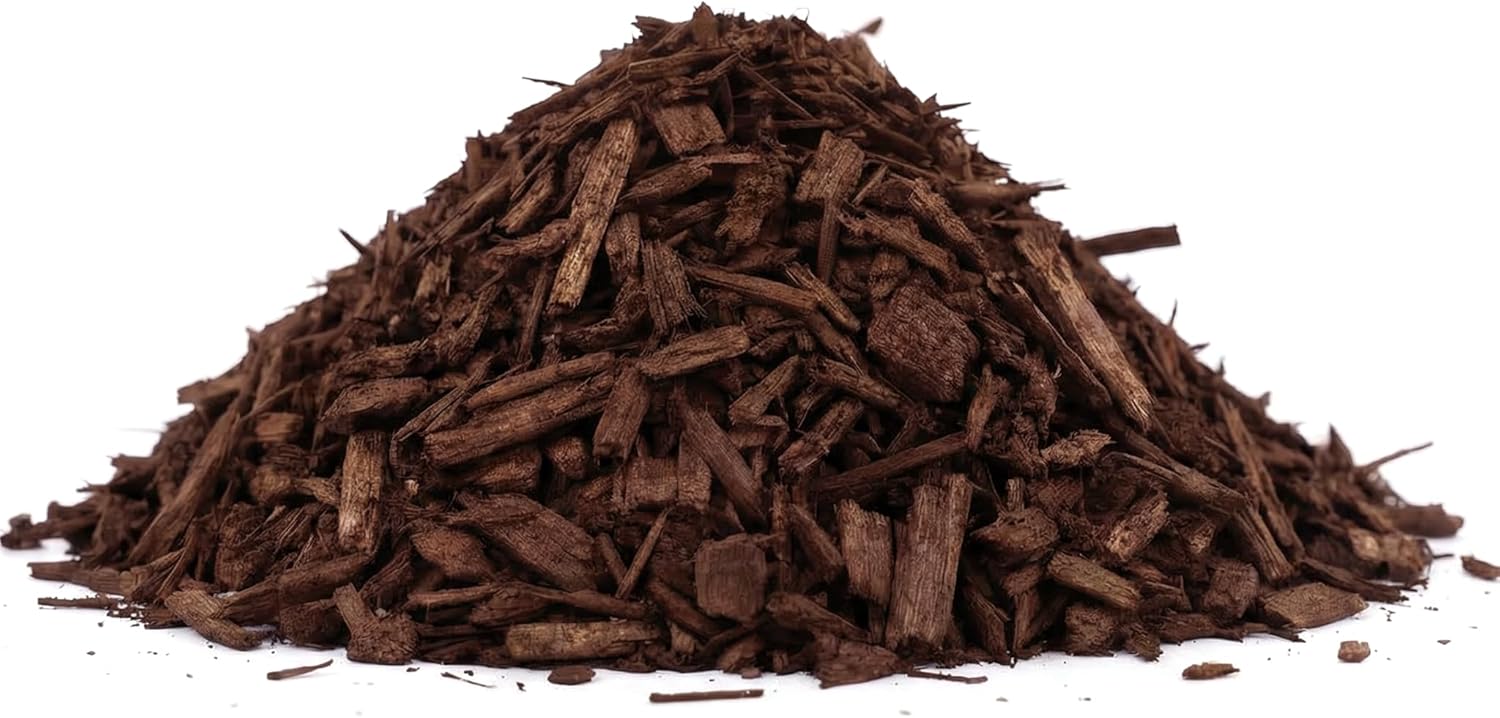
This triple-shredded hardwood mulch is a straightforward organic ground cover intended for garden beds, borders, and around shrubs and fruit plants. It is typically spread in a 2 to 3 inch layer to suppress weeds, reduce evaporation, and help regulate soil temperature. The product emphasizes long-lasting color and gradual decomposition that returns organic matter to the soil, which supports root health over time. Practical benefits for blueberry growers include better moisture retention and reduced weed pressure, both important for shallow-rooted berry bushes. Because it is hardwood and triple shredded, it provides good coverage without compacting heavily, yet still allows water and air to reach roots. Limits to expect are the usual ones with organic mulch: it will slowly break down and require annual top-ups, and hardwood mulches can temporarily immobilize nitrogen if incorporated into soil before fully decomposed, so monitor plant vigor and supplement with nitrogen if needed. For gardeners prioritizing a natural, reliable soil cover, this mulch performs the core tasks well.
Best for: Gardeners who want a dependable, natural mulch to maintain consistent soil moisture and reduce weed upkeep for berry beds and ornamental plantings.
Less Ideal for: Those who need a permanent inorganic groundcover or want a mulch that never needs replenishing should look at nonorganic alternatives.
- 100% natural organic hardwood that adds organic matter as it decomposes
- Triple-shredded texture gives even coverage without compacting
- Designed to retain soil moisture and reduce evaporation
- Helps suppress weeds by creating a physical barrier
- Requires periodic replenishing as it breaks down over a season or year
- May temporarily tie up soil nitrogen during decomposition if mixed into planting beds
Verdict: A reliable, natural hardwood mulch that helps blueberry beds retain moisture and suppress weeds while gradually improving soil health.
HealthiStraw GardenStraw Premium Garden Mulch, 3 cu ft

| Net volume | 3 cu ft |
|---|---|
| Intended use | Garden mulch, lawn seeding, compost-friendly |
| Material | 100% wheat straw |
| Source | Sustainably sourced, non-GMO |
HealthiStraw GardenStraw is a 3 cubic foot compressed bale of cleaned wheat straw formulated for use as garden mulch and seed protection. It is designed for vegetable, herb, flower and shrub beds where you want a lightweight, compostable mulch that retains soil moisture and suppresses weeds. The straw is processed to reduce dust and stray seeds and the short, specially cut fibers interlock when watered so the mulch stays in place without chemical tackifiers. For bushes you can apply a 2 to 3 inch layer around the drip line to cut evaporation, reduce compaction and gradually add organic matter as it breaks down. Practical benefits include easy spreading from a compressed bale, fast composting into the soil, and reduced watering needs. Limitations are that straw is less decorative than bark or wood chips and will decompose faster, so it requires periodic replenishing; it also provides less long-term weed barrier than heavier mulches. For gardeners focused on soil health and moisture conservation, it is a straightforward, low-risk choice.
Best for: Gardeners who prioritize soil health and want an easy-to-apply, compostable mulch for shrubs and mixed beds that reduces watering and improves organic matter over time.
Less Ideal for: People seeking a long-lasting, decorative mulch or a heavy-duty weed barrier for high-traffic beds should consider wood chips or stone instead.
- Cleaned, non-GMO wheat straw with reduced dust and seeds
- Fibers interlock when wetted so the mulch stays in place without binders
- Helps retain soil moisture and can reduce watering needs substantially
- Composts quickly and adds organic carbon to improve soil structure
- Decomposes faster than wood mulches so it needs topping up more often
- Less decorative and provides a lighter-duty weed barrier compared with heavier bark or rock mulches
Verdict: A clean, fast-composting straw mulch that conserves moisture and improves soil health, making it a safe, practical choice for mulching bushes.
Wood Smith USA 100% Natural Cedar Chips, 4 Quart Bag

| Brand Name | Wood Smith USA |
|---|---|
| Unit Count | 148.92 Ounce |
| Number of Packs | 1 |
| Volume | 1 |
These 100% natural cedar chips are a lightweight, aromatic mulch sold in a 4-quart bag that works best as a top dressing for potted plants, hanging baskets, and small garden patches. The cedar scent helps deter some insects and can freshen indoor potting mixes, while the chips also help retain surface moisture and reduce light reaching weed seeds. Because the bags are hand sifted and packed, quality is generally consistent for small jobs, and the product is easy to spread with minimal tools. The obvious limitation is the small volume — a single 4-quart bag covers only a very small area, so multiple bags are required for beds or larger weed-control projects. The chips are also coarse compared with fine mulches, so they are better for decorative surface cover than for forming a dense, weed-suppressing mat. Handle the product carefully to avoid inhaling dust and follow guidance if using around animals.
Best for: Buyers looking for an inexpensive, small-quantity mulch to refresh pots, hanging planters, or to try cedar for insect control in limited areas.
Less Ideal for: Gardeners who need to cover large beds or who want a fine-textured mulch for dense weed-smothering should choose larger bulk bags or finer mulches instead.
- Natural cedar composition that repels some insects and adds a pleasant scent
- Small 4-quart bag useful for potted plants, hanging baskets, and spot treatments
- Helps retain surface moisture and reduces light to surface weed seeds
- Hand-sifted and hand-packed for generally consistent small-batch quality
- Very small volume so not cost-effective for large beds
- Coarse chip size offers less dense weed suppression than finer mulches
Verdict: A handy, low-cost 4-quart cedar chip bag for small-scale potting and spot weed control where you want a natural scent and insect-repellent benefits.
Choosing the Right Winter Mulch for Flower Beds: Key Factors to Consider
Insulation Needs Based on Plants and Climate
Different perennials and bulbs tolerate cold differently. Shallow-rooted plants and newly established transplants benefit from thicker insulation, while deeply rooted shrubs need less cover. In climates with repeated thaw-freeze cycles, a mulch that provides steady insulation without trapping excessive moisture prevents crown heaving and root damage.
Consider how many inches of mulch your beds need and whether the material compresses under snow weight. Loose, fibrous mulches retain insulating air pockets better than fine, compactible materials.
Drainage and Freeze-Thaw Management
Winter mulch should slow heat loss while still allowing excess water to drain. Poorly draining mulches that form a dense mat or cake when wet can keep crowns soggy through warm spells and increase crown rot risk. In heavier soils, choose mulches that promote aeration or apply a thinner layer to avoid waterlogging.
Also think about how the mulch behaves during thaw cycles. Materials that shed water or break apart to release trapped moisture reduce the risk of repeated freezing and thawing around roots.
Decomposition Rate and Spring Soil Health
Some mulches break down quickly and add organic matter to the soil, improving structure and fertility by spring. Others remain intact for multiple seasons and require removal or replenishment. Rapidly decomposing mulches can temporarily tie up nitrogen as microbes work, which may matter for beds with nutrient-hungry spring bulbs.
Balance the desire for soil-building organic matter with the need to avoid excessive mulch near crowns as it decomposes. Think about whether you want to top-dress with compost in spring or leave the material to integrate into the soil.
Compaction, Matting, and Ease of Removal
Mulches that compact into a mat can suffocate crowns and make spring cleanup difficult. Straw and some shredded wood products resist matting, while fine bark or sawdust can cake when wet. Consider how easy the mulch is to rake off in early spring without disturbing crowns or newly emerging shoots.
Ease of removal also affects timing. Materials that are quick to rake away let you uncover soil earlier for warming and germination, while persistent mulches can delay spring growth if not removed.
Pest Attraction and Weed Seed Content
Some organic mulches provide cover and nesting material for rodents, voles, and slugs, which can damage crowns and stems. Straw with seed content or unprocessed hay often introduces weed seeds that germinate in spring. Processed or composted materials usually carry fewer seeds.
Choose mulches treated or stored to reduce pest habitat near sensitive plants, and combine mulch selection with habitat management like trimming dense groundcover and creating vole barriers where needed.
Environmental and Soil Chemistry Effects
Certain mulches can alter soil pH or introduce compounds that affect soil biology. Fresh wood chips and sawdust can temporarily immobilize nitrogen as they decompose, which matters in beds where you plan early spring planting. Some decorative mulches are dyed and may leach colorants if used in large quantities.
Prefer untreated, locally sourced materials when possible. Consider long-term soil health goals and whether the mulch will be incorporated into the soil or removed after winter.
How Much Mulch to Apply and When
Apply mulch after the soil has cooled but before hard freezes set in. For most perennials and bulbs, a 2 to 4 inch layer is enough to moderate soil temperature while allowing some gas exchange. In cold climates or for newly planted specimens, increase depth toward 4 inches, but avoid piling mulch directly against plant crowns.
In late winter or early spring, monitor soil temperature and moisture. Remove or thin mulch as soon as the risk of hard freezes passes and new growth begins, especially around crown-forming plants, to prevent delayed emergence and rot.
- Keep mulch 1 to 2 inches away from stems and crowns to avoid moisture trapping.
- Lightly fluff compressed mulch after heavy snow to restore insulating air pockets.
- Stagger application timing for beds with mixed plant types to match their emergence schedules.
Combining Mulch Types for Better Outcomes
Using two-layer systems can capture the advantages of different materials. For example, a breathable base layer of coarse wood chips or shredded bark improves drainage, while a top layer of straw or leaf mulch adds extra insulation. This approach reduces matting while maintaining winter warmth.
Layering also helps manage decomposition: coarse underlayers persist, while finer top layers break down and add organic matter. When mixing, avoid burying crowns under heavy materials; keep the top layer light directly around plants.
- Use coarse material next to soil, fine insulating layer on top.
- Replace only the top layer each season to maintain soil balance.
Protecting New Plantings and Shallow-Rooted Species
New transplants and shallow-rooted ornamentals need more consistent insulation because their root systems are not yet established. Apply a slightly thicker, non-compacting mulch and consider temporary windbreaks or burlap barriers to reduce drying winds and salt exposure in exposed sites.
Be cautious with mulches that attract rodents around newly planted crowns. Use a lower layer of gravel or wire mesh under the mulch in areas with heavy vole activity to block access to roots and crowns.
- Increase mulch depth for transplants, but keep mulch away from stems.
- Combine physical barriers with mulch where rodent pressure is high.
Spring Cleanup and Transition to Growing Season
Plan spring cleanup to coincide with consistent soil warming. Gradually remove or thin mulch in stages to avoid sudden exposure that stresses emerging shoots. Rake gently to reveal soil and compost or redistribute decomposed material around beds.
If a mulch has broken down substantially, incorporate the remaining organic matter into the topsoil and top-dress with finished compost. For persistent materials, collect and store for reuse or compost separately if contaminated with weed seeds.
- Remove mulch in phases to match plant emergence.
- Compost suited materials rather than mixing them into flower beds if they contain seeds or pests.
Mulch Use in Raised Beds and Shallow Beds
Raised and shallow beds warm faster in spring and may need thinner winter mulch layers. Excessive mulch in these beds can delay spring seedlings and reduce early-season soil warming. Opt for mulches that insulate without heavy compaction and remove them earlier than you would in in-ground beds.
Pay attention to drainage in raised beds. Choose mulches that maintain aeration and do not hold water against crowns, especially where soil mix includes higher proportions of peat or coir.
- Use lighter, breathable mulches in raised beds.
- Monitor soil temperature to time removal and avoid delayed growth.
How We Chose the Best Winter Mulch for Flower Beds
We selected mulches that are commonly used by gardeners for winter protection and then applied practical, garden-focused filters to narrow the list. Important evaluation criteria included insulative R-value and thickness needed for effective crown protection, how the material affects winter drainage and aeration, persistence and breakdown rate across a season, and the risk of compaction or matting that can suffocate crowns. We also considered ecological impact, including whether the material introduces weed seeds, alters soil pH, or disrupts beneficial soil life, and the likelihood of attracting rodents or slugs. Products were excluded if they are primarily decorative summer mulches with high compaction risk, materials recommended only for container or rooftop beds, or options that require specialized installation equipment. Our focus is on mulches practical for typical flower beds, usable by home gardeners with hand tools. The scoring emphasized measurable, garden-relevant dimensions so readers can match a mulch to soil texture, drainage patterns, plant hardiness, and maintenance tolerance.
FAQ
Can I use compost as winter mulch in flower beds?
Compost can add organic matter and moderate soil temperature, but it breaks down quickly and may hold moisture close to crowns. Use a thin layer of finished compost or mix it into the soil rather than piling a thick compost blanket over crowns.
How do I prevent voles and rodents from nesting in mulch?
Reduce dense groundcover near beds, avoid deep, continuous straw or brush piles, and install a coarse barrier such as hardware cloth around sensitive planting areas. Keeping mulch away from trunks and crowns also reduces attractive nesting sites.
When should I remove winter mulch in spring?
Remove or thin mulch incrementally as soil temperatures rise and perennial shoots begin to emerge. In many climates this means partial removal in late winter and final cleanup after the last expected hard frost.
Will mulch delay spring growth if left in place?
Yes, a thick or persistent mulch can delay soil warming and slow emergence. Lighter mulches or staged thinning help avoid significant delays while still protecting plants from late cold snaps.
Is shredded wood safe to use over bulbs?
Shredded wood provides good aeration but can compact if wet and may temporarily immobilize nitrogen as it decomposes. Keep a light layer over bulbs and avoid thick applications directly on emerging shoots.
Can mulch affect soil pH over winter?
Some mulches, particularly fresh wood products, can influence soil chemistry as they decompose. The effect is usually modest over a single winter, but repeated use of acidic materials may alter pH over time, so monitor soil tests if you use the same mulch annually.
Final Verdict
Prioritize insulation without creating a moisture trap when choosing winter mulch for flower beds. Match mulch depth and type to plant hardiness, soil drainage, and rodent pressure. Consider layered systems that combine drainage with a light insulating top layer to get the best of both worlds. Focus on ease of spring removal and the mulch's decomposition pattern. Selecting a mulch for its winter behavior rather than summer appearance will protect crowns, reduce heaving, and make spring cleanup simpler, helping your flower beds emerge healthy and vigorous.
