

Note: This article contains affiliate links. If you click on these links and make a purchase, I may earn a small commission at no extra cost to you. This helps support my research and content. Read my full affiliate disclosure here.
Picking the right full sun flowers for pots makes a big difference in how your patio, balcony, or entryway looks and how much maintenance you will need. In containers the stakes are higher: soil heats and dries faster, roots are confined, and flowers must tolerate direct sun while still producing steady blooms. This guide shortlists the top full sun flowers for pots, chosen for reliable flowering, heat and drought tolerance, and compact container habits. We explain the key traits that matter and the evaluation criteria used to select these top picks so you can match plants to your light, watering routine, and display goals.
Top Picks at a Glance
| Best Overall The best all-around choice for most situations | The Old Farmer's Almanac Zinnia Seeds (Dahlia Mix) — Approx. 240 Non‑GMO Seeds |  |
| Best Quality Built to a higher standard if you want something more solid | Live Red Dipladenia (Mandevilla) in 1‑Gallon Pot |  |
| Best Value The sweet spot between price and what you get | NatureZ Edge Zinnia Seed Mix, 5 Pack (5 g), Non-GMO |  |
| Best Budget The cheapest option that still gets the job done reliably | BuggyBeds Cosmos Flower Seeds (1000 Count) — Heirloom Non-GMO, Long Bloom Season |  |
| Highest Rated A top-rated pick with lots of positive feedback | Costa Farms Ruellia (Mexican Petunia) Live Outdoor Plant, Purple Flowers |  |
| Best Seller A high-volume bestseller chosen again and again | KVITER Dwarf Mix Petunia Heirloom Flower Seeds (2,000 Count) |  |
The Old Farmer's Almanac Zinnia Seeds (Dahlia Mix) — Approx. 240 Non‑GMO Seeds

| Indoor Outdoor Usage | Outdoor |
|---|---|
| Expected Blooming Period | Summer |
| Sunlight Exposure | Full Sun |
| Soil Type | well drained soil |
| Unit Count | 240 Count |
These Old Farmer's Almanac zinnia seeds offer an easy, reliable way to grow bold summer flowers in full sun, well-drained soil. The Dahlia Mix contains roughly 240 open-pollinated, non-GMO seeds per unit, with a wide range of colors suited to pots, planters, or mixed beds. Planting is straightforward: sow after frost, cover lightly, and thin seedlings to the recommended spacing once they reach a few inches tall. Zinnias thrive with regular bottom watering and benefit from deadheading for continuous blooms. Notable features are the large, showy flowers that attract bees and butterflies and the seed packet being freshly packed for the current season to support good germination. Limitations include zinnias' susceptibility to powdery mildew in humid or poorly ventilated conditions and the need for routine thinning to avoid overcrowding. For container use, choose a deep enough pot and keep soil moderately moist between waterings to get the best display from this mix.
Best for: Gardeners who want an easy, colorful summer bloomer for sunny pots or mixed containers and value pollinator-friendly plants with straightforward care.
Less Ideal for: Those seeking fully disease‑resistant or low‑maintenance plants for consistently humid climates or gardeners who prefer instant mature plants rather than growing from seed.
- Large, colorful mix suited to eye-catching displays in pots or beds
- Open-pollinated non-GMO seeds from recent packing for good germination
- Attracts pollinators, useful for wildlife-friendly container gardens
- Prone to powdery mildew in humid or crowded conditions
- Requires thinning and regular deadheading for best flowering performance
Verdict: A simple, colorful seed mix that delivers abundant full‑sun summer blooms ideal for pots and pollinator-friendly container gardens.
Live Red Dipladenia (Mandevilla) in 1‑Gallon Pot

| Plant or Animal Product Type | Mandevilla sanderi |
|---|---|
| Indoor Outdoor Usage | Indoor, Outdoor |
| Sunlight Exposure | Full Sun |
| Other Special Features of the Product | Extended Bloom Time, Low Maintenance, Perennial, decorative |
| Expected Plant Height | 20 inches |
This live Dipladenia (Mandevilla sanderi) is a compact, sun-loving flowering vine sold in a 1-gallon nursery pot intended for patio pots, hanging baskets, or small garden beds. In full sun it produces trumpet-shaped red blooms through the season and keeps a neat, roughly 20-inch habit that fits well in containers. The plant is presented as heat-tolerant and easy-care, with a care note to water daily in sunny spots, which makes it suitable for high-performance display where continuous flowering is the goal. As a container choice it delivers bold color without demanding advanced pruning or specialist feeding. Limitations are the small pot size at sale, which means you will likely need to repot to maintain vigor over a full season, and the advertised daily watering requirement in hot sun may be more than some low-maintenance gardeners want. For growers focused on consistent, showy summer blooms in full sun, this Dipladenia is an effective, space-efficient option.
Best for: Gardeners who want a high-impact, sun-loving flowering plant for pots and small outdoor spaces and who prioritize continuous summer blooms over minimal watering.
Less Ideal for: People seeking truly no-maintenance plants or those who cannot water containers frequently should consider lower-water or larger-established specimens instead.
- Produces abundant trumpet-shaped red flowers in full sun for continuous seasonal color
- Compact 20-inch habit fits well in pots, hanging baskets, and small patios
- Described as heat-tolerant and low-maintenance for beginner-friendly care
- Suitable for both indoor and outdoor placement where bright light is available
- Supplied in a small 1-gallon pot so repotting is likely needed for long-term vigor
- Daily watering recommended in full sun which may increase maintenance in hot climates
Verdict: Choose this Dipladenia when you want a compact, high-flowering full-sun plant that delivers bold seasonal color in pots.
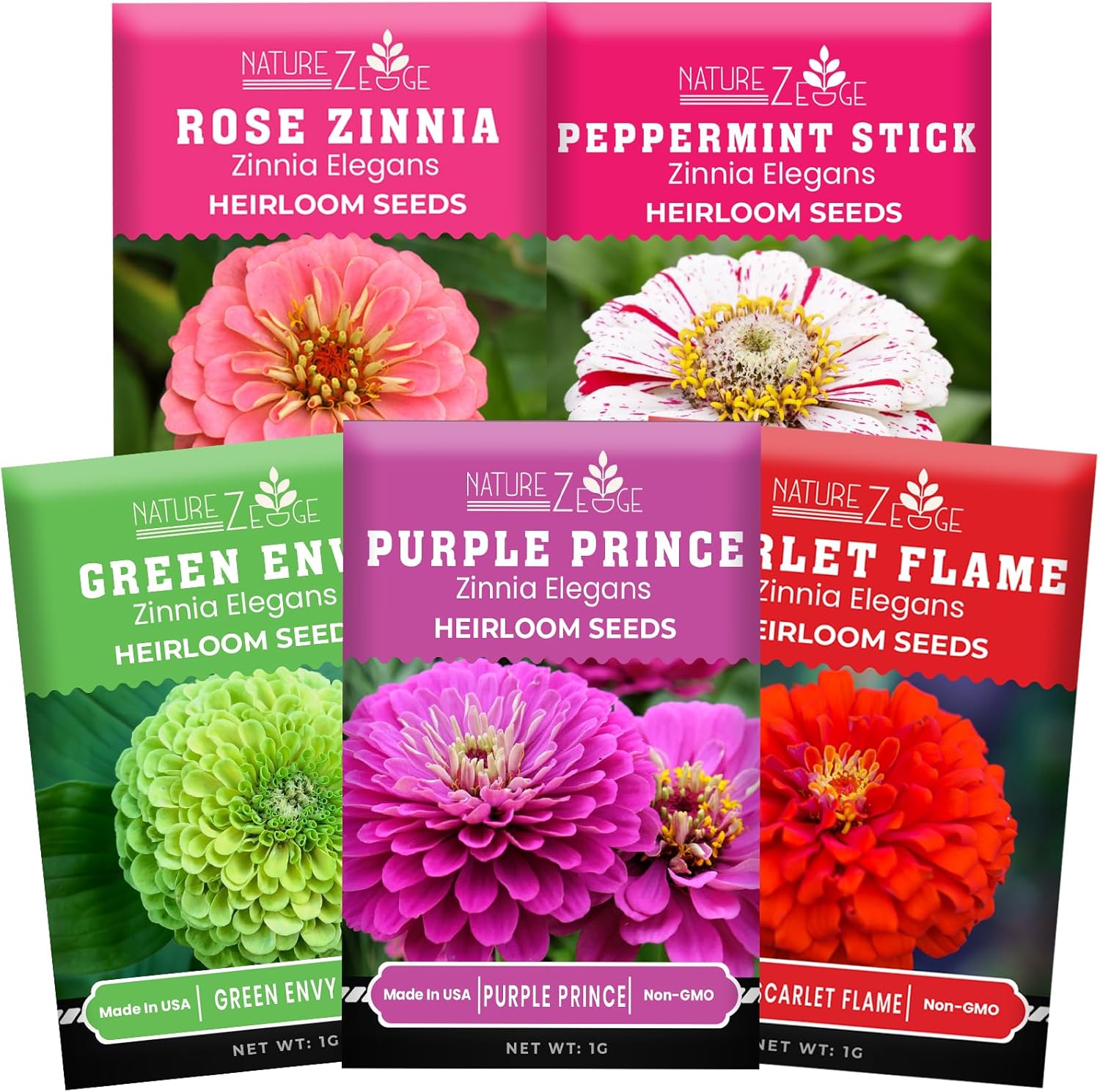
NatureZ Edge Zinnia Seed Mix, 5 Pack (5 g), Non-GMO
| Expected Blooming Period | Spring to Fall |
|---|---|
| Sunlight Exposure | Full Sun |
| Expected Planting Period | Spring |
| USDA Hardiness Zone | 2-11 |
| Moisture Needs | Regular Watering |
These NatureZ Edge zinnia seeds are a convenient, no-fuss option for adding long-lasting color to sunny pots and garden beds. The mix is non-GMO and sold in a multi-packet format that makes it easy to sow successive batches or distribute between containers. Zinnias prefer full sun and regular watering, and this mix is described as suitable for planting in spring with blooms through fall in USDA zones 2 to 11, so it will perform across a wide range of climates. For container use the practical benefits are clear: easy germination, quick flowering, and a variety of bloom colors useful for mixed planters or cutting for small arrangements. The seed quantity is aimed at hobby growers rather than commercial use, so expect to space plants for airflow and deadhead to prolong bloom. Limitations include the absence of variety-specific details such as plant height or flower size, so if you need dwarf or giant cultivars for a particular pot scale you may want a labeled variety instead.
Best for: Gardeners who prioritize straightforward, reliable color in sunny containers and want an easy-to-grow, multi-packet seed mix for staggered planting or multiple pots.
Less Ideal for: Growers who need named cultivars with guaranteed compact or giant growth habits for precisely scaled container designs.
- Non-GMO, open-pollinated seed mix suitable for natural gardening
- Designed for full sun with blooming from spring through fall for a long display
- Packaged in multiple small packets that are convenient for potting or staggered sowing
- Suitable across USDA zones 2 to 11, offering wide climatic compatibility
- No specifics on plant height or variety types included, which makes selecting for pot size less precise
- Seed count and germination percentage are not listed in the product details
Verdict: A practical, easy-to-sow zinnia mix that delivers season-long color in sunny pots for gardeners who value reliability and convenience.
BuggyBeds Cosmos Flower Seeds (1000 Count) — Heirloom Non-GMO, Long Bloom Season

| Unit Count | 1000 Count |
|---|---|
| Indoor Outdoor Usage | Outdoor |
| Other Special Features of the Product | Non-GMO |
| Style Name | Long Bloom Season |
These BuggyBeds cosmos seeds supply 1000 non-GMO seeds aimed at easy, low-cost color for full-sun pots and garden beds. Cosmos are typically direct-seeded into pots or containers after the last frost and need little maintenance beyond regular watering and deadheading to extend blooms. The packet’s long-bloom season promise and high seed count make it practical for filling multiple pots, successive plantings, or creating a massed display without buying many small seed packs. Cosmos attract pollinators, so planted containers will also support bees and butterflies. Expect some natural variation in flower color since this is a mixed heirloom selection. Because seeds are sold in bulk, germination rates can vary and you may need to overseed to ensure even coverage. This is a straightforward, budget-friendly choice for gardeners who want colorful, low-effort annuals in full-sun pots, with the usual uncertainty of seed-starting rather than guaranteed transplant uniformity.
Best for: Best for budget-minded gardeners who want to fill full-sun pots with long-blooming, pollinator-friendly annuals without buying multiple smaller packs.
Less Ideal for: Not ideal for gardeners who need uniform, predictable cultivars or those who prefer guaranteed greenhouse-grown transplants for instant container displays.
- Very large 1000-seed count gives good coverage for multiple pots or successive sowings
- Non-GMO heirloom mix offers varied, natural flower colors
- Low-maintenance annuals that thrive in full sun and attract pollinators
- Long bloom season increases color in containers from summer into fall
- Bulk seeds mean germination can be uneven so overseeding may be necessary
- Mixed heirloom varieties produce color variation rather than uniform blooms
Verdict: A cost-effective way to add long-lasting, pollinator-friendly color to full-sun pots by planting a single large packet of easy-growing cosmos seeds.
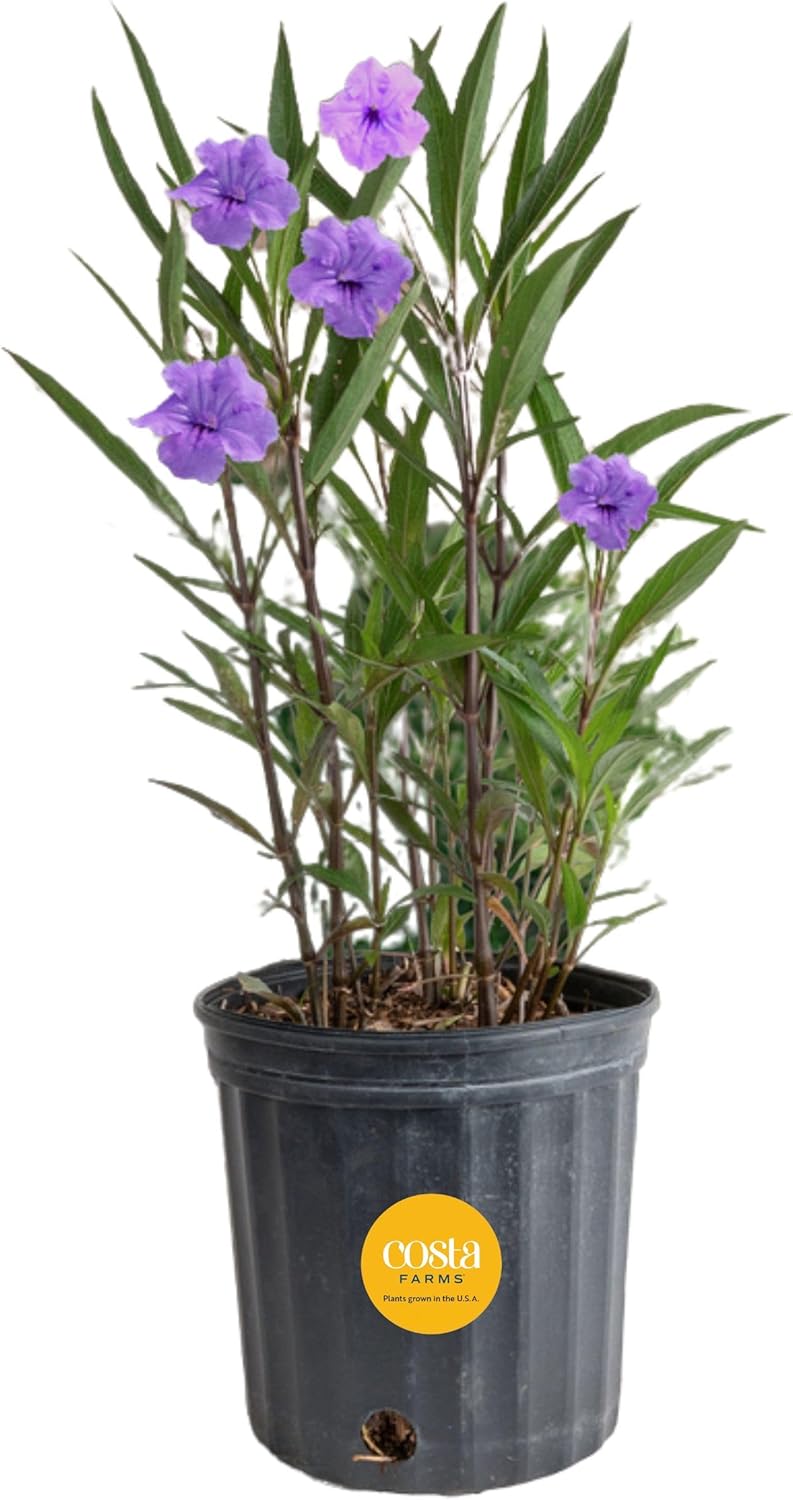
Costa Farms Ruellia (Mexican Petunia) Live Outdoor Plant, Purple Flowers
| Indoor Outdoor Usage | Outdoor |
|---|---|
| Sunlight Exposure | Full Sun |
| Expected Plant Height | 36 inches |
| Container Material | Plastic |
This Costa Farms Ruellia is a hardy, fast-growing purple-flowering plant intended for outdoor beds or large pots in full sun. It regularly produces trumpet-shaped violet blooms and reaches about 2 to 3 feet tall, so it works well as a filler, border plant, or a dramatic container thriller on sunny patios. The plant is drought tolerant once established and tolerates heat and humidity, which reduces watering and maintenance for reliability-focused gardeners. It arrives in a plastic container and is adaptable to most soils though it prefers well-drained sites. Practical benefits include quick visual impact, strong appeal to pollinators, and low ongoing care in USDA zones 8 to 11, or as an annual farther north. Limitations are that it can spread quickly and self-seed in warm climates, so it may require occasional thinning or containment when used in pots, and it performs best in full sun to partial shade rather than deep shade environments.
Best for: Gardeners who want a dependable, low-maintenance flowering plant for sunny pots and patios that provides quick color and attracts pollinators.
Less Ideal for: Those with very small containers, heavily shaded sites, or gardeners who prefer plants that stay strictly compact and non-spreading.
- Consistent, high-volume purple blooms for season-long color
- Quick growth that fills pots or borders and adds immediate height
- Drought and heat tolerant once established, lowering maintenance
- Attracts pollinators such as hummingbirds and butterflies
- Can spread and self-seed in warm zones, requiring containment or regular pruning
- Best performance limited to full sun or partial shade locations
Verdict: Buy this Ruellia if you need a reliable, heat- and drought-tolerant plant that delivers season-long purple blooms and quick impact in full-sun pots.
KVITER Dwarf Mix Petunia Heirloom Flower Seeds (2,000 Count)

| Unit Count | 2000 Count |
|---|---|
| Sunlight Exposure | Full Sun |
| USDA Hardiness Zone | 1-12 |
| Material Features | GMO Free, Heirloom |
| Expected Blooming Period | Summer |
These KVITER dwarf petunia seeds are a bulk pack aimed at gardeners who want lots of compact, colorful plants for pots and small beds. The mix produces 10-inch mounded petunias in reds, pinks, purples and white that perform best in full sun and bloom from early summer through late season when deadheaded. Packets include a step-by-step growing guide and the seeds are open-pollinated, non-GMO and untreated, which helps growers who prefer simple, low-chemical planting. Seeds surface-sown at 70–80°F typically germinate in one to two weeks and the compact habit makes them easy to space in 12-inch container groupings or window boxes. They attract pollinators and tolerate light drought once established, though they do need regular watering and benefit from deadheading for continuous bloom. The main compromises are that results depend on proper sowing and care and that bulk seed quality can vary, so expect some gaps or erratic germination compared with pre-grown transplants.
Best for: Gardners who want an easy-to-manage, economical source of full‑sun container flowers and prefer growing from non‑treated heirloom seed with simple guidance.
Less Ideal for: People who need guaranteed uniform color or instant results should opt for established plants or labeled hybrid seed trays rather than bulk heirloom seed packets.
- Large 2,000‑count pack supplies many containers or a long border season
- Non‑GMO heirloom, open‑pollinated seeds with no chemical treatment
- Compact 10‑inch habit suited to pots, window boxes and small spaces
- Includes a detailed growing guide to help beginners get started
- Attracts pollinators and tolerates light drought after establishment
- Germination and uniformity can be uneven compared with purchased plants
- Requires attention to watering and deadheading for best continuous bloom
Verdict: A cost‑effective choice for gardeners who want lots of compact, heirloom petunias for sunny pots and want to grow from non‑treated seed.
Choosing the Right Full Sun Flowers for Pots: Key Factors to Consider
Sun Exposure and Bloom Timing
Full sun in containers means at least six hours of direct midday sun, often more. Plants that flower in full sun need flower structures and foliage that do not scorch quickly, and predictable bloom cycles so you get color when you want it. Consider whether the plant blooms in flushes, continuously, or in a short peak; continuous bloomers reduce gaps in color and are often preferred for pots.
Bloom timing also affects companion planting. Choose plants with overlapping bloom windows to avoid bare periods, or plan seasonal rotation to refresh displays when one species finishes.
Soil Volume and Root Confinement
Pots limit how much soil and moisture are available to roots, so root architecture matters. Shallow-rooted flowers will tolerate small containers better than deep-rooted types. Plants that naturally remain compact or have fibrous root systems are easier to keep healthy in limited soil.
If a species tends to become root-bound quickly, you will need to repot or prune roots more often. Consider pot size relative to mature root spread and choose varieties known to adapt to container life to reduce stress and watering frequency.
Watering Needs and Drought Resilience
Containers dry out faster than ground beds, so drought resilience is a major selection factor. Some full sun flowers maintain blooms with sporadic watering and have thicker leaves or deeper root growth that mitigate brief dry spells. Others need consistent moisture or they will drop buds and foliage.
Think about your watering routine and irrigation options. If you travel or prefer low-maintenance care, prioritize drought-tolerant species and use potting mixes with good water retention or add water-conserving amendments.
Heat Tolerance and Microclimate Fit
Pots sitting on concrete, metal, or exposed ledges heat up more than garden beds, increasing stress on plants. Heat-tolerant flowers keep producing in high temperatures and resist leaf scorch. Some cultivars perform well only in milder climates, so match selections to your local summer extremes and the pot placement microclimate.
Reflective surfaces and southern exposures intensify heat; choose tougher selections for those spots or provide afternoon shade when necessary.
Size, Form, and Display Goals
Decide whether you want a single focal plant, a mixed container, or trailing spill-over effect. Upright varieties suit narrow pots and entryway planters, while mounding or trailing types work well in hanging baskets and wide containers. Size at maturity determines how many plants to place in each pot and affects visual balance.
Consider whether you will plant companions for contrast in texture, height, and bloom color, and choose forms that complement your container style.
Maintenance and Fertility Requirements
Some full sun flowers need regular deadheading, pinching, or fertilizer to sustain long bloom periods in pots. Others bloom freely with minimal feeding. In containers, nutrients wash out with frequent watering, so choose species that are forgiving of lower fertility or plan a feeding schedule.
Also account for pruning needs and ease of overwintering if you plan to keep plants through seasons. Low-maintenance picks reduce time investment and are better for casual gardeners.
Container Soil and Pot Choices
The right potting mix and container size greatly influence how a full sun flower will perform. Use a lightweight, well-draining potting mix that still holds some moisture. Heavy garden soil compacts and impedes drainage, which stresses roots in bright, hot locations.
- Choose pots with drainage holes and consider saucers or trays to catch excess water in windy spots.
- Larger pots buffer temperature swings and hold more water, reducing the frequency of watering in full sun.
- Light-colored or glazed pots reflect heat better than dark, unglazed clay in very hot exposures.
Watering Strategies for Sunny Containers
Establish a watering routine based on the pot size, plant water needs, and local heat. Check the top inch of soil before watering; in full sun it can go from moist to dry fast. Deep, infrequent watering encourages stronger root systems than frequent shallow watering.
- Water in the morning to reduce evaporation and fungal risk.
- Use drip irrigation or a watering wand for consistent delivery into the root zone.
- Mulch the soil surface in larger pots with organic material to slow evaporation.
Designing Mixed Containers
Mixing upright, mounding, and trailing forms creates dynamic containers that read well from multiple angles. Start with a thriller, spiller, filler concept: a taller central plant, middle-layer bloomers, and trailing foliage to soften edges. Balance color and texture so the display holds interest as plants grow.
- Place higher-maintenance or thirsty plants near larger soil volumes in the same grouping to simplify care.
- Use repeated color or foliage elements to tie multiple containers together on a patio.
Seasonal Care and Overwintering
Many annual full sun flowers will finish at the end of their season, while some perennials may need protection in colder zones. For containers, consider whether you will bring pots indoors, insulate them, or treat plants as annuals and replace them each year. Removing spent flowers and occasional pruning keeps displays tidy and prolongs bloom.
- Trim leggy growth to encourage fuller shapes midseason.
- If overwintering, reduce watering and move pots to a cool, frost-free location for tender species.
Companion Planting and Color Schemes
Think about contrast and repetition when pairing plants. Combine complementary colors and contrasting foliage textures to make blooms pop. Low-growing groundcover or small-leaved fillers can hide bare soil and reduce evaporation while adding visual interest.
- Repeat a single color or foliage type across several pots to create visual cohesion.
- Include at least one variety with staggered bloom timing to avoid empty phases in the arrangement.
How We Chose the Best Full Sun Flowers for Pots
We focused on traits that matter most for container gardens in full sun. Each candidate had to show consistent flowering in direct sunlight, compact or contained growth suited to pots, and reasonable tolerance for heat and intermittent drying. We evaluated hardiness to local summer heat, flowering period length, root confinement adaptability, and susceptibility to common container pests and diseases. Plants that require specialized greenhouse care, extensive staking, or very deep soil were excluded because they are impractical for typical pots. We also screened out varieties that need heavy fertilization schedules or constant moisture to bloom well. The final shortlist balances easy care with visual payoff in hot, sunny container environments. Editorial filters applied: documented flowering behavior in full sun, container growth habit, drought and heat tolerance, disease resistance in confined soil, and maintenance needs such as pruning and fertilizing. These dimensions are reflected in the scoring criteria used for each pick.
FAQ
How much sun do full sun flowers actually need in pots?
Full sun flowers typically need six or more hours of direct sunlight per day. In pots, however, the heat load can be higher, so monitor for leaf scorch and adjust placement if midday sun is excessive.
Can full sun potted flowers survive on a balcony that gets afternoon sun only?
Afternoon sun can be intense and often supplies enough light and heat. Success depends on the species' heat tolerance and the pot's exposure. Provide larger containers and more frequent watering for afternoon-only sun locations.
How often should I fertilize flowering containers in full sun?
Containers generally need more frequent feeding than garden beds because nutrients leach with watering. A balanced liquid feed every two to four weeks or a slow-release fertilizer at planting can sustain blooms; adjust based on plant vigor and bloom production.
Will drought-tolerant full sun flowers still need regular watering in hot weather?
Yes. Drought-tolerant plants handle brief dry periods better, but in hot, sunny containers they still need consistent moisture. Increase watering frequency during heat waves and consider mulching or using larger pots to reduce stress.
Can I mix plants with different water needs in the same pot?
Mixing plants with widely different water requirements is risky because the watering schedule that suits one may harm another. If you mix, choose species with similar moisture needs or group pots by watering requirements.
Final Verdict
For sunny containers prioritize plants that combine steady flowering with heat and drought tolerance and that naturally fit the pot size you plan to use. Balance bloom duration against maintenance needs like deadheading and feeding so you do not end up over- or under-caring for your displays. Decide first on the visual role of each container, then match species by root habits and water needs. That approach lets you create vibrant, low-stress pots that keep producing color through the hottest months.
