

Note: This article contains affiliate links. If you click on these links and make a purchase, I may earn a small commission at no extra cost to you. This helps support my research and content. Read my full affiliate disclosure here.
If pests are stripping leaves or dulling blooms on your hibiscus, a targeted systemic insecticide can stop infestations from the inside out. Choosing the right systemic for hibiscus matters because these plants are prized for showy flowers and can be sensitive to overapplication or the wrong active ingredient. This guide covers seven top shortlisted options that gardeners commonly use on hibiscus, and it explains the core evaluation points used to compare them. We'll focus on how long protection lasts, how safe each option is for the plant and nearby beneficials, and practical application steps you can follow in the yard or patio.
Top Picks at a Glance
| Best Overall The best all-around choice for most situations | Bonide Annual Tree & Shrub Insect Control Concentrate, 128 oz |  |
| Best Quality Built to a higher standard if you want something more solid | Bonide Systemic Insect Control Granules, 4 lb |  |
| Best Value The sweet spot between price and what you get | BioAdvanced All‑in‑One Rose & Flower Care Concentrate, 32 oz |  |
| Best Budget The cheapest option that still gets the job done reliably | Hi-Yield Systemic Insect Granules (1 lb) | 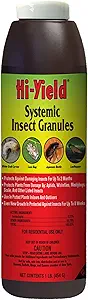 |
| Highest Rated A top-rated pick with lots of positive feedback | BioAdvanced All‑In‑One Rose & Flower Care Granules, 4 lb |  |
| Most Popular A crowd favorite that many people choose with confidence | Bonide Systemic Houseplant Insect Control Granules, 8 oz |  |
| Best Seller A high-volume bestseller chosen again and again | ferti-lome Tree & Shrub Drench Systemic Insecticide, 32 oz |  |
Bonide Annual Tree & Shrub Insect Control Concentrate, 128 oz

| Unit Count | 128 Fluid Ounces |
|---|---|
| Item Form | Spray |
| Target Species | Insects |
| Active Ingredients | Imidacloprid 1.47% |
Bonide Annual Tree & Shrub is a concentrated imidacloprid treatment formulated to protect established trees and shrubs from a range of sap-feeding and boring insects. You mix the concentrate with water and apply it as a soil drench or spray at the base of the plant so the chemical is taken up through the roots and distributed into new and existing growth. Key features are its long-lasting, systemic action that claims up to one-year protection and a formulation designed to be rainproof once dry. For gardeners this means fewer repeat treatments over the growing season and targeted control of pests that feed internally or on new shoots. Important limitations are that it contains imidacloprid, a neonicotinoid that can affect pollinators if misused, and it is intended for listed trees and shrubs rather than for broad landscape broadcast use. Careful adherence to label directions and timing is needed to protect beneficial insects and follow safety guidance.
Best for: Gardeners who want season-long, low-maintenance protection for individual trees and shrubs and are comfortable following label directions to minimize risks to pollinators.
Less Ideal for: Homeowners seeking immediate contact-kill sprays for lawn pests or those who prefer only non-neonicotinoid or organic insect controls.
- Systemic soil-applied formulation provides long residual control up to one year
- Concentrate offers flexibility to mix volumes for multiple trees and shrubs
- Rainproof after drying so protection is not easily washed away
- Specifically labeled for fruit, nut and ornamental trees and shrubs, including roses
- Contains imidacloprid, which requires careful use to avoid harm to pollinators and non-target insects
- Not designed for instant knockdown of foliage insects that require contact sprays
Verdict: Choose this concentrate when you want a single, systemic treatment to protect trees and shrubs for an extended season with minimal repeat applications.
Bonide Systemic Insect Control Granules, 4 lb

| Unit Count | 64 Ounce |
|---|---|
| Item Form | Granules |
| Target Species | Insects |
| Special Features | Ready-to-Use |
| Active Ingredients | Imidacloprid |
Bonide Systemic Insect Control Granules are a low-odor, ready-to-use granular treatment that you apply to the soil around outdoor ornamental plants to protect them from sap-feeding pests such as scale, aphids, mealybugs, and whiteflies. The granules are absorbed by roots and move through the plant, so insects are controlled when they feed rather than by contact. It is simple to use: sprinkle the product on the soil, mix in lightly, water to activate, and reapply about every eight weeks if needed. The systemic action means protection is not removed by watering and gives multi-week control without frequent spraying. Important limitations are that it contains imidacloprid and is not labeled for edible plants, and it can affect insects that feed on treated plants so care is needed around pollinator-friendly plantings. For gardeners managing recurring scale infestations on ornamentals, this product offers straightforward, long-lasting control, but it should be used according to label directions to minimize non-target impacts.
Best for: Gardeners who want an easy, low-maintenance way to protect ornamental shrubs and potted plants from recurring sap-feeding insects and prioritize multi-week control with minimal repeat applications.
Less Ideal for: People who need insect control for vegetables, herbs, or fruit-bearing plants or who must avoid neonicotinoid insecticides for pollinator-sensitive plantings.
- Systemic action provides plant-wide protection for up to eight weeks after application
- Ready-to-use granules are low odor and simple to apply to soil around ornamentals
- Effective against common sap-feeding pests including scale, aphids, mealybugs, and whiteflies
- Contains imidacloprid and is not for use on edible plants
- Will not control pests that do not feed on plant sap or pests on non-treated surfaces
Verdict: A convenient, long-lasting granular systemic treatment for controlling scale and other sap-feeding insects on ornamental plants.
BioAdvanced All‑in‑One Rose & Flower Care Concentrate, 32 oz

| Item Form | Liquid |
|---|---|
| Liquid Volume | 32 fluid ounces |
| Active Ingredients | Imidacloprid, Tebuconazole |
| Target Species | Insects |
This BioAdvanced All‑in‑One Rose & Flower Care is a concentrated liquid designed to simplify rose care by combining fertilizer, insect control, and fungicide in a single pour‑in application. You mix the concentrate with water and apply to soil around roses and other flowering shrubs; the systemic formula is taken up through roots so it is rainproof and protects plants for up to six weeks. Notable features are its dual active ingredients, imidacloprid for insect control and tebuconazole for disease suppression, and a formulation targeted at common rose problems such as aphids and black spot. In practice it helps reduce visible fungal symptoms while also feeding plants to encourage stronger roots and better blooms, which is useful when you want broad protection without multiple products. Important limitations are that the product contains systemic insecticide (so follow label safety and pollinator guidance) and it is not approved for sale in several states, so check local restrictions before purchase.
Best for: Gardeners who want a simple, low‑fuss approach to maintain healthy roses and reduce both fungal disease and insect problems without juggling multiple products.
Less Ideal for: Organic growers who avoid synthetic systemic insecticides or anyone who needs a product cleared for use in states where this formulation is restricted.
- Three functions in one bottle: fertilizer, insect control, and fungicide for simpler care routines.
- Systemic, rainproof action that protects plants for up to six weeks after application.
- Targets common rose pests and diseases including aphids and black spot.
- Concentrate form allows multiple treatments per bottle compared with ready‑to‑use sprays.
- Contains a systemic insecticide that requires careful use around pollinators and according to label restrictions.
- Not sold in certain states, so availability and legality vary by location.
Verdict: A convenient 3‑in‑1 concentrate that treats black spot and other rose diseases while feeding plants, ideal for gardeners who want broad, low‑effort protection.
Hi-Yield Systemic Insect Granules (1 lb)

| Unit Count | 16 Ounce |
|---|---|
| Item Form | Granules |
| Target Species | Insects |
| Special Features | Long-Lasting |
| Active Ingredients | Imidacloprid |
Hi-Yield Systemic Insect Granules are a root-absorbed granular treatment that delivers imidacloprid throughout treated plants to control sap-feeding pests such as aphids, whiteflies, leafminers and mealybugs. You apply the measured granules to the soil surface around roses, shrubs, flowers or containerized plants and work them in lightly so roots can take up the active ingredient. The formula is marketed as long-lasting and provides residual protection for up to about eight weeks, so it reduces the need for frequent spot-spraying. Practical benefits include easy application without mixing liquids and coverage that protects new growth because the chemical moves through the plant. Important limitations are that it is a systemic insecticide containing imidacloprid, which is toxic to pollinators if not used according to label directions, and it is not a one-time cure for heavy infestations where additional localized control may be needed. Follow label safety and timing guidance when treating flowering plants.
Best for: Gardeners looking for a low-effort, cost-conscious way to reduce mealybug and other sap-feeder pressure on roses, shrubs and container plants without frequent reapplication.
Less Ideal for: People who prioritize organic or pollinator-safe products or who need immediate knockdown of very large, established infestations should consider alternative or supplementary treatments.
- Systemic action moves through the plant to protect new growth
- Granules are simple to apply around container and landscape plants
- Long residual control for up to about two months reduces repeat treatments
- Targets a broad range of sap-feeding pests including mealybugs
- Contains imidacloprid, which requires careful use to avoid harm to pollinators and beneficial insects
- May not be sufficient alone for heavy or established infestations that need direct contact treatments
Verdict: A budget-friendly, easy-to-apply systemic granule that delivers weeks of protection against mealybugs and other sap-feeding insects.
BioAdvanced All‑In‑One Rose & Flower Care Granules, 4 lb

| Item Form | Granules |
|---|---|
| Target Species | Insects |
| Special Features | Breathable |
| Active Ingredients | 0.11% Imidacloprid, 1.06% Tebuconazole, 0.05% Clothianidin |
BioAdvanced All‑In‑One Rose & Flower Care is a granular, systemic product designed to feed roses and ornamentals while protecting them from common pests and fungal diseases. You broadcast granules around the root zone and water them in; the systemic actives move through the plant so there is no spraying and protection is rainproof for up to six weeks. Notable features include a balanced plant food to promote roots and blooms plus insect control for pests such as aphids and Japanese beetles and a fungicide to help prevent black spot and powdery mildew. For a gardener growing Knock Out roses this simplifies routine care by combining three tasks into one application and reducing labor. Limitations are that it contains low levels of neonicotinoid active ingredients and clothianidin which some gardeners avoid, and it is not labeled for sale in certain states so local restrictions may apply. It is best used as a scheduled maintenance treatment rather than a cure for severe infestations or advanced disease.
Best for: Gardeners who want a low-effort, maintenance product to keep Knock Out roses healthy with regular feeding and broad pest and disease prevention.
Less Ideal for: Those who prioritize organic or pollinator-safe products or who need a targeted treatment for serious infestations or advanced disease.
- Three-in-one formula feeds plants while providing insect and disease control
- Systemic granules that are rainproof and require no spraying
- Provides up to six weeks of protection per application
- Easy application by spreading around the root zone and watering in
- Contains neonicotinoid and related actives that some gardeners prefer to avoid
- Not labeled for sale in some U.S. states which limits availability in those areas
Verdict: If you want a simple, no‑spray maintenance product that feeds Knock Out roses while protecting them from common insects and fungal diseases, this combines all three tasks in one application.
Bonide Systemic Houseplant Insect Control Granules, 8 oz

| Unit Count | 8 Ounce |
|---|---|
| Item Form | Granules |
| Target Species | Insects |
| Liquid Volume | 227.3 ml |
Bonide Systemic Houseplant Insect Control is a granular, ready-to-use systemic treatment designed for potted and container houseplants. You apply the granules to the soil surface, mix them into the potting mix, then water to activate the systemic uptake so the active ingredient moves through the plant and controls pests that feed on plant tissue. It is labeled to control mealybugs, aphids, scale and whiteflies and provides protection that persists for up to eight weeks between applications. Because it works systemically, it can reach insects that hide on stems and undersides of leaves where contact sprays miss. The product is low-odor and intended for ornamental, non-edible plants only. Important limitations are that it only affects insects that ingest plant sap and will not control nonfeeding pests, and it must be used according to label safety precautions to keep children and pets away; it is not for edible plants. For indoor growers dealing with recurring mealybug outbreaks this granule formula offers a hands-off, multi-week control option when used as directed.
Best for: Buyers who want a low-effort, multi-week control for mealybugs and similar sap-feeding pests on indoor ornamental and container plants and who prioritize proven product performance.
Less Ideal for: Gardeners seeking treatments for edible plants or for pests that do not ingest plant sap should choose a different product or control method.
- Systemic action controls sap-feeding pests that hide on stems and leaf undersides.
- Ready-to-use granules are simple to apply to potting soil without measuring concentrates.
- Provides up to eight weeks of protection per application.
- Low odor formulation suited to indoor use on ornamental plants.
- Not labeled for edible plants such as herbs or vegetables.
- Only effective against insects that feed on plant tissue and will not control nonfeeding pests.
Verdict: If you need a simple, low-odor, systemic option to reduce mealybug infestations on potted ornamentals, this ready-to-use granular treatment delivers multi-week protection.
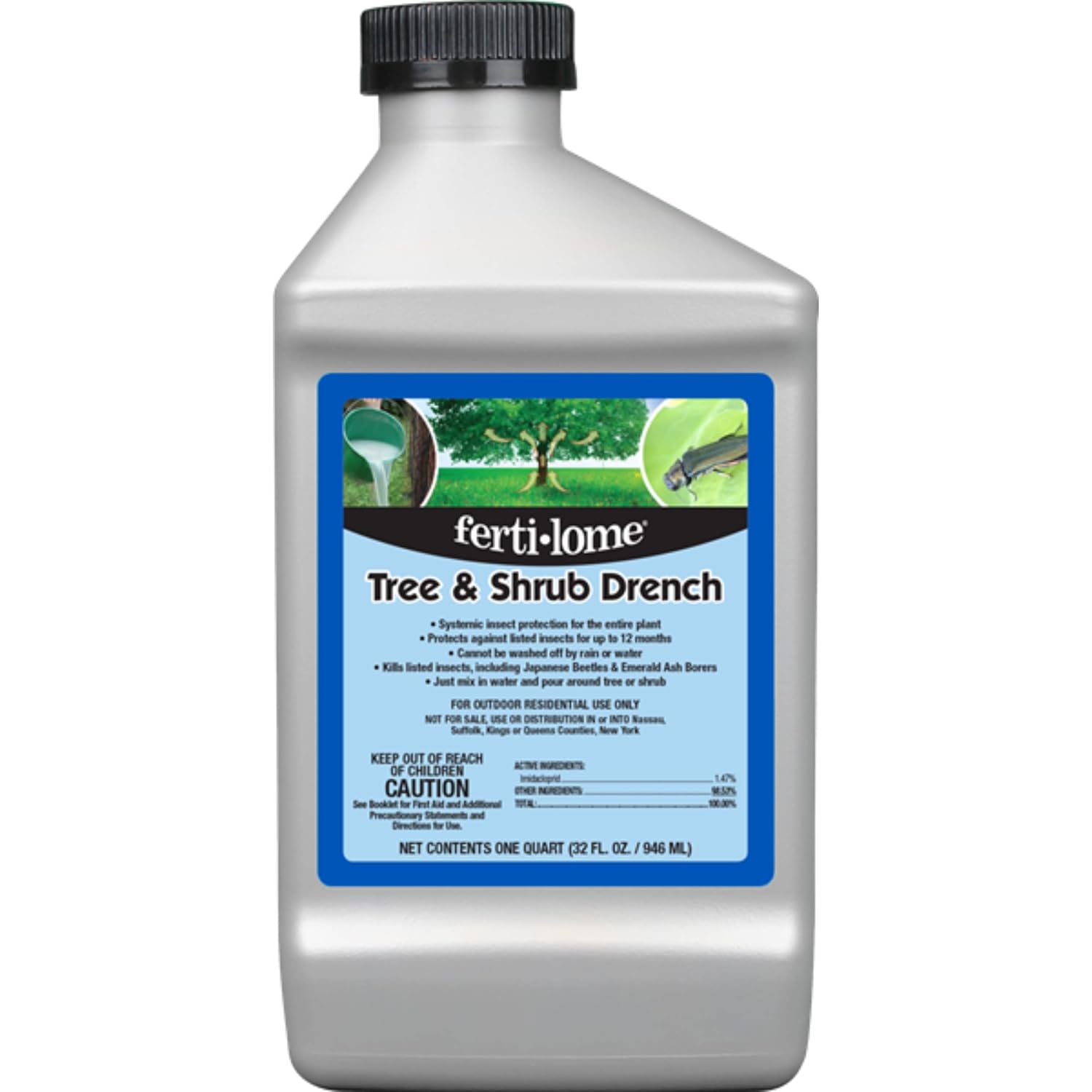
ferti-lome Tree & Shrub Drench Systemic Insecticide, 32 oz
| Unit Count | 32 Ounce |
|---|---|
| Item Form | Liquid |
| Target Species | Fungus |
| Special Features | Long-Lasting, Weather-Resistant |
| Active Ingredients | Imidacloprid |
The ferti-lome Tree & Shrub Drench is a soil-applied systemic insecticide designed to protect ornamental trees and shrubs from sap-feeding pests. Mix the 32 oz concentrate with water and pour the solution around the root zone; the active ingredient is taken up by the plant and provides long-lasting, weather-resistant control for up to 12 months. It is typically used in early spring or early fall and labeled for pests such as aphids and psyllids plus other listed species, which makes it a low-effort option for season-long protection. Notable features include an OMRI specification and an imidacloprid active ingredient that delivers reliable systemic activity. Practical benefits are ease of application, single annual treatment timing, and durable protection that reduces the need for repeated foliar sprays. Important limitations are that it targets sap-feeding insects and fungal pests per the label rather than broad-spectrum contact control, and it must be applied according to safety directions because of the systemic insecticide chemistry.
Best for: Gardeners and property owners who prioritize dependable, low-maintenance control of sap-feeding insects on trees and shrubs and prefer a once-a-year treatment strategy.
Less Ideal for: People needing fast contact knockdown of a wide range of pests or those who avoid systemic neonicotinoid products should consider alternative contact or non-systemic options.
- Systemic mode of action provides season-long protection from sap-feeding insects with a single annual application
- Simple soil drench application that is easy for homeowners to mix and apply
- Long-lasting and weather-resistant formula reduces repeat treatments during the growing season
- OMRI specification noted in product details
- Contains imidacloprid so users must follow safety directions and label restrictions for pollinator protection and application timing
- Not a broad-contact insecticide so it will not quickly knock down all pest types on foliage
Verdict: Choose this drench when you want a reliable, once-a-year systemic treatment to protect trees and shrubs from sap-feeding insects with minimal repeat applications.
Choosing the Right Systemic Insecticide for Hibiscus: Key Factors to Consider
Residual Control Duration
How long a systemic remains active inside a hibiscus matters for how often you need to treat. Longer residuals reduce repeat applications during heavy pest pressure but also extend the period pollinators or beneficial insects might be exposed if residues are present on nectar or pollen. Consider whether you need multiweek protection for persistent pests like mealybugs or whether short-term control is adequate for a one-time aphid flare.
Residual length is influenced by the active ingredient and the application method. Soil drenches often provide longer, steadier uptake than foliar sprays, while foliar systemic products can deliver faster knockdown. Match the expected protection window to your garden calendar and flowering periods.
Plant Safety and Phytotoxicity
Hibiscus can be sensitive to some chemistries and to application timing during hot weather. Plant safety refers to the product causing no leaf burn, discoloration, or bloom drop when used per label instructions. Check for guidance on application rates for woody ornamentals and any temperature or sunlight restrictions that increase phytotoxic risk.
Also consider the growth stage. New growth may be more susceptible to damage from concentrated applications, and potted plants often show stronger responses because roots are confined. When in doubt, test on a small area or a single plant before treating an entire bed.
Pest Spectrum and Targeted Control
Different systemic chemistries control different groups of pests. Some are broad-spectrum against sucking and chewing insects, while others are specialized for sap feeders like aphids, whiteflies, and scale. Identify the pests you most often see on your hibiscus and choose a systemic with proven activity against those targets.
A broader spectrum reduces the risk of missing a secondary pest, but it can also increase impacts on non-target insects. If your problem is primarily sap-suckers, a product focused on those pests can be more precise and often less disruptive to beneficial predators.
Application Method and Ease of Use
Systemic products may be applied as soil drenches, trunk injections, or foliar sprays. For most home gardeners, soil drenches and labeled foliar systemics are the simplest and safest options. Consider whether you have the tools to deliver a proper drench and whether the formulation is easy to measure and mix accurately.
Ease of application also covers how often treatments are needed, how precise the timing must be relative to flowering, and whether the product requires protective equipment beyond basic gloves and eye protection.
Environmental Impact and Beneficial Insect Safety
Because systemics move through plant tissues, residues can occur in pollen and nectar. That makes it important to evaluate impacts on pollinators and beneficial insects. Some systemic active ingredients have lower toxicity to bees when used as soil drenches and when applications are timed outside bloom periods.
Also consider runoff risk for potted plants and garden beds near water features. Choose application methods and timing that minimize off-target movement and follow label rules to protect aquatic invertebrates and other wildlife.
Residual Uptake and Soil Conditions
Soil texture, organic matter, and watering patterns influence how well a soil-applied systemic is taken up by hibiscus roots. Sandy soils may leach products quickly, while heavy clay can bind active ingredients and reduce availability. For potted hibiscus, the potting mix and drainage will affect uptake speed and concentration in plant tissues.
Adjust application timing and dose for local soil conditions and water thoroughly after a drench when the label recommends it to move the active into the root zone. Avoid applying before heavy rain to reduce runoff.
Common Hibiscus Pests That Respond to Systemics
Several sap-feeding pests are well controlled with systemic applications because they ingest treated plant fluids. Aphids, whiteflies, soft scales, and mealybugs are typical targets on hibiscus, and systemic chemistries often deliver more reliable control than contact sprays for these insects. Chewing pests are less consistently controlled by systemic treatments unless the product specifically lists them on the label.
Monitor plants regularly so you can select the right chemistry early. Heavy infestations may require a combination of physical removal and systemic treatment to prevent resurgence.
- Aphids and whiteflies pick up actives when feeding on new growth.
- Scale and mealybugs can be suppressed over weeks as treated sap circulates.
- Thrips and some chewing beetles are less affected unless the label includes them.
Timing Applications Around Blooming and Pollinators
To protect pollinators, avoid systemic foliar sprays while hibiscus flowers are open and producing nectar. Soil drenches applied when plants are not in bloom typically lower exposure risk to foraging bees and other beneficials because residues are taken up at the roots and distributed internally.
If your hibiscus is flowering heavily, prioritize non-bloom periods for treatments and follow label timing windows. When treating in a landscape with frequent pollinator activity, consider mechanical control or spot-treatments where possible.
- Schedule drenches between bloom flushes when feasible.
- Use targeted spot treatments rather than blanket applications in pollinator-rich areas.
Application Walkthroughs for Home Gardeners
For potted hibiscus, mix the product according to label rates for container use and water into the root zone evenly. Ensure excess water drains so the rootball is not waterlogged. For in-ground plants, apply a measured drench to the soil under the canopy and water lightly to move the material toward the feeder roots.
When using foliar systemic sprays that require leaf uptake, apply in the early morning or late afternoon to reduce sun exposure and allow leaves to absorb the product. Wear basic protective gear and avoid treating on windy days to reduce drift.
- Measure carefully and follow the product label for container vs in-ground rates.
- Do not combine with other pesticides unless the label allows tank-mixing.
Spot Treatment and Integrated Pest Management
Systemic insecticides are best used as part of an integrated approach. Remove heavily infested stems or pruned material, encourage natural predators, and use mechanical controls like water sprays or sticky traps for monitoring. Apply systemic treatments selectively where infestations persist or when repeated outbreaks occur.
Rotating control methods and avoiding unnecessary broad applications reduces the chance of resistance developing in pest populations and preserves beneficial insect communities.
- Combine pruning, biological controls, and targeted systemics for sustained control.
- Use monitoring thresholds to decide when to treat rather than automatic scheduling.
Special Considerations for Container Hibiscus
Containers concentrate roots and residues, so follow lower label rates for potted plants when specified. Potting mixes can differ dramatically from garden soils, often requiring more frequent watering and altering uptake speed. Because runoff from pots can contaminate nearby surfaces or water features, avoid overwatering immediately after a drench if the label advises against it.
Potted hibiscus in small containers may be more sensitive to phytotoxic effects. When trying a new systemic, test on a single container first and observe for a week before treating all pots.
- Adjust doses for pot volume and monitor for leaf stress carefully after application.
- Avoid applying before expected heavy rainfall or when pots sit on hard surfaces that collect runoff.
How We Chose the Best Systemic Insecticide for Hibiscus
We shortlisted products that are appropriate for ornamental shrubs and specifically safe to use on flowering, woody hibiscus when label directions are followed. Selection prioritized systemic chemistries and formulations designed to be absorbed and translocated through leaves and roots rather than only providing contact kill. Key evaluation criteria included duration of residual control, documented plant safety on hibiscus or similar ornamentals, ease of application for home gardeners, and the spectrum of pests controlled including common hibiscus pests. We also checked container and foliar formulation options because garden situations vary between potted patio plants and in-ground specimens. Items were excluded if the formulation is purely contact-only, labeled only for vegetables, or lacks clear guidance for use on ornamental shrubs. We avoided products with application methods that demand specialized equipment beyond typical homeowner sprayers or soil drench tools. The criteria above align with the scorecard metrics used throughout the guide.
FAQ
Are systemic insecticides safe to use on flowering hibiscus?
Often they are safe when you follow label directions, but timing matters. Choose soil drenches outside of bloom periods to reduce pollinator exposure and follow any flower-related restrictions on the label.
How long until I see results after applying a systemic?
Results can appear within a few days for sucking insects as they ingest treated sap, but full suppression may take one to three weeks depending on the pest, plant uptake, and application method.
Can I use a systemic product on both potted and in-ground hibiscus?
Many systemic formulations are labeled for both, but rates differ. Always use the container-specific rate for potted plants and follow watering guidance to ensure proper uptake without overconcentration.
Will systemics harm beneficial insects in my garden?
They can affect beneficials indirectly when residues occur in nectar or pollen. Using soil drenches, avoiding applications during bloom, and applying only where needed reduces non-target risk.
How often should I reapply a systemic on hibiscus?
Reapplication intervals depend on the active ingredient and label instructions. Some products provide multiweek protection and require only occasional retreatment, while others call for repeat doses during long pest seasons. Follow label intervals rather than guessing.
Can I combine systemic insecticides with fertilizer or other treatments?
Mixing may be possible but only if the product label allows tank mixes. Combining without guidance can reduce effectiveness or increase plant stress. When in doubt, apply separately and allow time between treatments.
Final Verdict
Selecting the right systemic insecticide for hibiscus is a balance between long-term pest suppression and protecting plant health and beneficial insects. Prioritize products with proven uptake in container or in-ground situations, match the chemistry to the pests you see most often, and schedule applications to avoid bloom periods when pollinators are active. Start with spot treatments and follow label rates closely to minimize phytotoxic risk. With thoughtful timing and integrated practices, a systemic can be a reliable tool for keeping hibiscus vigorous and in bloom.
