

Note: This article contains affiliate links. If you click on these links and make a purchase, I may earn a small commission at no extra cost to you. This helps support my research and content. Read my full affiliate disclosure here.
Choosing the right indoor plant food changes how quickly your houseplants recover from stress, set new growth, and hold color. The wrong formulation or feeding routine can cause overfertilizing, weak new growth, or salt buildup in potting mixes. This guide narrows the field to seven shortlisted options suited to common indoor situations so you can match a feeding style to your plants and routine. We evaluated nutrient ratios, application method, and how forgiving a formula is for typical indoor mistakes. Below are the top picks and a practical look at factors that will matter in your home: nutrient balance, frequency, salt control, and suitability for foliage, flowering, and succulents. Read on to pick the feeding approach that fits your indoor garden and schedule.
Top Picks at a Glance
| Best Overall The best all-around choice for most situations | Miracle-Gro Indoor Plant Food, Liquid, 8 oz. (2-Pack) |  |
| Best Quality Built to a higher standard if you want something more solid | Growth Technology GT Foliage Focus Liquid Indoor Plant Food — 1 Quart | 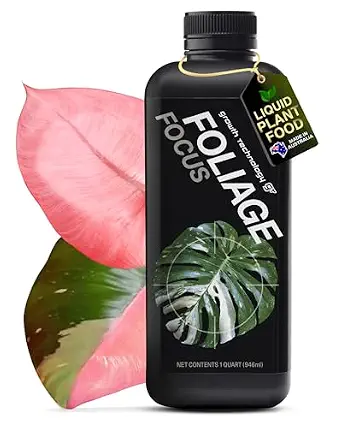 |
| Best Value The sweet spot between price and what you get | Purived 16 oz All-Purpose Liquid Plant Fertilizer |  |
| Best Budget The cheapest option that still gets the job done reliably | Miracle-Gro Indoor Plant Food Spikes (24 count) |  |
| Highest Rated A top-rated pick with lots of positive feedback | Miracle-Gro Water Soluble All Purpose Plant Food, 1.5 lb |  |
| Most Popular A crowd favorite that many people choose with confidence | Miracle-Gro Indoor Plant Food for All Plants, Liquid, 8 fl. oz. (2-Pack) |  |
| Best Seller A high-volume bestseller chosen again and again | TPS Nutrients Indoor Plant Food Liquid Fertilizer, 8 oz |  |
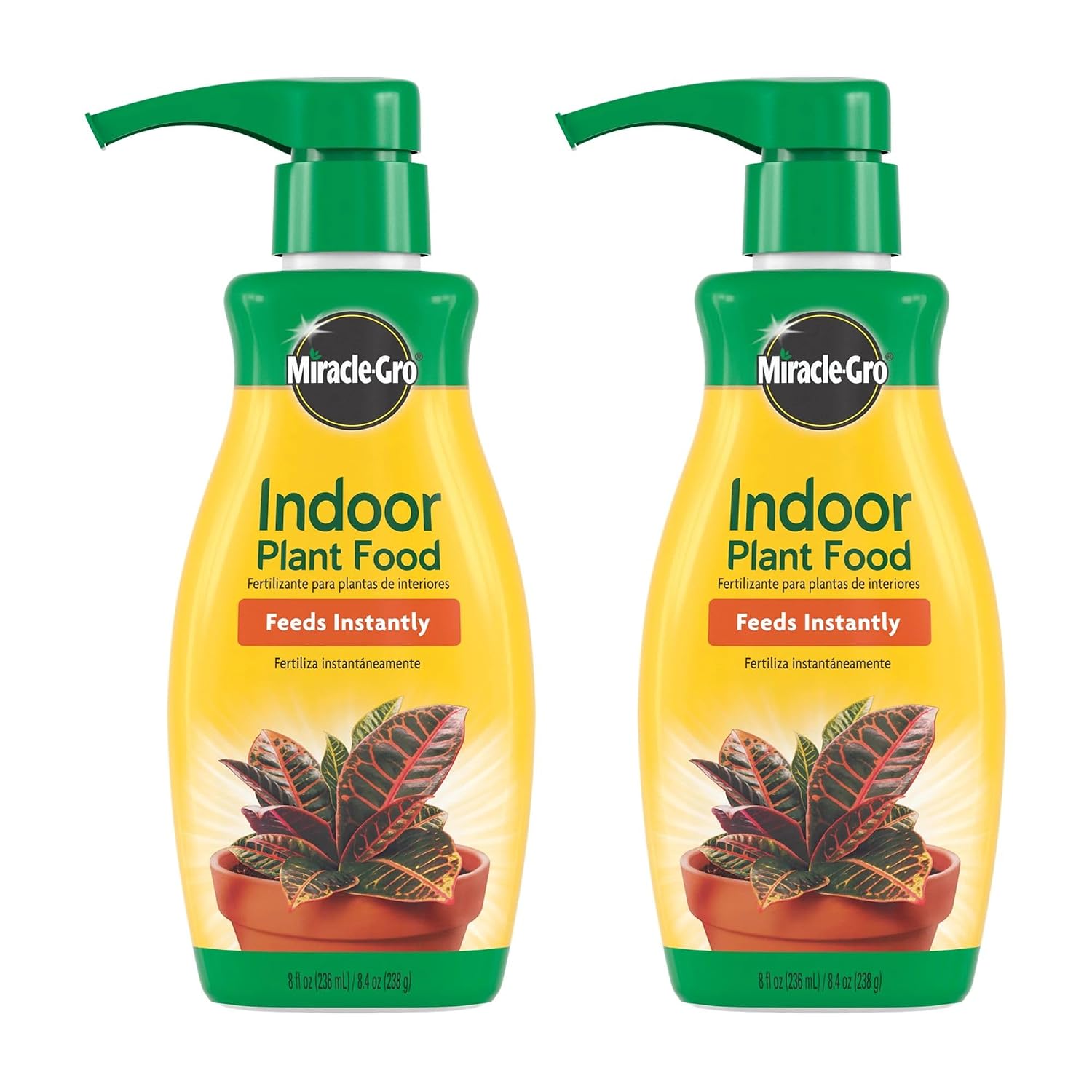
Miracle-Gro Indoor Plant Food, Liquid, 8 oz. (2-Pack)
| Item Form | Liquid |
|---|---|
| Application Method | Apply directly to the soil or mix with water |
| Specific Uses For Product | Plant Food |
| Target Species | Peace Lily, Snake Plant, Succulents, Herbs |
| Number of Packs | 2 |
Miracle-Gro Indoor Plant Food is a ready-to-use liquid fertilizer sold in two 8 oz bottles and designed for routine weekly feeding of indoor container plants. It can be applied directly to the soil with the pump for small and large pots or diluted (4 pumps per quart) and used with a watering can. The formula is positioned for broad compatibility, listing houseplants, snake plants, peace lilies, succulents, herbs and even edible container vegetables, so it simplifies care when you keep mixed plant types. Practical benefits include fast uptake because it is liquid, easy dosing with the pump, and the convenience of a twin pack so you have a spare bottle on hand. Important limitations are that it requires weekly application to achieve results and users should follow safety directions to avoid skin or eye contact. It is not a slow-release product, so it works best as part of a regular watering and feeding routine rather than as a one-time treatment.
Best for: A practical indoor gardener who wants an easy, weekly liquid feed that works across mixed houseplant collections and occasional edible containers.
Less Ideal for: People seeking a single, low-maintenance slow-release fertilizer or those who prefer fully organic or granular feeding methods.
- Liquid formula feeds plants immediately and mixes easily with water
- Pump applicator allows simple dosing for small and large pots
- Broad compatibility with many indoor species including edibles
- Two 8 oz bottles provide a backup bottle for continued feeding
- Requires weekly application rather than providing long-term slow release
- Contains chemicals that require caution to avoid skin or eye contact
Verdict: A simple, pump-dosed liquid fertilizer that makes weekly feeding quick and consistent for a wide range of indoor plants.
Growth Technology GT Foliage Focus Liquid Indoor Plant Food — 1 Quart

| Item Form | Liquid |
|---|---|
| Specific Uses For Product | Houseplant and Tropical Plant Care |
| Application Method | Foliar spray |
| Liquid Volume | 946 ml |
| Mixing Ratio | 1:20, 1.5:20, 2:20 |
Growth Technology GT Foliage Focus is a concentrated liquid fertilizer targeted at indoor and tropical leafy plants such as monsteras, aroids, ferns, palms and ficus. It supplies nitrate-nitrogen, phosphorus, potassium, calcium, magnesium and trace elements in a pH-buffered solution that can be added to soil water, used in hydroponic or semi-hydroponic systems, or applied directly as a foliar spray. Typical use is weekly feeding at the recommended dilution (different strengths provided) with a monthly flush to avoid mineral buildup. The formula’s versatility makes it useful for hobbyists who keep mixed collections or run small hydroponic setups, and the quart volume covers frequent feedings without frequent repurchase. Notable practical benefits are easy dosing guidance, broad compatibility across growing media, and ingredients aimed at improving leaf color and density. Limitations are that it requires careful dilution and regular flushing to prevent salt accumulation and it is a general foliage formula rather than a specialist bloom or seedling product.
Best for: Plant owners who prioritize visible foliage performance and want a single, versatile feed for a mixed collection of tropical houseplants or small hydroponic systems.
Less Ideal for: Growers seeking a bloom-boosting formula or a fertilizer specifically designed for seedlings or nutrient-precise commercial production should consider more specialized products.
- Balanced mineral blend including N, P, K, Ca and Mg for steady foliage development
- Works with soil, potting mixes, hydroponics and as a foliar spray for flexible use
- pH buffered and provided with clear dilution rates for different growth stages
- Large 1 quart concentrate reduces frequency of repurchase for frequent feeders
- Requires consistent dilution and monthly flushing to avoid mineral salt buildup
- Not formulated specifically for flowering or seedling stages
Verdict: Choose this concentrated, pH-buffered liquid if you want a single reliable feed that improves leaf color and density across a variety of tropical and indoor foliage plants.
Purived 16 oz All-Purpose Liquid Plant Fertilizer

| Item Form | Liquid |
|---|---|
| Application Method | soil drench, foliar feed, full & semi hydroponics |
| Specific Uses For Product | Houseplant Fertilizer |
| Mixing Ratio | 320:1 |
| Ingredients | Nitrogen, Phosphate, Potassium, Boron, Calcium, Copper, Iron, Magnesium, Manganese, Molybdenum, Zinc |
Purived 16 oz liquid plant fertilizer is a concentrated, multi-use feed for indoor potted plants that converts to a large supply when diluted. It is intended for soil drenches, foliar feeding and both full and semi-hydroponic systems, and a single cap mixed to one gallon yields a ready-to-use solution based on the manufacturer mixing ratio. The formula includes primary macronutrients and a broad spectrum of micronutrients, so it supports general growth, greener foliage and recovery after light stress. Practical benefits include an odorless liquid that stores well for up to two years and covers a lot of ground from one small bottle, which reduces frequent repurchasing and storage bulk. Limitations to note are that it is a one-size-fits-most all-purpose feed rather than a tailored formula for specific needs like bloom boosting or acid-loving plants, and users must follow dilution directions carefully to avoid overfeeding.
Best for: Buyers who want a low-maintenance, cost-efficient indoor plant fertilizer that covers a wide range of houseplants and feeding methods and prefer to buy a concentrated product that lasts.
Less Ideal for: Growers seeking specialized formulations for flowering, bonsai, or acid-loving plants or those who prefer slow-release granular feeds for hands-off maintenance.
- Highly concentrated so one 16 oz bottle dilutes to about 50 gallons of feed
- Suitable for multiple application methods: soil drench, foliar feed, and hydroponics
- Includes a full range of macronutrients and micronutrients for general plant health
- Odorless formula with a two year shelf life for easy storage
- All-purpose formulation is not specialized for bloom enhancement or acid-loving species
- Requires careful measurement of the mixing ratio to avoid nutrient burn
Verdict: A concentrated, versatile liquid feed that gives practical, long-lasting coverage for most indoor houseplants and multiple application styles.
Miracle-Gro Indoor Plant Food Spikes (24 count)

| Application Method | Insert into soil |
|---|---|
| Item Form | Solid |
| Target Species | For all indoor plants including ferns, spider plants, pothos, and croton |
| Mixing Ratio (N-P-K) | 6-12-6 |
Miracle-Gro Indoor Plant Food Spikes are small solid spikes you press into the potting soil to deliver nutrients slowly over time. Each spike contains an N-P-K of 6-12-6 and micronutrients intended to support both foliage and blooming for common houseplants such as pothos, spider plants, ferns, and crotons. Use is simple: make a small hole in moist soil, insert a spike halfway between stem and pot rim, and replace monthly in spring and summer or every two months in cooler seasons. The main benefit is convenience — the spikes eliminate frequent liquid feeding and help maintain steady nutrition for busy plant owners. They are best for routine maintenance rather than correcting severe deficiencies because the release rate and nutrient ratio are fixed. Also the spikes cover a medium area per unit, so larger pots may need more than one spike. For someone who wants low-effort, regular feeding for multiple common houseplants, these spikes are an efficient choice; for precision dosing, specialized mixes, or larger outdoor plants, a different fertilizer method may be better.
Best for: Buyers wanting an inexpensive, low-effort way to keep common indoor houseplants fed regularly without measuring or mixing fertilizers.
Less Ideal for: Not the best option for growers who need precise nutrient control, are treating nutrient deficiencies, or who primarily care for large or outdoor plants.
- Simple, one-step application that removes need for frequent liquid feeding
- Continuous nutrient release for up to two months per spike when used as directed
- Formulated for both flowering and foliage houseplants with added micronutrients
- Fixed N-P-K ratio and release rate limits ability to fine-tune feeding
- Coverage described as medium so larger pots may require multiple spikes
Verdict: An affordable, no-fuss way to provide steady, two-month feeding for common indoor houseplants.
Miracle-Gro Water Soluble All Purpose Plant Food, 1.5 lb

| Item Form | Powder |
|---|---|
| Application Method | Watering Can |
| Target Species | All flowers, vegetables, trees, shrubs and houseplants |
| Mixing Ratio | 24-8-16 |
Miracle-Gro Water Soluble All Purpose Plant Food is a powdered fertilizer you dissolve in water to feed houseplants, container plants, flowers and vegetables. It is typically mixed in a watering can or used with a Miracle-Gro garden feeder and applied at the soil at the plant base every 1 to 2 weeks, delivering nutrients that start working quickly. The 24-8-16 NPK ratio supplies a high dose of nitrogen for leafy growth while still providing phosphorus and potassium to support roots and flowering. Notable features include clear manufacturer directions for indoor and outdoor dosing, an included scoop, and compatibility with a garden feeder for larger areas. Practically, this product is convenient for regular maintenance feeding and gives visible growth boosts compared with unfed plants. Important limitations are that it is a fast-acting soluble fertilizer rather than a slow-release product, so it requires regular applications and attention to mixing rates to avoid overfeeding, and it is not tailored to specific plant types that need different NPK balances.
Best for: A buyer who wants a dependable, fast-acting feed for indoor plants and routine maintenance of mixed plantings will appreciate this product for predictable, repeatable results.
Less Ideal for: Gardeners seeking a tailored fertilizer for a specific plant type or those who prefer low-maintenance slow-release feeding should consider specialized or granular alternatives.
- Water-soluble powder starts delivering nutrients quickly when mixed and applied.
- Clear dosing instructions for indoor and outdoor use with an included scoop.
- Broad compatibility for houseplants, vegetables, flowers, trees and shrubs.
- Works with a garden feeder for easy coverage of larger beds or containers.
- High nitrogen formula may be stronger than ideal for plants that need low-nitrogen or bloom-focused feeding.
- Requires regular reapplication every 1 to 2 weeks rather than providing long-term slow release.
Verdict: Choose this if you want a reliable, fast-acting, all-purpose soluble fertilizer for regular indoor plant feeding and predictable growth results.
Miracle-Gro Indoor Plant Food for All Plants, Liquid, 8 fl. oz. (2-Pack)

| Item Form | Liquid |
|---|---|
| Application Method | Apply directly to soil or mix with water |
| Target Species | Houseplants |
| Liquid Volume | 8 fluid ounces |
| Mixing Ratio | 4 pumps per 1 quart of water |
Miracle-Gro Indoor Plant Food is a pump-dispensed liquid fertilizer meant to be mixed with water or applied directly to potting soil every two weeks. Typical use is simple: add 4 pumps per quart of water (or 2 pumps for pots over 6 inches) and water as usual, which makes it easy to include in a regular watering routine. The formula feeds instantly and is marketed for a wide range of indoor container plants from leafy houseplants to herbs and flowering pots. Practical benefits include quick nutrient delivery, compatibility with most potting mixes, and the small 8 fl. oz. bottles are convenient for spot feeding or smaller collections. Limitations are that the label provides only a basic NPK reference without a detailed nutrient breakdown and the concentrated pump dosing requires care to avoid overfeeding sensitive plants. Users who prefer organic or slow-release granular options may look elsewhere. For people who want a straightforward, repeatable liquid feed for mixed houseplant collections, this product simplifies regular feeding without specialized measuring tools.
Best for: Houseplant owners who want a fuss-free liquid feed they can add to their regular watering routine and who rely on proven, widely used products.
Less Ideal for: Growers who prioritize organic certifications, very large collections, or prefer long‑lasting slow-release fertilizers over frequent liquid feeding.
- Easy pump dosing that mixes with watering for a simple biweekly routine
- Designed for a wide range of indoor container plants including herbs and flowers
- Feeds instantly so plants receive nutrients right away
- Comes as a two-pack of 8 fl. oz. bottles useful for small to medium plant collections
- Nutrient information given only as N,P,K without a full NPK ratio or elemental breakdown
- Small bottle size means frequent repurchase for larger collections or heavy feeders
Verdict: A straightforward, pump-dosed liquid fertilizer that makes biweekly feeding fast and easy for most indoor potted plants.
TPS Nutrients Indoor Plant Food Liquid Fertilizer, 8 oz

| Item Form | Liquid |
|---|---|
| Application Method | Watering can |
| Specific Uses For Product | Plant Food |
| Mixing Ratio | 2:1 (oz/gallon) or 1:64 (tbsp/gallon) |
TPS Nutrients Indoor Plant Food is a concentrated liquid fertilizer designed to be mixed with water and applied during regular watering. It supplies balanced nutrients aimed at promoting vibrant foliage, steady new growth, and stronger roots for common houseplants such as pothos, monstera, philodendron, snake plants, and fiddle-leaf figs. The kelp-enriched formula and simple mixing ratio make it easy to use with a watering can for routine weekly feedings, and the 8 oz bottle covers multiple applications for small- to medium-sized collections. Practical benefits include clearer leaf color and support for root health without complicated dilution schedules. Limitations to note are that the bottle is small compared with garden-sized containers so frequent repurchase may be necessary for large collections, and as a general indoor formula it does not provide crop-specific NPK values on the product page for targeted problems like bloom forcing or heavy feeding needs.
Best for: A cautious indoor plant owner who wants a straightforward, low-effort fertilizer to maintain healthy foliage and steady growth for common houseplants.
Less Ideal for: Serious growers who need large-volume supply or granular, plant-specific formulations for flowering, heavy feeders, or precise NPK control.
- Ready-to-mix liquid concentrate that integrates with regular watering routines
- Kelp-enriched formula aimed at improving foliage color and promoting new growth
- Suitable for a wide variety of common houseplants
- Simple mixing instructions for predictable, repeatable feedings
- Small 8 oz bottle that may not last long for large plant collections
- Does not list specific NPK breakdown on the provided details for targeted feeding strategies
Verdict: A simple, kelp-enriched liquid fertilizer that makes weekly feeding easy for risk-averse houseplant owners who prioritize consistent foliage health.
Choosing the Right Indoor Plant Food: Key Factors to Consider
Nutrient Balance and Ratios
The primary macronutrient ratio influences whether a feed encourages leaf growth, root development, or flowering. Higher nitrogen favors lush foliage while higher phosphorus supports bloom production. Indoor gardeners should match the ratio to plant type and growth stage because container plants cannot mine soil for missing nutrients.
Micronutrients such as iron, magnesium, and manganese matter for color and enzymatic functions. A complete micronutrient package prevents common deficiencies that show as yellowing, interveinal chlorosis, or stunted growth. Look for clear labeling of both macro and micro amounts so you can avoid layering redundant products.
Application Method and Convenience
Liquid concentrates and water-soluble powders let you feed on a schedule and quickly correct deficiencies. They are easy to dose at every watering but demand careful measuring to avoid overfeeding. Slow-release granules or spikes reduce application frequency and are useful if you travel or prefer low-maintenance care, though they may not respond quickly when a deficiency appears.
Consider whether the product works as a foliar spray for fast correction of nutrient signs, or as a root drench for steady uptake. Packaging that includes straightforward measuring tools and clear dilution instructions cuts down on dosing mistakes that commonly harm indoor plants.
Salt Index and Flush Requirements
Container soils accumulate soluble salts from fertilizers and tap water, which can damage roots and lead to leaf burn. Some formulas have a high salt index and require periodic flushing with plain water. Others use slow-release carriers or lower-salt concentrations designed for frequent use without buildup.
Plan for how easy it is to flush pots in your setup. If you have many small pots or limited access to outdoor sinks, choose lower-salt options or slow-release formats that minimize maintenance. Understanding the salt behavior of a fertilizer helps avoid root stress over multiple feeding cycles.
Compatibility With Plant Types
Indoor collections often include a mix of foliage plants, flowering houseplants, and succulents. Some feeds are formulated specifically for acid-loving plants or flowering varieties, while others are general-purpose. Using a single universal formula can work for many collections, but you may need specialty formulations for orchids, cacti, or heavy bloomers.
Assess whether the product allows dilution adjustments so you can tailor strength to delicate seedlings or robust, fast-growing specimens. Clear guidance on plant suitability keeps you from applying an overly rich feed to sensitive species.
Frequency of Feeding and Growth Stage Guidance
Plants have different nutrient demands during active growth, dormancy, and blooming. Products that include feeding schedules tied to growth stages make it easier to avoid overfeeding during slow seasons. Some indoor feeds are designed for weekly dilution while others advise monthly applications.
If you grow under low light or keep plants in a semi-dormant winter state, choose a product with flexible dilution recommendations to reduce nutrient stress. Practical feeding frequency affects both plant health and the time you spend on plant care.
Formulation Stability and Storage
How a product holds up after opening affects long-term value and convenience. Liquid concentrates can oxidize or separate, and some slow-release granules can degrade if stored in damp conditions. Clear storage instructions and resealable packaging extend shelf life and preserve dosing accuracy.
Consider whether you are likely to use the product before resistance or clumping becomes a problem. Stable formulations reduce waste and protect smaller collections from accidental overdosing due to concentration changes.
Feeding Strategies for Different Light Levels
Indoor light varies widely, from bright south-facing windows to low, indirect living room corners. Plants in brighter spots produce more new growth and need more frequent feeding, while low-light plants require much gentler schedules. Match feeding strength and frequency to the actual light your plants receive rather than to calendar months.
A practical approach is to reduce feed strength by half for plants receiving low or medium light, and to follow the product's recommended schedule at full strength only for high-light setups. This prevents stretched, weak growth and leaf drop caused by forcing growth that cannot be supported by the available light.
- High light: follow standard dose and schedule.
- Medium light: reduce frequency or dilute feed.
- Low light: feed only during active growth periods and at reduced strength.
Feeding Succulents and Cacti Indoors
Succulents and cacti need low-nitrogen, controlled-release nutrition and benefit from feeds formulated for minimal salt and slow uptake. Overly rich, frequent liquid feeding causes soft, elongated growth and increases rot risk in shallow container mixes. Opt for diluted, infrequent liquid applications or small slow-release granules timed to the active season.
Also plan around watering habits. Succulents often experience drought cycles, so applying fertilizer at the same time as water allows roots to absorb nutrients without remaining in saturated soil. Always err on the side of underfeeding rather than overfeeding these drought-adapted plants.
- Use low-strength feeds and longer intervals.
- Prefer slow-release for long absences.
- Coordinate feeding with watering cycles to reduce salt concentration.
Addressing Common Nutrient Deficiencies
Yellowing between veins, pale new leaves, and stunted growth point to specific deficiencies that a balanced indoor plant food can correct. Iron and magnesium shortages are common in potted plants and show up as interveinal chlorosis, especially in younger leaves. A feed containing chelated micronutrients often resolves these symptoms faster than macronutrient-only formulas.
For sudden signs of deficiency, a slightly stronger, water-soluble feed or a foliar spray can deliver faster visible improvement. After initial correction, switch back to maintenance strength and monitor for recurrence, which can indicate an underlying pH or watering problem rather than simple nutrient lack.
- Interveinal yellowing often signals iron or magnesium needs.
- Foliar sprays give quicker short-term relief.
- Correct soil pH and watering before long-term adjustments.
Safe Feeding for Seedlings and Young Plants
Young plants and seedlings are sensitive to salt and overfertilization because their root systems are small. Use very dilute solutions or formulas specifically designed for seedlings. Slow-release options are generally unsuitable for tiny pots because concentrated particles can sit near young roots and cause burn.
When transplanting seedlings into larger pots, wait a week or two before starting a regular feeding routine to let roots establish. Gentle, frequent feeding at low strength supports steady development without shocking delicate new roots.
- Use weak, frequent feeds rather than full-strength applications.
- Delay feeding immediately after repotting until roots recover.
- Choose seedling-safe labels or very dilute general-purpose feeds.
Mixing Indoor Plant Feeding With Water Quality
Tap water varies in mineral content and hardness and can influence how fertilizers behave in soil. Hard water adds minerals that raise salt levels in pots over time, increasing the need to select low-salt fertilizers or to flush pots more often. If your tap water is very hard, consider using filtered or rain water for at least some waterings.
Also pay attention to water temperature and timing. Cold water shocks roots and can reduce nutrient uptake, so use water at room temperature when applying feed. Combining smart water practices with a compatible fertilizer reduces stress and improves nutrient availability.
- Check water hardness and adjust feeding accordingly.
- Use room-temperature water when applying fertilizer.
- Flush pots periodically if using hard water and regular feeding.
How We Chose the Best Indoor Plant Food
We prioritized formulas and formats that perform reliably in indoor environments where light and watering vary. Evaluation emphasized nutrient profile accuracy, how the feed behaves in potting mixes, and the risk of salt buildup that commonly harms roots in containers. We also considered ease of application for busy plant owners, including whether the product is water-soluble, slow-release, or foliar-friendly. Concrete criteria included nitrogen-phosphorus-potassium balance and micronutrient completeness, application method and dosing clarity, salt index and flushing needs, and compatibility with common indoor plant types such as foliage, flowering, and succulents. We excluded products intended only for outdoor landscaping or bulk agricultural use. Formulations that required complex equipment or professional application were also filtered out. The result is a list focused on practical, straightforward feeding options that suit container culture and common indoor growing conditions.
FAQ
How often should I feed typical houseplants?
It often depends on light and growth rate. In active growth under bright light, weekly diluted liquid feeds or monthly slow-release are common. In low light, feed every few weeks or only during growth spurts.
Can I use outdoor fertilizer on indoor plants?
Sometimes, but outdoor formulations may be higher in salts or not balanced for container culture. Choose products labeled for container or indoor use and follow reduced dosing to avoid buildup.
What strength of liquid feed is safe for most indoor plants?
Many indoor gardeners use half the label strength for regular maintenance to reduce risk of overfeeding. Seedlings and sensitive species often need a quarter strength.
Will foliar feeding replace root fertilizing?
Foliar feeding can provide fast correction for deficiencies but does not substitute for routine root fertilizing, which supplies steady macronutrients and supports long-term growth.
How do I prevent fertilizer salt buildup in pots?
Flush pots periodically with plain water, reduce feed concentration, and avoid daily applications. Using slow-release options or lower-salt formulations also helps limit accumulation.
Final Verdict
Prioritize a feeding approach that matches your light levels, plant types, and routine. Choose a nutrient ratio and application style that suit whether you want quick corrections or low-maintenance steady feeding. Pay attention to salt buildup and water quality, and reduce concentration for low-light situations and sensitive plants. The right indoor plant food is the one you will apply consistently and correctly. Balance ease of use with nutrient completeness and follow simple feeding schedules to keep houseplants healthy without unnecessary risk.
