

Note: This article contains affiliate links. If you click on these links and make a purchase, I may earn a small commission at no extra cost to you. This helps support my research and content. Read my full affiliate disclosure here.
Choosing the right live plants for a crested gecko terrarium matters for animal health and enclosure stability. The wrong foliage can trap too little moisture, produce toxins, harbor pests, or offer poor footholds that stress your gecko. This guide covers seven shortlisted plants suited for crested gecko setups, and explains the practical reasons each plant type is a good fit. We evaluate candidates for humidity performance, leaf safety, and foothold structure so you can pick plants that improve microclimate and animal welfare. Read on to understand how each plant behaves in a real terrarium environment and which characteristics to prioritize.
Top Picks at a Glance
| Best Overall The best all-around choice for most situations | RUNANIA Crested Gecko Terrarium Decor Set with Coconut Hide and Vines |  |
| Best Quality Built to a higher standard if you want something more solid | Woyrise Saxifrage Artificial Reptile Plant for Terrarium |  |
| Best Value The sweet spot between price and what you get | Funtinshdy 5-Piece Reptile Terrarium Plants & 3.3 ft Jungle Vine Kit |  |
| Best Budget The cheapest option that still gets the job done reliably | Exo Terra Small Plastic Terrarium Plant (Amapallo) |  |
| Highest Rated A top-rated pick with lots of positive feedback | Funtinshdy Tree Trunk Hideout and 20-Piece Reptile Tank Accessories Kit |  |
| Most Popular A crowd favorite that many people choose with confidence | PietyPet Artificial Reptile Terrarium Vines and Hanging Leaves |  |
| Best Seller A high-volume bestseller chosen again and again | Sukh Sphagnum Moss for Reptiles, 5 oz |  |
RUNANIA Crested Gecko Terrarium Decor Set with Coconut Hide and Vines

| Material Type | Coconut Shell |
|---|---|
| Vivarium Type | Terrarium |
| Pet Type | Reptile |
| Target Species | Lizard |
| Additional Features | Durable, Lightweight |
This RUNANIA set is a ready-made way to dress a crested gecko habitat with climbing surfaces, layered greenery, and a small hide. The centerpiece is a coconut shell hide that hangs from the top of the tank and includes a short wooden ladder for climbing and an attached bendable wooden bridge that can be shaped into ramps, tunnels, or arches. Multiple artificial vines, leaves, and small plant pieces add visual cover and privacy without the maintenance real plants require. Because the components are lightweight and made from coconut shell, plastic foliage, and small wood pieces they are easy to position and rearrange when you change your layout. The kit works well in vertical, planted-style setups where geckos need elevated resting spots and texture to climb. Limitations are that the plastic plants do not provide live microclimates or humidity the way live plants do, and very small parts may need secure attachment in enclosures with active climbers. For keepers who want a low-maintenance, natural-looking habitat accent that encourages climbing and sheltering, this set is practical and simple to use.
Best for: Ideal for crested gecko keepers who want a low-maintenance, natural-looking terrarium with multiple elevated resting and climbing options and who prioritize ease of setup and visual enrichment.
Less Ideal for: Not a good choice for keepers aiming to build a live-plant bioactive setup that relies on real plants for humidity and ecological function, or for those needing heavy-duty climbable structures for very large or strong reptiles.
- Natural coconut-shell hide provides a sheltered resting spot
- Included ladder and bendable wooden bridge create climbing routes and flexible layout options
- Varied artificial vines and leaves add layered cover and visual privacy without plant care
- Lightweight pieces are easy to position and rearrange for different terrarium layouts
- Plastic plants do not contribute to humidity or live-plant microhabitats
- Some small components may require extra securing to prevent displacement by active animals
Verdict: A simple, low-maintenance decor kit that adds climbing, hiding, and layered visual cover to crested gecko terrariums.
Woyrise Saxifrage Artificial Reptile Plant for Terrarium

| Plant or Animal Product Type | Saxifrage |
|---|---|
| Recommended Uses For Product | Terrarium decor for various reptiles and amphibians |
| Material Type | Plastic, Resin |
| Additional Features | Washable, Waterproof, Weather Resistant |
| Indoor Outdoor Usage | Indoor, Outdoor |
This Woyrise artificial saxifrage adds dense foliage and branching that crested geckos can climb, hide beneath, and drink surface droplets from. It installs as a single piece with a rock‑shaped weighted base for stability so it stays put on substrate or against glass. Made of plastic and resin, the plant is described as washable, waterproof, and UVB‑resistant so it tolerates regular misting and basking lights without fading or becoming brittle. For keepers who prioritize enclosure performance, its realistic texture and dense coverage help create immediate vertical structure and visual privacy without the upkeep of live plants. The main limitations are that it is a single decorative piece rather than a live planting solution and it cannot replace the microclimate benefits of live foliage such as transpiration and live biofiltration. Still, for adding reliable climbing surfaces and low‑maintenance hiding spots in a crested gecko setup, it is a practical choice.
Best for: Crested gecko keepers who need durable, low‑maintenance vertical cover and reliable hiding spots to improve climbing opportunities and tank aesthetics.
Less Ideal for: Keepers seeking live-plant benefits such as humidity regulation, natural biofiltration, or planting for breeding setups should choose live species or combine this with real plants.
- Dense, realistic foliage provides immediate climbing and hiding structure for arboreal reptiles
- Weighted rock base improves stability so the piece stays in place on substrate or against glass
- Washable, waterproof, and UVB‑resistant materials tolerate misting and enclosure lighting
- Surface‑collecting leaves let crested geckos drink droplets without added hardware
- Single artificial piece cannot replicate live plant functions like transpiration or biological filtration
Verdict: A low‑maintenance, durable artificial plant that instantly adds climbing surfaces and reliable hiding spots for crested gecko enclosures.
Funtinshdy 5-Piece Reptile Terrarium Plants & 3.3 ft Jungle Vine Kit

| Number of Items | 5 |
|---|---|
| Materials | Plastic and silk |
| Included Components | 1 vine, 3 hanging plants, suction cups |
| Indoor Outdoor Usage | Indoor, Outdoor |
| Features | Dust Resistant, Waterproof, Weather Resistant |
This Funtinshdy kit supplies three hanging silk-style plants, an extra-long flexible vine and suction cups to quickly stage a naturalistic terrarium for crested geckos and other arboreal reptiles. The plants are designed to attach to glass with suction cups or be buried in substrate for ground cover, while the wired 3.3 ft vine can be bent into branches, bridges, or basking loops. Materials are waterproof and dust resistant so they clean easily with a rinse and tolerate humid, tropical setups common for crested geckos. Notable features include textured, soft leaves intended to be gentle on delicate skin and a reinforced vine that holds shape under moderate weight. Limitations are typical of plastic/silk decor: leaves may show seams on close inspection and the suction cups work best on smooth, clean glass rather than textured panels or wood. Also keep pieces away from direct heat sources to avoid warping.
Best for: Ideal for keepers who want a low-maintenance, ready-made way to add climbing routes and hiding spots to a crested gecko tank without fussing with live plants or custom builds.
Less Ideal for: Not a good choice for hobbyists who require completely natural live plants or who plan to mount decor on rough, non-glass surfaces.
- Complete five-piece set provides layered cover and climbing surfaces out of the box
- Long wired vine (about 3.3 ft) bends into stable shapes for bridges and perches
- Waterproof, dust-resistant materials are easy to rinse clean and suit humid terrariums
- Suction-cup mounting plus option to plant stems in substrate gives flexible placement
- Suction cups adhere poorly to textured or non-glass surfaces
- Close inspection can reveal seams and artificial textures on the leaves
Verdict: A practical, low-maintenance set that quickly creates realistic climbing and hiding structure for crested gecko terrariums.
Exo Terra Small Plastic Terrarium Plant (Amapallo)

| Plant or Animal Product Type | Amapallo |
|---|---|
| Recommended Uses For Product | Creating hiding spots in reptile and amphibian habitats |
| Indoor Outdoor Usage | Indoor |
| Material Type | Plastic |
| Additional Features | Realistic Touch |
This small Exo Terra plastic plant mimics real foliage to provide quick, maintenance-free hiding spots and climbing cover in a crested gecko terrarium. It is intended to hang or sit inside a vivarium where live plants might struggle, so you can add vertical structure and visual complexity without worrying about light, humidity or soil. The piece is lightweight, made of plastic, and listed as having a realistic touch and a subtle "forest" scent to increase natural appearance. For a budget-conscious setup it is an easy way to boost enclosure enrichment and offer your gecko refuge without ongoing care. Limitations: it is purely decorative so it does not contribute to humidity or air quality like live plants, and the small size means you may need several to achieve adequate cover in larger or taller tanks. Attachment options are basic, so plan placement ahead to avoid obstructing climbing routes.
Best for: Buyers setting up or refurbishing a crested gecko enclosure who want low-cost, no-care decorative foliage to add hiding spots and vertical structure.
Less Ideal for: Those seeking live-plant benefits such as humidity regulation, oxygen production, or biological microhabitats should choose live plants instead.
- Realistic appearance adds visual cover without maintenance
- Designed for terrarium use so safe for indoor reptile habitats
- Lightweight and easy to position or hang
- No watering, pruning, or lighting needed
- Does not help humidity or biological filtration because it is artificial
- Small size may require multiple pieces to provide sufficient hiding spots
Verdict: An inexpensive, maintenance-free way to add realistic hiding spots and vertical cover to a crested gecko terrarium.
Funtinshdy Tree Trunk Hideout and 20-Piece Reptile Tank Accessories Kit

| Included Components | Vine, silk foliage, leaf feeding platforms, PVC hollow tree trunk, water/food bowl |
|---|---|
| Vivarium Type | Terrarium |
| Pet Type | Reptile |
| Material Type | Acrylic, Polyvinyl Chloride |
This kit supplies everything needed to convert a plain glass enclosure into a vertical, gecko-friendly environment. At its center is a hollow PVC tree trunk hideout that is lightweight, rot-resistant, and easy to clean for the humid conditions crested geckos prefer. The set includes a long bendable jungle vine with a metal core, several silk-touch artificial plants and leaf-shaped feeding platforms with suction cups to create climbing routes and raised feeding spots. A digital hygrometer-thermometer and curved feeding tweezers are practical additions for daily husbandry and monitoring. The artificial foliage is described as soft and non-toxic, so delicate toes and skin should not be harmed. Because most pieces are modular and flexible, you can shape the layout to emphasize vertical space, which suits arboreal crested geckos. The main limitations are that materials are synthetic rather than live plants and the kit relies on suction cups and manual positioning for stability, so careful placement and occasional adjustments are needed to keep everything secure in a humid, active tank.
Best for: Buyers who prioritize reliable, low-maintenance decor and monitoring tools to create a vertical, secure habitat for crested geckos and similar arboreal reptiles.
Less Ideal for: Keepers seeking fully live-plant setups or true bioactive substrates that support plant growth and microfauna should look for alternatives designed for live planting.
- Lightweight hollow PVC hideout resists rot and is easy to clean in high-humidity setups
- Bendable jungle vine with metal core lets you build vertical climbing structures
- Includes hygrometer-thermometer for real-time humidity and temperature monitoring
- Leaf-shaped feeding platforms keep food elevated and away from substrate
- All decorative elements are artificial rather than live plants, so they do not contribute to bioactive ecology
- Suction-cup attachments and flexible pieces may need periodic repositioning to remain secure
Verdict: A dependable, low-maintenance accessory kit that builds vertical climbing and monitoring into a crested gecko tank without the upkeep of live plants.
PietyPet Artificial Reptile Terrarium Vines and Hanging Leaves
| Material Type | Foam, Plastic |
|---|---|
| Indoor Outdoor Usage | Indoor |
| Container Type | Terrarium |
| Additional Features | Waterproof |
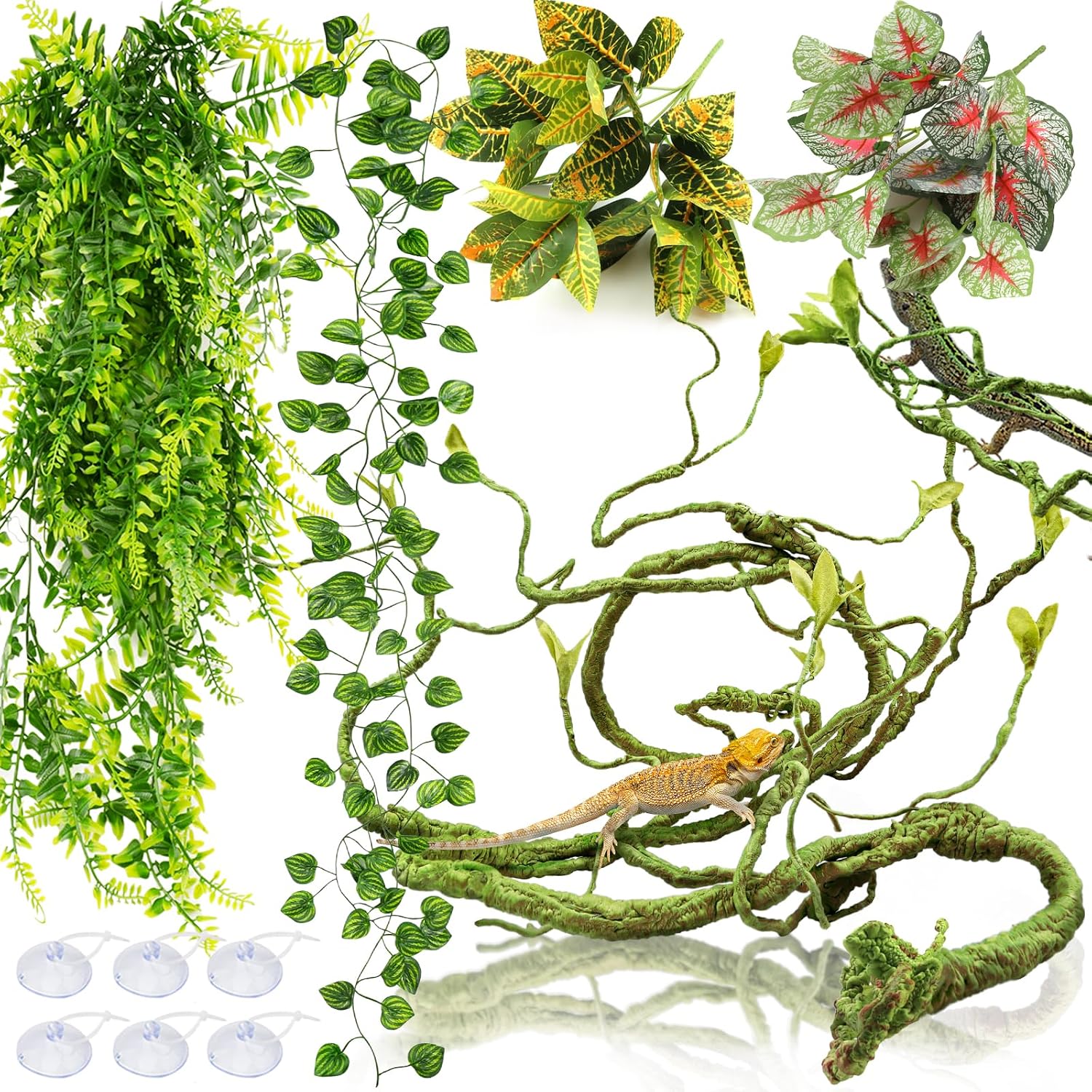
These artificial terrarium vines and leaves are made to add realistic climbing surfaces and hiding spots for crested geckos and other arboreal reptiles. The kit includes multiple vine styles, hanging leaves and suction cups so you can arrange branches and foliage along glass walls and branches. A metal core inside each vine makes them bendable and hold shape, letting you build perches and cover while keeping the foam/plastic leaves waterproof and easy to rinse. In practice the pieces create humidity-retaining cover and visual complexity that helps shy geckos feel secure, and the included suction cups make placement straightforward. Be careful when forcing sharp bends because the foam surface can tear if over-manipulated, and the materials are plastic and foam rather than natural plant fiber. For keepers who want a low-maintenance, safe-looking setup that holds humidity and supports climbing, these are a convenient, durable option; those seeking live plants or purely natural materials should look elsewhere.
Best for: Crested gecko keepers who prioritize a secure, low-maintenance setup and want realistic-looking climbing cover without live plants.
Less Ideal for: Keepers aiming for a fully natural or bioactive planted terrarium or those who prefer live foliage for air quality and biological function.
- Bendable metal-core vines let you shape branches and perches for climbing reptiles
- Waterproof foam and plastic surfaces are easy to clean and help retain humidity in the enclosure
- Includes multiple vine styles, hanging leaves and suction cups for flexible placement out of the box
- Foam surface can tear if excessively bent or kinked
- Plastic and foam look less natural than live plants and will not provide biological benefits
Verdict: A practical, low-maintenance way to add realistic climbing cover and humidity-retaining hiding spots for crested gecko terrariums.
Sukh Sphagnum Moss for Reptiles, 5 oz
| Item model number | H-Re-SphagnumMoss-112 |
|---|---|
| Manufacturer | H-Re-SphagnumMoss |
| Date First Available | October 16, 2023 |
| Size | 5 Ounces |
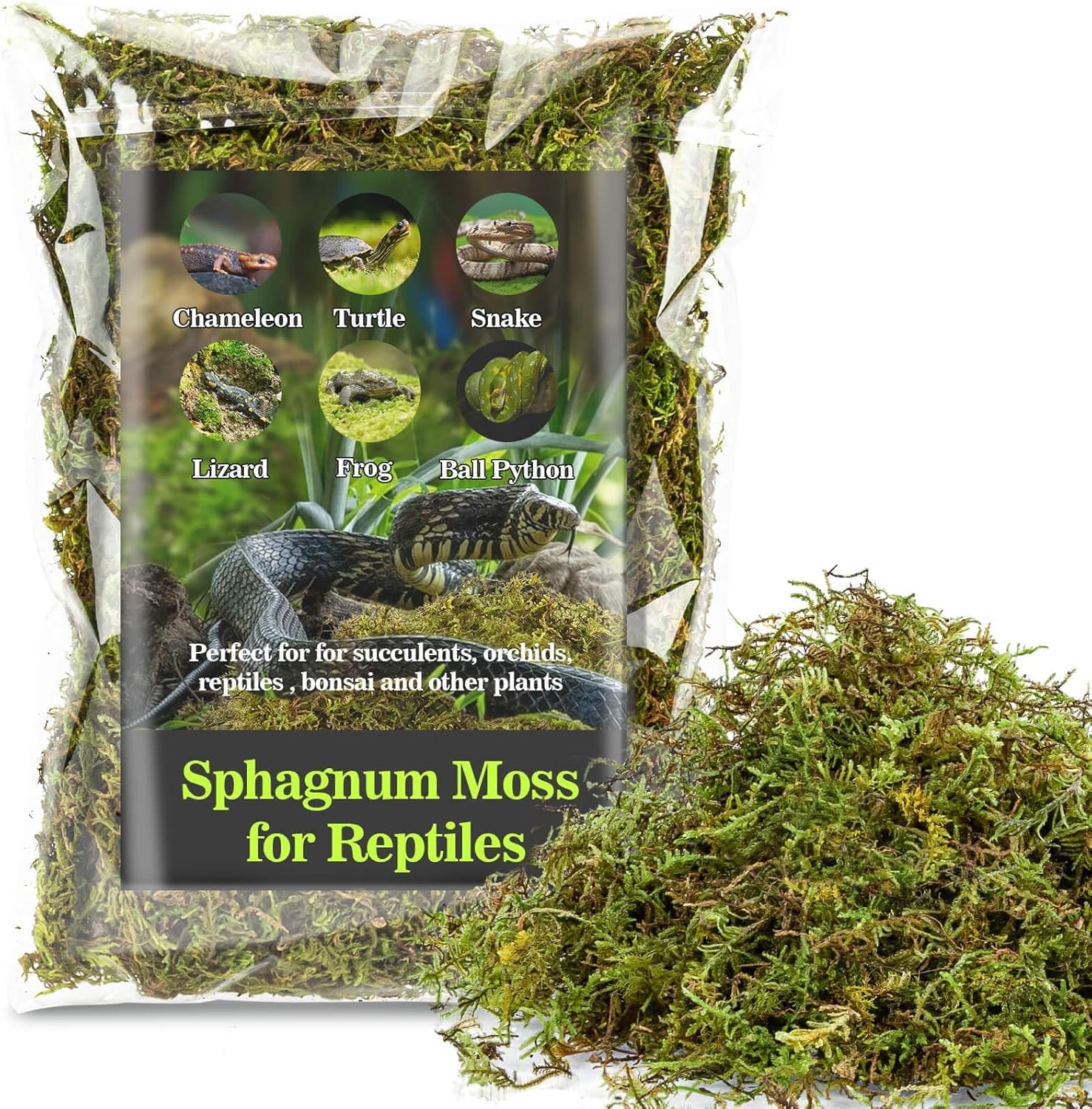
This 5 ounce package of sphagnum moss is intended as a humidity-retaining layer or bedding supplement for reptile and plant terrariums rather than a stand-alone substrate. It soaks up water and releases it slowly, which helps keep crested gecko enclosures and planted microhabitats consistently damp without frequent misting. Typical uses include lining hide boxes, creating damp nesting pockets, topping a substrate mix in humid zones, or wrapping orchid roots. The product is lightweight and moldable so you can shape it for hides and plant pockets, and the long fibers give a soft surface that supports natural behaviors like hiding and gentle burrowing. Important limitations are the small package size and the recommendation that peat moss not be used as the only substrate, so you will need a layered substrate or other base materials for most setups. It also needs monitoring and regular replacement to avoid excessive sogginess or contamination in a closed terrarium environment.
Best for: Buyers who prioritize a steady, low-effort humidity solution for crested gecko terrariums and prefer proven, simple materials that encourage natural behaviors.
Less Ideal for: Not a good choice for hobbyists wanting a single-component substrate or for very large enclosures where bulk substrate is needed.
- High moisture retention helps maintain stable humid microclimates for tropical species
- Long fiber texture molds easily for hiding spots, egg pockets, and plant root wrapping
- Versatile for both reptile use and for orchid or fern planting accents
- Small 5 ounce package may be insufficient for larger enclosures or repeated replacements
- Not intended as a primary substrate so it must be combined with other base materials
Verdict: A compact, easy-to-use sphagnum moss pack that reliably boosts humidity and creates soft hiding and nesting pockets in crested gecko terrariums.
Choosing the Right Plants for Crested Gecko Terrarium: Key Factors to Consider
Humidity Tolerance and Water Handling
Plants in crested gecko terrariums need to tolerate frequent misting and sustained relative humidity above typical home levels. A plant that wilts or develops mold after regular misting will degrade enclosure aesthetics and can stress the animal.
Look for species with leathery or waxy leaves that shed water rather than hold persistent droplets. Those traits reduce prolonged surface moisture that invites fungal growth. Consider how you water: top misting, fogging, or damp substrate each interact differently with leaf surfaces and root zones.
Leaf Safety and Texture
Leaf chemistry matters because geckos will climb on and sometimes sample plant surfaces. Avoid plants with known toxic compounds or sticky/silvery trichomes that can irritate skin and eyes. Smooth, non-furry leaves are easiest to clean and less likely to trap detritus.
Leaf size also affects risk: very large leaves can sag or tear under an active gecko, while very thin leaves may be quickly damaged and become food for fungal growth. Choose mid-thickness leaves that provide secure footholds and resist chewing or tearing.
Growth Habit and Structure for Climbing
Crested geckos are arboreal and benefit from plants that offer vertical structure and a variety of perching levels. Vining species, compact shrubs, and plants with branching stems create pathways and cover without dominating the enclosure.
Consider how fast a plant grows. Rapid growers can quickly overrun a small terrarium, shading other plants and reducing airflow. Slower or controllable growth habits make maintenance predictable and keep climbing routes stable.
Root Stability and Potting Behavior
Roots that remain compact and tolerate shallow substrate are better suited to small terrarium pots and mounted arrangements. Plants that develop invasive, fleshy root masses can disturb substrate and decorations, and those that need deep soil are impractical in typical setups.
Also consider whether a plant can be grown epiphytically or in a shallow liner. Species that accept mounted or semi-mounted culture let you introduce more verticality without risking substrate compaction or waterlogging.
Light and Temperature Compatibility
Most crested gecko terrariums run at moderate temperatures and low to medium light. Choose plants that thrive without high-intensity lighting or pronounced day-length changes. Plants that require bright, direct sun will suffer or force you to install unnatural lighting that alters gecko behavior.
Temperature tolerance should overlap with crested gecko comfort ranges. Avoid plants that need cool dormant periods or very warm tropical conditions outside the enclosure's typical ambient range.
Pest Resistance and Cleanliness
Closed terrariums can concentrate pest and fungal problems, so pick plants known to resist common greenhouse pests and mildew. Plants that trap dead leaves or have crevices where detritus accumulates will need frequent cleaning and can harbor mites or springtails in problematic numbers.
Opt for species that tolerate light pruning and are easy to rinse or wipe down during routine maintenance to keep the enclosure sanitary without disturbing the animal.
How to Introduce Live Plants to a Crested Gecko Enclosure
Start plants in quarantine for several weeks to watch for pests and to accustom them to higher humidity. This step reduces the chance of introducing snails, spiders, or scale into the main terrarium.
- Rinse soil lightly and inspect root ball before planting.
- Avoid outdoor-collected plants unless thoroughly cleaned and observed.
- Use terrarium-safe substrate and aim for stable humidity cycles rather than constant saturation.
Practical Planting and Mounting Techniques
Use shallow pots or fixed planting pockets to keep substrate compact. For vining plants, provide small cork or branch mounts and anchor stems so new growth follows vertical surfaces. When planting directly into substrate, leave room for trimming and access to monitor roots.
- Anchor epiphytes to bark or cork with biodegradable ties.
- Keep soil damp but not waterlogged; improve drainage with a thin layer of gravel or hydroponic media.
- Trim fast-growing vines regularly to preserve circulation and light for understory plants.
Maintaining Humidity Without Waterlogging
Misting and fogging create humidity cycles that live plants will benefit from, but constant saturation causes root rot and fungal spots. Use short, frequent misting or a timed fogger to maintain peak humidity during the gecko's active periods, and allow partial drying between cycles so leaf surfaces do not stay soaked indefinitely.
- Monitor leaf undersides and crevices for mold.
- Adjust misting duration seasonally as room humidity changes.
- Improve ventilation with small gaps or screened sections to reduce stagnant air.
Safe Pruning and Routine Plant Care
Pruning keeps plants compact and reduces places where debris accumulates. Remove damaged or yellowing leaves promptly to prevent mold. When trimming, avoid chemical treatments; rinse cut surfaces with clean water and remove clippings from the enclosure so they do not decompose in place.
- Use clean, sharp tools and disinfect between sessions.
- Prune during the animal's inactive periods to minimize disturbance.
- Replace plants showing persistent decline rather than treating aggressively inside the enclosure.
Creating Microhabitats with Plant Combinations
Combine vining and rosette forms to create a mix of perches and sheltered hides. Taller, sturdier plants provide vertical travel routes while low, bushy species supply daytime cover. Arrange plants so airflow reaches the substrate and leaves receive diffused light rather than one spot becoming shaded and damp.
- Place moisture-loving plants near fog outlets and drought-tolerant ones at higher, drier levels.
- Keep a balance of open climbing branches and dense foliage for hiding.
- Rotate or swap plants seasonally if one species begins to dominate.
How We Chose the Best Plants for Crested Gecko Terrarium
We focused on plants that reliably survive the warm, humid, low-light to moderate-light microclimates common in crested gecko enclosures. Selection emphasized species with proven tolerance for consistent humidity cycles, low to medium light requirements, and compact growth habits that fit typical terrarium sizes. Evaluation criteria included the plant's humidity tolerance and water handling, leaf texture and toxicity risk to arboreal geckos, growth habit and structure for climbing or hiding, root stability in confined substrate, and resistance to common terrarium pests and fungal issues. Plants that shed toxic sap, demanded high light, or grew aggressively invasive root systems in small enclosures were excluded. We also filtered out species that require frequent fertilization or cold periods incompatible with crested gecko temperature ranges. Excluded items: outdoors-only plants, temperate-seasonal bulbs, and species listed as toxic to reptiles. The goal was a practical, low-maintenance shortlist that supports crested gecko behavior without increasing keeper workload.
FAQ
Can crested geckos eat the plants in their terrarium?
Crested geckos may nibble on soft new growth, but most plant material is not a primary food source. Avoid species with known reptile toxins and observe any leaf sampling. If a gecko repeatedly eats a plant, remove or replace that species with a tougher-leaved option.
How often should I mist if I have live plants in the enclosure?
Misting frequency depends on plant selection and room humidity. Many setups do well with short misting once or twice daily, combined with brief fogging in the evening. Aim for cyclic humidity peaks and partial drying rather than constant saturation.
Will live plants affect my terrarium's temperature?
Live plants have a minor cooling effect through transpiration but will not significantly change enclosure temperatures. Focus on plant species that tolerate the existing temperature range rather than trying to use plants for heating or cooling.
Are soil-borne pests a common problem with live plants in terrariums?
Pests like springtails and mites can appear if plants are introduced without quarantine. Quarantine and inspect new plants for several weeks and rinse root balls to reduce the chance of introducing pests into the main enclosure.
Can I use epiphytes and potted plants together?
Yes. Combining epiphytes mounted on cork with small potted plants creates vertical complexity while keeping substrate management simple. Use shallow pots and anchors so roots do not disrupt the setup.
Final Verdict
Prioritize plants that tolerate high humidity, offer secure footholds, and resist pests when selecting foliage for a crested gecko terrarium. Tradeoffs include faster-growing vines that need routine pruning versus slower, sturdier plants that provide long-term stability. Balance vertical structure with ground cover and choose species that match your lighting and maintenance commitment. Focus on leaf safety, root behavior, and how a plant handles repeated misting. With those priorities in mind you can create a living enclosure that supports natural behavior while staying manageable to maintain.
