

Note: This article contains affiliate links. If you click on these links and make a purchase, I may earn a small commission at no extra cost to you. This helps support my research and content. Read my full affiliate disclosure here.
Staking and training tomato vines is one of the most hands-on parts of summer gardening, and the wrong clip can mean broken stems or restricted growth. A tomato plant clip pairs with stakes, cages, or twine to hold stems in place while minimizing damage and encouraging airflow. This guide covers the top shortlisted tomato plant clips chosen for home gardens, patios, and greenhouse setups. We evaluate durability, how softly clips hold stems, compatibility with common support systems, and ease of use so you can pick the right clips for your growing style.
Top Picks at a Glance
| Best Overall The best all-around choice for most situations | OJYUDD Plant Support Clips, 300-Pack |  |
| Best Quality Built to a higher standard if you want something more solid | SZUAH Tomato and Plant Support Clips, 300-Pack |  |
| Best Value The sweet spot between price and what you get | Dalzom 300-Piece Tomato Plant Clips |  |
| Best Budget The cheapest option that still gets the job done reliably | JK-GMTE Plant Support Clips, Pack of 50 |  |
| Highest Rated A top-rated pick with lots of positive feedback | Hydrofarm Mega Twine Clips, 25 mm, Terracotta, 100 Pack |  |
| Most Popular A crowd favorite that many people choose with confidence | KINGLAKE Plant Support Clips (200 pcs) for Tomato and Vine Vegetables |  |
| Best Seller A high-volume bestseller chosen again and again | Oligei Plastic Trellis Plant Support Clips, 200 Count |  |
OJYUDD Plant Support Clips, 300-Pack

| Package quantity | 300 pcs |
|---|---|
| Material | Plastic |
| Manufacturer | OJYUDD |
These OJYUDD plant support clips are a simple, no-frills solution for keeping tomato vines, cucumbers, peppers and other small-stemmed vines secured to stakes or twine. The kit includes 300 lightweight plastic clips that snap closed with a small locking tab, so you can attach stems to a support and reposition clips upward as the plant grows. The plastic is described as high-temperature resistant and anti-aging, which makes them suitable for repeated seasonal use. In practice the clips let you fasten stems quickly with one hand, reduce tying time compared with twine, and avoid pinching or bruising the stem because of the rounded clip profile. Limitations are their small size, which fits thinner stems only, and the plastic construction that will eventually become brittle after many years of UV exposure. They work best as a disposable-to-reusable seasonal accessory rather than a permanent heavy-duty fastener.
Best for: Gardeners who want a fast, low-effort way to support lots of tomato or vine seedlings across beds or containers and prefer reusable small clips over constant twine tying.
Less Ideal for: People needing a heavy-duty solution for large or woody branches or those who prefer metal or fully UV-protected fasteners for permanent installations.
- Large 300-piece pack covers multiple plants and seasons
- One-hand snap design lets you attach and reposition clips quickly
- Made from heat-resistant plastic suitable for repeated seasonal use
- Rounded profile secures stems without pinching or damaging tissue
- Small size fits only thinner stems and may not work for thicker branches
- Plastic will degrade over time with prolonged sun exposure
Verdict: If you want an affordable, high-count set of reusable clips to quickly secure tomato and other thin-vined plants, this 300-pack delivers fast, gentle support.
SZUAH Tomato and Plant Support Clips, 300-Pack

| Unit Count | 300 Count |
|---|---|
| Material feature | UV-Resistant |
| Opening size | 1 inch inner diameter |
These SZUAH clips are a straightforward solution for keeping tomatoes and other vining vegetables upright. The pack contains 300 snap-on clips that open to about 1 inch, so they accommodate thicker stems without squeezing or damaging growth. Made from UV-resistant plastic with a reinforced hinge and smooth interior edges, they resist cracking in sun and reduce abrasion on stems while allowing airflow to help prevent rot. The one-handed snap design makes installing or adjusting clips fast, which is helpful when you are training many plants or working with limited mobility. They work with stakes, cages, netting and trellis systems and are useful both outdoors and on balcony planters. The main limitations are that these are single-purpose plastic clips so they can be visible on plants and they do not replace more rigid support systems for very heavy, overgrown vines; you will still need sturdy stakes or cages for serious loads.
Best for: Gardeners who prioritize fast, reliable plant training and need durable clips to manage many tomato plants or other vines with minimal fuss and frequent adjustments.
Less Ideal for: Growers who prefer invisible supports, decorative solutions, or who only need a few specialty clips for small numbers of plants.
- Large 300-piece pack covers a whole season or multiple beds
- UV-resistant plastic and reinforced hinge for season-to-season durability
- 1-inch opening fits thicker stems without pinching
- One-handed snap design for fast installation and easy adjustment
- Smooth interior edges protect stems and promote airflow to reduce rot
- Plastic clips are visible on plants and may not suit gardeners wanting an invisible support
- Not a substitute for heavy-duty cages or stakes on very large, fruit-heavy vines
Verdict: Buy these if you want a high-volume, durable clip solution that snaps on quickly and handles thicker tomato stems season after season.
Dalzom 300-Piece Tomato Plant Clips

| Number of Items | 300 |
|---|---|
| Material Type | Plastic |
| Item Diameter | 30 millimeters |
These Dalzom plant clips are a simple, high-count solution for training tomatoes and similar vining vegetables onto cages, stakes, or twine. Each clip is a small translucent plastic clasp with an inner diameter of about 30 mm that snaps around a stem and support without crushing tissue. The buckle-style design makes attaching and repositioning plants quick, which saves time when you are managing multiple stems during the season. Made from heat-resistant plastic the clips are intended to resist aging and cracking, so they can last through a growing season and be reused in many cases. The large 300-piece pack is practical for productive gardens or for splitting across beds. Limitations are that the clips are a uniform small size so very thick stems or very fragile seedlings may need alternative supports, and plastic construction will still degrade eventually with prolonged UV exposure.
Best for: Gardeners who want an efficient, low-cost way to train and support many tomato or vining vegetable stems and value quick, repeatable clips over custom ties.
Less Ideal for: Growers needing adjustable-sized supports for large indeterminate vines or those preferring all-natural, non-plastic fasteners should look elsewhere.
- High count 300-piece set covers multiple plants and seasons
- Quick snap-on buckle design speeds tying and repositioning stems
- Translucent low-profile look minimizes visual impact on plants
- Heat-resistant plastic intended to resist cracking and aging
- Single small size may not suit very thick stems or heavy fruit loads
- Plastic will eventually degrade with long-term outdoor UV exposure
Verdict: If you want a fast, inexpensive way to secure many tomato and vine stems, this 300-piece clip set offers practical, reusable support that speeds routine plant training.
JK-GMTE Plant Support Clips, Pack of 50

| Number of Items | 50 |
|---|---|
| Brand Name | JK-GMTE |
| Material | Plastic |
These JK-GMTE plant support clips are a basic, budget-friendly option for securing tomato vines, cucumbers, peppers and other climbing plants to trellises or strings. The pack includes fifty snap-style plastic clips that open and close around a stem and support so you can position plants without pinching or damaging the tissue. In practice they are quick to use when training young shoots and helpful after storms to re-secure drooping branches. The clips are weather-resistant plastic that the listing says resists rot and discoloration, so they can be reused season to season for routine tying tasks. Limitations are the simple plastic construction which may become brittle over many seasons in harsh sun and the single size may not suit very thick stems or heavy fruit loads where a stronger support or tie is needed. For routine tomato training and light to medium stems these clips make tying faster and less fiddly than twine alone.
Best for: Gardeners who need an inexpensive, no-frills way to train and secure multiple tomato plants or other vines across a season and prefer quick reusable ties over twine.
Less Ideal for: Growers training very large indeterminate tomatoes, heavy-fruiting varieties, or those who want heavy-duty metal clips or adjustable supports for oversized stems.
- Large 50-piece count covers multiple plants and seasons
- Snap joint design makes attaching and releasing stems quick and easy
- Plastic construction resists rot and can be reused
- Holds stems loosely to avoid constricting growing vines
- Single small size may not fit very thick stems or support heavy fruit loads
- Plastic can become brittle over long exposure to intense sunlight
Verdict: A cost-conscious, reusable 50-pack of snap-style clips that speeds up training and securing tomato vines for everyday garden use.
Hydrofarm Mega Twine Clips, 25 mm, Terracotta, 100 Pack

| Number of Items | 100 |
|---|---|
| Material | Terracotta |
| Special Features | Heavy Duty, reusable plant clips for use in all stages of growth |
| Item Hardness | 2H |
Hydrofarm Mega Twine Clips are simple, reusable clips sized for medium to large stems and intended to hold plants to stakes, trellis or support wire. They are most commonly used for tomatoes, cucumbers, peppers and other tall plants where you need dependable support as the plants grow. The clips are made of a terracotta material and come in a 100‑pack, which makes them convenient for season‑long use across multiple plants. Their 25 mm opening and heavy duty rating mean they grip stems without crushing tissue while allowing some natural movement. Because they are reusable you can reposition clips as plants change and save replacements year to year. Limitations are that the rigid material is less flexible than soft twist ties or velcro straps, so very thin stems may slip and very thick stems may not fit comfortably; they also lack a locking hinge so placement requires a bit more handling when attaching around a stem and stake. For gardeners who prioritize reliable, reusable clip support these perform well in typical tomato trellising setups.
Best for: Gardeners who want dependable, reusable clip support for tomato and other tall vegetable plants and who prefer durable hardware over disposable ties. Good for users who value consistent plant staking through the growing season.
Less Ideal for: Growers relying on very flexible or quick‑adjust systems or those who need restraint for extremely delicate seedlings should consider softer ties or adjustable straps instead.
- Reusable terracotta construction suitable for season‑long use
- Comes in a large 100‑count pack for supporting many plants
- 25 mm opening sized to support most tomato and pepper stems without crushing
- Heavy duty design holds plants to stakes, trellis, or support wire
- Rigid material is less forgiving than soft ties for very thin or irregular stems
- No built‑in hinge lock means clips require manual placement around stems
Verdict: A large pack of durable, reusable clips built to give reliable support for tomato and other tall vegetable plants throughout the season.
KINGLAKE Plant Support Clips (200 pcs) for Tomato and Vine Vegetables

| Unit Count | 200 Count |
|---|---|
| Material Type | Plastic |
These KINGLAKE plant support clips are a simple, high-count solution for training tomato vines and other climbing vegetables to stakes or trellises. Made of plastic with a pressed locking tab, each clip snaps closed around a stem and a support post and reopens by pressing the tab, making it quick to add or adjust as plants grow. The 1" hole diameter fits common small-diameter stakes and works well for tomatoes, cucumbers, peppers and similar vines. Practical benefits include fast installation, minimal damage to stems because the clips hold loosely, and the large 200-piece pack gives plenty of spares for a season. Expect basic plastic durability typical for inexpensive garden clips, so they will perform well through one or a few seasons but can become brittle with prolonged sun exposure. They are best for small to medium stems and not intended to replace heavier-duty ties for very large or woody canes. For gardeners who want an affordable, easy-to-use way to keep vines upright, these clips are convenient and effective; those needing heavy structural support should pair them with sturdier ties or cages.
Best for: Gardeners who want an economical, low-effort way to support tomato vines and other small to medium climbing vegetables and prefer tools that are quick to install and adjust.
Less Ideal for: Growers needing heavy structural support for large or woody plants or those who want UV-stable industrial-grade hardware for long-term outdoor exposure.
- Large 200-piece pack provides plenty of clips for an entire season
- Simple snap-and-release locking tab makes clipping and adjusting quick
- Designed to hold loosely so stems are not constricted as they grow
- Made from basic plastic that may degrade after extended sun exposure
- Hole diameter suited to small-diameter stakes only, not large supports
Verdict: A cost-effective, easy-to-use set of 200 snap-lock clips that make training tomato and other vine vegetables upright fast and simple.
Oligei Plastic Trellis Plant Support Clips, 200 Count
| Material Type | Plastic |
|---|---|
| Unit Count | 200 Count |
| Inside diameter/Width | 30mm/1.2" |
| Item Weight | 8.8 ounces |
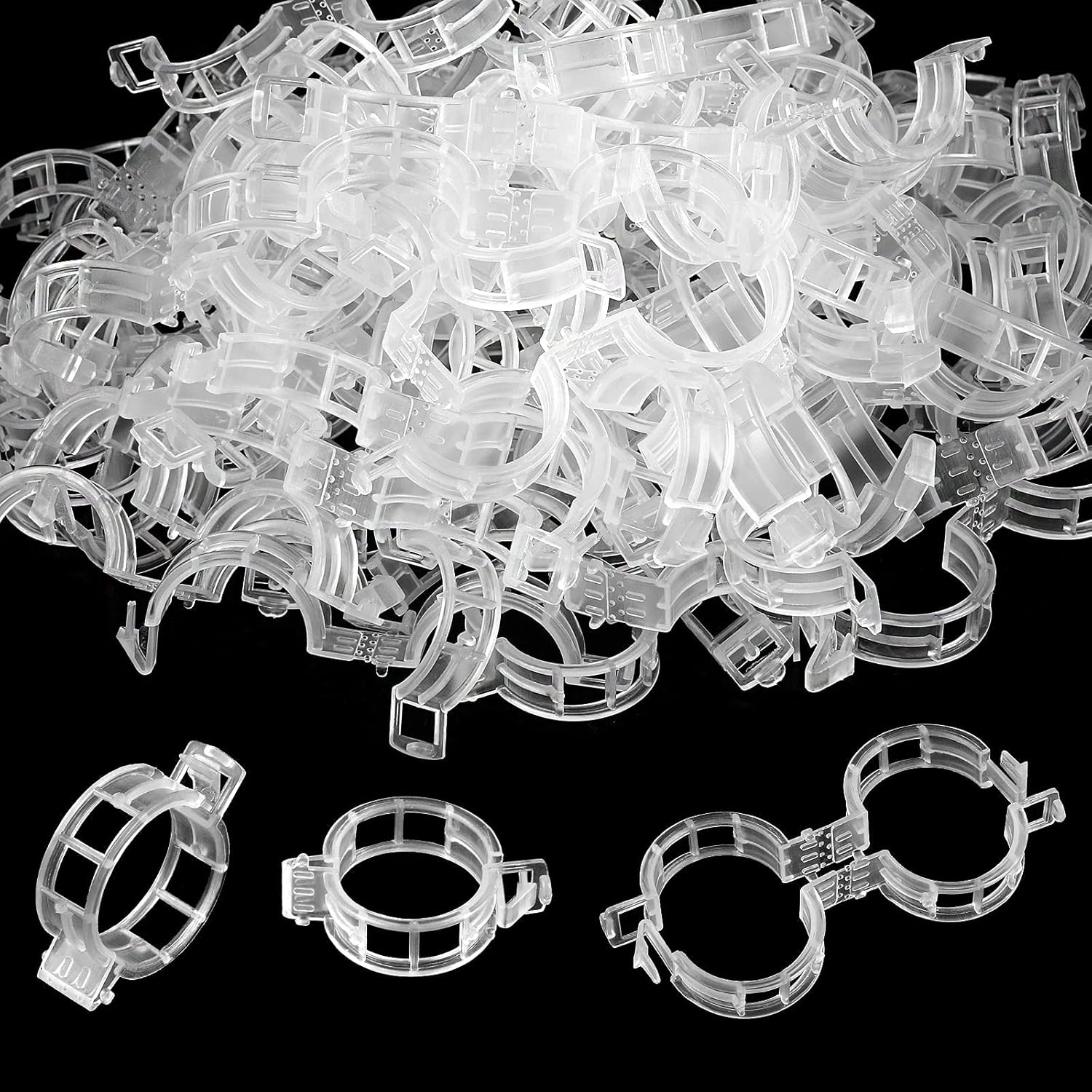
These Oligei trellis clips are small plastic clamps meant to hold stems to twine, cages, or stakes so tomatoes, peppers, cucumbers and similar vines grow upright. You snap a stem and the support between the clip arms and push the wedge to lock; releasing is done by depressing the wedge and pulling the end. The pack of 200 covers a season of pruning and tying for multiple plants and the plastic is described as flexible and reusable rather than brittle. Because the clips are rated for average stems they work well for typical tomato pruning, saving time compared with twine ties and reducing stem rubbing. Limitations are that the diameter suits standard to small stems and they are not intended for very large stalks or very heavy fruit loads, so heavier indeterminate tomatoes will need sturdier ties or additional supports. Overall this is a low-effort, economical option for gardeners who want tidy, repeatable stem support without cutting or tying every branch by hand.
Best for: A gardener who prefers low-effort, consistent support for tomato and other common vine crops and values a ready supply of reusable clips to simplify routine tying.
Less Ideal for: Growers training very large indeterminate tomatoes, heavy-fruiting varieties, or users who need metal or heavy-duty plant fasteners should consider stronger alternatives.
- Large quantity (200 clips) covers multiple plants and seasons
- Reusable plastic with a folding joint that resists breaking under normal use
- Quick snap-and-lock design speeds up tying compared with twine or string
- Not suitable for large stalks or vines bearing very heavy fruit
- Plastic clips can deform over many seasons or under high heat exposure
Verdict: If you want a fast, low-effort way to keep tomato stems and other common vines secured to supports, these 200 reusable plastic clips give the simplest seasonal solution.
Choosing the Right Tomato Plant Clip: Key Factors to Consider
Stem Protection and Contact Design
How a clip contacts a tomato stem affects long-term plant health. Clips with rounded, smooth contact surfaces reduce pressure points that can bruise or girdle tender stems. If the clip pinches too tightly or has sharp edges, it can cut into the vascular tissue as the stem thickens, limiting water and nutrient flow.
Also consider whether the clip allows the stem room to expand. Designs that flex or have built-in spacing let stems grow without being constricted. For indeterminate varieties that keep thickening, a slightly looser, forgiving clip is safer than a rigid, fixed-size fastener.
Grip Strength Versus Gentle Hold
A clip must balance holding power with gentle support. Too weak a grip and vines will slip during wind or when fruit pulls branches; too strong and the clip can crush or split stems. Look for clips that secure stems against stakes or wires but include a cushioned or curved interior to distribute pressure.
Consider the weight of your fruit load. Heavy clusters need a firmer hold or more frequent tie points. For lighter cherry types, fewer, gentler clips are usually sufficient. Gardeners often place clips at branch crotches or below heavy clusters to keep fruit from pulling stems downward.
Material Durability and UV Resistance
Clips used outdoors are exposed to sunlight, moisture, and temperature swings. UV-stable plastics or coated metals last longer and avoid becoming brittle or breaking mid-season. If a clip becomes fragile, it can shatter and leave shards that harm plants or create litter in the bed.
Evaluate whether the material can be reused across seasons. Reusable clips reduce waste and are worth paying attention to for small-scale gardeners who train many plants each year. Also check for corrosion resistance in any metal-bearing components.
Compatibility With Support Systems
Tomato clips should work with the supports you use most: cages, bamboo stakes, trellis netting, or horizontal strings. Some clips are purpose-built for round bars, others for flat tape or twine. If clips do not mate well with your chosen support, they will twist or slip, losing their effectiveness.
Plan how many clips you will need per plant based on plant type and support spacing. Compatibility affects placement options and the overall neatness and manageability of trained vines.
Ease of Use and Repositioning
You will be handling clips frequently throughout the season as you prune and re-tie shoots. Clips that are easy to open with one hand and quick to close save time during busy pruning sessions. Repositionable clips mean you can move support points upward as stems grow without disturbing nearby blossoms or fruit.
Also consider whether the clip can be operated with gloved hands and whether it can be removed cleanly at season end for storage and reuse.
Environmental and Safety Considerations
Materials that break down into flakes or that contain harmful additives are a liability in vegetable beds. Choose clips made from non-toxic, garden-safe materials that will not leach into soil or contaminate compost. Avoid sharp edges or breakable parts that could injure your hands during pruning.
Some gardeners prefer biodegradable options for easy disposal, while others prioritize long-lasting, reusable clips to reduce waste. Consider which approach fits your gardening ethics and maintenance routines.
When to Clip Versus When to Tie
Clips are best used to anchor green, flexible stems quickly without the fuss of tying knots. Use clips early in the season when shoots are still pliable and you want to minimize handling stress. They hold stems in place while the vine thickens and develops attachment points.
Ties remain useful for permanent or heavier support points, especially where branches carry large fruit clusters or where a more customized wrap is needed. Combining clips for frequent, light support and ties for heavy-duty anchors is a common, practical approach in productive gardens.
- Use clips for frequent, repositionable support as shoots grow.
- Reserve ties for heavy load-bearing spots or where stems need gentle compression to a stake.
- Move clips upward periodically to follow stem growth and prevent constriction.
Placement Tips for Stronger, Healthier Vines
Place clips just above a lateral shoot or at the main stem junction to transfer weight to the support. Avoid clamping too close to a fruit cluster where pull forces are concentrated. Regularly check clips after storms and heavy watering because wet soil and wind can change how load is distributed.
Space support points so stems do not sag between clips. For indeterminate types that grow tall, plan for a series of clips spaced every 6 to 12 inches depending on vine vigor and fruit weight.
- Clip at branch junctions rather than mid-branch for better leverage.
- Reposition clips every few weeks to allow stem thickening.
- Inspect clip tightness during humid spells, as tissue becomes more fragile when wet.
Clip Care and Seasonal Storage
Cleaning and storing clips after the season prolongs their life. Rinse off soil and plant residue, allow them to dry, and store in a cool, dry container out of direct sun. Avoid leaving clips in cold, wet conditions where they can corrode or become brittle.
Labeling or grouping clips by size or style helps you grab the right type during spring planting. If clips show cracks or crazing from UV exposure, retire them to avoid mid-season failure.
- Wash clips with mild soap and water to remove sap and soil.
- Dry completely before storing to prevent mold or corrosion.
- Sort by size so you can match clip style to plant vigor next season.
Using Clips in Greenhouses and Small Spaces
In confined spaces, clips make training compact and tidy. They reduce the need for bulky cages and allow you to train vines vertically against trellis netting or wires. Pick clips that are low-profile to avoid accidental snags when moving harvest baskets or tools.
Because greenhouse conditions often boost growth rate, choose clips that can be opened and repositioned quickly. Frequent adjustments may be necessary to prevent stems from outgrowing the clip or becoming constricted.
- Select slim clips that fit narrow trellis wires.
- Plan for more frequent repositioning in high-growth environments.
- Use clips to keep walkways clear and maximize usable growing area.
Sustainable Options and Waste Reduction
Reusable clips are the most sustainable choice for gardeners who grow tomatoes annually. Durable UV-stable materials can be used for multiple seasons, cutting waste. If you prefer disposable or compostable clips, check that they are certified for composting and that they break down in garden conditions.
Another waste-saving tactic is to choose a single clip style that works with multiple supports so you do not accumulate unmatched pieces. Repair broken clips when practical by removing rough edges to avoid plant injury.
- Prioritize reuse when possible to lower seasonal waste.
- Compostable clips should be verified to break down under your composting conditions.
- Streamline clip types to simplify storage and reduce loss.
How We Chose the Best Tomato Plant Clip
We focused on criteria that matter to gardeners who train tomato vines season after season. Durability in sun and moisture was essential because outdoor clips need to last through heat, rain, and repeated handling. Stem gentleness and grip balance were evaluated to ensure clips hold stems securely without pinching, cutting, or constricting growing tissue. Compatibility with common supports – cages, bamboo stakes, trellis netting, and twine systems – was a selection filter so clips work across typical setups. Ease of use and reusability under field conditions determined whether a clip is practical for pruning, tying, and seasonal removal. We also assessed material safety around living tissue and how easily clips can be repositioned as plants grow. Excluded from our list were single-use fasteners, clips built only for decorative pots, and designs meant exclusively for woody shrubs rather than soft-stem vegetables. We did not include clips that require special installation tools or that have known plant-damaging edges. The final picks balance real-garden performance with longevity and gentle plant care.
FAQ
How many clips does a typical tomato plant need?
It depends on plant type and support system. Indeterminate tomatoes often need several clips spaced every 6 to 12 inches up the stem, while compact determinate plants require fewer anchors. Factor in fruit load and stake spacing when planning quantities.
Will clips damage the stem as the plant grows thicker?
Properly designed clips with rounded contact areas and slight flex avoid constriction as stems thicken. Check clips regularly and move or replace any that appear tight or that show signs of causing indentations.
Are metal or plastic clips better for tomatoes?
Both can work. UV-stable plastic is lightweight and gentle, while coated metal can offer greater longevity and strength. Avoid uncoated metal that can rust or sharp edges that can injure tissue.
Can I reuse clips year after year?
Often yes. Durable, UV-resistant clips are intended for reuse across seasons if cleaned and stored properly. Retire any clips that show brittleness, cracks, or excessive wear.
How do I remove clips without stressing the plant?
Open or unhook clips gently and support the stem with your other hand to avoid sudden movement. Remove clips during dry weather when stems are less fragile and avoid tugging around fruit clusters.
Are there biodegradable clips suitable for vegetable gardens?
Biodegradable options exist but their breakdown rate varies with composting conditions. If you choose compostable clips, verify how they break down and avoid burying slow-degrading pieces in beds.
Final Verdict
Choose tomato plant clips that protect stems while giving you the flexibility to reposition supports as vines grow. Prioritize stem-friendly contact design, good grip without crushing, and materials that resist UV and moisture for season-long reliability. Your ideal pick depends on plant vigor, support system, and whether you prefer reusable or compostable options. Focus on compatibility and ease of use to keep vines upright with minimal damage and maintenance.
