

Note: This article contains affiliate links. If you click on these links and make a purchase, I may earn a small commission at no extra cost to you. This helps support my research and content. Read my full affiliate disclosure here.
If you compost leaves, the right leaf mulcher for compost can cut hours from your pile-turning schedule and produce finer material that breaks down faster. Shredded leaves pack more densely, warm up more quickly, and mix with other green inputs more evenly, which translates to faster, more consistent compost. This guide covers our shortlisted picks for gardeners focused on composting and explains the performance, durability, and usability traits that matter in a real yard or garden. Read on for the practical reasons these options made the list and the criteria we used to evaluate them before the product blocks below.
Top Picks at a Glance
| Best Overall The best all-around choice for most situations | EWORK 15 Amp Electric Leaf Mulcher/Shredder with Adjustable Rake |  |
| Best Quality Built to a higher standard if you want something more solid | Flowtron Electric Leaf Mulcher and Shredder, 30:1 Ratio |  |
| Best Value The sweet spot between price and what you get | Yard Force YF8000 Electric Leaf Mulcher with Accessory Kit |  |
| Best Budget The cheapest option that still gets the job done reliably | WORX Trivac WG509 3‑in‑1 Corded Leaf Blower/Vacuum/Mulcher |  |
| Highest Rated A top-rated pick with lots of positive feedback | SOYUS Electric Bladeless Leaf Mulcher & Shredder, 15A 8400 RPM |  |
| Most Popular A crowd favorite that many people choose with confidence | WORX WG430 13 Amp Electric Leaf Mulcher |  |
EWORK 15 Amp Electric Leaf Mulcher/Shredder with Adjustable Rake

| Motor | 15 Amp, 8000 RPM |
|---|---|
| Compression ratio | 16:1 |
| Feed inlet width | 20 inches |
| Outlet width | 15 inches |
| Rake adjustable width | 7.5–24 inches |
This EWORK mulcher is a corded electric machine aimed at frequent yard cleanup and composting. Its 15 Amp motor runs at high speed to process piles of leaves, dry needles, and light twigs while producing a fine 16:1 reduction for mulch or faster composting. The unit offers three selectable shred textures so you can choose coarse fragments for ground cover or ultra-fine material for soil incorporation. A wide 20-inch feed inlet and 15-inch outlet help reduce clogging, and the upgraded wear-resistant cutting line should last longer than typical trim-line blades. The included adjustable rake extends reach and width to make gathering and feeding leaves quicker, while simple two-screw assembly gets the machine ready fast. Practical benefits include lower bag use, smaller composting volume, and less time spent clearing and reloading. Expect limitations typical of corded electric models: it is best for yard debris and small branches rather than heavy logs, and performance depends on available power and an extension cord for large properties.
Best for: Best for homeowners or small-property managers who prioritize efficient, repeatable leaf reduction and compost-ready mulch to cut disposal and bagging time.
Less Ideal for: Not a good fit for users needing a gasoline-powered chipper for large branches, brush, or remote sites without easy access to electricity.
- Powerful 15 Amp motor for steady shredding of leaves and light yard waste
- 16:1 compression ratio with three texture settings for versatile mulch output
- Wide 20-inch feed inlet and 15-inch outlet reduce clogging during use
- Wear-resistant cutting line designed to last longer than standard trim lines
- Adjustable rake included to gather and feed leaves more efficiently
- Corded design limits mobility on very large properties and needs a reliable power source
- Not intended for heavy logs or thick branches that require a chipper-style machine
Verdict: A high-speed electric mulcher that efficiently converts leaf piles into compost-ready mulch while speeding collection with the included adjustable rake.
Flowtron Electric Leaf Mulcher and Shredder, 30:1 Ratio

| Mulch ratio | 8:1 to 30:1 coarseness |
|---|---|
| Funnel width | 21 in |
| Power source | Plug-in electric |
| Includes | 36 replacement cutting lines and bungee cord |
The Flowtron electric mulcher is built for homeowners who need to reduce large volumes of yard waste quickly. It uses a two-step double shredding action and a rotating 21-inch hopper to pull in leaves, grass clippings, and pine needles, producing mulch suited for either composting or spreading depending on the 8:1 to 30:1 coarseness setting. You can feed material directly through the wide funnel or mount the unit over a trash can with the included bungee cord for bagging. Practical touches include an overload circuit breaker, steel legs for freestanding use, and a storage compartment with 36 replacement cutting lines. For large yards it speeds cleanup and cuts down bulky waste dramatically, but being an electric unit it requires a nearby outlet and is less suited for very thick branches or wet, heavy piles. The adjustable output texture and easy feed make it a versatile choice for regular seasonal cleanups, though users should plan cord access and avoid feeding woody debris beyond its intended capacity.
Best for: Homeowners with medium to large yards who want a dependable electric mulcher to cut down seasonal leaf and grass volume and produce usable mulch for composting or spreading.
Less Ideal for: People who need to shred substantial woody branches, operate far from electrical power, or require a gas-powered commercial-grade chipper for very heavy-duty jobs.
- Wide 21-inch funnel with rotating hopper for easier, faster feeding
- Adjustable 8:1 to 30:1 mulch ratio to match composting or lawn use
- Two-step shredding reduces large volumes of yard waste up to about 30:1
- Includes overload circuit breaker and spare cutting lines for low maintenance
- Can bag or freestand for flexible disposal or spreading
- Requires a standard electrical outlet so cord length or access can limit placement
- Not designed for heavy woody branches or very wet, dense material
Verdict: A versatile electric mulcher that quickly converts large volumes of leaves and yard waste into usable mulch, making seasonal cleanup faster for large home yards.
Yard Force YF8000 Electric Leaf Mulcher with Accessory Kit

| Power source | Corded-Electric |
|---|---|
| Motor | 13 Amp, 8000 RPM |
| Cutting system | Trimmer-line (.095 in) |
| Warranty | 24-month motor warranty |
The Yard Force YF8000 is a lightweight corded-electric leaf mulcher built for small to medium yards where ease of use and storage matter. It uses a 13 Amp, high-RPM motor and trimmer-line cutting system to reduce roughly twelve full paper lawn bags of leaves down to about one bag of mulch, which you can use as organic fertilizer. Setup is straightforward: the unit stacks for compact storage, telescopic legs let you level it on uneven ground, and a bungee bag clamp fits both paper and plastic waste bags. The included hand rake, spare lines, and safety goggles make it ready to run out of the box. Important trade-offs are its reliance on a power cord rather than battery portability and a trimmer-line-style cutter instead of metal blades, which can affect cutting speed on very wet, woody, or thick debris. For routine seasonal leaf cleanup and mulching, it offers a practical, space-saving option that simplifies hauling and produces usable mulch.
Best for: Buyers who want a space-saving, easy-to-use electric mulcher to process seasonal leaf piles into usable mulch without heavy maintenance or complicated setup.
Less Ideal for: Not the best choice for large properties or users who need cordless operation or a heavy-duty metal-blade shredder for branches and very dense debris.
- High-RPM 13 Amp motor shreds large volumes of leaves into compact mulch
- Adjustable telescopic legs provide balance on uneven ground
- Compact, stackable design stores easily and is lightweight for carrying
- Comes with useful accessories including replacement lines, hand rake, bungee cord, and safety goggles
- Corded power limits use away from outlets or across large properties
- Trimmer-line cutter may struggle with very wet, woody, or dense material compared with steel-blade shredders
Verdict: A compact, low-maintenance electric mulcher that quickly reduces multiple bags of leaves into usable mulch for homeowners with small to medium yards.
WORX Trivac WG509 3‑in‑1 Corded Leaf Blower/Vacuum/Mulcher

| Power Source | Corded Electric |
|---|---|
| Air Flow Capacity | 350 cfm |
| Maximum Speed | 210 miles_per_hour |
| Mulch Ratio | 18:1 |
The WORX WG509 Trivac combines a blower, vacuum, and mulcher in a single corded unit to simplify seasonal yard cleanup around homes. You use it in blow mode to move leaves from driveways, patios, and lawn edges, switch to vacuum to collect debris into the included bag, and engage the metal‑impeller mulcher to reduce leaf volume roughly 18:1 for easier disposal or composting. Variable speed control helps dial back airflow for delicate spots or ramp up for bigger piles, and corded power means uninterrupted runtime for medium‑sized yards. The quick mode switch and removable collection bag make transitions and emptying straightforward. Important limitations are that it is corded so you need an outlet or extension cord and the unit is best suited to hard surfaces and moderate leaf volumes rather than very large properties; heavier professional jobs may benefit from backpack or gas models. For homeowners who want a reliable, no‑battery‑worry electric tool, the WG509 offers efficient cleanup with minimal fuss.
Best for: Homeowners who prioritize reliable, continuous electric power and a single tool to handle regular leaf cleanup on driveways, patios, decks, and small to medium yards.
Less Ideal for: People with large acreage, frequent heavy debris or professional landscaping needs should consider petrol or backpack blowers built for extended heavy use.
- 3‑in‑1 design replaces separate blower, vacuum, and mulcher for simpler storage and use
- Strong airflow (350 CFM, 210 MPH) handles wet leaves and stubborn debris on hard surfaces
- Metal impeller mulches leaves to an 18:1 ratio, reducing bag changes and making composting easier
- Variable speed and a quick switch between modes let you adjust power for different tasks
- Corded power requires an outlet or extension cord which limits mobility
- Not intended for very large properties where commercial or backpack units perform better
Verdict: Buy this if you want a dependable corded 3‑in‑1 blower/vacuum/mulcher that delivers strong airflow and efficient mulching for routine home yard cleanup.
SOYUS Electric Bladeless Leaf Mulcher & Shredder, 15A 8400 RPM

| Motor | 15 Amp, 8400 RPM |
|---|---|
| Reduction ratio | 18:1 |
| Throughput | Up to 55 gallons per minute |
| Control | 5-level adjustable dial |
The SOYUS bladeless leaf mulcher is built for fast backyard cleanup: a 15 amp motor spinning at 8400 RPM feeds leaves into a nylon cutting-line system that shreds material down with an advertised 18:1 reduction. You use the front hopper to feed wet or dry leaves and select one of five control-dial settings to match cutting aggressiveness to material. The design omits metal blades in favor of replaceable line, which simplifies maintenance and reduces the risk of large kickbacks while still producing a fine mulch suitable for composting or smaller collection bags. Practical benefits include high throughput of up to 55 gallons per minute and a compact, wheeled frame that is easy to move around the yard. Limitations are the reliance on cutting line that must be replaced over time and the lighter construction that favors routine yard debris rather than heavy branches or woody brush. For someone focused on quick, high-volume leaf shredding this machine delivers strong performance, but it is not a substitute for a heavy-duty chipper if you need to handle thick limbs.
Best for: Buyers who prioritize fast, high-volume leaf processing for routine yard cleanup and want a low-maintenance, maneuverable electric mulcher.
Less Ideal for: Those who need a machine for frequent heavy-duty chipping of branches or for commercial landscape work should choose a more robust chipper-shredder.
- Powerful 15A, 8400 RPM motor supports fast mulching throughput
- Bladeless nylon cutting-line system reduces maintenance complexity and kickback risk
- Five-level control dial lets you adjust processing for wet or dry leaves
- High 18:1 reduction ratio shrinks yard waste volume for easier disposal or composting
- Lightweight wheeled design improves mobility around the yard
- Not intended for heavy woody branches or thick brush
- Cutting line requires periodic replacement and is a consumable expense
Verdict: If you want a fast, high-throughput electric mulcher that turns large volumes of leaves into fine mulch with minimal fuss, this SOYUS bladeless model is a strong pick.
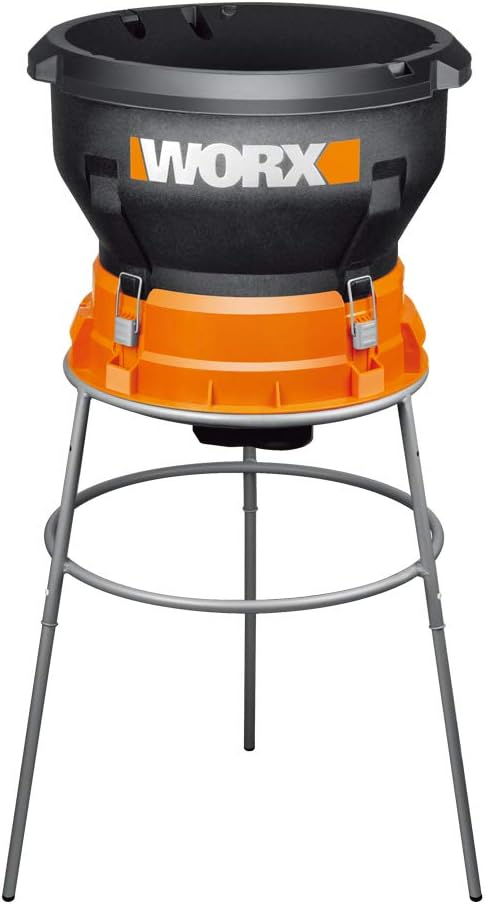
WORX WG430 13 Amp Electric Leaf Mulcher
| Motor | 13 Amp |
|---|---|
| Throughput | 53 gallons per minute |
| Mulch ratio | 11:1 |
| Cutting system | Flex-a-Line bladeless line |
The WORX WG430 is an electric leaf mulcher designed for homeowners who need to reduce large volumes of dry leaves and light yard debris quickly. It accepts leaves fed into the top funnel and shreds them with the bladeless Flex-a-Line string system, processing up to about 53 gallons per minute and reducing roughly 11 bags of leaves down to one. The unit sits over a standard bag held by the included support ring so mulch discharges directly into a receptacle for disposal or composting. Practical benefits include tool-free assembly and disassembly for seasonal storage, a dust-reducing motor cooling design, and an included supply of replacement cutting lines to simplify maintenance. Because it is a 13 amp corded electric tool it is quieter and cleaner than gas chippers and avoids blade sharpening, but it is not intended for heavy branches or thick woody material. The need for an appropriately rated outdoor extension cord and indoor storage in winter are additional considerations for regular use.
Best for: Homeowners who want a safer, low-maintenance electric solution to shrink large piles of leaves quickly and prefer a cleaner, quieter alternative to gas chippers.
Less Ideal for: Property owners who need to chip branches, thick brush, or heavy woody debris should consider a dedicated wood chipper or gas-powered shredder instead.
- High processing rate reported at up to 53 gallons of leaves per minute for fast cleanup
- 11:1 mulching ratio significantly reduces bag volume for easier disposal or composting
- Flex-a-Line bladeless system lowers blade-related hazards and includes tool-free line replacement
- Tool-free assembly and compact nesting parts for easier storage and off-season handling
- Not suitable for woody branches or heavy brush since it is a line-based leaf mulcher
- Requires a properly rated outdoor extension cord and access to an electrical outlet
Verdict: Choose the WORX WG430 if you need a fast, low-maintenance electric mulcher that turns large volumes of leaves into manageable mulch for disposal or composting.
Choosing the Right Leaf Mulcher for Compost: Key Factors to Consider
Mulching Efficiency and Particle Size
How finely a leaf mulcher reduces material determines how quickly leaves break down in a compost pile. Finer particles provide more surface area for microbes and help the pile heat up and maintain temperature, which accelerates decomposition.
Consider whether the device creates mostly fine chips or larger torn pieces. Very fine material is ideal for fast composting, but some gardeners prefer a mix of sizes to retain airflow. The intended particle size should match your composting approach and the other inputs you typically add.
Feed System and Jam Prevention
The way leaves are fed into the machine affects throughput and frustration. Gravity-fed hoppers, auger-assisted infeed, or a wide throat for raking in loose leaves all change how easily you can keep the unit fed without repeatedly stopping to clear jams.
Look for designs with a visible infeed path and features such as reverse functions or easy-to-access baffling to clear clogs. Machines that require frequent disassembly to remove jams will slow your work and increase wear, so feed-system reliability is a major practical factor.
Power Source and Yard Compatibility
Leaf mulchers for compost come in different power arrangements, and the choice affects where and how you use them. Corded electric models work well near outlets and are lower maintenance, while gas engines give mobility and sustained power for larger properties.
Think about your typical leaf volume and where you will operate the machine. For small or patio gardens, low-voltage electric options may be sufficient. For large yards or remote compost piles, choose a unit with the power and runtime to process bigger loads without frequent refueling or recharging.
Durability and Wear Parts
Blades, shredding disks, and bearings receive hard use when processing abrasive dry leaves mixed with small twigs or grit. Durable materials and easy access to replaceable wear parts extend useful life and reduce downtime.
Assess how straightforward it is to access cutting components for sharpening or replacement, whether common parts are user-replaceable, and whether the housing protects internals from damp or dirty conditions often found in garden storage.
Noise, Vibration, and User Comfort
Mulching can be repetitive work, so noise and vibration levels affect how long you can work comfortably and whether you need substantial hearing protection. Lower-vibration units reduce operator fatigue and make handling easier when moving or feeding material.
Also consider ergonomic features such as balanced weight distribution, handles or wheels for transport, and simple controls you can operate while wearing gloves. Comfort features matter when you plan to process many bags or large piles of leaves.
Portability and Storage Footprint
If you bring the mulcher out seasonally or move it between compost piles and garage storage, size and weight become important. Compact units that disassemble or fold are easier to store in tight garden sheds, while wheeled chassis and balanced handles help reposition larger machines on uneven lawns.
Consider where you will store the unit and how often you will transport it. A more portable design can be worth a modest tradeoff in capacity for gardeners with limited storage space.
Preparing Leaves for Composting
Collecting and preparing leaves properly makes the mulcher's job easier and improves compost quality. Rake or blow leaves into piles that are not soaked; dryer material shreds more cleanly. Remove large branches and overly wet clumps that can cause jams or uneven shredding.
- Sort out large sticks and stones before feeding.
- Allow freshly fallen leaves to dry slightly if they are very wet.
- Mix leaves with other dry yard waste for continuous feeding.
How Mulched Leaves Affect Compost Pile Dynamics
Smaller leaf particles warm and decompose faster because microbes can access more surface area and air can circulate more evenly. Mulched leaves settle more tightly, which can reduce the need for frequent turning but also means you should watch moisture and aeration to prevent compaction.
Overly fine material can reduce airflow if added in large, dense layers, so mix shredded leaves with coarser aeration material such as prunings or straw when building deep piles.
- Aim for a mix of particle sizes for airflow.
- Monitor moisture after adding large amounts of fine mulch.
Safe Operation and Common Maintenance Tasks
Prioritize safety when operating any mulcher. Always lock out power sources before accessing the cutting area and wear eye and hearing protection. Keep hands and feet clear of infeed openings and use push tools or rakes to feed material when appropriate.
Regular maintenance keeps performance steady: inspect blades or knives for dulling, clear the chute and hopper of debris, check belt tension if present, and lubricate bearings per the owner's guide. Addressing small issues early prevents larger repairs and reduces downtime.
- Unplug or remove spark plug before maintenance.
- Check and tighten fasteners after the first few hours of use.
- Sharpen or replace blades when cutting efficiency drops.
Using Mulched Leaves in Different Compost Systems
Mulched leaves work well in cold piles, hot compost systems, and enclosed composters but the application technique differs. In cold piles, mix shredded leaves with nitrogen-rich materials to kickstart decomposition. In hot systems, smaller particles help reach and sustain temperatures quicker.
For tumblers or boxed composters with limited airflow, avoid adding too many fine particles at once. Instead, alternate layers of shredded leaves with coarser brown material and fresh green waste to maintain balance.
- In tumblers, add small batches to avoid overpacking.
- Layer shredded leaves with green kitchen waste for nitrogen balance.
How We Chose the Best Leaf Mulcher for Compost
We prioritized choices that help gardeners make composting with leaves faster, cleaner, and more reliable. Our selection focused on machines that demonstrably reduce leaf volume and create particle sizes that speed microbial activity. We looked for robust cutting or shredding mechanisms that tolerate dry and slightly damp leaves without clogging, and for feed and discharge designs that minimize jams and allow continuous work. Ease of maintenance was essential, with attention to access for blade checks, replaceability of wear parts, and clear safety features for routine cleaning. Other evaluation dimensions included power source compatibility with typical yards, noise and vibration levels that affect how long you can work, and portability for moving between beds, lawns, and storage. We excluded units that are clearly undersized for typical suburban leaf loads or that lack basic safety guards. The final picks balance mulching effectiveness, user convenience, and durability in everyday garden conditions.
FAQ
Will a leaf mulcher damage my compostable leaves if they are slightly damp?
Slightly damp leaves usually process fine, but very wet clumps can compact and cause clogs. Break up soaked bundles and feed smaller quantities at a time to avoid jams.
How small should shredded leaves be for fast composting?
A mix that includes many pieces under an inch speeds decomposition, but a few larger bits help airflow. Aim for mostly small fragments with some coarser material mixed in.
Can I run sticks and small branches through a leaf mulcher?
Most mulchers tolerate small twigs but heavy branches will strain cutting components. Remove anything larger than the recommended maximum and inspect for hidden nails or wire.
How often should I maintain the blades or cutting elements?
Frequency depends on use, but inspect blades after several hours of operation each season. Sharpen or replace when you notice reduced cutting efficiency or more frequent jams.
Is battery power practical for processing large leaf piles for compost?
Battery units can be practical for small to moderate piles and offer quieter operation, but for very large volumes you may need a unit with longer runtime or a gas-powered option for continuous work.
Final Verdict
Choose a leaf mulcher for compost by balancing how much material you need to process with where you will operate and store the machine. Prioritize reliable mulching efficiency, a feed system that resists jams, and durable, serviceable cutting components. Consider power source and portability tradeoffs based on your property size and seasonality. With those priorities in mind, you can pick a tool that reduces pile volume, speeds decomposition, and makes routine composting simpler and less time-consuming.
