

Note: This article contains affiliate links. If you click on these links and make a purchase, I may earn a small commission at no extra cost to you. This helps support my research and content. Read my full affiliate disclosure here.
If you manage a large property, municipal grounds, or commercial landscape, a residential blower is often not up to the task. Industrial leaf vacuums are built to clear heavy, wet leaves, twigs, and mixed debris faster and with less clogging. Choosing the right option affects how quickly you finish jobs, how often you empty the collection system, and how much maintenance the unit needs. This guide covers six top shortlisted industrial leaf vacuums that represent the best choices for heavy-duty cleanup. We evaluated each on practical, gardener-facing criteria like suction and collection performance, durability of key components, and ease of service so you can match a machine to the scale and conditions of your work. Read on to see which features matter most for large yards and commercial sites.
Top Picks at a Glance
| Best Overall The best all-around choice for most situations | Powerhorse Commercial Steel Debris Vacuum Truck Loader, 6.5 HP |  |
| Best Quality Built to a higher standard if you want something more solid | Powerhorse Steel Debris Vacuum Truck Loader, 13 HP |  |
| Best Value The sweet spot between price and what you get | SuperHandy Truck-Loader Leaf Vacuum with 15HP Electric Start Engine | 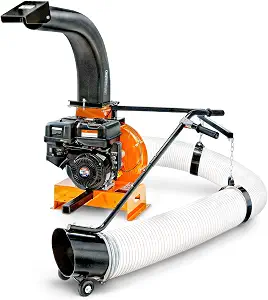 |
| Highest Rated A top-rated pick with lots of positive feedback | SuperHandy Towable Leaf and Lawn Vacuum – 180‑Gallon, 15HP Electric Start, Serrated Impeller |  |
| Most Popular A crowd favorite that many people choose with confidence | Agri-Fab 29 cu ft Soft Top Mow-N-Vac Tow-Behind Lawn Vacuum (208cc) |  |
| Best Seller A high-volume bestseller chosen again and again | Billy Goat KV601 Lawn Vacuum, 190 cc Briggs, 40‑Gallon Capacity |  |
Powerhorse Commercial Steel Debris Vacuum Truck Loader, 6.5 HP

| Engine | 212cc OHV, 4-stroke |
|---|---|
| Power | 6.5 HP |
| Hose | 6 in. dia. x 10 ft. |
| Mount | Skid-mount base |
The Powerhorse Commercial Debris Vacuum is a truck-loader style unit built for large properties and landscaping crews that need fast, heavy-duty cleanup. Its 212cc OHV engine produces 6.5 horsepower and high suction speed to pull leaves, grass clippings, and light debris through the included 6-inch diameter, 10-foot hose. The all-steel housing and skid-mount base give the machine stability and durability when mounted to a truck or used on a trailer, and optional mounting kits expand installation choices. In practice this is a purpose-built tool for commercial cleanup rather than occasional residential use: it moves large volumes of material quickly but requires safe mounting, routine engine maintenance, and space to operate. The strengths are raw suction power and rugged construction; the downsides are the unit's weight and size, which make it less convenient for small yards and demand proper handling and storage. For teams focused on efficient, repeatable debris removal this is a capable, work-oriented machine.
Best for: Landscaping crews, property managers, and homeowners with large acreage who prioritize reliable, high-capacity debris removal and want a machine built for repeated commercial use.
Less Ideal for: Casual homeowners with small yards or anyone who needs a lightweight, easily stored leaf blower or vacuum for occasional tidying.
- Commercial 212cc OHV engine delivers strong suction for large-volume debris pickup
- Rugged steel housing and skid-mount base built for heavy outdoor use
- Includes 6-inch diameter by 10-foot intake hose for good reach and flexibility
- Optional mounting kits available to attach the unit to trucks, tailgates, or swingaway mounts
- Heavy and bulky, so it is not convenient for small properties or casual homeowners
- Requires routine engine maintenance and secure mounting for safe operation
Verdict: Choose this Powerhorse truck-loader vacuum when you need a tough, high-suction machine built for regular commercial-scale leaf and debris removal.
Powerhorse Steel Debris Vacuum Truck Loader, 13 HP

| Engine | 420cc Ducar 4-stroke OHV, 13 HP |
|---|---|
| Max RPM | 3,600 |
| Vacuum hose | 8 in diameter x 10 ft L |
| Mounting | Skid mount; optional hitch/tailgate/swingaway kits |
This Powerhorse debris vacuum is built for large-scale cleanup where raw power and durability matter. It pairs a 420cc, 13 HP OHV engine (3,600 max RPM) with a steel housing and skid-mount base to deliver consistent suction for clearing leaves, grass clippings and light debris across estates, farms, or commercial grounds. The included 8 in diameter by 10 ft vacuum intake hose reaches tight spots without moving the whole unit, and optional mounting kits let you adapt it for trailer, truck tailgate, or receiver hitch installation. Expect robust, long-running performance and easy anchoring via the skid mount, but plan for professional handling: the unit is heavy and sized for commercial equipment rather than casual yard work, and it lacks onboard mounting hardware which must be purchased separately. Maintenance and fuel costs will be higher than for homeowner-grade vacuums, but the machine is designed to handle sustained, demanding use.
Best for: Best for property managers, landscapers, or owners of large grounds who need a durable, high-capacity debris loader that withstands frequent, heavy-duty use.
Less Ideal for: Not a good fit for small yards, weekend gardeners, or anyone needing a lightweight, portable leaf vacuum for occasional cleanup.
- Commercial-grade steel housing for durability in heavy use
- Powerful 420cc, 13 HP OHV engine for strong suction and sustained operation
- 10 ft, 8 in diameter vacuum hose reaches tight areas without relocating the unit
- Skid-mount base provides stable anchoring during high-power operation
- Optional mounting kits available for truck or hitch installation
- Heavy, industrial footprint not suitable for casual home use
- Mounting accessories sold separately so additional purchase is required
Verdict: If you need a rugged, high-power debris loader for regular commercial cleanup, this Powerhorse unit delivers the engine power and build quality to get the job done.
SuperHandy Truck-Loader Leaf Vacuum with 15HP Electric Start Engine

| Power Source | Gas Powered |
|---|---|
| Form Factor | Truck Loader |
| Additional Features | Electric Start, Serrated Metal Impeller, Hitch or Tailgate Mount, Adjustable Guide Plate |
This truck-loader leaf vacuum is designed for heavy-duty cleanup where reliability and continuous use matter. It mounts to a truck via a hitch bar or optional tailgate hanger so crews can tow it between sites and empty debris directly into truck beds. The 15HP electric-start gas engine provides consistent power for extended runs and the 16-inch serrated metal impeller shreds leaves and light yard waste as it vacuums, reducing volume and making transport easier. An adjustable guide plate helps aim debris flow into the truck for precise placement, and the unit handles both wet and dry leaves so it works through seasons. The machine is built to commercial expectations, so maintenance access, robust impeller construction, and straightforward mounting are priorities. Expect a heavier, trailer-style workflow rather than a compact homeowner tool, and plan for routine engine and impeller maintenance typical of gas-powered equipment to keep peak performance.
Best for: Landscaping professionals, municipal crews, or property managers who need a rugged, towable vacuum to handle large volumes of leaves reliably across multiple sites.
Less Ideal for: Homeowners with small yards or anyone who needs a lightweight, walk-behind or mower-mounted vacuum should consider smaller, more portable units.
- Commercial 15HP gas engine with electric start for reliable, continuous operation
- 16-inch serrated metal impeller shreds and vacuums debris to reduce volume
- Hitch or tailgate mounting lets crews load directly into truck beds for efficient transport
- Adjustable guide plate gives precise debris placement when filling trucks
- Designed for high-volume cleanup and works with both wet and dry leaves
- Not a handheld or compact lawn-mower attachment so it requires a towing vehicle and storage space
- Gas engine requires regular maintenance and fuel handling compared with electric alternatives
Verdict: Choose this truck-mounted leaf vacuum when you need a dependable, commercial-grade machine that shreds and hauls high volumes of leaves with minimal downtime.
SuperHandy Towable Leaf and Lawn Vacuum – 180‑Gallon, 15HP Electric Start, Serrated Impeller

| Capacity | 180 gallons |
|---|---|
| Engine | 15HP electric start |
| Impeller | 16 in. serrated steel impeller |
| Power Source | gas_powered |
| Form Factor | Tow-Behind |
This towable leaf and lawn vacuum is built for large properties and commercial-style cleanup where uptime matters. It pairs a 15HP electric-start gas engine with a 16-inch serrated steel impeller to pull and shred leaves, grass clippings, and light debris into a 180-gallon collection bag so you make fewer stops. The unit connects via a pin hitch to riding mowers or small tractors and rides on 13-inch pneumatic wheels that help traverse uneven turf. The one-hand dump lever lets a single operator empty the hopper quickly without lifting or detaching parts, which saves time on repeated loads. Expect sturdy, serviceable components but standard gas maintenance such as fuel, oil, and impeller inspection. It is heavy and designed to be towed rather than moved by hand, so storage and transport require suitable equipment and space. If you need a reliable, high-capacity machine to reduce collection cycles and keep crews moving, this model delivers straightforward performance with familiar maintenance needs.
Best for: Property owners or small landscape contractors who prioritize dependable, high-capacity debris collection and want equipment that minimizes stops and keeps crews productive.
Less Ideal for: Casual homeowners with small yards or anyone who needs a lightweight, walk-behind solution for tight spaces should consider smaller, hand-operated vacuums instead.
- Large 180-gallon collection bag reduces frequency of emptying on big jobs
- 15HP electric-start gas engine provides consistent suction power for heavy debris
- Serrated 16-inch steel impeller shreds material for more compact collection
- One-hand dump mechanism allows fast, single-operator emptying
- Tow-behind design with 13-inch pneumatic wheels improves stability over rough terrain
- Requires towing vehicle and storage space due to tow-behind form factor
- Needs routine gas-engine maintenance and occasional impeller inspection
Verdict: A high-capacity, towable vacuum built for reliable, commercial-style leaf and debris collection that keeps crews working with fewer stops.
Agri-Fab 29 cu ft Soft Top Mow-N-Vac Tow-Behind Lawn Vacuum (208cc)

| Power Source | Gas Powered |
|---|---|
| Engine | 208cc LCT |
| Collection Capacity | 29 cu ft / 220 gallon |
| Hose | 126 in x 6 in clear hose |
| Material Type | Metal, Polypropylene |
The Agri-Fab Soft Top Mow-N-Vac is a tow-behind vacuum built for medium to large lawn cleanup jobs where you want to minimize unloading stops. It connects to right-hand discharge mower decks, including many zero-turns, and uses a 208cc engine to generate strong suction and pull debris through the included 126 in hose into a 29 cu ft (220 gallon) collection bag. The soft vinyl top reinforced with ripstop nylon keeps the load covered while rear venting reduces dust during operation. Large pneumatic tires and a utility-style poly bed make towing over uneven turf straightforward. Practical benefits include long run times between unloads, broad mower compatibility with the universal deck adapter, and reduced airborne dust compared with open collectors. The Mow-N-Vac is bulky and heavy to store and requires a gas engine and basic mower hookup while the soft top will need occasional inspection for wear. Assembly and hookup take some time but once installed it noticeably speeds up fall and seasonal cleanup on larger properties.
Best for: Homeowners with medium to large lawns who want a high-capacity tow-behind vacuum to cut cleanup time and reduce unloading trips, and who already use a right-hand discharge mower or zero-turn.
Less Ideal for: Small-lot owners, apartment dwellers, or anyone who needs a compact handheld or bagger-style solution should consider smaller electric or walk-behind options instead.
- Very large 29 cu ft (220 gallon) collection capacity reduces frequency of unloading during big cleanup jobs
- 208cc engine provides strong suction for effective pickup of leaves, clippings, and light debris
- Universal deck adapter and long clear hose work with many right-hand discharge mower decks including zero-turns
- Soft top with reinforced vinyl and rear venting helps contain dust and reduce airborne debris
- Pneumatic 13 in tires and poly utility bed allow smoother towing across uneven lawns
- Heavy and large footprint makes storage and maneuvering off the mower more demanding
- Requires gas engine maintenance and a compatible right-hand discharge hookup
Verdict: If you need to clear large amounts of leaves and clippings with fewer stops, this high-capacity tow-behind vacuum delivers powerful suction and broad mower compatibility to get the job done faster.
Billy Goat KV601 Lawn Vacuum, 190 cc Briggs, 40‑Gallon Capacity

| Capacity | 40 gallons |
|---|---|
| Power Source | gas-powered |
| Engine | 190 cc Briggs |
| Intake Width | 27 inches |
The Billy Goat KV601 is a purpose-built lawn and litter vacuum that uses a 190 cc Briggs gas engine and a large five-blade impeller to deliver strong suction for leaves, grass clippings, small branches, and general yard litter. It is used by pushing the 27 inch intake over lawns, driveways, patios and other hard surfaces where debris is concentrated; debris is reduced by the serrated impeller and routed into a breathable hard-bottom mesh bag that dumps from the bottom via marine-style clasps. The variable height adjustment helps move from turf to hard surfaces without scalping, and the unit’s design emphasizes continuous collection rather than frequent emptying thanks to the 40 gallon capacity. Expect commercial-grade power and durability that shorten cleanup time on medium to large properties, but also expect the usual gas-powered trade-offs: heavier weight and need for fuel, basic maintenance, and less suitability for very tight spaces without the optional hose kit. The KV601 is built for performance and productivity when volume and suction are the priority.
Best for: Buyers who prioritize fast, high-capacity cleanup on medium to large lawns and properties and who want a robust, performance-focused machine rather than a lightweight consumer tool.
Less Ideal for: Not a good fit for small yards, frequent short cleanups, or those who prefer electric or quieter equipment for close-in residential use.
- Powerful suction from a large five-blade serrated impeller for efficient debris reduction
- Large 40 gallon breathable mesh bag reduces how often you need to stop and empty
- Variable height adjustment allows work on both turf and hard surfaces
- Bottom-loading bag with marine-style clasps makes dumping simple and reduces zipper failures
- Heavy, gas-powered design requires fuel and periodic engine maintenance
- Large footprint can be awkward in very tight beds or around dense shrubs
Verdict: If you need a high‑capacity, high‑suction lawn vacuum to speed cleanup across medium to large properties, the Billy Goat KV601 delivers commercial-grade performance.
Choosing the Right Industrial Leaf Vacuum: Key Factors to Consider
Suction Strength and Airflow
How much suction and cubic feet per minute a machine produces directly determines what it will pick up. High suction combined with sustained airflow helps pull heavy, wet leaves and small twigs into the intake rather than blowing them around. For mixed debris and commercial schedules, prioritize units with measured airflow figures or descriptions of sustained suction under load.
Airflow that drops rapidly under a partial clog will slow work and increase wear on the engine or motor. Consider how the vacuum performs when the collection bag becomes partly full, because real jobs rarely allow emptying after every pass.
Collection Capacity and Containment
A larger hopper or bag means fewer stops to empty, which is critical on expansive properties or multiple-site routes. Containment design matters as much as raw volume: rigid hoppers resist compression and reduce dust escape, while well-sealed bags and clamps prevent leaks during transport.
Think about how easy it is to empty the system. A rear-dump or quick-release mechanism that can be used from ground level saves time and reduces strain. For properties with mixed debris, a durable mesh or filter arrangement that separates fines while allowing fast airflow keeps the unit working longer between service intervals.
Impeller, Hose, and Chute Durability
The impeller and discharge chute take the most abuse. Hard impacts from rocks or metal debris can damage blades and housings, so look for heavy-gauge materials, replaceable wear plates, and accessible impeller mounts. Hoses should be reinforced to resist kinking and abrasion; flexible storm hoses are convenient but must stand up to repeated contact with rough ground.
Durable chute design also directs debris safely into the collection area without excessive rebound that can cause clogs. Consider the availability of replaceable wear components, because being able to swap a worn impeller or hose in the field keeps machines in service longer.
Power Source Suitability and Fuel Access
Industrial leaf vacuums come with different power systems and you should match that to site logistics. Gas or diesel power gives mobility and higher continuous power for remote sites, but requires safe fuel storage, regular engine maintenance, and attention to emissions. Electric or battery options reduce noise and maintenance but may limit runtime or require access to charging infrastructure.
Also evaluate how simple it is to service the fuel and power systems. Easy-to-access fuel filters, oil-check points, and clearly labeled electrical components speed routine checks and reduce downtime.
Ease of Maintenance and Serviceability
Frequent cleaning, impeller inspections, and filter changes are part of heavy-duty use. Features that reduce downtime include access panels that open without special tools, modular components that can be swapped quickly, and standardized fasteners. Clear maintenance intervals and user-serviceable parts keep total operating costs manageable over the life of the machine.
Consider whether common wear items are standard-sized and readily available from general suppliers. Machines designed for quick belt or hose replacement reduce the time a crew spends on repairs.
Operator Comfort, Noise, and Safety Features
Operators spend long hours on large jobs, so ergonomics matter. Controls that are intuitive and reachable from normal working positions reduce fatigue and the risk of accidental damage. Vibration isolation, comfortable handles or cabs, and adjustable heights make repeated use less taxing.
Noise level affects when and where you can operate; lower emissions open up early-morning schedules in noise-sensitive neighborhoods. Look for safety features such as emergency shutoffs, debris deflectors, and clear guarding around moving parts to protect operators and bystanders.
Best Uses and Typical Job Profiles
Industrial leaf vacuums shine where volume and mixed debris make handheld tools inefficient. They are ideal for municipal parks, large residential estates, school campuses, and commercial properties that require repeated clearings or seasonal leaf collection.
Many operators use them for storm cleanup where wet leaves, branches, and sediment are mixed together. On big lawns or along long stretches of street, the ability to process large volumes without constant emptying saves substantial labor time.
- High-volume leaf collection for parks and campuses
- Storm debris cleanup with wet leaves and small branches
- Seasonal cleanouts on estates and commercial campuses
Installation, Towing, and Footprint Considerations
Consider how the machine will be transported and stored. Towable units require proper hitch and wiring, and their footprint matters for maneuvering in tight service yards. Self-propelled or truck-mounted systems trade towing complexity for onsite mobility and higher processing capacity.
Storage needs include protecting engines and impellers from the elements. A covered, ventilated area reduces corrosion and extends component life. Also think about where emptying will occur; rear-dump or tilt hoppers need clearance and a stable surface to operate safely.
- Tow requirements and hitch compatibility
- Storage shelter to prevent corrosion
- Space needed for safe emptying operations
Routine Maintenance Schedule and Common Repairs
Set up a straightforward maintenance checklist based on operating hours rather than days. Include daily visual inspections of hoses and fasteners, weekly checks of impeller blades and belt tension, and periodic lubrication of bearings. Regular filter cleaning or replacement keeps airflow steady and reduces engine strain.
Common repairs include replacing worn impeller blades, repairing or swapping hoses, and servicing engine components such as spark plugs and fuel filters. Planning for these predictable tasks with spare parts on hand reduces downtime and keeps crews productive.
- Daily visual checks and debris clearing
- Weekly impeller and belt inspections
- Stock common wear parts like hoses and blades
Environmental and Regulatory Considerations
Noise and emissions can limit when and where industrial vacuums can be used. Check local ordinances for permitted operation hours and tailpipe emission standards for combustion engines. In noise-sensitive areas, consider mufflers or electric options to comply with regulations.
Also account for composting or disposal of collected material. Wet leaves mixed with soil or trash may need separation before composting. Proper containment and transport practices prevent scattering and reduce environmental impact.
- Verify local noise and emissions restrictions
- Plan for responsible disposal or composting
- Containment to prevent debris escape during transport
How We Chose the Best Industrial Leaf Vacuum
We focused on real-world work demands when selecting the six industrial leaf vacuums on this list. Key evaluation criteria included suction strength and airflow, because those determine the machine's ability to pick up wet leaves, small branches, and mixed debris; collection capacity and system design, since large-volume jobs require fewer stops to empty and a secure containment method; and build quality and materials, which affect how well the equipment tolerates heavy use, vibration, and outdoor storage. We also evaluated maintenance accessibility and serviceability, looking for designs that allow quick access to hoses, impellers, and filters without specialized tools. Operator ergonomics and noise emissions were inspected for practical daily use in commercial settings. Fuel or power system suitability was considered to match typical site constraints. Units that lacked robust housings, had undersized collection systems for large jobs, or showed evidence of poor access for routine maintenance were excluded. The remaining selections represent machines that balance strong debris handling, durable construction, and service-friendly layouts.
FAQ
What size collection hopper do I need for a large park?
For a large park, choose a hopper with substantial volume so crews make fewer trips to empty. Exact size depends on daily workload and access to dump points, but larger rigid hoppers reduce stops and are easier to secure during transport.
How do industrial vacuums handle wet leaves and mud?
Well-designed units maintain suction and airflow with wet material if they have a robust impeller, wide intake paths, and good water-tolerant seals. Frequent inspection is required because wet material is heavier and increases wear on mechanical parts.
Can I use an industrial leaf vacuum near sensitive landscaping?
Yes, but operate at a controlled distance and use appropriate intake settings to avoid digging into turf or uprooting shallow-rooted plants. Soft intakes and adjustable height settings help reduce surface damage around beds and delicate areas.
How noisy are industrial models and what can I do to reduce sound?
Industrial units are typically louder than handheld blowers due to higher power levels. To reduce noise, consider mufflers, acoustic enclosures for stationary units, electric power options, or scheduling work during less restrictive hours when local rules allow.
What routine checks prevent unexpected downtime?
Daily visual inspections of hoses, clamps, and fasteners, weekly impeller and belt checks, and regular filter cleaning prevent most failures. Keep a stock of common wear parts and a simple maintenance log to track service intervals.
Final Verdict
For heavy-duty cleanup tasks, prioritize suction performance, a robust collection system, and durable wear components. Match the power source to your jobsite logistics and plan for straightforward maintenance so machines stay in service. Weigh tradeoffs between capacity and maneuverability, and pick a unit with accessible service points and replaceable wear parts to minimize downtime. Focusing on these criteria will help you choose an industrial leaf vacuum that handles large-volume jobs reliably and predictably.
