

Note: This article contains affiliate links. If you click on these links and make a purchase, I may earn a small commission at no extra cost to you. This helps support my research and content. Read my full affiliate disclosure here.
Choosing the right mulch for the base of a tree matters for both young and established specimens. The wrong material can hold too much water, invite pests, or smother roots, while the right mulch stabilizes soil temperature, reduces competing weeds, and feeds soil life. This guide covers six shortlisted mulches chosen for real garden conditions and common tree-root concerns. We evaluate each option on practical gardener-focused criteria so you can pick a product that fits your soil, local climate, and tree species. Read on to see the top options and the features that matter when mulching a tree base.
Top Picks at a Glance
| Best Overall The best all-around choice for most situations | Legigo Coconut Fiber Tree Mulch Ring, 24 inch (6 pack) |  |
| Best Quality Built to a higher standard if you want something more solid | Rocky Mountain Goods 24-Inch Recycled Rubber Tree Mulch Ring (Pack of 4) |  |
| Best Value The sweet spot between price and what you get | Plantonix Coco Chips Mulch Brick (10 lb) – Compressed Coconut Husk Chips |  |
| Best Budget The cheapest option that still gets the job done reliably | suiwotin 24.4" Non-Woven Tree Mulch Rings, 2-Pack (with 12 Stakes) |  |
| Highest Rated A top-rated pick with lots of positive feedback | GUXPCH Non-Woven Tree Mulch Rings, 30-Pack (32.2 inch) |  |
| Most Popular A crowd favorite that many people choose with confidence | ZeeDix 24-inch Coconut Fiber Tree Ring Mulch Mat, 6 Pack |  |
Legigo Coconut Fiber Tree Mulch Ring, 24 inch (6 pack)
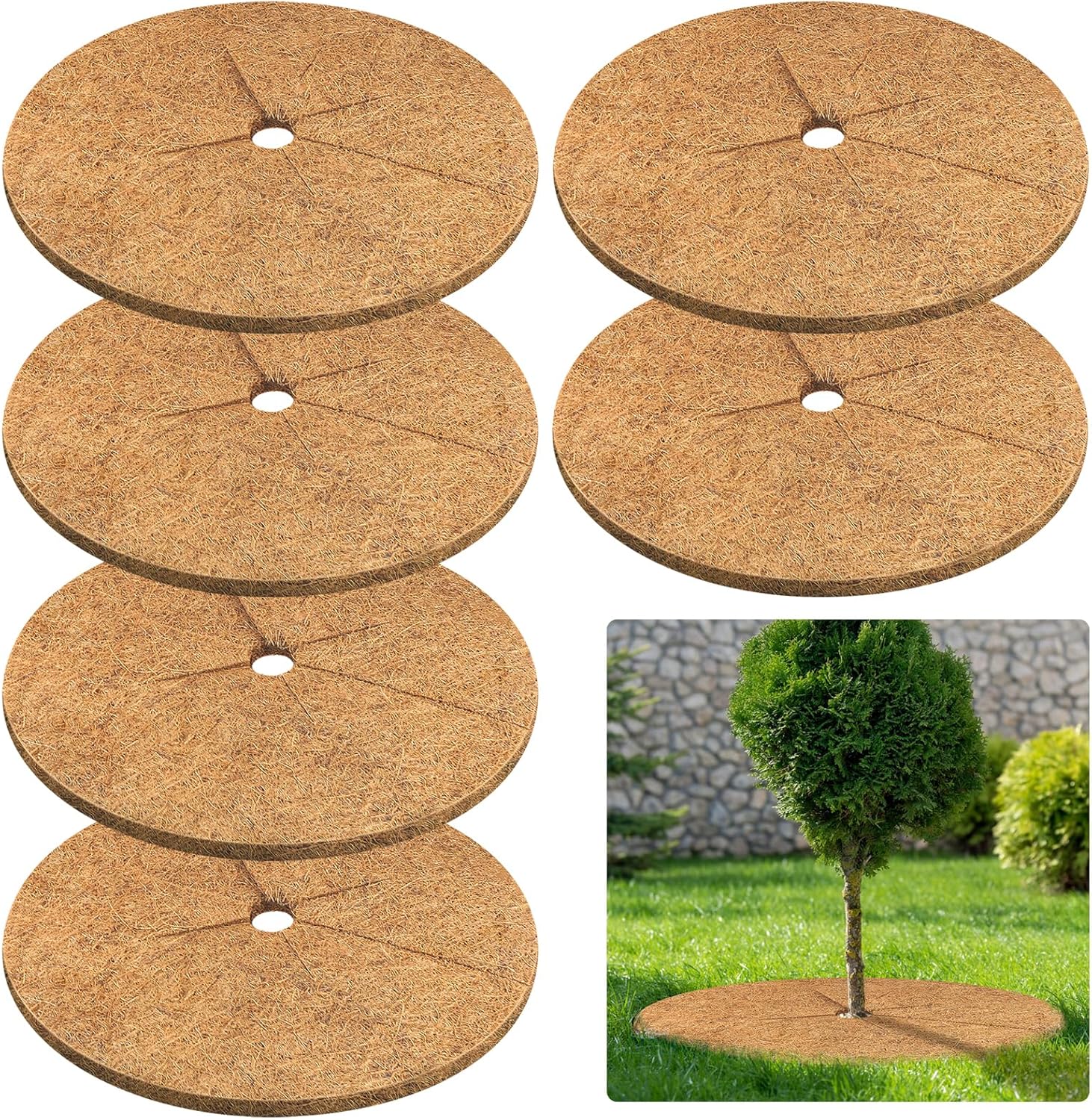
| Material | Coconut Fiber |
|---|---|
| Diameter | 24 inch |
| Thickness | 0.28 inches |
| Quantity | 6 pack |
These Legigo coconut fiber mulch rings are simple, no-frills tree protectors intended to sit around trunks or pot rims to conserve soil moisture and block weeds. Each 24-inch round mat is made from dense coconut fiber about 1/4 inch thick, so you lay a ring around the base of a tree or shrub and trim the center to fit the trunk. In practice they help reduce evaporative loss, keep soil looking tidy, and create a barrier that limits grass and weed encroachment and casual digging. The mats are lightweight and easy to position, making them practical for larger landscapes, nurseries, or container groupings. Because they are natural fiber they will slowly break down over time, which is helpful for adding organic matter but means you may need to replace them after a season or two in very wet climates. They do not anchor themselves, so on steep slopes or very windy sites you may need pins or extra finish mulch to hold them in place.
Best for: Gardeners who want a low-maintenance, natural-looking way to conserve soil moisture and keep the base of trees and large pots tidy, without using synthetic materials.
Less Ideal for: People looking for a permanent, heavy-duty mulch barrier or a product that stays fixed on steep or exposed slopes should consider alternatives with anchors or heavier construction.
- Natural coconut fiber retains moisture and slowly adds organic matter as it decomposes.
- 24-inch diameter covers a broad area around trunks or pots to suppress weeds and reduce grass encroachment.
- Lightweight and easy to trim so you can fit the ring neatly around different trunk sizes or container rims.
- Thin profile lies flat and keeps the planting area looking tidy without bulky buildup.
- Natural fiber will break down over time and may need periodic replacement in very wet conditions.
- No built-in anchoring; rings can shift on slopes or in high winds without additional pinning.
Verdict: A natural, easy-to-use coconut fiber ring that conserves moisture and tidies the area under trees, ideal for gardeners who want an eco-friendly seasonal ground cover.
Rocky Mountain Goods 24-Inch Recycled Rubber Tree Mulch Ring (Pack of 4)
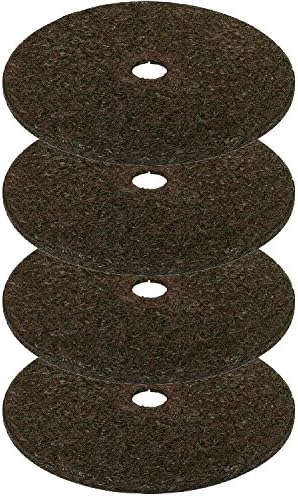
| Material | Recycled heavy duty rubber |
|---|---|
| Diameter | 24-Inch |
| Package Quantity | Pack of 4 |
These recycled rubber tree mulch rings form a low-maintenance weed barrier around the base of small to medium trees. They lie flat on the soil, creating a uniform protective ring that keeps grass and weeds away without the need for landscape staples. The heavy-duty rubber construction is dense enough to stay in place and is safe to mow over, so routine lawn maintenance can continue without removing the mat. The porous textured design allows water to seep through for even watering of the root zone while providing a natural look around the trunk. Installation is simple since the rings are ready to place and do not rely on loose mulch that can wash away. Limitations to note are that these rings only cover the surface area under the canopy and do not replace the need for deeper mulch layers for moisture retention or insulating roots in extreme climates, and they are best for trees with a clear planting ring rather than irregular beds.
Best for: Buyers who prioritize a durable, low-maintenance solution to keep weeds away and maintain a tidy tree base with minimal ongoing work.
Less Ideal for: Gardeners who need deep organic mulch for soil improvement, heavy moisture retention, or for very irregular planting beds should consider traditional mulch or larger coverage options.
- Made from recycled heavy-duty rubber so the rings are durable and long-lasting.
- Mower-safe design lets you mow close to trees without the mat getting caught.
- Porous texture permits even water seepage to the root zone.
- No landscape staples or complex installation required for quick placement.
- Covers only surface area and does not provide the depth of organic mulch for soil insulation or nutrient addition.
- May not conform perfectly to irregular or multi-stemmed tree bases without trimming.
Verdict: Choose these recycled rubber tree rings when you want a durable, mower-safe, low-maintenance weed barrier that keeps tree bases clean and evenly watered.
Plantonix Coco Chips Mulch Brick (10 lb) – Compressed Coconut Husk Chips

| Unit Count | 160 Ounce |
|---|---|
| Item Type Name | Soil and Soil Amendments |
| Brand Name | plantonix |
| Volume | 15 gallons |
Plantonix Coco Chips arrive as a compact 10 pound brick that hydrates and expands into lightweight coconut husk chips for use as mulch, soil amendment, or terrarium bedding. You soak or wet the block to break it apart, then spread the chips over garden beds, containers, orchid pots, or raised beds to reduce evaporation and moderate soil temperature. The product is pre-screened, washed, and aged to remove dirt and rocks, and the low electrical conductivity and near-neutral pH make it safe to mix with potting mixes. Practical benefits include improved drainage and aeration compared with heavy wood mulches, long-lasting moisture retention that can reduce watering frequency, and an attractive tropical look. Important limitations are that you must rehydrate and break up the compressed brick before use which adds prep time, and coco chips do not supply nutrients so you will still need to fertilize regularly. Also note the safety warning about dust and keeping it away from children and pets during handling.
Best for: Buyers who prioritize reliable, consistent mulch performance and want a sustainable, low-maintenance material that retains moisture and improves soil structure for beds and containers.
Less Ideal for: Gardeners who need a nutrient-rich soil amendment or who prefer a no-prep, ready-to-spread loose mulch should consider alternatives.
- Made from 100% recycled coconut husks, a renewable alternative to peat and wood mulches
- Pre-screened and washed to remove dirt, rocks, and excess fiber
- Excellent at retaining moisture while maintaining airflow and drainage
- Lightweight and long-lasting so it does not compact like some organic mulches
- Requires soaking and manual breakup of the compressed brick before use
- Does not provide plant nutrients and should be used with a fertilizer plan
Verdict: A dependable, renewable mulch solution that holds moisture and improves aeration without compacting, ideal for gardeners who want consistent performance.
suiwotin 24.4" Non-Woven Tree Mulch Rings, 2-Pack (with 12 Stakes)

| Outer Diameter | 24.4"/62cm |
|---|---|
| Inner Diameter | 2.76"/7cm |
| Thickness | 0.08"/2mm |
| Quantity | 2 pieces plus 12 stakes |
These non-woven tree mulch rings are a simple, budget-friendly option for keeping the area around tree bases tidy and weed-free. Each set includes two 24.4-inch outer diameter rings with pre-cut inner openings and twelve stakes for anchoring. The breathable, high-density fabric blocks weed growth while allowing air and moisture to pass through so roots stay healthy. Installation is straightforward: place the split ring around the trunk and secure it with the included stakes to keep the mat flat against the soil. Practically, the rings reduce the need for frequent hand-weeding and create a neat, low-maintenance ring that protects trunks from mower and trimmer damage. Limitations are that the inner diameter is small so they suit young trunks and will not expand as a tree grows, and the thin fabric and light stakes are better for calmer conditions and sheltered yards rather than exposed, high-traffic sites. For routine tree-base mulching on a tight budget these rings do the job without fuss.
Best for: Practical homeowners or gardeners who want a low-cost, low-effort solution to keep tree bases weed-free and protected from lawn equipment.
Less Ideal for: Not a good choice for large established trees that need wider mulch coverage or for sites that demand heavy-duty, long-term anchoring in exposed conditions.
- Breathable non-woven fabric lets air and water reach roots while suppressing weeds
- Pre-cut split design and included stakes make installation quick and tool-free
- Two rings per pack cover multiple young trees or give extra replacement
- Lightweight and reusable for seasonal repositioning or relocation
- Inner diameter is small and will not accommodate or expand with larger trunks
- Material and stakes are basic and less durable in very windy or high-traffic locations
Verdict: A cheap, easy-to-install pair of breathable mulch rings that quickly reduces weeds and protects young tree trunks at the base.
GUXPCH Non-Woven Tree Mulch Rings, 30-Pack (32.2 inch)

| Package quantity | 30 pcs |
|---|---|
| Product function | Weed suppression and moisture retention |
| Material | Non-woven fabric |
These non-woven tree mulch rings are intended to sit around the base of young and established trees to block weeds, reduce evaporation, and let water and air reach roots. The pack contains 30 round mats that you place directly on soil around the trunk; their breathable fabric permits water and nutrients while limiting light that encourages weed growth. The material is described as tear-resistant and reusable, so you can lift, clean, and reposition the rings seasonally. In practice they simplify routine maintenance by cutting down hand-weeding and helping the soil hold moisture between waterings. They are ideal for large plantings or properties because the 30-piece quantity covers many trees or repeat replacements. Limitations are that the rings are a passive surface barrier only and do not prevent roots from aggressive weeds beneath the fabric, and they do not replace proper mulch depth or soil care for long-term tree health.
Best for: Buyers who prioritize reliable, low-maintenance tree base protection and want a reusable, ready-to-deploy solution for multiple trees or large lawns.
Less Ideal for: Gardeners who need a permanent weed barrier against deep-rooted or invasive species or who prefer organic loose mulch that adds soil nutrients over time.
- Breathable fabric lets water and air reach roots while reducing surface evaporation
- Non-woven material is described as durable and reusable for multiple seasons
- Large 30-piece pack suits properties with many trees or staggered replacements
- Easy to install: lays flat around tree bases with no tools required
- Does not stop underground or perennial weeds that grow through or beneath the fabric
- Serves as a surface barrier only and cannot replace proper mulch layering or soil amendments
Verdict: A practical, reusable 30-pack of breathable tree rings that reliably reduces surface weeds and moisture loss around tree bases.
ZeeDix 24-inch Coconut Fiber Tree Ring Mulch Mat, 6 Pack

| Package quantity | 6 pack |
|---|---|
| Diameter | 24 inches |
| Material | Coconut coir |
These coconut fiber tree rings are a simple, natural ground cover for trees and larger potted plants. Made from coconut coir, each 24-inch ring sits around the trunk to block weeds, reduce soil splash when watering, and help the root zone retain moisture and moderate soil temperature. They arrive ready to place and can be trimmed for a closer fit around trunks or pots. The rings are breathable so water drains through while still holding moisture near roots, and the natural fiber gives a tidy, low-profile look under trees or on patios. Because they are an organic material they will slowly break down outdoors, which is useful for adding organic matter but means they will need replacement over time. They do not physically anchor to the ground, so in windy locations or where animals dig they may shift and will not replace a rigid tree guard. For gardeners who want a low-maintenance, natural-looking mulch solution, these rings simplify weed control and improve the appearance around trunks.
Best for: Gardeners who want a natural, low‑maintenance ground cover to tidy the base of trees and retain soil moisture without installing rigid guards.
Less Ideal for: Those needing a long-term, permanent barrier against pests or erosion or anyone who requires a heavy anchored solution for high-wind or high-traffic areas.
- 100% coconut coir provides natural, breathable mulch that retains moisture
- Pre-cut ring shape makes installation quick and easy around trunks or pots
- Improves appearance and reduces soil splash and surface weeds
- Can be trimmed to fit different trunk sizes or pot diameters
- Organic coir will decompose over time and require periodic replacement
- Not anchored or heavy enough to resist digging or strong winds
Verdict: Choose these coconut coir rings when you want a natural, easy-to-install mulch that suppresses weeds and keeps the area around trees neat while improving moisture retention.
Choosing the Right Mulch for Tree Base: Key Factors to Consider
Moisture Regulation
Mulch affects how long water stays near the root zone. Materials with fine particles or dense mats can hold water and keep soil moist, which is beneficial in drought-prone areas but risky where soil drains poorly. Conversely, very coarse or reflective mulches may not retain enough moisture for young trees. Consider your soil texture and local rainfall patterns. In clay soils a less moisture-retentive option that improves aeration can prevent root suffocation, while sandy soils often benefit from mulches that conserve water between irrigations.
Think about seasonal shifts: mulches that store heat and moisture can protect roots in winter but may slow soil warming in spring. Choose a material that matches the balance between moisture retention and drainage your trees need.
Root Safety and Trunk Collar Health
Where mulch sits in relation to the trunk matters more than the exact product. Any mulch piled against the bark can trap moisture against the trunk and promote rot or pest entry. Materials that compact or form a continuous layer are more likely to create a persistently wet environment at the collar. The best choices allow a natural air exchange and are easy to maintain at the recommended depth and clearance from the trunk.
Plan for a shallow, even layer and maintain a mulch-free ring immediately around the trunk base. Consider how easily the mulch can be raked away for inspections and how often it needs refreshing to avoid build-up that could damage the bark.
Decomposition Rate and Soil Nutrition
Some organic mulches break down quickly and supply nutrients to the root zone, which is helpful when you want to improve soil organic matter. Fast-decomposing materials require more frequent top-up and may briefly immobilize nitrogen if incorporated into the soil ecosystem. Slow-decomposing mulches provide longer-lasting coverage and less frequent maintenance but add organic matter more gradually.
Match decomposition expectations to your maintenance plans. If you prefer a low-work approach, choose a stable material that lasts a season or more. If soil building is a priority, select a mulch that contributes organic matter and plan for periodic replenishment.
Particle Size and Physical Stability
Particle size determines how well a mulch resists wind and washout, how it compacts, and how it interacts with water. Large chips and chunks resist displacement and maintain voids that let air and water move, while fines and dusty materials can form a dense layer that sheds water or matts down, limiting gas exchange.
For sloped sites or areas prone to heavy rain, choose a more stable particle structure that will not migrate downslope. In exposed windy areas, heavier or coarser mulches stay put longer. Balance stability with the need to avoid a barrier that prevents rainfall from reaching the soil.
Pest, Disease, and Weed Considerations
Certain mulches can encourage rodents, slugs, or fungi if they create dark, persistently damp microhabitats. Fresh wood chips and bark may attract wood-boring insects in some regions, while fine organic dust can shelter slugs. Some inorganic mulches reduce weed pressure effectively but may affect soil temperature and moisture. Consider local pest pressures and the proximity of vegetable beds or delicate understory plantings that might be affected.
Regular inspection and maintaining recommended mulch depth reduces pest and disease risks. Choose materials that are less likely to harbor pests in your climate and plan physical barriers or treatments if rodents are a concern.
Maintenance and Practical Handling
Different mulches require different levels of upkeep. Lightweight or fine mulches may need frequent replenishment and careful raking to keep a uniform depth. Bulkier materials last longer but can be harder to spread around existing plants without damaging roots. Consider how you will source, transport, and apply the mulch, and whether you need tools or helpers for larger trees.
Also think about compatibility with lawn mowers, edging needs, and whether you prefer a tidy, formal look or a more naturalistic forest-floor appearance. Choose a product that fits your time and physical resources for ongoing maintenance.
Best Practices for Mulch Depth and Placement
Keep mulch depth shallow and even: about 2 to 4 inches is appropriate for most materials. Deeper layers increase the risk of waterlogging and root suffocation, especially near the trunk. Maintain a clear ring of bare soil or a narrow gap around the trunk to avoid direct contact between mulch and bark.
Spread mulch outward toward the tree's dripline rather than piling it close to the trunk. A broader mulch bed supports feeding roots that extend well beyond the visible canopy, and it reduces competition from grass and weeds. Periodically check for signs of piling and thin or redistribute layers as needed.
- Avoid creating a mulch volcano against the trunk
- Rake to prevent matting and improve aeration
- Refresh annually rather than adding thin layers continuously
Organic Versus Inorganic Mulches: Tradeoffs
Organic mulches such as wood chips, shredded bark, or leaf compost add nutrients over time and improve soil structure, but they decompose and require topping up. They also support soil life and help with long-term moisture retention.
Inorganic mulches like rubber or landscape fabric resist decomposition and reduce maintenance, but they do not contribute organic matter and can interfere with soil warming and gas exchange. They may be suited to specific ornamental situations but are often less favorable for long-term tree health.
- Organic: improves soil biology, needs replenishing
- Inorganic: low maintenance, no soil-building benefit
Matching Mulch Choice to Tree Age and Species
Young trees often need mulches that conserve moisture and encourage root establishment without compacting. Fine, moisture-retentive mulches can help seedlings and saplings but require careful monitoring to avoid collar contact. Mature trees benefit from thicker, coarser mulches placed farther from the trunk to protect established roots and reduce competition.
Consider species-specific needs: drought-tolerant trees may prefer less-retentive mulches, while species from moist forest understories may do better with organic layers that mimic their native forest floor. Adjust mulch strategy to the tree's water needs and growth habit.
- Saplings: moderate depth, easy-to-adjust materials
- Mature trees: coarser, longer-lasting mulches applied wider
Site Conditions That Affect Mulch Performance
Slope, drainage, and exposure change how mulch behaves. On steep banks choose heavier or coarser materials that resist runoff. In compacted or poorly drained soils prefer mulches that improve aeration and avoid ones that will trap moisture against roots.
Local climate plays a role: in regions with heavy rainfall choose materials that shed excess water or allow quick drainage. In hot, dry climates prioritize mulches that meaningfully reduce evaporation and moderate soil temperature swings.
- Slopes: use coarse or anchored mulches
- Poor drainage: favor airy, faster-draining options
- Arid climates: prioritize moisture-retentive organic mulch
How to Refresh and Reuse Mulch
Plan periodic topping rather than continuous thin additions. Remove any compacted or moldy layers before adding fresh material. Composting or aging fresh wood-based mulches for a season reduces the risk of nitrogen drawdown and fungal issues.
Reuse natural mulches where they remain disease-free and do not harbor pests. When replacing materials, remove the old layer if it has formed a dense mat to restore soil aeration before spreading new mulch.
- Inspect annually and replace compacted layers
- Age fresh wood chips before use when possible
- Avoid mixing incompatible materials that suppress drainage
How We Chose the Best Mulch for Tree Base
We selected mulches that perform well around tree trunks in typical home and landscape settings. Our editorial filters prioritized materials that balance moisture retention without causing prolonged saturation at the trunk collar, allow oxygen exchange to roots, and resist settling into a compacted, impenetrable layer. We considered decomposition rate and soil-building benefit, since some gardeners want long-term organic enrichment while others prefer low-maintenance stability. Physical properties such as particle size, tendency to float or wash away in heavy rain, and likelihood of harboring pests or fungal growth were included. Practical handling factors like ease of spreading, safety for nearby lawn or plantings, and availability in bulk or bag formats were also weighed. Exclusions included products intended solely for playgrounds, heavy industrial bark designed for commercial forestry, or decorative stones that are not suitable for breathable root zones. The final list reflects materials suited for tree-base health, moisture management, and long-term soil structure.
FAQ
How close to the trunk should mulch go?
Keep mulch a few inches away from the trunk base. A small gap prevents persistent moisture against the bark and reduces the risk of rot and pests while still protecting roots further out.
What is the ideal mulch depth at a tree base?
Aim for about 2 to 4 inches of mulch over the root zone. Thinner layers reduce collar problems while still providing moisture retention and weed suppression.
Can I use fresh wood chips directly from tree pruning?
Fresh chips can be used but may be better aged first. Fresh wood can temporarily tie up nitrogen as it decomposes and may increase fungal activity; composted or aged chips are gentler on young roots.
Will mulch attract rodents or pests to my trees?
Some mulches can provide shelter for rodents and certain insects if piled deep or placed against the trunk. Keeping mulch shallow, maintaining a trunk gap, and choosing less hospitable materials reduces that risk.
How often should I replenish mulch around trees?
Replenish organic mulches annually or as needed when the layer drops below recommended depth. Faster-decomposing materials may need topping more frequently, while coarse mulches can last multiple seasons.
Is it okay to use stone or gravel at the tree base?
Stone reduces organic matter input and can alter soil temperature and moisture. It may be appropriate in decorative beds, but for long-term tree health organic mulches that build soil are usually preferable.
Final Verdict
Choosing the right mulch for tree bases is about balancing moisture control, root collar health, and long-term soil improvement. Prioritize materials that allow aeration at the trunk, match your local drainage and climate, and fit your maintenance rhythm. Keep mulch shallow, avoid direct trunk contact, and refresh or replace layers based on decomposition and site conditions. With those tradeoffs in mind you can select a mulch that protects roots and supports healthy growth without creating collar or pest problems.
