

Note: This article contains affiliate links. If you click on these links and make a purchase, I may earn a small commission at no extra cost to you. This helps support my research and content. Read my full affiliate disclosure here.
If you want greenery in dim corners, choosing the right plants matters more than quantity. Low-light environments-north-facing rooms, bathrooms with small windows, or offices under fluorescent lamps-require species that survive with limited sun and tolerate variable indoor conditions. This guide shortlists seven proven plants for low light and explains practical care differences you will notice in a real home or office. We evaluated candidates for light tolerance, watering needs, and resilience to common indoor stressors so you can pick an option that fits your schedule and space. Read on to understand how each plant behaves and why it made the shortlist.
Top Picks at a Glance
| Best Overall The best all-around choice for most situations | Costa Farms Snake Plant (Sansevieria) — Live Indoor Air‑Purifying Plant in Decorative Pot |  |
| Best Quality Built to a higher standard if you want something more solid | Costa Farms Peace Lily Live Indoor Plant in Decorative Pot (6-in) |  |
| Best Value The sweet spot between price and what you get | Plants for Pets Essential Houseplant Collection 4-Pack (4.25" nursery pots) | 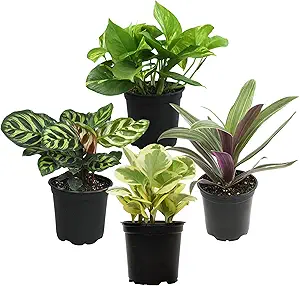 |
| Best Budget The cheapest option that still gets the job done reliably | Altman Plants Sansevieria Laurentii (Snake Plant), 4 in Grower Pot |  |
| Highest Rated A top-rated pick with lots of positive feedback | Live ZZ Plant in Spencer Bamboo Planter by Wild Interiors |  |
| Best Seller A high-volume bestseller chosen again and again | Plants for Pets Pothos 4-Pack (4" Assorted) |  |
Costa Farms Snake Plant (Sansevieria) — Live Indoor Air‑Purifying Plant in Decorative Pot

| Indoor Outdoor Usage | Indoor |
|---|---|
| Other Special Features of the Product | Air Purification, Drought Tolerant, Low Maintenance |
| Sunlight Exposure | Partial Sun |
| USDA Hardiness Zone | 3 |
| Moisture Needs | Moderate Watering |
The Costa Farms Snake Plant is a resilient live houseplant prized for its upright, architectural leaves and easy care. It comes potted in a decorative planter and is suited to tabletop, desk, or narrow-floor placements where space is limited. The plant tolerates a wide range of light conditions from bright, indirect to low light and needs infrequent watering, making it a practical choice for busy homes and offices. Notable features include natural air‑purifying ability, drought tolerance, and packaging intended to arrive ready to display. In use you can set it in a dim corner or near a window with indirect sun and water sparingly — about a couple cups weekly or less depending on indoor humidity. Limitations are that it will not bloom and varieties may look different from photos because of natural variation, and it is toxic if ingested so it should be kept away from children and pets. For someone seeking a low‑effort, long‑lasting decorative plant, this delivers reliable visual impact with minimal upkeep.
Best for: Buyers who want a low‑maintenance, attractive houseplant that thrives in low‑light indoor spaces with minimal watering and fuss.
Less Ideal for: People who need a pet‑safe edible plant, want flowering houseplants, or prefer highly personalized cultivar patterns.
- Tolerates low and indirect light so it works in dim rooms
- Low watering needs and drought tolerant for busy owners
- Comes in a decorative pot ready to display
- Vertical, sculptural foliage fits narrow spots and modern decor
- Toxic to pets and children if ingested
- Does not produce blooms
Verdict: An easy, virtually fuss‑free snake plant that brings sculptural greenery and air‑purifying benefits to low‑light rooms.
Costa Farms Peace Lily Live Indoor Plant in Decorative Pot (6-in)

| Indoor Outdoor Usage | Indoor |
|---|---|
| Other Special Features of the Product | Air Purification, Flowers |
| Sunlight Exposure | Partial Sun |
| Moisture Needs | Regular Watering |
| Product Care Instructions | Bright, Indirect Sunlight; Water 1 cup once a week |
This Costa Farms Peace Lily arrives potted and ready to display, offering broad dark green leaves and the white, calla-like blooms peace lilies are known for. It is typically used as a tabletop or corner plant where it receives bright, indirect light but will tolerate lower-light rooms, making it suitable for living rooms, offices, or bedrooms. Notable features include its air-purifying reputation and low-maintenance care routine of roughly one cup of water once a week and bright indirect sun; the decorative bamboo-style pot is non-draining to avoid spills during shipping. Practical benefits include an instant decorative statement without repotting, straightforward weekly watering cues from leaf droop, and moderate growth that does not demand frequent intervention. Important limitations are that the shipped container has no drainage holes so repotting is needed for long-term health, and it prefers higher humidity and bright indirect light to bloom best, so truly dark rooms will limit flowering. The plant is hardy only in warm USDA zones and, as a living product, individual specimens may vary in size and appearance.
Best for: Buyers who want an easy-care, attractive indoor plant that adds greenery and occasional blooms to lower-light rooms without complex maintenance.
Less Ideal for: People seeking a plant that will reliably flower in dim rooms or those unwilling to repot into a draining container for long-term health.
- Arrives pre-potted and display-ready for immediate use indoors
- Tolerates lower light while performing best in bright, indirect light which helps blooms
- Simple weekly watering routine with visible leaf cues for watering needs
- Decorative pot and foliage provide instant visual impact without extra styling
- Shipping pot lacks drainage holes so repotting is recommended for long-term growth
- Performs best with higher humidity and may not bloom in very low-light or dry indoor conditions
Verdict: A low-effort, decorative houseplant that brings green foliage and occasional white blooms to lower-light interiors while requiring only simple weekly care.
Plants for Pets Essential Houseplant Collection 4-Pack (4.25" nursery pots)

| Indoor Outdoor Usage | Indoor, Outdoor |
|---|---|
| Other Special Features of the Product | Air Purification, Compact, Low Maintenance |
| Sunlight Exposure | Partial Sun |
| Soil Type | Loam Soil |
| Moisture Needs | Regular Watering |
This 4-pack from Plants for Pets delivers four small, greenhouse-grown houseplants selected from popular, low-maintenance varieties such as Pothos, Philodendron, Calathea, Peperomia and similar foliage plants. Each plant ships in a 4.25-inch grower pot and is intended for bright indirect to medium light, making the set well suited to apartments, offices, and darker corners that still receive filtered light. The assortment approach is convenient for someone building a mixed indoor collection quickly and it reduces the work of picking individual species. Plants arrive already potted in loam mix and the listing emphasizes air-purifying varieties and simple care: water when the topsoil dries and fertilize occasionally. Because the contents rotate seasonally, you may receive different species from one order to the next, which is useful for variety but means you cannot choose exact plants. Also pot size limits long-term display without repotting as plants grow. For buyers who want an easy-start, low-light friendly starter set, this pack is practical and space-efficient; expect to repot or separate plants as they mature.
Best for: Someone who wants a low-effort way to start or expand an indoor houseplant collection and values variety and straightforward care over picking exact species.
Less Ideal for: Buyers who need a specific plant variety, mature specimen, or larger potted plants for immediate long-term display should look elsewhere.
- Includes four assorted, easy-care indoor varieties good for bright indirect or medium light
- Ships in small nursery pots ready to display or integrate into a mixed collection
- Plants are greenhouse-grown and selected for health, reducing early transplant stress
- Assortment increases variety for building a houseplant collection quickly
- Contents rotate seasonally so you cannot select specific species
- 4.25-inch pots are small and will require repotting as plants grow
Verdict: A convenient, low-maintenance starter pack for building a mixed indoor collection that performs well in bright indirect or medium light.
Altman Plants Sansevieria Laurentii (Snake Plant), 4 in Grower Pot

| Indoor Outdoor Usage | Indoor, Outdoor |
|---|---|
| Other Special Features of the Product | Low Maintenance |
| Sunlight Exposure | Full Sun |
| USDA Hardiness Zone | 10, 11, 12 |
| Soil Type | Sandy Soil |
The Altman Plants Sansevieria Laurentii is a small, variegated snake plant that delivers the classic, upright foliage of Laurentii in an easy-to-manage 4-inch grower pot. It is typically used as a low-light houseplant for desks, shelves, and small corners where height and structure are wanted without demanding care. Notable features include strong low-light tolerance, drought resistance, and a fully rooted starter pot so you can place it straight into your home. Practical benefits are straightforward: it needs only occasional watering, survives neglect, and adds a clean vertical accent while helping filter indoor air. Important limitations are its modest finished size and the small nursery pot, which means you may need to repot within months if you want faster growth or a larger presence; also it is rated for warmer USDA zones if placed outdoors. For someone prioritizing an affordable, low-effort houseplant this is a reliable choice but expect to invest in a larger pot later if you want a bigger specimen.
Best for: Buyers who want a very low-maintenance, space-saving houseplant for low-light rooms and who prefer a plant that survives occasional neglect.
Less Ideal for: Those seeking an immediate large statement plant or buyers who do not want to repot a nursery-grown specimen as it matures.
- Tolerant of low and varied light levels making it suitable for dim rooms
- Low watering needs and drought tolerant so it survives busy schedules
- Arrives fully rooted in a grower pot ready to display or repot
- Variegated leaves add visual interest and vertical structure to small spaces
- Sold in a small grower pot so repotting may be needed to achieve larger size
- Best suited to warmer hardiness zones if used outdoors
Verdict: An inexpensive, nearly indestructible variegated snake plant ideal for low-light rooms and fuss-free care.
Live ZZ Plant in Spencer Bamboo Planter by Wild Interiors

| Sunlight Exposure | Partial Sun |
|---|---|
| Soil Type | Well-draining soil. |
| Moisture Needs | Regular Watering |
| USDA Hardiness Zone | 2 |
This Live ZZ Plant arrives potted in a Spencer bamboo planter and is designed as a low-maintenance indoor accent for low-light rooms. The ZZ plant is known for glossy, upright stems and tolerance of a range of indoor light levels, so it works well on desks, shelves, or corners that receive only indirect light. The included bamboo planter gives a finished look for immediate display without needing to repot, and greenhouse-grown stock from an established grower helps ensure a healthy specimen on arrival. Practical benefits include minimal watering needs and resilience to occasional neglect, which suits busy households and offices. Important limitations are that it still needs well-draining soil and regular but infrequent watering, and like other houseplants it will eventually outgrow the 5-inch pot and require repotting for long-term health. If you want a fuss-free, attractive plant that performs reliably in low light and comes ready to display, this is a sensible choice.
Best for: Buyers who want a reliable, low-effort indoor plant for low-light spaces and prefer a ready-to-display planter that minimizes setup.
Less Ideal for: Collectors who want large, fast-growing specimens or those seeking a long-term planter solution without future repotting.
- Tolerates low to bright indirect light, suitable for rooms with limited natural light
- Arrives planted in a decorative bamboo planter ready for immediate display
- Low-maintenance and drought-tolerant, reducing the need for frequent care
- Greenhouse-grown stock increases the likelihood of receiving a healthy plant
- Comes in a small pot and will need repotting as it grows
- Requires well-draining soil despite being low-maintenance
Verdict: A hassle-free, attractive ZZ plant that reliably thrives in low-light indoor spots and comes ready to display in a bamboo planter.
Plants for Pets Pothos 4-Pack (4" Assorted)

| Indoor Outdoor Usage | Indoor |
|---|---|
| Other Special Features of the Product | Air Purification |
| Sunlight Exposure | Full Sun |
| Moisture Needs | Regular Watering |
| USDA Hardiness Zone | 3 |
This four-pack delivers beginner-friendly pothos varieties that suit low-light rooms and simple indoor care routines. Each plant comes rooted in a 4" nursery pot and the assortment rotates between familiar types such as Marble Queen, Golden, Neon, and Satin, so you get visual variety without extra effort. Pothos are typically grown in hanging planters, on shelves, or trained up a support; they prefer bright, indirect light but tolerate lower light levels that many apartments and offices have. The listing emphasizes air-purifying benefits and gives clear care guidance: allow the soil to dry between waterings and keep temperatures above about 60 F. Practical strengths are resilience, fast trailing growth for a lush look, and compatibility with common indoor spots like living rooms, kitchens, or bathrooms. Limitations are that you may receive different varieties than pictured and plants arrive in small 4" pots, so plan to repot sooner if you want bigger specimens or longer-term display without frequent watering.
Best for: Buyers who want low-maintenance greenery for indoor spaces and prefer reliable, easy-to-care-for plants that tolerate lower light and occasional neglect.
Less Ideal for: Growers seeking large, mature plants ready for instant statement displays or those who want guaranteed, specific rare varieties.
- Easy to grow and tolerant of low to bright indirect light
- Four different varieties provide visual variety in one purchase
- Ships in small nursery pots that establish quickly and are ready for hanging or shelving displays
- Listed care guidance is straightforward for first-time plant owners
- Arrives in 4" pots so plants may need repotting soon for faster growth or long-term display
- Specific varieties are not guaranteed and assortment can vary
Verdict: A simple, low-maintenance way to add trailing, low-light-friendly pothos to your home with minimal fuss.
Choosing the Right Plants for Low Light: Key Factors to Consider
Actual Light Level and Duration
Not all low-light situations are the same. A north-facing room with a single small window still provides more usable light than an inner bathroom with no natural light. Consider how many hours per day the spot receives bright, indirect, or truly low ambient light.
Plants that tolerate low light often need at least some indirect light for part of the day. Assessing duration helps you choose species that will maintain leaf color and growth rather than stretching and producing thin, weak foliage.
Watering Frequency and Soil Drainage
Low-light plants typically use less water because they photosynthesize more slowly. That reduces evaporation and soil drying times. Choose plants that match how often you realistically water; if you tend to forget, pick species with higher drought tolerance.
Good potting mix and proper drainage are critical because wet soil in low light invites root rot. A fast-draining indoor mix and a pot with drainage holes reduce the risk of overwatering even when light is limited.
Humidity Needs and Indoor Climate
Some shade-tolerant plants also prefer higher humidity, which makes them better suited to bathrooms, kitchens, or homes with humidifiers. Others tolerate average indoor humidity and dry air from heating systems.
Match a plant's humidity preference to your space. If your home is very dry in winter, favor species that tolerate low humidity or plan simple humidity boosts like pebble trays or occasional misting.
Size at Maturity and Growth Habit
Space constraints matter. A plant that stays compact works for shelves and desks, while a trailing or upright grower fits hanging baskets or floor pots. Growth rate affects maintenance-fast growers need more frequent pruning and repotting, while slow growers require less attention.
Consider how tall or wide the plant will get and whether you want a specimen that fills vertical space, climbs, or drapes. This helps prevent surprises and keeps the plant manageable in low-light conditions.
Pest Susceptibility in Low-Light Conditions
Pests like spider mites and scale can still appear on indoor plants, sometimes more in stressed, low-light specimens. Plants that are naturally resilient or have tougher leaves often resist infestations better.
Inspect new plants before bringing them inside and choose hardy species if you want minimal pest management. Routine checks and cleaning dust from leaves reduce pest pressure and help the plant make the most of available light.
Maintenance and Propagation Ease
Low-light setups often appeal to busy gardeners, so ease of routine tasks is important. Look for plants that tolerate pruning, are simple to propagate, and bounce back after a period of neglect.
Plants that root easily from cuttings or that respond well to occasional feeding and trimming fit well in low-light interiors because they can be refreshed without complex care regimes.
Where Low Light Works Best
Low light inside a home usually means indirect windows, shaded corners, or rooms lit mainly by artificial sources. Outdoors, low light can occur under deciduous trees or on shaded patios. Understanding the difference between filtered light and true deep shade helps you place a plant where it will thrive rather than just survive.
- North-facing windows provide cool, indirect light that suits many shade-tolerant plants.
- Artificial light from office fixtures supports some varieties but may need supplemental hours if true darkness occupies most of the day.
- Filtered sun through curtains or a sheer panel can be enough for plants that prefer bright indirect light rather than absolute shade.
Practical Potting and Soil Tips for Dim Spots
Use a potting mix that balances moisture retention with drainage. In low light, soils dry slowly so mixes with perlite or coarse sand help prevent waterlogging. Avoid heavy garden soils that compact in pots and suffocate roots.
Elevate pots on feet or trays with drainage to avoid sitting in water. Clean leaves occasionally to remove dust that can further reduce light absorption. If you repot, choose a slightly larger container only when roots show a clear need to prevent excess moisture retention.
- Choose containers with drainage holes and breathable materials when possible.
- Top-dress with a fresh layer of soil every year to replenish nutrients without disturbing roots unnecessarily.
Placement and Rotation Strategies
Rotate plants periodically so all sides receive equal light and growth remains balanced. Move plants closer to windows during darker months and a little farther back when daylight strengthens.
Group plants with similar light and humidity needs together to create microclimates that reduce the need for individualized care. Small adjustments in position often yield better vigor than frequent changes in water or fertilizer.
- Place humidity-loving species near sinks or showers.
- Use shelves or plant stands to create graded light zones from brightest to dimmest.
Simple Troubleshooting for Common Issues
Leggy growth, pale leaves, and slowed growth are common signs of insufficient light. Before changing water or fertilizer routines, try moving the plant to a slightly brighter spot or cleaning its leaves.
Yellowing leaves often indicate overwatering in low light. Reduce watering frequency and check soil moisture by feeling the top inch. When pests appear, isolate the plant and treat with gentle methods like wiping leaves or using insecticidal soap appropriate for indoor use.
- Trim leggy stems to encourage fuller growth.
- Inspect undersides of leaves for early pest detection.
How We Chose the Best Plants for Low Light
To compile these seven plants for low light, we applied practical, garden-focused filters that matter for indoor and shaded outdoor spots. We prioritized species with documented shade tolerance and a track record of surviving indirect or weak light conditions common in homes and offices. Ease of care was assessed by watering frequency, drought tolerance, and sensitivity to root disturbance. Other important criteria included adaptability to typical indoor temperatures and humidity, pest and disease resilience in low-light settings, and availability of common propagation or replacement methods. We excluded plants that need bright indirect light, high humidity, or extensive seasonal maintenance. Plants that require specialized equipment such as grow lights or constant misting were not considered. The final list balances plants that are forgiving for beginners with options that still satisfy experienced growers who want low-effort greenery.
FAQ
Can any plant survive with no natural light at all?
Usually no. Most so-called low-light plants still need some indirect or artificial light for several hours a day. True no-light spaces may require supplemental grow lighting to sustain living plants.
How often should I water plants in low light?
Watering frequency usually drops to every 2 to 4 weeks depending on species, pot size, and indoor climate. Check the soil moisture before watering and err on the side of dryness rather than wetness in shaded spots.
Will low light stunt growth permanently?
Growth typically slows in low light as plants conserve energy, but many species remain healthy and maintain compact, attractive forms. Moving a plant to brighter conditions will usually reinvigorate growth without long-term damage.
Are there indoor pests that prefer low-light plants?
Some pests thrive on plants weakened by low light, but infestations depend more on plant stress, humidity, and cleanliness than light level alone. Regular inspection and leaf cleaning reduce risk.
Can I grow edible plants in low light?
Most vegetables and herbs need bright light to produce well. A few leafy herbs tolerate lower light for occasional fresh use, but for reliable edible yields, choose brighter locations or supplemental lighting.
Final Verdict
Choosing plants for low light is about matching species traits to your specific indoor or shaded outdoor conditions. Prioritize light tolerance, water habits, and size at maturity to avoid overwatering and leggy growth. Consider humidity and pest resilience when you pick a plant for a bathroom, office, or dim living room. When in doubt, favor forgiving, slow-growing species that tolerate occasional neglect. That approach reduces maintenance while keeping shaded spaces green and attractive.
