

Note: This article contains affiliate links. If you click on these links and make a purchase, I may earn a small commission at no extra cost to you. This helps support my research and content. Read my full affiliate disclosure here.
Choosing the right potting mix for Cymbidium orchids matters because these plants need a specific balance of moisture, aeration, and stable nutrients to form healthy root systems and set spikes. The wrong medium holds too much water or compacts, which leads to root rot or weak growth. The mixes we shortlisted are those that perform well in typical indoor and greenhouse conditions and suit hobbyists who expect seasonal flowering. This guide covers seven top potting mixes selected for Cymbidium culture and explains how we evaluated moisture retention, drainage, and root support. Read on to find the medium style that best fits your watering routine and growing environment.
Top Picks at a Glance
| Best Overall The best all-around choice for most situations | SuperMoss Orchid Potting Bark (Natural White Fir), 4 quarts |  |
| Best Quality Built to a higher standard if you want something more solid | rePotme Cymbidium Imperial Orchid Mix (Standard Bag) |  |
| Best Value The sweet spot between price and what you get | Better-Gro Orchid Bark Potting Medium, 4 qt |  |
| Best Budget The cheapest option that still gets the job done reliably | Better-Gro Special Orchid Mix Potting Mix, 8 Quarts |  |
| Highest Rated A top-rated pick with lots of positive feedback | Orchid Nerd Cymbidium Potting Mix (1 cu ft) — Perlite, Peat Moss, Coconut, Charcoal, and Orchid Bark |  |
| Most Popular A crowd favorite that many people choose with confidence | Better-Gro Special Orchid Mix, 4 Quart |  |
| Best Seller A high-volume bestseller chosen again and again | Legigo 2-Quart Organic Pine Orchid Bark Potting Mix |  |
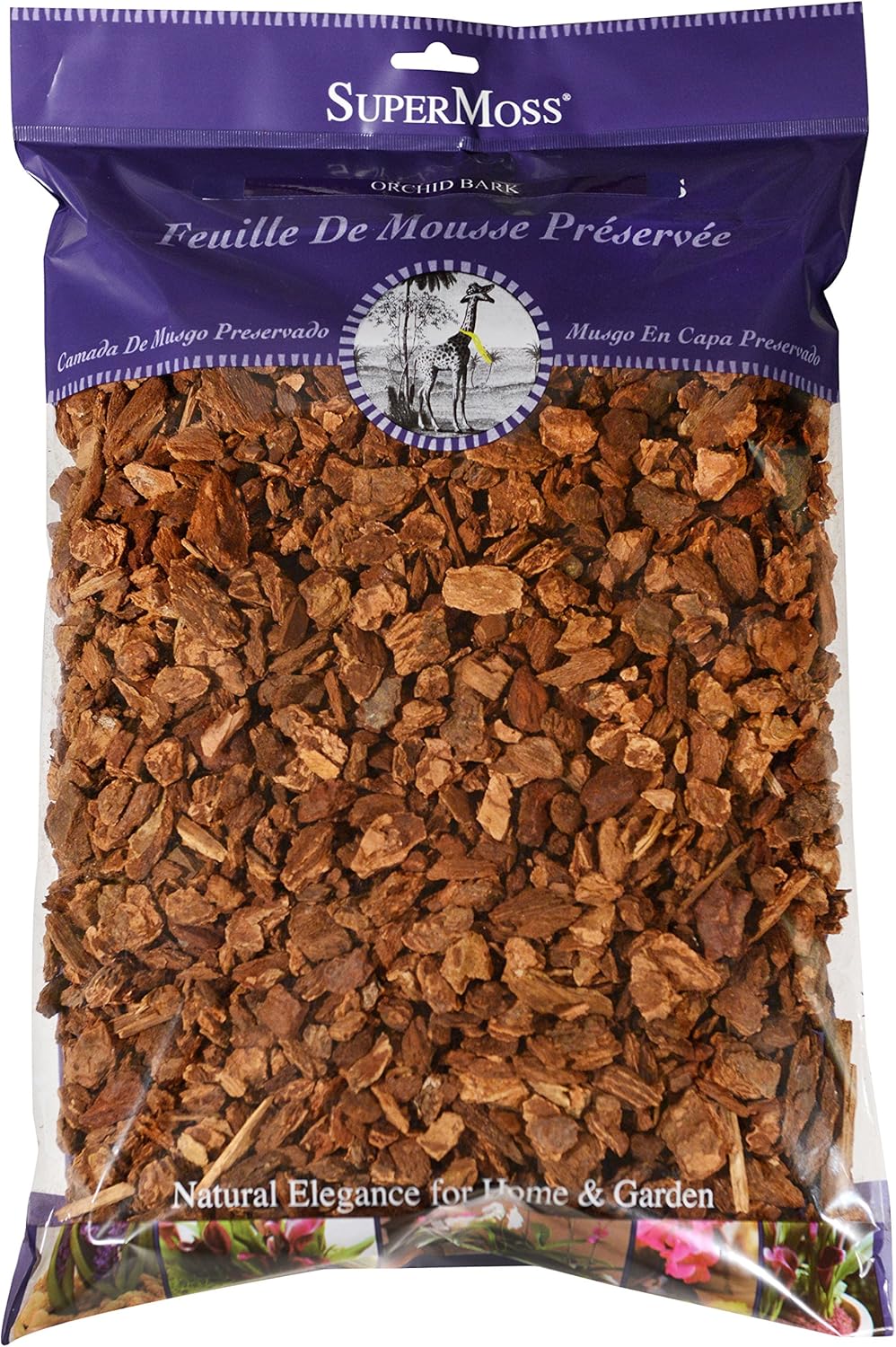
SuperMoss Orchid Potting Bark (Natural White Fir), 4 quarts
| Item Type Name | 100% Natural White Fir Bark |
|---|---|
| Unit Count | 128 Ounce |
| Volume | 4 quarts |
| Manufacturer | Supermoss |
SuperMoss Orchid Potting Bark is a natural Douglas-fir bark sold in a 4-quart retail bag and intended as a potting medium for orchids and other epiphytes. You use it as the main substrate or mixed with other media to recreate the loose, well-aerated conditions orchid roots prefer; its coarse pieces promote fast drainage and good oxygen flow around roots. The product is pH-suited for orchids and marketed as sustainably sourced natural fir bark with no heat treatment mentioned. Practical benefits include easier repotting without compacted soil, reduced risk of root rot from overwatering, and suitability for air plants and decorative uses like floral arrangements. Limitations are that bark breaks down over time and will need replacement or mixing with fresh media as it decomposes, and it does not retain much water so frequent watering or combining with moisture-retentive components may be needed for some growers. Handle with gloves when repotting to avoid splinters and dust.
Best for: Growers who want a natural, easy-to-use medium to recreate the airy, fast-draining conditions orchids prefer and who repot or maintain a few plants regularly.
Less Ideal for: People who need a long-term, high-moisture substrate for heavy-handed watering routines or those who prefer a ready-made, low-maintenance potting mix for many houseplants.
- Coarse Douglas-fir bark structure improves aeration and drainage for orchid roots
- pH appropriate for orchids, supporting their natural growing conditions
- Sustainably sourced natural material suitable for epiphytic species and decorative uses
- Retail 4-quart packaging is convenient for small-scale repotting and hobby growers
- Bark decomposes over time and requires periodic replacement or topping up
- Low water retention means more frequent watering or blending with moisture-holding media may be necessary
Verdict: Choose this natural fir bark if you want a simple, well-aerating potting medium that closely mimics the conditions orchids need to thrive.
rePotme Cymbidium Imperial Orchid Mix (Standard Bag)

| Volume | 8 quarts |
|---|---|
| Number of Packs | 1 |
| Brand Name | rePotme |
| Style Name | Classic |
This rePotme Cymbidium Imperial Orchid Mix is a ready-to-use, hand-blended medium tailored for growing cymbidium orchids indoors. It is typically used to repot mature cymbidiums or to refresh the root zone when plants show reduced drainage or vigor. The mix is produced and packaged in an 8-quart bag and emphasizes good structure and cleanliness that indoor growers expect. Practical benefits include a predictable, orchid-specific blend that reduces the need to custom-mix ingredients and lowers the risk of compaction or anaerobic roots compared with regular potting soils. The brand background suggests ingredients and blending are made with indoor orchids in mind, which helps performance-focused growers get reliable drainage and aeration. Important limitations are that the listing provides limited ingredient detail and no explicit feeding schedule, so high-performance growers may still want to supplement with an orchid fertilizer program and monitor moisture carefully. Also the bag size means frequent repotting or large specimens may require multiple bags.
Best for: Serious hobbyists and performance-oriented growers who want a reliable, orchid-specific mix for repotting cymbidiums without blending their own components.
Less Ideal for: Casual gardeners who prefer multi-purpose potting soils or growers who need precise, labeled ingredient proportions for scientific media control.
- Formulated specifically for orchids, so structure and drainage are appropriate for cymbidiums
- Hand-blended in small batches for consistency and freshness
- 8 quarts is a convenient single bag for repotting medium-sized plants
- Branded by a specialist in indoor plant supplies which suggests quality control
- Ingredients and exact particle sizes are not listed so precise media composition is unknown
- No feeding instructions included so additional fertilizer planning is needed
Verdict: Buy this if you want a fresh, orchid-specific potting mix that lets you repot cymbidiums quickly and consistently without blending your own medium.
Better-Gro Orchid Bark Potting Medium, 4 qt

| Brand | Better-Gro |
|---|---|
| Volume | 4 quarts |
| Item Highlight | Premium grade potting medium; ideal for Phalaenopsis and epiphytic orchids |
Better-Gro Orchid Bark is a grower-grade fir bark mix designed for potting, repotting, and topping off epiphytic orchids like Phalaenopsis as well as bromeliads, ferns and other tropical plants. The mix is made from specifically sized and graded western fir bark nuggets that provide excellent drainage while still retaining enough moisture to support root development. It comes in a resealable 4 quart bag that makes it convenient for small repots and for blending into custom mixes. Practical benefits include fast drying between waterings to help prevent root rot and a chunky texture that gives roots airspace similar to natural mounting. Limitations are that it is pure bark so it holds little organic nutrients on its own and will need regular fertilizing or incorporation into a prepared potting blend for long-term potted plants. Also the bag is small for collectors with many plants, so frequent repurchasing is likely for larger collections.
Best for: Buyers looking for an inexpensive, no-frills orchid medium that mimics natural epiphytic conditions and is easy to use for individual repots or small collections.
Less Ideal for: Those who want an all-in-one potting soil with nutrients included or growers with large collections who prefer bulk bags to reduce repeat purchases.
- Specially sized western fir bark promotes strong root aeration and healthy root development
- Chunky texture provides excellent drainage to reduce risk of overwatering
- Resealable bag keeps remaining mix usable between repots
- Versatile for potting, repotting, spot filling, or as a base for custom orchid mixes
- Contains no inherent nutrients so regular fertilizing is required for sustained growth
- 4 quart bag is small for growers with multiple plants or large pots
Verdict: A budget-friendly, grower-grade fir bark that gives orchids the drainage and air space they need for healthy roots and reliable repotting.
Better-Gro Special Orchid Mix Potting Mix, 8 Quarts

| Unit Count | 256 Ounce |
|---|---|
| Item Type Name | Orchid Mix |
| Volume | 8 liters |
Better-Gro Special Orchid Mix is a ready-to-use potting medium designed for epiphytic orchids such as Phalaenopsis, Cattleyas, and Dendrobiums. The mix combines western fir bark, hardwood charcoal, sponge rock and coarse perlite to create a chunky texture that drains quickly while retaining pockets of moisture around roots. In practice it is used for routine repotting and for small collections where you want good airflow and reduced risk of root rot. The resealable bag keeps unused media fresh between repottings. Notable features include charcoal to help filter impurities and a formulation developed by professional orchid growers for both root development and bloom support. Expect faster drying than fine mixes, so watering frequency will need attention and very small or young orchids may require added finer material or sphagnum for extra moisture. Overall it is a practical, no-frills medium that simplifies repotting and promotes the airy root environment orchids prefer.
Best for: Buyers who keep a practical small-to-medium orchid collection and want a reliable, grower-formulated mix that simplifies repotting and encourages healthy roots and blooms.
Less Ideal for: Growers raising large numbers of tiny seedlings or those who prefer a continuously moist, soil-like medium should look for mixes or amendments tailored to propagation or moisture retention.
- Chunky bark and perlite blend provides excellent drainage and root aeration
- Charcoal component helps keep the mix cleaner and reduces odors
- Formulated by experienced orchid growers specifically for epiphytic orchids
- Resealable bag preserves unused mix between repottings
- Coarse texture dries quickly and may require more frequent watering
- Not ideal as a sole medium for very small seedlings without added fine material
Verdict: Choose this mix when you want a proven, coarse orchid medium that promotes strong root aeration and simplifies repotting for common epiphytic orchids.
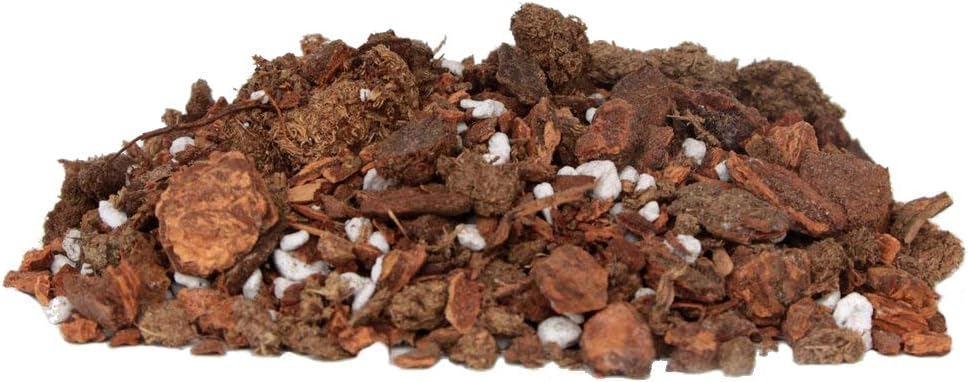
Orchid Nerd Cymbidium Potting Mix (1 cu ft) — Perlite, Peat Moss, Coconut, Charcoal, and Orchid Bark
| Unit Count | 1 Count |
|---|---|
| Brand Name | Orchid Nerd |
| Manufacturer | Waldor Orchids |
| Volume | 1 cubic feet |
This pre-mixed Cymbidium potting soil is intended for repotting orchids and comes as a one cubic foot bag that blends orchid bark with perlite, peat moss, coconut and charcoal. It is typically used when repotting root-bound Cymbidiums into orchid pots to improve aeration and drainage while retaining some moisture. The coarse bark and perlite create fast drainage and good root ventilation, peat and coconut fiber add water retention and a stable medium, and charcoal helps reduce odors and break down organic matter. For growers who prioritize reliability, the small-batch formulation and simple, all-natural ingredient list make performance predictable from pot to pot. Practical limitations are that this is a single standardized mix so growers wanting a very fast-draining or a purely bark-only medium may need to amend it further, and the bagged volume means large collections will require multiple bags. Safety notes about dust from perlite and peat suggest wearing a mask when handling the dry mix.
Best for: Growers who want a dependable, easy-to-use orchid potting mix for routine repotting of Cymbidium orchids and who value consistent, natural ingredients over custom-blended media.
Less Ideal for: Collectors who maintain very large numbers of plants and prefer to tailor exact ratios of bark to inorganic components or who need a purely bark-only medium.
- Blend of bark, perlite and peat provides a balance of drainage and moisture retention suited to Cymbidium roots
- Includes charcoal to help keep the medium fresher and reduce breakdown
- Sold ready-to-use in a one cubic foot bag for straightforward repotting
- Made from natural ingredients and produced in small batches for consistent mixes
- Single, fixed mix may not suit growers who need an extremely fast-draining bark-only medium
- Dust from perlite and peat can irritate lungs or eyes during handling
Verdict: A dependable, ready-made potting mix that gives Cymbidium orchids reliable drainage and root aeration without the need to blend components yourself.
Better-Gro Special Orchid Mix, 4 Quart

| Item Form | Solid |
|---|---|
| Specific Uses For Product | Plant Growth, Root Development |
| Target Species | Cattleyas, Phalaenopsis, Dendrobiums, Paphiopedilums, Oncidiums and All Epiphytic Orchids |
| Unit Count | 128 Fluid Ounces |
| Included Components | 4 Quarts |
Better-Gro Special Orchid Mix is a ready-to-use potting medium designed for phalaenopsis, cattleyas, dendrobiums and other epiphytic orchids. It combines western fir bark, hardwood charcoal and sponge rock with coarse perlite and bark nuggets to recreate the airy, fast-draining substrate orchids prefer. Use it for routine repotting or when you need to refresh compacted media; the coarse components speed drainage and improve oxygen around roots, which helps prevent rot and supports vigorous root development. The resealable 4-quart bag makes small repots convenient and the charcoal helps keep the mix clean by filtering impurities. Because it is a coarse, bark-based blend it will dry faster than soil mixes, so watering frequency must be adjusted accordingly. Also, the small 4-quart size is best for hobbyists or individual plants rather than large collections. For growers who want a straightforward, proven orchid substrate, this mix covers the essentials without additives or complex instructions.
Best for: Orchid hobbyists who prioritize healthy roots and want a simple, grower-formulated substrate for occasional repotting and small collections. Ideal for users who value proven ingredients and want predictable drainage and aeration.
Less Ideal for: Large-scale collectors or growers who repot many plants at once should choose larger bags or bulk mixes. Those wanting a moisture-retentive, soil-like substrate for non-epiphytic plants should look elsewhere.
- Formulated for epiphytic orchids like Phalaenopsis and Cattleyas
- Coarse components provide excellent drainage and root aeration
- Includes charcoal to help filter impurities and keep mix cleaner
- Resealable bag suitable for multiple small repots
- Small 4-quart volume may require frequent repurchase for multiple plants
- Bark-based mix dries quickly so watering needs more frequent attention
Verdict: A straightforward, professional-formulated bark and rock orchid mix that reliably provides the drainage and aeration needed for healthy epiphytic orchid roots.
Legigo 2-Quart Organic Pine Orchid Bark Potting Mix

| Unit Count | 64 Ounce |
|---|---|
| Material | Pine bark |
| pH | 5.0-6.5 |
| Application | Soil mix & planting media |
Legigo's orchid bark is a simple, single‑ingredient potting medium made from screened pine bark chips intended for orchids and other epiphytic houseplants. Use it alone for plants that need excellent air circulation around roots or mix it with coir, perlite, or potting soil to create a freer‑draining custom mix. The chips are sized to stay chunky in pots so they reduce compaction, speed drainage and help prevent root rot while still holding some moisture to slow evaporation. For gardeners, that means fewer repots and lower watering frequency for tropical potted plants. Packaging is practical for storage and the product is described as slow to decompose, making it suitable as a longer‑lasting mulch or top dressing. Important limits: the 2‑quart bag is small for large collections or outdoor beds, and bark alone does not provide nutrients so regular feeding or mixing with a more complete potting medium is necessary for long‑term growth.
Best for: Buyers who prefer low‑risk, no‑fuss growing media that reduce overwatering problems and mimic natural orchid conditions, especially those with a small indoor collection or who mix their own potting blends.
Less Ideal for: Gardeners needing large volumes for beds, those who want a nutrient‑complete potting soil out of the bag, or growers who prefer finer, moisture‑retentive media for seedlings.
- 100% natural pine bark that mimics orchids' natural growing medium
- Chunky chips maintain aeration and reduce potting mix compaction
- Drains quickly to help prevent root rot in epiphytic plants
- Slow decomposition makes it useful as a longer‑lasting mulch or top dressing
- Small 2‑quart volume which is insufficient for many pots or garden beds
Verdict: A compact, natural pine bark mix that reliably improves aeration and drainage for orchids and indoor tropicals, ideal for gardeners who want a low‑maintenance substrate.
Choosing the Right Potting Mix for Cymbidium Orchids: Key Factors to Consider
Moisture Retention Vs Drainage
Cymbidium orchids prefer a medium that holds some moisture between waterings but drains well enough to prevent standing water. A potting mix with a mix of coarse and fine particles will retain water in the small pores while allowing excess to flow through larger channels.
If you water frequently, choose a mix with higher drainage so the roots do not remain saturated. If you water less often or grow in a dry climate, a mix with better moisture retention reduces stress. Understanding your watering rhythm helps you pick the right balance.
Particle Size and Root Aeration
Root aeration depends on having stable voids in the potting medium so roots get oxygen. Coarse chunks of bark, perlite, or gravel create air pockets that prevent compaction and encourage healthy root branching.
Finer materials can fill gaps and retain nutrients but too many fines will reduce airflow. Look for an open-structured mix that maintains its texture after repeated wetting and drying cycles.
Material Longevity and Breakdown
Organic components such as bark and coir will decompose over time, which reduces aeration and increases water retention. This affects how often you need to repot and refresh the medium.
A mix with more durable components or larger particle sizes will last longer before breaking down. Consider how often you want to repot and whether you prefer a low-maintenance medium or one that you refresh regularly for optimal root health.
pH and Nutrient Buffering
Cymbidiums are sensitive to the chemical environment in the root zone. A medium that buffers pH and holds some soluble nutrients between feedings provides a more stable environment for orchids.
Some inert components do not hold nutrients well, so regular fertilization is necessary. If you use a less retentive mix, plan a consistent feeding schedule and occasional flushes to avoid salt buildup.
Weight and Pot Stability
Heavier mixes help larger plants and crowded crowns stay stable in tall pots, while very light mixes can make top-heavy cymbidiums prone to tipping. The weight also affects how easy pots are to move for staging or wintering.
Consider the pot material and location when selecting mix weight. If you frequently reposition plants, a lighter blend can be helpful, but ensure it still offers adequate root support.
Repotting and Handling Ease
A mix that stays cohesive during repotting makes dividing and inspecting roots simpler. Very dusty or overly fine mixes can scatter and make root work harder. Choose a blend that holds enough structure for you to remove the plant, clean roots, and replant without excessive loss of medium.
Think about how often you repot and whether you divide plants. Easier handling shortens repotting time and reduces stress on the orchid.
Best Mix Styles for Different Cymbidium Types
Cymbidium species and hybrids vary in crown size, root thickness, and cold tolerance, which affects the ideal medium. Standard large-flowered cymbidiums often do well in chunkier mixes that keep crowns drier and roots well aerated. Miniature or compact cymbidiums may benefit from slightly finer components that retain more moisture without becoming saturated.
Adjust mix texture based on whether you grow in a greenhouse, indoors, or outdoors. Greenhouse growers with higher humidity should favor increased drainage, while dry indoor conditions justify a bit more water-holding capacity.
- Chunky bark blends for large-flowered cymbidiums
- Finer but open mixes for compact or potted specimens
- Add more drainage components in high-humidity environments
How to Amend a Basic Mix
If you start with a commercial orchid base, you can tailor it by adding components to match your conditions. Increase drainage and aeration by mixing in coarse perlite, pumice, or larger-grade bark. Improve moisture retention with a small amount of chopped sphagnum, coir, or finer pine bark.
Make small changes and observe plants over a season. A single adjustment can significantly change watering frequency and root response, so document the mix ratio you use and how often you water.
- Add coarse grit or pumice for extra aeration
- Blend in chopped sphagnum for modest moisture retention
- Avoid over-amending with fines that will clog air spaces
Repotting Timing and Technique
Repot cymbidiums when the medium has noticeably broken down or the plant shows reduced vigor. Typical signs include slower drying between waterings, matted roots, or weakened new growth. Most growers repot every 18 to 36 months depending on mix durability.
When repotting, gently remove decomposed material, trim obviously dead roots, and place the orchid so the crown sits slightly above the new medium surface. Use fresh, well-draining mix and avoid compacting the medium around roots.
- Check roots annually to assess medium condition
- Prefer repotting in spring after active root emergence
- Trim only dead or mushy roots to preserve healthy tissue
Watering Practices With Different Mixes
Watering frequency must match mix characteristics. A chunky, fast-draining mix requires more frequent but thorough soakings to ensure the entire root mass receives moisture. A mix with greater retention needs fewer waterings but should still be soaked and allowed to drain between sessions.
Use the finger test, weight of the pot, or a moisture meter to gauge timing. Overwatering is the most common cultural problem for cymbidiums, so err on the side of allowing a short dry period if you are unsure.
- Soak thoroughly and allow excess to drain
- Adjust schedule seasonally for growth and dormancy
- Avoid constant surface dampness around the crown
Feeding and Salt Management
How a mix holds nutrients affects your fertilizing approach. Inert, well-draining mixes require consistent diluted feeds because they do not retain fertilizer between waterings. Mixes with more organic fines will hold onto nutrients longer but may accumulate salts if not periodically flushed.
Flush the pot with plain water every few months, especially if you follow a regular feeding schedule. Monitor leaf tips and root health for signs of salt stress and adjust feeding concentration and frequency accordingly.
- Use diluted, regular feeds with inert mixes
- Flush periodically to prevent salt buildup
- Reduce feeding during slower growth periods
How We Chose the Best Potting Mix for Cymbidium Orchids
We focused selection on characteristics that matter for Cymbidium orchids in pots and containers. Primary evaluation criteria included moisture management, root aeration, material stability, and nutrient buffering. Moisture management assesses how long mixes hold an appropriate level of dampness without waterlogging. Root aeration measures particle size and void space that keep oxygen available to roots. Material stability looks at how components break down over time and how often repotting will be needed. Nutrient buffering considers whether the mix holds baseline nutrients and how it interacts with typical orchid fertilization. We also considered ease of repotting and consistency across batches, since some mixes compact or vary by production run. Exclusions included blends designed exclusively for other orchid genera that prefer very different conditions, and mixes formulated for outdoor beds rather than container culture. The final shortlist features mixes that balance the needs of growers who water regularly and those who prefer more conservative schedules, aligning with the scoring labels used in our product scorecards.
FAQ
How often should I repot a cymbidium based on the potting mix?
Repotting frequency depends on mix durability. Durable, chunky mixes often last 18 to 36 months, while mixes with finer organic material may need repotting every 12 to 18 months. Inspect roots and medium texture annually to decide.
Can I use regular potting soil for Cymbidium orchids?
Regular potting soil typically compacts and retains too much moisture for cymbidiums, which risks root rot. Use a purpose-made orchid or open-structured mix and amend it for drainage and aeration rather than standard garden soil.
What additions improve drainage without drying out roots?
Coarse perlite, pumice, and larger-grade bark increase drainage and aeration while preserving some moisture in small pores. Adding a modest portion of chopped sphagnum can retain moisture without eliminating air pockets when used sparingly.
Does mix pH matter for Cymbidium orchids?
Yes. Cymbidiums prefer a slightly acidic to neutral root environment. Most standard orchid mixes are formulated in that range, but very alkaline water or potting amendments can shift pH over time. Test periodically if you suspect issues.
How should I adjust mixes for greenhouse versus indoor conditions?
In humid greenhouse conditions choose mixes with superior drainage and larger particles to prevent prolonged wetness. For indoor, lower-humidity settings, include a bit more moisture-retentive material while keeping the structure open to allow air flow.
Will adding too much fine material harm my cymbidium?
Yes. Excess fines can fill air spaces, reduce oxygen to roots, and increase the risk of rot. Keep a balance of coarse and fine components and avoid amendments that collapse when wet.
Final Verdict
Choose a potting mix for Cymbidium orchids by matching the medium to your watering habits, pot size, and growing environment. Prioritize mixes that maintain stable aeration and appropriate moisture retention while requiring a repotting schedule you can manage. Tradeoffs are inevitable: mixes that last longer tend to be chunkier and need more frequent watering, while mixes that hold more moisture reduce watering frequency but break down faster. Use the scoring criteria and factors above to pick the balance that supports strong roots and reliable blooms.
