

Note: This article contains affiliate links. If you click on these links and make a purchase, I may earn a small commission at no extra cost to you. This helps support my research and content. Read my full affiliate disclosure here.
If you maintain a lawn with mixed edges, flowerbeds, and occasional thick patches, a curved shaft gas string trimmer can be an efficient, powerful tool. These trimmers combine engine torque with a curved shaft that keeps the head closer to the ground and improves balance for edging around plantings and fences. Choosing the right unit matters because engine size, head design, and overall ergonomics affect how long you can work without fatigue and how cleanly you cut different growth types. This guide covers seven shortlisted Curved Shaft Gas String Trimmers and explains the evaluation areas likely to matter in real yard use. Read on to see which features mattered most when narrowing the field.
Top Picks at a Glance
| Best Overall The best all-around choice for most situations | Troy-Bilt TB22 EC 25cc Curved-Shaft Gas String Trimmer |  |
| Best Quality Built to a higher standard if you want something more solid | Husqvarna 130C 28cc Curved-Shaft Gas String Trimmer with Tap N' Go Head |  |
| Best Value The sweet spot between price and what you get | Wild Badger Power 26cc Gas Curved-Shaft String Trimmer (15" Cut) |  |
| Best Budget The cheapest option that still gets the job done reliably | LawnMaster 25cc 2-Cycle Gas String Trimmer with Electric Push-Button Start, 17-Inch Cutting Swath |  |
| Highest Rated A top-rated pick with lots of positive feedback | ECHO GT-225 2-Cycle 21.2cc Curved Shaft Gas Trimmer |  |
| Most Popular A crowd favorite that many people choose with confidence | Husqvarna 122C 22-cc Curved-Shaft Gas String Trimmer with Tap N' Go |  |
| Best Seller A high-volume bestseller chosen again and again | Husqvarna 122C 22cc 2-Cycle 17" Curved Shaft Gas String Trimmer | |
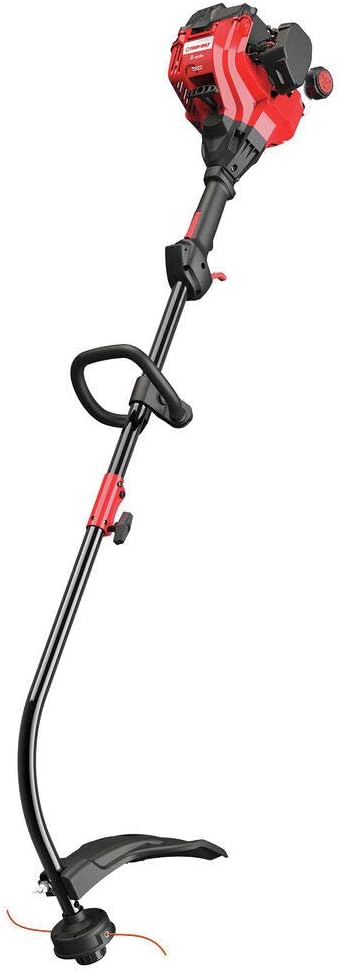
Troy-Bilt TB22 EC 25cc Curved-Shaft Gas String Trimmer
| Power Source | Gas Powered |
|---|---|
| Cutting width | 17 inches |
The Troy-Bilt TB22 is a straightforward gas string trimmer built for typical yard maintenance where power and run-time matter more than the quiet or low maintenance of battery models. It uses a 25cc 2-cycle engine with SpringAssist starting and is JumpStart-capable if you add the starter, so it gets you cutting without complicated setup. The curved shaft and multi-position adjustable handle give a comfortable stance and a clear view of the cutting line, while the SpeedSpool dual-line bump head and 17-inch swath make edge-to-edge passes quick. A major practical advantage is TrimmerPlus attachment compatibility, so the engine can drive optional blower, edger, pole saw, or other tools to expand functionality. Expect routine two-cycle maintenance and fuel mixing and more vibration and noise than cordless options, and attachments are sold separately. This is a good choice for homeowners who want a durable, engine-first trimmer that handles larger yards and heavier grass without depending on battery run-time.
Best for: Buyers who want a reliable, gas-powered trimmer that balances power, comfort, and expandability for regular lawn care on medium to large yards.
Less Ideal for: If you prioritize low noise, minimal maintenance, or cordless convenience for very small yards, an electric or battery trimmer would be a better fit.
- 25cc 2-cycle engine provides strong cutting power for thick grass and larger yards
- 17-inch cutting swath speeds up mowing and reduces passes
- Curved shaft and adjustable handle improve operator comfort and sightline
- SpeedSpool dual-line bump head for fast, easy line loading
- Attachment-capable design expands use to blower, edger, pole saw and more
- Requires two-cycle fuel mix and regular engine maintenance
- No starter included for JumpStart capability and attachments are sold separately
- Gas engine produces more noise, vibration, and emissions than electric models
Verdict: A solid, engine-first curved-shaft trimmer that pairs strong 25cc power with a comfortable design and the option to add multiple attachments for more yard tasks.
Husqvarna 130C 28cc Curved-Shaft Gas String Trimmer with Tap N' Go Head

| Power Source | Gas Powered |
|---|---|
| Cutting width | 43.2 centimeters |
| Speed | 6500 rpm |
The Husqvarna 130C is a performance-focused curved-shaft gas trimmer built to handle regular residential trimming and edging around trees, fences, and garden beds. Its 28-cc 2-cycle engine and 17-inch cutting width let you cover more area per pass than smaller consumer models, while the Tap N' Go twin-line head simplifies line advancement during work. Smart Start, digital ignition, and an Air Purge system reduce pull-start effort and make cold starts more reliable. LowVib anti-vibration and a comfortable handle help reduce operator fatigue during longer sessions, and the curved shaft improves maneuverability in tight spots compared with straight-shaft designs. Expect strong cutting power for thick grass and weeds, but plan for routine small-engine maintenance such as mixing 50:1 fuel and occasional carburetor care. The trimmer is aimed at homeowners who want near-professional performance without moving up to commercial equipment, though it lacks features like a shoulder strap included out of the box and will be louder and require more maintenance than battery alternatives.
Best for: A homeowner who prioritizes cutting performance and wants a durable gas trimmer for frequent trimming and edging around obstacles in a medium to large yard.
Less Ideal for: Someone who prefers low-noise, low-maintenance battery tools or who only needs an occasional light-duty trimmer for very small yards.
- Powerful 28-cc 2-cycle engine for efficient cutting of thick grass and weeds
- 17-inch cutting width covers more area per pass than smaller trimmers
- Tap N' Go twin-line head allows fast, on-the-fly line feed
- Smart Start, Air Purge, and digital ignition make starting easier
- LowVib system and ergonomic handle reduce vibration and operator fatigue
- Requires mixed gasoline and routine small-engine maintenance
- No shoulder strap included in the base package
Verdict: Choose the Husqvarna 130C if you want a durable, higher-power curved-shaft trimmer that makes fast work of residential trimming and edging.
Wild Badger Power 26cc Gas Curved-Shaft String Trimmer (15" Cut)

| Power Source | Gas Powered |
|---|---|
| Cutting width | 15 inches |
| Speed | 8000 rpm |
| Style Name | 26CC Curved Shaft |
This Wild Badger Power trimmer pairs a commercial-grade 26cc two-cycle full-crank engine with a curved shaft and a 15-inch dual-line bump-feed head for everyday yard work. It is used like a standard gas weed wacker: mix gas and oil for fuel, pull the starter, and use the variable-speed trigger to trim turf, reach around obstacles, and edge borders. Notable features include a full-crank engine intended for longer life than half-crank designs, an aircraft-grade aluminum shaft that keeps the unit light for easier maneuvering, and tool-free air filter access for simple maintenance. Practical benefits are strong cutting power for medium to large lawns, reduced vibration for less operator fatigue, and a wide cutting swath that speeds jobs. Important limitations are the need to mix fuel and oil, routine engine maintenance, and the usual noise, fumes, and storage considerations that come with gas equipment. For buyers focused on low upfront weight and durable engine design, this model balances power and portability well.
Best for: A cautious buyer who wants a traditionally powered trimmer that feels manageable to lift and use, prioritizing reliable engine performance and straightforward maintenance for routine lawn care.
Less Ideal for: People seeking a zero-emission, low-noise or maintenance-free solution should consider battery-electric models instead.
- Commercial-grade 26cc full-crank two-cycle engine for consistent power and durability
- 15-inch cutting width with dual-line bump-feed head for efficient trimming and edging
- Aircraft-grade aluminum shaft reduces overall weight and improves maneuverability
- Tool-free air filter access simplifies routine maintenance
- Designed to limit vibration which reduces user fatigue during extended use
- Requires gasoline-and-oil mix and regular engine maintenance
- Produces typical gas-engine noise and exhaust not suited for enclosed or densely populated areas
Verdict: Choose this if you want a lightweight, gas-powered curved-shaft trimmer that delivers durable engine performance and a wide 15-inch cutting swath.
LawnMaster 25cc 2-Cycle Gas String Trimmer with Electric Push-Button Start, 17-Inch Cutting Swath

| Power Source | Gas Powered |
|---|---|
| Engine Displacement | 25cc |
| Cutting width | 17 inches |
| Fuel Tank Capacity | 420 ml |
This LawnMaster 25cc gas string trimmer pairs a small 2-cycle engine with a no-pull electric push-button start to make trimming quicker for homeowners who prefer gas power without the hassle of recoil starts. It is typically used to edge lawn borders, clear weeds and knock back overgrowth using the dual-line bump-feed head and 0.080" line. The split-shaft multi-attachment system lets you convert the unit to other yard tools for seasonal tasks. An adjustable assist handle and curved shaft help reduce fatigue during longer runs, and the 17-inch cutting swath covers ground efficiently for a lightweight trimmer. The 420 mL tank supports extended runtime for medium yards but being a 2-cycle engine requires mixing fuel and oil and produces the typical noise and emissions of gas models. Build and fit feel are aimed at budget buyers, so expect functional performance rather than premium finishes or professional durability.
Best for: Homeowners who want a lightweight, gas-powered trimmer that is easy to start and versatile enough for general yard maintenance while keeping cost down.
Less Ideal for: Users seeking near-silent electric operation or professional landscapers who need a heavy‑duty commercial tool for daily, prolonged use.
- Electric push-button start eliminates recoil starting and simplifies use
- 25cc 2-cycle engine provides solid cutting power for weeds and overgrowth
- Split-shaft multi-attachment system increases versatility for other yard tasks
- 17-inch cutting swath covers more area per pass to speed up work
- Adjustable assist handle and curved shaft improve comfort for extended use
- Requires fuel-oil mixing and has gas-model noise and emissions
- Budget-oriented build may not hold up as long under heavy professional use
Verdict: A budget-friendly, easy-to-start gas trimmer that balances lightweight handling and practical cutting power for routine lawn maintenance.
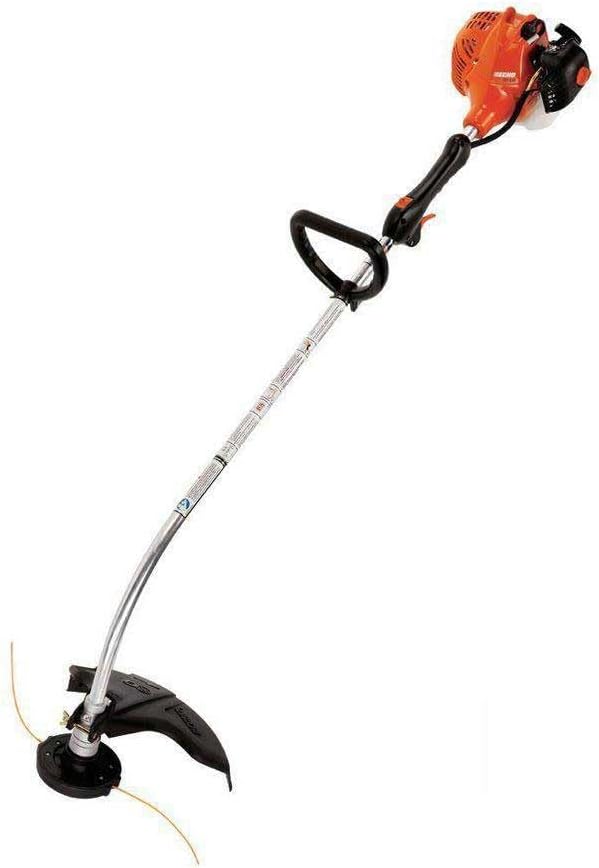
ECHO GT-225 2-Cycle 21.2cc Curved Shaft Gas Trimmer
| Power Source | gasoline-powered |
|---|---|
| Speed | 7500 rpm |
| Style Name | Practical/Heavy-Duty |
The ECHO GT-225 is a basic 2-cycle curved-shaft gas trimmer intended for routine edging and grass trimming around yards and gardens. It runs on gasoline and delivers high-revving performance for cutting grass and light brush, while the curved shaft layout improves maneuverability under and around obstacles. Key features in the listing include a 21.2cc engine, a 7500 rpm operating speed, and a wide cutting capability that translate to efficient cutting on small to medium properties. The trimmer is sold as a single unit with standard tool components and carries practical safety guidance for everyday use. Expect straightforward operation and a durable feel typical of ECHO equipment, although it requires regular mixing of fuel and oil and routine maintenance like spark plug and air filter checks. It is not spec'd for heavy-duty commercial clearing, so users should plan for occasional tuneups to keep performance consistent over time.
Best for: Buyers who prioritize a dependable, serviceable gas trimmer for regular yard maintenance and want a model that is easy to operate and maintain over years of use.
Less Ideal for: People who need a zero-maintenance, battery-powered tool or who regularly tackle heavy brush and commercial-scale jobs should consider other options.
- Gas-powered 2-cycle engine provides strong cutting power and run time independent of batteries
- Curved shaft design improves control and access under shrubs and along edges
- High operating speed (7500 rpm) for efficient cutting of grass and light vegetation
- Simple, proven mechanical design that is easy to service and maintain
- Requires fuel mixing and routine engine maintenance typical of 2-cycle equipment
- Not intended for heavy brush clearing or prolonged commercial use
Verdict: A straightforward, mechanically reliable curved-shaft gas trimmer built for homeowners who want durable, serviceable performance for routine yard work.
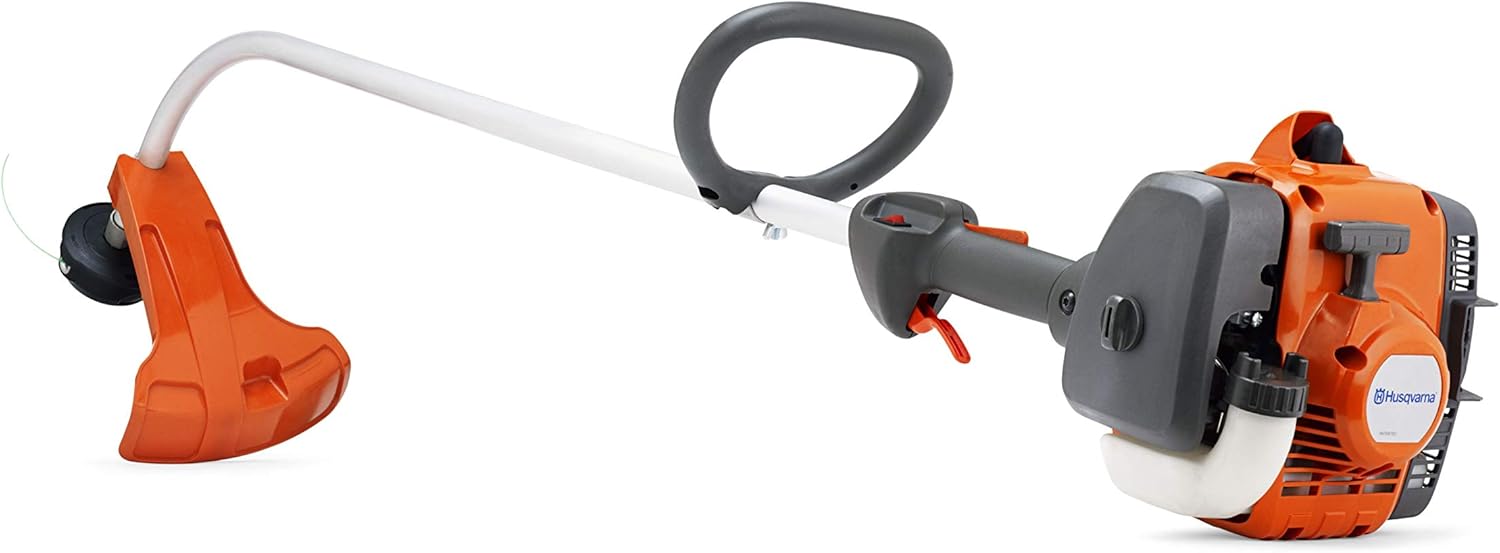
Husqvarna 122C 22-cc Curved-Shaft Gas String Trimmer with Tap N' Go
| Power Source | Gas Powered |
|---|---|
| Cutting width | 17 inches |
| Speed | 10000 rpm |
| Item Highlight | 22-cc 2-cycle with Smart Start and Air Purge |
The Husqvarna 122C is a performance-focused 2-stroke string trimmer intended for homeowners who need quick, reliable cutting power around yards and obstacles. Its 22-cc engine and 17-inch cutting width let you move through medium-size trimming jobs efficiently, while the curved shaft improves access around flower beds, trees, and fences. The Tap N' Go twin-line head provides fast line feed with minimal fiddling, and Smart Start plus Air Purge make cold starts noticeably easier. The design emphasizes smooth operation and reduced noise for a gas trimmer, and the comfortable handle helps reduce fatigue during longer sessions. Limitations to note are the usual maintenance demands of a 2-cycle gas engine such as mixing fuel and periodic carburetor care, and the curved shaft favors maneuverability over reach compared with straight-shaft models built for heavy-duty professional use. Shipping restrictions apply in some states.
Best for: A homeowner who prioritizes cutting performance and easy starting for regular yard maintenance, especially where trimming around obstacles is common.
Less Ideal for: Landscaping professionals or users who need maximum reach and prolonged heavy-duty commercial use should consider larger straight-shaft models.
- 22-cc 2-cycle engine provides strong cutting power for homeowner tasks
- 17-inch cutting width covers more ground per pass to speed work
- Tap N' Go twin-line head for fast, tool-free line advancement
- Smart Start and Air Purge reduce effort required to start the engine
- Requires 2-stroke fuel mixing and routine engine maintenance
- Curved shaft gives better maneuverability but less reach than straight-shaft pro models
Verdict: Choose this trimmer if you want a compact, performance-oriented 2-stroke gas trimmer that starts easily and handles obstacle-heavy yards efficiently.
Husqvarna 122C 22cc 2-Cycle 17" Curved Shaft Gas String Trimmer
| Power Source | Gas Powered |
|---|---|
| Cutting width | 17 inches |
| Speed | 8000 rpm |
The Husqvarna 122C is a straightforward gas string trimmer built for routine homeowner use around lawns and obstacles. Its 22-cc two-cycle engine offers enough power to cut through thick grass and weeds while the 17-inch cutting width covers ground quickly. The curved shaft improves maneuverability when trimming around flower beds, trees, and edging, and the Tap N' Go twin-line trimmer head makes line feed fast and simple. Practical features aimed at easier starts include Air Purge to clear the fuel system and Smart Start technology to reduce pull resistance. The trimmer is designed for comfortable handheld use with a user-friendly handle and relatively low engine noise, though a shoulder strap is sold separately for longer jobs. Downsides to expect are the maintenance needs of a gas two-stroke engine such as mixing fuel and periodic tune-ups and the typical vibration and emissions of gas models compared with electric alternatives. For homeowners who want petrol power and mobility without professional-duty complexity, this model is a balanced choice.
Best for: Homeowners who want the mobility and cutting power of a gas trimmer for regular yard maintenance and trimming around landscaping features without needing a commercial-grade machine.
Less Ideal for: People seeking a low-maintenance, emission-free option or those who prefer very light, quiet tools for small yards should consider battery-electric or corded alternatives.
- 22-cc two-cycle engine provides solid cutting power for dense grass and weeds
- 17-inch cutting width covers more area per pass to speed up jobs
- Curved shaft design improves access around obstacles and tight spaces
- Tap N' Go twin-line head enables quick, tool-free line advancement
- Air Purge and Smart Start features make starting easier for occasional users
- Requires mixed fuel and routine engine maintenance typical of gas two-stroke models
- No shoulder strap included which can make longer sessions more tiring
- Produces more vibration and emissions than battery-electric trimmers
Verdict: A practical gas trimmer that balances power, maneuverability, and easy starting for homeowners who need reliable performance around yards and obstacles.
Choosing the Right Curved Shaft Gas String Trimmer: Key Factors to Consider
Engine Power and Torque
Engine displacement and how torque is delivered across the rev range determine whether a trimmer will cleanly cut thick grass or light brush. A higher torque output at lower RPMs reduces bogging when you hit dense patches, so consider how often you encounter heavy growth in your yard.
Fuel efficiency and a predictable powerband also matter for longer jobs. For gardeners who only need occasional touch-up work, a smaller engine can be lighter and easier to handle. For regular clearing of overgrown edges or thicker vegetation, prioritize higher torque and a stable idle.
Cutting Head Design and Line Compatibility
The cutting head affects feeding reliability and how easy it is to replace line. Bump-feed heads can be quick to reload but sometimes jam; automatic feed heads reduce interruptions but may be heavier. Line diameter compatibility is important because thicker line holds up better on heavy stems but uses more power and may require a more robust head.
Also consider whether the head accepts different spool types or requires frequent manual windings. A head that is easy to service in the yard will reduce downtime and frustration during longer trimming sessions.
Balance, Weight Distribution, and Ergonomics
Curved shafts bring the cutting head closer to the ground and shift the balance point compared with straight shafts. How that balance feels affects wrist and shoulder strain during edging or long runs. Check handle position, grip comfort, and whether the unit accepts a shoulder strap to better distribute weight.
A well-balanced trimmer lets you maintain a natural posture while guiding the head along borders and around plants, reducing fatigue and improving cutting precision.
Shaft and Gearbox Durability
The curved shaft and the gearbox at the head are stress points in gas trimmers. Materials, reinforcement, and gearbox sealing determine how well a tool stands up to knocks, debris, and moisture. A robust shaft resists bending when you nudge against obstacles, while a durable gearbox endures the torque load from thicker line and heavier vegetation.
Longevity matters because repairs to these components can be costly. For frequent use, prioritize units with metal-reinforced gear housings and proven shaft materials.
Start-Up Reliability and Routine Maintenance
How reliably the engine starts and how easy basic maintenance is will shape your experience with the trimmer. Look for straightforward choke and primer arrangements that are simple to follow, and accessible spark plugs, air filters, and fuel lines for periodic checks. Carburetor tuning and cleaning accessibility also matter for long-term performance.
If you are not comfortable with frequent small repairs, favor designs that are known for easy servicing or that minimize maintenance steps.
Noise, Vibration, and User Comfort
Gas trimmers generate vibration and noise, which affect comfort and usability. Models with vibration-damping handle mounts or anti-vibration systems reduce hand fatigue and make it easier to work in tight areas near fragile plantings. Noise level may influence when and where you can trim, so consider local ordinances and neighborhood comfort.
Comfort features like adjustable handles and accessible throttle controls improve precision and reduce the chance of accidental line contact with delicate plants or garden features.
When a Curved Shaft Makes Sense
Curved shaft gas trimmers are especially useful when you need a low center of gravity and better ground clearance for edging. The curve brings the cutting head closer to the operator's hands, which helps with low, precise trimming along garden beds, walkways, and fences.
They also tend to be lighter and easier to maneuver in tight spaces than some straight-shaft counterparts. If your work is mostly around flower beds, shrubs, and irregular borders, a curved shaft can reduce awkward reach and make follow-up edging faster.
- Better control when trimming close to soil level
- Improved maneuverability around plantings and obstacles
- Generally lighter handling for shorter jobs
Preparing Your Yard for Gas Trimmer Use
Before starting, clear visible debris such as rocks, sticks, and toys that can be thrown by the cutting head. Mark delicate plants and remove low-hanging branches that could interfere with the trimmer's path.
Wear eye protection and long trousers. If you will be trimming near flower beds, use stakes or temporary guards to protect stems and small plants.
- Sweep the area for loose debris
- Mark fragile plantings with stakes
- Wear hearing and eye protection
Fuel and Storage Best Practices
Use fresh fuel mixed at the correct ratio if the engine is a two-stroke design. Old or incorrectly mixed fuel causes hard starting and can gum up the carburetor. Store fuel in approved containers and avoid leaving fuel in the tank for extended off-season storage.
After use, follow the recommended maintenance routine: drain or stabilize fuel for long-term storage, clean the air filter, and inspect the head and gearbox for debris. Proper storage prolongs the tool's usable life and reduces startup problems when the season returns.
- Use correct fuel mix and fresh gasoline
- Follow seasonal storage steps to protect the carburetor
- Inspect and clean the head and gearbox after heavy use
Line Types and When to Use Them
Trimmer line comes in round, twisted, serrated, and multi-sided profiles. Round line is common and easy to feed, while heavier or multi-sided line cuts more aggressively and lasts longer against thick stems. Choose a line diameter your trimmer is rated for to avoid overloading the gearbox.
For edging and precision work, a thinner line yields cleaner lines near walkways and plant beds. For clearing thick patches, step up to a heavier line or a twisted option designed for brush cutting.
- Round line for general-purpose trimming
- Thicker or multi-sided line for heavy growth
- Use manufacturer-recommended diameters for reliability
Routine Troubleshooting Tips
If the trimmer hesitates or bogs, check the spark plug, air filter, and fuel quality first. A clogged air filter or stale fuel are common causes. Inspect the line head for jams and ensure the spool is wound evenly.
If the unit vibrates excessively, examine the cutting head for damage and make sure the shaft and gearbox fasteners are tight. For persistent mechanical issues, consult a qualified small-engine technician to avoid further damage.
- Check spark plug and fuel if engine bogs
- Inspect spool and head for jams if line fails to feed
- Tighten fasteners and inspect head if vibration increases
How We Chose the Best Curved Shaft Gas String Trimmer
We prioritized real-world gardening and yardkeeping needs when assembling this list. Key evaluation criteria included engine power and torque, since those determine the trimmer's ability to slice through thick grass and light brush. Cutting head design and line compatibility were judged for how easy they make line changes and how reliably they feed during continuous use. Balance and ergonomics were assessed to estimate operator fatigue during prolonged trimming and edging sessions. Durability and build materials were considered with focus on shaft and gearbox longevity under typical backyard use. Start-up and maintenance ease were reviewed so a typical homeowner can keep the tool running without specialized repair. Units that failed to meet basic handheld safety features or that used unreliable line heads were excluded. We also filtered out models intended solely for commercial, continuous heavy-duty use to keep the recommendations relevant to residential and small-property gardeners.
FAQ
Is a curved shaft gas trimmer better for edging than a straight shaft?
Often yes for close-in edging around beds and fences, because the curved shaft brings the head closer to the operator and improves maneuverability. Straight shafts can offer longer reach and are sometimes preferred for accessing under low branches, so the best choice depends on your yard layout.
How often should I change the trimmer line?
That depends on use and the type of line. For frequent trimming in heavy growth, you may need to replace the line weekly or after several jobs. For light, occasional use, a spool can last several weeks. Replace the line when cutting performance degrades or the head jams regularly.
Can I use thicker line to cut small brush with a curved shaft trimmer?
You can if the trimmer head and gearbox are rated for the larger diameter. Thicker line cuts heavier growth better but increases load on the engine and gearbox. Check the trimmer's line capacity and choose a heavier line only if the unit is built to handle it.
What maintenance prevents hard starting after storage?
Drain fuel or add a fuel stabilizer before storage, clean or replace the air filter, and remove the spark plug to fog the cylinder with a small amount of oil if recommended. These steps reduce carburetor gumming and improve start-up after a long idle period.
Are curved shaft trimmers harder to repair than straight shaft models?
Not usually. The repairability depends more on the gearbox design and how accessible components are rather than the shaft shape. Some curved shaft units use common parts and straightforward assemblies that are easy to service at home.
How can I reduce vibration while using a gas trimmer?
Use a shoulder strap to redistribute weight, maintain a relaxed grip, and check for worn or damaged cutting heads that can cause imbalance. Some models include anti-vibration mounts that help; otherwise, addressing imbalanced spools and loose fasteners usually reduces vibration.
Final Verdict
For small-to-medium yards with beds, fences, and tight corners, prioritize a curved shaft gas string trimmer with a balance of torque and manageable weight. Focus on cutting head reliability and shaft durability if you encounter heavy patches frequently, and prioritize ergonomics if you expect long trimming sessions. Tradeoffs are common: heavier engines offer more power but increase fatigue, while lighter units are easier to maneuver but may struggle with thick growth. Choose the combination of engine torque, head design, and comfort features that matches how often and how intensively you trim.
