

Note: This article contains affiliate links. If you click on these links and make a purchase, I may earn a small commission at no extra cost to you. This helps support my research and content. Read my full affiliate disclosure here.
Hot, sunny window boxes can be a challenge because intense afternoon sun dries soil fast and stresses many tender plants. Picking species that thrive in those conditions makes the difference between a flourishing display and a weekly rescue mission. This guide presents five well-suited plants for hot sunny window boxes, shortlisted for their sun tolerance, drought resistance, and ornamental impact. We'll explain why each plant type works in confined, heated microclimates and what to check before planting.
Top Picks at a Glance
| Best Overall The best all-around choice for most situations | Outsidepride White Verbena Seeds (1000 Pack) |  |
| Best Quality Built to a higher standard if you want something more solid | AVERAR Variegated Delosperma (Ice Plant) Live Succulent |  |
| Best Value The sweet spot between price and what you get | TLSSCO Petunia Seeds Rainbow Mix (Grandiflora) |  |
| Best Budget The cheapest option that still gets the job done reliably | BuggyBeds Double Dwarf Petunia Seeds (300+), Mixed Colors |  |
| Best Seller A high-volume bestseller chosen again and again | Carpet Creeping Lantana camara Seeds, 300 Count |  |
Outsidepride White Verbena Seeds (1000 Pack)

| Unit Count | 1000 Count |
|---|---|
| Sunlight Exposure | Full Sun |
| USDA Hardiness Zone | 3 |
| Expected Blooming Period | Spring to Fall |
| Moisture Needs | Moderate Watering |
These Outsidepride white verbena seeds produce low-growing, fast-establishing plants that form a dense carpet of fragrant white blooms from spring through fall. Sow in well-drained loam soil in a sunny window box or shallow container, thin to recommended spacing, and water moderately until established; plants reach about 6 to 8 inches and tolerate heat and dry conditions once grown in. Notable features are the large seed count for filling multiple window boxes, heirloom seed stock, and broad USDA zone suitability, which make it a flexible choice for hot, sunny exposures. The flowers attract pollinators while their deer resistance helps keep blooms intact in suburban yards. Expect germination within one to four weeks and continuous flowering with regular deadheading. Limitations are typical of seed-grown annuals: germination rates vary, plants need an initial establishment period before showing drought tolerance, and you must manage thinning and spacing to avoid overcrowding. For gardeners wanting a low-mounding, long-blooming white filler for sunny window boxes, this is a practical seed option.
Best for: Home gardeners who want an affordable seed solution to fill hot, sunny window boxes with low-mounding, long-blooming white flowers and who are willing to start plants from seed and manage basic care.
Less Ideal for: People who need instant mature plants or who cannot provide initial watering and thinning during the establishment period should choose plugs or potted verbenas instead.
- Large 1000-seed pack suitable for multiple window boxes or repeat plantings
- Drought and heat tolerant once established, suited to hot sunny exposures
- Long bloom period from spring through fall for continuous color
- Heirloom seed stock and pollinator-friendly flowers
- Germination and establishment can vary so results are not instantaneous
- Requires thinning and routine deadheading to maintain a tidy window-box display
Verdict: A high-count, heat-tolerant seed pack that gives sunny window boxes long-lasting white blooms when you're willing to start plants from seed.
AVERAR Variegated Delosperma (Ice Plant) Live Succulent

| Moisture Needs | Moderate Watering |
|---|---|
| USDA Zones | 5-9 |
| Unit Count | 1 Count |
This AVERAR variegated Delosperma is a small live ice plant intended for groundcover in sunny, well-drained spots. It produces bright flowers from late spring through early fall and is rated for USDA zones 5 through 9, which makes it appropriate for Zone 9 gardens that need reliable, low-water cover. Typical use is planting in groups along slopes, between pavers, or in rock gardens where it can form a mat and suppress weeds. Notable practical features are drought tolerance, a preference for full sun, and moderate watering needs, which reduce maintenance once established. As a live plant sold as one unit, buyers should plan to purchase multiple plants for quick coverage and expect a season or two for spread. Limitations include the single-plant unit count and the need for well-drained soil; it will not do well in heavy clay or consistently wet areas. For gardeners who want dependable, low-maintenance groundcover in warm climates, this variety performs well, but expect to plan spacing and numbers to achieve full coverage.
Best for: Gardeners in Zone 9 seeking a low-maintenance, sun‑loving groundcover who prioritize reliable drought tolerance and seasonal blooms.
Less Ideal for: People with poorly drained or consistently wet soils or those wanting immediate, instant coverage without planting multiple units.
- Drought-tolerant and suited to hot, sunny sites common in Zone 9
- Blooms from late spring to early fall for extended seasonal color
- Prefers full sun and well-drained soil which lowers maintenance once established
- Sold as a single plant so achieving full groundcover requires multiple purchases or time to spread
Verdict: A dependable, low-water variegated ice plant that provides long-season blooms and establishes into a hardy groundcover for Zone 9 sunny sites.
TLSSCO Petunia Seeds Rainbow Mix (Grandiflora)

| Indoor Outdoor Usage | Indoor, Outdoor |
|---|---|
| Expected Blooming Period | Spring to Fall |
| Sunlight Exposure | Full Sun, Partial Shade |
| USDA Hardiness Zone | 3-11 |
| Soil Type | Fertile, Sandy, Well Drained pH 6-7 |
These TLSSCO petunia seeds grow a dwarf grandiflora mix that produces silky, trumpet-shaped flowers in red, rose, pink, violet, yellow, orange and white across the growing season. They are suited for containers, hanging baskets and window boxes and perform best in full sun to partial shade; sow indoors 8–10 weeks before the last frost or direct-sow after danger of frost. Notable points are the extended bloom time and appeal to pollinators such as bees and hummingbirds, which make them a good choice when you want long-running color in hot, sunny spots. Practical benefits include easy seed handling and packaging designed to resist moisture. Expect to press seeds into the surface rather than cover them since they need light to germinate, and water moderately until established. Limitations are typical for seed packets: germination can be variable and you must start them early or re-sow to keep intensity of color all season, so this requires some planning versus using transplants.
Best for: Buyers who want to maximize bloom time and color in hot, sunny window boxes and are willing to start seeds or re-sow through the season to keep containers full.
Less Ideal for: Gardeners who need instant, guaranteed display without sowing or who prefer low-maintenance, no-seed options like established plugs or potted plants.
- Dwarf grandiflora mix gives heavy blooms suited to containers and hanging baskets
- Extended bloom period from spring through fall for sustained color
- Performs in full sun and tolerates partial shade, matching sunny window boxes
- Seed packaging is moisture resistant to help preserve viability
- Attracts pollinators like bees, butterflies, and hummingbirds
- Germination requires light and careful handling so success can vary by grower
- As seeds, they need earlier indoor sowing or repeat sowing rather than instant flowering plants
Verdict: A cost-effective seed choice for gardeners who prioritize long-lasting, colorful blooms in hot sunny window boxes and are prepared to start or re-sow seeds.
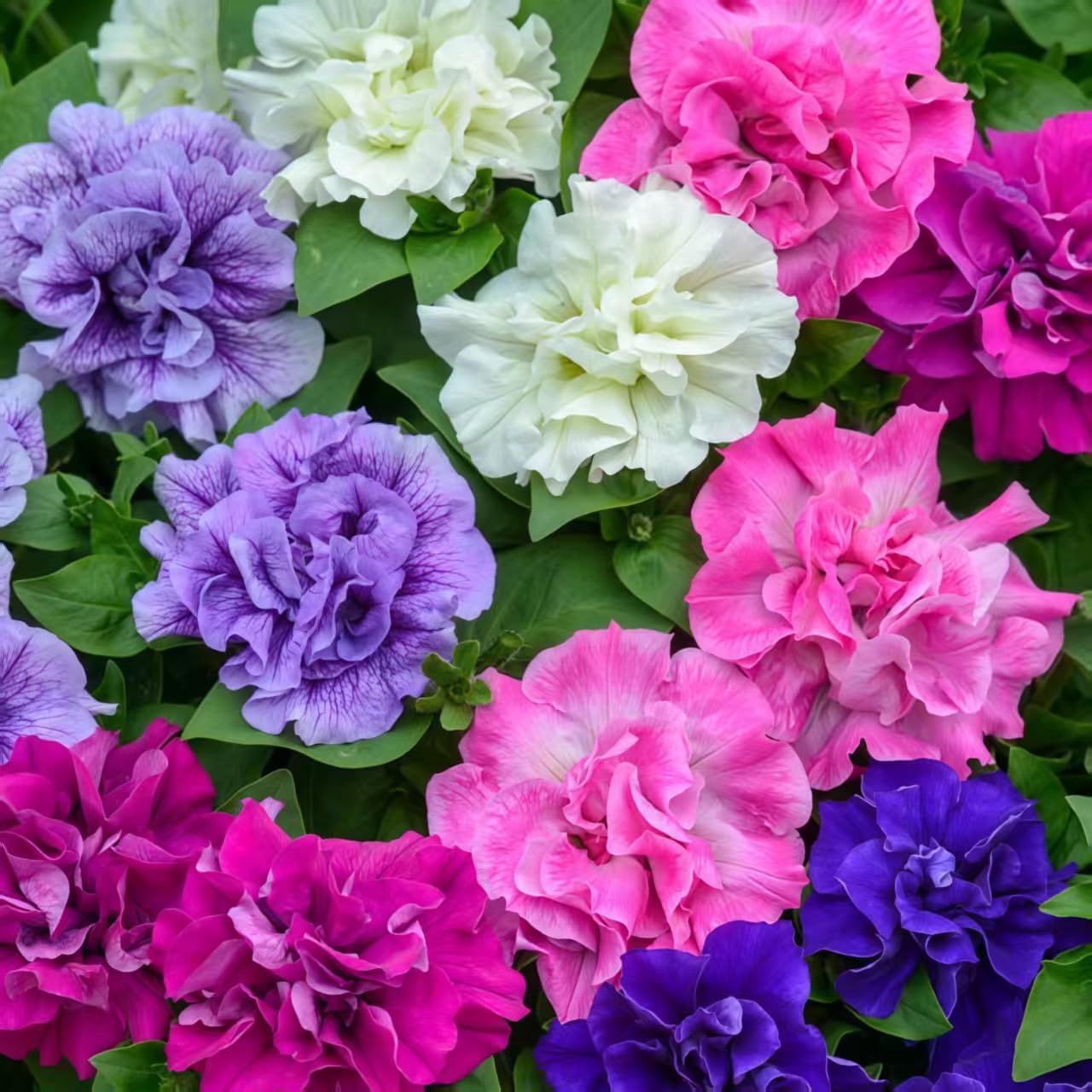
BuggyBeds Double Dwarf Petunia Seeds (300+), Mixed Colors
| Indoor Outdoor Usage | Indoor, Outdoor |
|---|---|
| Expected Blooming Period | Summer |
| Sunlight Exposure | Full Sun |
| Moisture Needs | Moderate Watering |
These BuggyBeds double dwarf petunia seeds produce a profusion of compact, colorful blooms well suited to hanging baskets, window boxes, and small container gardens in full sun. They are typically sown indoors or directly in containers, then transplanted or thinned so each plant has room to spill and fill a basket. The mix includes reds, pinks, purples, and whites and is described as heat and sun tolerant, which helps maintain steady flowering through spring and summer with moderate watering and routine feeding. The plants have a compact habit that keeps baskets full without overwhelming small spaces, and their flowers attract pollinators so they add both color and garden life. Limitations are that germination and color distribution can vary seed to seed and that these are a seasonal annual choice that needs replanting each year; performance also depends on good drainage and regular deadheading or trimming for the longest bloom period.
Best for: Gardeners who want an easy, colorful hanging-basket solution for full-sun locations and prefer starting many plants from seed to fill multiple containers affordably.
Less Ideal for: People seeking instant, uniform mature plants or a no-maintenance perennial solution should consider nursery-grown transplants or perennial alternatives instead.
- Large seed count (300+), enough to populate multiple hangers or containers
- Compact double-dwarf habit ideal for filling hanging baskets and small planters
- Heat and full-sun tolerance supports reliable summer flowering in sunny spots
- Attracts pollinators such as bees and butterflies
- Seed-grown variability means colors and bloom timing are not uniform
- As annuals, plants must be replanted each year to maintain displays
Verdict: A high-count packet of compact, sun- and heat-tolerant petunia seeds that fills hanging baskets with continuous summer color when started and cared for properly.
Carpet Creeping Lantana camara Seeds, 300 Count

| Unit Count | 300 Count |
|---|---|
| Sunlight Exposure | Full Sun |
| Expected Blooming Period | Summer |
| Moisture Needs | Moderate Watering |
| Material Features | GMO Free |
These Lantana camara seeds produce low-maintenance, heat- and drought-tolerant flowering shrubs that bloom from late spring through frost. They are typically sown in spring in full sun and well-drained soil and develop into bushy, spreading plants 12 to 24 inches tall that work well in borders, containers, hanging baskets, or as groundcover. Notable product points include a mixed-color assortment, a large 300-seed count for establishing several plants, and traits that attract hummingbirds and butterflies. The practical benefits are clear: once established the plants need only moderate watering, tolerate hot dry conditions, and provide continuous color with minimal upkeep. Limitations are that success depends on planting in appropriate USDA zones and sandy to well-drained soils, and seeds require basic germination care and time before reaching full flowering; this is not an instant mature-plant solution. For gardeners focused on reliable summer and heat-season blooms, these seeds are a cost-effective way to add pollinator-friendly color across a yard or containers.
Best for: Gardeners who prioritize low-water, low-maintenance summer color and want to establish multiple pollinator-friendly Lantana plants economically.
Less Ideal for: People who need instant, mature plants for immediate display or gardeners in colder zones seeking hardy perennials for frost-prone climates.
- High seed count (300) lets you establish multiple plants or replace failures without rebuying
- Drought and heat tolerant, suitable for hot summers and low-water landscapes
- Long bloom period from late spring until frost provides extended color
- Attracts hummingbirds and butterflies, supporting pollinators
- Seeds require proper spring planting and germination care before plants mature
- Best suited to USDA zone 9 (product lists zone 9) which limits colder-climate use
Verdict: Choose these Lantana seeds if you want a cost-effective way to establish heat- and drought-tolerant, long-blooming plants that support pollinators.
Choosing the Right Plants for Hot Sunny Window Boxes: Key Factors to Consider
Sun Exposure and Heat Load
Window boxes on south- or west-facing walls receive intense light and heat that compounds through reflected surfaces and glass. Plants must tolerate full sun for many hours and recover from high leaf temperatures. Consider microclimate details such as afternoon reflection off nearby buildings, heat from paved surfaces below, and whether open windows or overhangs reduce peak exposure.
Matching a plant's sun tolerance to that exposure prevents chronic leaf scorch and premature bloom drop. Look for species described as full-sun or heat-tolerant and avoid those that say "partial shade" as a requirement.
Soil Depth and Root Space
Window boxes typically offer shallower, narrower root volume than in-ground beds. Plants with compact or shallow root systems perform better than deep-rooted types that quickly become root-bound. Consider mature root spread and whether a plant tolerates frequent root disturbance when repotting or dividing.
Shallow soils also dry out faster, so choose plants that either tolerate drier conditions or accept more frequent watering. Using a lightweight, moisture-retentive potting mix with added organic matter helps, but it does not substitute for selecting species adapted to constrained root space.
Drought Tolerance and Watering Frequency
Hot window boxes lose moisture rapidly, so drought-tolerant plants reduce the need for constant watering. Some plants go dormant or slow growth during dry spells without significant damage, while others wilt and decline quickly. Understand whether a plant needs consistent surface moisture or can survive longer intervals between irrigations.
Also consider how visible stress is for the plant. Some species recover overnight after evening watering, while others suffer leaf drop that diminishes display value. Choose varieties that balance aesthetic needs with realistic watering routines.
Foliage and Bloom Longevity
In a small window box the visual impact of foliage and flowers matters more than sheer plant size. Look for plants that hold color and shape under sun exposure and that produce repeat blooms or persistent, attractive foliage through peak heat. Some species offer long-lasting flowers but burn quickly in hot sun; others have resilient leaves that provide structure when blooms fade.
Consider seasonal succession so the box remains appealing as some plants fade. Pairing long-blooming species with textural foliage can maintain interest without constant replanting.
Pest and Disease Resistance in Hot Conditions
High temperatures can shift pest and disease pressure. Some fungal diseases decline in hot, dry conditions, but sap-sucking insects and heat stress-related issues may still appear. Plants that tolerate heat without becoming weakened are less attractive to opportunistic pests.
Select species with known resistance to common container problems such as root rot when overwatered or mildew in humid spells. Choosing hardy varieties reduces the need for interventions in tight window-box environments.
Maintenance and Feeding Needs
Window boxes are small ecosystems that require periodic maintenance. Fertilizer leaches quickly in frequent watering, and high heat can accelerate nutrient use. Choose plants whose feeding schedules match how often you can realistically fertilize and prune.
Consider how often deadheading, pinching, or trimming is necessary to maintain form. Low-maintenance choices reduce labor while still providing a polished look from spring through late summer.
Preparing the Box for Hot Conditions
Start by using a lightweight, well-draining potting mix that includes organic matter and possibly moisture-retentive components like coir or compost. Avoid heavy garden soil which compacts and holds excess heat near roots.
Add drainage holes and a layer of coarse material at the base only if the box is very shallow. Position boxes so they get the intended sun exposure and consider temporary afternoon shade during heat waves using an awning or shade cloth.
- Use a potting mix formulated for containers rather than garden soil
- Ensure sufficient drainage to prevent root sogginess after summer storms
- Place boxes where air circulates to reduce heat buildup
Watering Strategies for Small, Hot Containers
Water deeply and thoroughly so moisture reaches the full root ball, then allow the surface to dry slightly before the next irrigation. Light daily sprinkling keeps foliage wet and increases stress rather than helping roots develop.
Consider morning watering to reduce evaporation and to let foliage dry before evening. Mulch the surface with fine bark or gravel to reduce rapid moisture loss and to keep roots cooler.
- Water in the morning for best recovery
- Check soil moisture an inch below the surface rather than judging by surface dryness
- Use a moisture meter or finger test for consistent results
Design Tips for Long-Lasting Window-Box Color
Mix plants with different bloom timings and foliage textures to sustain interest. Combine a reliable, low-growing filler with upright accents and trailing spillers that soften the box edge.
Stick to a limited color palette for a bold look or choose varied hues for a cottage-style display, but avoid overplanting which increases competition and watering demands.
- Pair drought-tolerant bloomers with hardy foliage plants
- Use trailing varieties at the front to conceal bare pot edges
- Keep spacing adequate to maintain airflow and reduce disease risk
Seasonal Care and Overwintering
In hot climates some plants behave as perennials, while in cooler zones they will be treated as annuals. Reduce watering and stop fertilizing in late season to harden plants before cooler weather arrives.
If you plan to keep containers through winter, choose plants tolerant of temperature swings and reduce potting mix volume to prevent freezing damage to roots. Otherwise, refresh boxes in spring with new compost and check for root-bound specimens that need dividing.
- Cut back leggy growth in late summer to encourage new structure
- Refresh topsoil annually to replenish nutrients
- Store or protect frost-sensitive species before first hard freeze
Container and Placement Options for Maximum Success
Choose boxes with adequate depth for the selected plants; many sun-tolerant options do fine in 6 to 8 inches of soil, but some benefit from deeper containers. Lighter-colored containers reflect heat and keep roots cooler than dark pots.
Mount boxes so they are secure and get consistent airflow. If heat is extreme, a small moveable stand allows shifting boxes into partial shade during the hottest weeks without rearranging the whole display.
- Use light-colored liners or boxes to reduce heat absorption
- Avoid crowding boxes against hot walls that radiate afternoon heat
- Consider self-watering inserts if you travel often
How We Chose the Best Plants for Hot Sunny Window Boxes
We prioritized plants that reliably perform in exposed, hot window-box microclimates. Key evaluation criteria included sun tolerance, drought resistance, compact habit suited to shallow containers, ornamental value across the season, and ease of maintenance. We looked for species that resist sun scorch and wilting under long daily exposure while still producing flowers or attractive foliage. Root behavior and typical mature size were considered so plants do not quickly outgrow shallow boxes. We also favored cultivars with moderate feeding needs and reasonable pest tolerance for urban settings. Exclusions included plants that require consistently moist, shaded, or cool conditions, species with deep root systems unsuited to shallow troughs, and varieties known for high maintenance or frequent disease in hot, dry conditions. The end list emphasizes practical choices that match real-world window-box constraints rather than rare or highly fussy specimens.
FAQ
How often should I water window boxes in full sun?
Often depends on heat and soil depth, but in hot weather many sun-exposed boxes need daily morning watering. Check moisture below the surface and water deeply when the top inch is dry rather than light surface sprinkles.
Can I grow vegetables in hot sunny window boxes?
Yes. Many herbs and Mediterranean vegetables tolerate heat and shallow soil, though choose compact varieties and be prepared for more frequent watering and feeding compared with ornamentals.
Will mulch help keep roots cool in shallow boxes?
Yes. A thin layer of fine bark or gravel reduces evaporation and helps moderate soil temperature. Avoid thick mulch layers that interfere with watering in small containers.
Are succulents the best choice for these boxes?
Succulents are a low-water option but may not suit every sunny window box if you want continuous blooms. They work well with proper drainage and soil but consider mixing with flowering drought-tolerant plants for color.
How do I prevent sun scorch on leaves?
Provide adequate water, use a reflective or lighter-colored container, and place boxes where afternoon heat is buffered when possible. Some plants naturally resist scorch better than others; choose those for relentless sun.
Final Verdict
For hot, sunny window boxes prioritize plants that combine true sun tolerance with drought resilience and compact root habits. Balance bloomers with resilient foliage to maintain appeal through heat spikes and reduce the need for constant intervention. Tradeoffs include occasional extra watering for showier flowers versus lower-maintenance foliage-dominant mixes. Choose based on how much time you can invest and whether sustained blooms or long-term structure matter more.
