

Note: This article contains affiliate links. If you click on these links and make a purchase, I may earn a small commission at no extra cost to you. This helps support my research and content. Read my full affiliate disclosure here.
Picking the right potting soil for violets matters because these compact houseplants need a mix that holds some moisture without becoming waterlogged. A wrong mix leads to root rot, drooping leaves, or poor flowering even when light and feeding are correct. This guide covers seven shortlisted potting soils chosen for their texture, drainage, and nutrient profile so you can find a reliable base for African and other common violet types. We evaluated mixes for drainage, moisture retention, and how well they support steady, repeat blooming. Read on to see the specific strengths gardeners should watch for before selecting a soil for violets.
Top Picks at a Glance
| Best Overall The best all-around choice for most situations | Midwest Hearth African Violet Potting Soil Mix (4 Dry Quarts) |  |
| Best Quality Built to a higher standard if you want something more solid | Sun Gro Horticulture Black Gold African Violet Mix (8 qt) |  |
| Best Value The sweet spot between price and what you get | Duspro 4-in-1 African Violet Potting Mix, Pre-Mixed, 1 qt |  |
| Best Budget The cheapest option that still gets the job done reliably | Doter Organic African Violet Potting Mix (1 qt) |  |
| Highest Rated A top-rated pick with lots of positive feedback | Sun Gro African Violet Potting Mix, 2-Pack (8 qt total) |  |
| Most Popular A crowd favorite that many people choose with confidence | Espoma Organic Premium Potting Mix for African Violets (4 qt) |  |
| Best Seller A high-volume bestseller chosen again and again | Leaves & Soul African Violet Potting Soil Mix, 2.2 Quart |  |
Midwest Hearth African Violet Potting Soil Mix (4 Dry Quarts)

| Brand Name | Midwest Hearth |
|---|---|
| Item Type Name | Potting Soil |
| Unit Count | 128 Ounce |
| Style Name | Peat Moss, Perlite, Vermiculite Potting Soil Mix |
| Volume | 4 quarts |
This ready-to-use mix is designed specifically for African violets and aims to supply the loose, well-drained but moisture-retentive medium those plants prefer. You use it straight from the bag for repotting or top-dressing without needing to amend; the combination of peat moss, perlite and vermiculite creates aeration to protect delicate roots while holding enough moisture to avoid rapid drying. The mix is pH-controlled to match African violet needs and is the same formulation the brand positions as professional grower quality. Practical benefits include reduced mixing time, consistent texture across pots, and a visible color/weight change that helps time watering. Limitations are the small 4-quart bag size for hobbyists with many plants and potential skin irritation for sensitive users when handling dry media. For growers who prefer to tailor their own blends, this premix leaves less room to adjust components or fertility.
Best for: Buyers who value an off-the-shelf, proven potting medium for African violets and want a consistent, low-effort mix that mimics professional grower formulas.
Less Ideal for: Growers who prefer to custom-blend soils, those managing large collections that need bulk bags, or users who want an already-fertilized/boosted mix.
- Formulated specifically for African violets with pH control
- Ready-to-use mix requires no additional amendments
- Peat moss, perlite and vermiculite balance aeration and moisture retention
- Consistent texture suitable for delicate, shallow rooting systems
- Small 4-quart bag may require frequent replenishing for multiple plants
- Dry mix can irritate sensitive skin if handled without protection
Verdict: Choose this ready-made, pH-balanced mix when you want a low-effort, professional-style soil that reliably supports African violet root health.
Sun Gro Horticulture Black Gold African Violet Mix (8 qt)

| Unit Count | 296 Ounce |
|---|---|
| Item Type Name | Sun Gro Horticulture Black Gold African Violet Mix |
| Manufacturer | BFG Supply |
| Volume | 8 quarts |
This Black Gold African Violet Mix is a ready-to-use potting medium tailored to the needs of African violets and other small indoor flowering plants. The blend pairs sphagnum peat moss for moisture retention with perlite and volcanic pumice to improve drainage and aeration, while earthworm castings add gentle organic fertility. Dolomite lime helps stabilize pH so the soil stays within the neutral-to-slightly-acid range violets prefer. In practice the mix is easy to work with when repotting single plants or topping up small containers, and the 8 quart package is convenient to handle and store. Because it is a focused blend rather than a general-purpose potting soil, you get predictable moisture behavior and fewer adjustments compared with making your own mix. Limitations are that it is a small-volume retail bag and does not include slow-release fertilizer, so high-performing growers will likely supplement with liquid feed or controlled-release nutrition for heavier bloom cycles.
Best for: Growers who prioritize reliable, plant-specific performance and want a ready-made medium that gives consistent moisture and aeration for African violets.
Less Ideal for: Gardeners who need large volumes of soil for many plants or those who prefer a potting mix with pre-mixed long-term fertilizer included.
- Formulated specifically for African violets with peat-based moisture retention and added aeration
- Includes earthworm castings for mild organic nutrient support
- Dolomite lime included to help maintain an appropriate pH
- Light, airy texture from perlite and pumice helps prevent root rot in small pots
- No built-in slow-release fertilizer so regular feeding is required for maximum flowering
- Small 8 quart bag may be insufficient for multiple plants or frequent repots
Verdict: Choose this mix when you want a consistent, airy peat-based medium that supports healthy roots and reliable bloom performance in African violets.
Duspro 4-in-1 African Violet Potting Mix, Pre-Mixed, 1 qt

| Brand Name | Duspro |
|---|---|
| Item Highlight | African Violet Soil Blend with Perlite, Coco Coir, Pumice & Pine Bark for Balanced Moisture, Root Airflow & Gentle Drainage |
| Unit Count | 1 Count |
| Number of Packs | 1 |
This premixed 4-in-1 potting mix is designed specifically for African violets and small flowering houseplants. It combines coco coir and fine pine bark to hold moderate moisture while perlite and pumice improve aeration and gentle drainage around delicate roots. Typical use is repotting or routine top-ups in small decorative pots where a light, slightly acidic medium (target pH ~5.8–6.0) helps bloom health. The 1 quart size is convenient for one or two plants and keeps repotting tidy since you do not need to measure or blend components. Notable features include the handcrafted quality control, consistent texture, and safety advice to lightly mist before use. Important limitations are the small package size if you maintain many plants and the product is specialized for African violets and similar small species, so it is not a universal potting soil for larger houseplants or heavy feeders. Expect faster drainage than standard mixes, which means more frequent, smaller waterings for growers who prefer a wetter medium.
Best for: Buyers who want a no-fuss, reliable potting mix tuned for African violets and who prioritize consistent repotting results and time savings over mixing their own media.
Less Ideal for: People managing large collections, big potted houseplants, or those who need a universal all-purpose potting soil for mixed species.
- Formulated specifically for African violets with a slightly acidic target pH
- Pre-mixed blend saves time and avoids measuring separate ingredients
- Lightweight texture suitable for small decorative pots and easy repotting
- Perlite and pumice improve root airflow and reduce compaction
- Available in small quantities that fit typical violet repotting needs
- Small package size may not suit growers with many plants or frequent repotting
- Specialized mix is not ideal for larger houseplants with different moisture needs
Verdict: If you want a ready-made, slightly acidic, lightweight mix that simplifies repotting and supports healthy blooms in African violets, this Duspro 4-in-1 blend delivers.
Doter Organic African Violet Potting Mix (1 qt)
| Brand Name | Doter |
|---|---|
| Item Type Name | Garden soil |
| Volume | 1 quarts |
| Item Weight | 224 g |
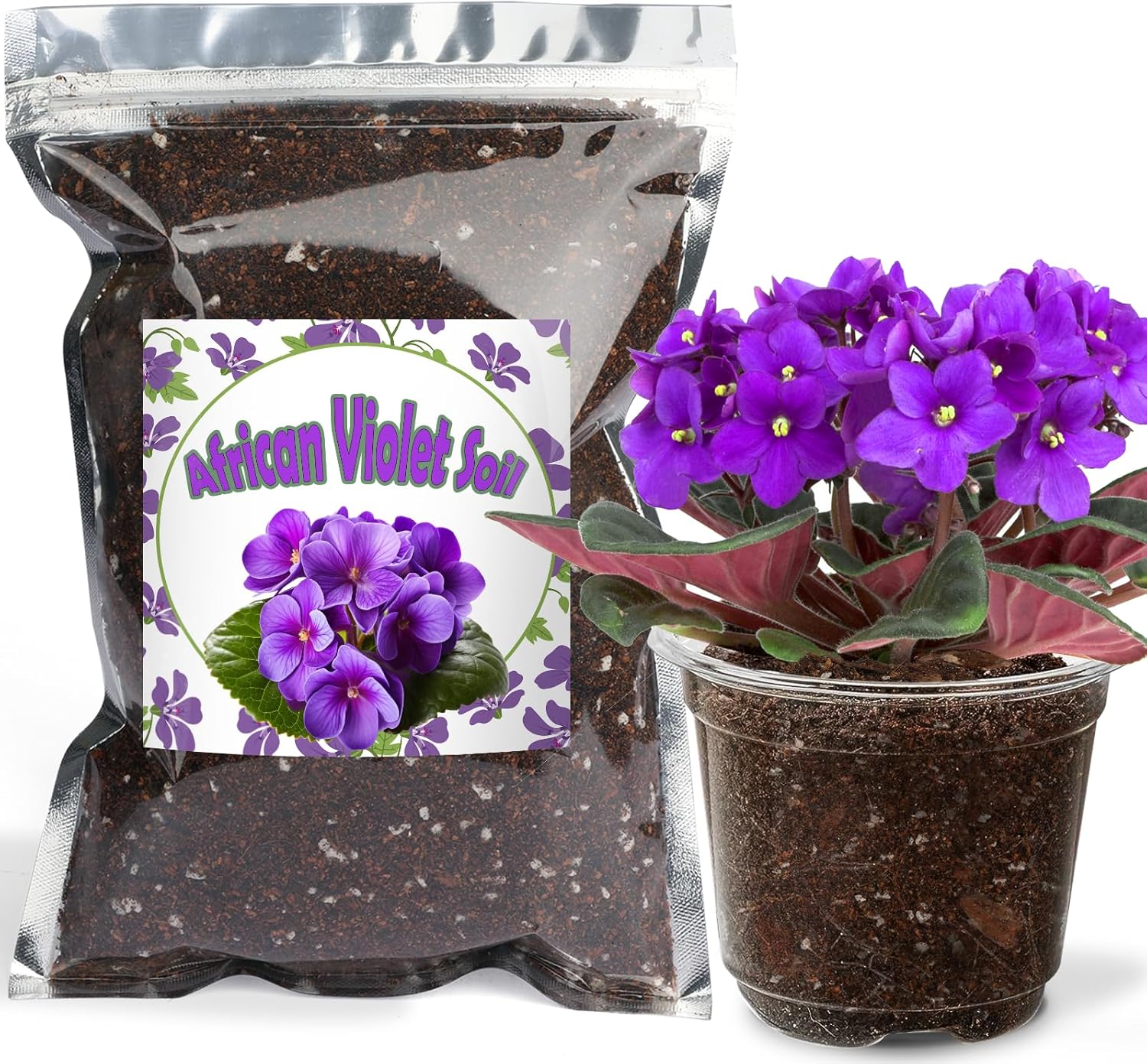
This 1 quart Doter potting mix is made specifically for African violets and similar small indoor plants. It combines peat moss, perlite, and bark to create a fine, airy medium that resists compaction and helps delicate roots get oxygen while holding enough moisture between waterings. The mix is described as slightly acidic and fortified with nutrients to support steady leaf growth and frequent flowering, so you can use it straight from the bag for repotting or topping up small pots. Practical benefits include easier watering control in shallow violet pots and reduced need to amend with extra perlite for drainage. Limitations are the small 1 quart volume, which means frequent repurchases if you maintain multiple plants, and the product guidance is general rather than giving specific feeding schedules or exact pH numbers. It is best used for routine repotting of single plants and as a ready blend for hobbyists who want a violet‑focused soil without custom mixing.
Best for: Plant owners who want an affordable, ready‑to‑use potting mix tailored to African violets and prefer not to mix their own media.
Less Ideal for: Enthusiasts who grow large collections, repot often, or need bulk soil for many plants should choose larger bags or prepare a custom mix.
- Formulated for African violets with a slightly acidic pH to improve nutrient uptake
- Fine, airy texture from peat moss, perlite, and bark that prevents compaction
- Fortified with nutrients to support flowering and foliage without immediate amendments
- Works straight from the bag for repotting small indoor pots
- Small 1 quart volume requires frequent repurchase for multiple plants
- No specific pH value or feeding schedule provided on product details
Verdict: A convenient, budget‑friendly 1 qt potting mix that gives African violets a light, nutrient‑ready medium for healthy foliage and more blooms.
Sun Gro African Violet Potting Mix, 2-Pack (8 qt total)

| Number of Packs | 2 |
|---|---|
| Unit Count | 2 Ounce |
| Style Name | Peat Moss,Potting |
| Volume | 8 quarts |
This Sun Gro African Violet Potting Mix is a peat moss blend designed specifically to support indoor African violets and other small flowering houseplants. The mix combines Canadian sphagnum peat moss with compost, perlite, and earthworm castings to improve drainage, aeration, and nutrient-holding capacity without added chemicals. Typical use is straightforward: replace or top-dress potting media in violet-sized containers or repot plants into the mix to encourage root development and fuller foliage. The inclusion of perlite helps prevent waterlogging while the organic components retain moisture between waterings, which reduces the chance of root rot when used with correct watering. It comes in two 8-quart bags, so you have enough for several pots. Important limitations are that the product is peat-based, so it will compress over time and may need periodic reworking or refreshment, and it does not include measured fertilizer so you will need to manage feeding separately. Also follow safety guidance to avoid contact with eyes and skin and keep away from pets and food.
Best for: Buyers who prioritize a reliable, ready-to-use potting medium tailored to African violets and want predictable drainage and moisture retention for indoor flowering plants.
Less Ideal for: Those seeking a soil with built-in, measured fertilization or a peat-free, sustainably sourced alternative should consider other mixes.
- Formulated specifically for African violets with a peat-perlite-compost blend
- Good drainage and aeration from perlite to reduce waterlogging
- Includes organic components like compost and earthworm castings to support root health
- Two 8-quart bags provide enough soil for multiple repots or several plants
- No built-in fertilizer or nutrient analysis provided so feeding schedule must be managed separately
- Peat-based mix can compress over time and may require refreshing or remixing
Verdict: A dependable peat-based potting mix made for African violets that delivers consistent drainage and root support for reliable indoor flowering results.
Espoma Organic Premium Potting Mix for African Violets (4 qt)

| Brand | Espoma |
|---|---|
| Unit Count | 128 Ounce |
| Included Components | Espoma Organic Natural and Organic Premium Potting Soil Mix |
| Volume | 4 quarts |
This Espoma mix is designed specifically for African violets and other indoor flowering houseplants. It combines sphagnum peat moss, humus, perlite and yucca extract to create a light, well-draining medium that helps roots breathe and encourages blooming. Typical use is potting new violets or repotting plants into slightly larger containers; the blend is ready to use out of the bag with no need to amend for basic houseplant needs. Notable features include organic ingredients and a focus on aeration and moisture retention balance, which reduces the risk of root rot from overwatering while still holding enough moisture for frequent bloomers. Because it contains only natural components and no synthetic fertilizers, growers who prefer low-chemical or organic care will appreciate it. Limitations are the small 4 quart volume, which means multiple bags are needed for several plants, and it does not include a built-in fertilizer, so feeding on a regular schedule is still necessary for vigorous flowering over time.
Best for: A cautious indoor gardener who prefers organic, low-chemical products and wants a ready-made soil that supports healthy root aeration and reliable flowering in African violets and similar houseplants.
Less Ideal for: People who need large volumes of potting mix for many plants or who want an all-in-one mix with built-in long‑term fertilizer.
- Formulated specifically for African violets and indoor flowering houseplants
- Light, well-draining mix (peat moss and perlite) that reduces risk of waterlogged roots
- Uses organic, natural ingredients without synthetic plant foods
- Includes yucca extract to help wetting and even moisture distribution
- Small 4 quart bag limits coverage for multiple plants
- No added fertilizer so separate feeding is required for sustained bloom
Verdict: Choose this Espoma African violet mix when you want a small, organic, well‑draining potting medium that supports healthy flowering in indoor violets.
Leaves & Soul African Violet Potting Soil Mix, 2.2 Quart

| Volume | 2.2 quarts |
|---|---|
| Made in | USA |
| Blend components | Peat moss, coco coir, perlite, dolomite |
| Packaging | Resealable bag |
Leaves & Soul African Violet Potting Soil is a premixed, ready-to-use medium designed specifically for Saintpaulia and other delicate indoor flowering plants. The blend of peat moss and coco coir helps retain useful moisture while remaining loose, while perlite improves drainage and aeration so fine roots get oxygen without staying waterlogged. Dolomite is included to moderate acidity and contribute to a balanced root environment. The bag is resealable, which keeps unused mix fresh between repotting sessions and makes it convenient for small collections. In practice this mix works well for repotting seedlings through mature plants when used in pots with drainage holes and adjusted watering. Important limitations are that it is a base medium rather than a complete fertilizer solution, so regular feeding according to your fertilizer schedule is still needed, and very small or recently rooted plantlets require careful moisture control. For growers who want a consistent, out-of-the-bag option that prioritizes moisture balance and aeration, this mix is an easy, practical choice.
Best for: Buyers who want a dependable, low-effort potting mix that balances moisture and aeration for indoor African violets and other delicate flowering houseplants.
Less Ideal for: Growers seeking a soil that supplies long-term nutrients without additional feeding or those managing large outdoor plantings where this indoor blend is unnecessary.
- Ready-to-use mix tailored for African violets so no immediate amendment is required
- Combination of peat moss, coco coir, and perlite balances moisture retention with drainage
- Includes dolomite to help stabilize pH and nutrient uptake
- Resealable bag for convenient storage between uses
- Not a fertilizer replacement so plants will need a separate feeding regimen
- May require extra care with very young plantlets to avoid overwatering
Verdict: A convenient, out-of-the-bag potting mix that gives African violets reliable moisture control and root aeration for healthier growth.
Choosing the Right Potting Soil for Violets: Key Factors to Consider
Drainage and Aeration
Violets need a potting medium that drains quickly while still holding air around the fine root mass. Good aeration prevents roots from sitting in water, which causes root rot and yellowing leaves. A mix that incorporates coarse components such as perlite or fine pumice creates channels for air and helps water move through rather than pooling.
When assessing commercial mixes, look for explicit mentions of drainage amendments and avoid mixes that are described only as "moisture-retentive" without aeration modifiers. Proper drainage also speeds drying between waterings, which is important because violets prefer a consistent but not wet substrate.
Moisture Retention Balance
While drainage is essential, violets also prefer a medium that holds some moisture because they have small root systems and can dry out quickly. Materials like peat moss or coconut coir help retain water near roots without making the mix heavy. The trick is balance: enough retention to avoid frequent wilting, but not so much that the soil becomes soggy.
For indoor growers who water infrequently, a mix with a slightly higher proportion of moisture-holding components can offer a buffer. For those who water often, leaner mixes with faster drying are preferable. Consider your watering habit and indoor humidity when choosing the retention level.
Nutrient Composition and Release
Violets need a consistent, mild supply of nutrients to produce regular blooms. Potting soils vary from inert bases with no fertilizer to precharged mixes with slow-release nutrients. Inert mixes offer control if you prefer to fertilize separately, while precharged mixes reduce the need for immediate feeding after repotting.
Check for balanced fertilizer levels and avoid mixes with excessive high-nitrogen formulas that encourage foliage growth at the expense of flowers. Slow-release or low-concentration starter nutrients are often ideal because they support young roots and initial growth without overwhelming delicate plants.
Texture Stability Over Time
Some potting soils compress or break down after repeated wetting and drying, which reduces aeration and drainage. For long-term potted violets, choose a mix that maintains structure across multiple watering cycles. Components like coarse perlite, small bark pieces, or stable coconut coir help the mix stay loose.
Texture stability affects repotting frequency and root health. If a mix compacts quickly, plan for more frequent repotting or mixing in fresh aeration amendments. Stable textures reduce maintenance and keep root systems healthier between repots.
pH Suitability and Additives
Violets perform best in slightly acidic to neutral pH ranges. Some potting soils are formulated to a neutral pH, while others include lime or acidic amendments that shift pH. Knowing a mix's pH tendency helps you avoid nutrient lockup and supports regular blooming.
Also watch for additives like wetting agents, fungicides, or bloom-boosting fertilizers. These can help some gardeners but may be unnecessary or undesirable for those who prefer to manage inputs themselves. Choose mixes whose additives align with your care style.
Bag Size and Practical Handling
Violets are small and pot sizes are typically measured in inches, so large-volume bags can be wasteful. Look for small bag options or mixes sold in sizes that match repotting needs. Smaller bags reduce the chance of the mix sitting unused and breaking down before use.
Consider the bag opening, resealability, and ease of scooping. Some packs are designed for single-plant use, while others require transferring to airtight containers for storage. Practical packaging saves time and preserves mix quality between uses.
Why Lightweight Mixes Suit Violets
Violets have shallow, fine roots that prefer light, airy mixes rather than dense garden soil. A lightweight potting medium supports root oxygenation and makes it easier to control watering schedules. This reduces stress and encourages frequent flowering.
Using a lighter mix also simplifies moving small pots for light adjustments or to rotate plants. For growers who keep violets indoors, the reduced weight makes handling and occasional repotting less cumbersome.
- Improved root oxygenation supports active growth
- Easier to judge moisture levels by touch
- Lighter pots are easier to move for light optimization
DIY Amendments to Improve Store-Bought Mixes
You can adjust a commercial potting soil to better match violet needs by adding a small proportion of perlite or pumice for aeration, and a bit of peat or coir to increase moisture-holding capacity. Aim for a final texture that crumbles easily when squeezed but does not drip water.
For extra long-term stability, mix in a small amount of horticultural grit or fine pine bark. These amendments reduce compaction and extend the useful life of the repotting mix without changing nutrient balance significantly.
- Perlite or pumice: increases drainage and aeration
- Peat or coir: increases moisture retention
- Fine bark or grit: resists compaction over time
Repotting Tips for Violets
Repot violets when roots begin to circle the pot or when the mix looks compacted, usually every 12 to 18 months for actively growing plants. Use a slightly larger pot only when necessary; violets bloom best when slightly root-bound.
When repotting, tease roots gently and replace only the top portion of the old mix if most roots are healthy. Fresh potting medium at the surface reintroduces aeration and nutrients without stressing the plant.
- Check roots before upgrading pot size
- Refresh top mix rather than full root disturbance when possible
- Water lightly after repotting and resume regular feeding in a few weeks
Watering Practices With Appropriate Soil
Soil choice affects watering rhythm. With a free-draining mix, water thoroughly until excess drains from the pot and then wait until the top quarter inch feels dry. In denser mixes, water in smaller amounts more frequently to avoid prolonged saturation.
Use room-temperature water and avoid letting water sit in saucers for long periods. Proper soil and correct watering together keep roots healthy and maintain steady flowering cycles.
- Water thoroughly then allow partial surface drying
- Avoid cold water to reduce shock
- Empty saucers after 30 minutes to prevent root sogginess
Storage and Handling of Leftover Mix
Store unused potting soil in a cool, dry place in an airtight container to prevent nutrient leaching and moisture changes. Small resealable bins help maintain texture and prevent pests or mold when you do not use the entire bag at once.
If a stored mix smells musty or shows mold, discard it and replace with fresh material. Regularly stir stored mixes to break up settled areas before using them for repotting.
- Use airtight containers for storage
- Check stored mix for smell and visible mold
- Stir before use to restore texture
How We Chose the Best Potting Soil for Violets
We selected potting soils that match the specific requirements of violets rather than general houseplant mixes. Primary evaluation criteria included drainage and aeration to prevent root suffocation, moisture retention to support consistent watering cycles, and nutrient balance tailored to sustained flowering. We also judged texture stability because compacting mixes lose oxygen over time, and ingredient transparency so gardeners know if peat, coir, perlite, or added fertilizers are present. Packaging and availability of small bags suitable for repotting single plants were considered for practical use in indoor gardening. We excluded heavy garden soils, outdoor potting blends designed for large containers, and mixes that rely on coarse bark suitable only for orchids. Products that lacked clear ingredient lists or that were formulated for succulents or cacti were not considered. The final picks reflect mixes that combine airy structure, steady moisture-holding capacity, and a moderate nutrient program appropriate for violets.
FAQ
Can I use standard indoor potting soil for violets?
Often standard potting soils are workable if they offer good aeration and moderate moisture retention. Many general mixes are heavier than ideal, so you may need to amend them with perlite or pumice to improve drainage.
How often should I repot violets when using a premixed soil?
Usually every 12 to 18 months for actively growing plants, depending on how quickly the mix compacts. Repot sooner if roots are crowded or the soil loses structure and drains poorly.
Should potting soil for violets contain fertilizer?
A light starter nutrient charge is helpful because violets benefit from a modest, steady supply of minerals. However, avoid mixes with high initial nitrogen concentrations that favor foliage over flowers.
Is peat or coconut coir better for violet mixes?
Both hold moisture well, but peat tends to be denser while coir is more sustainable and can provide similar retention with slightly better structure. Choose based on availability and your preference for sustainability.
How can I test if the potting soil drains well enough?
Fill a typical violet pot with the soil and water thoroughly. If water drains freely within a minute or two and the surface is not soggy afterward, drainage is adequate. If pooling or very slow drainage occurs, add aeration amendments.
Final Verdict
For violets, prioritize a potting soil that balances quick drainage with moderate moisture retention and that maintains an open texture over time. Consider mixes with clear ingredient lists so you can amend them easily with perlite or coir if needed. Match the mix to your watering habits and repot only when structure or root crowding indicates it is necessary. Focus on drainage, texture stability, and modest nutrient content when choosing a soil. Those priorities will keep roots healthy and support steady blooming, helping you pick the most suitable option from the shortlisted mixes.
