

Note: This article contains affiliate links. If you click on these links and make a purchase, I may earn a small commission at no extra cost to you. This helps support my research and content. Read my full affiliate disclosure here.
If you grow Cymbidiums, the right potting soil matters more than frequent feeding or fancy containers. Cymbidiums need mixes that drain well, provide steady moisture, and give roots space to breathe while holding hands with nutrients through the growing season. Choosing an appropriate potting soil helps prevent root rot, encourages robust pseudobulb development, and supports reliable flowering. This guide covers seven top potting soils chosen for Cymbidium culture, with short explanations of why each type suits specific conditions. We evaluated mixes for drainage, moisture retention, aeration, and nutrient support so you can pick the right base for your pots or repotting session.
Top Picks at a Glance
| Best Overall The best all-around choice for most situations | rePotme Cymbidium Imperial Orchid Mix (Mini Bag, 2 Quarts) |  |
| Best Quality Built to a higher standard if you want something more solid | GARDENWISE Premium New Zealand Orchid Bark (2 qt) |  |
| Best Value The sweet spot between price and what you get | Stroller Orchid Potting Mix (1 Quart) – Bark Blend with Moss, Perlite & Coco Peat |  |
| Best Budget The cheapest option that still gets the job done reliably | Better-Gro Orchid Bark Potting Medium, 4 qt |  |
| Highest Rated A top-rated pick with lots of positive feedback | Orchid Nerd Cymbidium Potting Mix (1 cu ft) |  |
| Most Popular A crowd favorite that many people choose with confidence | Better-Gro Special Orchid Mix, 4 Quart |  |
| Best Seller A high-volume bestseller chosen again and again | Legigo 2-Quart Organic Pine Orchid Bark Potting Mix |  |
rePotme Cymbidium Imperial Orchid Mix (Mini Bag, 2 Quarts)

| Brand Name | rePotme |
|---|---|
| Unit Count | 64 Ounce |
| Volume | 2 quarts |
| Style Name | Classic |
This rePotme Cymbidium Imperial Orchid Mix is a ready-to-use 2 quart bagged potting medium aimed at indoor orchid growers. It is hand-blended by a specialist brand and intended for use when repotting cymbidiums or other indoor orchids that need good airflow around the roots. Typical use is to replace compacted media, refresh nursery orchids, or top-dress pots before the growing season. The product's premium positioning and small bag size make it convenient for hobbyists who grow a few plants and prefer fresh, tailored mixes. Practical benefits include a mix designed specifically for orchids, brand expertise in orchid supplies, and a manageable quantity that avoids long-term storage of open soil. Important limitations are the small volume, which is only suited to one or two repots of medium plants, and safety notes that recommend avoiding skin or eye contact and using it in a ventilated area. Buyers should plan accordingly if they care for many cymbidiums or need a larger supply.
Best for: Enthusiast indoor growers who keep a few cymbidiums or orchids and want a fresh, orchid-specific repotting mix without buying bulk supplies.
Less Ideal for: Collectors with many plants or professional growers who need large-volume potting media should choose larger commercial quantities instead.
- Hand-blended mix formulated specifically for orchids which supports root airflow
- Small 2 quart bag is convenient for single repots and stays fresh
- Produced by a brand focused on orchid supplies with specialized product lines
- Only 2 quarts which is insufficient for multiple or large repottings
Verdict: Choose this small, orchid-focused mix if you want a fresh, hand-blended medium tailored for repotting one or two cymbidiums.
GARDENWISE Premium New Zealand Orchid Bark (2 qt)

| Brand | GARDENWISE |
|---|---|
| Unit Count | 64 Ounce |
| Volume | 2 quarts |
| Item Type Name | Soil |
Gardenwise Premium New Zealand Orchid Bark is a ready-to-use pine bark mix designed to give orchids strong aeration and quick drainage. Typical use is as an orchid medium or as a component when creating custom potting mixes for types like Phalaenopsis, Cattleya, and Cymbidium; you simply rinse if desired and fill pots to promote airy root zones. Notable features include aged Pinus radiata bark for slower breakdown, a claimed pH-stabilized profile to reduce root-rot risk, and a texture that keeps media open so roots dry between waterings. For Cymbidiums this bark performs well when blended with coarser materials or perlite to support their larger root systems while preventing prolonged moisture. Practical benefits are reduced repotting frequency and improved root health thanks to persistent structure and rapid drainage. Limitations are the small 2 quart volume for larger or multiple Cymbidiums and the need to mix with other components for optimal weight and moisture retention for terrestrial-style cymbidiums.
Best for: Buyers who prioritize orchid performance and root health and who want a high-drainage, long-lasting bark to build or refresh professional-style mixes for cymbidiums and other epiphytic orchids.
Less Ideal for: Casual growers who prefer an all-in-one potting soil or those seeking a large-volume substrate for many or very large potted cymbidiums.
- Aged New Zealand Pinus radiata bark resists rapid breakdown and maintains structure
- Fast-draining texture reduces risk of root rot by promoting air around roots
- pH-balanced formulation intended to support orchid root health
- Suitable as a base for custom mixes for Phalaenopsis, Cattleya, and Cymbidium
- Small 2 quart volume is insufficient for repotting larger Cymbidiums or multiple plants
- On its own may not retain enough moisture for terrestrial cymbidiums without mixing in moisture-retentive components
Verdict: Choose this premium, aged pine bark when you need a durable, fast-draining base to build a performance-focused potting mix for cymbidiums.
Stroller Orchid Potting Mix (1 Quart) – Bark Blend with Moss, Perlite & Coco Peat

| Unit Count | 32 Ounce |
|---|---|
| Item Type Name | orchid potting mix |
| Brand Name | Stroller |
This Stroller orchid potting mix is a pre-mixed bark blend intended for repotting and growing orchids, including larger types like Cymbidiums. The mix combines dried forest moss for moisture retention, perlite for aeration and drainage, coco peat for nutrient-holding capacity, and pine bark to keep the medium open and well ventilated. It is sold ready to use so you can repot without buying or mixing additional components. For Cymbidiums the combination should support their need for both moisture and airflow around roots, and the package recommends watering roughly once a week or longer to avoid overwatering. Practical safety notes: avoid inhaling dust and wear gloves if you have sensitive skin. As a 1 quart bag it is best for single plants or small repots, so you may need larger quantities for mature Cymbidiums or multiple plants. The mix is straightforward and convenient but expect to buy multiple bags for larger-scale repotting projects.
Best for: Buyers who want a convenient, ready-made orchid medium to repot one or a few Cymbidium plants and prefer not to mix ingredients themselves.
Less Ideal for: Growers repotting large mature Cymbidiums or outfitting multiple plants at once who need bulk quantities or custom mix ratios.
- Pre-mixed blend of moss, perlite, coco peat, and pine bark ready to use without additional amendments
- Ingredients balance water retention and aeration suitable for orchids that need breathable media
- Recommended watering interval (about 7 days or longer) helps reduce risk of overwatering
- Compact 1 quart size is convenient for single-plant repotting and trialing a new mix
- Small 1 quart volume requires multiple bags for mature Cymbidiums or several plants
- May produce dust that can irritate skin or respiratory tract if handled without protection
Verdict: A convenient, ready-to-use bark-based orchid mix that balances moisture retention and airflow for repotting individual Cymbidiums without extra blending.
Better-Gro Orchid Bark Potting Medium, 4 qt

| Brand | Better-Gro |
|---|---|
| Volume | 4 quarts |
| Item Highlight | Premium grade potting medium; ideal for Phalaenopsis and epiphytic orchids |
Better-Gro Orchid Bark is a grower-grade fir bark mix designed for potting, repotting, and topping off epiphytic orchids like Phalaenopsis as well as bromeliads, ferns and other tropical plants. The mix is made from specifically sized and graded western fir bark nuggets that provide excellent drainage while still retaining enough moisture to support root development. It comes in a resealable 4 quart bag that makes it convenient for small repots and for blending into custom mixes. Practical benefits include fast drying between waterings to help prevent root rot and a chunky texture that gives roots airspace similar to natural mounting. Limitations are that it is pure bark so it holds little organic nutrients on its own and will need regular fertilizing or incorporation into a prepared potting blend for long-term potted plants. Also the bag is small for collectors with many plants, so frequent repurchasing is likely for larger collections.
Best for: Buyers looking for an inexpensive, no-frills orchid medium that mimics natural epiphytic conditions and is easy to use for individual repots or small collections.
Less Ideal for: Those who want an all-in-one potting soil with nutrients included or growers with large collections who prefer bulk bags to reduce repeat purchases.
- Specially sized western fir bark promotes strong root aeration and healthy root development
- Chunky texture provides excellent drainage to reduce risk of overwatering
- Resealable bag keeps remaining mix usable between repots
- Versatile for potting, repotting, spot filling, or as a base for custom orchid mixes
- Contains no inherent nutrients so regular fertilizing is required for sustained growth
- 4 quart bag is small for growers with multiple plants or large pots
Verdict: A budget-friendly, grower-grade fir bark that gives orchids the drainage and air space they need for healthy roots and reliable repotting.
Orchid Nerd Cymbidium Potting Mix (1 cu ft)
| Unit Count | 1 Count |
|---|---|
| Volume | 1 cubic feet |
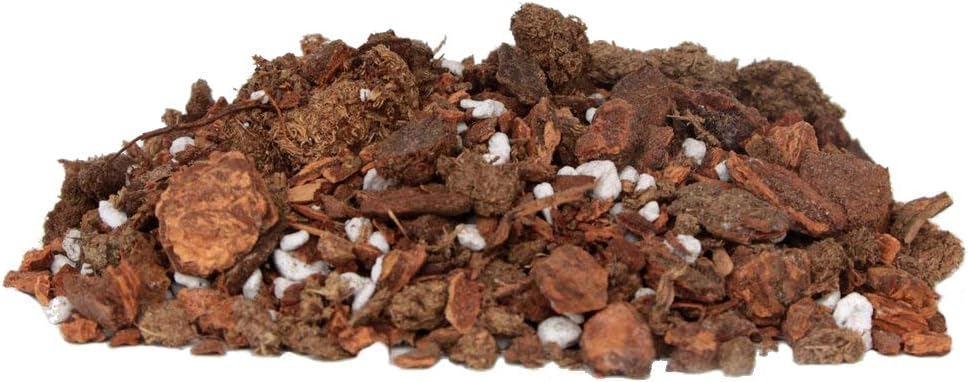
This pre-mixed Cymbidium potting soil is designed for repotting adult orchids and comes in a full cubic foot bag so you can re-pot several plants or refresh media for larger specimens. The mix pairs coarse orchid bark with perlite and charcoal to keep roots well aerated while peat moss and coconut retain enough moisture between waterings. That balance makes it straightforward to use: fill an orchid pot with the mix, position the crown at the correct level, and backfill so roots have space for new growth. Notable features include the natural ingredient blend, U.S. small-batch production, and a bag size suited to multiple repots. Important limitations are that it is a general-purpose Cymbidium mix rather than a custom formula for specific climates or watering styles, and the inclusion of peat and perlite means you should handle the bag with care to avoid dust. For growers who prioritize a dependable, ready-made medium this product reduces the guesswork of blending components but experienced growers who need a very precise moisture profile may still tweak it with extra bark or sphagnum.
Best for: Growers who want a reliable, ready-made potting medium for Cymbidium repotting and prefer a no-fuss blend that performs consistently across typical indoor and greenhouse conditions.
Less Ideal for: Growers who require a custom moisture profile or live in extreme climates and need a specialized, climate-adjusted mix.
- Balanced ingredient mix for drainage and moisture retention
- Full 1 cubic foot bag suitable for multiple repots or larger plants
- Made from natural components and produced in small batches in the United States
- Not tailored to specific climates or highly particular watering regimens
- Contains peat and perlite which can create dust during handling
Verdict: A dependable, ready-to-use potting mix that simplifies Cymbidium repotting by delivering good drainage and root aeration out of the bag.
Better-Gro Special Orchid Mix, 4 Quart

| Item Form | Solid |
|---|---|
| Specific Uses For Product | Plant Growth, Root Development |
| Target Species | Cattleyas, Phalaenopsis, Dendrobiums, Paphiopedilums, Oncidiums and All Epiphytic Orchids |
| Unit Count | 128 Fluid Ounces |
| Included Components | 4 Quarts |
Better-Gro Special Orchid Mix is a ready-to-use potting medium designed for phalaenopsis, cattleyas, dendrobiums and other epiphytic orchids. It combines western fir bark, hardwood charcoal and sponge rock with coarse perlite and bark nuggets to recreate the airy, fast-draining substrate orchids prefer. Use it for routine repotting or when you need to refresh compacted media; the coarse components speed drainage and improve oxygen around roots, which helps prevent rot and supports vigorous root development. The resealable 4-quart bag makes small repots convenient and the charcoal helps keep the mix clean by filtering impurities. Because it is a coarse, bark-based blend it will dry faster than soil mixes, so watering frequency must be adjusted accordingly. Also, the small 4-quart size is best for hobbyists or individual plants rather than large collections. For growers who want a straightforward, proven orchid substrate, this mix covers the essentials without additives or complex instructions.
Best for: Orchid hobbyists who prioritize healthy roots and want a simple, grower-formulated substrate for occasional repotting and small collections. Ideal for users who value proven ingredients and want predictable drainage and aeration.
Less Ideal for: Large-scale collectors or growers who repot many plants at once should choose larger bags or bulk mixes. Those wanting a moisture-retentive, soil-like substrate for non-epiphytic plants should look elsewhere.
- Formulated for epiphytic orchids like Phalaenopsis and Cattleyas
- Coarse components provide excellent drainage and root aeration
- Includes charcoal to help filter impurities and keep mix cleaner
- Resealable bag suitable for multiple small repots
- Small 4-quart volume may require frequent repurchase for multiple plants
- Bark-based mix dries quickly so watering needs more frequent attention
Verdict: A straightforward, professional-formulated bark and rock orchid mix that reliably provides the drainage and aeration needed for healthy epiphytic orchid roots.
Legigo 2-Quart Organic Pine Orchid Bark Potting Mix

| Unit Count | 64 Ounce |
|---|---|
| Material | Pine bark |
| pH | 5.0-6.5 |
| Application | Soil mix & planting media |
Legigo's orchid bark is a simple, single‑ingredient potting medium made from screened pine bark chips intended for orchids and other epiphytic houseplants. Use it alone for plants that need excellent air circulation around roots or mix it with coir, perlite, or potting soil to create a freer‑draining custom mix. The chips are sized to stay chunky in pots so they reduce compaction, speed drainage and help prevent root rot while still holding some moisture to slow evaporation. For gardeners, that means fewer repots and lower watering frequency for tropical potted plants. Packaging is practical for storage and the product is described as slow to decompose, making it suitable as a longer‑lasting mulch or top dressing. Important limits: the 2‑quart bag is small for large collections or outdoor beds, and bark alone does not provide nutrients so regular feeding or mixing with a more complete potting medium is necessary for long‑term growth.
Best for: Buyers who prefer low‑risk, no‑fuss growing media that reduce overwatering problems and mimic natural orchid conditions, especially those with a small indoor collection or who mix their own potting blends.
Less Ideal for: Gardeners needing large volumes for beds, those who want a nutrient‑complete potting soil out of the bag, or growers who prefer finer, moisture‑retentive media for seedlings.
- 100% natural pine bark that mimics orchids' natural growing medium
- Chunky chips maintain aeration and reduce potting mix compaction
- Drains quickly to help prevent root rot in epiphytic plants
- Slow decomposition makes it useful as a longer‑lasting mulch or top dressing
- Small 2‑quart volume which is insufficient for many pots or garden beds
Verdict: A compact, natural pine bark mix that reliably improves aeration and drainage for orchids and indoor tropicals, ideal for gardeners who want a low‑maintenance substrate.
Choosing the Right Potting Soil for Cymbidiums: Key Factors to Consider
Particle Size and Component Mix
Particle size controls how quickly water moves through the pot and how much air the root zone receives. Cymbidiums benefit from a mix of coarse components such as bark, perlite, and charcoal combined with a finer, moisture-holding element so roots get both oxygen and steady hydration.
Too-fine seedling mixes or heavy peat will compact and limit aeration, increasing the risk of root disease. Conversely, an overly chunky mix can dry out between waterings and stress the plant. Look for components that interlock to create stable pockets of air and water while allowing roots to anchor easily.
Drainage Rate Versus Moisture Hold
Cymbidiums need a balance: fast enough drainage to avoid waterlogged roots, but enough moisture retention to sustain weekly watering cycles. The ideal soil lets excess water escape after watering but retains enough capillary-held moisture for the plant to draw on between irrigations.
Materials such as medium-grade bark and pumice provide good drainage while fine-grade coco coir or a small proportion of sphagnum peat can moderate moisture loss. Consider your local humidity and frequency of watering when choosing how much moisture-holding material to include.
pH and Nutrient Buffering
Root uptake, nutrient availability, and microbial health all depend on appropriate pH and buffering capacity. Cymbidiums generally prefer a slightly acidic to neutral root environment. A mix that stabilizes pH and includes a gentle, slow-release nutrient buffering medium helps prevent sudden shifts in available minerals after fertilizing.
Some orchid-specific mixes include calcined clay or limestone chips to minimize acidity swings. Avoid components that leach strong acids or bases during wetting and drying, and consider a mix that allows predictable, gentle feeding schedules.
Aeration and Root Space
Cymbidium roots are thicker and often require more physical space than many small orchids. Good aeration prevents anaerobic pockets and encourages roots to produce healthy feeder roots and pseudobulbs.
Select mixes with stable, chunky particles that do not collapse into fine sediment. Larger pieces of bark, charcoal, and coarse perlite or pumice maintain open channels. Aeration also affects temperature regulation in the pot, which matters during hot spells and in greenhouses.
Durability and Breakdown Rate
How quickly a potting mix decomposes determines how often you must repot and how much root disturbance the plant endures. Fast-breaking organic materials compact and hold water but also reduce aeration over a growing season.
Blends with a higher proportion of slow-decomposing components such as large bark, charcoal, or inorganic pumice last longer and maintain structure. Consider mixes designed for longer-term stability if you prefer less frequent repotting.
Choosing Components If You Build Your Own Mix
Many growers prefer to blend their own potting soil to match local conditions and watering habits. A common base for Cymbidiums combines medium-grade fir bark with coarse perlite or pumice, a small fraction of fine sphagnum or coco to provide moisture retention, and some crushed charcoal to improve drainage and microbial balance.
Experiment on a single plant before committing the mix across a collection. Adjust the ratio of moisture-retaining to chunky materials according to how quickly pots dry in your environment.
- Typical starting ratio: 60% bark, 20% pumice or perlite, 10% coco coir, 10% charcoal or coarse spongey material
- Sift out fine dust to prevent compaction
- Sterilize reused bark or components if you suspect disease
Container Choice and Its Impact on Soil Performance
The material and size of the pot change how a mix behaves. Unglazed clay pots wick moisture and increase drying speed, which may suit heavier mixes that otherwise hold too much water. Plastic or glazed containers retain moisture longer and work well with chunkier, fast-draining mixes.
Make sure pots have adequate drainage holes and choose pot volume appropriate to the rootball: oversized pots increase wet-dry cycling and can encourage rot.
- Match pot type to your chosen mix: drier mixes with clay, wetter mixes with plastic
- Use pots that allow excess water to escape freely
Repotting Timing and Technique for Cymbidiums
Cymbidiums benefit from repotting every one to three years depending on mix breakdown and root growth. Repot in active growth when new roots are starting to emerge to reduce shock. Gently remove old media from between roots and inspect for signs of rot or pests before placing the plant in fresh mix.
Avoid burying the crown too deeply and position the plant so new shoots have room. Water lightly after repotting and then resume normal care once roots reestablish.
- Repot when media compresses or drains poorly
- Trim clearly dead roots and discard contaminated mix
Watering Practices With Different Mixes
Irrigation frequency changes with the mix composition. Chunkier, inorganic-rich mixes need less frequent watering but will demand a thorough soak each time to fully rehydrate the root zone. Mixes with more coir or sphagnum need more regular top-ups but are more forgiving if you forget a session.
Check moisture by feeling the mix just below the surface or using a moisture probe. Water deeply until excess drains from the pot, then allow partial drying before the next irrigation.
- Soak thoroughly to flush salts in moisture-retaining mixes
- Adjust schedule seasonally as growth and humidity change
How We Chose the Best Potting Soil for Cymbidiums
We focused on attributes that directly affect Cymbidium health and flowering. Our selection filtered for mixes and base components that deliver good drainage without drying out too quickly, stable moisture holding that reduces daily watering stress, and particle sizes that maintain consistent aeration for root systems. We examined fertilizer and buffering approaches appropriate for orchids, root-friendly pH behavior, and physical stability so mixes do not collapse quickly around crowns. Evaluation criteria included particle composition and size, drainage rate, moisture retention, nutrient buffering, and resistance to breakdown over time. We excluded mixes designed only for terrestrial houseplants or succulents because those do not provide the structural aeration Cymbidiums need. We also set aside purely decorative topdressings and blends with excessive peat content that can compact or acidify too strongly for long-term orchid culture. The result is a shortlist of seven potting soils and component approaches that meet practical greenhouse and home cymbidium needs, with an emphasis on mixes that perform in real growing cycles.
FAQ
How often should I repot Cymbidiums into fresh potting soil?
Usually every one to three years depending on how fast the mix breaks down and how much root space the plant needs. Repot sooner if media compacts, drains poorly, or shows root rot.
Can I use general houseplant potting soil for Cymbidiums?
General houseplant mixes are often too fine and retain too much water for cymbidiums. They may compact and reduce aeration, increasing the risk of root problems. If you use one, amend it with coarse bark or pumice to improve structure.
What is the best way to water when using a fast-draining mix?
Water thoroughly until water runs from the drainage holes so the entire root mass hydrates. Allow the top portion of the mix to dry slightly before the next irrigation to prevent constant saturation.
Should I add fertilizer directly to the potting soil for Cymbidiums?
A moderate, balanced fertilization plan is usually better than relying on heavily amended soil. Many growers use a slow-release component combined with regular liquid feeding during active growth to maintain consistent nutrient availability.
How does humidity affect my choice of potting mix?
Higher humidity reduces surface drying, so chunkier mixes that drain quickly work well in humid environments. In dry, low-humidity homes, include more moisture-retentive components so the plant does not dry out between waterings.
Final Verdict
Pick a potting soil that balances drainage and moisture for steady root health. Prioritize mixes with stable, chunky components to maintain aeration and reduce the frequency of repotting, and adjust moisture-holding elements to your climate and pot choice. Tradeoffs are inevitable: faster-draining mixes need more consistent watering, while moisture-retentive mixes require attention to avoid prolonged wetness. Choose the blend that fits your watering routine and environment, and repot when the media compresses or roots become crowded.
