

Note: This article contains affiliate links. If you click on these links and make a purchase, I may earn a small commission at no extra cost to you. This helps support my research and content. Read my full affiliate disclosure here.
Picking the right soil for an azalea bonsai matters more than many gardeners expect. Azaleas have shallow, fine root systems and specific acidity and moisture needs that affect flowering, vigor, and long-term stability. The wrong mix either holds too much water or drains too quickly, both of which stress the plant and reduce bloom quality. This guide looks at six shortlisted soil options for azalea bonsai across common container and indoor growing situations. We evaluated mixes for their drainage, acidity control, water retention, and suitability for bonsai pot culture so you can choose a mix that matches how and where you grow your azalea bonsai.
Top Picks at a Glance
| Best Overall The best all-around choice for most situations | Calibonsai Genuine Japanese Kanuma Soil for Bonsai and Acid-Loving Plants, Small Grain, 2 Gal |  |
| Best Quality Built to a higher standard if you want something more solid | Coast of Maine Organic Planting Soil for Acid-Loving Plants (20 Qt, 4 Pack) |  |
| Best Value The sweet spot between price and what you get | Soil Sunrise Acid-Loving Potting Soil Mix (12 Quarts) |  |
| Best Budget The cheapest option that still gets the job done reliably | NOHOBE Japanese Kanuma Soil, 1–3 mm Fine Grain, 2 lb |  |
| Highest Rated A top-rated pick with lots of positive feedback | Premium Azalea Bonsai Soil Mix with Japanese Kanuma and Mycorrhizae (2.5 qt) |  |
| Most Popular A crowd favorite that many people choose with confidence | NOHOBE Kanuma Soil 2 lb (3–6 mm) for Bonsai and Acid-Loving Plants |  |
Calibonsai Genuine Japanese Kanuma Soil for Bonsai and Acid-Loving Plants, Small Grain, 2 Gal

| Volume | 2 gallons |
|---|---|
| Grain size | 3.0 mm – 5.0 mm |
| pH | 5.2 – 5.6 |
| Style Name | Potting |
This 2-gallon bag of genuine Japanese kanuma is a specialty soil for acid-loving plants and bonsai that delivers a light, well-draining medium with modest water and nutrient retention. Typical uses include top-dressing or mixing into container blends for azaleas, camellias, gardenias and Japanese maple grown in pots where slightly acidic conditions are desired. The product's small grain size (about 3–5 mm) makes it easy to blend with other components and helps keep root collars aerated while still holding enough moisture for sensitive fine roots. Practical benefits are improved drainage compared with straight potting mix, reduced risk of root rot in containers, and a reliable way to lower substrate pH without chemical amendments. Important limitations are the small 2-gallon volume, which means you will likely need multiple bags for medium to large maple containers, and that kanuma is a specialized medium best used as part of a mix rather than the sole potting material for heavy feeders.
Best for: Buyers who want a reliable, specialty substrate component to create acidic, well-draining mixes for container Japanese maple and other calcifuge shrubs and who prioritize substrate pH control and root aeration.
Less Ideal for: Gardeners seeking an all-in-one potting soil or large-volume bulk soil for multiple large containers should consider higher-volume general potting mixes or larger bags instead.
- Acidic pH (about 5.2–5.6) suitable for calcifuge plants and lowering mix pH naturally
- Lightweight pumice-like texture improves drainage and aeration in container mixes
- Small grain size (3–5 mm) blends well with other substrates and is bonsai-friendly
- 2-gallon bag is a small volume for repotting larger container Japanese maples
Verdict: Use this kanuma to reliably create an acidic, well-draining container mix for Japanese maple and other calcifuge plants.
Coast of Maine Organic Planting Soil for Acid-Loving Plants (20 Qt, 4 Pack)

| Unit Count | 20 Ounce |
|---|---|
| Volume | 20 quarts |
| Style Name | 4 Pack |
| OMRI Listed | Yes |
This Coast of Maine planting soil is an organic, low-pH blend designed for azaleas, rhododendrons, blueberries and other acid-loving plants. It arrives ready to use and is typically worked into planting holes, mixed into existing beds, or used to top-dress containers to lower pH and improve structure. Notable features include a mix of composted manure, sphagnum peat moss and marine-derived amendments that supply slow-release nutrients and encourage soil life. In practice the soil offers lighter texture than heavy native loam, so it improves root penetration and drainage while retaining enough moisture for sensitive shrubs and berries. Because it is OMRI-associated and made from natural inputs it supports longer-term soil biology rather than quick-release chemical feeding. Important limitations are that pH and nutrient specifics are not listed on the product page so you may still want to test your soil and supplement with targeted fertilizers or sulfur to reach exact blueberry preferences, and the bags are bulky to handle when wet. For gardeners focused on plant performance, it is a practical organic base for establishing or rejuvenating blueberry planting sites when combined with soil testing and a tailored feeding plan.
Best for: Gardeners who prioritize plant performance and sustainable inputs and want an organic, low-pH base to establish or improve blueberry beds.
Less Ideal for: Those who need precise, lab-verified pH or NPK values out of the bag or who prefer lightweight, pre-amended container mixes formulated for immediate fruiting without additional testing.
- Formulated for acid-loving plants so it supports blueberries and similar shrubs
- OMRI-listed organic ingredients that build soil biology over time
- Balanced texture that improves drainage while retaining moisture
- Contains composted manure and marine amendments for slow-release nutrients
- No explicit pH or guaranteed nutrient analysis provided on the product detail
- Bags are heavy and awkward to move when saturated
Verdict: A performance-focused organic planting soil that gives blueberry plantings a low-pH, biologically rich foundation for stronger roots and better long-term growth.
Soil Sunrise Acid-Loving Potting Soil Mix (12 Quarts)

| Volume | 12 quarts |
|---|---|
| Ingredients | Peat moss, vermiculite, pine bark, pine needles, sphagnum moss |
| Brand Name | Soil Sunrise |
This 12-quart Soil Sunrise mix is built specifically for acid-loving container plants and combines peat moss, sphagnum, pine bark, pine needle mulch and vermiculite to deliver a consistently acidic, well-aerated medium. In practice it is easiest used for repotting azaleas, rhododendrons and blueberries or filling decorative containers where maintaining lower pH and steady moisture retention matter. The peat and sphagnum hold water and nutrients between waterings while pine bark and vermiculite keep the mix loose so roots do not suffocate. Because it is hand-blended in small batches with natural components, the texture and pH are tailored for long-term health rather than quick-release feeding. Expect improved root development and fewer problems with compaction compared with standard all-purpose mixes. Limitations are the modest bag size for larger shrubs and that it does not include fertilizer, so feeding is still required for fruiting or heavy bloom cycles.
Best for: Gardeners seeking reliable performance for container-grown acid-loving plants who prioritize consistent pH and healthy root environments over convenience blends.
Less Ideal for: Large-scale plantings or gardeners who want an all-in-one fertilized mix for immediate heavy bloom or fruit production.
- pH-balanced blend formulated for acid-loving species
- Peat moss and sphagnum retain moisture and nutrients between waterings
- Pine bark and vermiculite improve drainage and prevent compaction
- Hand-blended small-batch mix made from natural ingredients
- No added fertilizer, so plants will need separate feeding for fruiting or heavy blooms
- 12-quart bag is small for large containers or multiple shrubs
Verdict: Choose this mix when you need a purpose-built, pH-balanced potting medium that promotes strong roots and moisture management for acid-loving container plants.
NOHOBE Japanese Kanuma Soil, 1–3 mm Fine Grain, 2 lb

| Unit Count | 32 Ounce |
|---|---|
| Volume | 2 liters |
| Item Highlight | Improves Aeration & Drainage, Naturally Acidic pH |
| Style Name | Japanese |
This 2 lb bag of NOHOBE Japanese Kanuma is a fine-grain (1–3 mm) volcanic soil intended for acid-loving plants and bonsai. It is typically used as a primary medium for azalea bonsai or mixed into potting blends to lower pH and increase porosity. The product’s naturally acidic pH (about 4.5–6) makes it suitable for species that dislike alkaline conditions, while the porous granules promote rapid drainage and reduce the risk of root rot. Because the granules resist breaking down, the soil preserves structure over multiple seasons, so you do not need to repot as often. Practical limitations are its small 2 lb volume, which is fine for repotting a single azalea bonsai or topping up mixes but requires multiple bags for larger collections. Also it is a single-component medium, so growers who need more water retention or nutrients will want to blend it with organic materials or a moisture-retentive substrate.
Best for: Buyers looking for an affordable specialist medium to use as a primary mix or amendment for an azalea bonsai; good for hobbyists who prefer to blend their own bonsai substrates and care about correct pH and drainage.
Less Ideal for: Gardeners who want an all-in-one potting soil with built-in nutrients or water retention for many large plants, or those who need bulk quantities for garden beds.
- Naturally acidic pH suited to azaleas and other acid-loving plants
- Porous volcanic granules improve drainage and aeration to reduce root rot risk
- Fine 1–3 mm grain size is appropriate for bonsai root development and pot mixes
- Durable granules resist decomposition so soil structure lasts multiple seasons
- Small 2 lb volume makes it impractical alone for multiple pots or larger repots
- No added nutrients or organic matter so it must be mixed with other media for fertilization and water retention
Verdict: A compact, low-pH kanuma that gives azalea bonsai the drainage and acidity they need without unnecessary additives, making it a practical budget-friendly amendment for bonsai growers.
Premium Azalea Bonsai Soil Mix with Japanese Kanuma and Mycorrhizae (2.5 qt)
| pH | 5.4 – 5.6 |
|---|---|
| Volume | 2.5 Quarts |
| Grain size | Medium (6–10 mm) |
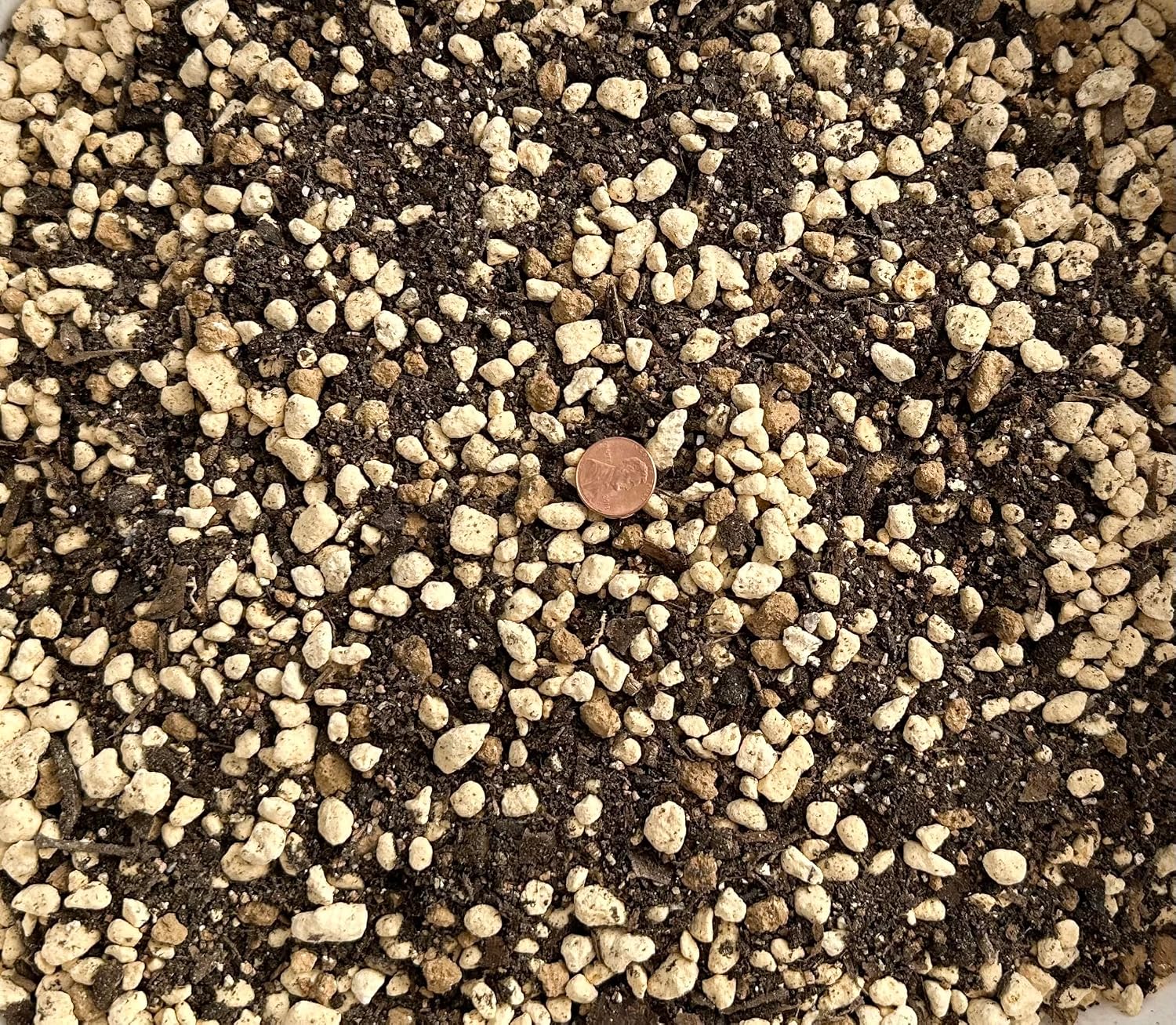
This 2.5 quart premium azalea bonsai soil is a ready-to-use acidic mix designed for container-grown acid-loving plants. It combines Japanese Kanuma with composted fir bark, oak leaf mold and added mycorrhizae to create a medium-grain, well-draining substrate with a measured pH of about 5.4 to 5.6. Typical uses include repotting azaleas, rhododendrons, camellias and bonsai where you need an acidic, airy media that resists compaction and promotes root colonization by beneficial fungi. The medium particle size helps maintain oxygen around roots while organic components retain enough moisture between waterings. Because it is a specialist blend in a small 2.5 quart package, it is convenient for single pots, small bonsai, or for topping and amendment rather than large-scale garden beds. Expect to pay attention to supply quantities if you need to treat many plants, and supplement nutrients over time since the mix focuses on structure and acidity rather than long-term fertilization.
Best for: Buyers who want a dependable, specialty acidic soil for repotting azaleas, camellias or bonsai and who prioritize consistent pH and root-friendly structure for small containers.
Less Ideal for: People needing bulk soil for garden beds or large numbers of plants should choose larger volume products or mix this as an amendment rather than the sole media.
- Formulated for acid-loving plants with Kanuma and oak leaf mold to maintain low pH
- Includes mycorrhizae to support root health and nutrient uptake
- Medium-grain texture provides good drainage and aeration
- Ready-mixed and convenient for repotting small plants or bonsai
- Small 2.5 quart volume limits use to single pots or as an amendment for multiple plants
- Does not list any preloaded fertilizer so regular feeding may be required
Verdict: A reliable, ready-made acidic bonsai and azalea mix that delivers the right pH and root-friendly structure for small container-grown acid-loving plants.
NOHOBE Kanuma Soil 2 lb (3–6 mm) for Bonsai and Acid-Loving Plants

| Unit Count | 32 Ounce |
|---|---|
| Grain Size | 3-6 mm |
| pH | Naturally acidic (pH 4.5-6) |
| Material | Natural volcanic kanuma |
This 2 lb bag of NOHOBE Kanuma soil is a medium‑grain (3–6 mm) volcanic amendment formulated for acid‑loving plants such as azaleas, hydrangeas and bonsai. It provides a naturally acidic pH (listed as roughly 4.5–6), and the porous granules promote fast drainage and aeration that help prevent root rot in container culture or mixed potting blends. Typical uses are as a straight medium for small bonsai and azalea repots or mixed at 10–50% into potting mixes for blueberries and other ericaceous plants to lower pH and improve structure. The product contains no added chemicals and the hard granules resist breakdown so the improved drainage is longer lasting than many organic amendments. The main limits are bag size and application scope: at 2 lb this is best for small pots, sample repots, or trial mixes rather than large beds, and you will need to test and adjust overall nutrient and moisture retention when replacing part of a standard potting soil. For growers focused on reliable acidity and drainage in small‑scale work, it is a practical, long‑lasting amendment.
Best for: Gardeners who need a reliable, low‑pH amendment to improve drainage and soil structure for azaleas, bonsai, and other acid‑loving plants, especially in container or small‑scale repotting work.
Less Ideal for: Those planning to amend large garden beds or who want an all‑in‑one potting mix with high water retention and nutrients should look for bulk or blended soils instead.
- Naturally acidic pH suitable for azaleas and other ericaceous plants
- Porous volcanic granules deliver fast drainage and good aeration
- No artificial additives listed, suitable for organic potting blends
- Hard granules resist breaking down so structure is maintained over time
- Small 2 lb package limits use to small pots, bonsai or trial mixes
- Low water and nutrient retention when used alone, requires blending with retention materials
Verdict: Choose this kanuma soil when you want a compact, long‑lasting amendment that reliably provides low pH and superior drainage for azaleas and other acid‑loving container plants.
Choosing the Right Soil for Azalea Bonsai: Key Factors to Consider
Drainage and Aeration
Azalea bonsai need a balance between moisture and air. Good drainage prevents waterlogging, which causes root rot in the shallow root system typical of azaleas. At the same time, adequate aeration around fine roots supports healthy root hair growth and quick recovery after root pruning.
Look for mixes with coarse components such as grit, pumice, or coarse sand to create air pockets. Avoid very fine, compacting silt or high clay content that holds water and suffocates roots. Proper drainage also reduces the frequency of repotting and helps maintain consistent nutrient uptake.
Acidity and pH Buffering
Azaleas prefer a mildly acidic medium, typically in the pH range around 4.5 to 6.0. Soil that drifts toward neutral or alkaline will limit nutrient availability for micronutrients like iron and manganese and can cause leaf yellowing.
Choose base materials that either are acidic themselves, such as peat or pine bark, or that provide buffering capacity so pH does not swing wildly with watering. If you use neutral components like akadama or horticultural grit, plan an acidity-maintenance routine with acidifying fertilizers or water adjustments to keep the root zone in the preferred range.
Water Retention Vs Fast Drying
Containers dry differently than the ground, and azalea bonsai benefit from a mix that holds enough water between waterings but still dries from the surface to prevent constant saturation. Materials like fine pine bark or sphagnum peat increase water-holding capacity, while pumice and coarse sand reduce it.
Aim for a mix that will stay evenly moist for several days under normal conditions but will show a drying top layer so you know when to water. This balance minimizes stress from cycles of overwatering and drought and supports reliable flowering.
Particle Size and Structural Stability
Particle size matters for both drainage and long-term structure. Coarse, uniform particles maintain porosity and are easier to inspect and rework during repotting. Very fine mixes can compact quickly, reducing aeration and forcing more frequent repotting.
Stable particles also make it simpler to perform root work and to position the tree in the pot. Consider using screened components or a mix with a range of particle sizes to create mechanical stability without sacrificing airflow.
Nutrient Holding and Fertility
Azaleas need access to soluble nutrients but in modest amounts; they do not thrive in overly rich, high-salt soils. Organic components provide slow-release nutrients and help retain cation exchange capacity, which is useful in container culture where inputs are limited.
Select mixes that combine inert drainage components with a measured amount of organic matter or amend with controlled-release or acid-formulated fertilizers. Too much fresh compost or manure can be harmful in a bonsai pot because of salt buildup and excess vigor that overwhelms the root system.
Compatibility With Repotting and Root Work
Bonsai culture involves periodic root trimming and repotting. A suitable azalea bonsai soil should allow roots to be pruned and rearranged without falling apart or creating a muddy mass. It should also drain quickly after repotting so roots can reestablish.
Favor mixes that hold together enough to reveal root structure but remain loose enough to allow fine root pruning. Components that stay stable in the pot reduce the stress of repotting and improve post-repot recovery.
Adjusting Mixes for Indoor Vs Outdoor Bonsai
Indoor and outdoor settings change how quickly a pot dries and how much root temperature swings. An indoor azalea bonsai in a bright room may dry more slowly because of reduced airflow, so choose a mix with a slightly higher proportion of coarse material to keep roots oxygenated. Outdoor bonsai exposed to wind and sun may need more water retention to prevent nightly moisture loss.
- Indoor: increase pumice or grit slightly to improve aeration.
- Outdoor: add finer pine bark for extra moisture holding.
How to Test and Adjust pH at Home
You can monitor soil acidity with a simple pH meter or test kit. Take a small sample from the root zone after watering, then follow the kit instructions. If pH drifts upward over time, amend with small applications of acidifying fertilizers formulated for acid-loving plants or use acidified water occasionally.
- Recheck pH seasonally and after major repotting.
- Avoid overcorrecting; make gradual changes and monitor plant response.
Repotting Timing and Soil Refresh Practices
Azalea bonsai typically need repotting every few years depending on growth rate. Repot in early spring before active top growth starts so roots have the growing season to recover. When repotting, remove compacted soil carefully and replace with fresh mix tailored to your drainage and acidity needs.
- Inspect roots for rot and prune sparingly to preserve feeder roots.
- Replace at least one third of the potting medium during minor maintenance; use full replacement when structure is deteriorated.
Using Amendments and Organic Additions Safely
Organic additions like composted pine bark or well-aged leaf mold increase water retention and provide slow nutrients, but they should be used in controlled proportions. Fresh compost, green wood chips, or untreated manure can introduce high salts and nitrogen flushes that stress an azalea bonsai.
- Use aged, acidic-organic materials and avoid high-salt amendments.
- Work amendments into the mix uniformly to prevent pockets of rich material.
Seasonal Watering Strategies for Azalea Bonsai
Adjust watering frequency with the seasons. In active growth and bloom periods, azaleas often need more consistent moisture. In cooler or less active months, let the top layer dry slightly between waterings. Consistent monitoring of pot weight and surface dryness helps you judge timing.
- Water until excess drains from the pot to ensure full root wetting.
- Mulch the soil surface lightly with acid moss during hot spells to reduce evaporation.
How We Chose the Best Soil for Azalea Bonsai
We focused on characteristics that consistently matter for azalea bonsai culture. First, drainage and aeration were prioritized because azalea roots are shallow and rot easily in poorly drained mixes. Second, pH buffering and acidity were evaluated because azaleas prefer acidic conditions; soils that hold a stable, slightly acidic environment were rated higher. Third, water retention and capillary availability were considered so the soil can supply steady moisture without staying waterlogged. Fourth, particle size and stability in pots were checked to ensure the mix keeps structure over time and supports repotting and root pruning. Exclusions included general garden soils and heavy loam mixes that lack porosity, plus any substrates designed only for large landscape plantings. We did not consider proprietary additives that mask poor base media. The final shortlist contains mixes and base components that gardeners can use as-is or blend to tune drainage and acidity for azalea bonsai. These evaluation points align with the metrics used in our scoring criteria below.
FAQ
How often should I repot an azalea bonsai?
Repotting frequency depends on growth rate, but many azalea bonsai need attention every two to four years. Faster-growing trees in rich mixes may need more frequent repotting, while slow growers in stable mixes can go longer.
Can I use standard bonsai soil for azalea bonsai?
Standard bonsai soil can be a starting point, but you may need to increase acidic organic content or add peat or pine bark to lower pH. Also check that the mix balances water retention and drainage for azalea root habits.
What is the ideal pH range for azalea bonsai soil?
Azaleas prefer a mildly acidic root zone, commonly around pH 4.5 to 6.0. Staying within that range helps prevent nutrient deficiencies and supports good flowering.
Should I add fertilizer to the soil mix or feed separately?
Both approaches work. Incorporating modest amounts of acidic organic matter gives slow nutrition while regular, acid-formulated liquid feeds during the growing season help maintain fertility without overloading the pot.
How can I tell if my soil is compacting and harming roots?
Signs include slow drainage, soggy surface after watering, poor new root growth, and reduced vigor. Inspect the root ball during repotting; a dense, sticky mass indicates compaction and the need for a more open mix.
Final Verdict
Choose a soil that matches how you grow your azalea bonsai and accept the tradeoffs between moisture retention and drainage. Prioritize a mix that provides stable acidity, good aeration, and particle stability so roots can be pruned and recover quickly. Keep an eye on pH and structure over time and adjust organic or coarse components to suit indoor or outdoor conditions. With the right balance of drainage and acidity you can maintain healthy roots, better bloom sets, and more predictable watering rhythms.
