

Note: This article contains affiliate links. If you click on these links and make a purchase, I may earn a small commission at no extra cost to you. This helps support my research and content. Read my full affiliate disclosure here.
A well-chosen spiller plant turns a hanging basket from a single focal bloom into a cascade of texture and color. For Hanging Baskets you want plants that trail gracefully, tolerate wind and drying, and pair well with a focal centerpiece. This guide covers seven shortlisted spiller plants suited to baskets and containers, each selected for real-garden performance rather than trendiness. Below we explain how the picks perform in a patio or balcony setting and what to expect for watering, pruning and seasonal upkeep before the product list.
Top Picks at a Glance
| Best Overall The best all-around choice for most situations | Blue Daze (Evolvulus glomeratus) Live Plants — Pack of 2 |  |
| Best Quality Built to a higher standard if you want something more solid | Balliet Gardens Variegated Vinca Vine (Vinca major 'Variegata') |  |
| Best Value The sweet spot between price and what you get | Blackie Sweet Potato Vine (Ipomoea batatas) — Pack of 2 Starter Plants |  |
| Best Budget The cheapest option that still gets the job done reliably | Tangerine Purslane (Portulaca) Live Plants, Pack of 2 |  |
| Highest Rated A top-rated pick with lots of positive feedback | Topiary Art Works Creeping Charlie (Pilea nummulariifolia) 10-inch Hanging Basket |  |
| Most Popular A crowd favorite that many people choose with confidence | The Three Company Creeping Jenny (Lysimachia nummularia) 2-Pack Live Trailing Groundcover |  |
| Best Seller A high-volume bestseller chosen again and again | Black Heart Sweet Potato Vine (Pack of 2) |  |
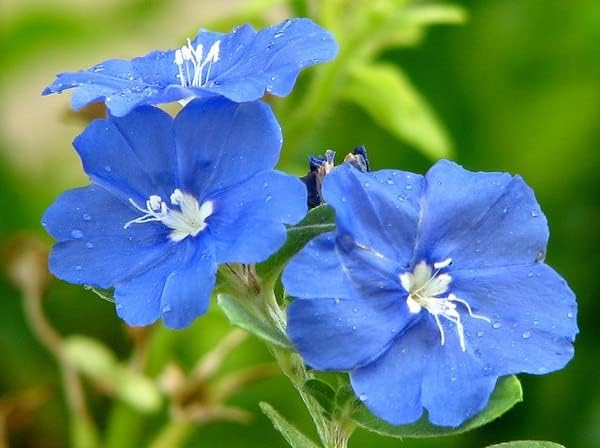
Blue Daze (Evolvulus glomeratus) Live Plants — Pack of 2
| Sunlight Exposure | Full Sun |
|---|---|
| USDA Hardiness Zone | 9-11 (Treat as Annual in 4-8) |
| Expected Blooming Period | Spring to Fall |
| Moisture Needs | Moderate Watering |
| Unit Count | 2 Count |
These two live Blue Daze plants are sold as ready-to-plant 5–9 inch starters that make an excellent spiller for hanging baskets and window boxes. They produce true sapphire-blue blooms on silvery-green, low-growing foliage and are valued for long bloom periods from spring through fall in warm climates. Use them in full sun in well-draining loam or sandy soil; once established they tolerate drought, salt air, and heat, and their self-cleaning habit reduces deadheading. Practical benefits include strong summer performance where other annuals fade, pollinator attraction, and an easy-care profile for busy gardeners. Important limitations are climatic: they are perennial only in USDA zones 9–11 and are treated as annuals in cooler zones, and they need full sun to flower reliably. The listing gives basic planting and recovery instructions but does not include detailed size or long-term performance metrics, so expect variable vigor depending on local conditions and care.
Best for: Gardeners who want a low-maintenance, heat-loving spiller for hanging baskets or sunny containers and who prioritize continuous summer color with minimal deadheading.
Less Ideal for: Growers in cool, shaded yards seeking a hardy perennial groundcover year-round should consider other species better suited to lower light and colder winters.
- True sapphire-blue flowers that provide long bloom from spring to fall in warm climates
- Low-growing, trailing habit ideal for hanging baskets and container edges
- Tolerant of heat, drought once established, and salty coastal conditions
- Self-cleaning blooms reduce the need for deadheading and light maintenance
- Perennial only in USDA zones 9–11 and will perform as an annual in cooler regions
- Requires full sun to bloom well and may be sparse in partial shade
Verdict: Choose these Blue Daze plants when you need a heat-tolerant, low-maintenance spiller that delivers long-lasting sapphire-blue color in sunny hanging baskets.
Balliet Gardens Variegated Vinca Vine (Vinca major 'Variegata')

| Sunlight Exposure | Partial Sun |
|---|---|
| USDA Hardiness Zone | 10, 7, 8, 9 |
| Product Care Instructions | Water |
| Unit Count | 1 Count |
This variegated Vinca major is a low-growing, trailing vine used as a spiller in containers, hanging baskets, window boxes, and garden beds. It produces attractive variegated green-and-white foliage with occasional blue flowers and is described as drought tolerant, deer resistant, and self-cleaning so deadheading is not required. Typical use is to plant it around the edges of pots or in hanging baskets where the trailing habit softens container rims and spills over edges. It prefers part sun to sun and average watering, and is rated for USDA zones roughly 7 through 10, making it suitable for warm-temperate climates. Practical benefits include easy maintenance, reliable foliage interest throughout the season, and suitability for mixed containers or massed ground cover. Limitations are its short garden height and trailing habit, which make it purely ornamental rather than structural, and its zone range excludes colder climates without winter protection. Expect a plant focused on foliage performance rather than large showy blooms.
Best for: Gardeners who want a low-maintenance, decorative spiller for hanging baskets and mixed containers in warm-temperate climates and value attractive variegated foliage over large blooms.
Less Ideal for: Gardeners in cold-winter regions who need winter-hardy spillers or those seeking tall or structural plants for focal points.
- Variegated foliage provides season-long visual interest as a spiller in containers
- Self-cleaning habit removes need for deadheading
- Drought tolerant and deer resistant for lower-maintenance planting
- Works well in hanging baskets, window boxes, and mixed containers
- Restricted to warmer USDA zones so not hardy in cold climates
- Short overall height limits use to edging and spillover roles rather than focal planting
Verdict: Choose this variegated vinca when you need an easy-care, showy-foliage spiller that reliably trails over container edges.
Blackie Sweet Potato Vine (Ipomoea batatas) — Pack of 2 Starter Plants

| Sunlight Exposure | Full sun (6+ hours), Partial sun (4-6 hours) |
|---|---|
| USDA Hardiness Zone | 9-11 (Treat as Annual in Zones 4-8) |
| Moisture Needs | Moderate Watering |
| Other Special Features | Drought Tolerant, Fast Growing, Heat Tolerant, Lobed Leaves, Ornamental Foliage |
| Unit Count | 2 Count |
The 'Blackie' sweet potato vine is a foliage-first spiller that provides rapid, dark purple cascading growth for hanging baskets and large containers. Sold as two bare-root starter plants, it is typically tucked into the container rim where its long, pliable stems trail 3 to 5 feet in a season and soften hard edges in thriller-filler-spiller arrangements. Notable features include drought and heat tolerance, preference for full to partial sun and a heavy-feeding habit that rewards regular monthly fertilizer. In practice these plants recover quickly after transplanting if roots are soaked and kept moist, and they perform best in good potting mix or well-draining garden soil with acidic bias. Limitations are seasonal: they are perennial only in USDA zones 9 to 11 and should be treated as annuals elsewhere, and containers need more frequent watering and feeding than in-ground plantings. Buyers should also expect plants to arrive limp sometimes and plan to rehydrate bare roots immediately.
Best for: Gardeners who want a reliable, fast-growing spiller to add dramatic dark foliage to hanging baskets and patio containers and who prioritize visual contrast and low-maintenance summer performance.
Less Ideal for: People seeking long-lived perennials in cold climates or those wanting flowering focal plants rather than foliage-focused spillers.
- Deep purple to nearly black lobed foliage provides strong visual contrast in mixed containers
- Fast trailing growth that can spill 3–5 feet in one season, ideal for hanging baskets
- Heat and drought tolerant once established, suitable for summer container displays
- Sold as bare-root starter plants that rebound quickly after proper rehydration
- Perennial only in USDA zones 9–11 and behaves as an annual in cooler climates
- Requires frequent watering and monthly feeding when grown in containers
Verdict: If you need a fast, dramatic dark-leaved spiller for hanging baskets or patio planters, 'Blackie' delivers bold contrast and vigorous trailing growth with minimal fuss.
Tangerine Purslane (Portulaca) Live Plants, Pack of 2

| Sunlight Exposure | Full Sun |
|---|---|
| USDA Hardiness Zone | 9-11 (Treat as Annual in Zones 3-8) |
| Expected Blooming Period | Spring to Fall |
| Moisture Needs | Little To No Watering |
These Tangerine Purslane starters arrive as 5–9 inch, well-rooted plants intended to fill hanging baskets, containers, or sunny rock gardens quickly. Portulaca is a heat-loving succulent with trailing stems and bright orange open-faced blooms that open in sunshine and close at night. Typical use is planting in sandy, well-draining soil in a full-sun location, watering only to establish and then allowing the soil to dry between waterings. Notable features include strong drought tolerance, fast growth that creates a dense mat or attractive spillover in baskets, and blooms from spring through fall in warm climates. Practical benefits are low maintenance, pollinator attraction, and a quick visual impact compared with starting from seed. Limitations are climate-dependent performance—these act as perennials only in USDA zones 9–11 and are treated as annuals elsewhere—and they need strict drainage to avoid root rot. You should also expect the flowers to respond to light and weather, closing on cloudy days and at night, so they are best for daytime color in sunny spots.
Best for: Buyers who want a low-cost, low-effort spiller to add immediate bright color to sunny hanging baskets or containers and who prioritize easy care and water savings.
Less Ideal for: Gardeners seeking a long-lived perennial in cool climates or those who prefer plants that bloom reliably in shade should consider other species.
- Established 5–9 inch starters give faster color than seed
- Very drought tolerant so minimal watering once established
- Trailing habit creates attractive spillover for hanging baskets and window boxes
- Attracts pollinators with open, nectar-rich blooms
- Performs as a perennial only in warm zones (USDA 9–11); elsewhere it is annual
- Requires very well-draining, gritty soil and good pot drainage to avoid rot
Verdict: A budget-friendly, low-water trailing plant that delivers fast, bright daytime color for sunny hanging baskets and containers.
Topiary Art Works Creeping Charlie (Pilea nummulariifolia) 10-inch Hanging Basket

| Indoor Outdoor Usage | Indoor, Outdoor |
|---|---|
| Sunlight Exposure | Partial Shade |
| Expected Blooming Period | Fall, Spring |
| Soil Type | Sandy Soil |
This 10-inch Creeping Charlie (Pilea nummulariifolia) arrives as a full, mature hanging basket ready to drape over a porch or shaded patio. It is typically used as a trailing container plant where its long runners can spill over the basket, providing continuous green coverage through spring and fall bloom periods. Notable features include its tolerance for indoor and mild outdoor settings, preference for partial shade, and a requirement for consistently moist, well-drained soil in humid conditions. In practice it is low-effort when placed in the right spot: water when the top inch of soil dries and feed monthly during the growing season to maintain vigor. The plant's aeration feature suggests a basket or potting mix that resists compaction, which helps root health in hanging containers. Limitations are its climate sensitivity and need for regular moisture and humidity, so it will not perform well in hot, dry full-sun locations or for owners who prefer forgettable, drought-tolerant specimens.
Best for: Buyers who want a reliable, ready-to-hang trailing plant for shaded porches or indoor displays and who can provide consistent moisture and occasional feeding.
Less Ideal for: Those seeking drought-tolerant, full-sun plants or gardeners who prefer plants that tolerate irregular watering schedules.
- Arrives as a full, mature 10-inch hanging basket with long runners ready to display
- Suitable for both indoor use and mild outdoor climates with partial shade
- Prefers consistently moist, well-drained soil and responds well to monthly feeding
- Aeration-friendly planting medium helps prevent root compaction in hanging containers
- Requires regular watering and humidity so not low-maintenance in dry conditions
- Not suited to full sun or hot, arid outdoor locations
Verdict: A dependable, ready-to-display trailing plant for shaded hanging baskets when kept consistently moist and fed during the growing season.
The Three Company Creeping Jenny (Lysimachia nummularia) 2-Pack Live Trailing Groundcover

| USDA Hardiness Zone | 4-9 |
|---|---|
| Sunlight Exposure | Full Sun |
| Expected Blooming Period | Summer |
| Soil Type | Well-draining Soil |
| Moisture Needs | Regular Watering |
Creeping Jenny (Lysimachia nummularia) is a vigorous trailing perennial valued for rapid coverage and bright chartreuse leaves. It is typically used in containers, hanging baskets, as an edging plant, or to form a low mat in shady containers where quick visual impact is wanted. The plants arrive live and establish quickly in well‑draining soil with regular watering and tolerate full sun to partial shade, making them flexible for many shade container spots. Notable features include fast spreading habit for erosion control or weed suppression and suitability for USDA zones 4–9 so it returns in many temperate climates. Practical benefits are immediate color, low long‑term maintenance once established, and usefulness in mixed shade containers to contrast darker foliage. Important limitations are that it can become aggressive in favorable conditions and will need periodic pruning or containment to prevent it overtaking small pots or nearby plants, and it prefers consistent moisture so may need more frequent watering in shallower containers.
Best for: Gardeners who want a fast‑establishing, colorful trailing plant for shaded or partially shaded containers and hanging baskets and who prioritize quick visual impact and easy seasonal color.
Less Ideal for: People who prefer strictly non‑invasive, slow‑growing plants for tightly packed mixed containers or who want truly drought‑tolerant species for infrequently watered pots.
- Fast spreading habit provides quick coverage in containers and hanging baskets
- Bright chartreuse foliage adds season‑long color in shade or partial shade
- Hardy across USDA zones 4–9 for reliable perennial return in many climates
- Low maintenance once established, tolerates a range of soils with regular watering
- Can be invasive in favorable conditions and requires trimming or barriers in small containers
- Needs consistent moisture so shallow pots may require frequent watering
Verdict: Choose this fast‑spreading Creeping Jenny 2‑pack when you need an easy, high‑impact trailing groundcover for shaded containers and hanging baskets.
Black Heart Sweet Potato Vine (Pack of 2)

| Sunlight Exposure | Full sun (6+ hours), Partial sun (4-6 hours) |
|---|---|
| USDA Hardiness Zone | 9-11 (Treat as Annual in Zones 4-8) |
| Moisture Needs | Moderate Watering |
| Other Special Features of the Product | Drought Tolerant, Fast Growing, Heat Tolerant, Ornamental Foliage |
| Unit Count | 2 Count |
These two Black Heart sweet potato vine starters are sold bare-root and intended as dramatic "spiller" plants for containers and hanging baskets. In warm weather they grow quickly, producing long cascading stems that soften pot edges and can trail several feet in a season. The foliage is the main attraction: deep purple to near-black heart-shaped leaves that add contrast when paired with brighter plants. They perform best in full to partial sun, prefer well-draining potting mix, and need consistent moisture and monthly feeding to sustain heavy growth. Because they are heat- and drought-tolerant once established, they are a low-maintenance option for summer baskets in Zones 9 to 11, and a high-impact annual in cooler zones. Expect some shipping shock with bare-root starts but they generally recover after soaking and planting. Limitations are that they are grown for foliage rather than flowers and require regular pruning and feeding to avoid legginess and to keep a dense, attractive habit.
Best for: Buyers who want an easy-to-grow, high-impact trailing plant to add dark contrasting foliage to hanging baskets and mixed container displays and who prefer predictable seasonal performance.
Less Ideal for: Gardeners seeking flowering plants or a perennial solution in cold climates should look elsewhere; those who want a no-maintenance plant that never needs feeding or pruning may be disappointed.
- Striking near-black foliage provides strong contrast in mixed containers
- Vigorous trailing habit ideal for hanging baskets and as a container "spiller"
- Tolerant of heat and periods of dryness once established
- Comes as two starter plants, useful for filling multiple pots or a single large basket
- Shipped bare-root so plants may arrive wilted and require immediate soaking and care
- Needs regular watering and monthly feeding to maintain vigorous, dense growth
Verdict: Choose these Black Heart starters when you want an easy, fast-growing spiller that delivers dramatic dark foliage to elevate hanging baskets and mixed containers.
Choosing the Right Spiller Plants for Hanging Baskets: Key Factors to Consider
Trailing Habit and Growth Rate
How a plant naturally trails determines the visual effect in a hanging basket. Some species produce long, flexible stems that cascade evenly while others form tight rosettes with short runners. Faster growers can fill a basket within weeks but may require more pruning to avoid tangling.
Consider the length and flexibility of stems, the angle they drop from the rim, and whether the plant produces multiple trailing stems for a full look. A steady, moderately fast growth habit often gives the best balance of coverage and manageable upkeep for baskets.
Watering Rhythm and Drought Tolerance
Hanging baskets dry out faster than ground beds because they are exposed to air on all sides. Plants with higher drought tolerance tolerate the frequent dry cycles of hanging containers and offer more forgiving care. Conversely, thirstier spillers demand daily checks and consistent irrigation, especially in hot weather.
Factor in your access to watering and whether you use self-watering liners or drip irrigation. Choose plants whose water needs match the level of daily attention you can provide to avoid frequent stress and leaf drop.
Seasonal Flowering and Color Longevity
The visual payoff of a hanging basket is often the length and intensity of flowering. Some spillers bloom continuously through the season with minimal deadheading, while others have brief, intense flushes. Perennial spillers may pause in midsummer or require pruning to rebloom.
Plan plant combinations so that at least one element provides steady color while others add texture or seasonal interest. Long-flowering varieties reduce maintenance and keep baskets attractive for longer periods.
Cold Hardiness and Seasonal Use
Decide whether baskets are seasonal displays or year-round features. Tender spillers may only work for warm-season displays and must be replaced or brought indoors before frost. Hardy spillers can extend displays into cooler months but may change habit or foliage color as temperatures fall.
Know your local frost dates and choose plants that match the intended seasonal plan for the basket. For mixed-species compositions, pick plants with similar hardiness to avoid losing components early in the season.
Maintenance and Pruning Requirements
Maintenance affects how often you handle each basket. Some trailing plants require regular pinching back or deadheading to keep a neat shape and encourage new blooms. Others hold spent flowers well and only need occasional trimming.
Consider how much time you will devote to upkeep. Low-maintenance spillers are better for large numbers of baskets or for gardeners who prefer minimal intervention. High-maintenance choices can reward effort with fuller growth or larger flowers but add to seasonal work.
Pest and Disease Susceptibility
Container plants are not immune to pests and diseases. Aphids, spider mites, fungal leaf spots and root issues can spread quickly in crowded hanging baskets. Some species are naturally less susceptible, while others need careful spacing and airflow to stay healthy.
Factor in the typical pest pressure in your area and how often you inspect containers. Choosing robust, disease-tolerant spillers reduces the chance of losing an entire basket to a single outbreak and lowers chemical or intervention needs.
Best Light Conditions for Hanging Basket Spillers
Match the spiller to the light on your porch, balcony, or garden eaves. Many trailing plants prefer bright, indirect sun or part shade, while a few thrive in full sun with consistent watering. Check the mature light preference and place the basket where the plant will receive that exposure for most of the day.
If you have a mix of light exposures across a space, consider grouping baskets by light needs. A basket that gets morning sun and afternoon shade will support different species than one exposed to all-day sun on a south-facing wall.
- Morning sun and afternoon shade suits many tender annual spillers.
- Full-sun spillers often need more frequent watering.
- Heavy shade limits flowering but favors foliaged spillers for texture.
Pairing Spilllers with Thrillers and Fillers
A classic hanging-basket composition includes a thriller (tall or showy center), fillers for body, and spillers for cascading interest. Choose spillers that complement the thriller in color and texture without overwhelming it.
Balance dense, leafy spillers with airy, fine-textured ones to avoid a single mass of foliage. Consider seasonal shifts so the combination stays attractive as one element fades.
- Use contrasting leaf texture to add depth.
- Pick spillers that share similar watering and light requirements with the thriller.
- Trim spillers selectively to maintain a clear focal point.
Container and Soil Tips for Better Spilling
Choose a basket size that allows trailing stems to develop without overcrowding. Lightweight, well-draining potting mixes are essential. A mix with added water-retentive components helps when baskets sit exposed to wind or sun.
Incorporate slow-release fertilizer or schedule balanced feedings during the growing season so spillers keep their vigor. Avoid heavy garden soil that can compact and reduce drainage in a suspended container.
- Use a quality container mix with good aeration.
- Add moisture crystals or a thin layer of water-retentive amendment for hot sites.
- Ensure secure hanging hardware suitable for the basket weight when wet.
Seasonal Care and Overwintering Strategies
Adjust watering and feeding as temperatures shift. Reduce irrigation in cooler weather and follow natural light changes to prompt pruning or removal. Tender annuals are usually replaced each season, while hardy spillers may need mulching and protection if kept outdoors.
For baskets you want to preserve, consider bringing them to sheltered spots during frost or cutting back and moving containers to an unheated garage. Label mixed baskets so you know which components are perennial versus seasonal at the end of the season.
- Gradually reduce fertilizer in late season to harden growth.
- Protect containers from freeze-thaw cycles to avoid root damage.
- Inspect stored baskets periodically for pests or rot.
Design Ideas for Different Settings
Tailor your spiller choices to the setting. On a sunny balcony, bright, vigorous spillers create a bold effect. In a shaded courtyard, choose foliage-rich spillers with interesting leaf shapes or variegation for year-round appeal.
Think about scale. Large baskets need heavier trailing plants to create weight and movement, while small baskets benefit from finer-textured spillers that do not overpower the container.
- Use several small baskets with delicate spillers for a light, layered look.
- Opt for a few large baskets with bold spillers to anchor large patios.
- Mix seasonal bulbs with spillers for early spring interest.
How We Chose the Best Spiller Plants for Hanging Baskets
We prioritized characteristics that matter for living baskets and small-space displays. Selection criteria included trailing vigor and habit, which determines how evenly a plant spills over the basket; drought tolerance and water rhythm, because hanging containers dry faster than ground beds; seasonal flowering span to maximize color; and maintenance demands such as pruning and deadheading frequency. We also considered disease and pest resistance common to container-grown annuals and perennials, plus how well each plant pairs visually with common center or thriller plants. We excluded specimens that need ground planting, heavy staking, or extensive root pruning to thrive. Heavy-footprint shrubs or plants that reach large ground dimensions were not considered. The final shortlist focuses on species and varieties that reliably produce trailing growth in hanging baskets, perform in typical patio conditions, and require realistic maintenance levels for most gardeners.
FAQ
How often should I water hanging basket spillers?
It depends on light, wind, and the mix you use, but most baskets need daily checks in hot weather. Water when the top inch of the potting mix feels dry and aim to soak the root zone so water runs from the drainage holes.
Can I use perennial spillers in hanging baskets?
Yes. Some perennials adapt well to baskets and provide multi-year displays, though they may need dividing or repotting periodically. Be mindful of hardiness and whether the plant will remain attractive across seasons.
What is the best soil for a hanging basket?
A lightweight, well-draining container mix with some water-retentive amendment works best. Avoid garden soil that compacts; add slow-release fertilizer or plan for regular liquid feeding to sustain blooms.
How do I keep spillers from becoming leggy?
Regular pinching and selective pruning encourage bushier growth and more trailing stems. Remove spent flowers and trim long, bare stems back to healthy growth points to promote fuller coverage.
Will spillers attract pests to my other containers?
Pests can move between nearby plants, especially in crowded displays. Maintain good airflow, inspect regularly, and isolate any infected containers to reduce spread. Choosing robust, pest-tolerant species lowers overall risk.
Final Verdict
Choose spiller plants for how they trail, how much water and pruning they need, and how long they flower in your conditions. Match light and moisture preferences to the mounting location, and pair spillers with compatible center and filler plants for balanced displays. Prioritize trailing vigor and maintenance level that fit your schedule to get the cascading look you want without constant fuss.
