

Note: This article contains affiliate links. If you click on these links and make a purchase, I may earn a small commission at no extra cost to you. This helps support my research and content. Read my full affiliate disclosure here.
Choosing the right veggie garden soil mix changes how your vegetables establish roots, take up water, and access nutrients. The wrong mix can hold too much water, stay compacted, or fail to supply steady fertility, while a well-formulated mix encourages vigorous root growth, consistent moisture, and easier seasonal management. This guide covers six carefully shortlisted veggie garden soil mixes suited to raised beds, in-ground patches, and container growing. We evaluated each option on practical garden criteria so you can pick a mix that matches your bed type and watering routine. Read on for the factors we used and what matters most when you build or refresh soil for edible gardening.
Top Picks at a Glance
| Best Overall The best all-around choice for most situations | BuildASoil Organic Living Potting Soil Mix (28.3 lb) |  |
| Best Quality Built to a higher standard if you want something more solid | FoxFarm Ocean Forest Potting Soil, 12 Quart |  |
| Best Value The sweet spot between price and what you get | Espoma Organic Vegetable & Flower Garden Soil Mix, 1 cu ft |  |
| Best Budget The cheapest option that still gets the job done reliably | Back to the Roots 3-in-1 Seed Starting Mix, 6 Quart, Organic Peat-Free |  |
| Highest Rated A top-rated pick with lots of positive feedback | FoxFarm Happy Frog Potting Soil, Container Garden, 2 cu ft (with 2 Plant Tags) |  |
| Best Seller A high-volume bestseller chosen again and again | Miracle-Gro Potting Mix, 16 qt. (2-Pack) |  |
BuildASoil Organic Living Potting Soil Mix (28.3 lb)

| Volume | 1 cubic feet |
|---|---|
| Item Weight | 28.3 pounds |
BuildASoil Potting Soil Recipe 3.0 is a fully amended, organic living soil mix intended for container-grown vegetables and indoor plants that you want to manage with minimal feeding. The mix combines compost, worm castings, peat moss and mineral amendments to create a chunky, well-aerated medium that drains reliably while retaining enough moisture for steady root uptake. Because it is formulated as a water-only soil, beneficial microbes and built-in nutrients supply plants through vegetative growth and flowering, so typical use is repotting or filling grow pots and letting the soil sustain plants without regular bottled fertilizers. Practical benefits include reduced feeding chores, improved root oxygenation from the aerated texture, and a biological nutrient cycling that supports long-term container culture. Limitations are that it is a preblended living mix so advanced growers who want precise control over NPK or need a specifically fast-draining succulent formula may find it less adjustable. Also, living soils require careful watering and occasional top-ups of organic amendments to maintain microbe activity over multiple seasons.
Best for: Best for vegetable growers who want a low-maintenance, reliable potting medium that supports consistent growth without frequent fertilizing and who prefer biologically active soils.
Less Ideal for: Not a good choice for growers who need exact synthetic nutrient control or those growing plants that require very fast-draining, inert media.
- Fully amended water-only formula reduces the need for frequent fertilizer applications
- Organic ingredients and worm castings support biological soil life and nutrient cycling
- Chunky, well-aerated texture promotes strong root development and reliable drainage
- Not ideal for gardeners who need precise, measured nutrient inputs or tailored NPK profiles
Verdict: Buy this if you want a reliable, ready-to-use organic living soil that sustains potted vegetables through a full growth cycle with minimal feeding.
FoxFarm Ocean Forest Potting Soil, 12 Quart

| Item Form | Granules |
|---|---|
| Specific Uses For Product | Dry Fertilizer |
| Coverage | 4.8 sq ft |
| Mixing Ratio | 1:1 |
FoxFarm Ocean Forest is a pre-mixed potting soil that combines aged forest products, sandy loam and sphagnum peat moss with organic amendments like fish meal, crab meal and earthworm castings. It is sold ready to use straight from the bag for planting in containers, seed starting or top dressing; the manufacturer recommends no additional nitrogen fertilizer for the first 30 days. The mix has a light, aerated texture that promotes drainage while still retaining moisture, and the built-in micronutrients make it practical for growers who want strong early growth without immediate feeding. Practical benefits include easy pot filling, good root zone aeration for roses in containers, and built-in organic fertility to support blooms. Limitations to consider are that the bag is best for containers or small beds only and heavier feeders may need supplemental feeding after the initial month; users should also follow handling precautions to avoid skin or eye irritation.
Best for: Gardeners who want a high-quality, nutrient-rich potting medium to get container roses or plant starts off to a strong, flowering start and prefer a ready-made organic blend.
Less Ideal for: Large in-ground rose beds or landscapers needing bulk soil amendments should look for bulk garden soil or custom rose mixes instead.
- Ready-to-use out of the bag so you can pot immediately
- Organic amendments (fish meal, crab meal, earthworm castings) supply early nutrients
- Light, aerated texture that supports drainage and root development
- pH adjusted for optimal nutrient uptake per product description
- Pack size (12 qt) covers a small area and may require multiple bags for several roses
- No long-term feeding provided after the first 30 days so additional fertilizer is needed for sustained heavy bloom
Verdict: Choose this soil if you want a ready-made, organically amended potting mix that jump-starts container roses and seedlings with good drainage and early fertility.
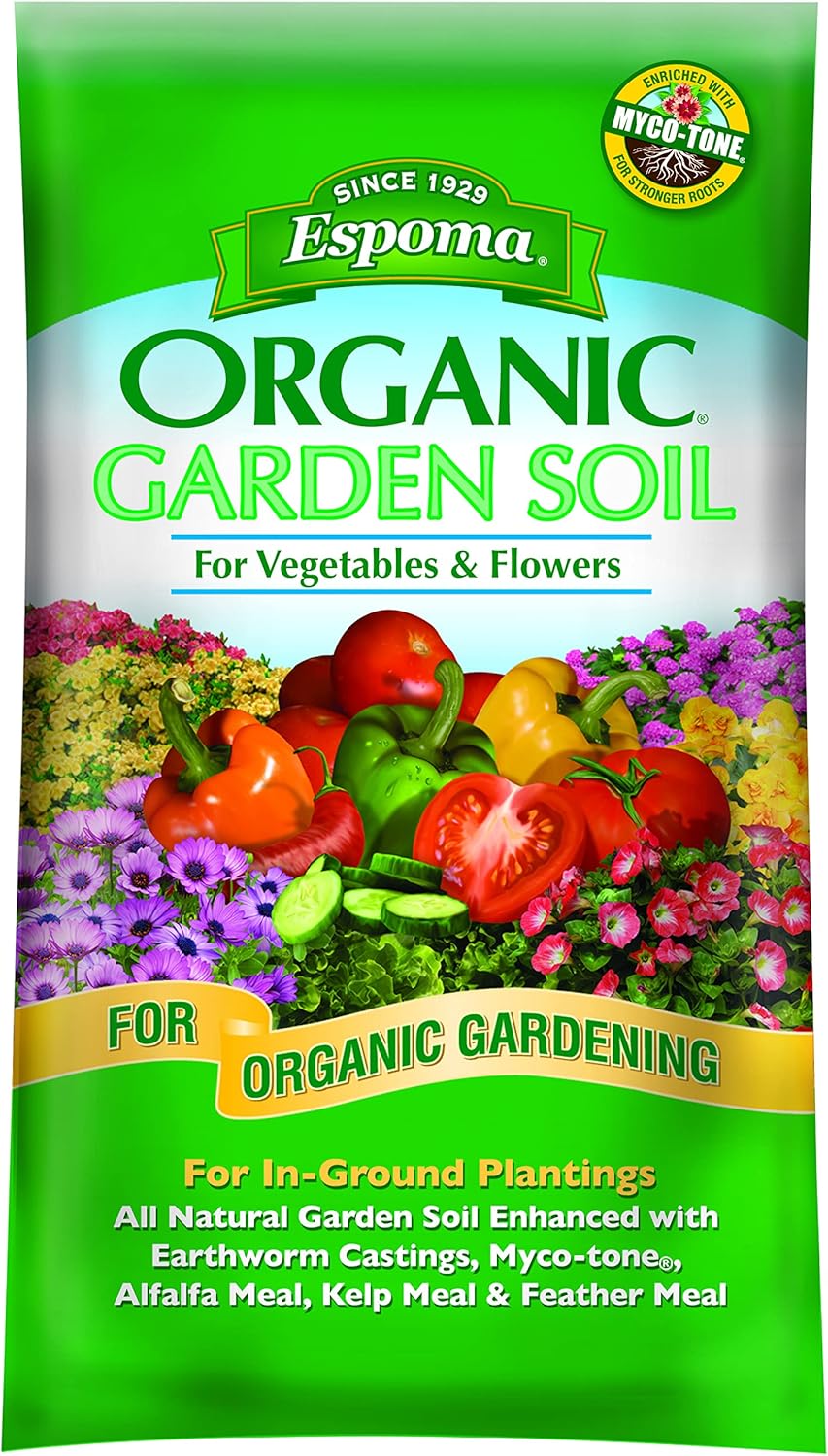
Espoma Organic Vegetable & Flower Garden Soil Mix, 1 cu ft
| Volume | 1 cubic feet |
|---|---|
| Style Name | Peat Moss |
| Unit Count | 1536 Ounce |
Espoma Organic Vegetable & Flower Garden Soil is a 1 cubic foot, peat-based planting mix designed to be blended into native garden soil at planting or transplanting. It contains Canadian sphagnum peat moss, earthworm castings, alfalfa meal, kelp meal, feather meal, limestone for pH adjustment, and a mycorrhizal blend to help root establishment. In practice you work a few inches of this mix into planting holes or rows to loosen dense soil, add organic matter, and give young squash transplants a nutrient-rich root zone. The organic amendments supply slow-release nutrients and biological activity that support early growth, while the mycorrhizae improve water and nutrient uptake. Limitations to note are the peat-heavy base, which dries faster than compost-rich mixes and may require more frequent watering, and the small 1 cu ft bag size that means multiple bags are needed for larger beds. For gardeners who prefer organic inputs and want an easy-to-use planting mix to boost transplant success, this product is straightforward and effective.
Best for: Gardeners who prioritize organic inputs and want a convenient planting mix to boost transplant success for vegetables like squash in established beds.
Less Ideal for: Large-scale landscapers or gardeners needing bulk soil amendments for entire raised beds who prefer compost-rich mixes or peat-free alternatives.
- Formulated with organic amendments like earthworm castings, alfalfa meal, kelp meal, and feather meal for slow-release nutrients
- Contains a mycorrhizal blend to support root establishment and improved nutrient uptake
- pH adjusted with limestone to better suit common garden plants
- Ready-to-use planting mix that blends easily with native soil when transplanting
- Peat-heavy base can dry out faster than compost-rich mixes, increasing watering frequency
- Small 1 cubic foot bag requires many bags for larger squash beds
Verdict: A compact, organic planting mix that makes transplanting squash easier by giving young roots nutrient-rich, biologically active soil.
Back to the Roots 3-in-1 Seed Starting Mix, 6 Quart, Organic Peat-Free

| Unit Count | 192 Fluid Ounces |
|---|---|
| Style Name | 3-in-1 Seed Starting Mix |
| Brand Name | Back to the Roots |
| UPC | 810667035822 |
This 6-quart Back to the Roots 3-in-1 Seed Starting Mix is a peat-free, organic blend aimed at making seed starting and early potting simple. You use it straight from the bag to fill trays, small pots, or starter cells; the mix includes coconut coir for water retention, dolomitic limestone to balance pH, mycorrhizae to support root uptake, and yucca extract for moisture control. Practically, that means fewer extra amendments for a new gardener and a more forgiving environment for delicate seedlings. The formula is designed to drain well while retaining enough moisture for even watering, and the included nutrients and worm castings can reduce early feeding. Limits to note are the small 6-quart volume, which is best for hobby-scale starting rather than large beds, and a lighter texture that may dry faster in very hot, exposed conditions. For budget growers who want an all-in-one starter mix without experimenting with multiple additives, this is a convenient choice.
Best for: Great for budget-minded home gardeners who want a single, ready-to-use seed starting mix that reduces extra amendments and simplifies starting herbs, vegetables, and flowers.
Less Ideal for: Not the best fit for landscapers or gardeners starting large numbers of plants or filling large containers where bulk bagged mixes would be more economical.
- Peat-free organic formula with coconut coir for moisture retention and aeration
- Includes mycorrhizae and worm castings to support early root development and nutrient uptake
- pH balancing with dolomitic limestone reduces the need for corrective amendments
- Ready-to-use blend suitable for seed trays, small pots, and indoor container starts
- Only 6 quarts per bag, so multiple bags are needed for larger projects
- Light, fast-draining texture can require more frequent watering in hot or windy conditions
Verdict: A convenient, peat-free all-in-one starter mix that saves time and extra purchases for home gardeners starting small batches of seeds.
FoxFarm Happy Frog Potting Soil, Container Garden, 2 cu ft (with 2 Plant Tags)

| Brand | FoxFarm |
|---|---|
| Style Name | Container Garden |
| Unit Count | 600 Ounce |
| Volume | 2 cubic feet |
FoxFarm Happy Frog Potting Soil is a premixed container blend made to nourish potted plants without additional amendments. It comes ready to use and is formulated with beneficial microbes and mycorrhizal fungi alongside organic inputs such as earthworm castings, bat guano, and aged forest humus to support root development and nutrient uptake. For growing hot peppers in containers this mix offers a nutrient-rich, well-amended medium that encourages strong vegetative growth and flowering when paired with proper watering and feeding. The included plant tags make keeping track of varieties and planting dates convenient. Practical limits to note are that this is a potting soil designed for containers rather than field beds, so peppers in ground or very large planters may still need different soil or additional bulk amendments. Also, while the mix is nutrient-dense at planting, active growers should plan a feeding schedule because high-demand fruiting crops benefit from supplemental fertilizer over the season.
Best for: Growers who want a dependable, ready-made potting medium for container-grown hot peppers and prefer a product that supports root health out of the bag.
Less Ideal for: Gardeners planting directly in raised beds or open ground who need large volumes of soil or want to custom-blend base soil at scale.
- Pre-amended with earthworm castings, bat guano, and aged forest products for immediate nutrient availability
- Contains beneficial microbes and mycorrhizal fungi to improve root health and nutrient uptake
- Ready to use straight from the bag for quick potting and repotting
- Includes plant tags to track varieties and planting dates
- Formulated specifically for containers so may not be ideal for in-ground garden beds
- Nutrient levels diminish over time for heavy-feeding crops and require supplemental fertilization
Verdict: A reliable, microbe-rich potting mix that simplifies container pepper growing by delivering immediate nutrients and strong root support.
Miracle-Gro Potting Mix, 16 qt. (2-Pack)

| Feeds Plants | Up to 6 months |
|---|---|
| Volume | 16 quarts |
| Number of Packs | 2 |
| Intended Use | Outdoor containers |
| Ingredients | Sphagnum Peat Moss, Peat, Perlite, Compost, Fertilizer |
Miracle-Gro Potting Mix is a general-purpose container soil designed for outdoor pots, planters, and hanging baskets. It combines peat-based media, perlite, compost, and built-in fertilizer so you can pot vegetables, herbs, annuals, perennials, and shrubs without blending amendments. Typical use is straightforward: fill a pot about one third, set the plant at nursery depth, top off, and water until excess drains. Notable features are fast drainage to prevent root rot, an all-purpose nutrient charge that feeds plants for up to six months, and a texture that helps roots establish quickly. In practice this means less upfront prep and fewer immediate feedings compared with plain soil, and it is handy for seasonal repotting and new container plantings. Important limitations are that it is formulated for containers only (not in-ground beds) and the nutrient boost will diminish after the stated feeding period so you will need to supplement or repot for long-term specimens. Also peat-based mixes can compress over time and require refreshing each season.
Best for: Gardeners who want a low-effort, dependable potting soil for seasonal container planting and quick repots, especially those optimizing time and results across many pots.
Less Ideal for: Those wanting a soil to amend in raised beds or long-term in-ground planting should choose a garden soil formulated for in-ground use instead.
- Ready-to-use mix with built-in fertilizer that feeds up to six months
- Formulated for fast drainage to reduce risk of overwatering and root rot in containers
- Versatile for a wide range of outdoor container plants including vegetables, herbs, and flowers
- Not intended for in-ground garden beds
- Fertilizer effect is temporary and requires refeeding or repotting after about six months
Verdict: A convenient, fast-draining potting mix that simplifies container planting while providing up to six months of built-in nutrition.
Choosing the Right Veggie Garden Soil Mix: Key Factors to Consider
Texture and Drainage
Soil texture determines how easily roots can penetrate and how quickly water moves through the root zone. A vegetable mix should strike a balance between fine particles that hold nutrients and larger components like coarse compost or sand that prevent compaction. Poor drainage leads to anaerobic conditions and root rot, while overly fast-draining mixes can leave plants drought stressed between waterings.
When assessing texture, think about the dominant crops you will grow and your local rainfall. Heavy feeders with shallow roots need a looser surface layer, while deep-rooted crops benefit from mixes that remain friable down the profile. How the mix behaves once wet is as important as its dry feel.
Moisture-Holding Capacity
A good veggie soil mix holds enough water to support steady growth while still allowing excess to drain away. Organic components such as well-decomposed compost, coconut coir, and peat alternatives absorb and slowly release moisture, reducing the frequency of hand-watering. Mineral elements like vermiculite can boost water retention without reducing aeration.
Consider your watering schedule and climate. In hot, dry conditions you will prefer a mix that holds more moisture; in cool or rainy regions a faster-draining blend prevents saturated roots. For containers, moisture-holding capacity is especially critical because root balls dry out faster than bed soils.
Organic Matter Content and Nutrient Availability
Organic matter is the long-term nutrient bank for vegetables, feeding soil microbes that mineralize nutrients plants can use. High-quality compost or aged leaf mold provides both macro- and micronutrients and improves structure. However, raw or immature organic inputs can immobilize nitrogen and harm seedlings.
Evaluate mixes on both current nutrient availability and how easily they accept additional fertility. A good mix should allow you to top-dress compost, apply granular amendments, or use liquid feeds without losing structure. Think seasonally: young transplants need accessible nutrients early, while established crops benefit from a steady release over weeks.
pH and Salt Considerations
Vegetables generally prefer a near-neutral pH and low soluble salt levels. A soil mix that is too acidic or alkaline reduces nutrient uptake, while elevated salts from manures or certain composts can damage seedlings and salt-sensitive crops. pH also influences microbial activity and the availability of iron and other micronutrients.
If you grow a wide variety of vegetables, choose a mix with a neutral to slightly acidic pH and low reported conductivity. For gardeners who use frequent liquid feeds or fertigation, monitor salt buildup and flush containers or beds periodically to avoid concentration.
Suitability for Beds Versus Containers
Not every soil mix works equally well in both raised beds and containers. Containers need mixes that are lighter, drain reliably, and resist settling, because pot volume limits root spread and excess water can quickly cause problems. Raised beds can tolerate heavier textures and more mineral content since roots have more soil to explore.
When selecting a mix, consider whether you will primarily fill deep beds, shallow troughs, or pots. A multi-use mix is convenient, but heavy feeders in large beds sometimes perform better when the mix is amended with additional compost or mineral components tailored to that setting.
Workability and Amendment Potential
Workability covers how easy the mix is to rake, dig, and incorporate with compost or amendments. A workable mix simplifies seeding, transplanting, and fall cleanup. Some mixes compact after a season and need fresh organic matter added; others maintain friability longer.
Also consider how the mix accepts common amendments like lime, gypsum, rock phosphate, or compost tea. If you plan to grow intensively or follow succession planting, choose mixes that respond well to midseason feeding and simple structural refreshes without excessive reworking.
Mixes for Raised Beds Versus In-Ground Patches
Raised beds let you control soil depth and composition more than in-ground patches, so you can choose mixes with higher organic content without worrying about native subsoil. For deep-rooted vegetables, blend a stable base of compost and mineral material with lighter amendments near the surface to encourage rooting and drainage. In-ground patches often need a gentler approach-amend the top several inches without creating a distinct layer that could impede root movement.
If your bed sits on clay or poor native soil, consider undercutting and mixing native material with your chosen soil mix to avoid creating a perched water table. In established garden areas, gradually integrate the mix over a season rather than replacing the entire profile to preserve soil ecology.
- Raise bed mixes can include more compost because roots have more depth to explore.
- Avoid a sharp transition layer when amending in-ground beds to prevent waterlogging.
Preparing Containers and Potting Mix Tips
Containers need mixes formulated for quick drainage and light weight. Adding components like coarse perlite, small gravel under drainage holes, or well-aged bark can keep larger pots aerated. For small pots and seed starting, use finer mixes with reliable moisture control to prevent desiccation of young roots.
Remember that container mixes lose nutrients faster with repeated watering. Plan a regular feeding schedule and top-dress with compost or slow-release granules as plants mature.
- Use a lighter mix for pots to reduce weight and improve handling.
- Refresh container mixes annually or top-dress between seasons.
How to Amend a Store-Bought Mix for Specific Crops
You can tailor a base soil mix to your crop needs with a few targeted amendments. Add well-rotted compost and a slow-release organic fertilizer for heavy feeders like tomatoes and squash. For root crops, keep the mix loose by increasing the mineral fraction such as horticultural sand or fine pumice to reduce clumping.
For leafy greens that prefer consistent moisture, increase the proportion of moisture-retaining organic matter. Always mix amendments thoroughly and test in a small area before treating large beds so you can observe how the blend behaves under your watering routine.
- Increase mineral content for root vegetables to reduce deformities.
- Boost organic matter and steady feeders with balanced compost and slow-release nutrients.
Seasonal Management and Recharging Soil Mixes
Vegetable beds and containers benefit from end-of-season refreshes. Remove spent roots and top-dress with compost, or fork in a modest amount of fresh mix to restore structure. Cover crops and green manures are useful for rebuilding organic matter over winter without disrupting bed layers.
In containers, replace or heavily top-dress the top third of the mix annually to keep fertility consistent. For raised beds, plan on adding compost each season and testing soil life and pH every few years to keep the mix productive.
- Top-dress beds with compost each season rather than full replacement.
- Use cover crops to naturally rebuild organic matter in larger beds.
Testing and Troubleshooting Soil Issues
Regular soil testing for pH and soluble salts helps catch problems before they affect crops. If seedlings show stunted growth or leaf discoloration, test both moisture levels and nutrient status to pinpoint the issue. Overwatering symptoms are different from nutrient deficiency, so observe root health when diagnosing problems.
Address compacted spots by loosening the surface and adding coarse organic matter. For high salt readings, leach the soil with deep watering or replace the top layer in containers. Small, systematic adjustments usually restore a mix to productive condition.
- Test pH and salts periodically, especially when using manures or concentrated feeds.
- Diagnose plant symptoms by checking roots and moisture before changing fertilizer regimes.
How We Chose the Best Veggie Garden Soil Mix
We looked for mixes that address the everyday needs of vegetable gardeners rather than marketing claims. Our selection focused on measurable, garden-relevant criteria: physical texture and drainage, organic matter content and nutrient balance, moisture-holding capacity, pH and salt levels appropriate for edibles, and suitability for different planting situations such as raised beds and containers. We also considered ease of amendment and reusability so gardeners can adapt the mix season to season. To keep recommendations practical we excluded blends formulated only for ornamentals, mixes with unknown ingredient lists, and products aimed solely at long-term turf or tree planting. We prioritized mixes with clear ingredient ratios and predictable behavior in small-scale vegetable beds. The final list balances upfront workability, ongoing fertility management, and compatibility with common watering setups and compost inputs.
FAQ
How often should I replace the soil mix in containers?
Containers typically need a partial refresh every year and a full replacement every two to three years, depending on crop intensity. Top-dressing with compost and adding slow-release feeds can extend time between full replacements.
Can I use the same mix for tomatoes and carrots?
You can use a common base mix but tailor texture for each crop. Looser, sandier blends favor carrots and other root vegetables, while tomatoes benefit from higher organic content and moisture retention.
Is store-bought mix ready to plant immediately?
Most commercial mixes are plant-ready but might benefit from additional compost or a starter feed for heavy feeders. Check for immature compost in the ingredient list, which can tie up nitrogen and may require aging before major plantings.
How do I adjust soil pH in a veggie mix?
Adjust pH with lime to raise alkalinity or sulfur to lower it, applied according to soil test recommendations. Small container volumes require gentler, measured applications to avoid overshooting the target pH.
What is the best way to improve a compacted bed?
Loosen compacted soil with a broadfork or by double digging and incorporate coarse organic matter like well-rotted compost and aged bark. Avoid working very wet soil, which can worsen compaction.
Final Verdict
Pick a veggie garden soil mix that matches where and how you grow. Prioritize texture and drainage if you garden in pots or have heavy native soils, and value moisture retention and steady organic fertility if you water less frequently or grow many heavy feeders. Expect to tailor mixes seasonally with compost and occasional mineral tweaks. A practical choice balances immediate workability with the ability to accept amendments. Focus on the criteria that affect your specific setup-bed depth, container volume, and watering pattern-to choose a mix that will produce healthy, productive vegetables year after year.
