

Note: This article contains affiliate links. If you click on these links and make a purchase, I may earn a small commission at no extra cost to you. This helps support my research and content. Read my full affiliate disclosure here.
Getting cuttings to root reliably is one of the biggest practical challenges in bonsai work. The right rooting hormone can speed root initiation, reduce rot risk, and increase the percentage of successful grafts and cuttings you raise. This guide covers six top rooting hormone options chosen for widespread bonsai use, from woody maples to soft-leaved species. We outline how each choice behaves in a real growing environment and explain the traits that matter for healthy, usable root systems. Read on for concise, gardener-focused evaluation criteria and what to expect when you use rooting hormone on bonsai cuttings.
Top Picks at a Glance
| Best Overall The best all-around choice for most situations | Hormex Rooting Powder #8 (0.8% IBA), 21 g |  |
| Best Quality Built to a higher standard if you want something more solid | Clonex Rooting Gel High-Performance Rooting Compound, 250 ml |  |
| Best Value The sweet spot between price and what you get | Garden Safe TakeRoot Rooting Hormone Powder, 2-Pack (2 oz) | 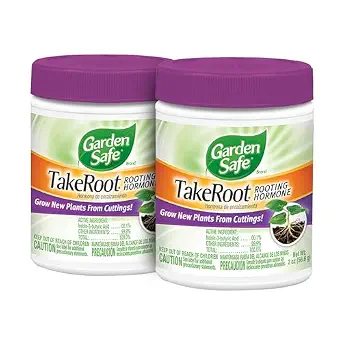 |
| Best Budget The cheapest option that still gets the job done reliably | Bonide Bontone II Rooting Powder, 1.25 oz |  |
| Highest Rated A top-rated pick with lots of positive feedback | Herrdemia 3-in-1 Rooting Powder (IBA + NAA + Mycorrhizae) |  |
| Most Popular A crowd favorite that many people choose with confidence | Clonex Rooting Gel High-Performance Rooting Compound, 100 ml |  |
Hormex Rooting Powder #8 (0.8% IBA), 21 g

| Item Form | Powder |
|---|---|
| Specific Uses For Product | Rooting Hormone for Cloning Plants | Root Starter for Plant Cuttings |
| Application Method | Dip |
| Coverage | Semi-Hardwood Plants, Medicinal and Tree Cuttings |
| Ingredients | Indole-3-Butyric Acid |
Hormex Rooting Powder #8 is a dip-and-plant rooting hormone made for firmer, woodier cuttings such as azaleas, fruit trees and other semi-hardwood specimens. You prepare a cutting, moisten the base, dip about an inch into the powder and tap off excess before inserting into your chosen propagation medium like potting mix, coco coir or rockwool. At 0.8% IBA this strength helps stimulate root initiation on cuttings that are tougher to root than softwood types but not the hardest hardwoods. The small 21 g bottle is concentrated enough to treat many cuttings, making it practical for repeated bonsai or shrub propagation sessions. Important limits are that success still depends on clean technique, correct humidity and light and that this product is a powder so it can be messy and you should not return unused powder to the bottle. For very difficult hardwood cuttings you would step up to a higher strength rather than relying on #8 alone.
Best for: Gardeners who regularly clone woody plants or create bonsai and want a reliable mid-strength rooting hormone that fits a standard dip-and-plant workflow.
Less Ideal for: Casual gardeners who only root soft annual cuttings or growers needing a liquid application method for large-scale propagation.
- Formulated for semi-hardwood cuttings so it matches bonsai and woody shrub needs
- Simple dip application that fits standard propagation workflows
- Concentrated 0.8% IBA strength effective for firmer stems
- Small bottle treats a large number of cuttings, useful for repeated propagation sessions
- Powder form can be messy to apply and must not be returned to the bottle
- Not intended for the most difficult hardwood cuttings which require higher IBA strength
Verdict: Choose Hormex #8 when you need a proven, mid-strength powder rooting hormone that reliably stimulates roots on semi-hardwood and bonsai cuttings.
Clonex Rooting Gel High-Performance Rooting Compound, 250 ml

| Item Form | Gel |
|---|---|
| Specific Uses For Product | Root Development |
| Application Method | Dip |
| Liquid Volume | 0.25 liters |
Clonex Rooting Gel is a tenacious, water‑based rooting compound designed for dipping cuttings to encourage rapid root initiation. You apply it by dipping the base of a fresh cutting into the gel, then inserting the treated cutting into your chosen rooting medium and keeping it warm and moist. The gel formulation adheres to stem tissue so the active ingredient stays in contact longer than powders or liquid dips, which helps with consistent rooting across many soft‑tissue plants. Practical benefits include straightforward application, good coverage from the viscous gel, and a long track record used by hobbyists and commercial growers. Limitations: the product is focused solely on root initiation and does not replace good sanitation, appropriate humidity, or correct cutting technique, and root development will still vary by species and environmental conditions. The bottle size is suitable for repeated hobby use but larger propagation operations may prefer bulk quantities.
Best for: Gardeners who want a reliable, easy‑to‑use rooting aid for regular propagation of houseplants, ornamentals, and other soft‑tissue cuttings and who value consistent rooting performance.
Less Ideal for: Large commercial nurseries or growers who need bulk volumes or an integrated propagation system with automated misting and disease management.
- Gel formulation adheres to cuttings for prolonged contact with the rooting hormone
- Contains IBA, a widely used auxin that promotes root initiation
- Easy dip application makes it quick to treat many cuttings
- Versatile across a wide range of soft‑tissue plant species
- Targets only rooting initiation and offers no disease control or humidity management
- Smaller retail bottle may be insufficient for large‑scale commercial propagation
Verdict: Choose Clonex Rooting Gel when you want a proven, easy dip‑on rooting hormone that stays in contact with cuttings for consistent root initiation.
Garden Safe TakeRoot Rooting Hormone Powder, 2-Pack (2 oz)

| Item Form | Powder |
|---|---|
| Specific Uses For Product | Plant Growth, Root Development |
| Application Method | Stir cut ends in powder |
| Number of Packs | 2 |
| Active Ingredient | Indole-3-butyric acid |
Garden Safe TakeRoot is a simple powder rooting hormone intended to help grow new plants from stem cuttings. You moisten the cut end, dip or stir it in the powder, tap off excess and plant the treated cutting in a rooting medium, then mist regularly. The active ingredient is indole-3-butyric acid, a commonly used auxin that encourages root initiation on a wide range of houseplant and garden varieties such as African violets, geraniums, roses, poinsettias and many woody ornamentals. In practice the powder form is easy to apply, low-mess compared with liquids, and the included two-pack gives extra supply for repeated propagation attempts. Limitations are that it is a basic, single-concentration product so you cannot adjust strength for difficult species, and you must avoid cross-contaminating the jar when treating multiple plants. For cautious gardeners who prefer a proven, no-frills rooting aid, this product reliably increases the odds that common cuttings will form roots when used with proper cutting and aftercare techniques.
Best for: Buyers who want a straightforward, proven rooting aid to improve success with common cuttings and who favor reliable, low-risk products over experimental approaches.
Less Ideal for: Propagators seeking adjustable-concentration hormones, specialized formulations for very difficult-to-root plants, or liquid dosing systems should consider other options.
- Contains indole-3-butyric acid, a widely used rooting hormone that promotes root formation
- Powder form is easy to apply and reduces spills compared with liquid formulations
- Suitable for many common houseplants and garden cuttings including roses, geraniums and African violets
- Two-pack supply lets you treat multiple cuttings or keep a back-up jar
- Single-strength powder does not allow dosing adjustments for very sensitive or hard-to-root species
- Requires careful handling to avoid contaminating the container when treating multiple plants
Verdict: A dependable, easy-to-use powder rooting hormone that raises your chances of success with typical houseplant and garden cuttings.
Bonide Bontone II Rooting Powder, 1.25 oz

| Item Form | Powder |
|---|---|
| Specific Uses For Product | Root Development |
| Application Method | dip and shake |
| Target Species | azaleas, mums, geraniums, pachysandra, poinsettias and others |
| Unit Count | 1.25 Ounce |
Bonide Bontone II is a classic IBA-based rooting powder sold in a small 1.25 oz dust jar for home gardeners and hobbyists. You apply it by dipping a cutting’s wound into the powder, shaking off excess, and planting into moist media; it can also be used to coat seeds or bulbs in a bag before planting. The product’s straightforward formulation of indole-3-butyric acid targets root initiation and is effective on both softwood and hardwood cuttings as well as many ornamentals and vegetables. In practice the powder is convenient to use, has a medium coverage per package, and reduces the time and failure rate for many common cuttings. Limitations are the small unit size if you plan to take large numbers of cuttings, and because it is a dry powder it can be messier to apply than gel alternatives. Safety precautions are also reasonable to follow since it is a plant hormone rather than an inert filler.
Best for: Gardeners who want a reliable, easy-to-use rooting hormone backed by long-standing use and positive user feedback and who take a cautious approach to selecting proven products for their cuttings.
Less Ideal for: Propagation professionals or growers who take very large numbers of cuttings and need bulk quantities or who prefer the tidier application of gels or liquid dilutions.
- Contains indole-3-butyric acid (IBA), a proven rooting hormone for cuttings
- Ready-to-use powder that is simple to apply by dip and shake
- Versatile for cuttings, seeds, bulbs, and transplants across many ornamental and edible plants
- Compact jar size convenient for occasional home garden use
- Small 1.25 oz package may not be economical for frequent or large-scale propagation
- Powder form can be messier and harder to control than gel or liquid formulations
Verdict: A proven, ready-to-use IBA powder that reliably speeds rooting for home gardeners focused on successful cuttings.
Herrdemia 3-in-1 Rooting Powder (IBA + NAA + Mycorrhizae)

| Item Form | Powder |
|---|---|
| Application Method | dip or mix with water |
| Specific Uses For Product | Root Development, plant propagation |
| Target Species | Houseplants |
| Unit Count | 1.1 Ounce |
This rooting powder is designed to accelerate root initiation and improve survival of cuttings across soil and hydroponic systems. It is typically used as a dip for soil propagation or dissolved in water for water and LECA propagation; the package includes mixing ratios and step-by-step directions. The formula combines IBA for feeder roots, NAA for a strong central root, and R. irregularis mycorrhizae to extend nutrient uptake, plus adjuncts such as seaweed extract and chitosan to reduce stress and protect cut sites. Practical benefits include faster visible rooting in 1–2 weeks in many species, compatibility with popular houseplants and woody cuttings, and an estimated high coverage per bottle suited to repeated propagation projects. Important limitations are the need to follow the dosage carefully because overuse can inhibit rooting, and the product is a concentrated chemical powder that requires careful handling and must be kept away from children and pets. Overall it is a reliable option for gardeners who want consistent rooting performance when propagating a variety of plants.
Best for: Buyers who prioritize dependable, repeatable propagation results and want a single product that works across soil and water systems for houseplants and woody cuttings.
Less Ideal for: Gardeners who prefer purely organic, food-safe options or who will not follow precise dosing and safety precautions should consider alternative gentler methods.
- Broad-spectrum formula combining IBA, NAA, and mycorrhizae for stronger, more complete root systems
- Works in both soil and water propagation and is compatible with hydroponic media like LECA
- Includes practical directions and mixing ratios for dips and water solutions
- High estimated coverage per bottle suitable for many cuttings or repeated propagation sessions
- Concentrated formula requires precise dosing since overuse can suppress rooting
- Contains active ingredients that are hazardous if swallowed or inhaled and must be stored safely
Verdict: Choose this powder when you want a single, lab-tested rooting hormone that reliably speeds and strengthens root formation across soil and water propagation.
Clonex Rooting Gel High-Performance Rooting Compound, 100 ml

| Item Form | Gel |
|---|---|
| Application Method | Dip |
| Specific Uses For Product | Gardening, Propagation |
| Liquid Volume | 100 ml |
Clonex Rooting Gel is a tenacious, water-based rooting compound designed for dipping cuttings to speed root initiation. You apply it by dipping the cut end into the gel, then place the treated cutting into your chosen rooting medium and keep it warm and moist. The gel formula adheres to tissue so it stays in contact longer than powders or liquids, delivering a measured dose of IBA and nutrients that encourage consistent root development across many soft-tissue plant types. For growers focused on reliable, repeatable propagation results the product is easy to use, stores compactly, and is widely trusted by nurseries. Important limitations are that root timing still depends on species and environment, and a 100 ml bottle suits moderate use but may be small for large-scale commercial propagation. It is best paired with good sanitation, a stable humidity environment, and appropriate rooting media to get the strongest results.
Best for: Growers who prioritize predictable, high-performance propagation and want a proven rooting compound that gives repeatable results for soft-tissue cuttings.
Less Ideal for: Casual gardeners who rarely propagate and prefer single-use powders or non-hormonal methods, or operations that need bulk quantities for very large-scale propagation.
- Gel formulation adheres to cuttings for prolonged contact and effective delivery of rooting hormones
- Contains IBA and additional nutrients formulated to encourage root initiation and development
- Simple dip application that integrates easily into standard propagation workflows
- Trusted formulation used by hobbyists and commercial growers for consistent results
- 100 ml bottle may be insufficient for very large propagation runs
- Effectiveness still depends on plant species and environmental conditions
Verdict: Choose Clonex Rooting Gel when you want a proven, professional-grade gel that reliably accelerates rooting for soft-tissue cuttings.
Choosing the Right Rooting Hormone for Bonsai: Key Factors to Consider
Formulation Type (Powder, Gel, or Liquid)
Formulation affects how you apply hormone and how it behaves at the cutting interface. Powdered hormones cling to the wound and are easy to dust on hardwood cuttings, while gels give even coverage and can reduce hormone loss in sandy or well-draining mixes.
Liquid concentrates allow precise dilution and are often used with misting systems or for dipping many cuttings quickly. For bonsai, choose a form that matches your typical cutting size and propagation setup so you can dose accurately and avoid over-application.
Active Ingredient and Concentration
The active compound and its concentration determine the root initiation response and the appropriate application rate. Higher concentrations can speed rooting but also increase the risk of burning sensitive tissues, especially on softwood or thin-barked species.
Look for guidance tailored to woody cuttings if you mostly work with maples, oaks, or elms. If instructions list ranges, start at the lower end for small or stressed cuttings and increase only if necessary on healthy material.
Compatibility With Bonsai Substrates
Rooting hormone performance depends on the substrate around the wound. Fast-draining bonsai mixes, such as those heavy in inorganic grit, can wick hormone from a dip or powder if the mix is very dry. Conversely, peat or coir retains moisture and may hold the hormone in place longer.
Choose a hormone application method that pairs with your substrate choice so the cutting remains moist but not waterlogged during root initiation.
Application Method and Dose Control
Consistency matters in propagation. Tools that give fine control, such as calibrated droppers for liquids or measured scoops for powders, help avoid over- or under-dosing. For single, delicate bonsai cuttings you want the ability to apply a small, even amount to the wound.
Consider whether you need quick dips for batches, a brush-on method for precise spots, or a sterile applicator for minimizing contamination.
Phytotoxicity and Plant Sensitivity
Different bonsai species vary in tissue sensitivity. Some respond well to standard concentrations, while others show tip burn or necrosis when exposed to too-strong solutions. Species with thin bark or succulent stems usually require gentler formulations.
When trying a new product, test on a few non-critical cuttings or use a reduced concentration to confirm tolerance before committing prized material.
Storage, Shelf Life, and Safety
Rooting hormones vary in how long they remain stable after opening and how they should be stored. Long shelf life and resealable packaging are convenient for hobbyists who use small quantities. Follow label directions for storage temperature and keep materials away from children and pets.
Also check whether a product needs to be prepared fresh before use. Some concentrates oxidize or lose activity over time after dilution, so knowing how long a prepared solution remains effective will affect your workflow.
Why Bonsai Cuttings Need Different Consideration
Bonsai cuttings are often smaller and more delicate than typical nursery cuttings, and the goals for root quality differ. Instead of simply creating many roots quickly, bonsai propagators need fine, fibrous roots that establish in a shallow, free-draining mix. That means propagation technique and hormone choice must support controlled, healthy root development rather than aggressive callusing alone.
Environmental controls such as humidity domes, bottom heat, and intermittent misting change how a hormone behaves. High humidity can reduce desiccation stress and let you use lower hormone concentrations, while drier setups may require a gel or powder that holds at the wound longer.
- Fine root architecture is more valuable than mass root production for bonsai.
- Small wounds and short cutting length change dosing needs.
- Propagation environment interacts with formulation to affect success.
Preparing Cuttings for Best Results
Take cuttings from healthy, semi-ripe wood when possible and make a clean, angled cut to maximize cambial contact. Remove leaves or reduce leaf area to lower transpiration and reduce stress while roots form. Wipe or briefly dip tools in alcohol between cuts to reduce disease spread.
Make sure the rooting environment is stable: consistent temperature, gentle humidity, and a sterile or clean substrate. Avoid excessive moisture that causes rot or overly dry conditions that desiccate the wound. Let hardwood cuts callus slightly if recommended for that species before applying hormone, especially for some thin-barked trees.
- Choose semi-ripe wood for most deciduous bonsai species.
- Reduce leaf area to balance water loss with root initiation.
- Use clean tools and a sanitary workspace to prevent rot.
Application Techniques That Work for Bonsai
For small bonsai cuttings, a quick dip in a diluted liquid or a light dusting of powder is often sufficient. Gels can be preferable when you need the hormone to stay at the wound in drier substrates or for species prone to wash-off. Use calibrated droppers, small brushes, or cotton swabs to keep doses small and precise.
If propagating many cuttings at once, set up a two-stage station: one area for cutting and wound preparation, another for controlled hormone application and sticking into substrate. This reduces cross-contamination and keeps concentrations consistent from cutting to cutting.
- Use small applicators for precise dosing on delicate stems.
- Gels help prevent wash-off in fast-draining mixes.
- Organize a workflow to maintain consistent applications and hygiene.
Managing Risk of Rot and Overdosing
Excessive hormone or excessive moisture are the most common causes of cutting failure after application. Apply the lowest effective concentration when trying a new species or product and monitor cuttings closely for signs of rot. If rot appears, remove affected material promptly and adjust humidity and substrate to improve air flow.
Rotate propagation trays and inspect root zones periodically. When in doubt, err toward better airflow and slightly drier surface conditions rather than prolonged saturation, since bonsai roots will suffer in waterlogged situations even if rooting hormone is present.
- Start with lower concentrations for unfamiliar species.
- Prioritize air flow and moderate moisture over constant saturation.
- Inspect and remove compromised cuttings to protect the rest.
Post-rooting Care and Potting On
Once roots are established, transition cuttings gradually to normal bonsai culture. Move them from high humidity to more open conditions over several days to avoid shock. Keep the substrate slightly moist but ensure drainage and avoid heavy, water-retentive mixes that slow root system development.
When repotting, use a shallow container or plug tray and a bonsai-appropriate mix that encourages fine root growth. Minimize root disturbance until the new root system demonstrates active, healthy growth.
- Acclimate rooted cuttings slowly to lower humidity.
- Use a free-draining bonsai mix to encourage fibrous roots.
- Avoid aggressive repotting until roots are well established.
How We Chose the Best Rooting Hormone for Bonsai
We shortlisted rooting hormones that demonstrated predictable root initiation across common bonsai species and propagation techniques. Selection prioritized products and formulations that support bonsai-specific needs: effectiveness on woody versus softwood cuttings, compatibility with common bonsai substrates, and flexible application formats suited to delicate stems. Editorial filters included proven rooting activity, low risk of phytotoxicity when used at recommended concentrations, and practical packaging that works for hobby and intermediate growers. We excluded products designed solely for large-scale agricultural propagation or those with incomplete usage guidance for bonsai. We valued ease of rinsing or dilution, safe storage life, and documented performance in moderate humidity and misting setups. Key evaluation criteria were rooting speed and success rate, formulation suitability for woody bonsai cuttings, ease of application and dose control, and safety for small-scale bonsai work. These criteria guided which options made the list and shaped our scoring approach.
FAQ
When should I use rooting hormone on bonsai cuttings?
Use rooting hormone when propagating cuttings, especially hardwood or semi-ripe wood that tends to root slowly. It is also helpful for species with lower natural rooting propensity, but you can skip hormone for easily rooted softwood cuttings if you prefer a chemical-free approach.
Is powder, gel, or liquid best for small bonsai cuttings?
Powder is convenient for small wounds and clings well. Gel works well when you need the hormone to stay put in drier mixes. Liquids suit batch work or misting setups where you control dilution precisely. Choose based on your substrate and how many cuttings you handle at once.
How do I avoid burning delicate cuttings with hormone?
Start at the lower recommended concentration and test on a few non-essential cuttings. Use small applicators and avoid leaving excess residue on the stem. If a species is sensitive, opt for gentler formulations and reduce exposure time.
Can I reuse diluted rooting solution?
Diluted solutions can lose potency over time and may be susceptible to contamination. It is safer to mix only what you need for a session and discard leftovers, especially when working with small, valuable bonsai cuttings.
Do I need to rinse hormone off after roots form?
Rinsing is usually unnecessary. Once roots are established, normal watering and acclimation practices are sufficient. If excessive residue concerns you, a light rinse after firm root development will not harm established roots.
Will rooting hormone work on graft unions or air-layering?
Rooting hormones can help in air-layering by encouraging root initials at the ringed site, and they are sometimes used to assist roots near graft unions. Application technique and appropriate concentration are critical to avoid tissue damage in these delicate operations.
Final Verdict
Choose a rooting hormone that matches the size and sensitivity of your bonsai cuttings and the substrate you use. Prioritize formulation type, appropriate concentration, and application precision rather than chasing the highest concentration. Balance rooting speed with the need for fine, healthy root architecture and minimize rot risk by controlling moisture and maintaining good hygiene. With those tradeoffs in mind, you can select an option that reliably increases success without compromising long-term root quality.
