

Note: This article contains affiliate links. If you click on these links and make a purchase, I may earn a small commission at no extra cost to you. This helps support my research and content. Read my full affiliate disclosure here.
If you want to increase the success rate of hardwood and softwood cuttings or improve graft take, choosing the right rooting hormone matters. In a home orchard or backyard nursery, the wrong formulation or application method can mean wasted time and lost scion wood. This guide covers five top shortlisted rooting hormones for apple trees suited to both hardwood bench grafting and summer cutting propagation. We evaluated products on practical gardening criteria gardeners care about, including how easy they are to use and how reliably they produce roots in apple cuttings. Read on to understand the tradeoffs between powder, liquid, and gel forms and what will fit your propagation routine.
Top Picks at a Glance
| Best Quality Built to a higher standard if you want something more solid | Clonex Rooting Gel High-Performance Rooting Compound, 100 ml |  |
| Best Budget The cheapest option that still gets the job done reliably | Bonide Bontone II Rooting Powder, 1.25 oz |  |
| Highest Rated A top-rated pick with lots of positive feedback | Herrdemia 3-in-1 Rooting Powder (IBA + NAA + Mycorrhizae) |  |
| Most Popular A crowd favorite that many people choose with confidence | Garden Safe TakeRoot Rooting Hormone Powder, 2-Pack (2 oz) | 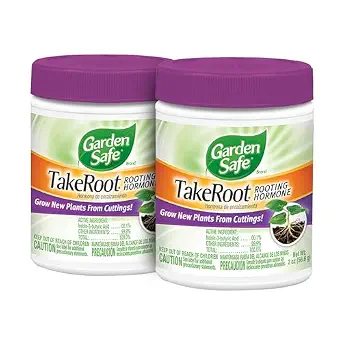 |
| Best Seller A high-volume bestseller chosen again and again | Doff Rooting Hormone Powder for Plant Cuttings, 75 g |  |
Clonex Rooting Gel High-Performance Rooting Compound, 100 ml

| Item Form | Gel |
|---|---|
| Application Method | Dip |
| Specific Uses For Product | Gardening, Propagation |
| Liquid Volume | 100 ml |
Clonex Rooting Gel is a tenacious, water-based rooting compound designed for dipping cuttings to speed root initiation. You apply it by dipping the cut end into the gel, then place the treated cutting into your chosen rooting medium and keep it warm and moist. The gel formula adheres to tissue so it stays in contact longer than powders or liquids, delivering a measured dose of IBA and nutrients that encourage consistent root development across many soft-tissue plant types. For growers focused on reliable, repeatable propagation results the product is easy to use, stores compactly, and is widely trusted by nurseries. Important limitations are that root timing still depends on species and environment, and a 100 ml bottle suits moderate use but may be small for large-scale commercial propagation. It is best paired with good sanitation, a stable humidity environment, and appropriate rooting media to get the strongest results.
Best for: Growers who prioritize predictable, high-performance propagation and want a proven rooting compound that gives repeatable results for soft-tissue cuttings.
Less Ideal for: Casual gardeners who rarely propagate and prefer single-use powders or non-hormonal methods, or operations that need bulk quantities for very large-scale propagation.
- Gel formulation adheres to cuttings for prolonged contact and effective delivery of rooting hormones
- Contains IBA and additional nutrients formulated to encourage root initiation and development
- Simple dip application that integrates easily into standard propagation workflows
- Trusted formulation used by hobbyists and commercial growers for consistent results
- 100 ml bottle may be insufficient for very large propagation runs
- Effectiveness still depends on plant species and environmental conditions
Verdict: Choose Clonex Rooting Gel when you want a proven, professional-grade gel that reliably accelerates rooting for soft-tissue cuttings.
Bonide Bontone II Rooting Powder, 1.25 oz

| Item Form | Powder |
|---|---|
| Specific Uses For Product | Root Development |
| Application Method | dip and shake |
| Target Species | azaleas, mums, geraniums, pachysandra, poinsettias and others |
| Unit Count | 1.25 Ounce |
Bonide Bontone II is a classic IBA-based rooting powder sold in a small 1.25 oz dust jar for home gardeners and hobbyists. You apply it by dipping a cutting’s wound into the powder, shaking off excess, and planting into moist media; it can also be used to coat seeds or bulbs in a bag before planting. The product’s straightforward formulation of indole-3-butyric acid targets root initiation and is effective on both softwood and hardwood cuttings as well as many ornamentals and vegetables. In practice the powder is convenient to use, has a medium coverage per package, and reduces the time and failure rate for many common cuttings. Limitations are the small unit size if you plan to take large numbers of cuttings, and because it is a dry powder it can be messier to apply than gel alternatives. Safety precautions are also reasonable to follow since it is a plant hormone rather than an inert filler.
Best for: Gardeners who want a reliable, easy-to-use rooting hormone backed by long-standing use and positive user feedback and who take a cautious approach to selecting proven products for their cuttings.
Less Ideal for: Propagation professionals or growers who take very large numbers of cuttings and need bulk quantities or who prefer the tidier application of gels or liquid dilutions.
- Contains indole-3-butyric acid (IBA), a proven rooting hormone for cuttings
- Ready-to-use powder that is simple to apply by dip and shake
- Versatile for cuttings, seeds, bulbs, and transplants across many ornamental and edible plants
- Compact jar size convenient for occasional home garden use
- Small 1.25 oz package may not be economical for frequent or large-scale propagation
- Powder form can be messier and harder to control than gel or liquid formulations
Verdict: A proven, ready-to-use IBA powder that reliably speeds rooting for home gardeners focused on successful cuttings.
Herrdemia 3-in-1 Rooting Powder (IBA + NAA + Mycorrhizae)

| Item Form | Powder |
|---|---|
| Application Method | dip or mix with water |
| Specific Uses For Product | Root Development, plant propagation |
| Target Species | Houseplants |
| Unit Count | 1.1 Ounce |
This rooting powder is designed to accelerate root initiation and improve survival of cuttings across soil and hydroponic systems. It is typically used as a dip for soil propagation or dissolved in water for water and LECA propagation; the package includes mixing ratios and step-by-step directions. The formula combines IBA for feeder roots, NAA for a strong central root, and R. irregularis mycorrhizae to extend nutrient uptake, plus adjuncts such as seaweed extract and chitosan to reduce stress and protect cut sites. Practical benefits include faster visible rooting in 1–2 weeks in many species, compatibility with popular houseplants and woody cuttings, and an estimated high coverage per bottle suited to repeated propagation projects. Important limitations are the need to follow the dosage carefully because overuse can inhibit rooting, and the product is a concentrated chemical powder that requires careful handling and must be kept away from children and pets. Overall it is a reliable option for gardeners who want consistent rooting performance when propagating a variety of plants.
Best for: Buyers who prioritize dependable, repeatable propagation results and want a single product that works across soil and water systems for houseplants and woody cuttings.
Less Ideal for: Gardeners who prefer purely organic, food-safe options or who will not follow precise dosing and safety precautions should consider alternative gentler methods.
- Broad-spectrum formula combining IBA, NAA, and mycorrhizae for stronger, more complete root systems
- Works in both soil and water propagation and is compatible with hydroponic media like LECA
- Includes practical directions and mixing ratios for dips and water solutions
- High estimated coverage per bottle suitable for many cuttings or repeated propagation sessions
- Concentrated formula requires precise dosing since overuse can suppress rooting
- Contains active ingredients that are hazardous if swallowed or inhaled and must be stored safely
Verdict: Choose this powder when you want a single, lab-tested rooting hormone that reliably speeds and strengthens root formation across soil and water propagation.
Garden Safe TakeRoot Rooting Hormone Powder, 2-Pack (2 oz)

| Item Form | Powder |
|---|---|
| Specific Uses For Product | Plant Growth, Root Development |
| Application Method | Stir cut ends in powder |
| Number of Packs | 2 |
| Active Ingredient | Indole-3-butyric acid |
Garden Safe TakeRoot is a simple powder rooting hormone intended to help grow new plants from stem cuttings. You moisten the cut end, dip or stir it in the powder, tap off excess and plant the treated cutting in a rooting medium, then mist regularly. The active ingredient is indole-3-butyric acid, a commonly used auxin that encourages root initiation on a wide range of houseplant and garden varieties such as African violets, geraniums, roses, poinsettias and many woody ornamentals. In practice the powder form is easy to apply, low-mess compared with liquids, and the included two-pack gives extra supply for repeated propagation attempts. Limitations are that it is a basic, single-concentration product so you cannot adjust strength for difficult species, and you must avoid cross-contaminating the jar when treating multiple plants. For cautious gardeners who prefer a proven, no-frills rooting aid, this product reliably increases the odds that common cuttings will form roots when used with proper cutting and aftercare techniques.
Best for: Buyers who want a straightforward, proven rooting aid to improve success with common cuttings and who favor reliable, low-risk products over experimental approaches.
Less Ideal for: Propagators seeking adjustable-concentration hormones, specialized formulations for very difficult-to-root plants, or liquid dosing systems should consider other options.
- Contains indole-3-butyric acid, a widely used rooting hormone that promotes root formation
- Powder form is easy to apply and reduces spills compared with liquid formulations
- Suitable for many common houseplants and garden cuttings including roses, geraniums and African violets
- Two-pack supply lets you treat multiple cuttings or keep a back-up jar
- Single-strength powder does not allow dosing adjustments for very sensitive or hard-to-root species
- Requires careful handling to avoid contaminating the container when treating multiple plants
Verdict: A dependable, easy-to-use powder rooting hormone that raises your chances of success with typical houseplant and garden cuttings.
Doff Rooting Hormone Powder for Plant Cuttings, 75 g

| Item Form | Powder |
|---|---|
| Specific Uses For Product | Root Development |
| Target Species | plants |
| Mixing Ratio | 1:0:0 |
| Unit Count | 2.6 Ounce |
Doff Rooting Hormone Powder is a simple powdered auxin formulation intended to speed and strengthen root formation on plant cuttings. You dip or dust the base of a cutting into the powder before planting in your preferred propagation medium; the product is designed for use across plant types and all seasons. Its powder form makes it easy to apply precisely without diluting, and the package size is convenient for multiple propagation sessions. Practical benefits include faster, more reliable rooting and healthier root systems that help reduce losses when propagating valuable plants. Limitations are that the product is a single-formulation powder so it lacks adjustable concentrations for very delicate or juvenile cuttings, and users who prefer a liquid dipping solution may find application less convenient. For gardeners focused on straightforward propagation without complex mixing, this is a no-frills option that delivers predictable rooting support.
Best for: Gardeners who want an inexpensive, ready-to-use rooting aid for regular propagation and prefer a simple powder application over mixing liquids.
Less Ideal for: Users needing adjustable strength formulations for sensitive or rare cuttings or those who prefer premixed liquid rooting solutions.
- Powder form allows precise, low-waste application to cutting bases
- Formulated to encourage root development across a wide range of plant species
- Suitable for year-round use so propagation is not limited by season
- Package size (75 g) supports multiple propagation sessions
- Single powder concentration cannot be easily adjusted for very delicate cuttings
- Not a liquid dip, which some users prefer for uniform coverage
Verdict: A budget-friendly powder rooting hormone that reliably promotes root formation for routine plant propagation.
Choosing the Right Rooting Hormone for Apple Trees: Key Factors to Consider
Formulation Type and Concentration
Formulation type determines how you apply hormone to apple cuttings and how quickly roots initiate. Powders are forgiving, easy to dust onto callused cut ends, and tidy for intermittent use, but concentration varies by product and some powders clump in humid storage. Gels provide better contact with cambium and reduce powder dust loss, which helps on longer, softer cuttings, but can be messier and harder to dose precisely.
Liquid concentrates offer fine control over concentration by dilution and are economical for large batches of cuttings, but they require measuring and clean containers. For apple wood, hardwood cuttings often tolerate lower concentrations, while softwood cuttings and bench grafts may respond better to a stronger, shorter exposure. Consider whether you need a quick dip, a soak, or a dry-dust application when selecting formulation and concentration.
Application Method and Workflow
How a hormone is applied affects your speed and the amount of handling the scion or cutting receives. Quick-dip solutions let you process many cuttings rapidly with minimal contact, which reduces the time cut ends are exposed to air. Powder dips are faster for single or occasional cuttings but require careful tapping and avoidance of contaminating the bottle mouth.
Gels can be easier when working with delicate graft unions because they stay where you put them, reducing runoff into root media. Think about how many cuttings you will prepare in a session and whether you need a portable, no-mess option in the field or a measured, repeatable method at a potting bench.
Compatibility with Cutting Type and Condition
Apple propagation uses a range of wood types from dormant hardwood scions to summer softwood cuttings and budding material. Not all hormones perform equally across these conditions. Dormant hardwood typically needs a concentrated treatment combined with good moisture and warmth to break dormancy at the cutting base. Softwood and semi-ripe cuttings respond faster but are more prone to fungal attack if the hormone traps moisture against uncallused tissue.
Match the hormone choice to the cutting stage you plan to use most. If you graft frequently, choose a formulation that will not interfere with cambial contact or wound healing. If you routinely propagate from summer cuttings, prioritize preparations that include an anti-fungal practice in your workflow rather than relying on the hormone alone.
Shelf Life and Storage Requirements
Rooting hormones vary in how long they remain active once opened and how sensitive they are to heat and humidity. Powders often have long shelf life when kept dry, but they lose effectiveness if they absorb moisture. Liquids can degrade with repeated exposure to air or temperature swings. If you buy more product than you will use in a season, pay attention to storage guidance to preserve potency.
Long shelf life matters for infrequent propagators who only take cuttings once a year. For growers who propagate continuously, a concentrated liquid that dilutes to many dips can be more economical even if its open-bottle life is shorter. Proper labeling of opened containers and storing in a cool, dry location reduces wasted product.
Safety and Handling in Home Settings
Some hormone preparations are inert powders, while others contain active growth regulators that require gloves and careful handling. Consider whether you will be working in a small backyard with family around, or in a larger nursery setting with protective gear. Read and follow handling instructions, and choose formulations that match your comfort with personal protective equipment.
Also think about disposal and contamination risks. Avoid methods that increase airborne dust or leave residues on benches that could contact other plants. For gardeners who want lower handling risk, gels and pre-packaged single-use dips reduce the chance of accidental exposure.
When to Take Apple Cuttings
Timing matters for success. Hardwood cuttings are best taken during late fall to midwinter when trees are fully dormant and carbohydrate reserves are highest. These cuttings develop callus and roots slowly once placed in cool, protected propagation beds or pots. Softwood or semi-ripe cuttings are taken in late spring to midsummer when new growth begins to firm; they root faster but need higher humidity and careful disease control.
For grafting and bench work, collect scion wood while fully dormant and keep it refrigerated until use. Match your hormone choice to the season and the type of wood you intend to propagate.
- Hardwood cuttings: late fall to winter, slow rooting, lower concentration often sufficient
- Softwood cuttings: late spring to summer, faster rooting, higher care for humidity and disease control
- Bench grafting: use formulations that do not interfere with cambial contact
Preparing Cuttings for Best Results
Cut quality and handling outrank small differences in hormone brand. Use sharp, sanitized cutters and make clean, angled cuts. Remove leaves as needed to reduce transpiration and place cuttings in a moist medium immediately after treating with hormone.
Wounding or thin slicing at the base can increase rooting in some hardwood cuttings. Keep a clean workspace to avoid contaminating the hormone or the cut ends.
- Sanitize tools between varieties to avoid disease spread
- Cut to a uniform length to fit your propagation trays
- Label cuttings with variety and date before potting
Propagation Media and Environmental Controls
Rooting hormone helps initiate root primordia but the media and environment complete the job. Use a well-draining, sterile medium such as a peat-sand mix or perlite blends that hold moisture without becoming waterlogged. Good air circulation, bottom heat around 65 to 75°F for many apple rootings, and consistent humidity improve success.
Avoid standing water and use clean containers. For softwood cuttings, a misting or humidity dome helps maintain turgor while roots form.
- Sterile, open-structured media prevent rot
- Bottom heat speeds root initiation for hardwood cuttings
- Humidity control reduces leaf wilt on softwood cuttings
Common Mistakes to Avoid
Overdosing or underdosing hormone is a frequent issue. Too much hormone will not necessarily create faster roots and can inhibit rooting or cause abnormal tissue. Dipping cuttings too long in concentrated liquids increases phytotoxic risk. Conversely, an ineffective dusting that does not contact the cambium will have little effect.
Another mistake is poor sanitation. Contaminated media or tools can cause rot during the vulnerable rooting period. Finally, impatience leads gardeners to disturb cuttings too early; let roots form before repotting to avoid setting back the young plants.
- Follow manufacturer concentration guidance and avoid extended soak times
- Keep work area and media clean to prevent fungal infection
- Wait for visible roots before lifting cuttings for transplant
How We Chose the Best Rooting Hormone for Apple Trees
Our shortlist reflects real-world propagation needs for apple trees, not laboratory claims. We focused on formulations and delivery methods that gardeners commonly use for both hardwood cuttings and softwood or semi-ripe cuttings used in summer propagation. Evaluation criteria emphasized practical effectiveness and ease of use when working with scion wood and young rootstock. Key evaluation filters included formulation type and concentration, observed rooting success for similar deciduous fruit wood, ease and safety of application in backyard settings, shelf life and storage stability, and versatility across cutting types and grafting practices. We excluded products that are intended solely for ornamental houseplants or that require specialized commercial equipment to apply. Also excluded were experimental or veterinary-grade hormone mixes not packaged for horticultural propagation. The final picks prioritize methods that minimize scion handling stress, reduce contamination risk during the rooting window, and give predictable timing for root initiation so gardeners can plan potting and transplanting steps. Scoring focused on measurable, gardener-relevant attributes rather than brand marketing language.
FAQ
Do apple cuttings need rooting hormone to root successfully?
Not always. Many apple varieties will root without hormone under ideal conditions, but using a rooting hormone increases the speed and consistency of root formation, especially with softwood cuttings and difficult-to-root varieties.
Which formulation is best for bench grafting and scion work?
Gels or low-residue powders are often best for grafting because they stay in place and reduce slippage. The priority for grafting is clean cambial contact, so choose a formulation that does not interfere with the union.
How long after treatment should I expect roots to appear?
Timing depends on wood type and environment. Softwood cuttings can show roots in a few weeks, while hardwood cuttings may take several months. Stable bottom heat and consistent moisture shorten the timeline.
Can I reuse diluted liquid hormone solutions?
Diluted solutions lose potency over time and can become contaminated. It is safer to mix only what you need for a session and dispose of leftover dilution rather than store it long term.
Is there a risk of spreading disease when taking cuttings?
Yes. Using unsanitized tools, contaminated media, or mixing cuttings from unknown sources increases disease risk. Sanitize tools and use fresh or sterilized media to reduce problems.
Final Verdict
For backyard orchardists and small-scale propagators, the right rooting hormone is the one that fits your most common cutting type and propagation routine. Prioritize a formulation that matches whether you take hardwood, softwood, or grafting material, and weigh ease of application against storage and safety needs. Expect tradeoffs between speed and handling complexity. Focus on sanitation, appropriate media, and controlled environment as much as the hormone itself to maximize success. With those priorities in mind, you can choose a hormone that reliably increases rooting predictability for apple trees.
