

Note: This article contains affiliate links. If you click on these links and make a purchase, I may earn a small commission at no extra cost to you. This helps support my research and content. Read my full affiliate disclosure here.
Thrips can quickly damage leaves, flowers, and new growth in indoor plant collections. Choosing the right insecticide for thrips indoors matters because treatments must kill the pest while minimizing harm to delicate houseplants and the indoor environment. This guide covers six shortlisted products that are suited to indoor use and common houseplant scenarios. We focus on how fast each option suppresses thrips, how safe it is for foliage and beneficials, and practical application details that affect real-world results. Read on to understand the tradeoffs and which control approaches fit your indoor set-up.
Top Picks at a Glance
| Best Overall The best all-around choice for most situations | Bonide Captain Jack's Neem Max Concentrate, 8 oz | 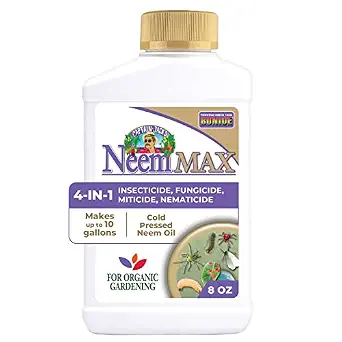 |
| Best Quality Built to a higher standard if you want something more solid | Eco-Safe Protection Plus Concentrate — Broad Spectrum Insecticide, Fungicide & Miticide (8 oz) |  |
| Best Value The sweet spot between price and what you get | Safer 5118-6 Insect Killing Soap Concentrate (16 fl oz) |  |
| Best Budget The cheapest option that still gets the job done reliably | Bonide Captain Jack's Mite-X Houseplant Spray, 12 oz |  |
| Highest Rated A top-rated pick with lots of positive feedback | Grow Queen Leaf Knight Houseplant Pest Spray, 32 oz |  |
| Most Popular A crowd favorite that many people choose with confidence | Bonide Insecticidal Soap Ready-to-Use Spray, 32 oz |  |
Bonide Captain Jack's Neem Max Concentrate, 8 oz

| Item Form | Concentrate |
|---|---|
| Target Species | Multi-Purpose |
| Liquid Volume | 8 fluid ounces |
| Unit Count | 8 Ounce |
Bonide Captain Jack's Neem Max is a concentrated cold-pressed neem oil designed to be mixed with water and applied as a spray or soil drench to protect vegetables and ornamentals. It combines fungicidal and insecticidal activity with miticide and nematicide action, so it targets common cucumber pests such as aphids and mites while also helping prevent fungal problems like powdery mildew. The concentrate format keeps storage space small and lets you mix only what you need for each treatment. Because it is plant-based and labeled for organic gardening, it is a good fit for gardeners who prefer less synthetic chemistry. Important limitations are that it must be diluted correctly and applied according to label directions to avoid plant damage, and results are generally best when used as part of an integrated program rather than as a one-time fix. Expect repeat applications at label intervals for disease control and careful timing to avoid spraying during heat or when pollinators are active.
Best for: Gardeners who prioritize low-toxicity, organic-compatible options and want a single product to manage both pests and fungal issues on cucumbers and other vegetables.
Less Ideal for: Those seeking an immediate knockdown chemical or a one-application cure for advanced infections should consider targeted synthetic controls instead.
- Multi-purpose action: fungicide, insecticide, miticide and nematicide in one concentrate
- Cold-pressed neem oil formulation approved for organic gardening
- Concentrate lets you mix custom volumes to treat only affected plants
- Targets multiple life stages of pests, including eggs and larvae
- Requires correct dilution and repeat applications for effective control
- Can cause phytotoxicity if applied improperly or in hot conditions
Verdict: A compact, organic-approved neem concentrate that lets cautious gardeners treat cucumber pests and powdery mildew with a single plant-based product.
Eco-Safe Protection Plus Concentrate — Broad Spectrum Insecticide, Fungicide & Miticide (8 oz)

| Form | Concentrate |
|---|---|
| Volume | 8 oz |
| Application methods | Foliar spray, soil drench, dip |
| Mix rate | 4 oz per gallon (prepared solution) |
Protection Plus is a concentrated, broad-spectrum contact insecticide, miticide and fungicide intended for foliar sprays, soil drenches or dips on ornamentals, vegetables and houseplants. It combines natural ingredients tested for high initial kill rates against thrips, aphids, whiteflies, spider mites and related pests, and it also helps suppress powdery mildew and other fungal issues. Typical use is mixing the concentrate with water (4 oz per gallon) then shaking and applying as a spray that must contact the pest to be effective; repeat applications are needed for eggs and newly hatched insects. Practical benefits include minimal odor, no oily residue, and same-day harvest use on edibles, which makes it suitable for performance-focused growers who need quick knockdown without harsh chemicals. Important limitations are that it is non-systemic so thorough coverage is required and it may settle in the bottle so frequent shaking is necessary; results depend on contact and may be slower on thicker-skinned pests or dense canopies where spray penetration is limited.
Best for: Growers who prioritize fast, chemical-light knockdown of soft-bodied pests on indoor plants or small edible crops and who are willing to follow mixing and spray routines for complete coverage.
Less Ideal for: Large-scale growers looking for systemic protection or users who cannot regularly monitor and thoroughly spray plants should consider other options.
- Broad-spectrum action against thrips, mites, aphids, whiteflies and other soft-bodied pests
- Also reduces powdery mildew and other fungal problems, providing combined pest and disease control
- Concentrated formula lets you mix multiple gallons for repeated applications
- Low odor, non-oily residue and usable up to day of harvest for food crops
- Non-systemic contact mode requires complete spray coverage to reach pests and eggs
- Active ingredients settle so the concentrate and prepared mix require frequent shaking
- Effectiveness can be limited in dense foliage where spray does not penetrate well
Verdict: A performance-focused, plant-safe contact concentrate that delivers quick knockdown of thrips and other soft-bodied pests when used with thorough, repeated spraying.
Safer 5118-6 Insect Killing Soap Concentrate (16 fl oz)

| Unit Count | 16 Fluid Ounces |
|---|---|
| Item Form | Spray concentrate |
| Target Species | Insects (aphids, whiteflies, thrips, spider mites, mealybugs) |
| Active Ingredients | Potassium Salts of Fatty Acids |
Safer 5118-6 is a concentrated insecticidal soap formulated from potassium salts of fatty acids to kill soft-bodied pests like aphids, whiteflies, mealybugs, spider mites, and thrips on contact. You mix the concentrate with water to make spray solution and apply thoroughly to plant surfaces, repeating every 7 to 10 days or sooner while pests are active. Because it works by breaking down the insect outer coating, it provides quick knockdown of visible infestations and is safe to use up until harvest when used as directed. Notable features include OMRI listing for organic gardening and the ability of a single 16 oz bottle to produce several gallons of spray for garden-scale use. Important limitations are that it is a contact killer so multiple applications and good coverage are required for full control, and it should not be applied in the heat of the day or above 90 degrees F to avoid leaf damage on sensitive plants.
Best for: Gardeners who prioritize organic-compliant pest control and want a proven, broad-spectrum contact spray for regular treatment of ornamental and edible plants, including focused control of thrips.
Less Ideal for: People who need a systemic or long-residual insecticide or who want one-application control for heavy infestations should consider other options.
- OMRI listed formula suitable for organic gardens
- Concentrated 16 fl oz bottle produces several gallons of spray for multiple applications
- Effective contact killer for a broad list of soft-bodied pests including thrips and spider mites
- Breaks down naturally within about a week so it does not linger in the environment
- Only kills on contact so thorough coverage and repeat treatments are required
- Can cause leaf damage if applied during hot conditions or above 90 degrees F
Verdict: Buy this if you want an organic-compliant, contact spray concentrate that quickly knocks down thrips and other soft-bodied pests when used with thorough coverage and repeat applications.
Bonide Captain Jack's Mite-X Houseplant Spray, 12 oz

| Unit Count | 12 Ounce |
|---|---|
| Item Form | Spray |
| Target Species | Insects |
| Liquid Volume | 12 fluid ounces |
| Specification Met | USDA |
Bonide Captain Jack's Mite-X is a ready-to-use contact spray formulated from botanical extracts to control mites, aphids and thrips on herbs, ornamentals and houseplants. You use it like any spray bottle product: target infested foliage and wet insects directly since it requires contact to kill pests. The product is convenient for spot treatments and can be applied up to the day before harvest, making it suitable for edible container herbs. Notable features include a trigger sprayer for easy application and a formula based on cottonseed, clove and garlic extracts rather than synthetic chemicals. For budget-minded gardeners this bottle provides a simple, low-effort way to suppress outbreaks without mixing concentrates. Limitations are that it is a contact spray so it will not control hidden or egg-stage pests and repeated applications are often necessary for full control; heavy infestations may need a more systemic or residual product. Follow safety guidance on the label when using around people and pets.
Best for: Gardeners who want a low-cost, easy-to-use spray to quickly knock down visible spider mites and other small insects on houseplants and container herbs.
Less Ideal for: Growers facing large-scale or chronic mite infestations who need systemic or long‑lasting control should consider stronger or professional options.
- Ready-to-use trigger spray requires no mixing
- Botanical active ingredients suitable for use up to day before harvest
- Effective on contact against mites, aphids and thrips
- Designed for both indoor and outdoor houseplants
- No residual or systemic activity so eggs and hidden pests may survive
Verdict: A convenient, budget-friendly botanical contact spray that quickly knocks down visible spider mites and other small pests on houseplants.
Grow Queen Leaf Knight Houseplant Pest Spray, 32 oz

| Item Form | Spray |
|---|---|
| Target Species | Mite |
| Liquid Volume | 32 fluid ounces |
| Active Ingredients | Eugenol 0.78%, Thyme oil 0.70%, Lemongrass oil 0.34%, Peppermint oil 0.18% |
Leaf Knight is a pre-mixed botanical spray intended for use on indoor ornamental plants to knock down spider mites, thrips and mealybugs. You spray the tops and undersides of leaves until wet, repeating every seven days for three to four applications; the label is clear about avoiding use on food plants, stressed growth, or buds. Its active ingredients are plant-derived oils and eugenol, so it functions as a contact miticide and leaf cleaner rather than a systemic insecticide. Practical benefits include a straightforward trigger bottle, no mixing required, and a scent profile from thyme and peppermint that dissipates as the spray dries. Important limitations are that it only provides contact control (so thorough coverage is required and it will not protect new infestations long term) and it can irritate skin or eyes, so gloves and care are needed during application. For indoor houseplant thrips problems it is an easy, lower-toxicity option when used as directed and as part of a repeat treatment schedule.
Best for: Buyers who prioritize a reliable, ready-to-use botanical spray to quickly reduce thrips and other common houseplant pests with a clear treatment plan and minimal setup. Ideal for indoor plant owners who prefer lower-toxicity contact treatments and will follow a repeat-spray schedule.
Less Ideal for: Not a good choice for growers who need long-lasting systemic control or protection for edible plants, and not suited to users unwilling to inspect and thoroughly cover foliage during application.
- Ready-to-use trigger bottle with no mixing required
- Formulated specifically for indoor ornamental plants and labeled for thrips, spider mites and mealybugs
- Plant-derived active ingredients for a lower-toxicity alternative to synthetic pesticides
- Clear application schedule (spray every 7 days for 3–4 applications)
- Provides only contact control so full leaf coverage and repeat applications are necessary
- Contains eugenol and other oils that can cause skin or eye irritation requiring protective gear
Verdict: A dependable, ready-to-use botanical spray that gives fast contact control of thrips and other common houseplant pests when applied thoroughly and on a weekly schedule.
Bonide Insecticidal Soap Ready-to-Use Spray, 32 oz

| Unit Count | 32 Ounce |
|---|---|
| Item Form | Spray |
| Target Species | Insects |
| Active Ingredients | Potassium salt of fatty acids |
This ready-to-use insecticidal soap spray kills soft-bodied insects on contact using potassium salts of fatty acids derived from plants, making it suitable for organic vegetable beds and container vegetables. It is applied with the built-in spray nozzle directly to affected foliage to control aphids, mites, caterpillars, whiteflies and other listed pests; the label allows use up to the day of harvest on many food crops. Practical benefits include an easy spray application with no mixing, low residual toxicity compared with conventional insecticides, and a broad list of target species for small-scale home gardens and greenhouses. Important limitations are that it works by contact so complete coverage is required and it will not control pests hidden inside fruit or stems; repeated applications may be necessary for heavy infestations. Users should follow label safety directions and test on a few plants first since some sensitive foliage can show damage under hot conditions.
Best for: Gardeners who prioritize simple, low-residue organic solutions for vegetables and want a no-mix spray they can use quickly on affected plants.
Less Ideal for: Large-scale growers who need systemic or long‑residual control or anyone needing a product to reach pests hidden inside fruit or stems.
- Ready-to-use spray with an easy nozzle for immediate application
- Active ingredient is a plant-derived potassium salt suitable for organic gardening
- Labeled for use on a wide range of vegetables, herbs, ornamentals and houseplants
- Low residual toxicity compared with synthetic insecticides
- Kills only on contact so full coverage and repeat treatments are often required
- May cause phytotoxicity on some sensitive plants or under high heat if not spot-tested
Verdict: A convenient, ready-to-use organic spray that gives practical contact control of common vegetable garden pests with minimal residual impact.
Choosing the Right Insecticide for Thrips Indoors: Key Factors to Consider
Mode of Action and Target Life Stages
Knowing how an insecticide works informs when and how to apply it. Some products act on contact and quickly knock down adult thrips, while others have systemic or translaminar activity that reaches feeding nymphs inside leaf tissue.
Contact-only sprays require good coverage of undersides and buds to hit adults and motile nymphs. Systemic or translaminar chemistries can protect new growth for a time but may be slower to reduce current adult populations. Match the mode of action to whether you need rapid suppression or longer-term protection in a busy indoor collection.
Plant Safety and Phytotoxicity
Houseplants vary widely in sensitivity to chemicals, light, and temperature. Some insecticides can cause leaf burn, spotting, or distortion, especially on tender new growth, thin-leaved species, or plants under stress.
Always consider label guidance for delicate species and test any new product on a small, inconspicuous area or a single plant first. Avoid spraying in intense light or when temperatures are high to reduce phytotoxic risk. For mixed collections, choose the gentlest effective option or plan to treat only tolerant specimens.
Indoor User Safety and Residue Concerns
Indoor use raises exposure issues for people and pets. Formulations with low odor and reduced volatility are preferable in living spaces and enclosed rooms. Aerosol and fogging products may disperse widely and increase inhalation risk, while localized sprays and soil-applied systemic options limit airborne exposure.
Consider ventilation, room occupancy, and the presence of children or pets when selecting an option. Check re-entry and ventilation recommendations on labels and prefer products with shorter required downtime when frequent human presence is expected.
Application Method and Coverage
Thrips hide in tight spots: flower buds, leaf folds, and undersides. The application method determines how well you can reach these microhabitats. Fine mist sprayers and hand-pump aerosols can deliver good contact spray to undersides, while systemic drenches or soil injections work from the roots upward.
Think about how much time you want to spend spraying. Ready-to-use sprays are convenient for spot treatments, concentrates can be more economical for multiple plants, and sticky cards or supplemental physical controls can be useful alongside chemical control. Equipment capability influences both efficacy and ease.
Residual Activity and Reapplication Interval
Residual activity affects how often you must retreat. Short-residue contact sprays may require multiple follow-ups within a week to interrupt thrips generations, while longer-lasting products reduce frequency but may increase risk to pollinators or beneficials if used outdoors.
Indoors, longer residual control can be helpful to protect new growth, but balance that against potential buildup of residues on foliage. Plan a treatment schedule that accounts for the thrip life cycle and the product label's recommended interval.
Compatibility With Beneficials and Integrated Pest Management
Many indoor gardeners rely on predatory mites or parasitoids to keep low-level pest populations in check. Some insecticides are highly disruptive to these beneficials, while others are more selective and fit into an IPM plan.
When you use biological controls, choose products labeled as compatible or use targeted application methods to reduce contact with beneficial organisms. Combine chemical options with sanitation, sticky traps, and cultural changes to lengthen control and reduce reliance on pesticides.
When to Treat Vs. When to Use Nonchemical Control
Not every thrips sighting requires a broadcast insecticide spray. Low population levels can often be managed with sticky traps, pruning of infested growth, and increased monitoring. Use chemical control when you observe ongoing damage, visible nymph clusters, or when populations spread to multiple plants.
- Use blue or yellow sticky cards to monitor adult flight and detect early infestations.
- Prune and dispose of heavily infested stems or flower parts to reduce pressure.
- Improve hygiene by cleaning pots, benches, and repotting medium to remove breeding sites.
Application Tips for Indoor Settings
Aim for thorough coverage of flower buds and leaf undersides where thrips feed and hide. When using contact sprays, treat during cooler room conditions and avoid direct sunlight on freshly sprayed foliage to reduce burn risk. Work in small batches so you can check plants for phytotoxic reactions before treating the entire collection.
Rotate rooms or isolate treated plants until residues dry and any odor dissipates. Use a hand sprayer with adjustable nozzle to control droplet size and minimize drift within living spaces.
- Test spray a single plant 24 to 48 hours before treating others.
- Wear basic PPE such as gloves and a mask to limit direct exposure in enclosed rooms.
- Ventilate the space after application as recommended on product instructions.
Integrating Physical and Cultural Controls
Pair any chosen insecticide with physical measures to get better long-term results. Sticky traps reduce adult populations and provide a quick read on treatment effectiveness. Quarantine new plants and keep incoming specimens under observation for a few weeks before moving them into the main collection.
Maintain plant vigor with proper watering, fertilization, and light. Thrips preferentially attack stressed or rapidly flowering plants, so good cultural care reduces the chance of severe outbreaks.
- Use hand removal and water sprays for small infestations before using chemicals.
- Keep humidity and temperature within species tolerances to reduce thrip reproduction rates.
- Regularly inspect blooms and new leaves, where thrips often appear first.
Safety Steps After Treatment
After applying an insecticide, follow re-entry times and drying guidance to ensure safe occupancy. Wipe down nearby surfaces that might have received spray drift and keep children and pets away from treated plants until residues are no longer wet.
Dispose of leftover diluted spray according to local guidance and never reuse containers for household purposes. Keep a simple treatment log so you can track application dates and observe any delayed plant reactions.
- Record treatment date, product used, and observed effects to plan follow-ups.
- Avoid placing treated plants near food preparation areas until sprays are dry.
- Store unused products securely out of reach of children and pets.
How We Chose the Best Insecticide for Thrips Indoors
We selected products based on criteria that matter to indoor gardeners dealing with thrips. Effectiveness against thrips stages was a primary filter, emphasizing options proven to control adults and reduce nymph populations through direct contact or residual activity. Plant safety and low phytotoxicity were required because many houseplants are sensitive to strong sprays and systemic residues. Indoor safety was assessed by formulation type and application method that limit airborne drift and occupant exposure. We prioritized ease of application for small-space use, including ready-to-spray formulations, hose-end for conservatories, and concentrates that mix cleanly for spot treatment. Persistence and reapplication intervals were considered to help gardeners plan follow-up sprays without overusing chemicals. We excluded outdoor-only formulations, products labeled solely for commercial greenhouse use, and options with known high toxicity to common beneficials used indoors. Final selections balanced quick knockdown, foliage safety, manageable reapplication timing, and user-friendly application. Evaluation criteria used: contact knockdown on adults, residual control on nymphs, plant phytotoxicity risk, indoor-user exposure and odor, and ease of application and coverage.
FAQ
How soon will I see thrips die after spraying indoors?
Many contact sprays produce noticeable adult knockdown within hours, but eggs and protected nymphs may survive. Expect to monitor for several days and plan follow-up treatments according to the product label and visible reduction in new damage.
Can I use outdoor garden insecticides on houseplants?
Often these are not suitable. Outdoor formulations may be too strong, have higher volatility, or lack indoor safety labeling. Choose products labeled for indoor use or for ornamental houseplants to reduce risk of phytotoxicity and unsafe exposure.
Will systemic soil drenches protect blooms from thrips?
Systemic drenches can move into new growth and offer protection for a period, which helps with hidden feeding sites. However, systemic products may take longer to reduce active adult populations and are best paired with a contact spray for fast suppression.
Are there safe options if I have pets in the house?
Some products have lower indoor exposure risk and minimal odor, but all insecticides carry some hazard to pets if misused. Use targeted applications, limit access to treated plants until residues dry, and follow label directions closely to reduce risk.
How often should I reapply treatments to break the thrips life cycle?
Reapplication depends on product residual activity, but many contact options need repeats every 5 to 10 days to catch newly hatched nymphs. Follow label intervals and monitor with sticky traps to time follow-ups effectively.
Final Verdict
Prioritize options that balance quick control of active adults with low risk to foliage and indoor occupants. Match mode of action to your immediate goal: use a contact spray for fast knockdown and consider systemic or translaminar options when you need protection of new growth. Plan for follow-up treatments and integrate cultural measures like sticky traps and pruning to reduce reinfestation. Focus on application method and plant sensitivity when choosing an insecticide for thrips indoors. That approach helps you stop damage while keeping houseplants healthy and indoor spaces safe for people and pets.
