

Note: This article contains affiliate links. If you click on these links and make a purchase, I may earn a small commission at no extra cost to you. This helps support my research and content. Read my full affiliate disclosure here.
Choosing the right soil mix for a pothos plant makes a noticeable difference in how quickly it roots, how often you water, and whether it tolerates indoor conditions like lower light or dry air. The wrong medium holds too much water and invites root rot, while a mix that drains too fast leaves new roots desiccated. This guide covers seven shortlisted soil mixes chosen for growing pothos in typical home and office settings. We evaluated each mix for aeration, moisture balance, and feeding potential so you can match a medium to your pot size, watering habits, and whether you plan to grow in hanging baskets, planters, or terrariums. Read on for practical buying guidance and care tips before the product list.
Top Picks at a Glance
| Best Overall The best all-around choice for most situations | Perfect Plants Organic Pothos Soil, 8 qt Coco Coir Potting Mix |  |
| Best Quality Built to a higher standard if you want something more solid | Molly's Aroid Potting Mix (5 Dry Quarts) |  |
| Best Value The sweet spot between price and what you get | Rosy Soil Organic Houseplant Potting Mix, Peat-Free, 4 Quart |  |
| Best Budget The cheapest option that still gets the job done reliably | Kapecute Pothos Soil Mix, 2 Quart (Sphagnum Moss + Perlite) |  |
| Highest Rated A top-rated pick with lots of positive feedback | Rosy Soil Aroid Potting Mix & Houseplant Potting Soil Bundle, 4 qt each | 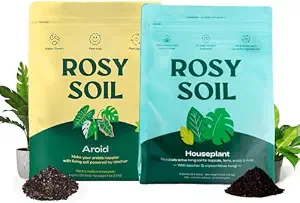 |
| Most Popular A crowd favorite that many people choose with confidence | Miracle-Gro Indoor Potting Mix for All Plants, 6 qt., 2-Pack |  |
| Best Seller A high-volume bestseller chosen again and again | Back to the Roots Organic Indoor Potting Mix, 6 Quart |  |
Perfect Plants Organic Pothos Soil, 8 qt Coco Coir Potting Mix

| Brand Name | PERFECT PLANTS |
|---|---|
| Item Type Name | Pothos Soil |
| Volume | 8 quarts |
| Item Highlight | Pine bark, perlite and sand blend drains fast to protect roots, holds nutrients, resealable |
Perfect Plants Organic Pothos Soil is a prepared coco coir potting mix designed specifically for pothos and other indoor vines. The blend of composted pine bark, coconut coir, perlite, sand, and lime creates a fast-draining but moisture-retentive medium that helps prevent root rot while keeping water available between feedings. It comes bagged in a resealable 8 quart pouch that is convenient for repotting single plants or topping up containers. In practice this mix promotes quicker root spread because it is lightweight and airy, and the mineral components improve structure so soil does not compact quickly. Because the formula is organic and contains no added synthetic fertilizers, you will want to plan a regular liquid or slow-release feeding schedule for sustained foliage vigor. The bagged product is made in the USA and labeled with safety guidance to avoid inhalation of dust when handling.
Best for: Buyers who want a dependable, ready-made soil that reduces overwatering risk and supports steady pothos growth with minimal mixing or amendment.
Less Ideal for: Growers who prefer an all-in-one fertilized potting mix or who need large volumes for many plants should consider other options.
- Formulated for pothos with a mix of pine bark, coir, perlite and sand for reliable drainage and aeration
- Lightweight texture that encourages fast root growth and easier repotting
- Resealable bag keeps unused mix clean and dry between uses
- Made from all-natural ingredients and prepared in the USA
- No added nutrients so routine fertilization is required for long-term plant health
- Volume is relatively small per bag, so multiple bags may be needed for several plants
Verdict: A practical, plant-focused coco coir mix that reliably prevents waterlogging and speeds root development for healthy pothos growth.
Molly's Aroid Potting Mix (5 Dry Quarts)

| Volume | 5.5 liters |
|---|---|
| Ingredients | Coir fiber, perlite, expanded clay, coir chips, charcoal, orchid bark, worm castings, mycorrhizae, rhizobacteria |
| Style Name | Houseplants & Aroids |
Molly's Aroid Potting Mix is a chunky, soilless blend designed to keep roots airy and reduce overwatering for tropical container plants. It combines coco coir, orchid bark, perlite, expanded clay and charcoal to create a fast-draining structure, with added worm castings and beneficial microbes including mycorrhizae and rhizobacteria to support nutrient uptake. The mix is typically used for repotting Monstera, Philodendron and other aroids but also works when you need a light, well-aerated medium for plants that dislike soggy conditions. The resealable, heat-sealed bag helps keep the mix fresh between uses and the absence of garden soil makes it cleaner to handle indoors. Limitations include smaller bag volume for larger pots and the soilless formula means you may need to supplement nutrients for long-term feeding of heavy feeders. Expect quicker drying than soil-based mixes, which is an advantage for drainage but requires slightly more frequent watering for plants that prefer consistent moisture.
Best for: Buyers who want a reliable, low-compaction potting mix for tropical houseplants and prioritize drainage and root health over raw soil volume.
Less Ideal for: Not the best choice for gardeners who prefer traditional garden soil textures or need a single large-volume bag for outdoor beds or large specimen plants.
- Chunky, fast-draining structure reduces risk of overwatering
- Includes mycorrhizal fungi and beneficial bacteria to aid root nutrient uptake
- Clean, soilless mix that is lighter and easier to handle indoors
- Contains organic inputs like worm castings for some built-in fertility
- Small 5.5 liter bag may require multiple bags for larger plants or multiple repots
- Soilless formula will need supplemental fertilization for long-term heavy feeding
Verdict: Choose this mix when you need a clean, chunky, fast-draining medium to keep pineapple-family and other tropical container plants healthy and avoid overwatering.
Rosy Soil Organic Houseplant Potting Mix, Peat-Free, 4 Quart

| Unit Count | 128 Ounce |
|---|---|
| Style Name | Houseplant |
| Ingredients | Biochar, Bark Fines, Compost, Worm Castings, Mycorrhizae |
| Volume | 4 quarts |
Rosy Soil Houseplant Potting Mix is an organic, peat-free potting medium designed to boost root health and keep containers well drained. It combines biochar, worm castings, mycorrhizal fungi and compost in a chunky texture that resists compaction, so pots stay aerated and water moves through instead of pooling. You would use this as a straight potting mix for tropical houseplants or blend it into existing soil when repotting; the manufacturer says 4 quarts fills two to three medium pots. The inclusion of mycorrhizae and beneficial microbes supports stronger root establishment and better nutrient uptake, which is useful if you are prioritizing vigorous growth. Practical benefits include reduced need for frequent repotting because biochar holds structure, and improved foliage health from the added micronutrients in worm castings. Limitations are the small bag size for larger shrubs or multiple jasmines and the need to monitor water for plants that prefer very dry conditions, since organic components still retain some moisture. Always wear gloves when handling and follow safety guidance to avoid inhaling dust.
Best for: A grower focused on maximizing root performance and steady vegetative growth who wants a ready-to-use, organic peat-free mix for container-grown tropicals and flowering houseplants.
Less Ideal for: Not the best choice for someone planting large outdoor jasmine beds or managing many plants on a tight budget who needs bulk soil; also avoid if you need an ultra-sandy, cactus-specific mix.
- Peat-free organic formula with biochar and worm castings for lasting structure and micronutrients
- Contains mycorrhizal fungi and beneficial microbes to improve root colonization and nutrient uptake
- Chunky, well-draining texture reduces compaction and helps prevent root rot
- Resealable bag and stable biochar mean mix stays usable longer between repots
- Small 4 quart volume may be insufficient for multiple plants or large pots
- Not formulated specifically for very dry-loving plants so some adjustment to watering may be needed
Verdict: Choose this mix if you want an organic, peat-free potting soil that promotes stronger roots and reliable drainage for container-grown jasmine and other tropical houseplants.
Kapecute Pothos Soil Mix, 2 Quart (Sphagnum Moss + Perlite)

| Brand Name | Kapecute |
|---|---|
| Item Type Name | potting soil |
| Volume | 2 quarts |
| Material | Sphagnum moss and perlite |
This Kapecute pothos mix is a simple, no‑frills two‑quart kit composed of compressed sphagnum moss flakes and a separate perlite packet so you can rehydrate and blend a potting medium tailored to pothos. Use it by soaking the compressed moss for a few minutes until it expands, squeezing excess water, then folding in the perlite for improved drainage and aeration. The product is packaged in small, individually wrapped portions that keep the lightweight moss clean and make it easy to measure for one or two repots. Benefits include strong water retention from the sphagnum and better root oxygenation from the perlite, which together support healthy root development for plants that like consistent moisture with fast drainage. Expect modest yields from the compressed package and some manual mixing and squeezing to get the right moisture level. This is not a ready‑to‑use bagged potting soil so buyers should be comfortable with a little prep work and topping up nutrients later since the mix contains no added fertilizer.
Best for: Buyers looking for an inexpensive, basic soilless mix they can prep themselves for pothos repots and cuttings; ideal for people who prefer to control moisture and drainage by mixing their own medium.
Less Ideal for: Gardeners who want a ready‑to‑use, nutrient‑rich potting soil or those who prefer bulk quantities for many plants should consider other options.
- Sphagnum moss holds moisture well, helping maintain consistent humidity around roots
- Perlite improves drainage and aeration when mixed in, reducing risk of root rot
- Individually packaged components stay clean and let you control mix ratio
- All natural composition with no added chemicals or fillers
- Compressed package yields a relatively small volume after rehydration, so multiple packs may be needed for several plants
- No added nutrients so fertilization is required after repotting
Verdict: A budget-friendly, mix-it-yourself sphagnum moss and perlite kit that gives pothos growers control over moisture and drainage.
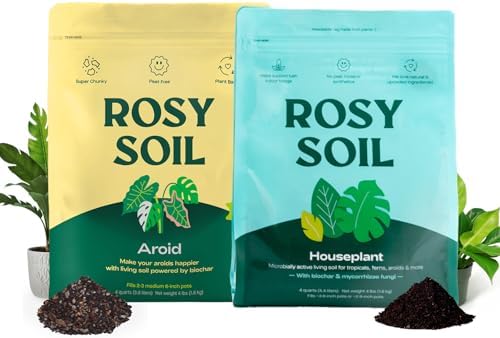
Rosy Soil Aroid Potting Mix & Houseplant Potting Soil Bundle, 4 qt each
| Volume | 4 quarts |
|---|---|
| Number of Packs | 2 |
| Ingredients | Wood Biochar, Bark Fines, Compost, Rhizophagus irregularis, Funneliformis mosseae |
| Style Name | Aroid Potting Mix (4 qts) + Indoor Potting Soil (4qts) |
This bundle pairs a chunky aroid potting mix with a finer houseplant blend to cover most common indoor plants. The aroid mix gives fast drainage and an open structure suited to Monsteras, Philodendrons, Alocasias, and other epiphytic tropicals, while the houseplant soil is versatile for pothos, peace lilies, ZZ plants, ferns, and herbs. Both bags use biochar instead of peat and include worm castings, compost, and mycorrhizae to encourage a living root zone and better moisture retention without compacting. Resealable 4-quart bags are convenient for occasional repotting and each bag fills a couple of medium pots. The practical benefits are reliable structure for sensitive aroids, reduced need to amend with additives right away, and a peat-free, more sustainable ingredient set. Limitations are the small bag sizes for larger collections and that experienced growers who want custom ratios of pumice, bark, and compost may still prefer to blend their own mixes.
Best for: Buyers who want a dependable, ready-made potting solution that covers both aroids and common houseplants without mixing components themselves and who value consistent, plant-friendly ingredients.
Less Ideal for: People with large collections who repot frequently or growers who need fully custom blends and precise control over aggregate ratios.
- Two complementary mixes cover both chunky aroids and everyday tropicals
- Peat-free formula with biochar and mycorrhizae to support microbial activity
- Resealable 4-quart bags that stay fresh between uses
- Contains organic inputs like worm castings and compost for immediate root feeding
- Small 4-quart bag sizes may require multiple purchases for larger collections
- Not customizable for growers who prefer to mix exact proportions of pumice, bark, and compost
Verdict: Choose this bundle if you want a reliable, peat-free pair of ready-to-use mixes that cover both chunky aroids and everyday tropical houseplants without extra amendments.
Miracle-Gro Indoor Potting Mix for All Plants, 6 qt., 2-Pack

| Number of Packs | 2 |
|---|---|
| Unit Count | 400.58 Ounce |
| Item Highlight | Feeds for up to 6 Months |
| Ingredients | Sphagnum Peat Moss, Coir, Perlite, Fertilizer, Wetting Agent |
This Miracle-Gro indoor potting mix is formulated as an all-purpose soil for indoor container plants and is sold in a two-pack of 6‑quart bags. It combines sphagnum peat moss, coconut coir, and perlite to create a lightweight, well-draining mix that holds moisture yet releases it to roots, which helps tropical houseplants like a Dragon Tree avoid waterlogged roots. The bagged mix includes a slow-release fertilizer meant to feed plants for up to six months so you do not need to amend immediately after potting. Notably the formula excludes bark and compost, which can reduce habitats for fungus gnats — useful when repotting indoor specimens. Use is straightforward: fill a pot with drainage, set the plant, backfill with mix, and water. Limitations are that the fertilizer schedule is fixed to the included feed and heavy feeders may need additional fertilizing after several months, and serious growers who want a custom cactus or orchid-style mix will find the texture too fine. For routine repotting of Dragon Trees and similar tropical houseplants this mix is convenient and consistent.
Best for: Buyers who want a reliable, low-effort potting mix for repotting tropical houseplants like Dragon Trees and prefer a product with built-in feeding and pest-reduction features.
Less Ideal for: Specialist growers who need custom texture blends for succulents, orchids, or aggressive feeders should choose purpose-formulated mixes or amend this product accordingly.
- Balanced blend of peat moss, coir, and perlite for good moisture retention and drainage
- Includes slow-release fertilizer that feeds up to six months for low-maintenance care
- Bark- and compost-free formula reduces places for fungus gnats to breed
- Ready-to-use bag makes repotting quick with no mixing required
- Fertilizer is fixed for about six months so additional feeding may be necessary for heavy feeders
- Texture may be too fine for plants that prefer very fast-draining or chunky mixes
Verdict: A convenient, low-maintenance indoor potting mix that keeps Dragon Trees healthy with good drainage and up to six months of built-in feeding.
Back to the Roots Organic Indoor Potting Mix, 6 Quart

| Unit Count | 192 Fluid Ounces |
|---|---|
| Item Type Name | Indoor Potting Mix 6qt |
| Item Highlight | Peat-free, 100% organic, made in the USA |
| Ingredients | Coconut Coir, Yucca, Mycorrhizae, Perlite, Horticultural Sand |
This Back to the Roots indoor potting mix is a ready-to-use, 6-quart blend designed for common houseplants such as pothos, monstera and ferns. It combines coconut coir, yucca extract, mycorrhizae, perlite and horticultural sand to improve moisture retention, drainage and root development without peat. In practice it feels light and friable, so it is easy to pot seedlings or repot mature plants and it reduces compaction that can suffocate roots. The added mycorrhizae helps young roots establish and take up nutrients more efficiently while yucca extract helps the mix hold water between waterings, which is convenient for forgetful or busy plant owners. Because it is peat-free and made in the USA, it is a more sustainable choice versus traditional peat-based mixes. Limitations are the small 6-quart size, which means frequent repurchasing for larger collections, and the bag does not include fertilizer so you will need to feed plants separately as they grow.
Best for: Buyers who prioritize low-risk, easy-care houseplant solutions and want an organic, ready-to-use potting mix that reduces watering hassles and supports healthy root growth.
Less Ideal for: Not ideal for gardeners who need large-volume soil for many pots or for those expecting a mix that includes built-in fertilizer for long-term feeding.
- Peat-free organic formula that reduces environmental impact
- Yucca extract improves moisture retention between waterings
- Contains mycorrhizae to support root development and nutrient uptake
- Light, well-draining texture suitable for repotting seedlings and houseplants
- Small 6-quart volume may require frequent repurchasing for larger plant collections
- Does not include fertilizer so additional feeding is necessary
Verdict: A compact, peat-free potting mix that simplifies indoor plant care by holding moisture and boosting root establishment.
Choosing the Right Soil Mix for Pothos Plant: Key Factors to Consider
Drainage and Aeration
Good drainage keeps excess water away from roots while aeration allows oxygen to reach root surfaces. For pothos, too little air at the root zone causes slow growth and root rot, while too fast drainage means you need to water constantly. Look for particle-based ingredients such as perlite, pumice, or coarse bark that create air pockets. A balance between fine particles and chunky materials helps maintain both moisture and airflow.
When mixes break down into fines they lose aeration, so consider how stable the component sizes are. If you prefer an all-in-one mix, check the ingredient list for a proportion of chunky amendments to prevent compaction in deeper pots.
Moisture Retention and Wet-Dry Cycle
Pothos likes a steady but moderate moisture availability; the medium should hold enough water to support the plant between waterings while allowing the top layer to dry slightly. Components like coconut coir or peat hold moisture without becoming anaerobic when balanced with drainage materials.
Think about your watering routine. If you water infrequently, choose a mix with higher water-holding capacity. If you forget to water or tend to overwater, a faster-draining blend reduces rot risk by shedding excess moisture quickly.
Nutrient Holding Capacity
Soil mixes for pothos should supply or retain nutrients long enough for scheduled feedings to be effective. Organic components such as composted bark or screened compost release nutrients slowly, while inert components like perlite do not supply nutrition but improve structure.
If you prefer to fertilize regularly, a leaner mix that holds nutrients without binding them is useful. For low-maintenance growers, a mix with some slow-release organic matter can reduce how often you need to feed.
pH and Chemical Stability
Pothos tolerate a fairly wide pH range but prefer slightly acidic to neutral conditions. The mix should not swing pH dramatically as it decomposes or if you use tap water with variable mineral content. Components like sphagnum peat can acidify over time, while lime-amended mixes raise pH.
Consider your local water and fertilizer habits. If your tap water is very hard, a slightly acidic medium helps prevent mineral buildup. Stable chemical behavior reduces sudden nutrient lockout or micronutrient deficiencies.
Texture Longevity and Repotting Frequency
Some mixes hold structure for years, while others compress and compact after a few wet-dry cycles. A stable texture supports long-term root health and reduces the need for yearly repotting. Chunky ingredients like bark and pumice keep the medium open, while fine composts and peat tend to compact faster.
If you like to repot infrequently, choose a mix with durable particles. If you repot often or prefer fresh media each season, a softer mix with more organic matter can be acceptable because you will refresh it regularly.
Rooting Support and Ease of Propagation
Pothos are often propagated from cuttings, so a mix that supports new root formation is valuable. A light, evenly moist medium encourages rooting and prevents cutting stems from sitting in water. When rooting in pots rather than water, choose a medium that balances moisture and oxygen around the cutting base.
For growers who propagate frequently, mixes that are easy to push cuttings into without compacting and that hold slight moisture at the tip are preferred. Consider blends that can be used both for established plants and young cuttings.
Adjusting Mixes for Different Pot Sizes
Small pots dry out faster and can become oxygen-starved if filled with heavy, moisture-retentive mix. For 2 to 4 inch nursery pots, increase the proportion of chunky material and reduce fine compost to keep roots healthy. Larger containers benefit from a higher water-holding fraction because their larger soil volume buffers moisture loss, but they still need internal aeration to avoid anaerobic pockets.
- Small pots: higher perlite/pumice ratio
- Medium pots: balanced retention and aeration
- Large pots: moderate retention with chunky base layer
Indoor Microclimates and Light Levels
A pothos in a bright room will use water faster than one in low light. Match the mix to the location: brighter spots can tolerate mixes with more organic matter since plants transpire more, while lower-light sites need mixes that hold moisture longer. Also account for indoor heat sources or drafts that accelerate drying.
- Bright locations: increase water-holding components
- Low light: prefer mixes that retain moisture longer
- Near vents: consider mixes with better aeration to counter fast drying
Amending Ready Mixes at Home
You can improve an off-the-shelf potting medium by adding amendments to tune drainage or retention. For better drainage add perlite, pumice, or coarse bark. To raise moisture retention add a small amount of coconut coir or well-aged compost. Work amendments through the potting mix thoroughly to avoid layered pockets that trap water.
- Perlite or pumice for drainage
- Coconut coir for retention
- Fine compost for slow-release nutrients
Best Practices for Repotting Pothos
When repotting, gently tease the root ball to check for compacted areas and rotate away any rotted or dead roots. Use a mix appropriate for the new pot size and avoid burying the crown deeper than before. Water lightly after repotting to settle the medium, then allow the top inch to dry before the next watering to encourage root establishment.
- Inspect and trim dead roots
- Match mix to pot size
- Allow a short dry period after repotting
Propagation Tips Using Potting Media
If you start cuttings directly in potting mix, choose a light, slightly moist medium that holds moisture without staying waterlogged. Use small containers to keep humidity consistent around the cutting and a clear cover or humidity dome for faster rooting if your home is dry. Rooting in a soil-like medium avoids the shock of transferring from water to soil later.
- Use light mix with good aeration
- Keep consistent humidity during rooting
- Transplant when roots are established
How We Chose the Best Soil Mix for Pothos Plant
We prioritized criteria that directly affect a pothos plant's health rather than abstract brand claims. First, drainage and aeration were assessed because pothos need oxygen at the roots and suffer in waterlogged mixes. Second, moisture retention was measured to ensure mixes hold enough water between sessions without becoming soggy. Third, nutrient capacity and feeding behavior were considered so the medium supports steady growth without frequent repotting. Fourth, texture stability and decomposition rate were checked so the mix does not compact or lose structure quickly. We excluded any media formulated only for succulents, aquatic plants, or heavy-feeding vegetables because those use cases impose different water and nutrient regimes. Also removed were mixes with unproven inert fillers that offer no rooting benefits. Final selections favored components gardeners can recognize and amend, such as bark, perlite, coconut coir, and screened compost, and considered suitability across pot sizes and indoor light levels.
FAQ
How often should I water pothos in a potting mix formulated for them?
It depends on pot size, mix composition, and light. Generally water when the top inch of the mix feels dry. Faster-draining mixes may need more frequent watering; mixes with more coir or compost hold moisture and extend intervals.
Can I use standard indoor potting soil for pothos without amending it?
Standard potting soil can work but often benefits from added aeration. Mixing in perlite or pumice and some coarse bark improves drainage and reduces compaction, especially in smaller pots.
Is peat or coconut coir better for pothos?
Both hold moisture but behave differently. Peat holds water tightly and is acidic, while coconut coir is more sustainable and buffers moisture with a more neutral pH. Choose based on watering habits and pH considerations.
Will adding fertilizer to the mix cause root burn in pothos?
Slow-release organic matter generally poses low burn risk, while concentrated synthetic fertilizers can cause damage if overapplied. Follow label rates and err on the lighter side when starting to feed after repotting.
How do I tell if my potting mix is compacting and needs replacement?
Signs include poor drainage, stunted growth, and slow drying after watering. Inspect the root ball during repotting: compacted, dense media without visible particle gaps indicates it is time to refresh or replace the mix.
Final Verdict
Pick a soil mix that matches how you water, the pot size you use, and the indoor conditions where your pothos will live. Prioritize a balance of drainage and moisture retention, plus stable texture so roots stay oxygenated and feeding is predictable. Tradeoffs are common: mixes with more organic matter reduce feeding frequency but may require more attention to drainage, while very airy mixes need more frequent watering. Base your choice on the factors above, then adjust with simple amendments to fine-tune performance. With the right mix you reduce root problems and promote steady, healthy growth for pothos across hanging baskets, planters, and desktop pots.
