

Note: This article contains affiliate links. If you click on these links and make a purchase, I may earn a small commission at no extra cost to you. This helps support my research and content. Read my full affiliate disclosure here.
Sandy soil drains quickly and loses nutrients faster than heavier loams, so choosing the right fertilizer for sandy soil changes how well plants establish and perform. You need a product that replaces what the soil flushes away, feeds roots steadily, and works with the short water-holding capacity of sand. This guide covers six top-rated fertilizers selected for sandy conditions. We focus on nutrient ratios, release profiles, and how each option interacts with organic matter and watering practices. Read on to see which types fit vegetable beds, lawns, containers, or landscape plantings, and why those evaluation points matter.
Top Picks at a Glance
| Best Quality Built to a higher standard if you want something more solid | Soil Sunrise Greensand Soil Additive (5 lb) |  |
| Best Value The sweet spot between price and what you get | florasoul Soil Food Sand Humic Acid Soil Conditioner for Sandy Soil |  |
| Best Budget The cheapest option that still gets the job done reliably | Old Cobblers Farm Wicked Organics Greensand (15 lbs) |  |
| Highest Rated A top-rated pick with lots of positive feedback | Lancaster Agriculture Greensand Natural Soil Amendment, 5 lb |  |
| Most Popular A crowd favorite that many people choose with confidence | Farmer's Secret Soil Revitalizer Organic Liquid Compost (32 oz) |  |
| Best Seller A high-volume bestseller chosen again and again | Medina HastaGro SuperGro Plus 16-0-2 Liquid Lawn Fertilizer, 1 Gal | 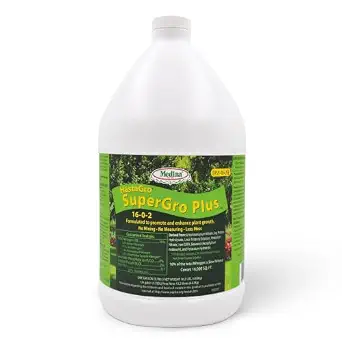 |
Soil Sunrise Greensand Soil Additive (5 lb)

| Item Form | Granules |
|---|---|
| Target Species | Plants |
| Unit Count | 80 Ounce |
Soil Sunrise Greensand is a granular, mineral-rich soil amendment designed to improve soil structure and long-term moisture holding capacity. Typically worked into raised beds, containers, or sandy garden soil, it supplies glauconite-sourced potassium, iron, and magnesium that release slowly over multiple growing cycles. The product is safe to apply liberally because it will not burn plants and is presented in a resealable-style bag for repeat use. In practice it helps loosen compacted or sandy soils so they retain water better and supports deeper root development for herbs, vegetables, and ornamentals. Because it is a physical mineral amendment rather than a fast-acting fertilizer, benefits accrue gradually and are best seen over a season or more. Users looking for immediate nutrient boosts will still need to supplement with a soluble fertilizer, but for improving long-term soil health and water management in coarse, sandy mixes this greensand is a low-risk, low-maintenance option.
Best for: Gardeners who prioritize long-term soil performance and want a low-maintenance mineral amendment to improve water retention and root growth in sandy beds and containers.
Less Ideal for: Growers seeking rapid nutrient fixes or immediate feeding results should pair this with a soluble fertilizer or choose a fast-acting nutrient product instead.
- Provides slow-release minerals (potassium, iron, magnesium) derived from glauconite
- Improves moisture retention and loosens compacted or sandy soils
- Granular form can be mixed into raised beds, containers, and grow bags
- Safe to apply liberally because it will not burn plants
- Acts slowly and does not provide immediate, soluble nutrients for quick greening
Verdict: Use this greensand when you want a durable, mineral-rich amendment to improve moisture retention and root development in sandy soils over multiple seasons.
florasoul Soil Food Sand Humic Acid Soil Conditioner for Sandy Soil

| Brand Name | florasoul |
|---|---|
| Item Highlight | Organic Soil Amendment for Moisture Retention, Nutrient Retention & Root Growth |
| Unit Count | 105.6 Ounce |
| Style Name | Sandy |
Florasoul Soil Food Sand is a granular soil amendment formulated to help sandy, fast-draining soils hold water and nutrients. It is applied by broadcasting or mixing into topsoil in lawns, garden beds, raised beds, or potted mixes to increase organic matter and introduce concentrated humic acid. The 2–4 mm black granules are low-dust and easy to spread by hand or with a spreader, which makes application tidy and simple. In use it should reduce water runoff and nutrient leaching by helping bind fertilizers and minerals in the root zone, and the added bioactive organic matter can encourage improved microbial activity and deeper root growth over time. Important limitations are that this product improves soil biology and retention gradually and is not an instant fertilizer replacement, so expect incremental benefits with repeated applications rather than immediate dramatic growth responses.
Best for: Gardeners who want a practical, low-mess amendment to make sandy lawns and beds hold water and fertilizer better and who plan to improve soil biology over several seasons.
Less Ideal for: People seeking a fast-acting, one-time fertilizer boost or those who need treatments for clay or heavy soils rather than sandy, free-draining sites.
- Granular 2–4 mm particles for low-dust, tidy spreading by hand or spreader
- Contains humic acid and organic matter to improve moisture retention in sandy soil
- Helps reduce nutrient leaching by binding fertilizer and minerals near roots
- Supports soil microbial activity and deeper root development with repeated use
- Not an immediate fertilizer substitute; benefits accumulate over multiple applications
- Only supplied in modest unit weight, so larger landscapes will require multiple bags
Verdict: Use this granular humic-acid conditioner if you want a low-mess, long-term solution to help sandy soil retain water and nutrients and encourage stronger root growth.
Old Cobblers Farm Wicked Organics Greensand (15 lbs)

| NPK Ratio | 0-0-3 |
|---|---|
| Recommended bed rate | 5–10 lb per 100 sq ft |
| Formulation | Granular glauconite mineral |
| Suitable for | Organic gardening (confirm with certifier) |
This greensand product is a mineral soil conditioner aimed at improving sandy soils by increasing moisture and nutrient-holding capacity while supplying a slow-release source of potassium (0-0-3). It is typically worked into beds or mixed into potting media at the recommended rates — for new beds the label suggests 5 to 10 lb per 100 sq ft and smaller measures for individual plants or containers. Notable features include its gentle, non-burning formula that is safe for seedlings and long-term residual benefits that help other fertilizers remain available to roots. In practice it loosens heavy soils slightly while noticeably helping sandy mixes retain water and cations, which is useful in drought-prone or fast-draining sites. Limitations are that it is a low-analysis potassium amendment so it will not replace balanced NPK fertilizer when plants need nitrogen or phosphorus, and benefits accrue slowly over months or years rather than immediately. For gardeners looking to build soil structure and passive potassium supplementation, it is a low-risk, long-term option.
Best for: Gardeners on a budget who want a low-risk way to improve sandy soil structure and slowly boost potassium and trace minerals without frequent reapplication.
Less Ideal for: Growers who need fast-acting complete fertilizer for heavy-feeding vegetable crops or those who require immediate correction of nitrogen or phosphorus deficiencies.
- Slow-release potassium that will not burn seedlings or container plants
- Improves moisture and nutrient-holding capacity in sandy soils
- Contains iron and trace minerals to broaden soil nutrient profile
- Long-lasting soil conditioning effect that reduces frequency of reapplication
- Low nutrient analysis so it will not replace regular N or P fertilization when crops need those nutrients
- Benefits develop gradually and are not a quick fix for acute deficiencies
Verdict: A simple, low-risk soil conditioner that quietly improves sandy soil water and nutrient retention while providing slow-release potassium for long-term garden health.
Lancaster Agriculture Greensand Natural Soil Amendment, 5 lb

| Item Form | Powder |
|---|---|
| Specific Uses For Product | Fertilizer |
| Target Species | plants |
| Unit Count | 80 Ounce |
Lancaster Agriculture Greensand is a mineral soil amendment used to improve sandy and compacted soils by adding slow‑releasing potassium, iron, and trace minerals. Gardeners typically mix it into planting holes, blend it with potting mix, or apply it as a top dressing at the recommended 5–50 lb per 1,000 sq. ft. Its powder form makes it easy to spread and incorporate, and its ability to retain moisture helps sandy soils hold water longer while gently aerating heavier soils. Because it releases nutrients slowly and contains no synthetic additives, it supports long‑term soil health and reduces the risk of overfertilizing. Limitations are that benefits accumulate over time rather than producing quick greening and that it does not supply balanced N‑P‑K fertilizer, so it is best used alongside a regular feeding plan when plants need immediate nutrient boosts.
Best for: Gardeners who prioritize long‑term, reliable soil improvement for sandy or depleted soils and prefer natural, low‑risk amendments to support steady plant health.
Less Ideal for: Growers who need a fast, high‑nitrogen boost for rapid growth or who want a single product to supply complete N‑P‑K nutrition.
- 100% natural glauconite greensand provides trace minerals without synthetic additives
- Improves moisture retention in sandy soils and helps loosen compacted clay soils
- Powder form is easy to blend into soil, compost, or potting mix
- Slow release of potassium and iron supports long‑term soil health and root development
- Not a complete N‑P‑K fertilizer so it will not replace regular feeding when immediate nutrients are required
- Effects build gradually over multiple applications rather than delivering rapid results
Verdict: Choose this greensand if you want a dependable, all‑natural amendment that improves moisture retention and soil structure in sandy soils for steady, long‑term plant health.
Farmer's Secret Soil Revitalizer Organic Liquid Compost (32 oz)

| Item Form | Liquid |
|---|---|
| Specific Uses For Product | Organic |
| Application Method | spray/pour |
| Coverage | 32,000 square feet |
| Mixing Ratio | 1:128 |
Farmer's Secret Soil Revitalizer is a concentrated liquid amendment that uses activated humics to improve soil structure, stimulate microbial activity, and make nutrients more available to plants. It is mixed at 1 ounce per gallon of water and can be applied with a watering can, sprayer, irrigation system, or as a foliar feed for houseplants. For clay soils the product's humic-rich formula helps loosen compacted particles over time and supports biological activity that improves drainage and root penetration. It is OMRI listed and made from organic sources, so it is suitable for edible gardens and safe around children and pets when used as directed. The effects are gradual rather than immediate because it works by rebuilding soil biology rather than supplying fast-release NPK, so gardeners should expect cumulative improvement after several applications every 2 to 4 weeks. Coverage claims are high for the bottle size, so plan dosing carefully if treating a large lawn or landscape.
Best for: Gardeners who want a low-risk, soil-first approach to improve compacted or nutrient-poor soils and are willing to use a repeat feeding schedule to build long-term soil health.
Less Ideal for: People seeking rapid green-up or instant high-amount nutrient feeds for heavy-feeding annuals or lawns should consider a supplemental synthetic fertilizer instead.
- OMRI listed organic formula safe for edible gardens when diluted as directed
- Activated humics increase microbial activity and long-term soil structure improvement
- Versatile application options: watering can, sprayer, hose-end or irrigation
- Concentrated mixing ratio (1:128) stretches one bottle over many applications
- Not a fast-acting synthetic fertilizer so visible results take multiple applications
- Coverage per bottle may be optimistic for large yards, requiring multiple bottles for whole-lawn use
Verdict: Use this organic, humic-rich liquid if you want to rebuild clay soil biology and structure over time rather than chase quick fertilizer results.
Medina HastaGro SuperGro Plus 16-0-2 Liquid Lawn Fertilizer, 1 Gal

| Item Form | Liquid |
|---|---|
| Specific Uses For Product | High-Traffic Lawn Recovery; Sandy Soil Fertilization; Tropical Plant Feeding |
| Application Method | Spray evenly onto leaves |
| Coverage | 1 gal covers 16,000 sq ft |
| Mixing Ratio | 16:0:2 |
Medina HastaGro SuperGro Plus is a liquid 16-0-2 lawn fertilizer formulated for regions that restrict phosphorus and for sandy soils that lose nutrients quickly. It is applied as a foliar spray or soil drench and is easy to use with a hose-end applicator or mixed at the recommended rate for containers and houseplants. The high nitrogen content delivers visible green-up within 24 to 48 hours, while 15% cane molasses and 1% humic acid aim to feed soil microbes, improve moisture retention, and support root health over time. Coverage claims are generous—one gallon treats up to 16,000 sq ft—so a single container can service a moderate lawn. Important practical limits are that it is a high-nitrogen treatment meant for frequent application every two weeks during the growing season, so it is not a one-time slow-release solution, and users should follow safety directions to avoid drift and leaf burn by spraying in cooler parts of the day. For risk-averse gardeners, the clear mixing instructions and absence of added phosphorus make it straightforward to use in regulated or sandy soil situations.
Best for: Homeowners who want a straightforward, fast-acting, phosphorus-free fertilizer for sandy lawns or tropical plants and prefer clear instructions and predictable results.
Less Ideal for: Gardeners seeking a single-application, slow-release fertilizer or those who do not want to apply liquid treatments regularly.
- Phosphorus-free 16-0-2 formula suitable for restricted regions and phosphorus-sensitive sites
- Rapid visible green-up within 24–48 hours due to high nitrogen concentration
- Includes 15% cane molasses and 1% humic acid to support soil microbial activity and moisture retention
- Large coverage per gallon (up to 16,000 sq ft) reduces the number of containers needed
- Requires repeat applications every two weeks rather than providing long-term slow-release nutrition
- Liquid form requires correct mixing and application timing to avoid leaf burn or drift
Verdict: Choose this if you need a fast-acting, phosphorus-free liquid fertilizer that boosts green-up and supports sandy soils with molasses and humic acid.
Choosing the Right Fertilizer for Sandy Soil: Key Factors to Consider
Nutrient Balance and Ratios
Sandy soils start with low nutrient retention, so the fertilizer's N-P-K ratio and included micronutrients determine short-term growth and longer-term plant health. A product with balanced nitrogen for foliage, adequate phosphorus for root establishment, and potassium for stress tolerance will help plants flourish despite fast leaching.
Micronutrients like iron, manganese, and boron are often deficient in coarse soils. Choosing a fertilizer that lists these elements or planning to supplement them matters because deficiencies can show up quickly in sandy ground.
Release Profile and Leaching Risk
How a fertilizer releases nutrients affects how much is lost between waterings. Fast-release soluble formulas give a quick boost but are easily washed away in sandy soil, requiring frequent reapplications and raising salt stress. Slow-release or polymer-coated products, and organic amendments that mineralize gradually, keep nutrients in the root zone longer.
Consider timing with your irrigation. Controlled-release fertilizers match slower nutrient delivery to sparse water-holding capacity, reducing waste and the risk of nutrient burn with heavy watering.
Salt Index and Root Safety
Sandy soils concentrate salts near roots after repeated feedings and evaporation. Fertilizers with high salt indices can damage seedlings and shallow-rooted plants in these conditions. Look for low-salt formulations or those labeled safe for seedlings when establishing beds in sandier ground.
If you use soluble feeds, dilute more than usual and monitor plants for leaf scorch. Managing salt buildup through periodic flushing with extra water or soil amendments that improve structure is also important.
Compatibility With Organic Matter and Soil Builders
Fertilizer should complement efforts to increase organic matter in sandy soils. Organic fertilizers and amendments that add carbon improve water retention and nutrient-holding capacity over time. Synthetic or mineral fertilizers can be used alongside compost and biochar, but timing and application method should avoid disrupting microbial activity.
Choosing products that work well when mixed with compost topdressings or incorporated into amended planting mixes makes long-term soil improvement practical rather than counterproductive.
Application Method and Practicality
How you apply fertilizer affects uniformity and labor. Granular spreaders, topdress applications, liquid drench, and root dips each behave differently in sandy soils. Granular slow-release options are convenient for larger beds and lawns; liquid feeds offer fast correction for container plants.
Also consider equipment compatibility. If you have a spreader or injector, choose formulations designed for those tools to ensure even feeding and avoid overapplication hotspots.
Longevity and Cost Per Feeding
In sandy soil, longer-lasting fertilizers mean fewer applications and less chance of nutrient loss between feeds. Estimate the weeks of effective feeding each product provides and compare that to how often you can realistically reapply.
While initial cost matters, assess cost in terms of feed cycles and labor. A longer-duration product often saves time and reduces the chance of misapplication in fast-draining soil.
Improving Sandy Soil Beyond Fertilizer
Fertilizer alone cannot fix poor water retention and structure. Regular additions of compost, well-rotted manure, and other organic amendments raise the soil's ability to hold nutrients and moisture. Over time this reduces fertilizer needs and stabilizes plant growth in sandy sites.
- Add 2 to 4 inches of compost as a topdress and work it into the top 6 inches when preparing beds.
- Use mulch to slow evaporation and keep nutrients closer to roots.
- Consider biochar mixed with compost to increase cation exchange capacity and long-term nutrient retention.
Timing Fertilizer With Irrigation
Match feed schedules to how quickly your soil drains. For newly planted material, provide smaller, more frequent feedings to avoid waste. For established shrubs and lawns, slower-release products timed to the growing season reduce the need for frequent applications.
- Apply granular controlled-release feeds in early spring to supply nutrients through vigorous growth periods.
- Use diluted liquid feeds after transplanting to avoid root stress.
- Avoid heavy feeding before expected heavy rains to reduce leaching.
Container and Raised Bed Strategies for Sandy Mixes
Containers and raised beds have different dynamics from in-ground sandy soil because they can be amended more easily. Use potting mixes with a higher organic fraction, and select fertilizers formulated for container culture that release fairly consistently between waterings.
- Topdress containers with a thin layer of slow-release granules in spring.
- Use water-soluble feeds at reduced strength to correct deficiencies without causing salt buildup.
- Replace or refresh potting mix annually in hot-drying conditions to maintain nutrient-holding capacity.
Spot Treatments and Foliar Feeding
When deficiencies appear quickly in sandy soil, spot treatments and foliar sprays can provide rapid correction without saturating the whole bed. Foliar applications deliver micronutrients directly to leaves and can be useful between soil-applied feeds.
- Use foliar sprays for iron chlorosis or micronutrient fixes during the growing season.
- Apply spot soil drenches near the root zone for localized correction of nutrient-poor patches.
- Monitor plant response within a week to decide if further feeding is necessary.
How We Chose the Best Fertilizer for Sandy Soil
We shortlisted fertilizers that suit sandy soils by applying practical garden-use filters and measurable technical criteria. First, we focused on nutrient delivery: products had to provide appropriate macro- and micronutrient levels or a clear plan for supplementation in low-organic soils. Second, release profile mattered. We prioritized options with controlled-release characteristics, chelated micronutrients, or organic matrices that slow leaching in coarse soils. Application flexibility was a selection factor. Chosen fertilizers work with common sandy-soil planting contexts: beds, containers, new transplants, and established shrubs. We also examined ease of use for typical gardeners, including spreader and soil incorporation needs, plus safety around roots and nearby plants. Longevity and predictable feeding schedules were considered so gardeners can plan irrigation and reapplications. We excluded products that rely solely on extremely high soluble salts without guidance for sandy soils, and anything intended only for hydroponics or specialized lab use. The final picks balance measurable nutrient content, release control, application practicality, and compatibility with practices that build organic matter in sandy ground.
FAQ
How often should I fertilize plants in sandy soil?
It depends on the fertilizer type. Fast-release products usually need more frequent applications, sometimes every few weeks. Controlled-release or organic products often feed for several months; schedule applications based on the product label and plant growth.
Can I use the same fertilizer for containers and in-ground sandy beds?
Often you can, but containers dry faster and retain fewer nutrients, so reduce strength or frequency for liquid feeds in pots. Choose formulations labeled for container use when possible to minimize salt buildup.
Will adding compost reduce how much fertilizer I need?
Yes. Regular compost improves water retention and nutrient-holding capacity, which reduces fertilizer runoff and the need for frequent feeding. Organic matter also feeds soil life that helps make nutrients available.
Are slow-release fertilizers better for sandy soil?
Slow-release options reduce leaching by supplying nutrients over time rather than all at once, which is generally beneficial in sandy soils. The best choice depends on planting type and irrigation practices.
How do I prevent salt buildup from fertilizing in sandy areas?
Use low-salt formulations, dilute soluble feeds, and flush the root zone periodically with extra water to move salts deeper. Incorporating organic matter also helps disperse salts and reduce concentration at the root surface.
Final Verdict
Prioritize fertilizers that supply balanced nutrients while minimizing leaching in sandy soil. Focus on release profile, salt safety, and compatibility with organic amendments so feeding supports steady root growth without frequent reapplications. For most gardeners on sandy ground, controlled-release or organic-based fertilizers used alongside compost and sensible irrigation deliver the best tradeoff between convenience and plant health. Match application method to the planting context and plan feed cycles around water management to get the most from each application.
