

Note: This article contains affiliate links. If you click on these links and make a purchase, I may earn a small commission at no extra cost to you. This helps support my research and content. Read my full affiliate disclosure here.
Picking the right hanging basket flowers for full sun matters because intense light and heat change how plants use water and bloom. In bright, exposed locations you need varieties that tolerate direct sun, resist midday stress, and keep producing color without constant fuss. This guide shortlists seven top hanging-basket options suited to full-sun sites and explains practical strengths like heat tolerance, water needs, and growth habit. Use the evaluation notes to match a cultivar to your porch, balcony, or garden eave, then check the product blocks for specific varieties and container-friendly forms.
Top Picks at a Glance
| Best Overall The best all-around choice for most situations | BuggyBeds Double Dwarf Petunia Seeds (300+), Mixed Colors |  |
| Best Quality Built to a higher standard if you want something more solid | Tropical Plants of Florida Yellow Dipladenia Hanging Basket (12-inch) |  |
| Best Value The sweet spot between price and what you get | Generic Heirloom Petunia Seeds, 10,000 Count |  |
| Best Budget The cheapest option that still gets the job done reliably | Carpet Creeping Lantana camara Seeds, 199 Count |  |
| Highest Rated A top-rated pick with lots of positive feedback | PeavyTailor Super Cascade Petunia Seeds (6000 Count) — Mixed Colors |  |
| Most Popular A crowd favorite that many people choose with confidence | HOME GROWN Dwarf Mix Petunia Seeds (3,000 seeds) |  |
| Best Seller A high-volume bestseller chosen again and again | KVITER Heirloom 2,000 Mix Dwarf Petunia (Nana Compacta) Seeds |  |
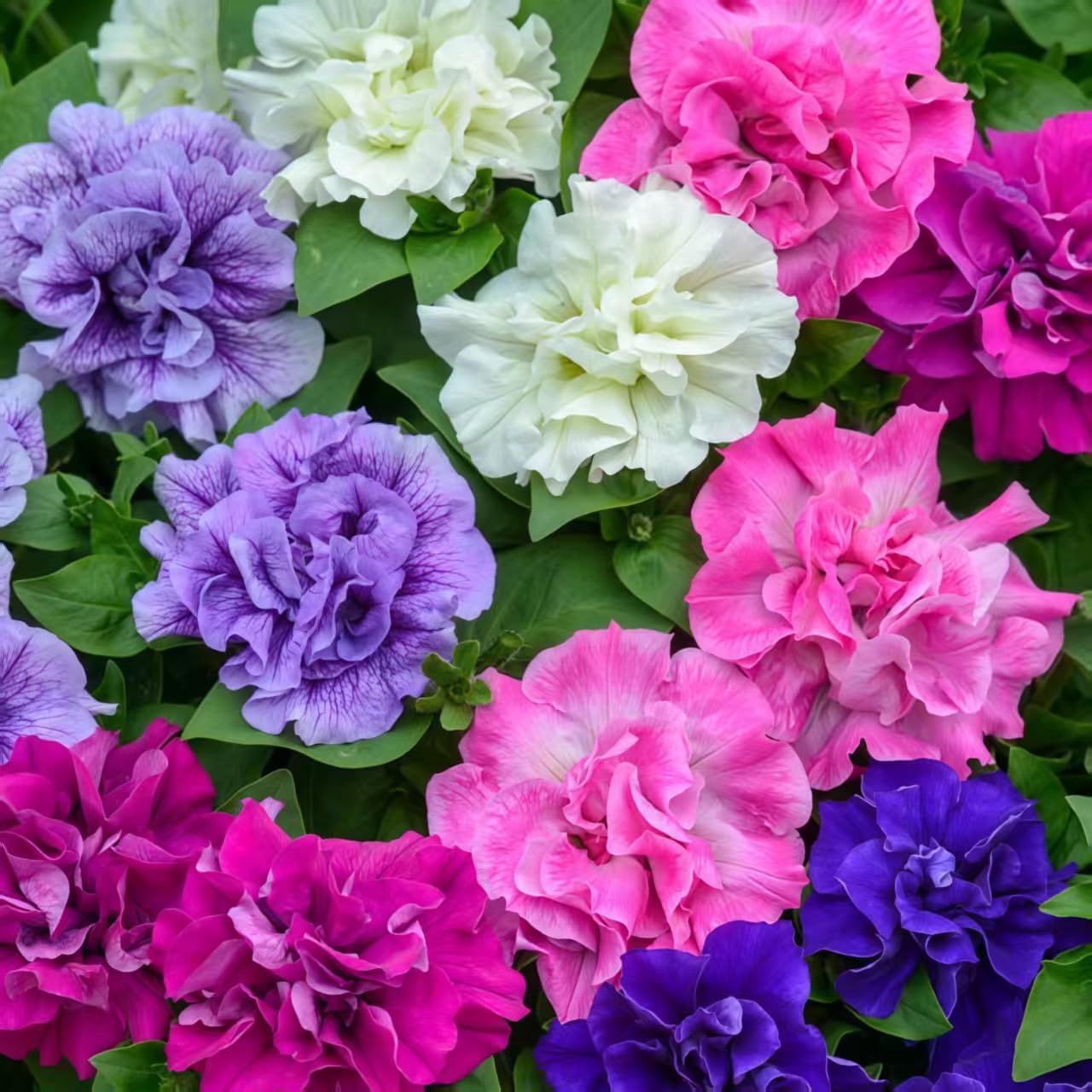
BuggyBeds Double Dwarf Petunia Seeds (300+), Mixed Colors
| Indoor Outdoor Usage | Indoor, Outdoor |
|---|---|
| Expected Blooming Period | Summer |
| Sunlight Exposure | Full Sun |
| Moisture Needs | Moderate Watering |
These BuggyBeds double dwarf petunia seeds produce a profusion of compact, colorful blooms well suited to hanging baskets, window boxes, and small container gardens in full sun. They are typically sown indoors or directly in containers, then transplanted or thinned so each plant has room to spill and fill a basket. The mix includes reds, pinks, purples, and whites and is described as heat and sun tolerant, which helps maintain steady flowering through spring and summer with moderate watering and routine feeding. The plants have a compact habit that keeps baskets full without overwhelming small spaces, and their flowers attract pollinators so they add both color and garden life. Limitations are that germination and color distribution can vary seed to seed and that these are a seasonal annual choice that needs replanting each year; performance also depends on good drainage and regular deadheading or trimming for the longest bloom period.
Best for: Gardeners who want an easy, colorful hanging-basket solution for full-sun locations and prefer starting many plants from seed to fill multiple containers affordably.
Less Ideal for: People seeking instant, uniform mature plants or a no-maintenance perennial solution should consider nursery-grown transplants or perennial alternatives instead.
- Large seed count (300+), enough to populate multiple hangers or containers
- Compact double-dwarf habit ideal for filling hanging baskets and small planters
- Heat and full-sun tolerance supports reliable summer flowering in sunny spots
- Attracts pollinators such as bees and butterflies
- Seed-grown variability means colors and bloom timing are not uniform
- As annuals, plants must be replanted each year to maintain displays
Verdict: A high-count packet of compact, sun- and heat-tolerant petunia seeds that fills hanging baskets with continuous summer color when started and cared for properly.
Tropical Plants of Florida Yellow Dipladenia Hanging Basket (12-inch)

| Indoor Outdoor Usage | Indoor, Outdoor |
|---|---|
| Expected Blooming Period | Spring to Fall |
| Sunlight Exposure | Partial Sun |
| USDA Hardiness Zone | 9, 10, 11 |
| Moisture Needs | Moderate Watering |
This yellow dipladenia arrives established in a 12-inch hanging basket and is designed to deliver long-running color on sunny patios and balconies. It produces trumpet-shaped yellow flowers from spring through fall and is recommended for full sun to partial sun exposure. Typical use is as a hanging focal point or cascading container display where its compact habit and continuous bloom time provide steady visual impact and attract pollinators. Care is straightforward: moderate watering when the topsoil dries and routine fertilizing during the growing season keeps blooms coming. Because it is sold ready to hang, there is no initial potting work, which is convenient for busy gardeners who want instant results. Limitations include climate dependency since it is rated for USDA zones 9 to 11 and will not overwinter outdoors in cooler regions, and it needs regular watering in hot, exposed locations to avoid stress and reduced flowering. Expect reliable performance in warm, sunny spots with routine light maintenance.
Best for: Gardeners who prioritize strong seasonal floral performance in sunny containers and want a low-effort, high-impact hanging flower for patios, porches, or balconies.
Less Ideal for: Those in cooler climates who need winter-hardy plants or gardeners seeking a perennial that survives outdoor winters without protection.
- Ready-to-hang in a 12-inch basket for immediate display
- Long blooming period from spring through fall for extended color
- Attracts pollinators and maintains a compact, cascading habit suited to hanging sites
- Limited to warm climates (USDA zones 9–11) so not hardy in cool winters
- Requires consistent moderate watering in hot, full-sun exposure to maintain blooms
Verdict: If you want an easy, ready-to-hang basket that delivers consistent, full-sun blooms all season in warm climates, this yellow dipladenia is a top pick.
Generic Heirloom Petunia Seeds, 10,000 Count

| Indoor Outdoor Usage | Indoor, Outdoor |
|---|---|
| Expected Blooming Period | Spring to Fall |
| Sunlight Exposure | Full Sun |
| USDA Hardiness Zone | 2-11 |
| Moisture Needs | Moderate Watering |
This 10,000-count pack of heirloom petunia seeds supplies enough seed to fill hanging baskets, containers, and garden beds with continuous color from late spring until the first frost. The seeds are described as having a high germination rate and are best started indoors 8 to 10 weeks before the last frost, then transplanted to full sun where petunias produce the most blooms. Because the packet includes both trailing and compact types, it is suitable for hanging baskets as well as mixed containers. Practical benefits include a long flowering period, attraction of pollinators, and the economy of a very large seed count for larger planting projects or repeated seasons. Expect to invest time in careful seed starting since the tiny seeds need light to germinate and consistent moisture early on. Also, results depend on proper soil and sun exposure, so novice gardeners should be prepared for a learning curve when starting from seed rather than buying established plants.
Best for: Gardeners who prioritize value and want to grow many hanging baskets or containers from seed and who are willing to start plants indoors and manage seedling care.
Less Ideal for: Buyers who need instant results or prefer low-effort planting should choose established transplants or pre-grown basket arrangements instead.
- Very large seed count (10,000) provides economical coverage for many hanging baskets and beds
- Heirloom varieties with both trailing and compact types suitable for baskets and mixed containers
- High germination rate claimed, improving the chance of successful stands from seed
- Long blooming period from spring through fall that attracts pollinators
- Seeds are tiny and require careful indoor starting and light exposure for germination
- Starting from seed requires more time and attention than purchasing seedlings
Verdict: If you want cost-effective, continuous color in full-sun hanging baskets and are prepared to start seeds indoors, this large heirloom seed pack delivers excellent value.
Carpet Creeping Lantana camara Seeds, 199 Count

| Indoor Outdoor Usage | Indoor, Outdoor |
|---|---|
| Expected Blooming Period | Summer to Fall |
| Sunlight Exposure | Full Sun |
| USDA Hardiness Zone | 9 |
| Unit Count | 199 Count |
These Carpet Creeping Lantana seeds offer an economical way to add long-blooming, color-changing flowers to full-sun hanging baskets and containers. The seeds are heirloom and GMO free and are intended to produce compact, mounding lantana that attracts butterflies and hummingbirds while tolerating heat and dry conditions once established. Growing from seed requires patience because lantana seeds have a hard coat and germinate slowly; the seller recommends a 24-hour warm soak, surface-sowing on moist seed-start mix, and keeping temperatures around 70 to 75°F for 6 to 8 weeks. Practical benefits include extended bloom time through frost in warm areas, low maintenance after establishment, and suitability for coastal or poor soils. Important limitations are slow germination and the need for starting indoors or in a warm environment to succeed, plus the product is best in USDA zones where lantana is perennial; elsewhere you will treat it as an annual. For hanging-basket use plan for regular watering until established and allow room for the plant to spread.
Best for: Buyers who want a low-cost way to fill full-sun hanging baskets or borders with continuous, pollinator-friendly blooms and are willing to start seeds and care for seedlings until established.
Less Ideal for: Gardeners who need instant, bloom-ready plants or who cannot provide a warm, consistent germination environment should choose established transplants instead.
- Large 199-seed count gives many starter plants or repeats from one purchase
- Heirloom and GMO free seed packet for traditional varieties
- Drought and heat tolerant once established, suitable for hot full-sun baskets
- Attractive to pollinators, increasing garden wildlife and visual interest
- Seeds germinate slowly and require pre-soak and warm, consistent temperatures for best results
- Best as a perennial only in warmer hardiness zones so colder-region growers must replant annually
Verdict: An economical seed option to produce heat-tolerant, pollinator-attracting lantana for sunny hanging baskets if you are prepared for slow germination and seed starting.
PeavyTailor Super Cascade Petunia Seeds (6000 Count) — Mixed Colors

| Unit Count | 6000 Count |
|---|---|
| Indoor Outdoor Usage | Outdoor |
| Sunlight Exposure | Full Sun |
| Expected Blooming Period | Spring to Fall |
| Expected Plant Height | 12 inches |
These PeavyTailor Super Cascade petunia seeds supply 6000 seeds of mixed-color, outdoor petunias bred for cascading habit and large 4–5" blooms. They are used by sowing in the recommended windows (late spring or autumn) and germinate best at 20–30°C, with seedlings maturing to flowering in roughly 90–100 days. The packet emphasizes easy-to-grow from-seed culture, full-sun performance, and deer resistance, making these plants a good choice for hanging baskets, window boxes, and sunny edges where continuous color from spring through frost is desired. Practical benefits include an abundance of plants from one purchase and strong attraction for pollinators. Limitations are that success depends on following the specific sowing windows and germination temperatures, and seed-grown petunias require routine watering and feeding once established to maintain prolific flowering in baskets. Expect some variability in individual plant vigor because this is a mixed heirloom-style seed lot rather than uniform plugs.
Best for: Gardeners who want a cost-effective source of colourful, trailing petunias for full-sun hanging baskets and beds and who prefer starting many plants from seed to fill multiple containers or borders.
Less Ideal for: Gardeners who need instant, uniform basket-ready plants or who prefer low-effort bedding plants grown from plugs should consider nursery-grown transplants instead.
- Very large 6000-seed count provides enough plants for multiple hanging baskets or mass plantings
- Super Cascade habit produces trailing growth ideal for hanging baskets and window boxes
- Germination information and sowing windows included to guide success from seed
- Rated for full sun and blooms from spring to fall, providing a long display period
- Marketed as deer resistant and attractive to pollinators, beneficial for outdoor plantings
- Requires attention to specified germination temperature and timing for reliable results
- Seed-grown plants take about 90–100 days to reach flowering, so planning ahead is necessary
Verdict: If you want maximum value for filling multiple full-sun hanging baskets with trailing, showy petunias grown from seed, this large mixed-seed packet is a practical choice.
HOME GROWN Dwarf Mix Petunia Seeds (3,000 seeds)

| Indoor Outdoor Usage | Indoor, Outdoor |
|---|---|
| Sunlight Exposure | Full Sun |
| USDA Hardiness Zone | 2-11 |
| Number of Pieces | 3000 |
| Material Features | GMO Free, Heirloom |
These dwarf petunia seeds produce compact, free-branching plants that reach about 8–12 inches and are well suited to hanging baskets, patio pots, and window boxes in full sun. Each envelope contains 3,000 heirloom, non-GMO seeds in red, rose, pink, salmon, violet, and white. Start seeds indoors about 10 weeks before your last frost and surface-sow without covering because light is needed for germination; seedlings typically sprout in 7–14 days and flower in roughly 70–84 days. The plants form mounding, low-maintenance habit that does not require staking and reward regular deadheading and pinching tips to encourage bushier growth and more blooms. They attract pollinators, extending interest through the season, and perform across USDA zones 2–11 when treated as frost-tender annuals. Expect to manage even moisture and well-drained soil for best results. This pack delivers high seed count for multiple baskets or repeat plantings, but you will need to start indoors and transplant after frost and practice routine deadheading to keep displays full all season.
Best for: Gardeners who want reliable, colorful hanging-basket displays for full-sun sites and prefer seed packs that allow multiple plantings or fill several containers.
Less Ideal for: People who need instant, no-fuss flowering (prefer plug plants or established baskets) or who cannot start seeds indoors before transplanting outdoors.
- Very high seed count suitable for several hanging baskets or successive plantings
- Compact, free-branching habit ideal for baskets and containers without staking
- Heirloom non-GMO seed mix with six distinct bloom colors for continuous color variety
- Surface-sow requirement and quick germination (7–14 days) make indoor starting straightforward
- Attracts bees, butterflies, and hummingbirds, adding pollinator value to sunny spots
- Seeds are frost-tender so they require indoor starting and transplanting after last frost
- Requires regular deadheading and pinching for best flowering and fullness
Verdict: A high-count heirloom petunia seed mix built to produce compact, pollinator-friendly hanging-basket displays in full sun.
KVITER Heirloom 2,000 Mix Dwarf Petunia (Nana Compacta) Seeds

| Indoor Outdoor Usage | Outdoor |
|---|---|
| Other Special Features of the Product | Attracts Pollinators, Drought Tolerant, Extended Bloom Time, Growing Guide Included, Made in the USA |
| Expected Blooming Period | Summer |
| Sunlight Exposure | Full Sun |
| Unit Count | 2000 Count |
These KVITER dwarf petunia seeds produce compact, 10‑inch mounded plants that suit small pots, hanging baskets and window boxes in full sun. The mix includes red, pink, purple and white blooms and is sold as 2,000 untreated heirloom seeds with a growing guide included on each packet. Seeds are surface‑sown or very shallowly planted and typically germinate in 7–14 days when kept moist and warm, which makes them straightforward for home gardeners. The plants are described as drought tolerant once established and attractive to hummingbirds and butterflies, so they add continuous color and pollinator activity to sunny hanging baskets. Because these are open‑pollinated, non‑GMO seeds offered in very large quantity, you get many chances to fill multiple baskets or replace plants midseason. Expect some variability in vigor and bloom timing since this is a mixed heirloom lot rather than a uniform hybrid cultivar, so gardeners seeking perfectly consistent size or exact colors may see uneven results. The included planting guide and broad USDA zone range make them an easy choice for risk‑averse gardeners wanting reliable summer color in full sun containers.
Best for: Gardeners who prefer low‑risk, straightforward planting for continuous summer color in full‑sun hanging baskets and small containers and who value heirloom, non‑GMO seed stock.
Less Ideal for: Growers who need uniform, hybrid plug‑quality plants with predictable bloom size and exact color matching should consider cultivar‑specific transplants instead.
- Large seed count (2000) covers many baskets and containers
- Heirloom non‑GMO seeds with growing guide on each packet for beginner confidence
- Compact nana compacta habit suits hanging baskets and small pots without overcrowding
- Attracts pollinators and tolerates light drought once established
- Mixed heirloom seed lots can produce variable flower colors and plant vigor
- Seeds are untreated and may require more careful starting and disease vigilance than treated commercial plugs
Verdict: A high‑count packet of compact heirloom dwarf petunia seeds that delivers easy, pollinator‑friendly summer color for full‑sun hanging baskets and small containers.
Choosing the Right Hanging Basket Flowers for Full Sun: Key Factors to Consider
Heat and Sun Tolerance
Full sun exposes hanging baskets to intense light and higher temperatures, especially on south- or west-facing walls. Plants that tolerate direct sun maintain leaf color, avoid rapid wilting, and continue to set flowers rather than shutting down. When a species is labeled sun-tolerant, it usually has thicker leaves, reflective hairs, or physiological adaptations that reduce heat stress.
Choosing cultivars with proven hot-weather performance reduces the need for constant irrigation and shade cloth. Even sun-tolerant plants will benefit from morning sun and afternoon partial relief in extreme climates, so consider microclimate when placing baskets.
Bloom Duration and Flowering Habit
Long bloom duration keeps baskets attractive without frequent replanting. Continuous or repeat-flowering species produce waves of blooms throughout the season rather than a single flush. Plants that set buds reliably in bright light and modest fertility are ideal for baskets that gardeners want to display for months.
Look for varieties noted for prolonged flowering and for those that respond well to deadheading or light pinch-backs. Some plants will bloom best when fertilized on a schedule; others bloom prolifically with minimal feeding.
Water Use and Drought Response
Hanging baskets dry out faster than ground containers because of increased exposure to wind and sun and shallower root volume. Water-efficient plants or those that handle intermittent drying will survive heat spells with less daily attention. Evaluate species for their tolerance to short periods of drought and for how quickly they recover after rewatering.
Consider the container size you plan to use, mulching the surface with moss or coco coir, and whether you will use self-watering inserts. Matching plant water needs within a single basket is crucial to avoid overwatering some specimens while underwatering others.
Growth Habit and Trailing Ability
The visual success of a hanging basket depends on how plants fill and spill over the container. Trailing or cascading habits create a lush, finished look and help hide the pot. Upright or mounding types can work if paired with strong trailers for contrast, but solitary upright plants may look top-heavy.
Assess mature spread and how quickly a plant fills space. Fast fillers reduce the need for repeated planting; compact varieties are better for small baskets and crowded displays. Consider whether you want a single-species look or a mixed basket with spiller-thriller-filler design.
Feeding and Maintenance Needs
Hanging baskets have limited soil and nutrients, so feeding regime affects flower production and plant health. Some sun-loving species are heavy feeders and will require regular liquid fertilizer to sustain bloom. Others perform well on a light feeding schedule and conserve vigor under modest fertilization.
Factor in pruning, deadheading, and shear-back needs as part of routine maintenance. Low-maintenance species are better if you cannot attend to baskets frequently; high-maintenance but high-reward types can be chosen where you want the most prolific displays.
Pest and Disease Resistance in Exposed Sites
Plants grown in full sun can face different pest and disease pressures than shaded specimens. For example, some diseases thrive in humid, shaded conditions but not in bright, airy exposures. However, pests like whiteflies and spider mites can increase in hot, dry conditions and target stressed plants.
Selecting resistant varieties and keeping cultural practices strong, such as avoiding overwatering and ensuring good air movement, reduces the need for interventions. Consider how easy it is to inspect and treat hanging baskets should pests appear.
Designing a Full-Sun Hanging Basket
Start by planning scale and contrast. Choose one trailing centerpiece or a combination of trailers, fillers, and thrillers to create texture and color balance. Keep in mind mature spread and height so the basket does not become top-heavy once plants reach size.
Pick container materials that tolerate heat. Dark plastic pots can heat the root zone quickly, while terracotta breathes but dries faster. Line choices such as moss or coco coir influence moisture retention and root anchorage.
- Use a mix of trailing and compact plants for a long-lasting display
- Match plants with similar water and feeding needs
- Consider basket depth for root space and stability
Watering Strategies for Hanging Baskets in Sun
Watering needs vary with temperature, wind, and potting mix. In full sun, you may need to water daily during heat waves, but overdosing at once can leach nutrients. Water deeply so moisture reaches the root ball and allow slight surface drying between waterings.
Employ mulches, water-retentive mixes, or self-watering inserts to extend time between waterings. Morning irrigation is best to hydrate plants for the hottest part of the day and to reduce afternoon evaporation.
- Check soil moisture daily during heat spells
- Use a moisture meter or finger test to avoid under- or overwatering
- Water until excess runs from the bottom, then allow partial drying
Fertilizing and Maintenance Schedule
Set a feeding routine that matches plant appetite. For heavy bloomers, a weekly balanced liquid feed or slow-release granules at planting keeps flowers coming. For moderate feeders, monthly feeding is often sufficient.
Regular deadheading and light pruning encourage fresh growth and prevent legginess. Replace spent or declining specimens midseason if they no longer contribute to the overall display.
- Feed more often for prolific bloomers, less for drought-tolerant types
- Pinch back early in the season to encourage branching
- Remove faded flowers to preserve appearance and bud production
Microclimate Adjustments and Placement
Full sun can mean different conditions depending on exposure. South-facing locations receive the most intense midday sun, while east-facing spots get strong morning light but cooler afternoons. Use placement to moderate stress: a bit of afternoon shade can extend plant life in very hot regions.
Shelter from drying wind where possible. Even sun-tolerant plants struggle with constant wind and heat combined. Rotating baskets periodically helps even out growth and bloom on all sides.
- Prefer morning sun exposure for gentler light
- Provide windbreaks near exposed edges
- Rotate baskets to ensure balanced growth and flowering
Transitioning Baskets Through the Seasons
Full-sun baskets change with the seasons. Early spring may need cool-season fillers while summer favors heat lovers. Plan plantings so the basket has continuous interest from spring through fall by swapping out spent plants when necessary.
For cooler shoulder seasons, choose plants that tolerate temperature swings and keep fertilization lighter as growth slows to avoid leggy growth before cooler weather.
- Start with cool-season annuals if planting early
- Replace or refresh baskets when summer performance declines
- Adjust watering and feeding with seasonal changes
How We Chose the Best Hanging Basket Flowers for Full Sun
We focused on traits that matter in real full-sun hanging baskets and applied practical filters to find resilient, easy-to-manage choices. Primary evaluation criteria included heat and sun tolerance, bloom duration and repeat flowering, water-use efficiency and drought response, growth habit and trailing ability for baskets, and pest and disease resistance in outdoor exposures. We also checked how well plants set buds and keep color under bright light rather than just initial greenhouse displays. Excluded from the shortlist were plants that require heavy shade, extensive staking, or aggressive root training that do not perform in a suspended container. We avoided sun-loving species that need constant misting or excessive deadheading to stay attractive. The final picks balance consistent outdoor performance, straightforward cultural needs for most gardeners, and visual impact in mixed or single-species baskets. Scoring emphasized measurable horticultural traits that predict summer success in full-sun hanging containers.
FAQ
How often should I water hanging baskets in full sun?
Often daily during heat waves and windy conditions, but the exact frequency depends on pot size and mix. Check moisture with your finger or a meter and water deeply when the top inch feels dry.
Can I mix drought-tolerant and moisture-loving plants in the same basket?
Mixing is risky because differing water needs can stress one group. If you want variety, select plants with similar moisture requirements to keep the whole basket healthy.
What type of potting mix works best for full-sun hanging baskets?
A lightweight, well-draining mix with some water-retentive components such as coco coir or peat alternative is ideal. Avoid heavy garden soil that compacts and retains too much water.
Do I need to fertilize hanging basket flowers more than ground-planted ones?
Yes, because limited soil volume exhausts nutrients faster. Regular liquid feeds or a slow-release formula at planting keeps blooms strong over the season.
How can I protect baskets from extreme midday heat?
Move baskets to a location with some afternoon shade if possible, provide extra watering in the morning, and use mulches or water-retentive liners to reduce rapid drying.
When should I replace plants in a summer hanging basket?
Replace specimens when growth declines, blooms drop off significantly, or maintenance becomes time-consuming. Many gardeners refresh midseason to maintain peak color.
Final Verdict
For full-sun hanging baskets prioritize heat-tolerant species with good bloom duration, compatible water needs, and a trailing habit that fills the pot attractively. Balance visual goals with practical maintenance: heavier feeders need regular fertilizing, while drought-tolerant choices reduce watering demands. Decide first on the look you want and then match plants to the microclimate and care level you can provide. That approach helps you enjoy reliable summer color from suspended baskets without excessive intervention.
