

Note: This article contains affiliate links. If you click on these links and make a purchase, I may earn a small commission at no extra cost to you. This helps support my research and content. Read my full affiliate disclosure here.
Growing tomatoes in pots concentrates both opportunity and risk. Container soil holds less nutrient and water than garden beds, so the right fertilizer keeps leaves green, supports blossoms and fruit set, and prevents nutrient lockups that cause blossom drop or poor flavor. This guide shortlists the top options specifically for tomato plants in pots and explains how each pick addresses container constraints. We evaluated nutrient ratios, release type, and application convenience so you can match a product to your watering habits and pot size. Read on to see the key tradeoffs and which features matter most for potted tomato success.
Top Picks at a Glance
| Best Overall The best all-around choice for most situations | Espoma Organic Tomato-tone 3-4-6 Organic Fertilizer with 8% Calcium, 4 lb |  |
| Best Quality Built to a higher standard if you want something more solid | Osmocote Smart-Release Plant Food Plus Outdoor & Indoor, 2 lb |  |
| Best Value The sweet spot between price and what you get | Miracle-Gro Shake 'N Feed Tomato, Fruit & Vegetable Plant Food (1 lb) |  |
| Best Budget The cheapest option that still gets the job done reliably | Jobe's Tomato Fertilizer Spikes, 18 Count |  |
| Highest Rated A top-rated pick with lots of positive feedback | FoxFarm Happy Frog Tomato & Vegetable Fertilizer, 5-7-3 Blend, 4 lb |  |
| Most Popular A crowd favorite that many people choose with confidence | Miracle-Gro Water Soluble Tomato Plant Food, 1.5 lb |  |
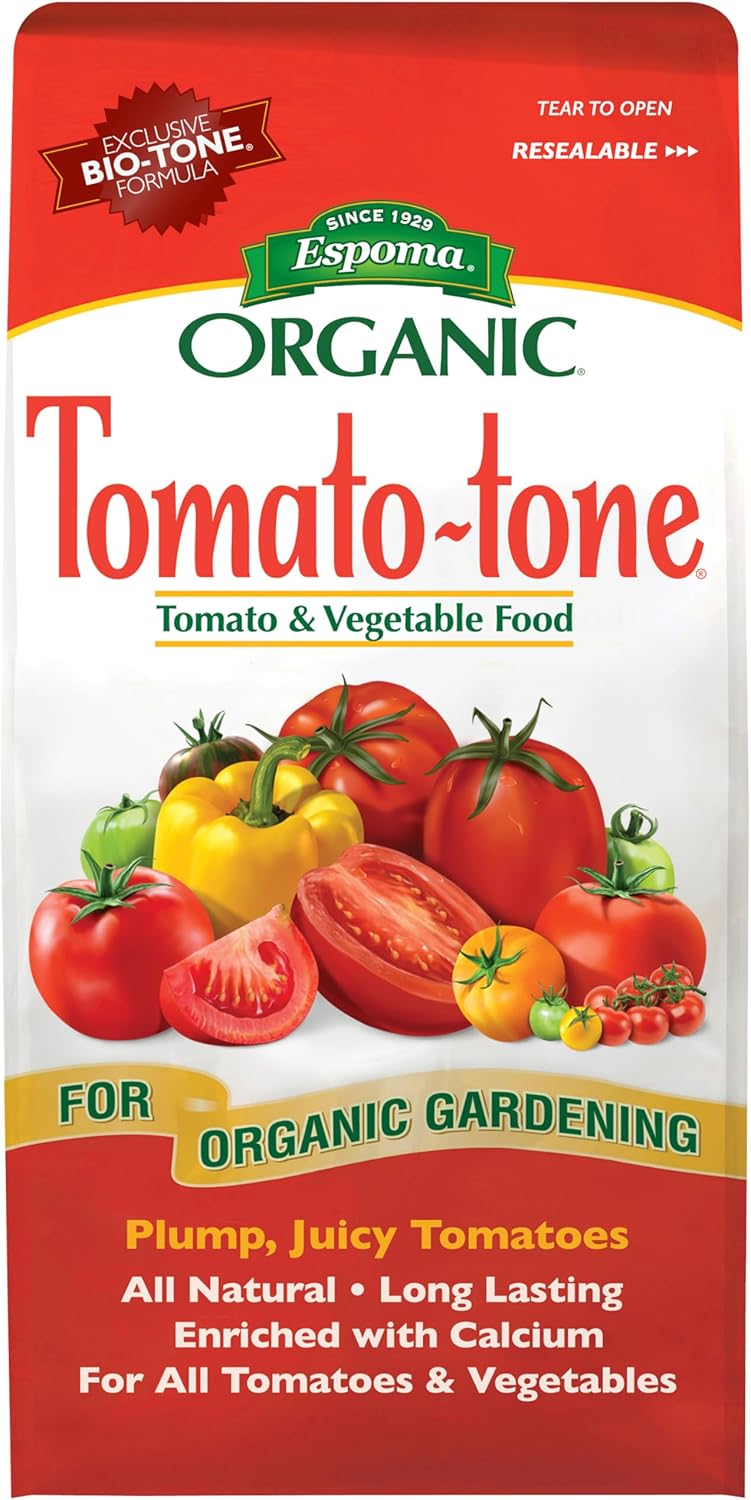
Espoma Organic Tomato-tone 3-4-6 Organic Fertilizer with 8% Calcium, 4 lb
| Item Form | Granules or Pellets |
|---|---|
| Specific Uses For Product | Gardening |
| Target Species | tomatoes and vegetables |
| Mixing Ratio | 3:4:6 |
Espoma Organic Tomato-tone is a ready-to-use granular fertilizer designed to feed tomatoes and other vegetables throughout the growing season. It is typically applied to the soil around the plant drip line every two weeks and watered in, which makes it straightforward for container growers and in-ground beds alike. The 3-4-6 NPK formula combined with 8% calcium targets fruit set and helps reduce blossom end rot, while the Bio-tone enhancement supports steady, balanced growth rather than excessive foliage. Being an approved organic input material, it contains organic ingredients and no inert fillers, which suits gardeners who prefer natural inputs. For potted tomatoes you can sprinkle it lightly on the potting mix surface and water in, but follow label rates to avoid overfeeding in small containers. Limitations are that it is a granular product so it is not a quick foliar feed and requires regular reapplication; also small pots may need reduced frequency or amounts compared with garden beds.
Best for: Gardeners who want an organic, balanced fertilizer that supports reliable fruit set and reduced blossom end rot for tomato plants in pots or beds and who prefer scheduled, soil-applied feeds.
Less Ideal for: Growers seeking an instant foliar feed or a single-application slow-release solution for very small containers should consider liquid concentrates or specifically formulated container fertilizers instead.
- Organic formula approved for organic gardening with no inert fillers
- Contains 8% calcium to help prevent blossom end rot on fruiting plants
- Balanced 3-4-6 NPK suited to promote flower and fruit production over excess foliage
- Granular, ready-to-use form is easy to apply around the drip line and water in
- Granules are not a quick foliar feed and act more slowly than liquid fertilizers
- Regular biweekly application required during the season, which adds maintenance
Verdict: A dependable organic granular fertilizer that supplies balanced nutrients and extra calcium to support healthy, productive tomato plants in pots and garden beds.
Osmocote Smart-Release Plant Food Plus Outdoor & Indoor, 2 lb

| Item Form | Granules |
|---|---|
| Specific Uses For Product | Plant Food |
| Application Method | Sprinkle |
| Target Species | All plants |
| Mixing Ratio | 1 capful (3 tablespoons) per 2 gallons of soil or per 4 square feet |
Osmocote Smart-Release Plant Food Plus is a granular, long‑lasting fertilizer designed to simplify feeding for container and garden tomato plants. You sprinkle the measured granules into the top 1 to 3 inches of potting soil or garden bed, water them in, and the resin coating meters nutrients over as much as six months so you do not need frequent feedings. It contains 11 essential nutrients and a no‑burn pledge when used as directed, which helps protect sensitive tomato seedlings and established plants in pots. Practical benefits include predictable, steady feeding for fruit set and growth and easy application with a simple capful dosing guideline for pots and square feet of bed. Limitations are that you cannot tailor nutrient ratios day to day for specific growth stages and the product is fixed-rate, so heavy-feeding or corrective applications for specific deficiencies will require supplemental fertilizer or foliar feeds. For potted tomatoes it is convenient and low maintenance, but expect to reapply on the six‑month schedule and supplement if blossom end rot or other nutrient problems appear.
Best for: Tomato growers who want a reliable, low‑maintenance feed for container plants and prefer steady nutrient delivery over frequent fertilizing.
Less Ideal for: Growers who need precise, stage‑specific nutrient control or who plan to heavily supplement nutrients during peak fruiting.
- Long lasting slow release feeds plants up to six months, reducing frequent feeding.
- Works for both indoor and outdoor potted plants and garden beds.
- Resin-coated granules provide controlled nutrient release to lower burn risk.
- Includes 11 essential nutrients for general plant growth and fruiting.
- Fixed nutrient ratio cannot be adjusted for specific tomato growth stages or deficiencies.
Verdict: Use Osmocote for fuss-free, steady nutrition that keeps potted tomato plants fed for up to six months with a single application.
Miracle-Gro Shake 'N Feed Tomato, Fruit & Vegetable Plant Food (1 lb)

| Item Form | Granules |
|---|---|
| Specific Uses For Product | Plant Food |
| Target Species | Tomato, Fruit & Vegetable Plant Food |
| Unit Count | 16 Ounce |
| Item Highlight | Feeds up to 3 Months |
This Shake 'N Feed formula is a granular, slow-release fertilizer designed for tomatoes, other fruiting vegetables, and container-grown edibles. You apply it dry—shake onto the soil surface around plants or mix into potting mix at planting—then water to activate feeding. The labeled N-P-K balance and added calcium target stronger cell walls and better fruit quality while natural ingredients support soil microbes that help nutrient availability. For potted tomatoes the convenience is the biggest benefit: a single application feeds for up to three months so you do not need frequent liquid feedings. Practical features include easy dry application and compatibility with both containers and in-ground beds. Limitations are that it is not water-soluble for immediate foliar feeding and dosing must follow label rates to avoid overfeeding in small pots. Also a 1 lb unit covers only a modest area so frequent repurchase may be necessary for larger container setups.
Best for: Gardeners who want a low-maintenance, repeatable feeding plan for potted tomatoes and other container fruiting vegetables and prefer set-and-forget granular feeding over frequent liquid feeds.
Less Ideal for: Growers who need rapid corrective feeding or precise, frequent nutrient control for large production setups should choose a soluble fertilizer or fertigation system instead.
- Continuous-release granules feed plants for up to three months, reducing watering-time fertilizer chores.
- Contains calcium to help prevent common calcium-related disorders in fruiting crops and improve fruit quality.
- Formulated to support soil microbes which can improve nutrient availability over time.
- Not water soluble so it cannot provide an immediate nutrient boost via foliar or quick drench feeding.
Verdict: For potted tomato growers who want a simple, low-effort feeding routine, this granular Shake 'N Feed delivers multi-month nutrition and added calcium to improve fruit quality.
Jobe's Tomato Fertilizer Spikes, 18 Count

| Unit Count | 18 Count |
|---|---|
| NPK | 6-18-6 |
| Application Method | Insert spikes around the plants |
| Target Species | Tomato |
Jobe's Tomato Fertilizer Spikes are pre-measured, slow-release sticks designed to feed tomato plants at the roots with an NPK of 6-18-6. Use them at planting or early in the season by inserting spikes around potted tomato plants so nutrients are delivered below the surface where roots absorb them. The spikes are convenient and mess-free compared with granular or liquid fertilizers and claim up to eight weeks of feeding, which reduces how often you need to fertilize during the growing season. Because the spikes are formulated for root uptake they help avoid immediate surface runoff and are simple to apply in containers or patio beds. Limitations include a single-function delivery method that is less adjustable than liquid feeds and a fixed nutrient ratio that may not suit every stage of growth. Also the 18-count pack covers only a few pots, so cost per season can add up if you have many containers.
Best for: Best for gardeners growing tomatoes in pots who want a low-effort, low-mess feeding method and prefer to minimize how often they fertilize.
Less Ideal for: Not a great choice for growers who need precise, stage-specific nutrient control or who manage large numbers of containers.
- Pre-measured spikes provide slow-release feeding directly to the root zone for up to eight weeks
- Easy, mess-free application ideal for use in pots and small container gardens
- Balanced NPK 6-18-6 formulation targets flower and fruit development in tomatoes
- 18-count pack is small for multi-pot setups so you may need multiple packs for a season
- Fixed nutrient ratio and delivery method offer less flexibility than liquid or granular feeds
Verdict: A simple, low-effort spike feed that delivers targeted slow-release nutrition to potted tomato roots for gardeners who want minimal maintenance.
FoxFarm Happy Frog Tomato & Vegetable Fertilizer, 5-7-3 Blend, 4 lb

| Item Form | Granules |
|---|---|
| Specific Uses For Product | Vegetables, Tomatoes, Soft Fruits, and Berries |
| Unit Count | 64 Ounce |
| Mixing Ratio | 5:7:3 |
FoxFarm Happy Frog Tomato & Vegetable Fertilizer is a granular, OMRI-listed 5-7-3 blend designed to feed vigorous fruiting plants like tomatoes, peppers, and berries. In potted tomato production it is applied according to package directions either incorporated into potting mix or top-dressed and watered in, providing balanced nutrients through vegetative and flowering stages. The formula includes calcium to help reduce blossom end rot and mycorrhizal fungi to improve root efficiency and water uptake, which is helpful in container conditions where root volume is limited. Practical benefits include clear mixing guidance, suitability for containers and in-ground beds, and an organic certification for gardeners who prefer organic inputs. Expect steady vegetative growth and support for fruit set when used on a regular schedule, but remember granular fertilizers release over time and may require reapplication during long seasons or heavy feeders. Because the product is a packaged granular feed, exact release rate depends on watering and potting mix, so monitoring plant response and adjusting frequency may be necessary.
Best for: Growers who prioritize dependable, organic-friendly nutrition for potted tomatoes and other vigorous fruiting vegetables and who prefer a single granular feed they can apply and monitor over the season.
Less Ideal for: Gardeners who need an immediate, fast-acting soluble feed for correcting acute nutrient deficiencies or who prefer fully soluble water-only fertilizers for fertigation.
- Balanced 5-7-3 NPK blend targeted for fruiting and vegetative stages
- Includes calcium to help reduce blossom end rot in tomatoes
- Contains mycorrhizal fungi to improve root nutrient and water uptake
- OMRI listed for use in organic gardening
- Granular slow-release performance varies with watering and potting mix so timing may need adjustment
- No detailed nutrient release schedule provided on the product listing
Verdict: A reliable organic-friendly granular fertilizer that supplies calcium and mycorrhizae to support healthy roots and consistent fruit production in potted tomatoes.
Miracle-Gro Water Soluble Tomato Plant Food, 1.5 lb

| Item Form | Liquid |
|---|---|
| Application Method | Water Soluble |
| Target Species | Tomatoes and vegetables |
| Mixing Ratio | 18-18-21 |
| Unit Count | 24 Ounce |
Miracle-Gro Water Soluble Tomato Plant Food is a concentrated, water-soluble liquid fertilizer designed for tomatoes and other vegetables in containers or in-ground beds. It mixes easily with a watering can or the Miracle-Gro Garden Feeder and is intended to be applied every 7 to 14 days. The formula (listed mixing ratio 18-18-21) supplies balanced nutrients that start working quickly to promote bigger, more bountiful fruit compared with unfed plants. For potted tomatoes the ease of dosing with a watering can and the clear indoor/outdoor mixing guidance make regular feeding straightforward. Practical benefits include quick uptake, compatibility with watering tools, and clear instructions for both outdoor and indoor use. Limitations are that this is a standard synthetic feed so gardeners seeking organic or slow-release options will want alternatives, and frequent dosing means you need to remember a 1–2 week schedule to avoid under- or over-feeding. Also the product is focused on vegetable feeding rather than specialty acidifying or bloom-boosting needs.
Best for: A grower who wants reliable, easy-to-apply nutrition to boost yield from potted tomatoes and other vegetables and values clear dosing and quick results.
Less Ideal for: Gardeners committed to organic fertilizers, those who prefer slow-release feeding, or growers who want minimal maintenance and cannot follow a biweekly feeding routine.
- Water-soluble formula that mixes easily for use with a watering can or garden feeder
- Fast-acting nutrients to encourage quicker growth and larger tomatoes versus unfed plants
- Clear dosing instructions for outdoor and indoor plants to simplify feeding schedule
- Balanced NPK mix tailored for vegetables, supporting both foliage and fruit development
- Synthetic, not organic so not suitable for organic-only growing systems
- Requires feeding every 7–14 days which means regular attention to schedule
Verdict: Use this water-soluble Miracle-Gro formula when you want an easy, fast-acting fertilizer to increase fruit size and yield from potted tomato plants.
Choosing the Right Fertilizer for Tomato Plants in Pots: Key Factors to Consider
Nutrient Ratio and Secondary Elements
Tomatoes in pots need a nutrient profile that supports flowering and fruiting while maintaining leaf health. Look for a formula with balanced phosphorus to promote bloom set and adequate potassium for fruit size and flavor. Excessive nitrogen can produce lush foliage at the expense of fruit, especially in containers where nitrogen remains readily available.
Secondary nutrients like calcium and magnesium matter because potted soils are prone to specific deficiencies that cause blossom end rot and flavor issues. A fertilizer that lists these micronutrients or includes calcium sources helps prevent common container-bound tomato disorders without requiring extra amendments.
Release Mechanism and Feeding Frequency
Release type determines how often you need to feed potted tomatoes. Slow-release granules or coated feeds can reduce the number of applications, which is helpful for larger pots or growers who prefer low-maintenance care. Water-soluble feeds give quicker correction of deficiencies and fine control during flowering and fruit set but require more frequent dosing.
Consider your watering routine and how often you can realistically feed plants. Inconsistent watering combined with a high-release fertilizer can cause uneven nutrient availability, so match release type to your schedule to avoid burn or deficiency cycles in pot culture.
Salt Index and Container Safety
Small soil volumes concentrate salts faster than garden beds. High-salt fertilizers or fertilizers with concentrated salts as carriers can build up and harm root systems, causing leaf burn and reduced uptake of water and nutrients. For tomatoes in pots, choose fertilizers formulated for container use or those with a low salt index.
Regular flushing of pots helps, but a fertilizer with inherently low salt levels reduces the need for frequent leaching. When a product lists conductivity or salt recommendations, use those figures to estimate whether your pots will need extra maintenance to avoid accumulation.
Form and Ease of Application
Fertilizer form affects precision and mess. Granules and slow-release capsules are easy to apply at potting time and require minimal handling during the season. Water-soluble powders and liquids allow fine control over feeding strength and timing but mean mixing and measuring for each application.
For balcony gardeners or those with many small pots, convenience can be decisive. Look for clear dosing instructions for containers and consider whether the product's packaging and dispensing method fit your setup and storage constraints.
Compatibility With Potting Mix and Soil Biology
Container potting mixes differ in drainage and organic content. Some chemical fertilizers can disrupt beneficial microbial activity in lightweight mixes, while organic or slow-release blends can support soil biology and improve nutrient cycling over time. Match fertilizer choice to the type of potting medium you use.
If you use a soilless peat or coir mix, choose fertilizers formulated for those media so nutrients remain available. For mixes with compost or worm castings, a gentler feeding program may be enough, so aggressive formulations are unnecessary and can lead to salt buildup.
Packaging and Storage Practicalities
How a fertilizer is packaged affects shelf life and ease of use. Powdered and granular products should be stored dry to maintain effectiveness, while liquid concentrates require space and stable shelving. Clear, resealable packaging reduces waste and contamination risks when storing between seasons.
Consider the quantity you need for your growing area. Buying too much of a product you use sparingly can lead to stale or clumped material. Smaller, resealable containers or concentrated formulas that stretch further are more practical for hobby growers with limited storage.
Timing Feedings Through the Season
Tomatoes have changing nutrient needs from transplant to harvest. Early growth benefits from a balanced feed with a bit more nitrogen to establish foliage. Once plants begin to set flowers and fruit, switch to a formulation higher in phosphorus and potassium to support bloom retention and fruit development.
For container plants, adjust frequency rather than strength if soil dries quickly. Regular, lighter feedings help maintain steady nutrient availability and reduce the risk of salt spikes that accompany heavy, infrequent applications.
- Start with a balanced feed during establishment
- Shift to bloom/fruit formulas at first flowering
- Prefer small, regular doses in small pots
Managing Blossom End Rot and Calcium Needs
Blossom end rot is often a symptom of calcium deficiency exacerbated by irregular watering. In pots, calcium can become unavailable even when present in the mix. Choose a fertilizer that supplies calcium or pair feeding with a calcium-specific supplement when symptoms appear.
Consistent moisture management and avoiding excessive nitrogen will also reduce blossom end rot risk. If using a concentrated feed, dilute slightly and increase frequency to keep calcium uptake steady.
- Use calcium-containing feeds or targeted supplements
- Keep moisture consistent to aid nutrient uptake
- Avoid high-nitrogen regimes during fruiting
Adjusting Feed Strength for Pot Size
Smaller pots need weaker, more frequent feeds because roots occupy and deplete the soil faster. Large patio pots with more volume can tolerate fuller-strength applications and longer intervals between feedings. Always follow container-specific dosing when provided and reduce strength if plants show leaf scorch or yellowing.
Re-potting into a larger container at the start of the season reduces nutrient stress and can change how often you need to fertilize. Consider pot volume when planning both feeding frequency and total seasonal fertilizer needs.
- Weaker doses for small pots, stronger for large containers
- Repotting early can reduce feeding frequency
- Watch plant response and adjust strength before changing products
Organic Versus Synthetic Options for Containers
Organic fertilizers release nutrients more slowly and support soil life, which can be helpful in maintaining long-term pot health. They are generally gentler and lower in salt but may not correct a sudden deficiency quickly. Synthetic fertilizers provide rapid nutrient availability and are easier to calibrate for immediate needs but can raise salt levels faster in confined pots.
Decide based on your willingness to top-dress organic matter, how quickly you need results, and whether you prefer to promote microbial activity in your potting mix. Both approaches work when used with attention to dosing and leaching.
- Organics build soil biology and steady release
- Synthetics give fast correction and precise dosing
- Balance choice with watering habits and maintenance tolerance
Troubleshooting Common Container Feeding Problems
Yellow leaves, poor flowering, and burnt leaf margins all point to feeding issues in pots. First check watering and pot drainage, then evaluate feeding strength and frequency. Overfeeding often shows as brown leaf edges and stunted growth; underfeeding presents as pale leaves and weak fruit set.
Flushing pots with clean water can reset salt buildup. If symptoms persist after flushing, switch to a gentler feeding schedule or a product with lower salt content and re-evaluate potting mix and drainage.
- Inspect water and drainage before changing feeds
- Flush to remove salt buildup if overfeeding suspected
- Modify feed strength before switching formulations
How We Chose the Best Fertilizer for Tomato Plants in Pots
We focused on attributes that directly affect tomato success in containers. Key evaluation criteria included nutrient formulation and balance for fruiting tomatoes, release mechanism and longevity, salt load and suitability for repeated container use, ease of application for small spaces, and compatibility with common potting mixes and watering schedules. Products that relied on ambiguous labeling, lacked clear N-P-K or secondary nutrient information, or had salt ratings likely to build up in small volumes of potting mix were excluded. We also favored fertilizers with clear instructions for container use and considered how forgiving each option is if watering frequency varies. Editorial judgment weighed both short-term feeding needs for bloom and fruit and long-term soil health in pots, so options that promised strong early growth but posed a high risk of salt accumulation scored lower. The resulting shortlist reflects choices that balance consistent fruiting, manageable maintenance, and low-risk container chemistry.
FAQ
How often should I fertilize tomato plants in pots?
It depends on the fertilizer type. Slow-release products typically feed for several weeks to months, while water-soluble feeds are usually applied every one to two weeks. Adjust frequency based on pot size, plant vigor, and observed symptoms.
Can I use a general-purpose houseplant fertilizer for container tomatoes?
Often you can, but check the nutrient ratio. General houseplant feeds may be high in nitrogen, promoting foliage over fruit. Choose a formula with balanced N-P-K suitable for fruiting plants or supplement with bloom-focused feedings during flowering.
How do I prevent salt buildup in pots?
Use a fertilizer with a lower salt index, apply lighter doses more frequently, and flush pots periodically with fresh water to leach accumulated salts. Repotting occasionally with fresh mix also helps reset salt levels.
Should I change fertilizer when my tomatoes start to fruit?
Yes. Transitioning to a fertilizer with relatively higher phosphorus and potassium supports bloom retention and fruit development. Reduce heavy nitrogen applications that favor leafy growth once fruiting begins.
Is liquid feed better than granular for patio containers?
Liquid feeds offer precise control and fast uptake, which is useful for correcting deficiencies. Granular or slow-release options reduce application frequency. The best choice depends on how often you can feed and your preference for maintenance effort.
Can I combine organic and synthetic fertilizers for potted tomatoes?
Combining approaches is possible and sometimes beneficial. Use organics to build soil biology and slow-release nutrient supply, and apply mild synthetic feeds for targeted corrections. Monitor plants closely to avoid overfeeding.
Final Verdict
Choose a fertilizer for potted tomatoes by prioritizing nutrient balance for fruiting, low salt load, and an application style that fits your routine. Match release type and strength to pot size and watering habits, and keep an eye on calcium needs and signs of salt accumulation. With the right tradeoffs, you can maintain steady growth and consistent fruit set without frequent emergency corrections – opt for a program that you can maintain reliably throughout the season.
