

Note: This article contains affiliate links. If you click on these links and make a purchase, I may earn a small commission at no extra cost to you. This helps support my research and content. Read my full affiliate disclosure here.
Choosing the right potting soil for lemon tree matters more than most gardeners expect. In containers a citrus root system needs free drainage, steady moisture retention, and enough aeration to avoid root rot while supporting bloom and fruit set. The wrong mix can stunt growth, cause nutrient lockup, or make trees vulnerable to pests and disease. This guide covers six shortlisted potting soils that work well for lemon trees in pots and planters. We evaluate mixes on how they manage water, feed citrus needs, and support root health so you can pick a soil that fits your container size and watering style.
Top Picks at a Glance
| Best Quality Built to a higher standard if you want something more solid | Soil Sunrise Citrus Tree Potting Soil Mix (30 Quarts) |  |
| Best Value The sweet spot between price and what you get | Duspro Pre-Mixed 4‑in‑1 Citrus Tree Potting Soil Mix (10 Quarts) |  |
| Best Budget The cheapest option that still gets the job done reliably | Doter Citrus Tree Potting Soil Mix (1 qt) |  |
| Highest Rated A top-rated pick with lots of positive feedback | E.B. Stone Organics Citrus & Palm Mix Potting Soil, 1.5 cu ft |  |
| Most Popular A crowd favorite that many people choose with confidence | Miracle-Gro Indoor Potting Mix for Cactus & Succulent, 8 qt. (2-Pack) |  |
| Best Seller A high-volume bestseller chosen again and again | Miracle-Gro Cactus, Palm & Citrus Potting Mix, 8 qt. |  |
Soil Sunrise Citrus Tree Potting Soil Mix (30 Quarts)

| Volume | 30 quarts |
|---|---|
| Ingredients | Peat moss, perlite, sand, worm castings, lime |
| Style Name | Sandy |
This Soil Sunrise Citrus Tree Potting Soil is a 100% natural, hand-blended mix designed specifically for potted lemons, limes, mandarins and other container citrus. It combines peat moss, perlite, coarse sand, worm castings and lime to deliver a well-aerated, fast-draining medium that still holds nutrients for steady growth. In practice it is used for repotting or planting dwarf and container citrus both indoors and outdoors; the perlite and sand reduce waterlogging and the lime helps keep pH in the range citrus prefer while worm castings provide slow-release nutrients. The resealable 30-quart bag and clean sandy texture make filling pots and top-dressing simple. Expect healthier root systems and fewer soggy-root issues compared with generic potting soils, though heavy feeders may still need supplemental fertilizer over time since this is primarily a potting medium rather than a complete fertilizer. For growers who want a ready-made, citrus-focused substrate, this mix saves time and reduces guesswork when potting lemon trees.
Best for: Serious home citrus growers who prioritize root health and consistent drainage when repotting or planting lemon trees in containers and want a ready-made mix tailored to citrus needs.
Less Ideal for: Gardeners who prefer an all-in-one fertilizing soil or those looking for a soilless, long-term potting medium for hydroponic-style setups.
- Citrus-focused formula with lime and worm castings to support preferred pH and slow nutrient release
- Perlite and coarse sand provide quick drainage and good aeration to prevent root rot
- 100% natural ingredients with no artificial additives
- Large 30-quart bag suitable for repotting multiple container citrus
- Not a complete fertilizer so periodic feeding is still required for heavy fruit production
- Contains peat moss which can compress over time and may require occasional refreshing or remixing
Verdict: Choose this mix if you want a performance-oriented, citrus-specific potting soil that greatly reduces soggy roots and simplifies repotting lemon trees.
Duspro Pre-Mixed 4‑in‑1 Citrus Tree Potting Soil Mix (10 Quarts)

| Brand Name | Duspro |
|---|---|
| Item Highlight | Indoor Fruit Tree Mix for Potted Lemon Tree, Oranges & Other Citrus Trees, Drainage, Root Aeration & Balanced Moisture |
| Style Name | 10 Quarts |
| Item Weight | 1.24 kg |
This pre-mixed 4-in-1 potting mix is designed for repotting and maintaining potted citrus like lemons, limes and oranges. The blend of coco coir and fiber with vermiculite helps retain balanced moisture while perlite improves drainage and root aeration, so roots are less likely to sit in soggy soil. It comes bagged in a usable, double-screened texture that pours cleanly into pots and is convenient for quick repotting or top-ups without measuring ingredients. Practical gardeners will appreciate that it fits common container sizes and can be mixed with other substrates if you need a heavier or lighter feel. Important limitations are the bag size for larger trees and that the mix is dry and dusty on opening, so handle with care and avoid inhaling dust. It also does not include fertilizer, so expect to feed citrus on a regular schedule after repotting to support fruiting and growth.
Best for: Buyers who want a ready-to-use, no-fuss potting mix tailored for indoor or container citrus and who prioritize convenience and consistent texture when repotting or topping up pots.
Less Ideal for: Those who prefer a soil that includes fertilizer or full nutrient charge out of the bag, or gardeners repotting many large trees who need bulk volumes.
- Formulated specifically for potted citrus with a blend that balances moisture and drainage
- Pre-mixed 4-in-1 composition saves time versus sourcing and mixing ingredients yourself
- Double-screened texture for cleaner pouring and easier repotting
- Versatile for use alone or blended with other substrates to tune drainage or water retention
- No added fertilizer or nutrients included so plants will need feeding after repotting
- Can be dusty when opened requiring careful handling and ventilation
- 10 quart bag may be small for repotting multiple large citrus trees
Verdict: A convenient, pre-mixed potting medium that delivers balanced moisture and improved drainage for potted lemon trees, saving time for practical gardeners.
Doter Citrus Tree Potting Soil Mix (1 qt)
| Brand Name | Doter |
|---|---|
| Item Type Name | Garden soil |
| Volume | 1 quarts |
| Item Weight | 224 g |
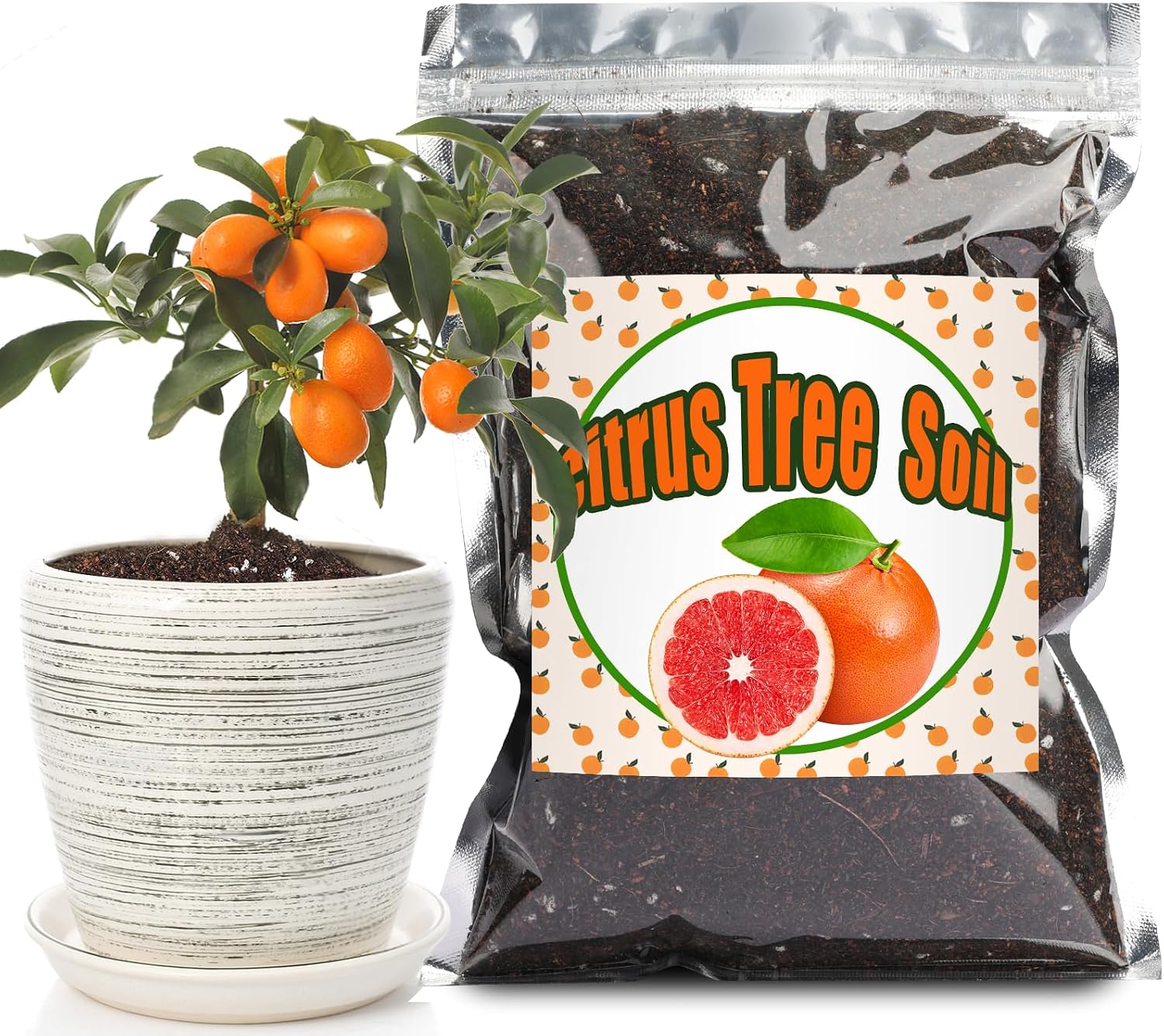
This 1 quart Doter citrus potting mix is a compact, ready-to-use blend made for container-grown lemon, lime, and orange trees. It claims a pH tuned to about 6.0–7.1 and includes ingredients that improve drainage and aeration while supplying organic and mineral nutrients. In practice this makes it useful for repotting young citrus saplings or topping up the root zone in small containers where good airflow and slightly acidic to neutral pH matter. The small package is convenient to carry and avoids waste when you only need soil for a single pot or two. Limitations are obvious for larger projects: the 1 qt volume means you will need multiple bags to fill medium or large pots, and the product listing does not include an itemized ingredient list or NPK numbers for long-term fertilization planning. For budget-focused buyers treating one or two potted lemon trees, this mix is a practical, no-frills option that provides the drainage and pH balance citrus plants prefer.
Best for: Buyers with one or two potted lemon or lime trees who want a convenient, single-use soil tailored to citrus needs without excess volume.
Less Ideal for: Gardeners filling large containers, raised beds, or multiple trees who should choose larger-volume commercial bags or mix and amend base soil themselves.
- Formulated pH range suitable for citrus (about 6.0–7.1).
- Designed for good drainage and aeration to reduce waterlogging risk.
- Nutrient-enriched mix intended to support fruiting and growth.
- Ready-to-use small package convenient for single pots or touch-ups.
- Only 1 quart per package so multiple bags required for larger pots.
- No detailed ingredient breakdown or specified NPK values provided.
Verdict: A handy, small-pack citrus potting mix that gives potted lemon trees the right pH and drainage for healthy growth.
E.B. Stone Organics Citrus & Palm Mix Potting Soil, 1.5 cu ft

| Brand Name | E.B. Stone Organics |
|---|---|
| Unit Count | 1536 Ounce |
| Volume | 1.5 cubic feet |
This Citrus & Palm Mix is an organic, ready-to-use potting soil designed for citrus trees, palms and other tropical plants both in containers and in-ground. The formula combines aged fir bark and pumice for improved drainage and aeration, which helps prevent the waterlogged conditions that cause root rot in lemon trees. Beneficial mycorrhizae are included to support root nutrient and water uptake, so young transplants and repotted trees establish more quickly. In practice the mix works well straight from the bag for potting and can be blended into planting holes for in-ground citrus to improve soil structure. Expect a chunky, fast-draining texture rather than a moisture-retentive loam, so watering frequency may need adjustment for containers in hot weather. The 1.5 cubic foot bag is convenient for individual trees or a few container plants but will require multiple bags for larger plantings. Overall this is a dependable, plant-focused mix for lemon trees where good drainage and healthy root biology are priorities.
Best for: Buyers who prioritize a reliable, plant-focused mix that supports healthy root development and prevents soggy soils for lemon trees in pots or small garden plantings.
Less Ideal for: People who need a large-volume, moisture-holding soil for many trees or for low-maintenance containers that must go long periods between waterings.
- Formulated for citrus and tropical plants with components that improve drainage and aeration
- Includes mycorrhizae to enhance root nutrient and water uptake
- Ready to use straight from the bag for potting or to amend planting holes
- Contains pumice and aged fir bark which reduce compaction and improve oxygen around roots
- Relatively small 1.5 cu ft bag means you may need multiple bags for larger trees or beds
- Fast-draining texture holds less moisture so container trees may require more frequent watering
Verdict: Choose this mix when you want a dependable, fast-draining organic soil that promotes strong root growth for lemon trees.
Miracle-Gro Indoor Potting Mix for Cactus & Succulent, 8 qt. (2-Pack)

| Item Highlight | Fast-Draining Cactus and Succulent Potting Mix with Plant Food |
|---|---|
| Number of Packs | 2 |
| Included Components | 2 bags |
| Ingredients | Sphagnum Peat Moss, Sand, Perlite |
This indoor potting mix is formulated to give desert-adapted plants a light, fast-draining growing medium thanks to a blend of sphagnum peat moss, sand, perlite and forest products and includes plant food to support early growth. It is typically used when potting or repotting cacti, succulents and small citrus or indoor container plants into pots with drainage; one 8 qt. bag is sized to fill several 6-inch pots and the listing bundles two bags. The mix’s coarse texture helps prevent waterlogging and reduces root rot risk for drought-tolerant species, while the added plant food provides a nutrient boost in the first weeks after potting. For someone growing lemon or other indoor citrus, the fast drainage is helpful but you will likely need to supplement with a citrus-specific fertilizer over time and monitor watering more closely than with richer, moisture-retentive mixes. The product is convenient out of the bag and consistent in texture, though the volume per bag is modest so serious citrus growers will want larger quantities or repeated repotting schedules.
Best for: Good for indoor gardeners who prioritize reliable, fast-draining soil for succulents, cacti or small potted citrus and want an easy, consistent potting medium that reduces overwatering risk.
Less Ideal for: Not the best choice for growers who need a moisture-holding, nutrient-rich mix for large lemon trees or for long-term container culture without frequent fertilizing and watering adjustments.
- Fast-draining blend of peat moss, sand and perlite reduces risk of overwatering for succulents and cacti
- Includes plant food to give newly potted plants an initial nutrient boost
- Sold as a two-bag pack so you get more usable volume for multiple small pots
- Ready-to-use out of the bag with consistent texture for easy repotting
- Limited volume per bag makes it less convenient for larger citrus trees or multiple repots
- Formulation favors drainage over moisture retention, so heavier-feeding or water-loving plants may need different mixes
Verdict: Choose this mix if you need a convenient, fast-draining, plant-food-enriched soil for succulents and small indoor citrus that helps avoid overwatering problems.
Miracle-Gro Cactus, Palm & Citrus Potting Mix, 8 qt.
| Volume | 8 quarts |
|---|---|
| Unit Count | 1 Count |
| Enriched With | Miracle-Gro Plant Food |
| Recommended Use | For indoor or outdoor container plants |
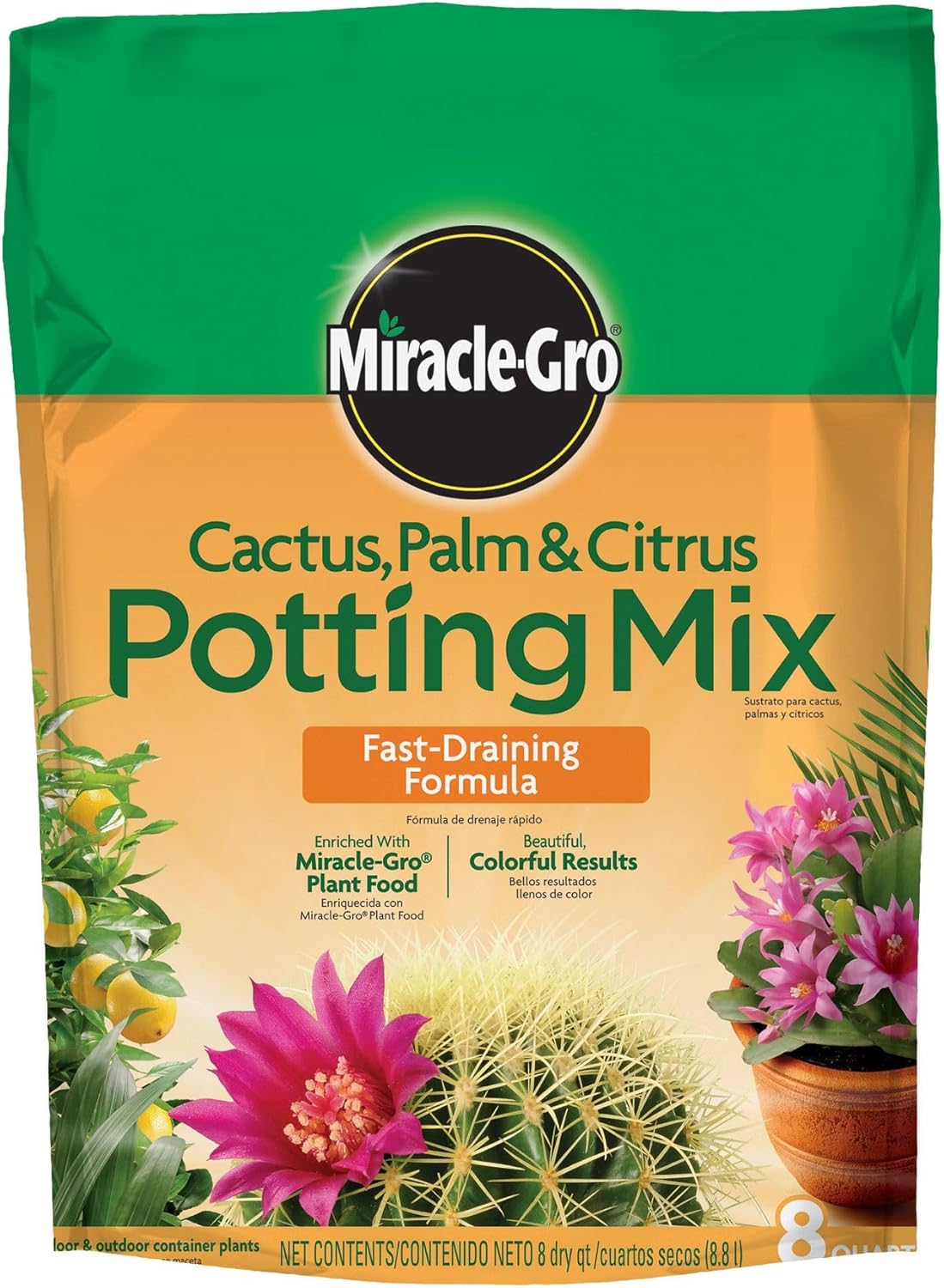
This 8-quart Miracle-Gro potting mix is made for container plants like citrus, succulents and palms and combines peat moss, sand, forest products and perlite for quicker drainage than standard potting soil. It is intended for use in pots with drainage holes: fill the pot, set the root ball, add more mix, water and allow to drain. The bag is pre-fertilized with Miracle-Gro plant food so young lemon trees get an initial nutrient boost without extra feeding for the first month. Practical benefits include reduced risk of waterlogged roots from the fast-draining formula and a lighter texture that is easier to work with when repotting. Limitations are that the bag is relatively small for larger citrus trees so you will need multiple bags for big repots, and peat-based mixes can dry faster so watering frequency may increase in warm outdoor conditions. For cautious gardeners this product offers a reliable, easy-to-use starting medium for potted lemon trees when used with a proper pot and drainage routine.
Best for: Buyers who prefer a low-risk, ready-to-use potting mix for container citrus and want an easy repotting experience without immediate extra feeding.
Less Ideal for: Not ideal for gardeners potting large established lemon trees that need bulk soil for deep root systems or for those seeking a long-term, non-peat-based growing medium.
- Fast-draining blend reduces risk of root rot in container citrus
- Pre-enriched with Miracle-Gro plant food for an initial nutrient boost
- Light, workable texture that eases repotting and root placement
- 8 qt. bag is small for larger lemon trees and multiple bags are needed for big repots
- Peat-based mix can dry out more quickly, requiring closer watering attention
Verdict: A convenient, fast-draining, pre-fertilized potting mix that makes starting or repotting potted lemon trees simple and low risk.
Choosing the Right Potting Soil for Lemon Tree: Key Factors to Consider
Drainage and Aeration
Lemon trees are highly susceptible to root rot when soil stays saturated. In containers you need a mix that lets excess water escape quickly and keeps air pockets around roots. Look for visible coarse components such as bark, perlite, pumice, or coarse sand that prevent compaction and maintain oxygen flow. A balance is important: too much coarse material dries the root ball out fast, while too little leads to poor oxygen exchange and anaerobic conditions.
How the soil drains will also interact with your pot selection and watering habits. A well-draining mix gives you more forgiveness if you occasionally overwater, and allows roots to explore deeper without sitting in water. Aeration supports healthy fine root growth, which is critical for nutrient uptake and steady fruit production.
Moisture Retention
In hot weather container media can dry out quickly, stressing a lemon tree and reducing fruit set. Good potting soil holds enough moisture between waterings while releasing it steadily to roots. Ingredients such as coconut coir, shredded bark, or peat alternatives add water-holding capacity without creating soggy conditions when paired with coarse material.
Consider your local climate and how often you can realistically water. If you need longer run times between waterings, choose a mix with better retention. For very small pots or exposed balconies, prioritize retention combined with drainage so the soil does not become a drying brick.
Nutrient Balance and Feeding Strategy
Container citrus requires a steady supply of nitrogen, phosphorus, potassium, and micronutrients like iron and magnesium. Some potting soils include slow-release fertilizers to provide an initial nutrient boost, while others are deliberately low-nutrient to let you control feeding entirely.
Decide whether you prefer a pre-fertilized mix or a neutral base you can amend. Preloaded mixes reduce early feeding chores but may require supplemental applications later. A mix that holds nutrients well without locking them up will make fertilizer more effective and reduce deficiency risk during the growing season.
pH and Mineral Availability
Lemon trees prefer slightly acidic to neutral soil pH where micronutrients remain available. Potting soils that lean alkaline can cause iron or manganese deficiencies even when nutrients are present. Check whether a mix is formulated for acid-loving plants or is labeled suitable for citrus.
If the pH is not optimal, you will need to correct it with amendments or targeted fertilizers. Using a soil that starts near the recommended range reduces guesswork and makes nutrient management simpler, especially for gardeners who prefer a low-maintenance approach.
Physical Stability and Long-Term Life
Soil in containers breaks down over time as organic components decompose and compacts, reducing aeration and drainage. A stable mix contains materials that resist rapid breakdown, like coarse bark or mineral aggregates, so you do not have to repot every season.
Consider how long you want to keep the tree in the same pot. For specimens you intend to keep for years, prioritize mixes that maintain structure. If you repot annually or use fresh soil each season, a more organic-rich mix may be acceptable but expect more frequent refreshes.
Salt and Fertilizer Build-Up
Container-grown citrus can accumulate salts from water and fertilizer, which harms roots and leaf health. Some potting soils facilitate salt leaching during heavy watering better than compact, peat-heavy mixes. Look for mixes that allow periodic deep watering to flush salts without washing away too many nutrients.
Plan a maintenance routine that includes occasional flushes and monitoring of runoff. Selecting a soil that balances nutrient retention with the ability to leach excess salts will reduce the need for corrective repotting or complex remediation.
Choosing the Right Mix for Your Container Size
Container size changes how a potting soil performs. Small pots dry out faster and experience larger temperature swings, so a mix with more moisture-retaining components and some insulating organic matter helps stabilize root conditions. Larger containers can tolerate more mineral fraction because their greater volume buffers moisture and temperature changes.
Match the soil texture to the pot. For compact pots, lean toward mixes that retain moisture while still draining well. For larger tubs or half-barrels, you can increase coarse material to improve long-term aeration without risking rapid drying.
- Small pots: more water-holding components and fine organic matter
- Large pots: higher proportion of coarse aggregates for aeration
- Very deep pots: avoid heavy, fine-only mixes that compress under their own weight
Amending Existing Potting Soil for Better Citrus Performance
If you already have a generic potting mix, simple amendments can tailor it for lemon trees. Adding pumice, perlite, or coarse horticultural sand improves drainage and aeration. Incorporating coconut coir or well-composted bark can boost moisture retention without creating anaerobic conditions.
Adjust nutrient content with a citrus-focused slow-release fertilizer or by blending in a small amount of well-aged compost. Always mix amendments thoroughly to avoid pockets of very different texture or nutrient concentration.
- Improve drainage: add 10 to 30 percent mineral aggregates
- Improve retention: mix in 10 to 20 percent coir or shredded bark
- Feed: top-dress with citrus fertilizer rather than mixing large amounts into the soil
Watering Techniques to Match Your Soil Choice
Watering frequency and method must match the soil's water-holding profile. Fast-draining mixes need more frequent, thorough watering to wet the whole root ball. Soils with higher retention can be watered less often but should be watered deeply to encourage roots to seek moisture.
Use the squeeze test or probe the root zone to check moisture rather than relying only on surface dryness. Allow the top inch or two to dry in most citrus mixes before the next thorough watering, adjusting for pot size and hot versus cool seasons.
- Fast-draining mix: water until excess runs from drainage holes, then let top dry slightly
- High-retention mix: water deeply but less frequently to avoid surface crusting
- Always ensure drainage holes are clear and pots sit on a surface that allows runoff
Repotting Schedule and When to Refresh Soil
Container citrus benefits from periodic repotting to refresh depleted organic matter and correct compaction. Younger trees in active growth may need repotting every one to two years to give roots more space and replenish nutrients. Established trees in larger containers can often go two to four years before a refresh is needed, depending on soil stability.
When repotting, inspect root health and remove any soggy or rotten sections. Replacing a portion of the old soil with fresh mix can extend time between full repots while reducing transplant shock.
- Young trees: check annually and repot as roots fill the pot
- Established trees in stable mixes: refresh top layer or partial soil swap every 2 to 3 years
- Always use fresh, well-draining mix when moving to a larger container
Common Soil Problems and Simple Fixes
Yellowing leaves, poor growth, or blossom drop often signal root or nutrient issues rather than only foliar problems. Overly wet soil causes root decline, while compacted or alkaline soils cause micronutrient deficiencies that show as chlorosis.
Address problems by checking soil moisture, testing pH where possible, and improving structure with amendments. In many cases a targeted feeding program and partial soil replacement corrects the issue without full repotting.
- Root rot: improve drainage, reduce watering, repot if needed
- Iron chlorosis: test pH and use iron-friendly fertilizers if soil is alkaline
- Compaction: mix in coarse aggregates and refresh organic matter
How We Chose the Best Potting Soil for Lemon Tree
We focused on traits that affect lemon tree health in containers rather than broad consumer popularity. Each candidate needed a clear composition or ingredient list that supports citrus culture. Key evaluation criteria included drainage and aeration to prevent waterlogging; nutrient balance and slow-release feeding to sustain fruiting; moisture retention characteristics to reduce extreme wet-dry swings in pots; pH and amendment suitability for acidic-to-neutral citrus preference; and physical stability to avoid rapid compaction over a season. We excluded blends with unclear ingredient sourcing, mixes formulated mainly for vegetables or indoor houseplants without citrus-specific considerations, and products lacking basic drainage amendments. We also filtered out soils that rely solely on peaty, water-holding material with no coarse fraction. The final set prioritizes mixes that are easy to use in patio pots, have documented feeding or amendment recommendations, and show ingredient combinations that favor healthy lemon tree root systems.
FAQ
Can I use regular indoor potting mix for a lemon tree?
Often indoor potting mixes are too fine and water-retentive for container citrus. They can be amended with coarse materials to improve drainage, but a citrus-specific mix or a modified potting soil is usually a better starting point.
How acidic should potting soil be for lemon trees?
Lemon trees prefer slightly acidic to neutral soil, roughly pH 5.5 to 7.0. Many citrus issues stem from soils that are too alkaline, which reduces availability of iron and other micronutrients.
Should I choose a pre-fertilized potting soil or a plain mix?
Pre-fertilized mixes provide an initial nutrient boost and require less early feeding, but they may run out during the season. Plain mixes give you full control over fertilizer type and timing. Your choice depends on how hands-on you want to be with feeding.
How often should I repot a lemon tree in a container?
Repotting frequency depends on tree age and soil stability. Young trees may need repotting every one to two years, while mature trees in large, stable mixes can often go two to four years between full repots.
Can I improve drainage by adding gravel to the bottom of the pot?
Adding gravel to the bottom of a pot does not improve drainage if the soil above is fine-textured, because water will still sit at the interface. A better approach is to use a well-structured potting mix with coarse fractions and ensure drainage holes are unobstructed.
Final Verdict
Pick a potting soil that balances drainage with moisture retention while matching your container size and watering routine. Prioritize mixes that keep the root zone aerated, maintain a slightly acidic pH, and hold nutrients without compacting quickly. Consider whether you want a pre-fertilized mix or a neutral base you can amend. By focusing on drainage, nutrient behavior, and long-term structure, you can choose a soil that reduces common container citrus problems and supports steady growth and fruiting. Match the mix to your maintenance habits and pot dimensions to get the best results.
