

Note: This article contains affiliate links. If you click on these links and make a purchase, I may earn a small commission at no extra cost to you. This helps support my research and content. Read my full affiliate disclosure here.
Finding plants that thrive with little to no direct light changes how you use shaded corners, north-facing patios, and windowless rooms. The right plants bring texture, color, and year-round greenery to spaces most species avoid. This guide focuses on proven plants for no sun and explains practical tradeoffs like growth rate, moisture needs, and pest susceptibility. We shortlisted seven reliable options that perform well in deep shade and low-light interiors and evaluated them on factors that matter in real gardens and home settings. Read on to understand care basics and pick the best fit for your dark spot.
Top Picks at a Glance
| Best Overall The best all-around choice for most situations | Costa Farms ZZ Plant (Live Indoor Houseplant) |  |
| Best Quality Built to a higher standard if you want something more solid | Tropical Plants of Florida ZZ Plant (Zamioculcas zamiifolia) in 6" Nursery Pot |  |
| Best Value The sweet spot between price and what you get | Plants for Pets Essential Houseplant Collection, 4‑Pack (4.25" Nursery Pots) | 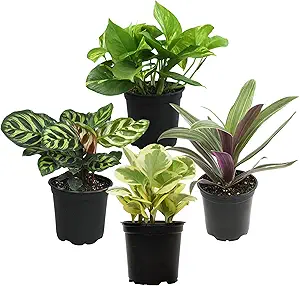 |
| Best Budget The cheapest option that still gets the job done reliably | Altman Plants Snake Plant (Sansevieria Laurentii), 4 in. grower pot |  |
| Highest Rated A top-rated pick with lots of positive feedback | Plants for Pets Sansevieria Superba (Snake Plant) – Fully Rooted Potted Houseplant |  |
| Most Popular A crowd favorite that many people choose with confidence | Costa Farms Snake Plant 3-Pack (Small, 8–12 in) in Grower Pots |  |
| Best Seller A high-volume bestseller chosen again and again | Yagaliga Lucky Bamboo 3-Stalk Live Indoor Plant Set (2×4" & 1×6") |  |
Costa Farms ZZ Plant (Live Indoor Houseplant)

| Indoor Outdoor Usage | Indoor |
|---|---|
| Other Special Features of the Product | Air Purification, Drought Tolerant, Low Maintenance |
| Sunlight Exposure | Partial Sun |
| USDA Hardiness Zone | 9-11 |
| Product Care Instructions | Medium, Indirect Light; Water 1 cup once every 2 weeks |
The Costa Farms ZZ Plant is a hardy, slow-growing houseplant built for low-light spaces and busy owners. It is typically sold in a 6-inch plastic grower pot and is recommended for medium, indirect to low light; in practice it performs well in rooms with little direct sun, making it a strong pick for offices, bathrooms, and north-facing rooms. Care instructions call for roughly one cup of water every two weeks and well-draining soil so the plant does not sit in moisture. Notable features include drought tolerance, air-purifying foliage, and glossy upright leaves that create a sculptural look without much fuss. Practical benefits are its tolerance for neglect, easy transfer into a decorative pot, and usefulness as a tabletop statement that needs minimal routine care. Important limitations are its slow growth rate and that it is not frost-hardy outdoors outside USDA zones 9 to 11, so it is strictly an indoor specimen in cooler climates.
Best for: Buyers who want a reliable, low-effort houseplant that looks polished on a desk or shelf and can tolerate minimal light and irregular watering.
Less Ideal for: If you want a fast-growing focal plant or plan to keep plants outdoors in cold climates, choose a different species better suited to rapid growth or outdoor hardiness.
- Very low watering needs suitable for forgetful owners
- Thrives in low to medium indirect light, good for no-sun rooms
- Sturdy, glossy leaves provide a strong decorative presence
- Ships from growers trimmed and ready to repot into a decorative container
- Slow growth means it takes time to reach larger sizes
Verdict: Choose this ZZ plant when you need a stylish, nearly no-fuss indoor plant that tolerates very low light and infrequent watering.
Tropical Plants of Florida ZZ Plant (Zamioculcas zamiifolia) in 6" Nursery Pot

| Indoor Outdoor Usage | Indoor, Outdoor |
|---|---|
| Other Special Features of the Product | Air Purification, Compact, Drought Tolerant, Low Maintenance |
| Sunlight Exposure | Partial Sun |
| USDA Hardiness Zone | 9, 10, 11 |
| Moisture Needs | Little To No Watering |
The ZZ Plant (Zamioculcas zamiifolia) is a resilient, performance-focused houseplant suited to low- or no-sun interiors like offices, bathrooms, and windowless rooms. Arriving in a 6-inch grower pot, it produces upright stems of glossy green leaflets that keep their shape with minimal intervention. Care is straightforward: place in low to bright indirect light and water only when the top inch of soil is dry so the pot drains fully. Notable features include drought tolerance, low maintenance needs, and reported air-purifying qualities, which make it forgiving for busy owners or frequent travelers. Because it tolerates low light better than many houseplants, it functions well as a decorative, long-lived green accent where light is limited. Important limitations are that it prefers indirect light for best growth and is susceptible to overwatering, which causes yellowing; it is not a fast grower, so you should not expect rapid size gains. For someone prioritizing dependable, low-effort greenery in low-light spaces, the ZZ Plant delivers consistent, attractive results.
Best for: Buyers who want a dependable, low-effort green accent for low-light rooms and prioritize a plant that survives neglect while still looking polished.
Less Ideal for: People seeking a fast-growing statement plant or someone who wants flowering houseplants or bright direct-sun lovers.
- Tolerates low to bright indirect light making it suitable for windowless or dim spaces
- Very drought tolerant and forgiving of infrequent watering
- Compact size from the 6-inch nursery pot fits desks, shelves, and small corners
- Glossy, upright foliage provides year-round decorative interest and air-purifying benefits
- Slow grower compared with faster houseplants
- Sensitive to overwatering and root rot if not allowed to dry between waterings
Verdict: If you need a low-light, low-maintenance plant that stays healthy with minimal care, the ZZ Plant is a top practical choice.
Plants for Pets Essential Houseplant Collection, 4‑Pack (4.25" Nursery Pots)

| Indoor Outdoor Usage | Indoor, Outdoor |
|---|---|
| Other Special Features of the Product | Air Purification, Compact, Low Maintenance |
| Sunlight Exposure | Partial Sun |
| Moisture Needs | Regular Watering |
This four-pack of assorted houseplants delivers a convenient starter set for low-light indoor spaces by shipping four healthy greenhouse-grown plants in 4.25" nursery pots. The assortment includes popular, easy-care genera such as Pothos, Philodendron, Peperomia, Calathea and similar foliage plants that tolerate indirect or lower light. Typical use is to place these on shelves, desks, or bathrooms with limited sunlight and follow simple care guidance: bright indirect to partial sun and water when the soil begins to dry. Notable features are the hand-selected stock from climate-controlled greenhouses, small nursery pots for easy placement, and emphasis on low maintenance and air purification. Practical benefits include variety in foliage types for quick visual impact, minimal initial upkeep for new plant owners, and plant choices that broadly tolerate lower light. Important limitations are the small pot size which means more frequent watering and earlier repotting for long-term growth, and the exact varieties are randomized so you cannot guarantee a specific species in each pack.
Best for: Buyers who want a practical, low-effort way to add greenery to dim rooms and prefer a ready-to-place assortment that requires minimal initial care.
Less Ideal for: Collectors who need specific species or mature specimens and gardeners who want plants already planted in decorative or larger containers.
- Includes four different, easy-care houseplants that tolerate indirect and lower light
- Shipped in small 4.25" nursery pots that are easy to place around the home
- Plants are greenhouse-grown and hand-selected for health and vibrant foliage
- Promoted as low-maintenance with general air purification benefits
- Small nursery pots limit long-term growth and require repotting sooner
- Assortment is randomized so you may not receive a specific desired variety
Verdict: A convenient, low-maintenance four-pack of small houseplants that makes it easy to add tolerant foliage to low-light indoor spaces.
Altman Plants Snake Plant (Sansevieria Laurentii), 4 in. grower pot

| Indoor Outdoor Usage | Indoor, Outdoor |
|---|---|
| Other Special Features of the Product | Low Maintenance |
| Sunlight Exposure | Full Sun |
| USDA Hardiness Zone | 10, 11, 12 |
The Altman Plants Sansevieria Laurentii is a classic variegated snake plant that delivers easy, low-effort greenery for low-light spaces. Shipped fully rooted in a 4-inch grower pot, it stands upright with yellow-edged leaves that add vertical structure to corners, offices, or dim hallways. This plant tolerates a wide range of light from low to bright indirect and only needs watering when the topsoil dries, which suits a forgetful or busy owner. It is promoted as hardy and drought tolerant and can contribute to cleaner indoor air while requiring minimal care. Practical benefits include resilience to neglect, compact size for small rooms, and straightforward placement without special soil or light setups. Limitations are its small pot size on arrival, so you may want to repot to a larger container as it grows, and it is only rated for USDA zones 10 to 12 if moved outdoors. For buyers on a budget, it provides reliable long-term value but expect to invest in a new pot or fresh soil if you prefer faster growth or display in a larger planter.
Best for: Budget-minded buyers who want a dependable, low-care houseplant for dim rooms or offices and prefer an easy-to-keep plant that survives missed waterings.
Less Ideal for: Collectors seeking large showpiece plants immediately on arrival or gardeners who need an outdoor-hardy specimen for cool climates.
- Very low maintenance and drought tolerant, suitable for infrequent watering
- Tolerates low light, making it appropriate for rooms with little to no direct sun
- Arrives fully rooted in a grower pot ready to display or repot
- Variegated leaves add vertical structure and visual interest in small spaces
- Comes in a small 4-inch grower pot, so repotting is likely for faster growth
- Not suited for outdoor planting outside USDA zones 10 to 12
Verdict: A cheap, tough, low-light tolerant snake plant that gives easy greenery to no-sun rooms with minimal care required.
Plants for Pets Sansevieria Superba (Snake Plant) – Fully Rooted Potted Houseplant

| Indoor Outdoor Usage | Indoor, Outdoor |
|---|---|
| Other Special Features of the Product | Air Purification, Compact, Drought Tolerant, Low Maintenance |
| Sunlight Exposure | Partial Sun |
| USDA Hardiness Zone | 10, 11, 9 |
| Moisture Needs | Little To No Watering |
The Plants for Pets Sansevieria Superba is a compact, variegated snake plant built for easy, dependable indoor use. It arrives fully rooted in a grower pot and is typically placed on a shelf, bedside table, or office desk where light is limited. The plant tolerates low or indirect light and needs watering only when the soil dries, so it fits into routines where care is occasional rather than daily. Notable features include drought tolerance, low maintenance needs, and air-purifying foliage that adds a modern sculptural look. Because it is compact, Superba works in small apartments and shared spaces without crowding. Limitations are that it is not suited to constant bright sun or outdoor exposure in cooler zones, and variegated leaves may need a little more light than totally dark-green varieties to keep strong color. For buyers wanting a virtually foolproof houseplant for low-sun rooms, Superba delivers consistent, low-effort performance.
Best for: Buyers who want a reliable, low-maintenance houseplant for low-light rooms and prefer a plant that survives irregular care with minimal fuss.
Less Ideal for: Gardners seeking a fast-growing statement specimen or someone who wants a sun-loving outdoor plant should look elsewhere.
- Tolerates low and indirect light, suitable for rooms with little sun
- Very low watering needs so it survives infrequent care
- Compact, upright habit fits small indoor spaces and offices
- Fully rooted on arrival for easy setup and placement
- Variegated leaves may fade if kept in very dark conditions
Verdict: Pick this Sansevieria if you need a nearly indestructible, low-light houseplant that stays healthy with minimal care.
Costa Farms Snake Plant 3-Pack (Small, 8–12 in) in Grower Pots

| Indoor Outdoor Usage | Indoor |
|---|---|
| Other Special Features of the Product | Air Purification, Drought Tolerant, Low Maintenance |
| Sunlight Exposure | Partial Sun |
| Moisture Needs | Little To No Watering |
| Product Care Instructions | Bright, Indirect Sunlight; Water 2-3 cups once a week |
These Costa Farms Snake Plants are a convenient way to add durable, vertical greenery to dim rooms or spaces with little natural light. The 3-pack ships as potted, 8–12 inch plants that are known for tolerating partial to low light, infrequent watering, and minimal care—qualities that make them well suited to offices, bathrooms, or windowless interiors. Notable features include drought tolerance, air-purifying qualities, and compact vertical leaves that create architectural interest in small corners or on shelves. Practical benefits are immediate visual impact without a big commitment, easy placement because they handle a range of light conditions, and low watering needs so they survive busy schedules. Limitations to expect are modest initial size if you want an instant floor-scale plant and the plastic grower pots will likely need upgrading for longer-term display; these arrive as houseplant starters rather than finished statement specimens. Handle carefully when unboxing to avoid leaf damage and follow basic indirect light and sparse watering guidance for best results.
Best for: Buyers who want nearly foolproof greenery for dark or low-light rooms and prefer plants that survive infrequent care while still improving indoor ambiance and air quality.
Less Ideal for: Not the best choice for someone seeking a large, mature floor specimen right away or for collectors who need show-quality, rare varieties.
- Tolerates low to partial light so it works in rooms with little or no direct sun
- Very low watering needs, good for busy or travel-prone owners
- Three plants provide a cohesive look or can be split between rooms or gifted
- Vertical, architectural foliage fits narrow spots and adds instant decor
- Plants are small (8–12 inches) on arrival so not an immediate floor statement
- Arrives in basic plastic grower pots that many buyers replace for display
Verdict: Choose this 3-pack if you want easy-care, low-light-tolerant plants that deliver immediate decorative impact with minimal upkeep.
Yagaliga Lucky Bamboo 3-Stalk Live Indoor Plant Set (2×4" & 1×6")

| Indoor Outdoor Usage | Indoor |
|---|---|
| Sunlight Exposure | Low Light |
| Soil Type | Water |
| Moisture Needs | High |
| Unit Count | 3 Count |
This Yagaliga lucky bamboo set includes three live stalks (two 4-inch and one 6-inch) meant for simple indoor display in low-light rooms. It is typically grown in water rather than soil and kept in indirect light, making it a straightforward option for an entry-level houseplant or desk accent. The care routine is minimal: maintain a consistent water level, change the water every two weeks, and avoid cold drafts. Notable features are its low-light tolerance, shade resistance, and compact footprint that fits small shelves, bathrooms, or office desks. Practical benefits include very low maintenance, no potting required if you use a decorative vase, and a tidy aesthetic that suits feng shui or gift use. Limitations are that it requires regular water changes and higher moisture attention than drought-tolerant plants, and it is best suited to indoor, temperate environments rather than bright-sun or outdoor planting. Expect a durable, low-effort plant that performs well where sunlight is scarce but where someone will remember to refresh its water periodically.
Best for: Buyers who want a low-effort, attractive indoor plant for dim rooms or desks and prefer simple water-based care over soil gardening.
Less Ideal for: People seeking drought-tolerant plants or outdoor garden specimens, or those who will not keep up with periodic water changes.
- Thrives in low light and shade resistant for rooms without direct sun
- Sold as live plants set with height variation for an attractive desktop display
- Grown in water, so no soil or potting required and easy to display in vases
- Low overall maintenance besides scheduled water changes
- Needs regular water changes and consistent moisture monitoring
- Not suitable for outdoor or sun-loving plantings
Verdict: A compact, low-light friendly trio that delivers easy water-based care and instant desk-ready greenery for risk-averse indoor plant owners.
Choosing the Right Plants for No Sun: Key Factors to Consider
True Shade Tolerance
Shade tolerance is the single most important factor when choosing plants for no-sun locations. Some species that are often called "shade tolerant" actually need bright, indirect light to maintain leaf color and growth. True shade-tolerant plants can photosynthesize and replace foliage with minimal direct light, so they stay healthy rather than just surviving.
Check plant descriptions for terms like "deep shade" or "full shade" and look for reports from gardeners who grow the plant in north-facing beds, under dense tree canopies, or in windowless rooms. Expect slower growth in true shade and plan spacing and patience accordingly.
Moisture and Soil Preference
Soil moisture behaves differently in shaded, cool areas. Evaporation is slower, so plants suited to no-sun spots often prefer evenly moist but well-draining soil rather than the drier conditions sun-loving plants tolerate.
Match a plant's water needs to the microclimate: some shade plants need consistently damp soil while others prefer to dry slightly between waterings. Overwatering is a common issue in shade, so choose plants with adaptable root systems or ones known to tolerate occasional wet feet.
Foliage Texture and Longevity
In the absence of flowers, foliage becomes the primary ornamental feature. Look for plants with durable leaves that resist tearing, browning, or rapid loss in low light. Thicker, leathery foliage often lasts longer and hides the wear-and-tear of shaded environments.
Consider seasonal leaf retention. Evergreen or semi-evergreen foliage provides year-round structure in a garden or interior space, while deciduous shade plants offer seasonal interest but may leave bare spots in winter.
Growth Rate and Size Management
Plants under low light usually grow more slowly, but unchecked specimens can still outgrow a small shaded bed or indoor pot. Choose species with manageable mature size or those that respond well to pruning and division.
Think about maintenance time: fast-spreading groundcovers in deep shade can be hard to remove, while clumping perennials and well-behaved shrubs are easier to control. Also consider propagation ease if you plan to divide and redistribute plants later.
Pest and Disease Susceptibility
Low-light conditions can increase humidity and reduce airflow, creating pockets where fungal diseases and certain pests thrive. Prefer plants with known resistance to common shade problems like leaf spot, powdery mildew, and slugs.
Regular inspection and good hygiene-removing decaying leaves and providing airflow-help, but initial species resistance reduces long-term maintenance. If the planting site is particularly damp, select varieties noted for disease tolerance in moist shade.
Hardiness and Microclimate Fit
Shade does not equal cool. Urban shade can be warmer, and covered patios may be drier. Consider the plant's hardiness range and how the specific microclimate in your garden or indoor space modifies temperature and humidity.
Plants chosen for no-sun conditions should also tolerate the temperature swings and winter conditions typical of your location. Combining hardiness knowledge with shade tolerance prevents selecting a plant that thrives in darkness but fails seasonally.
Best Places to Use No-Sun Plants
Deep shade plants work in more locations than you might expect. They are ideal for north-facing borders, under mature trees, beside tall fences, and in the shadow of buildings where direct sunlight never reaches the soil. Indoors, they are suitable for hallways, bathrooms with small or no windows, and offices with only artificial light. Placement should consider airflow and soil moisture to avoid disease pressure.
- Use raised beds or amended soil under trees so roots are not competing directly with mature trees.
- Group shade plants with similar water needs to simplify irrigation and prevent overwatering.
- Provide mulch to retain moisture but keep it pulled back from stems to reduce rot risk.
Maintenance Tips for Low-Light Plantings
Maintenance focuses on preventing moisture-related problems and keeping plants tidy so the limited foliage remains attractive. Prune to remove dead material and to increase airflow. For potted specimens, repot when roots become crowded but avoid oversized containers that hold excess moisture.
Watering should be measured. Check soil moisture before adding water. In many no-sun sites, weekly deep watering is better than frequent shallow watering because it encourages deeper root systems and reduces surface dampness that promotes rot.
- Fertilize lightly and infrequently; low light reduces nutrient uptake so heavy feeding causes leggy, weak growth.
- Use slow-release or low-strength liquid feeds in spring to support new leaf production.
- Inspect regularly for slugs and fungal spots, especially after wet weather.
Combining Plants for Texture and Contrast
Without flowers, layering foliage shapes, sizes, and colors creates visual interest. Pair broad-leaved evergreens with fine-textured ferns or variegated leaves to brighten dark corners. Repeat a few species rather than crowding many different plants; repetition creates cohesion in low-contrast settings.
Consider seasonal change. Include at least one plant with autumn color or evergreen structure so the shaded area does not become a static blank through the year.
- Use taller, upright plants at the back and low, spreading plants in front for depth.
- Introduce variegated or silver-leaved plants sparingly to lighten very dark sites.
- Leave space for occasional divisions or replacements as plants adjust to deep shade.
When to Use Artificial Light
Artificial light is useful if you want flowering or faster growth in windowless interiors. Full-spectrum LED grow lights on a timer can provide the supplemental photons shade plants need to maintain vigor and encourage blooms. For most true shade-tolerant foliage plants, low-intensity supplemental light for a few hours a day is sufficient.
If your goal is low maintenance greenery rather than blooms, choose species that do not require extra light. If you plan to use lights, position them to cover the canopy evenly and avoid creating heat hotspots that dry the foliage.
- Use timers to simulate natural daylength rather than leaving lights on continuously.
- Place lights close enough to be effective but far enough to avoid leaf scorch.
- Rotate pots periodically for even growth under fixed light sources.
Designing a Shaded Garden Bed
Start with good soil structure and organic matter to improve water retention and root health in shaded beds. Many shade-loving plants prefer a loose, humus-rich soil that holds moisture without becoming waterlogged. Outline paths or mulch zones so maintenance tasks are easy and plants are not disturbed frequently.
Consider vertical interest such as small shade-tolerant shrubs or clipped forms to lift the visual plane. Use containers where soil conditions are poor, which allows you to control mix and drainage more precisely.
- Create small clearings to allow air movement in very dense shade.
- Avoid heavy foot traffic in shaded beds to prevent soil compaction and root damage.
- Select a limited palette of plants for a unified look that reads well in low contrast.
How We Chose the Best Plants for No Sun
We prioritized plants that reliably survive and grow where direct sunlight is absent, using criteria gardeners can verify before buying. Selection began with published horticultural shade ratings and extended to real-world gardener reports about leaf health and longevity in low-light conditions. We favored species with documented tolerance for low photosynthetic light levels, steady but controllable growth, and a track record of pest resistance in shaded settings. Key filters removed plants that only tolerate brief shade or require bright indirect light to flower consistently. We excluded species that need frequent supplemental lighting or specialized greenhouse conditions. The final picks scored well across specific, observable attributes: measured low-light survival, watering flexibility, seasonal hardiness in shade, foliage durability, and ease of propagation. These are the dimensions we used to compare and rank the seven plants for no sun in this guide.
FAQ
Can any plant survive without sunlight?
Very few plants tolerate complete darkness long term. Most shade-tolerant plants still need some ambient or reflected light. A few species can live in very low light but will grow slowly and need careful watering and occasional feeding.
How often should I water plants in deep shade?
Watering frequency depends on soil type and microclimate but shaded sites usually need less frequent water than sunny ones. Check soil moisture before watering and aim for deeper, less frequent soakings to encourage root depth and reduce surface dampness.
Will shade plants flower in no-sun conditions?
Many shade-tolerant plants produce flowers only when they receive some indirect light or seasonal cues. In completely dark locations, foliage is the reliable ornamental feature, while blooms may be sparse or absent.
Are variegated plants a good choice for dark corners?
Variegated leaves reflect more light and can brighten shaded spots, but they often need a bit more light than fully green varieties to maintain crisp patterning. Use them sparingly in the deepest shade or place them where they receive a small amount of indirect light.
How do I prevent fungal problems in shaded areas?
Improve airflow, avoid overhead watering, and remove decaying leaves promptly. Choose plants with known disease tolerance and space specimens to reduce humidity pockets. Mulch helps but keep it away from stems to limit rot.
Can I grow shade plants in containers indoors with no windows?
Yes, with some caveats. Most true shade plants will survive in interiors if you manage watering and humidity. For sustained growth or flowering, consider low-level supplemental lighting and regular rotation to prevent uneven growth.
Final Verdict
Choosing plants for no-sun spots is about matching species to the microclimate and accepting tradeoffs between growth rate and visual payoff. Prioritize true shade tolerance, adaptable moisture needs, and foliage durability when forming a planting plan. Keep maintenance simple by grouping plants with similar water and disease profiles and using pruning and division to manage size over time. Focus on how a plant behaves in low light rather than how it looks under ideal conditions. With the right expectations and a few practical care steps, you can create attractive, low-maintenance green spaces in the darkest corners of your garden or home.
