

Note: This article contains affiliate links. If you click on these links and make a purchase, I may earn a small commission at no extra cost to you. This helps support my research and content. Read my full affiliate disclosure here.
Choosing the right potting mix for acid loving plants matters because these species need consistent low pH, good aeration, and steady moisture without waterlogging. Using the wrong mix can quickly lead to nutrient lockout, yellowing leaves, or root rot. This guide focuses on blends designed for acid-loving shrubs, container azaleas, rhododendrons, camellias, and other ericaceous plants grown in pots, raised beds, or patio containers. We shortlisted six top potting mixes that performed well for maintaining acidity, water management, and root health. Below you will find clear buying criteria we used, practical factors to consider, and answers to common gardener questions to help you pick the right mix for your planting situation.
Top Picks at a Glance
| Best Overall The best all-around choice for most situations | Coast of Maine Acid-Loving Planting Soil, 20 qt |  |
| Best Quality Built to a higher standard if you want something more solid | Soil Sunrise Acid-Loving Potting Soil Mix (12 Quarts) |  |
| Best Value The sweet spot between price and what you get | Perfect Plants Blueberry Soil Mix (4 qt) |  |
| Best Budget The cheapest option that still gets the job done reliably | Omitgoter Blueberry Soil Mix, 1 qt (32 fl oz) |  |
| Highest Rated A top-rated pick with lots of positive feedback | Premium Azalea Bonsai Soil Mix with Japanese Kanuma and Mycorrhizae (2.5 qt) |  |
| Most Popular A crowd favorite that many people choose with confidence | Coast of Maine Planting Soil for Acid-Loving Plants, 20 qt (2-pack) |  |
Coast of Maine Acid-Loving Planting Soil, 20 qt

| Volume | 20 quarts |
|---|---|
| Style Name | Peat Moss, Compost, Aged Bark |
| OMRI Listed | Yes (listed noted in description) |
This 20 qt bag of Coast of Maine Acid-Loving Planting Soil is formulated to give rhododendrons, azaleas, hydrangeas, blueberries and other acid-preferring plants a ready-made, lower-pH growing medium. It combines sphagnum peat moss with composted manure and aged bark to improve structure, moisture retention, drainage and aeration while supporting beneficial microorganisms. Typical use is as a top dressing for beds, backfill in planting holes mixed with native soil, or in containers and raised beds where lower pH is desired. The OMRI listing and organic inputs appeal to gardeners who prefer natural amendments rather than synthetic fertilizers. Expect easier root establishment and better nutrient availability for iron-loving species, and a lighter bag that is straightforward to handle. Limitations are its small 20 qt volume for larger projects and that long-term pH management still requires testing and occasional reapplication or additional amendments for dramatic color shifts in hydrangeas.
Best for: Gardeners who grow rhododendrons, azaleas, hydrangeas, blueberries or similar acid-loving plants and want an organic, ready-to-use soil to improve planting success in beds, containers, and raised planters.
Less Ideal for: People renovating large landscape areas or starting big vegetable plots who need bulk volume or a full-featured all-purpose garden loam.
- Formulated with naturally low pH to suit acid-loving plants
- OMRI-listed organic ingredients that support living soil and microbial activity
- Blend of peat moss, composted manure and aged bark improves moisture retention and drainage
- Lightweight 20 qt bag is easy to lift and use in beds or containers
- Small bag size means multiple bags are required for large beds or renovation projects
- Does not provide long-term pH guarantees so periodic soil testing and reapplication may be needed
Verdict: Choose this soil when you want an organic, ready-made low-pH planting mix to give acid-loving ornamentals and berries a strong start.
Soil Sunrise Acid-Loving Potting Soil Mix (12 Quarts)

| Volume | 12 quarts |
|---|---|
| Ingredients | Peat moss, vermiculite, pine bark, pine needles, sphagnum moss |
| Brand Name | Soil Sunrise |
This 12-quart Soil Sunrise mix is built specifically for acid-loving container plants and combines peat moss, sphagnum, pine bark, pine needle mulch and vermiculite to deliver a consistently acidic, well-aerated medium. In practice it is easiest used for repotting azaleas, rhododendrons and blueberries or filling decorative containers where maintaining lower pH and steady moisture retention matter. The peat and sphagnum hold water and nutrients between waterings while pine bark and vermiculite keep the mix loose so roots do not suffocate. Because it is hand-blended in small batches with natural components, the texture and pH are tailored for long-term health rather than quick-release feeding. Expect improved root development and fewer problems with compaction compared with standard all-purpose mixes. Limitations are the modest bag size for larger shrubs and that it does not include fertilizer, so feeding is still required for fruiting or heavy bloom cycles.
Best for: Gardeners seeking reliable performance for container-grown acid-loving plants who prioritize consistent pH and healthy root environments over convenience blends.
Less Ideal for: Large-scale plantings or gardeners who want an all-in-one fertilized mix for immediate heavy bloom or fruit production.
- pH-balanced blend formulated for acid-loving species
- Peat moss and sphagnum retain moisture and nutrients between waterings
- Pine bark and vermiculite improve drainage and prevent compaction
- Hand-blended small-batch mix made from natural ingredients
- No added fertilizer, so plants will need separate feeding for fruiting or heavy blooms
- 12-quart bag is small for large containers or multiple shrubs
Verdict: Choose this mix when you need a purpose-built, pH-balanced potting medium that promotes strong roots and moisture management for acid-loving container plants.
Perfect Plants Blueberry Soil Mix (4 qt)

| Unit Count | 128 Ounce |
|---|---|
| Item Type Name | Blueberry Soil Mix 4qt |
| Item Highlight | Peat moss naturally lowers pH with no added sulfur, 18-6-8 slow release feeds 12 months |
| Style Name | Acidic, Fast Draining, and Nutrient retaining soil |
| Volume | 4 quarts |
Perfect Plants Blueberry Soil is a ready-to-use, acidic potting mix designed for blueberries and similar acid-loving plants in containers or raised beds. The blend uses peat moss to lower pH naturally and includes composted pine bark and granite sand for structure, which helps maintain moderate drainage while retaining moisture and nutrients. A built-in 18-6-8 slow-release fertilizer supplies feed for up to 12 months, so newly potted plants get steady nutrition without frequent feeding. The bagged, hand-mixed product is convenient for potting, repotting, and top-dressing and is available in a resealable format that keeps the mix usable between seasons. Expect good results for rabbiteye and highbush varieties and other acid-preferring shrubs when you need a balanced, low-maintenance medium. Limitations are the small 4 quart volume for larger projects and that peat-based mixes may compress over time and benefit from occasional amendment with fresh organic matter or perlite for longer-term containers.
Best for: Gardeners who want a low-effort, ready-made acidic potting mix for container blueberries or other acid-loving shrubs and prefer a product that reduces the need for separate soil amendments or frequent feeding.
Less Ideal for: People planting large in-ground beds or those who avoid peat products for environmental reasons should consider bulk or peat-free alternatives instead.
- Formulated to be acidic using peat moss so no extra acidifier is required
- Includes composted bark and granite sand for good structure and moderate drainage
- Contains 18-6-8 slow-release fertilizer that feeds up to 12 months
- Hand-mixed in the USA and sold in a resealable bag for convenience
- Small 4 quart bag is best for pots and small projects rather than large beds
- Peat-based mixes can settle over time and may need refreshment or amendment
Verdict: A compact, ready-made acidic mix that simplifies potting and feeding for blueberry growers who want low-maintenance, consistent results.
Omitgoter Blueberry Soil Mix, 1 qt (32 fl oz)

| Brand Name | Omitgoter |
|---|---|
| Unit Count | 32 Ounce |
| Volume | 32 fluid ounces |
This 1 qt Omitgoter blueberry soil is a small, ready-to-use organic potting mix designed for acid-loving plants. It combines peat moss, coconut coir, perlite, bark, and humus to create a light, well-draining medium that helps prevent waterlogging while retaining enough moisture for roots. Typical use is filling small containers, transplanting young blueberry plants, or amending potting soil for raised beds and containers where a lower pH and better aeration are needed. The blend’s peat and humus provide an acidic, nutrient-supportive base and the perlite and bark improve oxygen flow around roots, which is helpful for preventing root rot in containers. Because the bag is only 32 fl oz it is convenient for trialing new plants or topping up pots but not practical for large beds. There is no nutrient analysis or guaranteed pH listed, so gardeners who need precise acidity or fertilization schedules will want to test soil or supplement with appropriate fertilizers. For casual growers this mix offers an easy, low-effort option for starting and maintaining blueberry plants in pots and small planting areas.
Best for: Budget-minded gardeners who want an easy, no-mix potting medium to start or maintain blueberries and other acid-loving plants in containers or small raised beds.
Less Ideal for: Growers needing large volumes for in-ground beds or those who require guaranteed pH and nutrient numbers for precise soil management.
- Organic ingredients (peat moss, coconut coir, humus) suitable for acid-loving plants
- Perlite and bark improve drainage and aeration to reduce root waterlogging
- Ready-to-use mix requires no blending or amendments for small container use
- Small 1 qt size is convenient for testing or topping up pots
- No listed pH or nutrient analysis for precise acid-loving plant needs
- Small volume makes it impractical for large garden beds
Verdict: A compact, ready-to-use organic mix that makes starting and keeping container blueberries simple and low-effort.
Premium Azalea Bonsai Soil Mix with Japanese Kanuma and Mycorrhizae (2.5 qt)
| pH | 5.4 – 5.6 |
|---|---|
| Volume | 2.5 Quarts |
| Grain size | Medium (6–10 mm) |
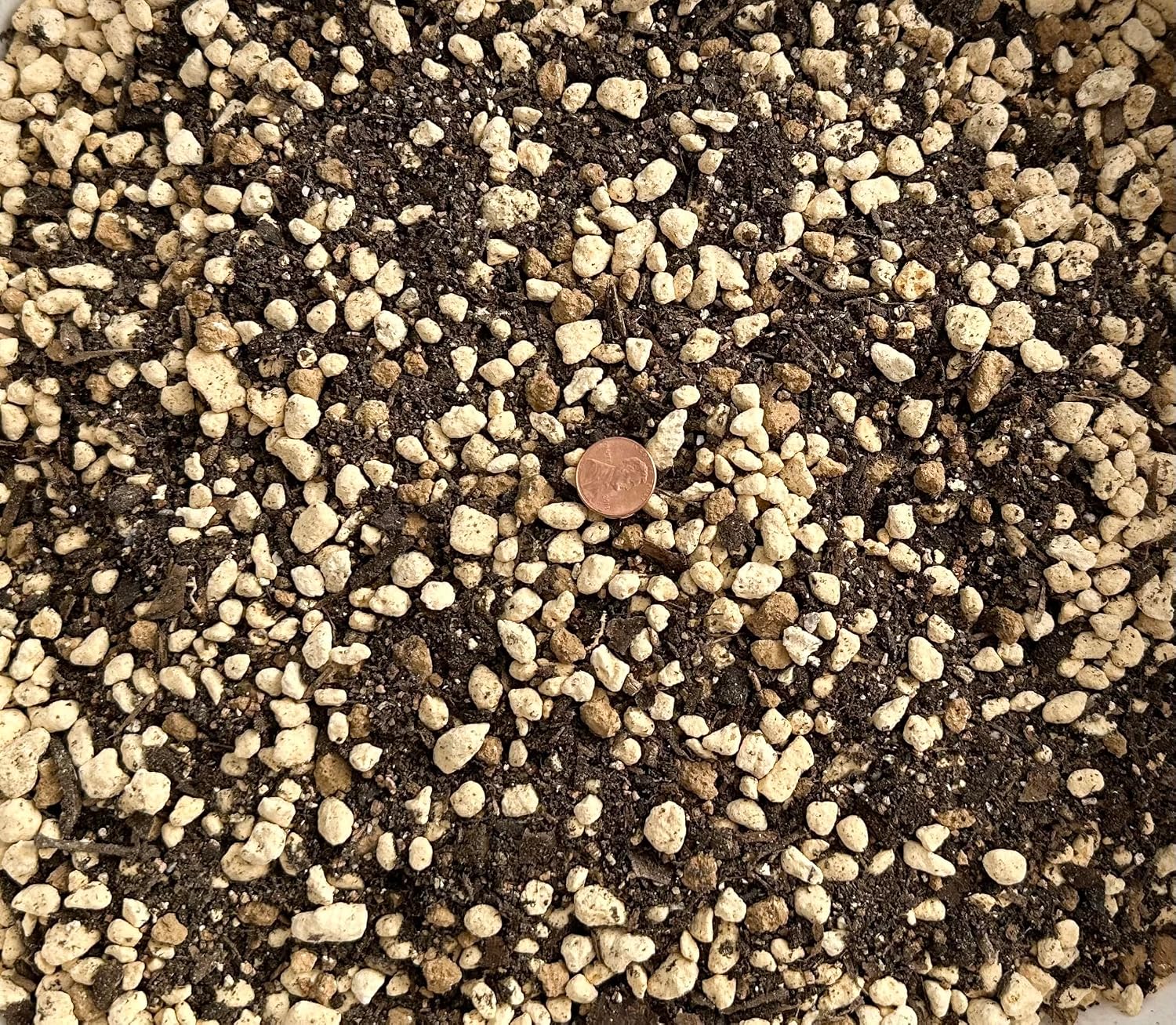
This 2.5 quart premium azalea bonsai soil is a ready-to-use acidic mix designed for container-grown acid-loving plants. It combines Japanese Kanuma with composted fir bark, oak leaf mold and added mycorrhizae to create a medium-grain, well-draining substrate with a measured pH of about 5.4 to 5.6. Typical uses include repotting azaleas, rhododendrons, camellias and bonsai where you need an acidic, airy media that resists compaction and promotes root colonization by beneficial fungi. The medium particle size helps maintain oxygen around roots while organic components retain enough moisture between waterings. Because it is a specialist blend in a small 2.5 quart package, it is convenient for single pots, small bonsai, or for topping and amendment rather than large-scale garden beds. Expect to pay attention to supply quantities if you need to treat many plants, and supplement nutrients over time since the mix focuses on structure and acidity rather than long-term fertilization.
Best for: Buyers who want a dependable, specialty acidic soil for repotting azaleas, camellias or bonsai and who prioritize consistent pH and root-friendly structure for small containers.
Less Ideal for: People needing bulk soil for garden beds or large numbers of plants should choose larger volume products or mix this as an amendment rather than the sole media.
- Formulated for acid-loving plants with Kanuma and oak leaf mold to maintain low pH
- Includes mycorrhizae to support root health and nutrient uptake
- Medium-grain texture provides good drainage and aeration
- Ready-mixed and convenient for repotting small plants or bonsai
- Small 2.5 quart volume limits use to single pots or as an amendment for multiple plants
- Does not list any preloaded fertilizer so regular feeding may be required
Verdict: A reliable, ready-made acidic bonsai and azalea mix that delivers the right pH and root-friendly structure for small container-grown acid-loving plants.
Coast of Maine Planting Soil for Acid-Loving Plants, 20 qt (2-pack)

| Unit Count | 2 Count |
|---|---|
| Volume | 20 quarts |
| Item Weight | 18 pounds |
| Item Highlight | Low pH Formula, Ocean & Farm-Sourced Ingredients |
This Coast of Maine planting soil is formulated for acid-loving plants like rhododendrons, azaleas, hydrangeas, blueberries, and ferns. It combines sphagnum peat moss, composted manure, and aged bark with ocean-sourced amendments to create a naturally low-pH, nutrient-rich medium that improves moisture retention, drainage, and aeration. Use it to fill containers, refresh raised beds, or amend planting holes where you want to encourage blossoms and fruit. The OMRI listing and organic ingredient list give confidence to gardeners who prefer sustainable inputs and want to avoid synthetic fertilizers. Because the mix is lightweight and pre-acidified, it saves time compared with buying and blending components yourself. Expect healthier foliage and better flowering when used appropriately. Limitations to note are typical for peat-based mixes: long-term soil pH can shift depending on local water and native soil, so occasional testing and supplemental amendments may be needed for persistent acid conditions. Also the 20-quart bag size means multiple bags are required for large beds.
Best for: Gardeners who want a ready-made organic soil that favors azaleas, blueberries, hydrangeas and other acid-loving plants and who value third-party organic listing and sustainable inputs.
Less Ideal for: Those reworking large in-ground beds who need bulk cubic yards of soil or gardeners who prefer peat-free mixes and want to avoid peat-based products entirely.
- Formulated with a naturally low pH suited to acid-loving plants
- Made from organic, OMRI-listed ingredients including peat moss and composted manure
- Improves moisture retention while maintaining drainage and aeration
- Contains ocean- and farm-sourced amendments that support soil biology
- Lightweight bags are easy to handle for container and raised bed use
- Bag volume is modest so larger projects require many bags
- Peat-based components can change pH over time and may need monitoring
Verdict: A convenient OMRI-listed, low-pH planting soil that gives acid-loving plants a ready-made organic foundation for better blooms and fruit.
Choosing the Right Potting Mix for Acid Loving Plants: Key Factors to Consider
pH and Buffering Capacity
Acid-loving plants thrive in consistently low pH ranges, so the mix must either be acidic out of the bag or include buffering components that resist rapid pH swings. A stable pH reduces the risk of iron or manganese deficiencies that show up as leaf chlorosis. Look for mixes that list acidic organic ingredients or long-lasting acidifiers rather than short-term pH drops that require frequent correction.
Buffering capacity matters because frequent watering, fertilizer inputs, and tap water can all push container media toward neutral over time. A mix with good buffering lets you manage acidity with predictable, occasional amendments rather than constant adjustment.
Drainage Versus Moisture Retention
Acid-loving shrubs and woodland plants generally prefer evenly moist but not waterlogged roots. A potting mix needs to shed excess water quickly while holding enough moisture between waterings. Components like coarse pine bark, perlite, or bark fines improve drainage and create pore space for oxygen.
At the same time, peat or well-composted acidic organics retain water and nutrients. The best mixes balance these ingredients so you do not have to water every day or risk root suffocation in cool, wet weather.
Organic Matter and Nutrient Profile
The type and maturity of the organic matter determine how nutrients are released and whether the mix acidifies further as it decomposes. Fresh wood chips or uncomposted bark can tie up nitrogen, while stable compost or fully composted pine fines provide slow-release nutrients without dramatic pH shifts.
Choose mixes that specify the kind of organic inputs and whether nutrients are starter fertilizer blends or rely on regular feeding. For acid-loving plants, feeds formulated for ericaceous species are usually a better long-term match.
Physical Structure and Root Environment
Roots need oxygen as much as water. Particle size and mix texture control how easily roots can grow, how quickly water moves through the pot, and how well the media resists compaction. Fine-textured mixes pack down and hold too much water, while very coarse mixes dry out fast.
Assess whether the mix is intended for small containers, large pots, or in-ground beds. Container mixes should resist compaction across seasons and maintain a crumbly structure that supports healthy root branching.
Compatibility With Container Type and Climate
The same mix behaves differently in a clay pot versus a plastic container or a fabric grow bag. Porous pots dry faster and may need more water-retentive mixes. Warm, sunny climates accelerate drying and nutrient release; cool, shaded spots stay wet longer and risk anaerobic conditions.
Match the mix to your container material and local climate. If you live in a wet region, prioritize drainage and coarse structure. In hot, dry regions, choose mixes with higher water-holding capacity or plan for more frequent watering.
Longevity, Reuse, and Environmental Considerations
Consider how long the mix will serve plants before needing replacement or refresh. Some mixes break down quickly and require full replacement every season, while others can be refreshed with topdressing and additional fertilizer.
Also think about environmental impact. Traditional peat-based mixes are acidic and effective but have sustainability concerns. Many gardeners now prefer blends that use reclaimed bark, coconut coir, or well-managed compost as peat alternatives to reduce ecological footprint while still providing acidic conditions.
When To Use an Acidic Potting Mix
Use an acidic potting mix whenever you are growing ericaceous or acid-loving plants in containers, raised beds, or areas with naturally alkaline soil. Containers isolate root zones from the surrounding garden, so the potting media must create and maintain the right chemical environment on its own.
Common situations include repotting azaleas or camellias, establishing container-grown rhododendrons, or growing alpine and woodland species that need lower pH. Even if your garden soil is acidic, a neutral or alkaline mix in a pot will negate that advantage.
- New container plantings that require steady low pH
- Temporary displays and patio containers with frequent watering
- Transplanting acid-loving seedlings or liners into larger pots
How to Amend Existing Potting Mix
If a current mix trends toward neutrality, you can amend it to better suit acid-loving plants rather than repotting immediately. Add acidic organic materials like well-aged pine bark or leaf mold to lower pH slightly and improve structure. Incorporate coarse materials for better drainage if the mix is dense.
Avoid adding large amounts of uncomposted fresh wood or sawdust, which can lock up nitrogen. Test pH after amendments and allow the mix to rest for a few weeks if possible so biological processes stabilize before planting.
- Topdress with acidifying composts and work shallowly into the root zone
- Use granular acidifying amendments sparingly and test pH regularly
- Reintroduce slow-release, ericaceous-formulated fertilizer after amendment
Watering and Fertilizing Practices for Acid Mixes
Watering frequency affects both pH and nutrient availability. Overwatering in cool conditions can cause nutrient deficiencies and root issues even in a correctly acidic mix. Water thoroughly, then let the surface dry slightly before the next irrigation for most container-grown acid-loving plants.
Use fertilizers labeled for acid-loving plants or apply lower-phosphate, balanced feeds on a regular schedule. Avoid alkaline tap water buildup by flushing containers periodically with an acidified solution if your water is very hard.
- Water deeply but infrequently to encourage strong root systems
- Flush containers seasonally to prevent salt and pH drift
- Choose liquid or soluble feeds that match ericaceous nutrient needs
Seasonal Care and Winter Considerations
In winter, slow decomposition and reduced microbial activity can cause mixes to retain more moisture and stay colder, increasing the risk of root rot. Ensure containers have good drainage and consider insulating pots to moderate temperature swings.
Reduce feeding in dormancy, but monitor soil moisture closely. If you overwinter container-grown acid-loving plants outdoors in wet climates, raise pots off the ground and provide extra drainage to avoid prolonged saturation.
- Insulate or move pots to sheltered locations in cold, wet winters
- Keep an eye on moisture and reduce watering during dormancy
- Refresh surface mulch in spring to restore structure and acidity
Sourcing Sustainable Acidic Ingredients
If you are concerned about environmental impact, look for mixes that replace peat with responsibly sourced alternatives like composted bark or coconut coir blended with acidic organics. These options can maintain low pH while reducing demand on peatlands.
Responsibly sourced ingredients should still give predictable acidity and structure. When making your own mixes, use well-aged components and test pH before planting so you know whether additional acidifying amendments are needed.
- Seek labels that specify ingredient origins and composting status
- Use reclaimed or certified sustainable materials when possible
- Test and adjust home mixes before committing sensitive plants
How We Chose the Best Potting Mix for Acid Loving Plants
We selected mixes that cater specifically to acid-loving plants by testing specifications and manufacturer ingredient lists against garden reality. Key evaluation criteria included pH stability over time, drainage and aeration properties, organic matter composition and nutrient balance, and suitability for container culture versus in-ground planting. We also considered how mixes interact with common acid-loving plant care: fertilizer schedules, watering frequency, and winter wetness. Exclusions: mixes formulated for neutral or alkaline-loving species, general all-purpose potting soils without clear acidity control, and blends that rely primarily on synthetic pH modifiers with no long-term buffering. We prioritized mixes that use peat alternatives or acidic organic inputs, stable low-pH buffering, good structural components for root oxygen, and clear directions for amendment and reuse. Practical specs like bag weight, recommended container size, and compatibility with common fertilizer types were also factored into the shortlist. Final selections favored blends that balance moisture retention with free drainage, supply low but accessible nutrients, and allow predictable pH management so gardeners can focus on plant care rather than constant soil correction.
FAQ
What pH range is ideal for most acid-loving plants?
Most acid-loving species prefer a pH between about 4.5 and 6.0. The optimal range depends on the species, but keeping potting mix acidity within this band helps make iron and other micronutrients available.
Can I use peat-free mixes for acid-loving plants?
Yes. Peat-free mixes can work if they include other acidic components like composted pine bark,leaf mold, or sulfur-based buffers. The key is stable low pH and the right structure for drainage and moisture retention.
How often should I test the pH of container potting mix?
Test pH at planting and then at least once each growing season for containers. Check more often if you see nutrient symptoms or if you use hard water and frequent fertilization, which can shift pH more quickly.
Will regular potting soil work if I add sulfur or acidifiers?
You can acidify a general potting mix, but results vary. Quick fixes often need frequent reapplication because they do not provide buffering. It is usually better to start with a mix designed for acid-loving plants or amend an existing mix with stable acidic organics.
How do I manage hard tap water when growing acid-loving plants?
If your tap water is alkaline, consider using collected rainwater or acidifying irrigation slightly when watering. Periodic flushing of the container can prevent salt buildup, and monitoring soil pH will tell you when adjustments are necessary.
Can I refresh potting mix instead of replacing it each season?
Yes. Refreshing with a topdressing of acidic compost or aged bark, adding slow-release ericaceous fertilizer, and loosening compacted media can extend the life of a mix. Full replacement may still be needed if the structure has collapsed or pH is unstable.
Final Verdict
Choose a potting mix for acid-loving plants that balances steady low pH with good drainage and an open physical structure. Prioritize pH stability and particle mix that matches your container type and climate, because these factors most directly affect root health and nutrient availability. Accept tradeoffs: mixes that hold more moisture need better aeration, and peat-free sustainable options may require slight differences in watering. Focus on predictable acidity, appropriate drainage, and long-term structure so you can spend time on pruning and flowering rather than constant soil fixes.
