

Note: This article contains affiliate links. If you click on these links and make a purchase, I may earn a small commission at no extra cost to you. This helps support my research and content. Read my full affiliate disclosure here.
If you want to eliminate unwanted plants without synthetic herbicides, choosing the right organic weed killer matters for how your garden recovers and which beneficial plants you preserve. You need a product that targets problem weeds while minimizing harm to turf, ornamentals, and pollinators. This guide covers seven shortlisted organic weed killers selected for different situations from patios to vegetable beds and large lawns. We evaluate kill speed, selectivity, application safety, and ease of use so you can pick an approach that fits your gardening style and site constraints.
Top Picks at a Glance
| Best Overall The best all-around choice for most situations | Spruce Weed & Grass Killer Kit with Power Wand and 64 oz Refill |  |
| Best Quality Built to a higher standard if you want something more solid | Ortho GroundClear Weed & Grass Killer with Comfort Wand, 1 gal. |  |
| Best Value The sweet spot between price and what you get | ECO Garden Pro Ready-to-Use Organic Vinegar Weed Killer (2 Gallons) |  |
| Best Budget The cheapest option that still gets the job done reliably | Bonide Captain Jack's Deadweed Brew Ready-to-Use Spray, 32 oz |  |
| Highest Rated A top-rated pick with lots of positive feedback | Natures Wisdom 20% Vinegar Herbicide, 1 Gallon |  |
| Most Popular A crowd favorite that many people choose with confidence | Natural Armor Weed & Grass Killer, 1 Gallon (128 oz) with Sprayer |  |
| Best Seller A high-volume bestseller chosen again and again | ECO Garden PRO Organic Vinegar Weed Killer (1 Gallon) | 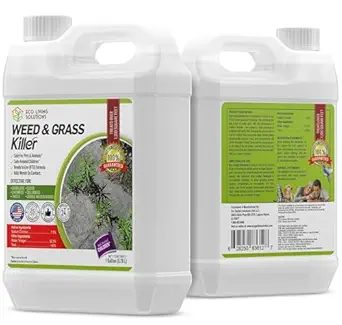 |
Spruce Weed & Grass Killer Kit with Power Wand and 64 oz Refill

| Unit Count | 64 Fluid Ounces |
|---|---|
| Coverage | 1 bottle treats up to 400 weeds. |
| Item Highlight | Pet Safe Weed Killer Spray, Reusable Weed Sprayer, 2 AA Batteries Included |
| Item Form | Multiple |
The Spruce Weed & Grass Killer Kit combines a 64 oz no-mix herbicide with a reusable battery-powered wand for quick spot treatment of broadleaf and grassy weeds. The ready-to-use formula uses water, essential oils, and a surfactant so you do not need to measure or dilute, and one bottle is advertised to treat up to 400 weeds. The powered wand makes targeting easy for cracks, edges, and flowerbed touch-ups and includes AA batteries to get started. Spruce claims visible leaf darkening within an hour and full plant death by 24 hours when used on a dry, calm day above 60°F, and the spray becomes rainproof within about 10 minutes. Practical strengths are the ease of application, the refillable sprayer that simplifies repeated spot treatments, and the pet- and people-friendly ingredient profile when directions are followed. Limitations to expect are that it is nonselective so you must avoid desirable plants and lawns, performance depends on application timing and weather, and repeated applications may be needed for persistent or deep-rooted weeds.
Best for: Gardeners who want a convenient, ready-to-use organic-lean weed treatment for spot spraying driveways, mulch beds, and pathways and who prioritize ease of use and quick visible results.
Less Ideal for: Those who need a selective lawn herbicide or who prefer a one-time, long-term soil residual solution for widespread infestations should look elsewhere.
- Ready-to-use no-mix formula eliminates measuring and diluting
- Powered wand provides precise spot treatment for cracks and edges
- Visible results reported as soon as one hour and full effect by 24 hours
- Formulated with water and essential oils and labeled safe around people and pets when used as directed
- Nonselective formula can damage desirable plants and lawns if oversprayed
- Effectiveness depends on applying in the recommended weather window and may require repeat treatments on stubborn weeds
Verdict: Buy this kit if you want an easy, no-mix, battery-powered spot sprayer with a plant-friendly essential-oil formula for fast, targeted weed control.
Ortho GroundClear Weed & Grass Killer with Comfort Wand, 1 gal.

| Unit Count | 128 Fluid Ounces |
|---|---|
| Coverage | 5120 square feet |
| Item Form | Spray |
| Active Ingredients | Ammonium Nonanoate |
Ortho GroundClear is a one-gallon, ready-to-use weed and grass killer formulated with ammonium nonanoate and labeled for organic use. It is designed for spot treatment on hardscapes and landscape beds where you want visible results quickly; the product claims browning in about 15 minutes and becomes rainproof roughly two hours after drying. The included Comfort Wand makes it easy to aim the spray at individual weeds along walkways, driveways, and around plantings, which helps avoid drift to desirable plants. Coverage is listed at about 5,120 square feet, so a single jug will handle multiple yard sessions. Because it is contact-based, tougher perennial roots may need repeat applications, and the spray must not touch wanted vegetation. Users should apply on calm, warm days and keep children and pets away until the treated area is dry. As an OMRI-listed option, it suits someone prioritizing organic-compliant products while still expecting fast, visible control of common weeds.
Best for: Buyers who want a fast-acting, organic-compatible spot treatment for weeds in hardscapes and landscape beds and who value precise application to protect nearby plants.
Less Ideal for: People needing full-lawn weed control or a systemic product that kills roots in a single application should consider other solutions.
- OMRI listed formulation suitable for organic production standards
- Fast visible results in about 15 minutes on contact weeds
- Includes a Comfort Wand for precise, low-drift application
- Becomes rainproof two hours after drying to protect effectiveness
- Contact herbicide action may require multiple treatments for deep or perennial roots
- Not safe to spray on lawns or desirable plants and requires careful aiming
Verdict: Choose this OMRI-listed ready-to-use spray when you need fast, targeted, and organic-compatible control of weeds on hardscapes and landscape beds.
ECO Garden Pro Ready-to-Use Organic Vinegar Weed Killer (2 Gallons)

| Item Form | Liquid |
|---|---|
| Coverage | 1200 square foot |
| Active Ingredients | Sodium Chloride – 7.5% |
| Unit Count | 256 Fluid Ounces |
ECO Garden Pro is a ready-to-use organic-style weed killer that combines white vinegar, rock salt (sodium chloride 7.5%), and biodegradable plant activators to desiccate and kill weeds, moss, and unwanted grass. You spray it directly on target plants around driveways, sidewalks, mulch beds, and other hardscape areas; the manufacturer states visible results within 24 hours and coverage of roughly 1,000 to 1,200 square feet per gallon. The obvious strengths are convenience and immediacy: no mixing, easy application, and quick leaf burn that reduces hand-weeding. Its ingredient list avoids glyphosate and synthetic herbicides, which makes it suitable where people prefer lower-toxicity options. Important limitations are expected for any vinegar/salt formula: it kills or damages any green plant it contacts, so it requires careful spot application to avoid desired lawn or garden plants, and repeated treatments may be needed for persistent deep-rooted perennials. The safety notice about harm to aquatic life and the need for gloves and eye protection is worth following during use.
Best for: Buyers who prioritize a quick, ready-to-use organic alternative for clearing weeds from hardscape and low-value areas and who want to avoid synthetic herbicides while minimizing prep work.
Less Ideal for: Gardeners seeking a selective lawn-safe herbicide for turf or those who need a systemic solution for deeply rooted perennial weeds should consider other options.
- Ready-to-use formula requires no mixing and sprays directly from the container
- Contains vinegar and sodium chloride formulation that delivers visible leaf burn within 24 hours
- Marketed as biodegradable and free of synthetic glyphosate
- Large 2-gallon supply covers around 1,000 to 1,200 square feet per gallon for broad treatment
- Non-selective action will damage any plant it contacts, so careful spot treatment is necessary
- Salt content can affect soil and nearby plants with repeated applications
- Warning for aquatic toxicity means it must not be used near water features
Verdict: Choose this product if you want a large ready-to-use, non-glyphosate weed killer that delivers fast visible results for driveways, sidewalks, and other hardscape areas.
Bonide Captain Jack's Deadweed Brew Ready-to-Use Spray, 32 oz

| Unit Count | 32 Ounce |
|---|---|
| Item Form | Spray |
| Coverage | Annual |
| Liquid Volume | 32 fluid ounces |
| Active Ingredients | Herbicide |
Bonide Captain Jack's Deadweed Brew is a ready-to-use spray that gives fast, visible weed control without mixing or special equipment. The formula is labeled for use on both broadleaf and grassy weeds and is cleared for use in organic gardening, so you can treat visible weeds in flowerbeds, vegetable gardens, lawns, driveways, patios, and gravel. Its nozzle spray makes spot treatment easy and it works at temperatures down to about 40°F; the product claims visible results within hours and becomes waterproof after drying, so light rain is less likely to wash it away. Because it is non-selective, users should apply carefully to avoid contact with desirable plants and follow label directions for sensitive areas. The ready-to-use format is convenient for quick jobs but is less economical for very large areas compared with concentrates. Safety instructions and label guidance are important to follow for responsible use around edible gardens and mature trees.
Best for: Buyers who want a simple, organic-approved spot treatment for weeds and prioritize ease of use and quick results over treating large lawns.
Less Ideal for: People who need to treat large acreages or who prefer a concentrated product for mixing and lower per-area cost should look for alternative formats.
- Ready-to-use spray requires no mixing and is simple for spot treatments
- Approved for organic gardening, suitable for use in vegetable and flower gardens when used per label
- Fast-acting formula with visible results reported within hours
- Versatile application areas including driveways, patios, borders, and around buildings
- Non-selective herbicide can damage desirable plants if contacted
- Ready-to-use format is less cost-effective for treating large areas compared with concentrates
Verdict: A convenient, organic-approved ready-to-use spray that delivers fast spot control for gardeners who want quick, no-mix weed treatment.
Natures Wisdom 20% Vinegar Herbicide, 1 Gallon

| Liquid Volume | 1 gallons |
|---|---|
| Item Form | Liquid |
| Active Ingredients | Herbicide, vinegar |
| Coverage | 1 gallon |
Natures Wisdom 20% Vinegar Herbicide is an organic, ready-to-use liquid designed to kill common broadleaf weeds and grasses by desiccation within hours and full browning under 24 hours. It is applied as a direct spray to thoroughly wet weed foliage using a hand-gun or single nozzle; the manufacturer specifies not to dilute the product. The 20% acetic acid formula is notably stronger than household vinegar and is cleared for organic use, making it suitable for homeowners who want to avoid synthetic herbicides. It works well on visible annual weeds such as chickweed, pigweed, and crabgrass and can be used for spot treatments on driveways, sidewalks, garden beds, and certain agricultural settings. Perennial weeds may require repeat applications, so expect follow-up treatments for deep-rooted species. Take care around desirable plants because the spray is nonselective and can damage foliage on contact, and follow safety guidance to avoid skin or eye exposure.
Best for: Buyers who prioritize reliable, organic options for fast, visible weed knockdown and prefer a ready-to-use treatment for spot control around homes and hard surfaces.
Less Ideal for: Gardeners seeking a selective systemic herbicide for roots and long-term control of persistent perennials or those who need a safe option to spray near desirable, sensitive plants.
- Certified organic and glyphosate-free, suitable for organic gardening practices
- High-strength 20% acetic acid formula that produces visible results within hours
- Ready-to-use liquid requires no mixing or dilution for spot treatments
- Works on a wide list of common annual and perennial broadleaf weeds and many grasses
- Nonselective contact herbicide that will damage desirable plants on contact
- Perennial and deep-rooted weeds often need multiple treatments for control
- Requires careful handling and personal protective measures due to strong acetic acid content
Verdict: If you want a strong, certified-organic contact herbicide that delivers fast, visible weed desiccation without glyphosate, this 20% vinegar formula is a dependable choice.
Natural Armor Weed & Grass Killer, 1 Gallon (128 oz) with Sprayer

| Unit Count | 128 Fluid Ounces |
|---|---|
| Item Form | Spray |
| Active Ingredients | Vinegar |
| Coverage | Flower beds, shrubs, trees, driveways, edging, fence lines, foundations, gravel areas, mulch beds, overgrown weed areas, parking areas, patios, pavers, pool areas, rock walls, pathways, walkways, wells, and water systems |
This Natural Armor product is a concentrated, vinegar‑based weed killer packaged as a one‑gallon spray ready to use. It is intended for spot treatment where vegetation is not wanted, such as driveways, patios, gravel beds, edging and around foundations. The formula contains industrial-strength vinegar as the active ingredient and is positioned as a glyphosate‑free, plant‑based alternative that gives visible browning of weeds within hours. The included sprayer and ready‑to‑use format make application straightforward with no mixing required. Practical benefits include broad coverage for many common weeds and convenience for treating large or multiple hardscape areas without preparing mixtures. Important limitations are that it is a non‑selective contact herbicide so desirable plants can be harmed if overspray occurs, and vinegar solutions typically control topgrowth rather than guaranteed long‑term root kill for persistent perennials. Users should follow label safety instructions, avoid application on windy days, and protect nearby vegetation and water sources.
Best for: Buyers who prioritize natural, glyphosate-free options and want a straightforward, ready-to-use product for removing weeds from driveways, patios and other no-plant zones with visible short-term results.
Less Ideal for: Gardeners seeking a selective herbicide for use inside planted beds or those needing guaranteed long‑term control of tough perennial roots should consider other approaches.
- Ready-to-use gallon with sprayer for quick application across large areas
- Contains vinegar as the active ingredient so it is glyphosate-free and plant-based
- Designed for use on hardscape and landscape trouble spots where vegetation is unwanted
- Fast visible results, with browning of weeds often within hours
- Non-selective contact action can damage nearby desirable plants if not applied carefully
- May not provide permanent control of deep‑rooted perennial weeds since vinegar often affects foliage more than roots
Verdict: Choose this if you want a ready-to-use, glyphosate-free vinegar spray for fast spot removal of weeds from hardscape and other no-plant areas.
ECO Garden PRO Organic Vinegar Weed Killer (1 Gallon)

| Unit Count | 128 Fluid Ounces |
|---|---|
| Item Form | Liquid |
| Coverage | 1000 square_feet |
| Active Ingredients | Sodium Chloride |
This one-gallon ECO Garden PRO weed killer is a ready-to-use organic formula intended for spot treatment of unwanted weeds and grasses on hardscapes, mulch beds, and lawns. The product is applied directly to foliage with a fine-mist sprayer and is designed to work on contact, delivering visible results in 24 to 48 hours when used on warm, sunny days above 70 F. Notable features include a vinegar-based formulation blended with rock salt and biodegradable plant activators and a coverage claim around 1,000 square feet. Practical benefits for a cautious buyer are that the ingredients are marketed as organic, biodegradable, and safer around children, pets, bees, and groundwater compared with synthetic herbicides. Important limitations are that it is a contact foliar killer rather than a systemic product, so roots can regrow and repeat applications may be needed for persistent perennials; it also requires careful application to avoid desirable plants and should not be used during or right after rain. Follow label directions for best timing and thorough leaf coverage.
Best for: Buyers who prioritize low-toxicity, organic options and want an easy, ready-to-use foliar spray for spot treating common weeds around walkways, driveways, and beds.
Less Ideal for: Gardeners seeking a systemic long-term solution for deep-rooted perennial weeds or those who need a product that works in cool, wet conditions should consider alternative approaches.
- Ready-to-use liquid that requires no dilution for straightforward spot spraying
- Formulation uses vinegar, rock salt, and biodegradable activators marketed as organic and safer for people, pets, and pollinators
- Works on contact with visible dieback often within 24 to 48 hours under recommended conditions
- Covers approximately 1,000 square feet per gallon according to product details
- Contact-only action does not kill roots, so persistent perennials can regrow and may need repeat treatments
- Requires warm, sunny conditions to be effective and must not be applied during or immediately after rain
Verdict: A convenient, organic-ready contact herbicide for risk-averse gardeners who want a low-toxicity, quick-acting solution for spot weed control.
Choosing the Right Organic Weed Killer: Key Factors to Consider
Active Ingredient and Mode of Action
Understanding what the product uses to kill weeds helps set expectations for results. Botanical actives like acetic acid or citrus oils work by burning foliage and are fast-acting but may only give top-growth control. Salt-based or soap‑enhanced formulas desiccate tissues and can be effective on young annuals but often do not reach deep perennial roots.
Mode of action determines whether the product is primarily contact-killing or has systemic effects. Contact herbicides require thorough coverage and often need repeat applications for tough perennials. Systemic organic options are rare; if present, they may work more slowly but reduce regrowth from roots. Choose an active that matches the types of weeds you face and accept tradeoffs between speed and depth of control.
Selectivity and When to Spot-Treat
Selectivity defines whether a product will harm surrounding desirable plants. Many organic weed killers are nonselective and will damage any green tissue they touch. That makes placement and timing critical; spot treatments on individual weeds or use on hard surfaces reduces collateral damage.
For lawns or mixed beds, prefer formulations and application methods that allow precise targeting, such as foam applicators or wicking tools. If you plan to treat established ornamentals nearby, consider protective barriers or physical removal instead of broadcast spraying.
Application Method and Practicality
Different formulations suit different garden situations. Ready-to-use sprays are convenient for small patches and patios, concentrates are more economical for larger areas but require mixing, and granular or pellet forms can give a different delivery profile for specific sites.
Also consider nozzle type, spray drift risk, and whether a product requires reapplication after rain. Ease of measuring and mixing, plus nozzle control for spot treatments, affects how consistently you will use the product and how safe applications will be in planted beds or windy conditions.
Speed of Control and Need for Repeat Treatments
How quickly you need weeds removed affects product choice. Fast-acting burn-down solutions give visible results in hours to days but often require follow-up to control roots. Slower-acting treatments can reduce regrowth but demand patience.
For annual weeds, rapid foliar burn may be enough. For deep-rooted perennials, plan for a series of treatments or combine mechanical removal with organic applications. Knowing the expected timeline helps manage expectations and scheduling for reseeding or transplanting.
Safety for Pollinators, Pets, and People
Organic labeling does not automatically mean no ecological risk. Some contact herbicides can reduce nectar or pollen quality by killing flowering weeds and may be toxic to bees if applied to blooms during active foraging times. Read and follow timing restrictions to protect pollinators, and avoid treating flowering plants.
Consider pet exposure: some ingredients can irritate paws or be harmful if ingested before residues dry. Use products with clear drying times and re-entry intervals, and keep pets and children away until treated areas are safe.
Soil Residue and Replanting Intervals
Some organic products leave salts or residues that can affect seed germination and young transplants. If you plan to reseed lawn or replant flower beds soon after treatment, choose options with minimal soil persistence or follow label guidance on waiting periods.
When using stronger desiccants or salt-based products, rinse treated soil if you intend to plant within a short window to reduce impacts on seedlings. Understanding residue behavior prevents accidental crop failures or poor establishment after treatment.
When to Use Organic Treatments Versus Physical Removal
Organic chemical controls are best when weeds are numerous, in cracks or large patches, or when manual removal is impractical. They are also useful for small-seeded annuals that are too tedious to pull one by one.
Mechanical methods like hand pulling, hoeing, or flame weeding remain valuable for single perennial crowns, for shallow-rooted seedlings, or when you need immediate removal without chemical residues. Combining approaches often gives the best long-term control.
- Spot-treat dense patches and hand-pull isolated deep-rooted plants.
- Use organic sprays on paved areas or gravel where collateral damage is minimal.
- Reserve flame or thermal tools for driveways and walkways where flammable material is low.
Timing Applications to Protect Beneficial Insects
Apply nonselective organic controls when pollinators are least active, typically early morning or late evening, and avoid treating blooming plants. Even organic actives can be harmful when they contact nectar or pollen, so timing reduces ecological impact.
Also plan applications for calm weather to avoid drift onto flowering neighbors, and check local pollinator advisories during major bloom periods.
- Avoid spraying on warm, sunny afternoons when bees forage most actively.
- Wait until treated foliage has fully dried before allowing bee access if label permits.
Techniques for Spot Treatment and Reduced Drift
For beds with desirable plants nearby, use a shielded sprayer, wick applicator, or brush-on method to confine contact to target weeds. Low-pressure nozzles and coarse droplets reduce drift compared with fine mist.
Consider mechanical trimming of weed foliage before applying contact treatments; removing excess leaf area improves coverage-to-plant ratio and reduces the amount of product needed.
- Use a cardboard or plastic shield to block spray when treating close to ornamentals.
- Apply during low wind speeds and monitor nozzle condition to maintain consistent droplet size.
Preparing the Site After Treatment
After weeds brown and die back, remove dead material to reduce hiding spots for pests and to make reseeding or transplanting easier. For treatments that leave residues, lightly till or rake the topsoil and water to dilute surface salts before planting.
If you expect to reseed a lawn or establish seedlings, consult the product label for exact wait times. When in doubt, wait a full growing cycle or use a soil test and visual checks for germination success before committing to plugs or seeds.
- Compost or dispose of heavily treated plant material rather than incorporating it back into beds if label cautions exist.
- Water treated areas when advised to help dissipate surface residues that might impede seed germination.
Integrating Organic Weed Control Into a Year-Round Plan
Use organic controls as one tool in an integrated weed management plan. Start with cultural practices that reduce weed pressure: denser plantings, mulch, regular mowing, and improving soil health to favor desirable species.
Reserve chemical-based organic treatments for targeted interventions, seasonal flushes, or after cultivation. Tracking where and when you treat helps prevent overuse and preserves long-term garden balance.
- Rotate control tactics to avoid relying on a single method that may miss certain weed life stages.
- Maintain records of application dates and environmental conditions to refine timing in future seasons.
How We Chose the Best Organic Weed Killer
We shortlisted products that offer proven botanical or non-synthetic active ingredients and practical application options for home gardeners. Our selection filters prioritized documented weed control performance on common garden species, formulations suited for beds, borders, or hardscapes, and clear usage instructions that reduce risk to desirable plants and pollinators. We excluded any products that rely on synthetic systemic herbicides or make unsupported claims about long-term soil sterilization. Key evaluation criteria included how quickly a product suppresses or kills foliage, how selective it is toward target weeds versus desirable plants, the safety profile for pollinators and pets when used according to label, the practicality of application (spray, sprinkle, or spot-treat), and replanting interval or residual effects in soil. Packaging and label clarity were also considered because good instructions reduce misuse. Products that required unrealistic application rates or specialized equipment were deprioritized. The final list balances real-world effectiveness with gardener-friendly safety and ease of use.
FAQ
Are organic weed killers safe to use around vegetable gardens?
Often they are safe when used carefully, but it depends on the active ingredient and label instructions. Use spot treatments, avoid contact with crop foliage, and wait the recommended interval before planting or harvesting when the label requires it.
How many applications are usually needed to control deep-rooted perennials?
Control of deep-rooted perennials often requires multiple applications over a season because many organic actives are contact-based. Combine treatments with digging or root removal for more reliable long-term control.
Will organic weed killers harm my lawn?
They can if they contact desirable turf. Some formulations are labeled for lawn use and include guidance for spot treatments, while nonselective products will damage grass on contact. Use precision application methods and test a small area first.
Can I use organic weed killers right after rain?
Usually you should wait for foliage to dry and for soils to stop shedding water. Rain shortly after application can reduce efficacy by washing off contact actives. Check label guidance on reapplication after weather events.
Do organic weed killers leave residues that prevent planting?
Some leave salts or residues that can affect seed germination temporarily. Many products specify safe replanting intervals. If replanting soon, choose options with minimal soil persistence or rinse and amend the soil as recommended.
How should I protect bees and other pollinators when using these products?
Avoid spraying flowering plants and apply treatments when pollinators are least active, such as early morning or late evening. Use targeted application methods to reduce drift and follow label precautions about foraging intervals.
Final Verdict
Choosing the right organic weed killer depends on the weeds you face, the surrounding plants you want to protect, and how quickly you need results. Prioritize products and application methods that allow precise targeting near ornamentals and follow timing guidance to protect pollinators and pets. Expect tradeoffs: fast contact killers give quick visual results but may require repeat treatments, while gentler options reduce non-target risk but act more slowly. Decide first whether you need spot treatment, area control, or something safe for vegetable beds, then match that need to a formulation and application method. With careful timing and technique, organic weed control can be an effective part of a healthy, pollinator-friendly garden strategy.
