

Note: This article contains affiliate links. If you click on these links and make a purchase, I may earn a small commission at no extra cost to you. This helps support my research and content. Read my full affiliate disclosure here.
Spring feeding sets the tone for hydrangea health and flowering across the growing season. The right spring fertilizer helps plants push fresh shoots, develop sturdy stems, and open more flower heads without forcing weak, floppy growth. For gardeners aiming to maximize bloom size, color, and plant vigor, choosing a fertilizer designed for hydrangeas in spring matters. This guide covers our seven shortlisted spring fertilizers chosen for their nutrient balance, pH effects, and ease of application. We evaluate each option for nutrient profile, soil interaction, and user friendliness so you can pick the approach that fits your bed, container, or landscape planting. Read on for the decision factors we used and practical tips for spring feeding.
Top Picks at a Glance
| Best Overall The best all-around choice for most situations | TPS Nutrients Hydrangea Liquid Fertilizer, 8 oz |  |
| Best Quality Built to a higher standard if you want something more solid | Espoma Organic Holly-Tone 4-3-4 Evergreen & Acid-Loving Plant Food (4 lb., 2 pack) |  |
| Best Value The sweet spot between price and what you get | Jobe's Organics Granular Rose & Flower Fertilizer, 4 lb |  |
| Best Budget The cheapest option that still gets the job done reliably | RAINFLOW 10-30-20 Blossom Booster Water-Soluble Fertilizer (11.28 oz) |  |
| Highest Rated A top-rated pick with lots of positive feedback | GreenGro Acid Loving Organic Fertilizer 5-5-3, 4 lb |  |
| Most Popular A crowd favorite that many people choose with confidence | Miracle-Gro Water Soluble Bloom Booster Flower Food, 5.5 lb |  |
| Best Seller A high-volume bestseller chosen again and again | Miracle-Gro Watering Can Singles All Purpose Plant Food, 24 Packets | 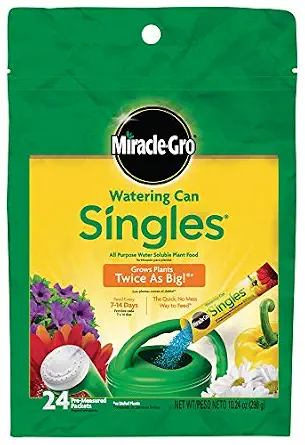 |
TPS Nutrients Hydrangea Liquid Fertilizer, 8 oz

| Item Form | Liquid |
|---|---|
| Application Method | Dilute in water and apply to soil |
| Coverage | Medium |
| Mixing Ratio | 1:200 |
| Unit Count | 8 Fluid Ounces |
This 8 oz liquid fertilizer is made specifically for hydrangeas and is mixed into water at a 1:200 ratio for monthly applications from early spring through late summer. It supplies balanced, fast-absorbing nutrients intended to encourage fuller blooms, richer flower color, stronger leaf and stem growth, and healthier root development. Typical use is diluting 5 mL per gallon of water and applying to soil around garden beds or container plants; the small concentrated bottle is convenient for spot treatments and patio pots. Practical benefits include targeted nutrition for acid-loving shrubs, an easy dilution guide, and a fast-absorbing liquid formula that reduces mess compared with granular feeds. Limitations are the small 8 oz volume, which means multiple bottles are needed for larger gardens, and the product assumes plants are not drought stressed when applied. You must follow safety instructions like wearing gloves and avoid use on dry plants. For spring feeding routines this product fits into a simple monthly schedule and pairs well with routine watering and soil care.
Best for: Gardeners who want a simple, targeted monthly fertilizer to boost hydrangea blooms and foliage in beds or patio containers and prefer a fast-absorbing liquid feed.
Less Ideal for: People managing large landscapes who need bulk fertilizer or those seeking an all-purpose feed for non-acid-loving plants.
- Formulated specifically for hydrangeas and other acid-loving flowering shrubs
- Fast-absorbing liquid that is easy to dilute and apply
- Clear mixing ratio and monthly application schedule for spring through summer
- Suitable for both garden beds and containers
- Small 8 oz bottle may not be economical for large gardens or many plants
- Not intended for use on drought-stressed or dry plants
Verdict: A concentrated, easy-to-use liquid feed that simplifies monthly spring-to-summer care for hydrangeas and patio shrubs.
Espoma Organic Holly-Tone 4-3-4 Evergreen & Acid-Loving Plant Food (4 lb., 2 pack)

| Item Form | Powder |
|---|---|
| Specific Uses For Product | Organic,Plant Food |
| Application Method | Sprinkle over the root zone and water in |
| Target Species | Acid-loving Plants |
Espoma Holly-Tone is a ready-to-use granular fertilizer made for acid-loving shrubs and ornamentals. You sprinkle it around the root zone and water it in; the organic ingredients and Bio-tone microbes break down slowly to feed plants over time rather than producing a quick flush. Notable features include its 4-3-4 NPK analysis, 5% sulfur to help maintain soil acidity for species like hydrangeas, and certification for organic gardening. In practice it is best used in spring and fall applications to support flowering and evergreen health; for hydrangeas the sulfur helps preserve the acidic conditions that influence bloom color and vigor. Because it is organic and slow-release, results are gradual and depend on soil biology, so it is not a fast corrective if plants are severely deficient. The convenience of a ready-to-use powder and the brand's long track record make it a solid choice for growers who prioritize steady, natural feeding over immediate synthetic results.
Best for: Gardeners who want a performance-minded organic fertilizer for spring feeding of hydrangeas and other acid-loving shrubs and who value steady, long-term bloom and foliage improvement.
Less Ideal for: Growers who need rapid corrective feeding or a single all-purpose fertilizer for mixed plantings including non-acid-loving species should look elsewhere.
- Formulated specifically for acid-loving plants with added sulfur to support soil acidity
- Organic, slow-release formula that builds long-term soil fertility
- Ready-to-use granular form requires no mixing and is easy to apply around drip lines
- Suitable for spring and fall applications to support blooms and evergreen health
- Slow-release action means it does not correct acute nutrient deficiencies quickly
- Limited to acid-loving plants and not designed for general-purpose feeding across all species
Verdict: Choose Holly-Tone when you want a proven organic, slow-release fertilizer that sustains spring bloom and soil acidity for hydrangeas and other acid-loving shrubs.
Jobe's Organics Granular Rose & Flower Fertilizer, 4 lb

| Item Form | Granules |
|---|---|
| Specific Uses For Product | Plant Growth,Root Development,Seed Developmen,tSoil Conditioning |
| Coverage | Medium |
| Target Species | roses, hydrangeas, hibiscus, azaleas, and other flowering shrubs |
| Unit Count | 64 Ounce |
Jobe's Organics Granular Rose & Flower Fertilizer is an OMRI-listed organic granular feed designed for roses, hydrangeas, hibiscus, azaleas, and similar flowering shrubs. It supplies a balanced 3-5-3 NPK (listed as mixing ratio) in a granular form you sprinkle around the root zone and work into the soil or apply according to label directions every six weeks during the blooming season. The formula includes secondary nutrients such as calcium and magnesium which support healthy foliage and root development while avoiding synthetic chemicals. Practical benefits for spring hydrangea care are straightforward: it encourages blooms and steady growth without the burn risk tied to concentrated synthetic feeds, and the granules make measuring and repeated applications easy. Limitations are that coverage is listed as medium so a single 4 lb bag suits a small bed or a few plants rather than a large garden, and you must follow safety instructions when handling. For gardeners committed to organic practices, it is a simple, low-risk way to feed hydrangeas through the growing season.
Best for: Gardeners who prioritize organic, low-risk feeding and want an easy-to-apply granular fertilizer for spring bloom and steady growth in hydrangeas and other flowering shrubs.
Less Ideal for: Large-scale gardeners or landscapers who need high-coverage, long-duration feeding solutions should consider bulk or slow-release commercial options instead.
- OMRI listed and formulated without synthetic chemicals, suitable for organic gardens
- Balanced nutrient mix aimed at blooms and root development (listed 3-5-3 mixing ratio)
- Granular form is easy to measure and apply every six weeks during bloom season
- Includes secondary nutrients like calcium and magnesium to support foliage and root health
- 4 lb bag provides medium coverage and may not be enough for larger beds or many plants
- Requires repeated applications during the season rather than one long-lasting feed
Verdict: A straightforward OMRI-listed granular fertilizer that makes feeding hydrangeas in spring simple and reliable for organic-focused home gardeners.
RAINFLOW 10-30-20 Blossom Booster Water-Soluble Fertilizer (11.28 oz)

| Item Form | Granules |
|---|---|
| Application Method | Water-soluble |
| Target Species | Flowers |
| Unit Count | 11.28 Ounce |
This RAINFLOW 10-30-20 blossom booster is a small, water-soluble fertilizer designed to push bloom production and color in flowering plants such as hydrangeas, azaleas, bougainvilleas, and gardenias. You mix measured granules into water for quick-dissolving feeds that deliver a high phosphorus dose to support flower set and brighter blooms during the spring flowering period. The blue granules make it easy to measure and see whether the product has fully dissolved, which helps avoid over- or under-feeding potted hydrangeas and garden beds. The 11.28 ounce package is easy to store and convenient for homeowners with a few shrubs or containers. Limits are the small package size for larger landscapes and the single NPK ratio which may not suit all growth stages; growers who want a tailored feeding program will need additional fertilizers for vegetative growth or slow-release options. For spring application on hydrangeas this product provides a straightforward, fast-acting bloom boost that is simple to use for routine feeding.
Best for: Gardeners looking for an affordable, easy-to-mix bloom booster to use on spring-flowering hydrangeas and a few container or border plants.
Less Ideal for: Large properties or gardeners who want an all-in-one feeding program for both vegetative growth and bloom production should consider larger or multi-formula options.
- High phosphorus NPK (10-30-20) formulation targeted to increase bloom production and color
- Water-soluble granules that dissolve quickly for fast nutrient uptake
- Blue granules allow visible measurement and ensure complete mixing
- Compact 11.28 oz package is easy to store and convenient for small-scale gardeners
- Small unit size may require frequent repurchase for larger gardens
- Single NPK ratio limits usefulness during non-flowering growth stages
Verdict: A simple, fast-dissolving high-phosphorus fertilizer that gives spring hydrangeas a noticeable bloom boost in a compact, budget-friendly package.
GreenGro Acid Loving Organic Fertilizer 5-5-3, 4 lb

| Item Form | Granules |
|---|---|
| Specific Uses For Product | Acid-loving plants, Indoor & Outdoor use |
| Target Species | Acid-loving plants |
| Unit Count | 64 Ounce |
This 5-5-3 granular fertilizer is designed for spring feeding of hydrangeas and other acid-loving plants by providing balanced nutrients while gradually lowering soil pH with elemental sulfur. It is typically applied by mixing the recommended amount into the soil at the plant base or into container media and watered in; the label gives clear rates for garden and pot use and schedules for repeat applications. Notable features are the inclusion of mycorrhizal fungi, beneficial bacteria, and biochar, which support root extension, nutrient availability, and microbial habitat in addition to the fertilizer itself. For gardeners looking for a dependable spring booster that also nudges pH toward the range bigleaf hydrangeas prefer, this product combines feeding and biological soil support in one bag. Limitations to keep in mind are that pH changes are gradual so immediate color shifts are not guaranteed and repeated applications can push soil acidity too low if overused, so following the directions and testing soil pH periodically is important.
Best for: Gardeners who want a reliable, no-fuss spring fertilizer that both feeds hydrangeas and slowly acidifies soil while supporting soil biology.
Less Ideal for: People who need immediate pH changes or those who prefer separate specialized soil amendments and microbial inoculants rather than a combined product.
- Formulated to lower soil pH gradually with elemental sulfur for acid-loving plants
- Contains mycorrhizae, beneficial bacteria, and biochar to improve root access and soil biology
- Clear application rates for both in-ground and container hydrangeas
- Balanced 5-5-3 N-P-K to provide steady spring nutrition
- pH adjustment is gradual and requires repeated applications and monitoring to reach target acidity
Verdict: A practical spring choice for hydrangea growers who want steady feeding plus gradual pH lowering and improved soil biology in one product.
Miracle-Gro Water Soluble Bloom Booster Flower Food, 5.5 lb

| Item Form | Powder |
|---|---|
| Application Method | Mix with water |
| Target Species | Flower |
| Mixing Ratio | 1:Water |
| Coverage | 5.5 |
Miracle‑Gro Water Soluble Bloom Booster is a powder fertilizer you mix with water to feed flowering plants and encourage more blooms. It is typically used every 7 to 14 days during bud set and bloom by applying the solution to the soil at the plant base or with a garden feeder for larger beds. The concentrated 10‑52‑10 NPK formula delivers a strong boost of phosphorus aimed at supporting flower development, and the included mixing guidance and scoop make it straightforward to dose for containers and in‑ground plantings. Practical benefits include quick uptake through watering, broad compatibility with common flowering shrubs and garden annuals, and enough powder in this 5.5 lb container to cover a substantial area. Important limitations are that its high phosphorus content is targeted at flowering and not foliage growth, so it is not a complete all‑purpose feed, and frequent applications require attention to mixing rates to avoid overfeeding. Also the product is a soluble powder, so you need a watering can or feeder to apply it rather than a granular slow‑release option.
Best for: Gardeners who want a straightforward, fast‑acting fertilizer to increase spring blooms on hydrangeas and other flowering plants and who monitor feed schedules carefully.
Less Ideal for: People seeking a slow‑release or balanced all‑season fertilizer for general plant maintenance or those who prefer less frequent feeding routines.
- High phosphorus NPK (10‑52‑10) to encourage heavier bloom production
- Fast acting when mixed with water for quicker visible flower response
- Works for both containers and in‑ground beds with clear mixing directions
- Large container covers a wide garden area so you refill less often
- Focused on bloom stimulation rather than balanced, long‑term nutrient supply
- Requires regular mixing and application every 1–2 weeks during bloom period
Verdict: Use this soluble high‑phosphorus booster when you want a clear, fast way to increase spring blooms on hydrangeas and flowering garden plants.
Miracle-Gro Watering Can Singles All Purpose Plant Food, 24 Packets

| Number of Packs | 24 |
|---|---|
| Application Method | watering can |
| Item Form | SOLID |
| Target Species | Flowers, vegetables, houseplants, trees and shrubs |
| Mixing Ratio | 1 teaspoon per 1 gallon of water |
Miracle-Gro Watering Can Singles are single-use, pre-measured packets of water-soluble all-purpose fertilizer intended to be mixed into a watering can and applied while watering. Typical use is simple: tear open a packet, add it to water, and apply the prepared solution to soil around plants every 7 to 14 days during active growth. The packets remove measuring and mess, making it easy to feed container-grown and in-ground plants alike. For spring-fed hydrangeas this product delivers a predictable, balanced dose of nutrients that promotes vigorous leaf and flower growth when used as directed. Notable features include coverage guidance (one packet per gallon for outdoor plants, one packet per two gallons for indoor plants) and clearly stated mixing ratios. Limitations to consider are that it is an all-purpose formula rather than a hydrangea-specific fertilizer so it does not adjust soil pH or target bloom color, and frequent reapplication is required through the season. The convenience and consistency of pre-measured packets are the main practical benefits for gardeners who prefer low-fuss feeding.
Best for: Gardeners who want a low-risk, easy-to-use feeding routine for spring hydrangeas and other landscape or container plants and prefer predictable, measured doses over DIY mixing.
Less Ideal for: Growers who need a fertilizer formulated specifically to influence hydrangea bloom color or long-release nutrient delivery should consider specialty acidifying or slow-release products instead.
- Pre-measured packets eliminate measuring and reduce spills
- Water-soluble formula feeds plants immediately when applied while watering
- Clear directions and mixing ratios for outdoor and indoor use
- Versatile for use on flowers, vegetables, shrubs, trees and houseplants
- All-purpose formula does not modify soil pH or target hydrangea bloom color
- Requires reapplication every 1 to 2 weeks during active growth
Verdict: If you want a simple, mess-free way to feed spring hydrangeas regularly, these pre-measured Miracle-Gro packets deliver consistent, easy-to-apply nutrition.
Choosing the Right Fertilizer for Hydrangeas in Spring: Key Factors to Consider
Nutrient Ratio and Bloom Support
Hydrangeas need a fertilizer that supports both leafy growth and flower production. In spring you want enough nitrogen to push fresh shoots but not so much that plants produce excessive foliage at the expense of flower buds. A balanced N-P-K or a formula with slightly higher phosphorus can help set flower buds while keeping stems strong.
Understanding the guaranteed analysis on the label is important. Look for clear N-P-K numbers and any secondary nutrients like magnesium or calcium that influence flower quality. Overfeeding with high nitrogen formulations can delay bud set, so choose a ratio suited to early-season development.
Soil pH Interaction and Bloom Color
Hydrangea bloom color for certain species depends on soil aluminum availability, which is controlled by pH. Some spring fertilizers are neutral in pH effect, while others include sulfur or aluminum to shift soil acidity. If you want to influence bloom color, pick a product that states its effect on soil pH or pair a neutral feed with separate pH amendments.
Testing soil pH before feeding lets you decide whether the fertilizer alone is sufficient or if supplemental soil acidifiers or lime are needed. Avoid products that ambiguously claim color change without giving guidance on how much amendment to apply.
Release Type and Timing
Fertilizers release nutrients either quickly or over time. Water-soluble and liquid feeds deliver nutrients fast and are useful for a quick spring boost, especially in containers. Slow-release or polymer-coated granules supply nutrients steadily, reducing the need for repeated applications across the season.
Consider how often you want to feed and whether you can water in frequently. In established landscape plantings, a slow-release granular option reduces labor, while new transplants or container plants often benefit from more frequent, gentle liquid feeds.
Application Method and Garden Situation
Where your hydrangeas grow affects the best fertilizer form. Beds and foundation plantings tolerate granular top-dressing or broadcast applications. Containers and hanging baskets respond better to water-soluble or liquid feeds where nutrients mix with irrigation.
Application ease also matters for hobby gardeners with limited time or physical ability. Products with simple spreader instructions, or concentrated liquids with clear dilution rates, minimize mistakes that can harm roots or foliage.
Salt Index and Root Safety
Some fertilizers have high soluble salt levels that can burn roots, especially in young plants or those in shallow containers. In spring, tender new roots are vulnerable, so choose formulations with lower salt potential or follow conservative application rates.
If you garden in containers or on sandy soils, leach the soil occasionally after feeding to prevent salt buildup. Organic-based or slow-release products tend to be gentler on root systems and improve long-term soil health.
Compatibility With Soil Amendments and Mulch
Fertilizer interacts with other common spring practices like mulching and adding compost. Slow-release granules work well under mulch that moderates moisture, while liquid feeds are best applied after removing any heavy debris to ensure even watering.
Think about timing: apply fertilizer when soil temperatures are warming and moisture is steady. If you plan to add lime, sulfur, or compost, coordinate those amendments so they do not counteract the fertilizer's intended pH or nutrient effects.
When to Feed Hydrangeas in Spring
Apply the first spring feed once new growth is evident and soil temperatures are warming, typically after the risk of hard frost has passed in your area. For early-blooming varieties that set buds on old wood, avoid heavy feeding too late in spring to prevent disrupting bud development.
For mophead and lacecap types that bloom on new growth, a timely spring feed encourages vigorous shoot production and more flower heads. In containers, start with a light application earlier because containers warm and dry faster than in-ground beds.
- Check for active new shoots before applying concentrated feeds.
- Delay heavy nitrogen applications until after bud set on old-wood bloomers.
- In colder climates, wait until consistent soil warming to avoid stimulating tender growth before frost risk passes.
Feeding Techniques for Beds and Landscapes
For in-ground hydrangeas, distribute granular fertilizers evenly in a donut around the dripline and lightly work them into the topsoil or cover with mulch. Water thoroughly after application to move nutrients into the root zone.
If you use slow-release granules, one spring application often suffices. For quick-release products, split doses over several weeks to avoid nutrient spikes that can harm roots.
- Apply fertilizer beyond the stem flare toward the dripline where most feeder roots occur.
- Avoid piling granular fertilizer against stems or trunks to prevent burn.
- Combine feeding with a fresh layer of organic mulch to conserve moisture and moderate nutrient release.
Container Hydrangea Feeding Tips
Containers need more frequent feeding because nutrients leach with each watering. Use a water-soluble or liquid feed on a regular schedule to maintain consistent nutrient availability. Follow label dilution rates and reduce concentration if you see salt buildup or leaf scorch.
Repotting or refreshing container mixes in spring is a good time to add a balanced slow-release pellet to the new media for steady feeding, then supplement with liquid feed during the season.
- Flush containers occasionally with plain water to prevent salt accumulation.
- Use lower-concentration feeds more frequently rather than one strong dose.
- Watch for root-bound conditions that reduce fertilizer effectiveness; repot when needed.
Using Soil Tests to Guide Spring Feeding
A simple soil test gives actionable data on pH and available nutrients, which helps you choose a fertilizer that fills real deficiencies rather than guessing. Test results let you target phosphorus or potassium shortfalls and determine whether pH adjustment is needed to influence bloom color.
Repeat tests every few years or when plants show persistent nutrient deficiency symptoms. Small adjustments guided by data are safer and more effective than routine blanket applications.
- Collect samples from the root zone and avoid surface debris for accurate pH results.
- Consider a separate aluminum or sulfur amendment only if the soil test indicates a need for color control.
Organic Versus Synthetic Spring Feeds
Organic fertilizers release nutrients more slowly as soil microbes break them down, supporting long-term soil health and lower salt risk. They are a good choice for gardeners who prefer building soil structure and microbial life, especially in beds and perennial borders.
Synthetic or water-soluble feeds give an immediate nutrient boost and are useful for containers or when plants need a quick recovery. Both approaches can be effective in spring if chosen to match application timing and plant needs.
- Match product choice to how quickly you need results and your willingness to manage repeat applications.
- Combine organic soil building with targeted spring feeding for a balanced, sustainable approach.
How We Chose the Best Fertilizer for Hydrangeas in Spring
We shortlisted fertilizers that address the specific needs of hydrangeas during the spring flush of growth. Key evaluation criteria included nitrogen-to-phosphorus-to-potassium ratio and whether the formula supports balanced shoot and flower development; how the product affects soil pH or includes amendments for color control; nutrient release behavior, distinguishing between quick-release feeds and slow-release or controlled-release options; formulation type, including granular, water-soluble, and liquid feeds, and how that affects ease of use in beds versus containers; and soil and root safety, including salt index and compatibility with organic garden practices. Products that lacked clear nutrient analysis, offered no guidance on pH interaction, or were unsuitable for common hydrangea planting situations were excluded. We also prioritized fertilizers with clear application rates and timing for spring use. The scoring emphasizes nutrient balance, pH influence, release profile, ease of application, and environmental or root safety to reflect real gardener priorities when feeding hydrangeas in spring.
FAQ
How often should I feed hydrangeas in spring?
Often a single tailored spring application of slow-release fertilizer is sufficient for in-ground plants, while containers benefit from lighter, more frequent liquid feeding. Frequency depends on fertilizer release type and plant vigor.
Will spring fertilizer change hydrangea flower color?
Fertilizer affects color only indirectly by changing soil pH or aluminum availability. Use products that state their pH effects or pair a neutral feed with separate pH amendments to intentionally shift color.
Can I use a general-purpose garden fertilizer on hydrangeas in spring?
You can, but match the nutrient ratio to hydrangea needs and avoid high nitrogen formulas that promote leaf growth over blooms. A balanced N-P-K or slightly phosphorus-biased feed is usually better for flowering.
Are organic spring fertilizers safe for newly planted hydrangeas?
Yes, organic fertilizers tend to be gentler on new roots because they release nutrients gradually. Apply according to transplant guidelines and avoid heavy doses that can stress young roots.
What signs show my hydrangea needs a spring feeding?
Signs include slow or weak new shoot growth, pale leaves, and poor bud formation after winter. A soil test can confirm nutrient deficiencies rather than relying solely on visual cues.
Final Verdict
Prioritize the fertilizer traits that match how and where you garden. For beds, a slow-release granular product that supports balanced shoot and flower development and interacts predictably with soil pH is usually the easiest path. For containers, prefer water-soluble or liquid feeds applied more frequently at lower concentrations to avoid salt stress. Balance nutrient needs against bloom goals and pH targets, and use soil testing to guide adjustments. With the right spring feeding strategy you can encourage sturdier growth, more abundant flowers, and long-term plant health.
